Heavy-duty cargo transshipment configurations engineered for Doha's rigorous logistical environments
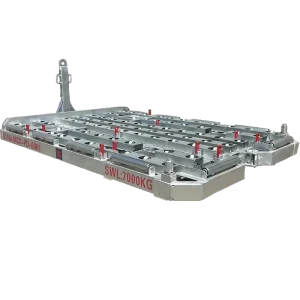
Specialized castle-type retaining stops designed for rapid locking and structural stability during high-speed taxiway towing.
View Technical Specifications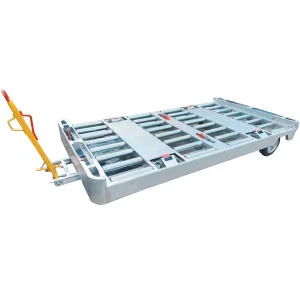
Multi-configuration heavy payload structural chassis suitable for extreme operational stress and inter-modal shipping transfers.
View Technical Specifications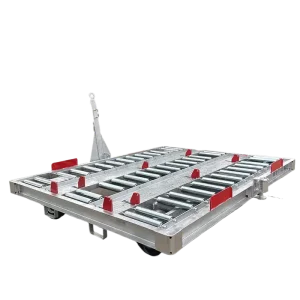
High tensile strength steel construction configured for international container configurations and extreme temperature durability.
View Technical Specifications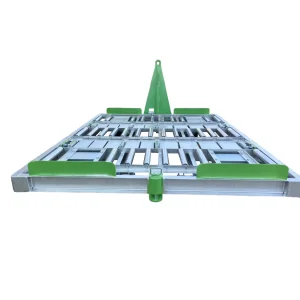
Robust multi-directional cargo movement capability featuring integrated gravity roller beds and ergonomic tow bar setups.
View Technical SpecificationsAn Industry Whitepaper on Ground Support Equipment (GSE) and Pallet Dolly Requirements in the Gulf Region
Doha, the capital city of Qatar, has rapidly emerged as one of the world's most critical aviation and logistical corridors. Strategically located between the East and the West, Hamad International Airport (HIA) and the surrounding Free Zones—including Ras Bufontas and Um Alhoul—serve as vital nodes for global trade networks. As cargo volumes continue to grow exponentially, the demand for highly durable, specialized Ground Support Equipment (GSE), specifically heavy-duty pallet dollies, has reached unprecedented levels.
Ground operations in the Middle East present distinct environmental and mechanical challenges that standard equipment simply cannot withstand. During the peak summer months, ambient temperatures in Doha regularly exceed 50°C (122°F), while tarmac surface temperatures can soar above 70°C (158°F). This extreme heat, coupled with high humidity and fine ambient dust, places immense thermal and mechanical stress on the structural steel, hydraulic systems, caster wheels, and safety coupling mechanisms of GSE. A failure in ground equipment halts the cargo flow chain, resulting in expensive gate delays and affecting the turnaround times of widebody cargo aircraft.
To overcome these challenges, global logistics procurement directors are moving away from generic off-the-shelf equipment. Instead, they are partnering with dedicated manufacturers capable of supplying custom, thermal-hardened, and structurally reinforced pallet dollies. These systems must be designed to guarantee seamless operations, ensuring cargo safety while facilitating rapid transfer schedules.
Procuring GSE for high-volume cargo operators requires meticulous consideration of Total Cost of Ownership (TCO) rather than just initial capital expenditure (CAPEX). Procurement managers must balance performance variables, structural lifespan, and regional compliance factors. In the Doha gateway, GSE must comply fully with international standards including the International Air Transport Association (IATA) Airport Handling Manual (AHM) guidelines, particularly AHM 910, 913, and 967.
Standard carbon steel under intense sun exposure expands, putting severe tension on weld lines and axle assemblies. Heavy-duty dollies must use stress-relieved high-tensile structural steel (such as Q345B) combined with hot-dip galvanization (ISO 1461) to resist thermal fatigue and prevent corrosion from high coastal humidity.
Standard solid rubber tires can rapidly disintegrate on superheated tarmac. Optimized designs use premium polyurethane compounds or specialized vulcanized solid rubber compounds designed to run cool under heavy loads, paired with towbar-actuated parking brakes that function instantly when the towbar is raised or lowered.
Furthermore, standard configurations must handle various Unit Load Devices (ULDs) such as LD1, LD3, LD8, and heavy 10-foot or 20-foot air cargo pallets. The engineering must accommodate quick configuration swaps, utilizing drop-pin locks or swivel-retaining latches that allow operators to shift loading orientations on the fly while minimizing human error and workplace injuries.
Preserved high-performance ground support fleet configurations designed for maximum uptime
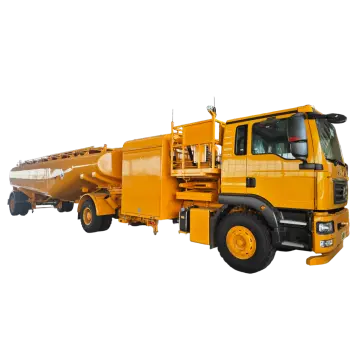
Engineered with advanced pressure control, filtration, metering, and self-circulation systems.
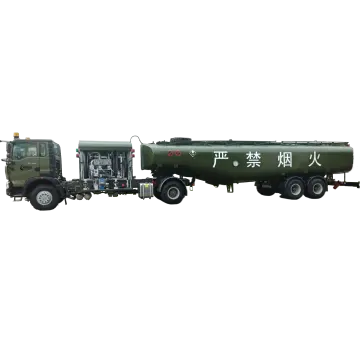
Designed for large widebody aircraft refueling with dual independent control platforms.
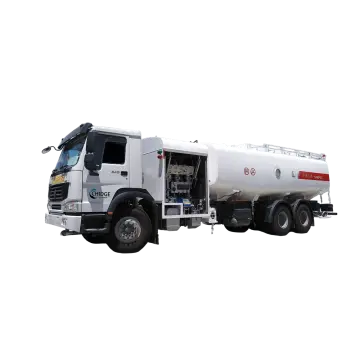
Heavy duty high-capacity airfield fuel transport system with robust safety bypass loops.
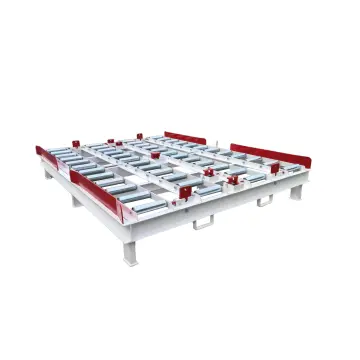
Integrated roller beds compatible with heavy warehouse storage configurations.
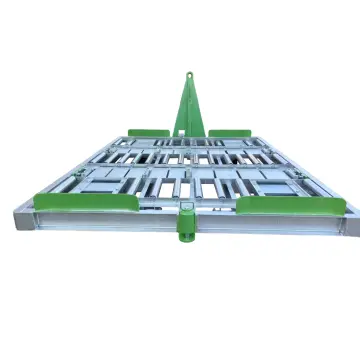
Configured with heavy-duty structural frames and reliable parking brakes.
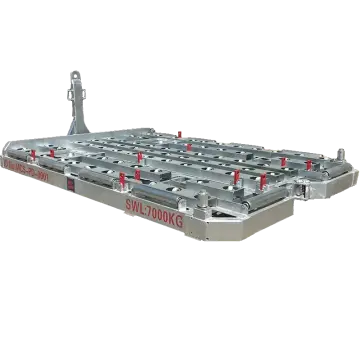
Features castle-patterned locking pins for high-density container sorting operations.
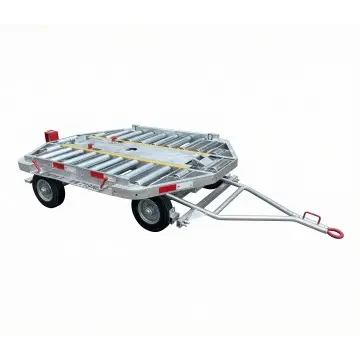
Optimized for rapid LD3 container maneuvering in tight ramp corridors.
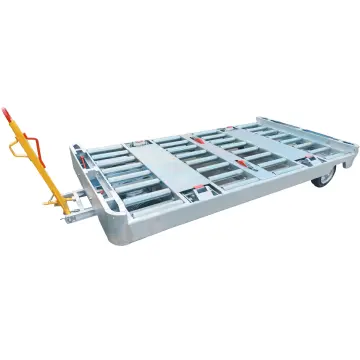
Robust steel sub-frame designed to absorb heavy container vertical drop forces.
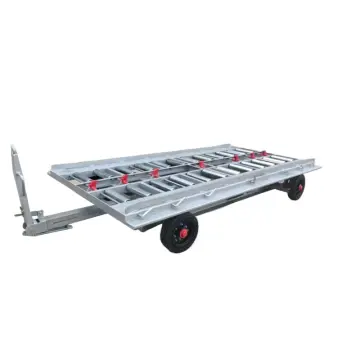
Custom dimensions configured specifically for LD6 cargo loading patterns.
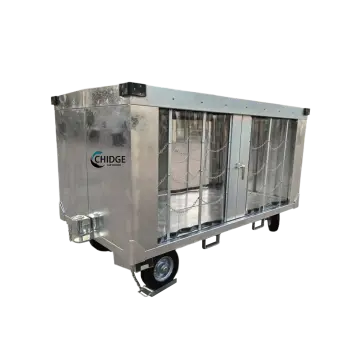
Weather-sealed canopy options protecting sensitive customer luggage and parcels.
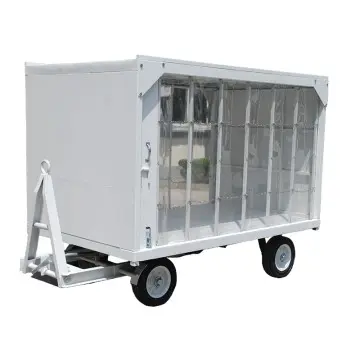
Fully secure enclosed aluminum body with heavy duty lockable rolling shutters.
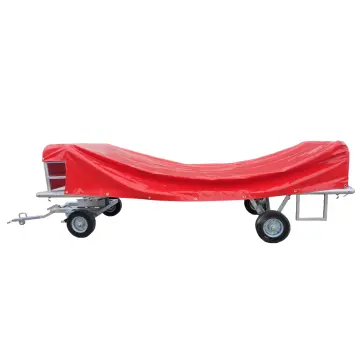
Lightweight, highly maneuverable carts optimized for flight-side bag transfers.
Within modern aviation logistical terminals, individual pieces of equipment cannot function in isolation. They form part of a complex, synchronized macro system. In the context of Doha's major cargo hubs, this involves the integration of automated material handling systems (MHS), elevated transfer vehicles (ETV), and the fleet of pallet dollies rolling along the flight line. High-efficiency logistics depend heavily on the turnaround speed of the ground handling equipment fleet.
Our macro solution approach ensures that dolly dimensions, roller bed heights, and locking mechanism clearances match cargo loaders (such as the CDL14000 and CDL35000 models). By matching these critical touchpoints, we minimize ULD transfer risks, reduce heavy friction wear on loader platforms, and protect fragile goods inside the containers. The transition of air cargo containers from planes to dollies, and then directly onto flatbed road distribution trucks, is expedited, removing critical bottlenecks in the supply chain.
Provides precise tracking capability during multi-dolly towing trains. The rear dolly path follows the towing vehicle path exactly, preventing corner collisions on crowded runways.
Integrated industrial rubber bumpers absorb heavy cargo-loader bumps, preserving the long-term structural alignment of the dolly chassis.
Our long-term product engineering focuses on three pillars: heavy-duty strength, ease of maintenance, and future-proof design. The roadmap integrates next-generation telemetry and automated tracking systems directly into the trailer design.
Discuss your operational layout, temperature challenges, and dimension requirements with our senior GSE engineering team.
Contact Doha GSE Procurement SpecialistProcuring GSE in Doha requires partner compliance with Middle Eastern safety standards and local aviation authority expectations. Our manufacturing processes incorporate international quality verification metrics, ensuring that every container dolly and baggage cart delivered is fully operational immediately upon arrival.
Our localized support network ensures that spare parts, replacement rollers, steering knuckles, and heavy duty tires are readily available, keeping down-time close to zero. We coordinate with local airport handling services and distribution centers in Qatar to ensure seamless deployment and compliance testing.
Answering key structural and operations questions for GSE fleet managers
Reliable cargo dollies, towable units, and custom handling systems engineered for international hubs
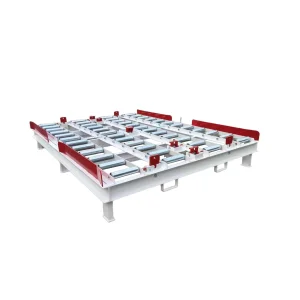
Specially engineered for warehouse cargo routing and flight line transitions, ensuring minimal friction wear.
View Technical Specifications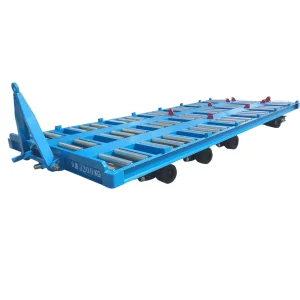
For high-capacity heavy freight operations, built with multi-wheel load dispersion configurations.
View Technical Specifications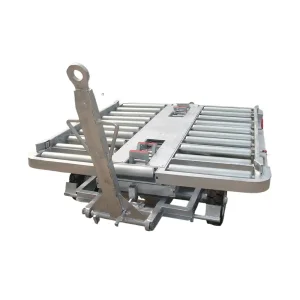
Durable low clearance frame designed specifically for continuous LD3 airport routing cycles.
View Technical Specifications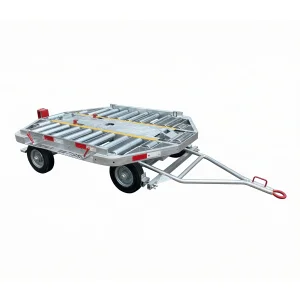
High maneuverability container dolly configured for fast airport fleet setups.
View Technical Specifications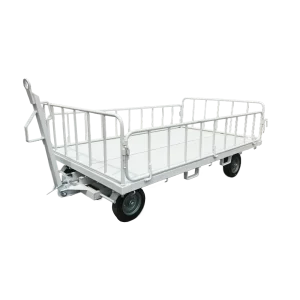
Reliable luggage handling carts with towbar brakes and weather-shield options.
View Technical Specifications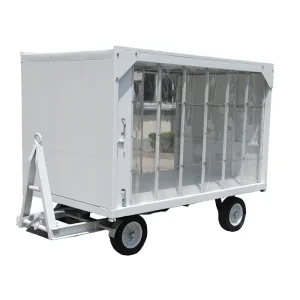
Weatherproof structure protecting passenger luggage against harsh desert sun and occasional heavy storms.
View Technical Specifications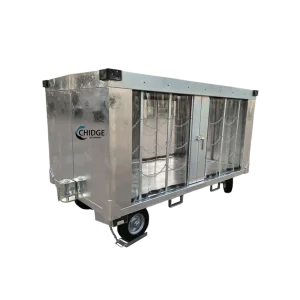
Specially sealed curtain structures guaranteeing luggage protection in varying climates.
View Technical Specifications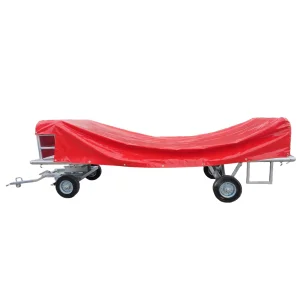
High-durability small cart fleet options designed for high passenger airport usage rates.
View Technical Specifications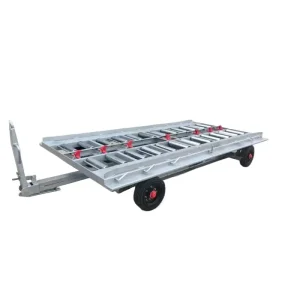
Precision-made container chassis featuring robust locking configurations for cargo security.
View Technical Specifications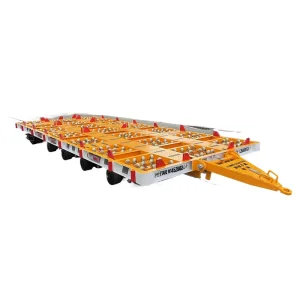
Super heavy capacity trailer options for heavy military or bulk logistical shipping layouts.
View Technical Specifications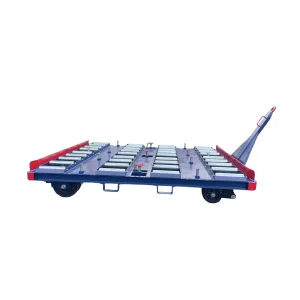
Perfect for handling standard 10ft air freight cargo pallets with high tracking efficiency.
View Technical Specifications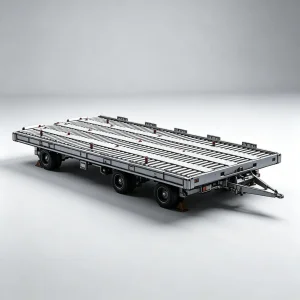
Maximum capacity logistical equipment configured for extreme high-capacity runway transit cycles.
View Technical SpecificationsBespoke engineering solutions adapted for extreme environments and unique structural specifications
Beyond our standard catalog, we support full OEM and ODM services for ground support logistics fleets worldwide. Partnering with top-tier material research departments and mechanical engineering laboratories, we execute customized designs that respond to client parameters from initial load analysis to final structural manufacturing.
Adapting frame dimensions, weight handling capacities, coupling hook models, and roller patterns to support your cargo flow.
Using ultrasonic weld line checking, computerized load weight testing, and heat simulation chambers to verify reliability under pressure.
Direct supply lines shipping built equipment to Doha and Middle Eastern terminals quickly, ensuring fleet operations remain active.
Keeping you updated on industry technical standards and modern GSE developments
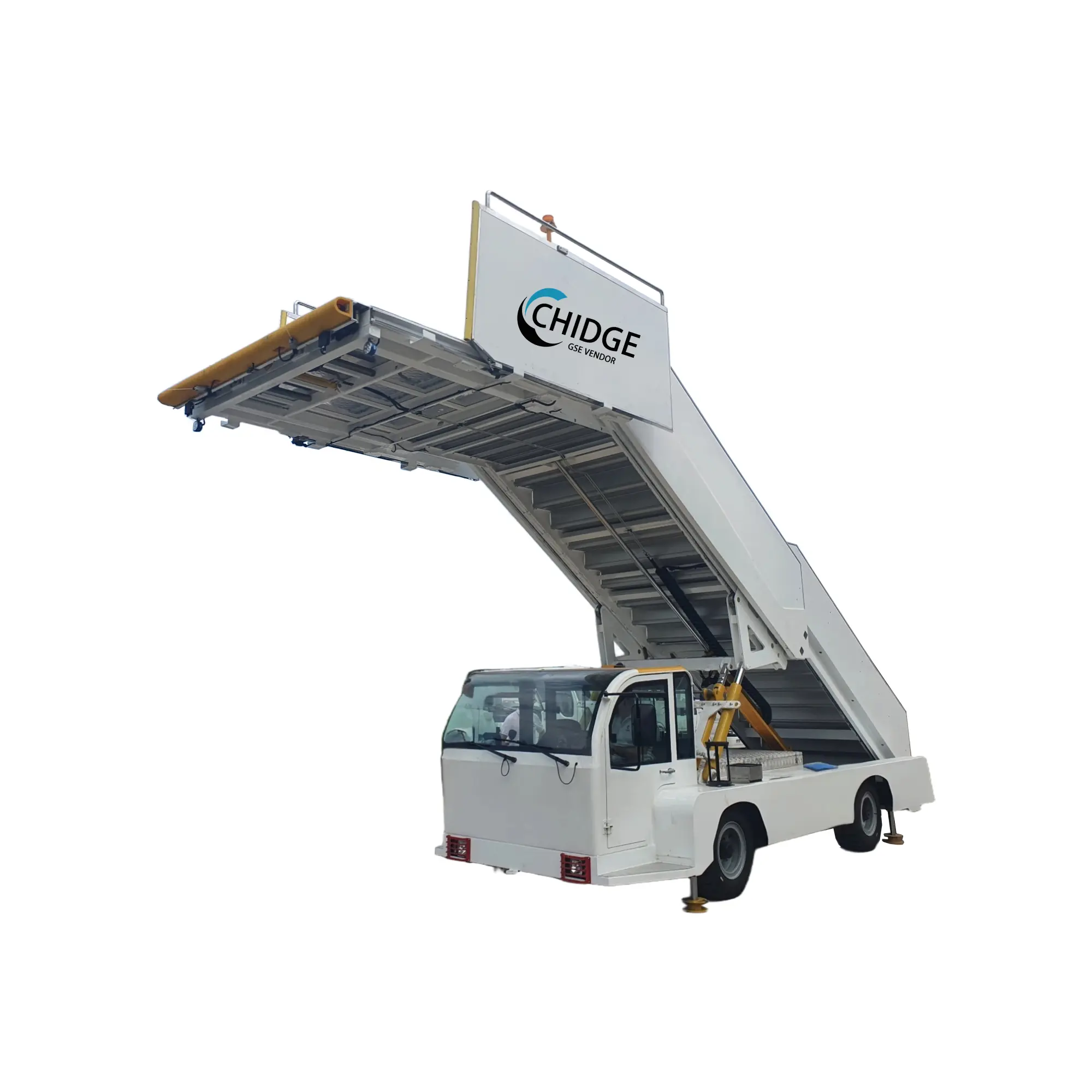
An in-depth review of safety mechanics, structural wind-load tolerances, and automated self-propelled system architectures.
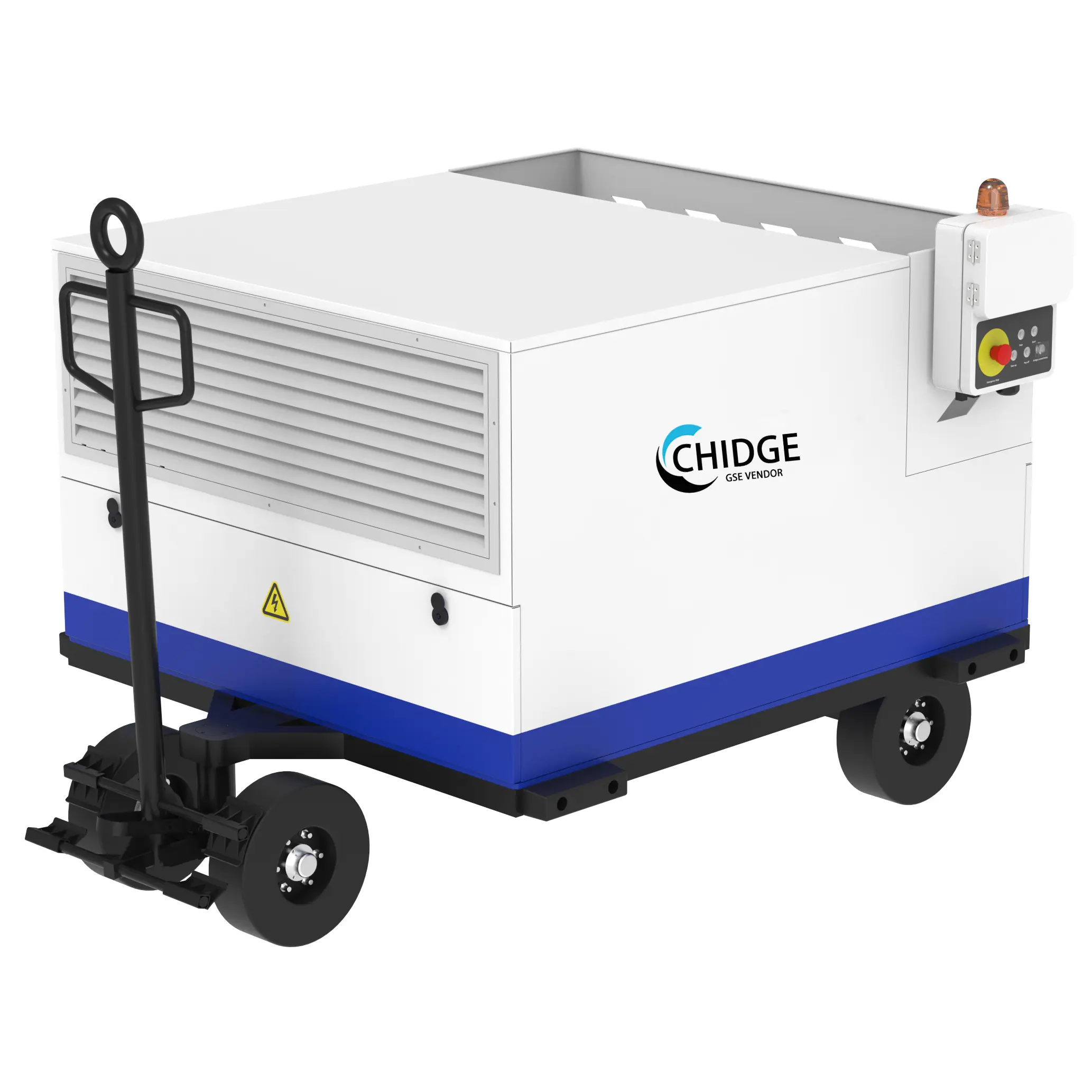
Examining battery technology advancements and solar collection integrations in modern clean-energy flight line operations.
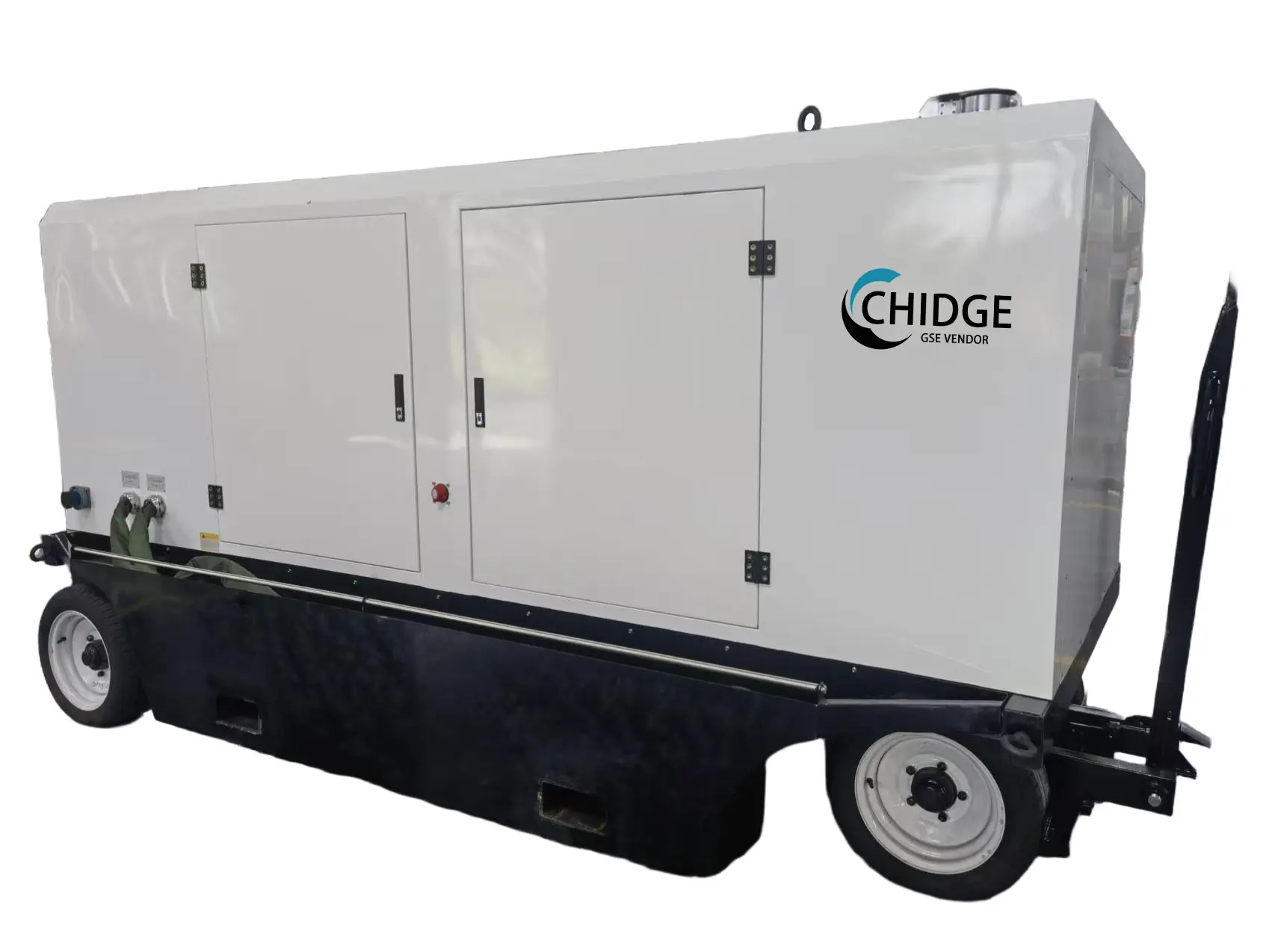
How truck-mounted high-frequency GPUs are enhancing fleet turnaround times and lowering operational fuel costs.
 Chidge Dolly