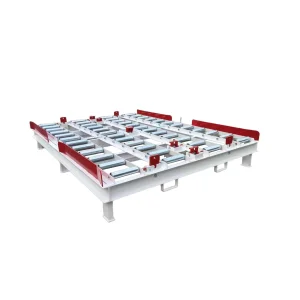
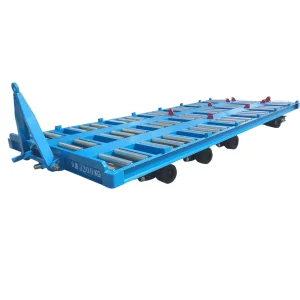
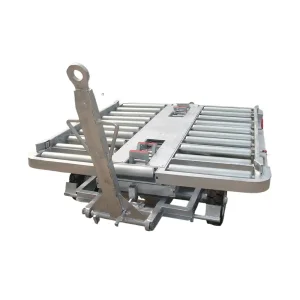
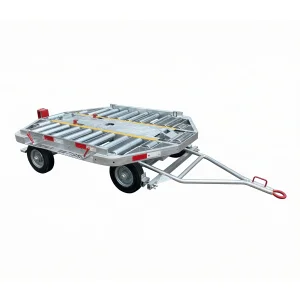
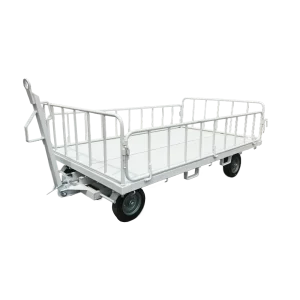
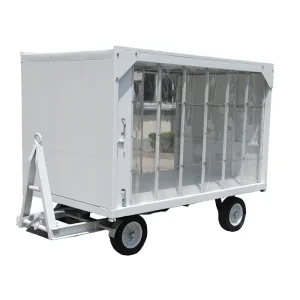
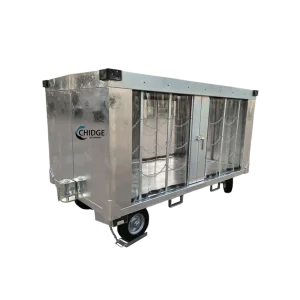
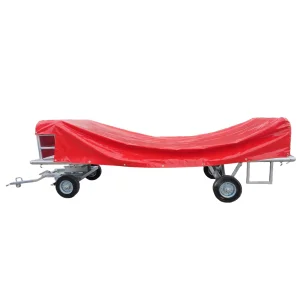
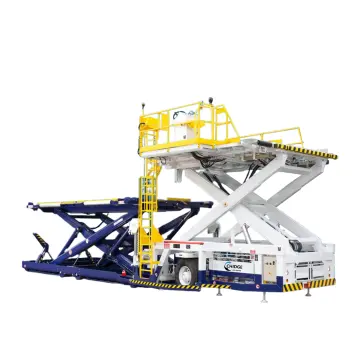
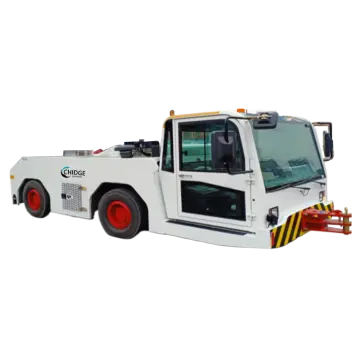
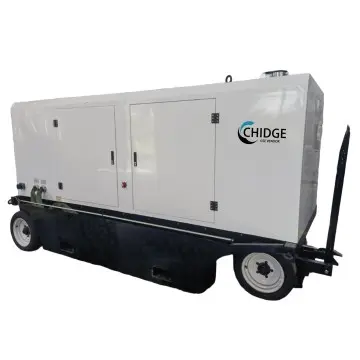
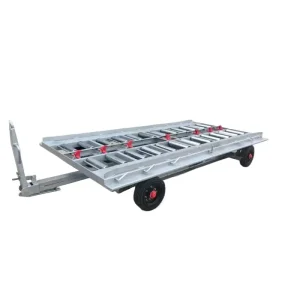
 Chidge Dolly
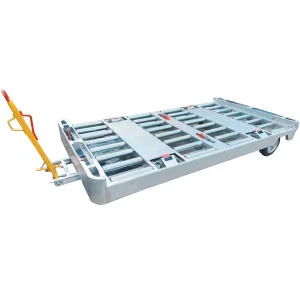
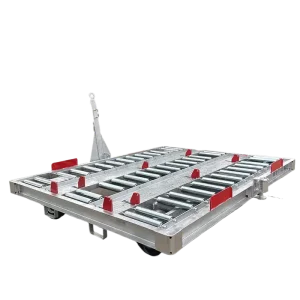
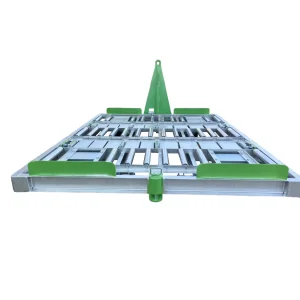
The Critical Role of Pallet Dollies in the UAE's Hyper-Connected Logistics Ecosystem
The United Arab Emirates (UAE) sits at the crossroads of global international trade, serving as a primary global gateway connecting East and West. With major aviation hubs like Dubai International (DXB), Al Maktoum International (DWC), and Abu Dhabi International (AUH), along with ultra-busy maritime ports such as Jebel Ali, the flow of goods requires continuous, highly efficient handling. Cargo operations in this region run 24/7/365 under extreme ambient conditions, where ground support equipment (GSE)—especially the humble pallet dolly—is vital to maintaining zero-delay flight turnarounds.
In the air cargo industry, time is the ultimate currency. Heavy-duty pallet dollies facilitate the rapid transfer of Unit Load Devices (ULDs) from staging areas to cargo holds. Whether moving delicate pharmaceutical supplies needing active temperature control or heavy automotive machinery, our specialized pallet dollies are designed to maximize throughput, reduce worker injury risk, and prevent costly aircraft-on-ground (AOG) events.
Global vs. Local Logistics Standards & Regulatory Frameworks
When selecting a pallet dolly factory for the UAE market, matching international safety standards with local regulatory mandates is critical. Ground handling agencies (e.g., dnata, Etihad Airport Services) demand strict compliance with globally accepted protocols while accounting for regional operational requirements:
- IATA Airport Handling Manual (AHM) Standards: All dollies must conform to IATA AHM 910, 913, and 915, outlining core requirements for GSE control systems, structural limits, and towing mechanisms.
- ISO 1034 Aviation Standards: Ensures mechanical interface compatibility between air cargo containers, pallets, and ground vehicles.
- CE & ANSI Certifications: Guarantees structural integrity under peak static and dynamic load conditions, ensuring structural safety during operations.
- GCC Region Heat & Dust Resilience: Regular GSE designs often fail in Gulf regions. Lubricants must withstand temperatures exceeding 50°C (and over 70°C track temperature on runways). Sealants must also resist micro-fine desert sand ingress.