Heavy-duty build configurations optimized for regional logistics networks and industrial distribution.
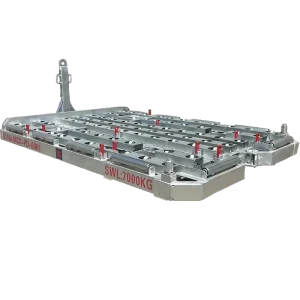
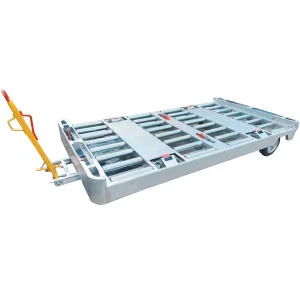
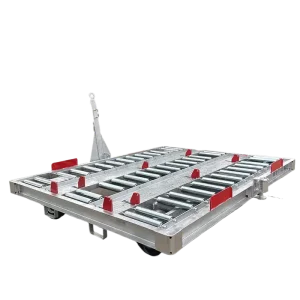
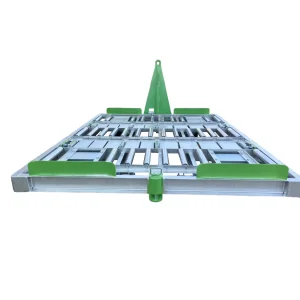
Sweden represents one of Europe's most demanding logistics and transportation environments. Driven by key logistical hubs like Gothenburg Port—the largest port in the Nordic region—and aviation gateways including Stockholm Arlanda (ARN) and Landvetter (GOT), Swedish supply chains require exceptional infrastructure reliability.
Operating container dollies and Unit Load Device (ULD) transporters in Northern Europe presents unique geographical and climatic challenges. Sub-zero temperatures, persistent road salt, snow-covered tarmac, and high moisture levels demand industrial-grade steel structural engineering, specialized hot-dip galvanization (HDG), and advanced brake configurations.
Furthermore, Sweden’s strict occupational safety standards demand ergonomic coupling designs, fail-safe parking brakes, and high-visibility lighting systems to protect workers during dark winter operations.
Nordic air cargo capacity has expanded, positioning Stockholm and Gothenburg as critical entry gateways for pharmaceuticals, automotive parts, and high-tech equipment requiring immediate distribution.
Sweden's strict green transport mandates demand highly-efficient, towable ground support equipment that minimizes towing vehicle fuel burn or integrates cleanly with electric tow tugs.
Bridging Nordic engineering compliance with China's high-efficiency industrial manufacturing capacity.
By leveraging certified Q345B steel alloys, equivalent to Swedish SSAB standards, Chinese factories produce structural frames with high yield strength, ensuring elasticity in extreme winter cold without micro-cracking.
Utilizing computerized robotic welding lines ensures consistent penetration and weld bead quality, meeting and exceeding international IATA AHM 968 and EN 1915-1 European machinery safety standards.
Chinese industrial clusters shorten manufacturing setup times. High-speed supply chains allow for customizable caster decks, roller configurations, and customized tracking configurations within compact timelines.
Units Delivered Globally
Extreme Cold Testing Range
Certified Quality Audits
IATA Safety Alignment
Tailored engineering adjustments implemented to support rigorous Nordic airport cargo and port logistics.
Coastal logistics hubs in Sweden, such as Gothenburg and Malmö, suffer from elevated sodium chloride levels in the air, while airports rely heavily on chemical de-icers (urea, potassium acetate). Standard painting flakes within seasons under these chemical exposures. Our dollies feature mandatory hot-dip galvanization thickness exceeding 85 microns, or specialized multi-layer polyurethane topcoats, eliminating corrosion vectors.
Swedish distribution systems emphasize seamless rail-to-road-to-air connections. High-payload dollies must maintain tracking accuracy when towed in trains. Our precision-engineered steering geometries utilize heavy-duty slewing rings and tracking linkages that prevent fish-tailing, even when negotiating icy turnarounds with multi-car trains.
How procurement teams evaluate container dolly assets beyond initial unit acquisition prices.
Frequent replacements cut into operational margins. Integrating premium solid-rubber tires with high-grade sealed bearings prevents moisture infiltration, minimizing runway/warehouse rolling resistance and energy requirements for towing vehicles.
Rather than structural welding repairs, modern GSE operators require bolt-on casters, replaceable roller tubes, and quick-swap towbars. Modular architectures minimize downtime and allow on-site Swedish technicians to return dollies to service in under 30 minutes.
We provide full verification pathways including CE marking, dynamic pull-tests, structural load calculations, and brake efficiency test certificates to simplify compliance paperwork for EU and Nordic aviation regulators.
Engineered options from standard container handlers to heavy-duty, multi-ton logistics equipment.
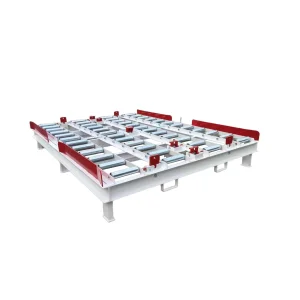
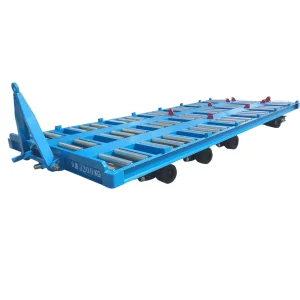
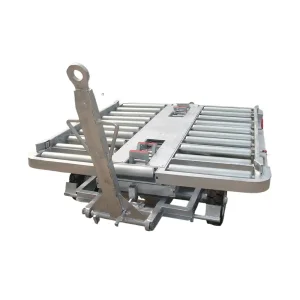
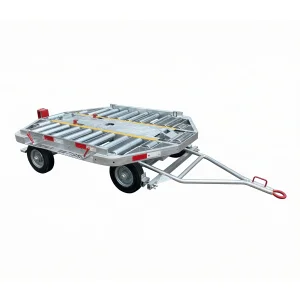
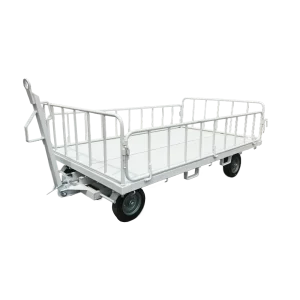
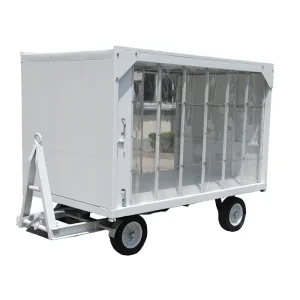
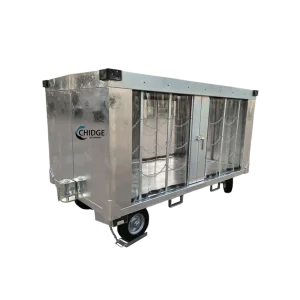
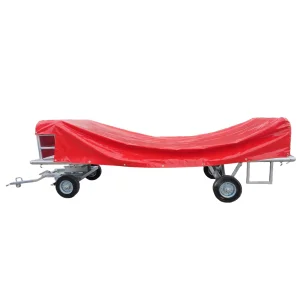
Where heavy transport design and smart technology intersect over the next decade.
Fleet operators are demanding real-time localization. Incorporating passive GPS tags, cargo weight sensors, and brake lining wear trackers directly into container dolly hubs allows airport operators to implement predictive maintenance plans, significantly lowering sudden component failures during high-stress operational windows.
As the aviation industry works toward carbon neutrality, the materials used to build GSE must be fully recyclable. Utilizing clean steel structures, mercury-free finishes, and non-vulcanized, long-life compounds for tires allows airlines and handlers to maintain clear sustainability audits and lower carbon footprint calculations.
Common inquiries from technical operations directors, GSE fleet buyers, and airport procurement managers.
Contact our engineering support team today to receive a personalized quote, technical drawing data, or to discuss customized specification adjustments.
Send Inquiry Now Chidge Dolly