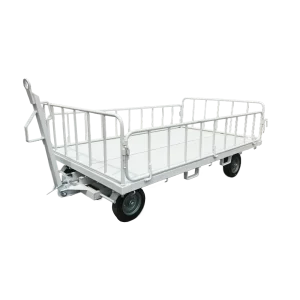
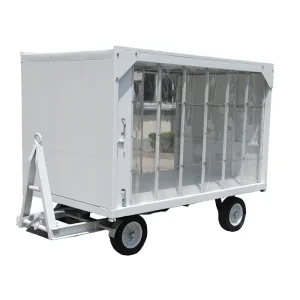
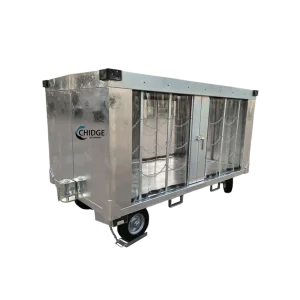
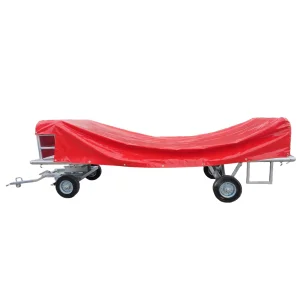
 Chidge Dolly
Nordic Cargo Engineering: Designing GSE for Finland's Sub-Zero Logistics
Ground support equipment (GSE) designed for Finland and the wider Arctic Circle must withstand conditions that compromise conventional carbon steel and rubber components. With seasonal temperatures plunging to -30°C in southern airports and below -40°C in Lapland hubs like Rovaniemi and Kittilä, standard machinery becomes prone to brittle fractures, fluid solidification, and traction loss.
Cold-Climate Metallurgy and Material Selection
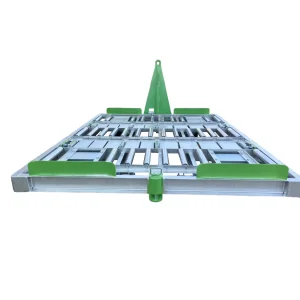
To eliminate structural fatigue, our engineers implement structural steel grades such as S355J2W or S355NL. These materials undergo rigorous Charpy V-notch impact testing to verify structural toughness at extreme sub-zero temperatures. In addition, we apply a thick layer of hot-dip galvanization to EN ISO 1461 standards. This creates an impenetrable zinc-iron alloy barrier against potassium acetate, urea, and sodium formate de-icing agents deployed extensively across Finland’s runways and loading docks.
"Safety in ground operations is determined by the weakest mechanical link. At -35°C, standard cast iron components fail instantaneously under sudden shock loads. Our low-temperature certified steel casting and fully-galvanized frame designs ensure zero-failure operations for Baltic and Scandinavian freight handlers."
Advanced Rollers & Brake Technologies
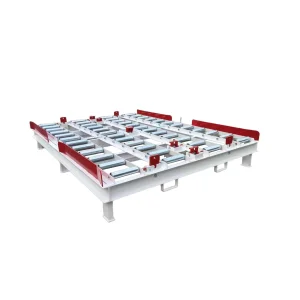
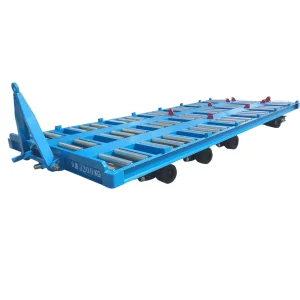
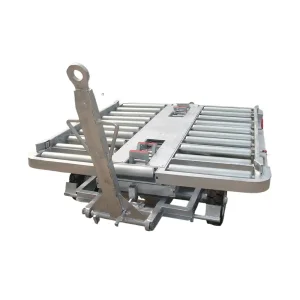
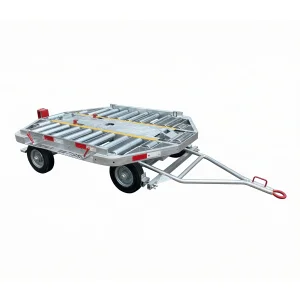
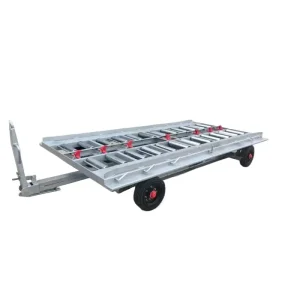
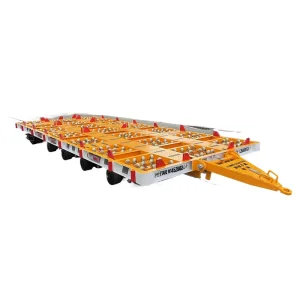
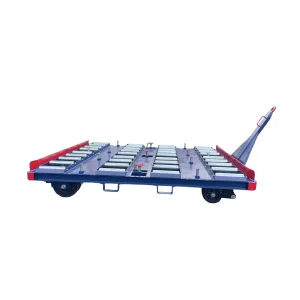
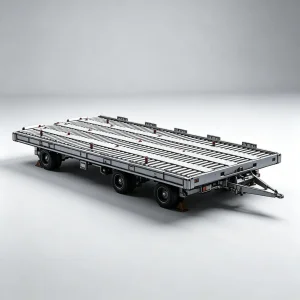
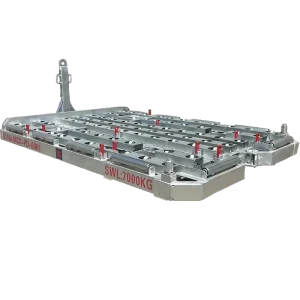
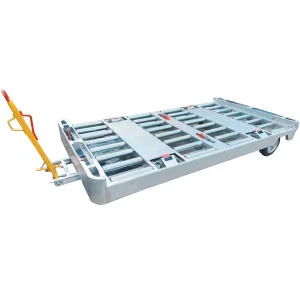
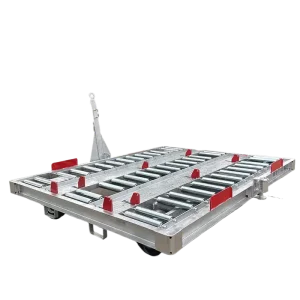
For container and pallet dollies, loading and unloading speed dictates overall aircraft turn-around-time (TAT). Our cargo dollies incorporate high-tensile steel rollers packed with specialized arctic-grade synthetic low-temperature lubricants. Standard grease thickens and locks bearings in freezing temperatures, leading to tyre dragging. Our dual-spring towing bars and responsive braking mechanisms prevent runway collisions and ensure perfect tracking when towed in multi-dolly train formations behind electric tugs.