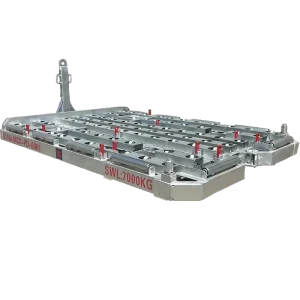
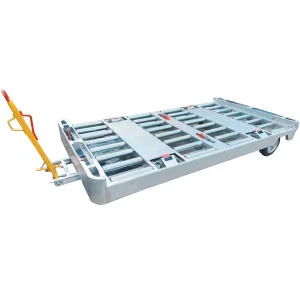
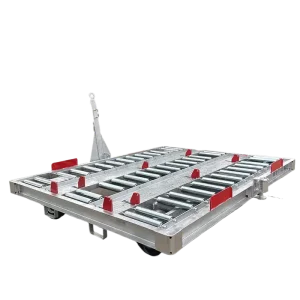
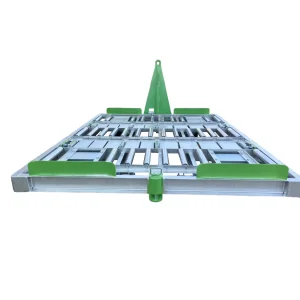
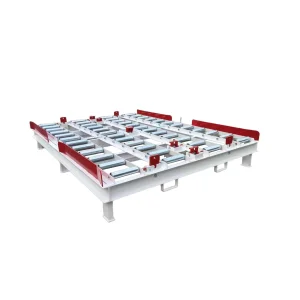
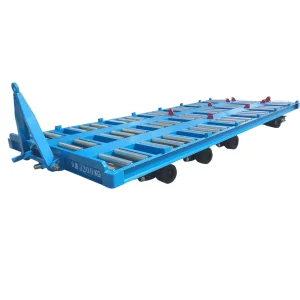
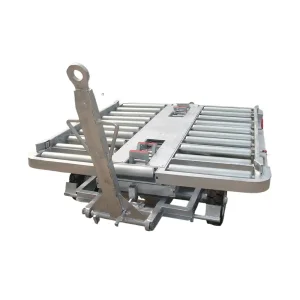
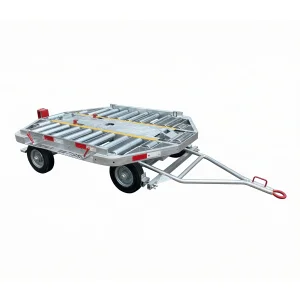
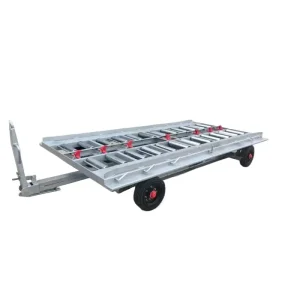
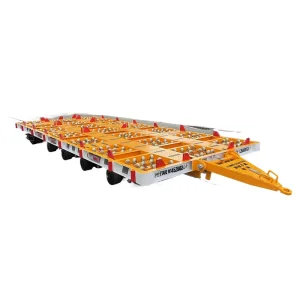
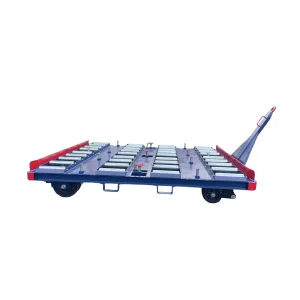
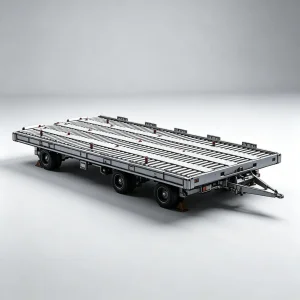
Heavy-duty chassis built with reinforced steel and resilient running gear, tailored to support Dominica's coastal operations and inter-island supply chain operations.
A technical whitepaper analyzing the ground mechanics, environmental challenges, and operational demands for industrial towing vehicles in the Caribbean region.
Dominica presents a highly specific set of environmental parameters that directly affect the life expectancy and efficiency of Ground Support Equipment (GSE) and industrial trailers. Unlike flat continental hubs, Dominica's transport hubs, including Douglas-Charles Airport (DOM), Canefield Airport (DCF), and the deepwater ports at Roseau and Portsmouth, are characterized by intense coastal proximity, high relative humidity (averaging 75% to 85% year-round), and localized microclimates with frequent rainfall.
The deposition of marine aerosols (sodium chloride particles) on structural elements causes rapid oxidation of standard carbon steels. Consequently, generic container dollies that perform well in dry, land-locked conditions quickly exhibit structural degradation and component binding within months of deployment. Standard pivot joints, brake linkages, and swivel casters require enhanced surface treatment processes to survive these coastal regions without experiencing catastrophic failure.
The terrain surrounding Dominica's logistical interfaces is marked by steep volcanic ascents and descents. Industrial transfer of cargo containers requires trailers to possess superior braking capabilities and secure container locking systems. Towed cargo units must operate reliably on slopes with significant grade deviations. Towbar-activated parking brake designs are essential: if the towbar drops due to sudden detachment or intentional decoupling, mechanical actuators must automatically engage brakes on the wheels to prevent runaway cargo hazards.
Additionally, tarmac and port pavements in tropical regions frequently undergo thermal expansion cycles, leading to structural micro-cracks and uneven surfaces. Standard caster configurations can suffer from vibration fatigue under heavy 7-ton (7T) loads. Overcoming this requires robust dual-lip oil seals, high-load tapered roller bearings, and integrated suspension systems to absorb shock, ensuring stable container transit and preventing structural cracking in the trailer chassis.
GSE container dollies designed for Caribbean routes must meet international safety benchmarks, specifically complying with the International Air Transport Association (IATA) Airport Handling Manual (AHM) guidelines (e.g., IATA AHM 967 for non-powered GSE). These regulations stipulate precise structural parameters, including towbar strength, coupling safety pins, tracking accuracy, and parking brake efficiency. Our production line incorporates strict quality control tests, utilizing computer-aided stress analysis (FEA) to simulate 150% load overloads under simulated grade ascents to verify structural safety margins before global dispatch.
Tracking the development from passive, high-maintenance steel trailers to highly smart, ultra-durable logistics units.
Transitioning from basic painted steel to industrial-grade Hot-Dip Galvanization (HDG). Utilizing ASTM A123 galvanizing standards to provide a self-healing zinc carbonate protective layer, preventing galvanic corrosion near coastal airports.
Introduction of dual-hub heavy steering configurations and towbar-linkage braking. Ensures stable tracking when towing a train of multiple container dollies through tight port spaces, minimizing sway and tilt risk.
Implementing low-power wireless GPS trackers, RFID container-matching chips, and electronic load cells. Real-time diagnostic data allows port operations to monitor vehicle locations and loading states instantly.
Integrating recycled composite materials on non-structural surfaces and high-durability polymers on roller tracks, reducing overall weight by 12% without sacrificing the 7-ton loading rating.
Leveraging industrial synergy and precision fabrication scales to guarantee quality delivery to Dominica.
Review our wide catalog of aviation and cargo handling machinery designed to meet rigorous operations.
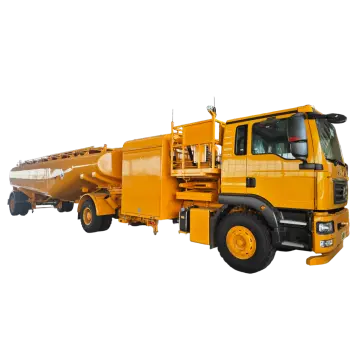
Consists of a chassis, oil tanks, pumping system, control system, and operating components, providing filtration, metering, refueling, self-circulation, and pressure control.
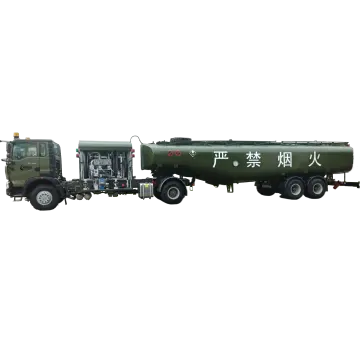
Robust mobile tanker system with advanced fluid control valves, custom digital flow meter, and grounding safety protocols for major airfield networks.
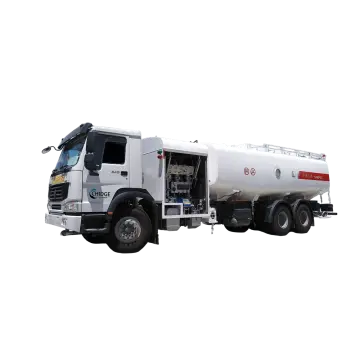
Heavy-duty aircraft fueling transport. Equipped with dynamic pressure bypass valves and filtration separators meeting standard commercial standards.
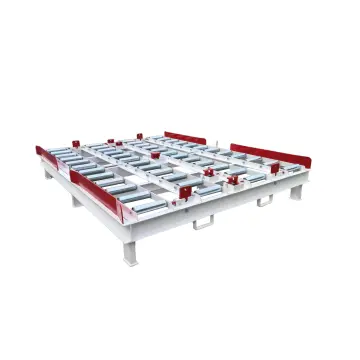
Low-profile multi-directional transfer platform designed to maneuver within tight warehouse spaces and feed larger pallet lines.
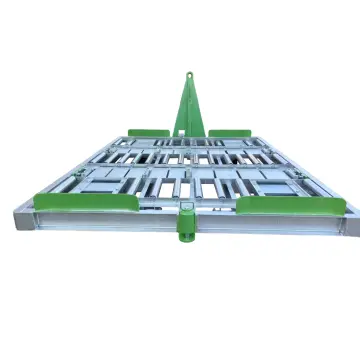
Built with hard-wearing materials, heavy-duty rollers, and reliable locks, delivering long-term service on the apron.
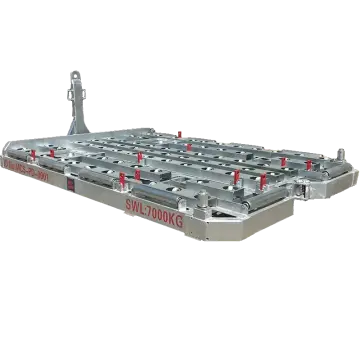
Features castle-pattern containment guides that allow loading and unloading of pallets from multiple angles with ease.
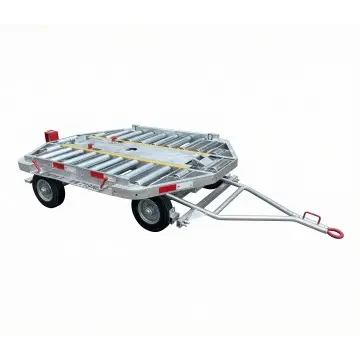
Optimized dimensionally for standard unit load devices (ULD). Heavy-duty guides ensure the container remains locked in place during transport.
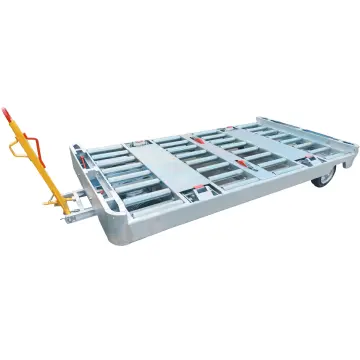
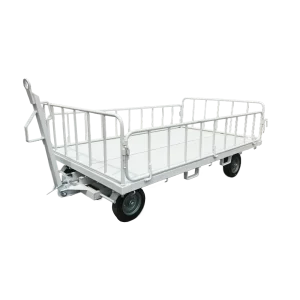
Designed to carry oversized, high-weight cargo. Structural framing has been reinforced to prevent sagging and twisting under heavy loads.
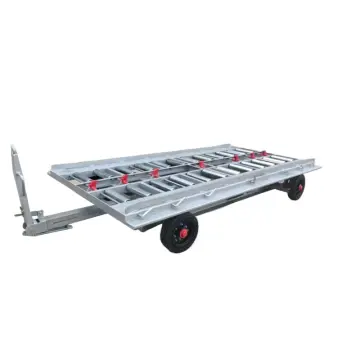
Equipped with specialized guide flutes and stop locks, this dolly accommodates large LD6 aviation cargo containers securely.
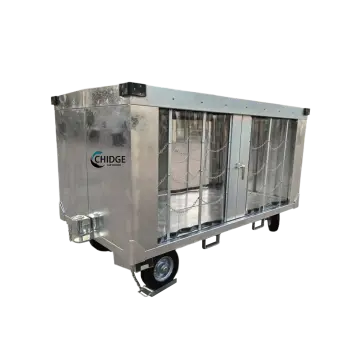
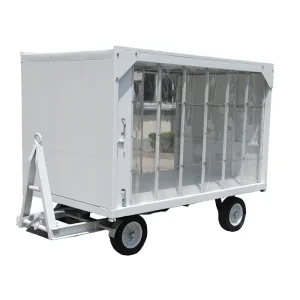
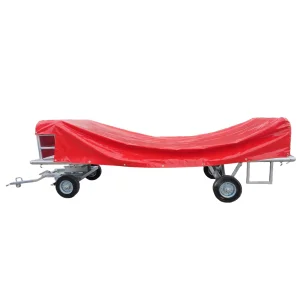
Perfect for Dominica's tropical downpours. Keeps baggage clean, dry, and protected from high humidity and rain.
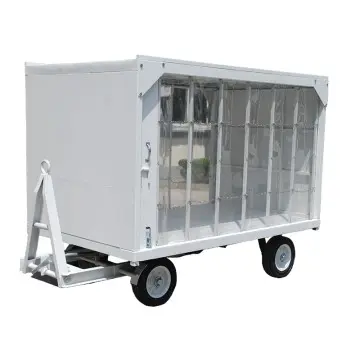
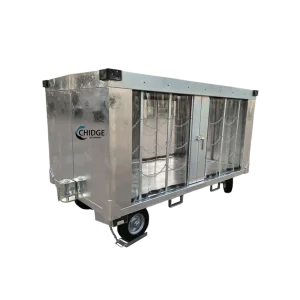
Enclosed steel or aluminum panels prevent wind-blown moisture or debris from contacting passenger baggage.
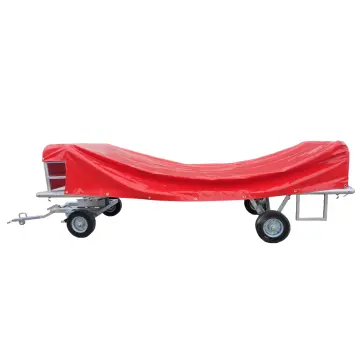
Lightweight yet heavy-duty logistics carrier, optimized for manual tracking or multi-unit train setups behind airport tractors.
We combine state-of-the-art designs with reliable project coordination to meet the operational targets of airlines and shipping yards.

Offering a comprehensive catalog of ground support units, designed to keep tarmac logistics moving efficiently day in and day out.

Configuring unit payloads, connection systems, and rust-proofing options to match the specific microclimates of your facility.

From passenger stairs and fuel tankers to aircraft towing tractors, we supply matching components for your entire airport fleet.

Adhering to strict factory testing guidelines, ensuring each dolly arrives ready for immediate service upon delivery.
Need a specialized deck layout, bespoke locking mechanisms, or localized axle spacing? Our engineering team is here to design customized solutions for your operational needs.
From design draft and stress simulation to robotic steel layout and coating, we deliver solutions that match your functional specifications.


Answers to common technical, logistics, and supply questions for procurement officers sourcing container dollies for Caribbean regions.
Stay informed with the latest developments in ground support equipment design, logistics technology, and airport operations.
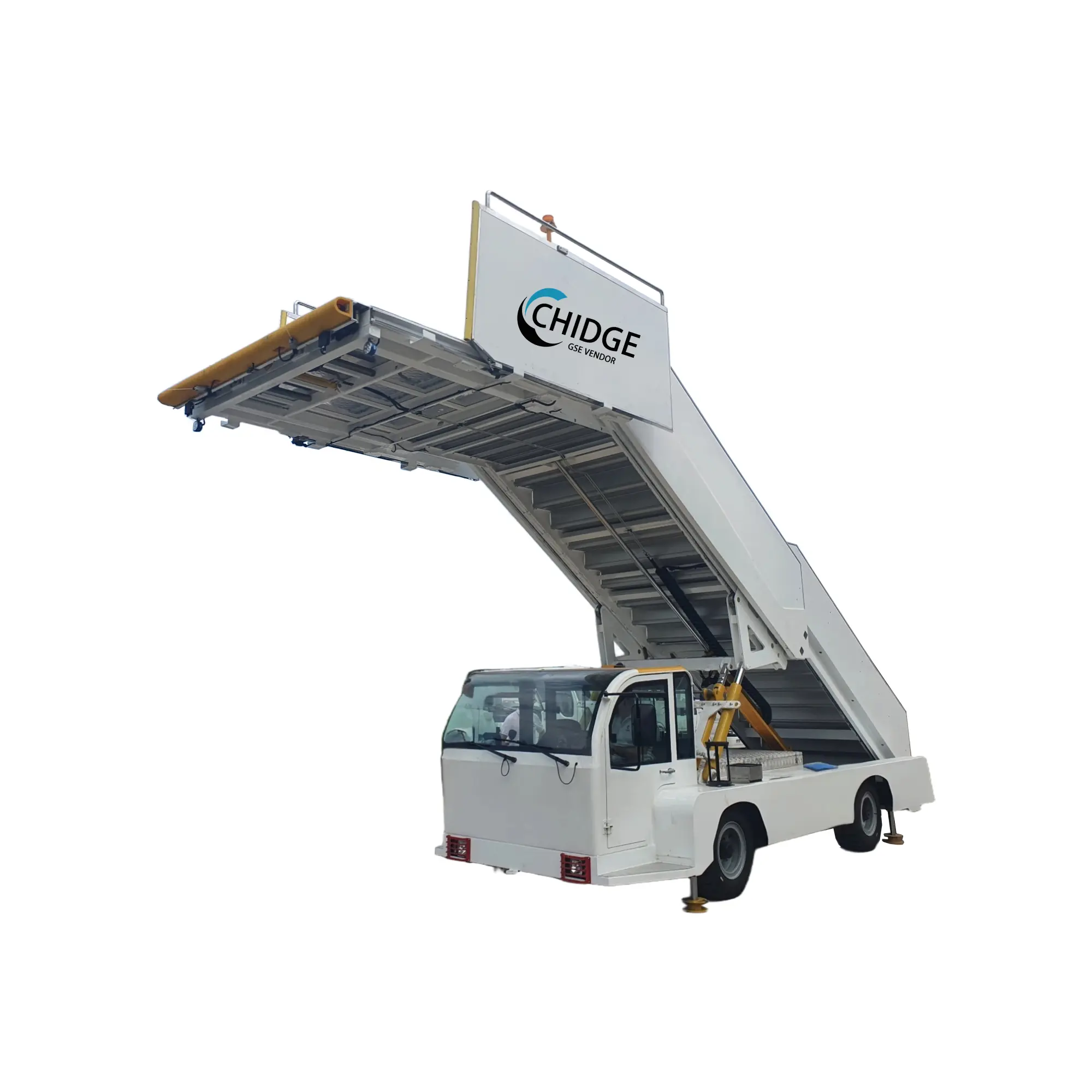
An in-depth review of passenger boarding stairs design, highlighting safety steps, slip-resistant treads, and stabilizing systems for airport operations.
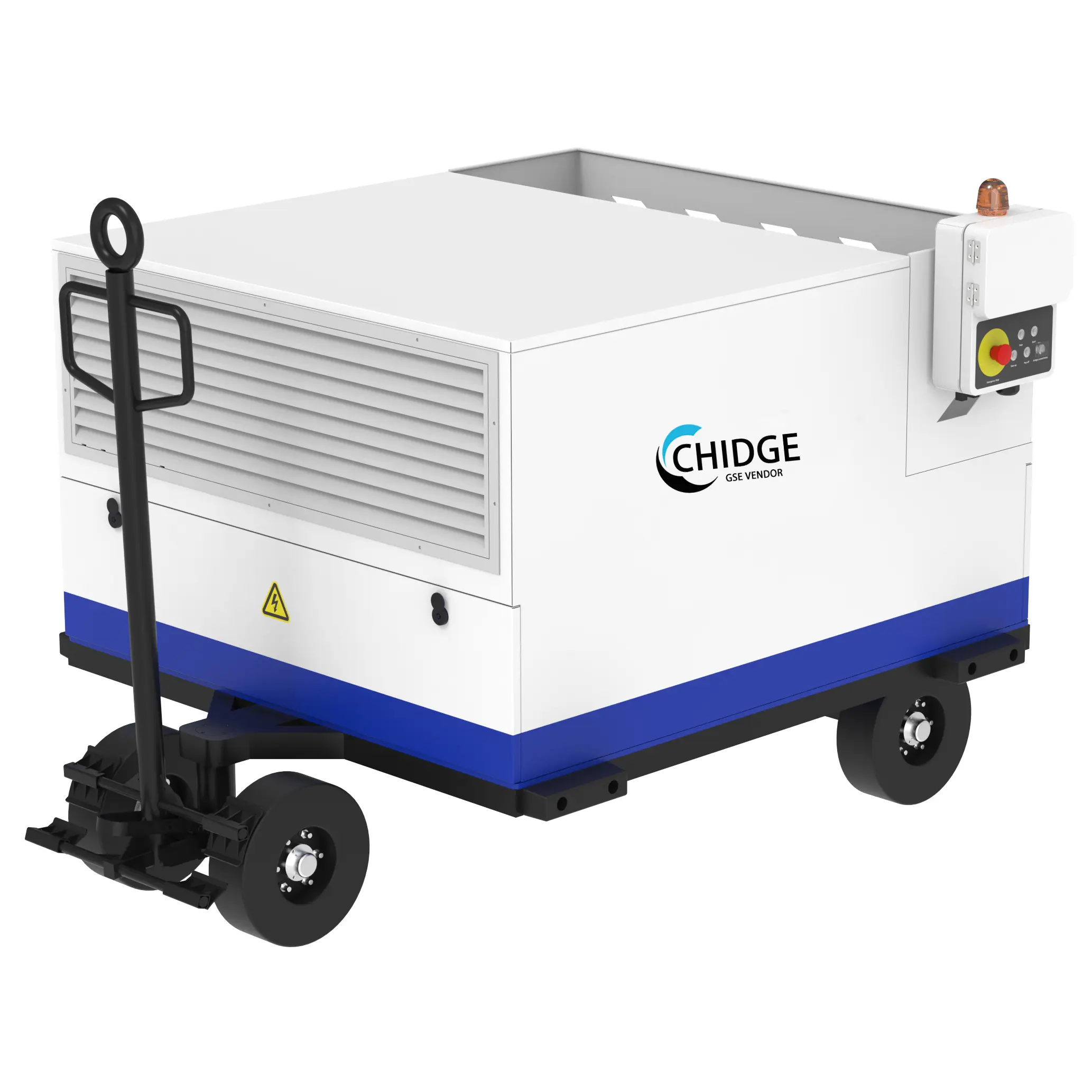
Exploring how battery-powered mobile units are replacing diesel generators, helping airfields reduce emissions and lower operating noise.
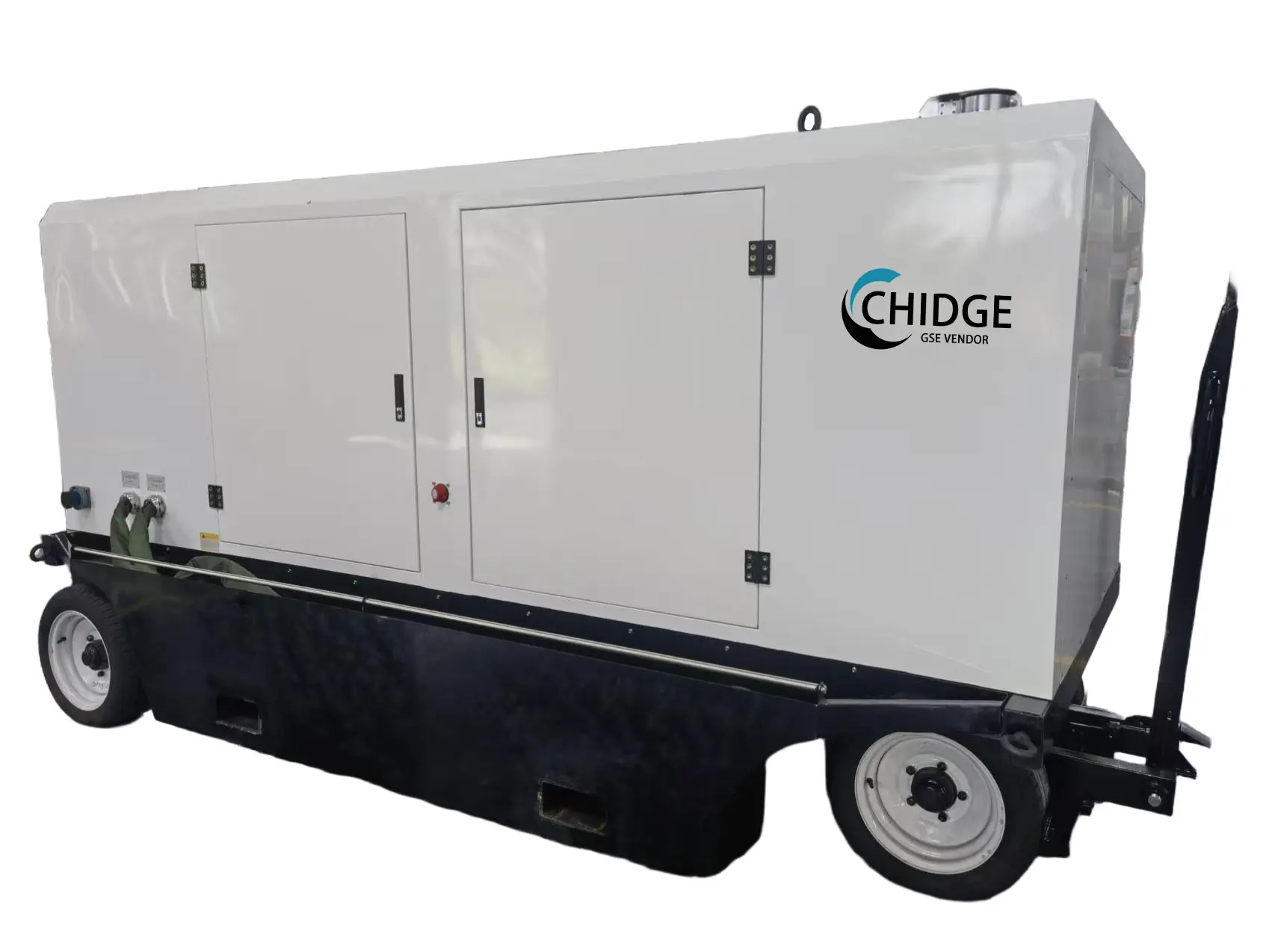
Detailing the technical electrical configurations required to power critical systems on modern aircraft while parked on the tarmac.
Working alongside logistics providers and airlines worldwide to build safer, more efficient transport networks.
Explore our extended catalog of aviation and heavy cargo transit platforms, built with reinforced frames for demanding operational conditions.
 Chidge Dolly