Explore our heavy-duty towed GSE products manufactured to withstand continuous industrial stress and harsh airfield conditions.
Strategic analysis of challenges, parameters, and standardization criteria governing modern airport infrastructure investments.
Modern global logistics hubs and commercial airports operate under extremely tight schedules. Within this high-throughput ecosystem, Towed Ground Support Equipment (GSE) plays a pivotal role in maintaining the logistical chain. Procuring reliable truck-towed and towable machinery requires a comprehensive understanding of engineering variables, materials specifications, and international standardizations.
Purchasing managers, chief technical officers, and GSE fleet managers focus heavily on the following key metrics when sourcing towed equipment at scale:
Addressing ground traffic bottlenecks, high operational load demands, and aircraft protection standards.
Our product design, research, and development teams harness state-of-the-art simulation software and finite element analysis (FEA) to maximize structural strength while maintaining weight efficiency in dynamic operations.
Each unit meets the expected needs of ground handling crews under peak operational conditions, ensuring high market recognition, safety reliability, and long-term asset value retention.
Our comprehensive supply chain, optimized inventory control, global freight channels, and response protocols ensure consistent and timely dispatch of large-scale equipment fleets globally.
We deploy dedicated engineers and localized replacement networks to guarantee minimal operational disruption, maximize product uptime, and extend equipment lifecycles.
In modern aviation, airport capacity limitations and fast ramp turnaround schedules force ground operators to maximize GSE utility. To mitigate the risk of accidental aircraft damage—which can cost millions of dollars in structural inspections and delays—our engineering incorporates specialized design solutions: safety parking brake interlocks on towbars, protective rubber bumpers, and specialized heavy-duty wheels. This mitigates operational hazards while optimizing logistical performance.
Direct from our manufacturing hubs: highly customized designs that keep heavy-duty aviation and freight cargo operations fluid.
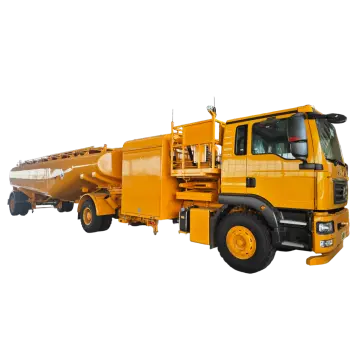
Composed of an advanced heavy-duty chassis and dual-compartment oil tanks. Incorporates high-flow pumping, digital filtration, precision metering, refuelling/defuelling, self-circulation, and automatic pressure control systems.
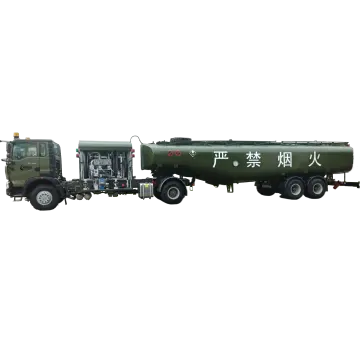
Designed for large widebody aircraft operations. Features high-velocity flow lines and specialized pressure relief control to safeguard commercial wing structures during refueling operations.
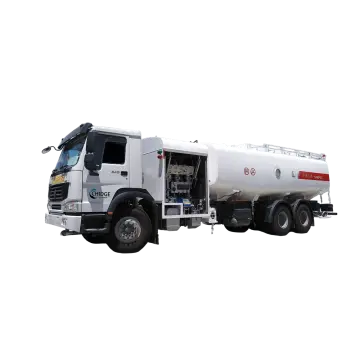
A highly adaptable fueling vehicle featuring a compact chassis design, ideal for high-traffic passenger terminals, and optimized for tight ramp operating spaces.
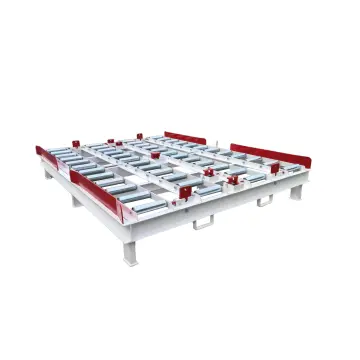
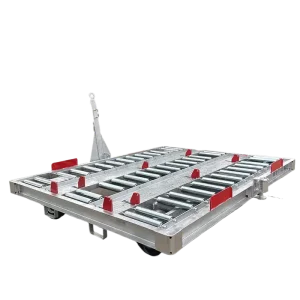
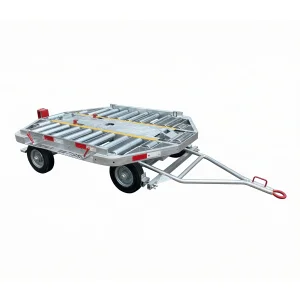
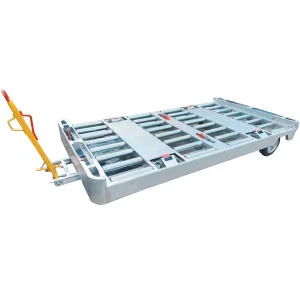
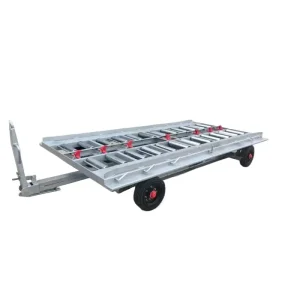
Engineered for seamless warehouse-to-apron freight handling. Supports high load weights and incorporates omnidirectional rolling surfaces and manual locks.
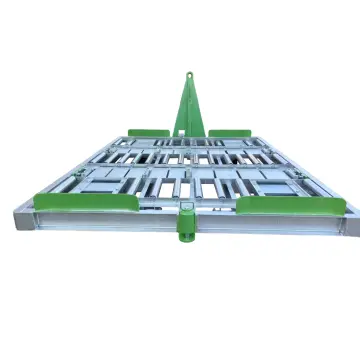
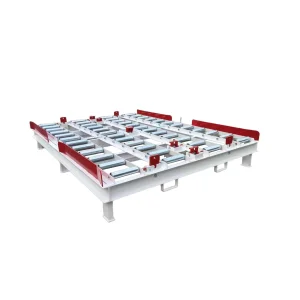
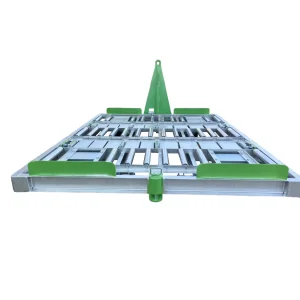
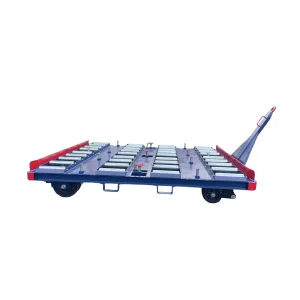
Equipped with wear-resistant cargo rollers, heavy-duty guide flanges, and central locking locks. Designed for rapid loading and unloading of aircraft cargo containers.
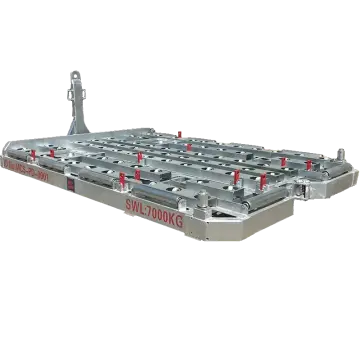
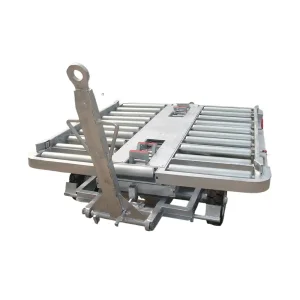
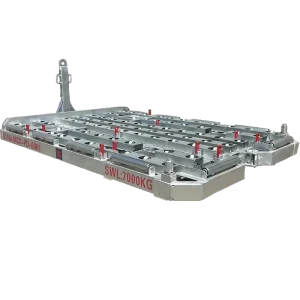
A specialized design featuring castle-style stops and omnidirectional rollers. Enhances the versatility and throughput of 7-ton air cargo operations.
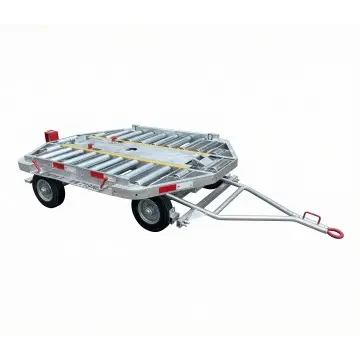
Tailored specifically for the transport of standard LD3 aviation containers. Features reliable, simple locking mechanism, and durable running gear.
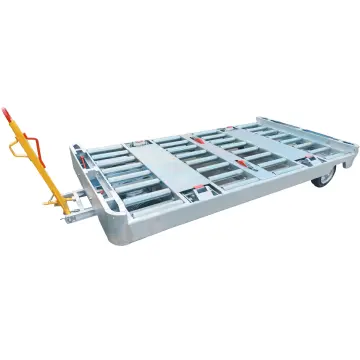
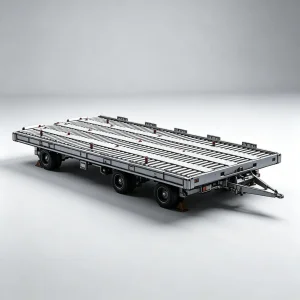
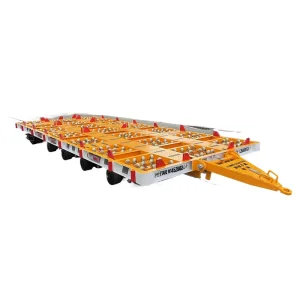
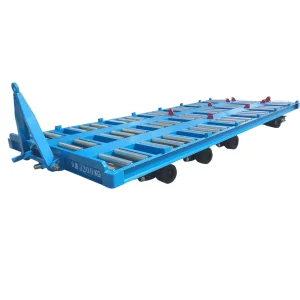
A robust frame construction with multi-axle system to handle concentrated high-payload shipping containers across terminal boundaries.
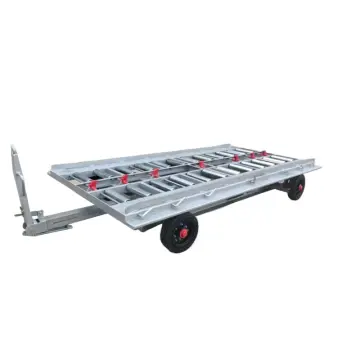
Engineered for LD6 configurations. Designed with structural focus on lower height configuration and optimized center-of-gravity stability.
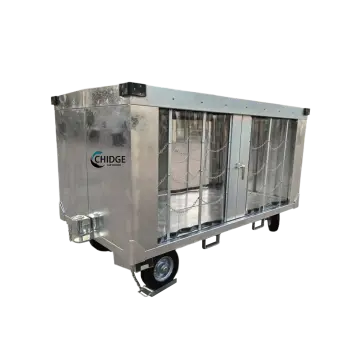
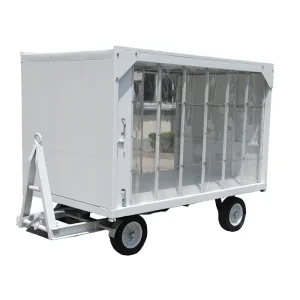
Equipped with sliding overhead canopies and weatherproof side curtains. Protects high-value passenger baggage from extreme weather events on the ramp.
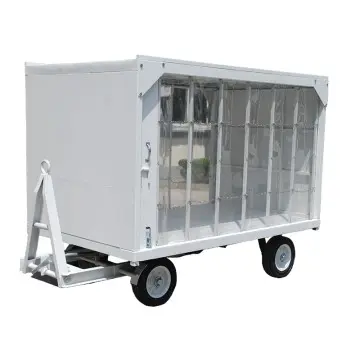
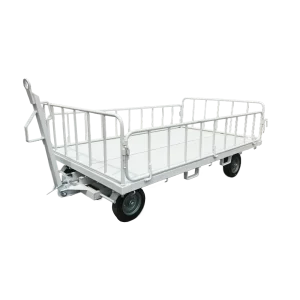
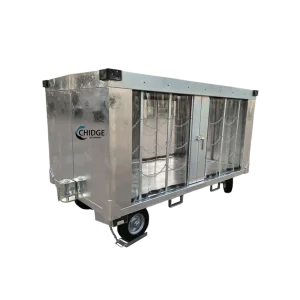
Heavy-duty, secure-door passenger luggage carts. Features high-strength steel structure and an integrated towbar-activated parking brake system.
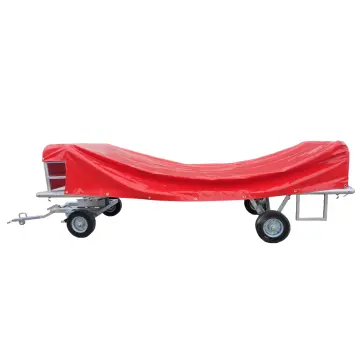
High maneuverability cart for general ramp transport. Engineered for minimal rolling resistance and multi-unit towing train setups.
Aligning with Net-Zero aviation commitments and transition towards autonomous ground operations.
The aviation ground support sector is undergoing a major technological transformation. As airports around the globe commit to carbon neutrality, the shift toward electric and zero-emission operations has moved from a future concept to a key procurement requirement. We are actively refining our technology roadmap to address these changing demands:
Integrating lithium-iron-phosphate (LiFePO4) power cells directly into truck-mounted start units and auxiliary service trucks to eliminate ramp idling carbon emissions and reduce noise levels.
Equipping towed dollies and baggage carts with smart GPS, payload sensors, and integrated wear-monitoring devices to enable predictive maintenance and track asset locations in real-time.
Developing standardized towbar interfaces compatible with autonomous and semi-autonomous electric pushback tugs to enhance ramp safety and operational efficiency.
Through this technological transition, safety remains our top priority. By incorporating failsafe mechanisms, active collision prevention sensors on motorized ground equipment, and emergency brake actuators on towed units, we ensure our equipment is prepared for the next generation of smart airport systems.
Comprehensive service solutions from engineering blueprints and stress simulation to final ramp delivery.
As a leading supplier of GSE and airport utility vehicles, we provide tailored OEM and ODM solutions to meet the specific requirements of global airlines and logistics operators. We design and customize our equipment to match your existing ground support fleet, regional environmental conditions, and local aviation regulations.

Implementing ISO 9001 and six-sigma production metrics to ensure consistent structural manufacturing quality across every production run.

Precision automated welding, industrial powder coating, and load-stress testing ensure structural reliability and durability under heavy cargo loads.

Coordinated transport solutions and specialized export packaging protect large towed vehicle fleets during long-distance shipping.
Engineered to satisfy local transport regulatory standards and stringent international airport guidelines.
Ground support equipment operates in highly regulated and safety-critical airport environments. A single mechanical failure can lead to significant terminal delays or risk ground staff safety. Because of this, all our design and manufacturing processes comply with international aviation standards:
Key technical answers to assist procurement managers and operations directors with GSE specifications.
We primarily use Q345B high-tensile structural steel for our load-bearing frames. All steel undergoes chemical descaling and is finished with either hot-dip galvanization or a multi-coat polyurethane industrial paint system. This provides maximum protection against impact damage, chemical exposure, and corrosion.
Our towed equipment features a towbar-activated braking system. When the towbar is raised to its vertical parking position, it automatically locks the primary axle brakes. When the towbar is lowered for towing, the brakes release, preventing accidental rolling or runaway situations on the ramp.
Yes. We offer custom OEM and ODM engineering services. Our teams can modify deck heights, coupler configurations, payload capacities, locking mechanisms, and paint schemes to integrate with your existing fleet profile and operational requirements.
All our GSE units are manufactured under ISO 9001 quality systems. Upon request, we provide detailed test certifications, load testing reports, and compliance documentation for IATA AHM standards, CE markings, and country-specific road transport regulations.
Standard lead times range from 45 to 60 days from final design approval, depending on the order size and custom specifications. We maintain a stock of raw steel and standardized components to expedite production during peak purchasing seasons.
Technical publications from our engineering teams on airport ground handling efficiency and safety protocols.
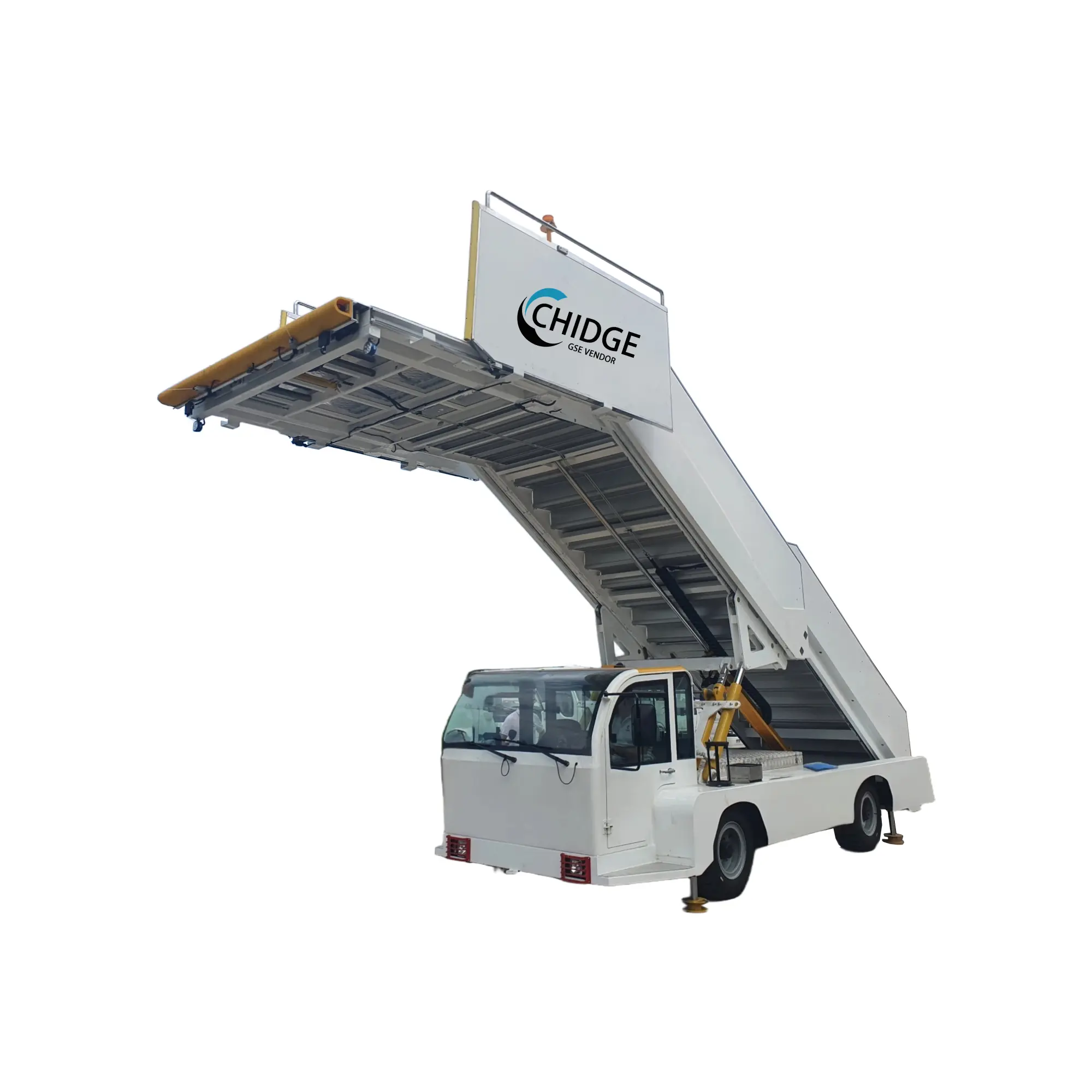 Industry Insight
A deep dive into boarding stair engineering, focusing on structural stability, anti-slip tread safety, adjustable height platforms, and the maintenance of modern towable passenger stairs.
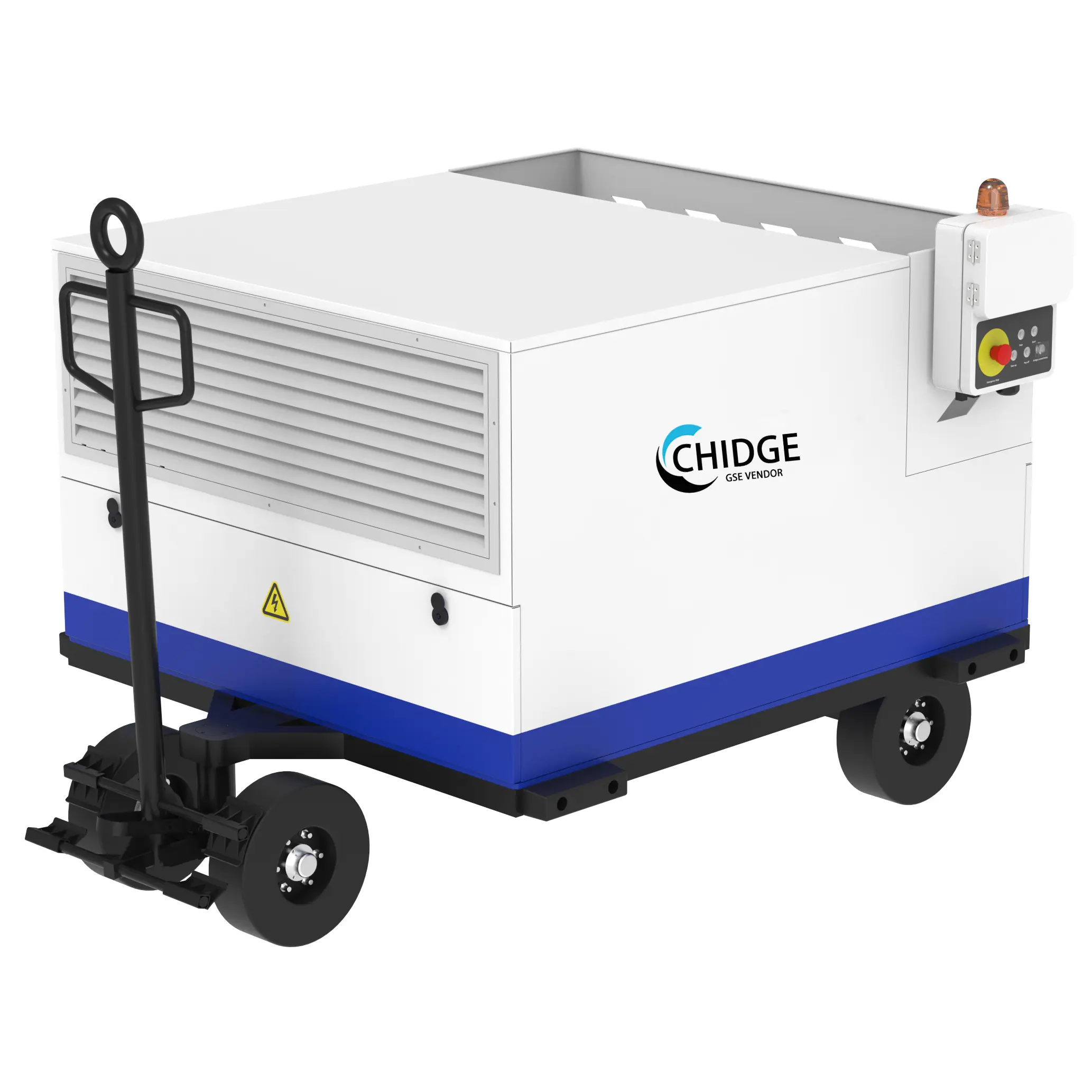 Technical Innovation
Exploring the integration of high-capacity lithium battery storage on towable trailer platforms. Learn how hybrid energy storage units reduce operations costs and lower aircraft fuel consumption at the gate.
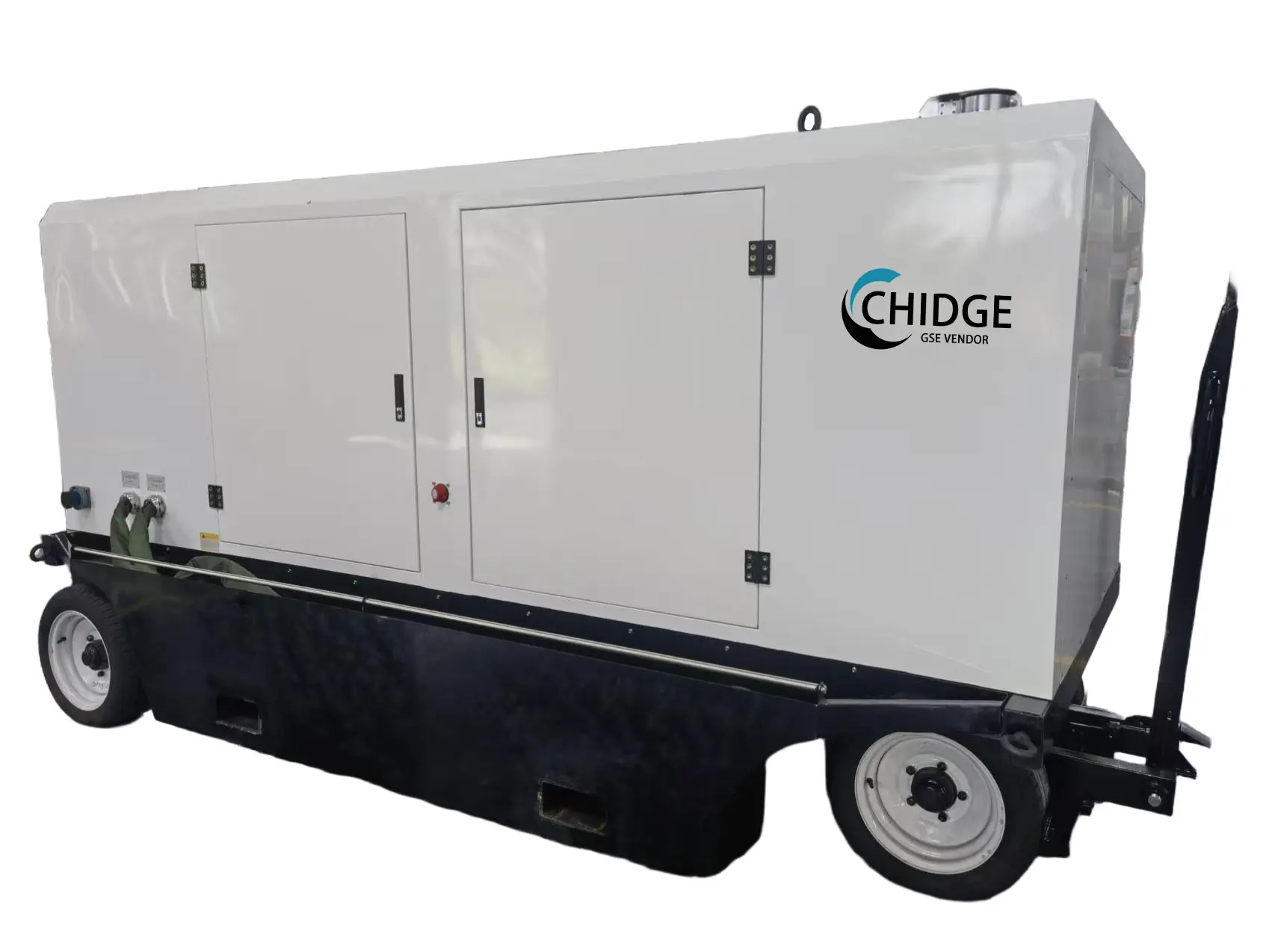 Core Fleet Systems
In the complex ecosystem of aviation operations, ensuring an aircraft is flight-ready involves a multitude of support systems. Among the most critical components in this pre-flight preparation is the Aircraft Ground Power Unit (GPU). These units supply the essential electrical power required for aircraft while parked on the ground, facilitating system checks, pre-flight preparations, and passenger boarding without the need to run the aircraft's main engines. While GPUs come in various forms, truck-mounted solutions have emerged as a particularly versatile and efficient choice for modern airports and maintenance facilities.
High-efficiency dollies and weatherproof passenger luggage carts designed to support peak airline turnarounds.
 Chidge Dolly