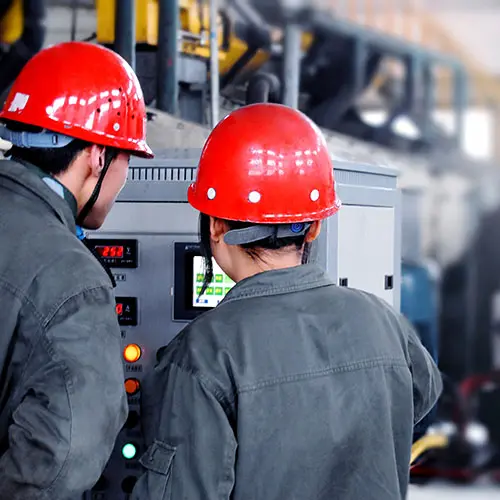
Premium airport ramp solutions configured to withstand extreme duty-cycles, heavy loading conditions, and continuous operational demands.
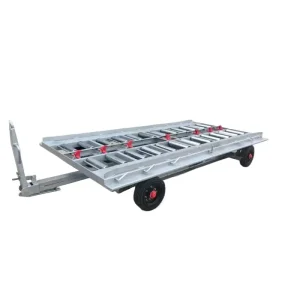
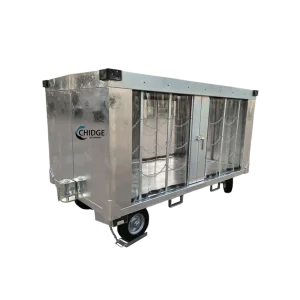
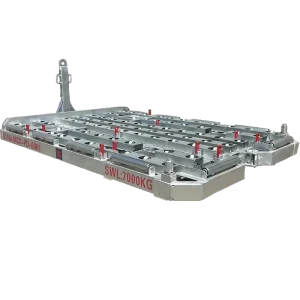
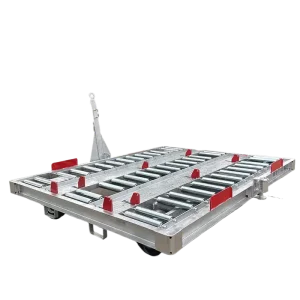
In contemporary aviation and logistics hubs, turnaround speed and ground safety govern the margins of profitability. The towable airport conveyor belt loader represents a pivotal node in the Ground Support Equipment (GSE) matrix. Operating as the interface between the ramp sorting facility and the aircraft cargo holds (narrow-body and wide-body belly pits), these devices handle massive baggage loads daily.
Historically, airports utilized bulkier self-propelled diesel conveyances that introduced high emissions, heavy maintenance footprints, and steep initial capital investment. The global transition toward sustainable aviation, coupled with strict cost-efficiency guidelines, has triggered a surge in demand for high-performance towable conveyor belts. Modern wholesale factories are shifting manufacturing focus toward zero-emission electric models, lightweight high-tensile steel frames, and advanced sensor integrations that prevent ramp impacts with commercial aircraft.
"Ensuring seamless aircraft turnarounds begins with robust Ground Support Equipment. Our towable conveyor belt architectures are engineered to optimize baggage sorting times, lower ground operation footprints, and comply with international IATA safety directives."
A high-grade airport towable belt loader is much more than a motorized conveyor belt on a chassis. It requires a precise balance of mechanical, hydraulic, and electrical engineering to operate reliably in highly congested ramp conditions.
The foundation of our towable conveyor systems lies in a structural steel chassis made from Q345B grade high-strength steel. This provides high torsional rigidity to prevent twisting during uneven ramp deployments. The drawbar is equipped with an integrated braking system that activates immediately when the drawbar is lowered to the ground or placed in a vertical storage orientation, preventing uncontrolled rolling on sloped aprons.
Precision lifting is handled by dual hydraulic cylinders equipped with pilot-operated check valves (counterbalance valves). In the event of a sudden hydraulic hose rupture, these safety valves instantly lock the conveyor boom in place, preventing structural collapse onto the aircraft cargo door frame. Depending on the fleet requirement, power configurations include:
Ramps operate under different extreme climates worldwide. Our design methodologies adapt dynamically to localized challenges:
For coastal gateways in Southeast Asia or the Caribbean, atmospheric salinity degrades carbon steel at rapid rates. Our factories use hot-dip galvanized chassis structures combined with stainless steel fasteners and marine-grade epoxy polyurethane paint coats to extend structural life expectancy past 15 years.
Airports in Canada, Scandinavia, and Northern China experience winter operational temperatures down to -40°C. Under these conditions, conventional rubber belts become brittle and crack, and hydraulic fluids increase in viscosity. Our Arctic-configured GSE integrates silicone-blended belts, low-viscosity synthetic fluids, hydraulic pre-heaters, and thermally insulated operator consoles.
At high-volume international hubs, time is critical. Our towable loaders are equipped with intelligent proximity sensors and soft-touch bumper rubbers that stop the conveyor boom automatically before touching the aircraft hull, preventing costly skin damage.
Operating out of China's premier industrial manufacturing clusters, our factories leverage structural supply chain advantages that guarantee cost-effective, high-quality, and scale-ready deliveries:
Explore our industrial range of specialized airport support machinery, from heavy refueling trucks to dynamic passenger steps.
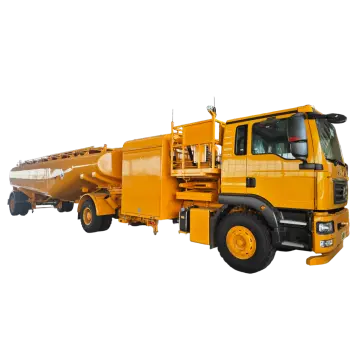
Integrated chassis and custom tank setup with filtering, metering, self-circulation, and pressure control mechanisms.
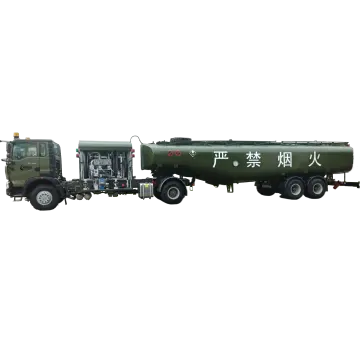
Industrial scale mobile fuel dispatch unit configured for rapid wide-body refueling setups.
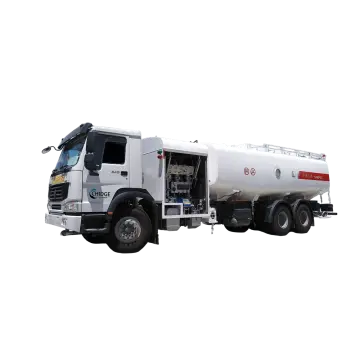
Equipped with advanced multi-stage coalescer filters and dual-nozzle distribution systems.
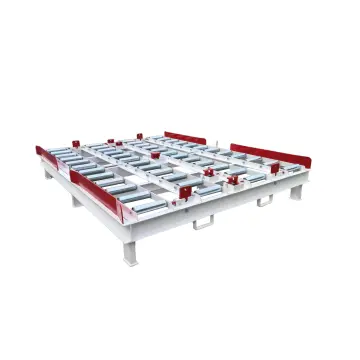
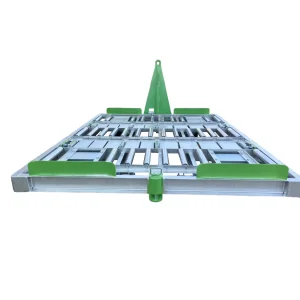
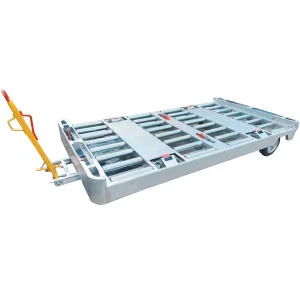
Heavy-duty cargo transfer asset designed for roller-bed warehouse integration.
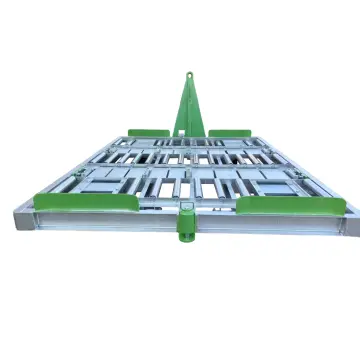
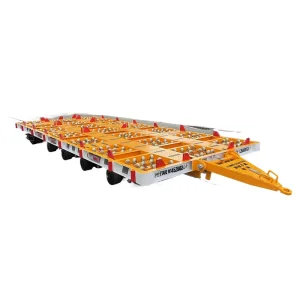
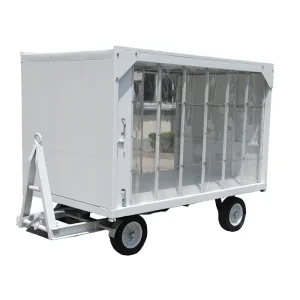
Standard cargo apron transporter with omni-directional steel rollers and locks.
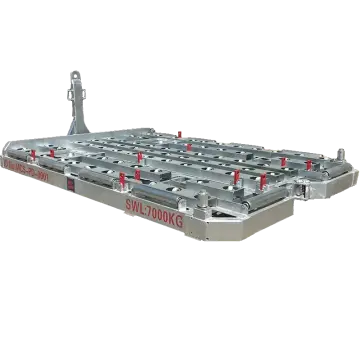
Features structural castle structures for flexible multidirectional container alignments.
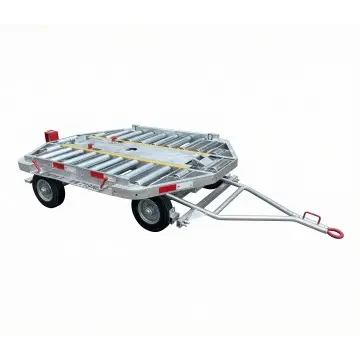
Engineered for secure transport of classic LD3 aviation containers on the ramp.
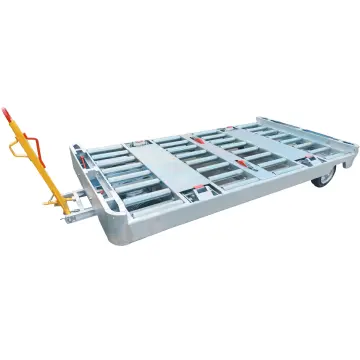
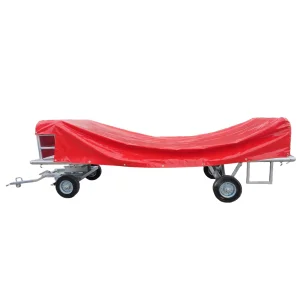
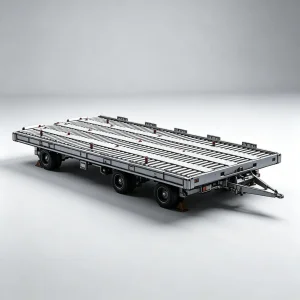
Reinforced steel undercarriage built for transporting heavy air cargo units.
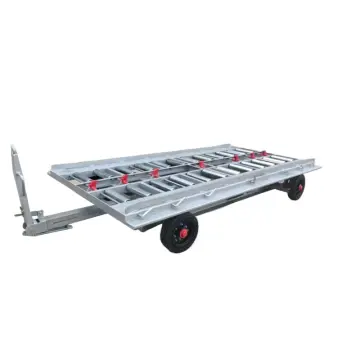
Sized specifically for LD6 configurations with heavy-duty dynamic locking bars.
We combine advanced technology, product quality control, and localized after-sales services to ensure your ramp stays running.

We implement CAD structural simulation, finite element analysis, and electronic diagnostics to drive product development.

Our structures meet rigorous QA protocols, exceeding standard expectations to stand out in high-density commercial hubs.

Robust supply chain structures, steel inventory buffers, and port proximity ensure short manufacturing lead-times.

Our customer service department provides immediate engineering answers, emergency spare parts logistics, and maintenance guides.
Working alongside major airlines, air logistics groups, and global airport operators to optimize ground logistics globally.
Custom configurations tailored to specific airline ground configurations, fleet footprints, and local safety rules.
Stay informed with news updates from our global GSE engineering team.
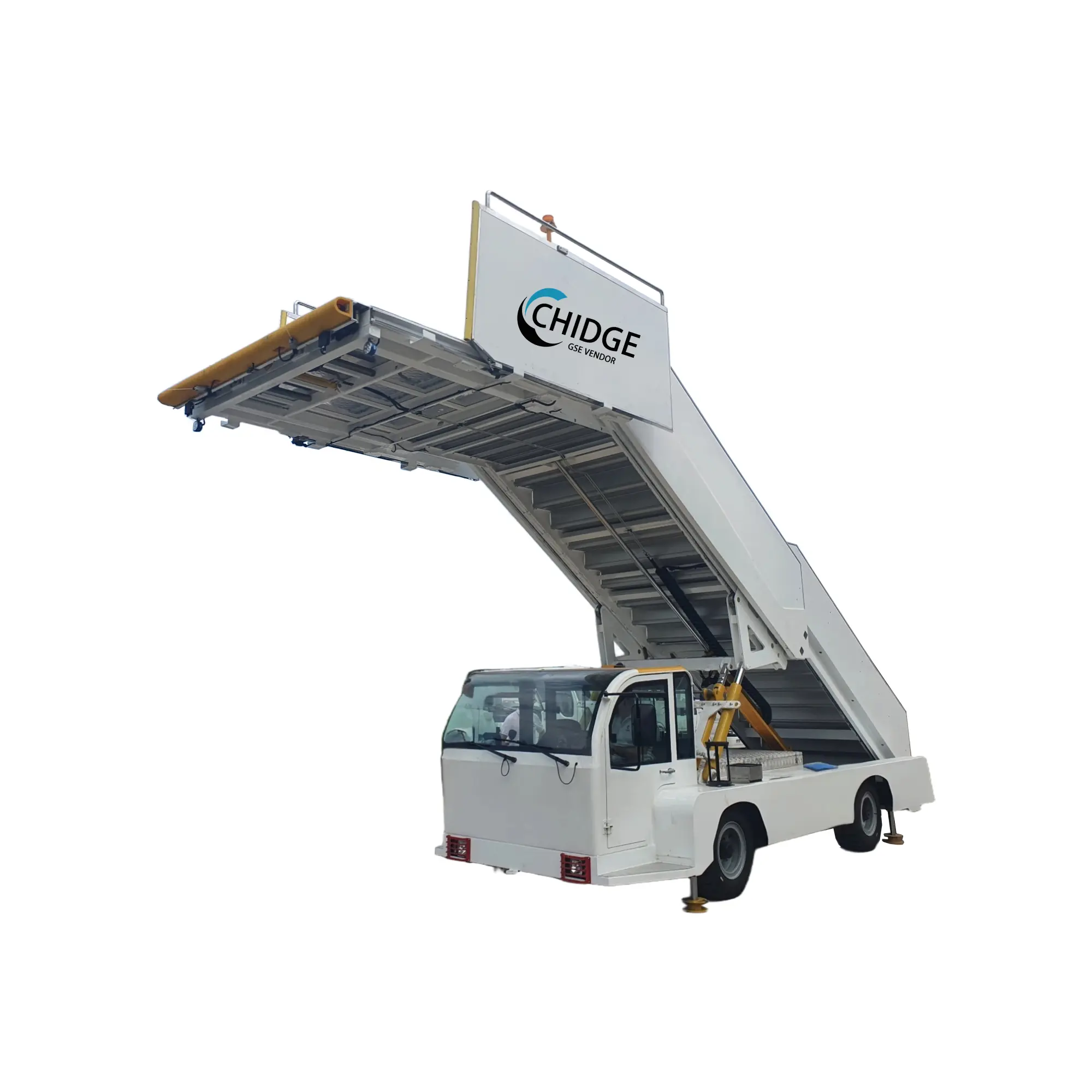
An in-depth look at boarding systems, safety certifications, structural stabilization, and localized wind-resistance ratings.
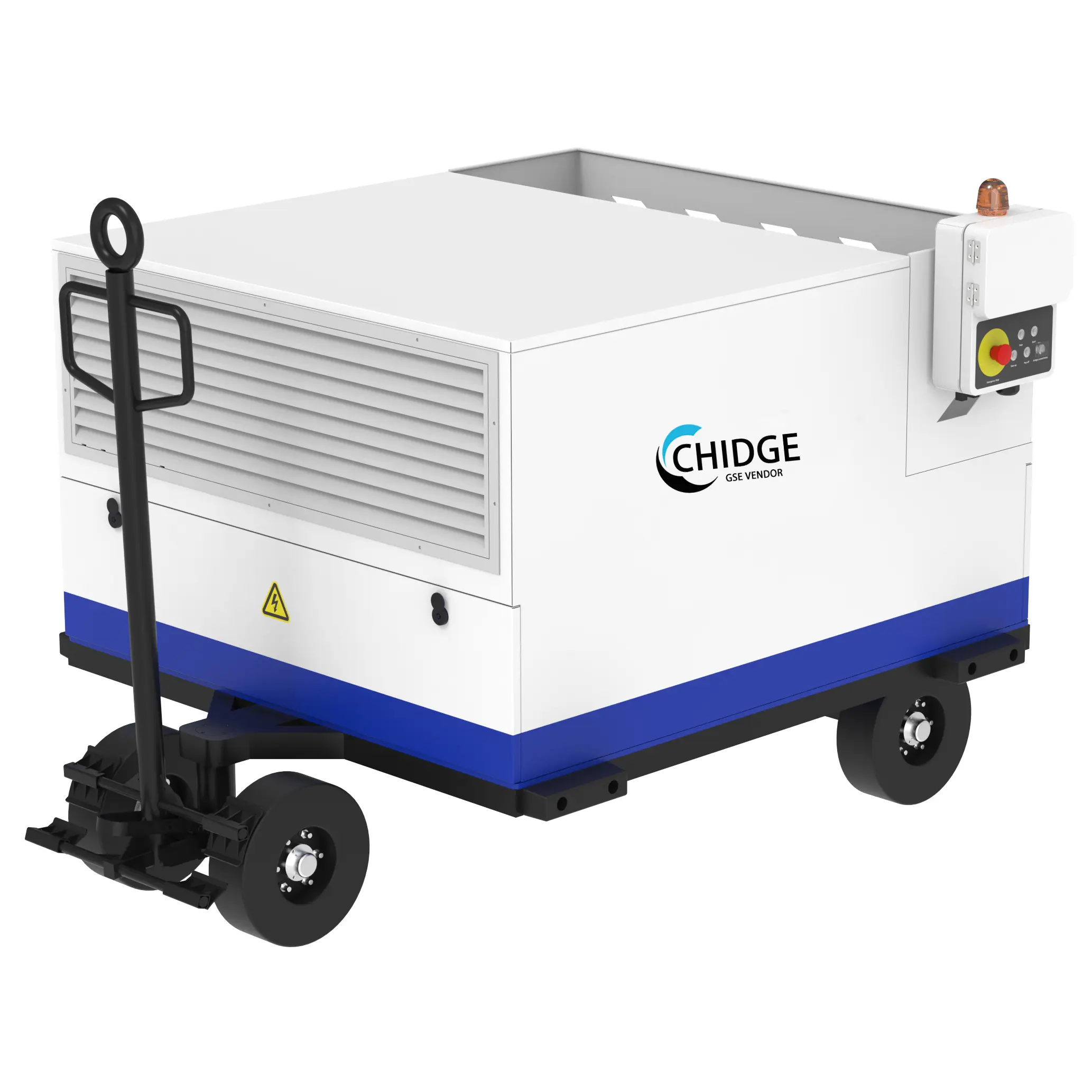
How lithium-ion energy storage systems are transforming green operations on modern airport aprons.
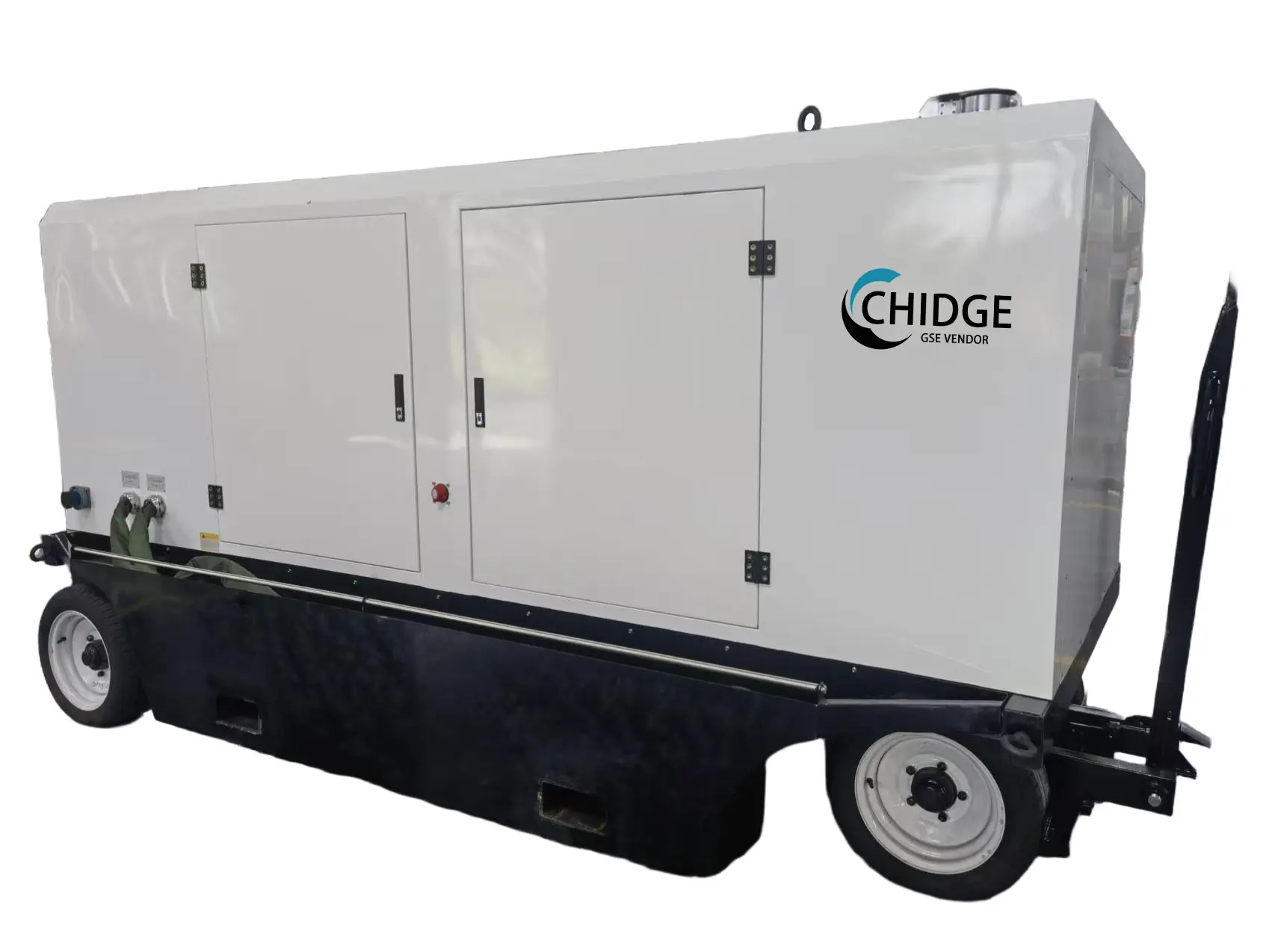
Understanding pre-flight support. Why truck-mounted or towable solid-state converters are replacing diesel generators.
Key technical answers to assist procurement managers, fleet operators, and logistics engineers in selecting GSE.
Explore our heavy cargo logistics solutions built for international container configurations and airport distribution networks.
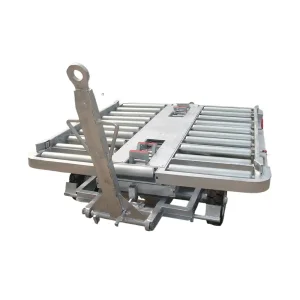
 Chidge Dolly