Direct-from-factory logistics, container dollies, pallet dollies, and baggage carts engineered to optimize turnaround times, lower operating costs, and meet modern airline operations demands.
In the highly regulated ecosystem of modern aviation, terminal efficiency, carbon footprint mitigation, and operational safety dictate runway success. Ground Support Equipment (GSE), specifically Aircraft Ground Power Units (GPUs), serve as a lifeline for parked aircraft. A Ground Power Unit supplies either 400Hz Alternating Current (AC) or 28.5V Direct Current (DC) electricity to power onboard avionics, cabin conditioning systems, and flight instruments. By replacing the need to run the aircraft's fuel-consuming and noise-emitting onboard Auxiliary Power Unit (APU), modern ground energy systems provide significant economic and ecological advantages.
As global airport operations align with stringent international decarbonization policies, such as the ICAO Airport Carbon Accreditation (ACA) scheme and Net Zero emissions targets, the technology behind GPUs has undergone a tectonic shift. Traditional diesel-driven rotary converters are increasingly being replaced by solid-state frequency converters and zero-emission battery energy storage systems (BESS). These electric architectures deliver cleaner electricity with minimal harmonic distortion, lower total cost of ownership (TCO), and virtually silent performance on the apron.
A reliable GPU is critical for flight safety, turnaround schedule compliance, and environmental protection. For aviation procurement professionals, identifying and collaborating with a certified wholesale ground power unit manufacturer is key to securing durable, certified, and cost-effective ground systems tailored to specific regional grids and aircraft models.
Explore our comprehensive range of specialized vehicles, passenger systems, catering services, ground energy systems, and cargo handlers.
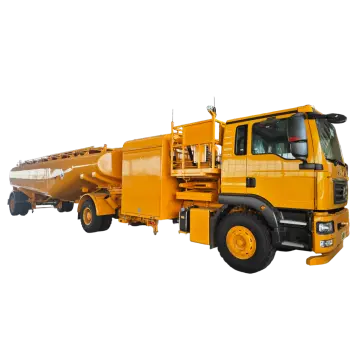
Advanced pumping systems, high-efficiency filtration, and custom controls integrated into chassis including CD5207GJJ, CD5580GJJ, and CD5341GJJ models.
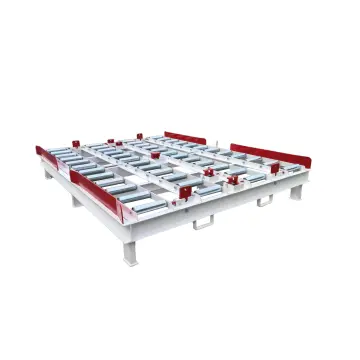
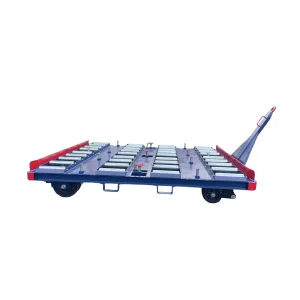
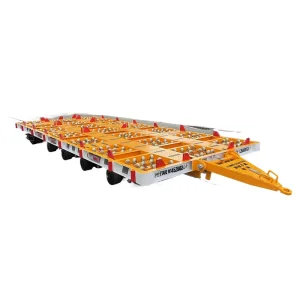
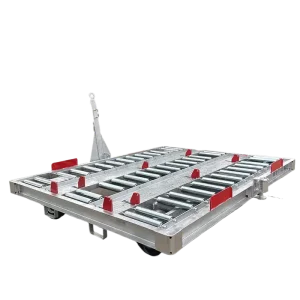
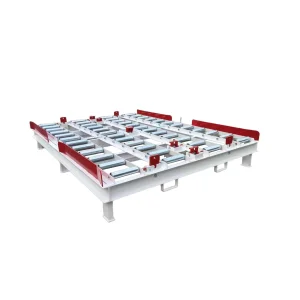
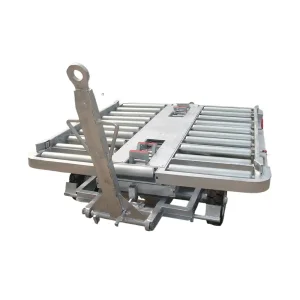
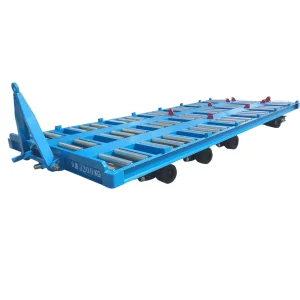
Standard pallet dollies, custom 7T castle pallet dollies, and slave pallet dolly structures engineered for fast ramp and warehouse cargo staging.
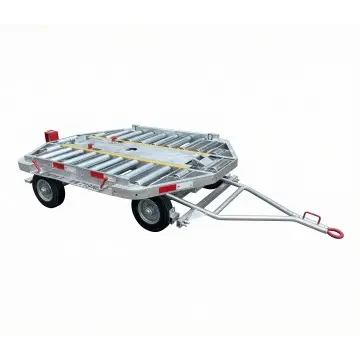
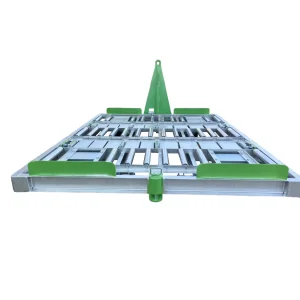
Specifically sized systems for LD3 and LD6 unit load devices. Incorporating specialized swivel casters, self-locking brakes, and heavy duty steel structures.
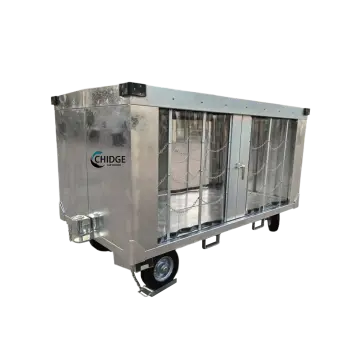
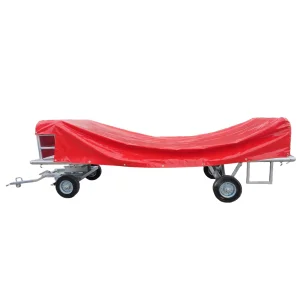
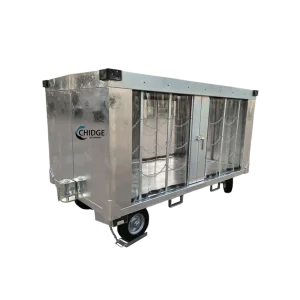
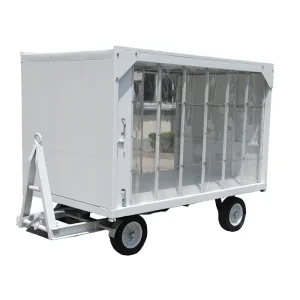
Premium rainproof designs, enclosed trailers, and manual push models providing secure transit from airport conveyor loops to airplane bays.
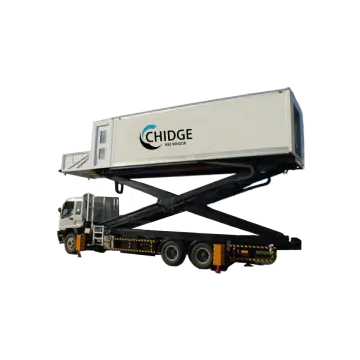
Specialized scissor lift mechanisms available on diesel platforms and eco-friendly electric vehicles, featuring the CD-SP80 configurations.
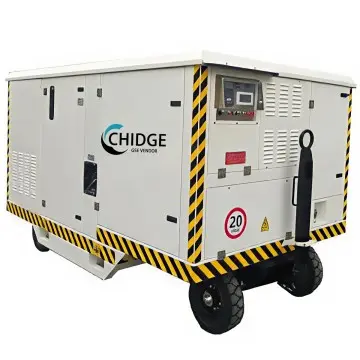
Maintain cabin comfort without operating the aircraft engine. Optimized options include CDH-60 heaters and CD190 PCA units.
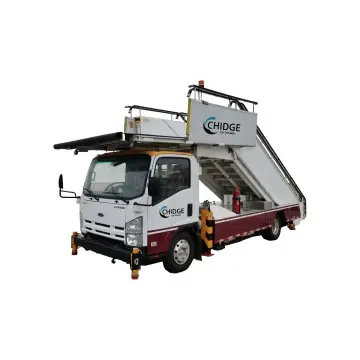
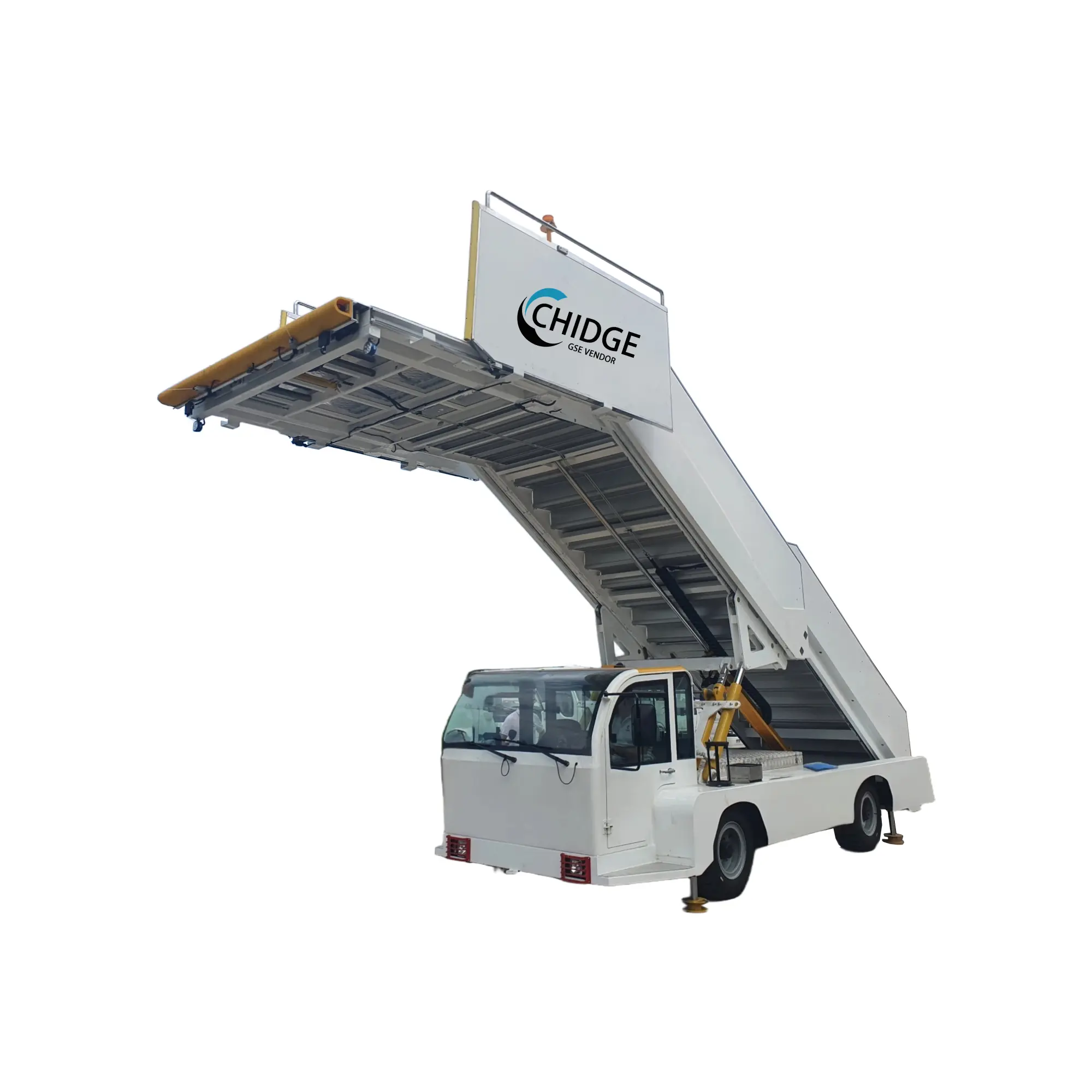
Safe access structures for aircraft platforms. Advanced safety sensors integrated on systems including CD-PBS5062E and CD-PBS5062D.
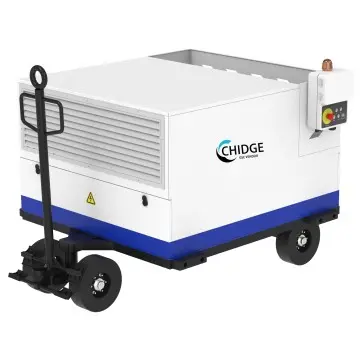
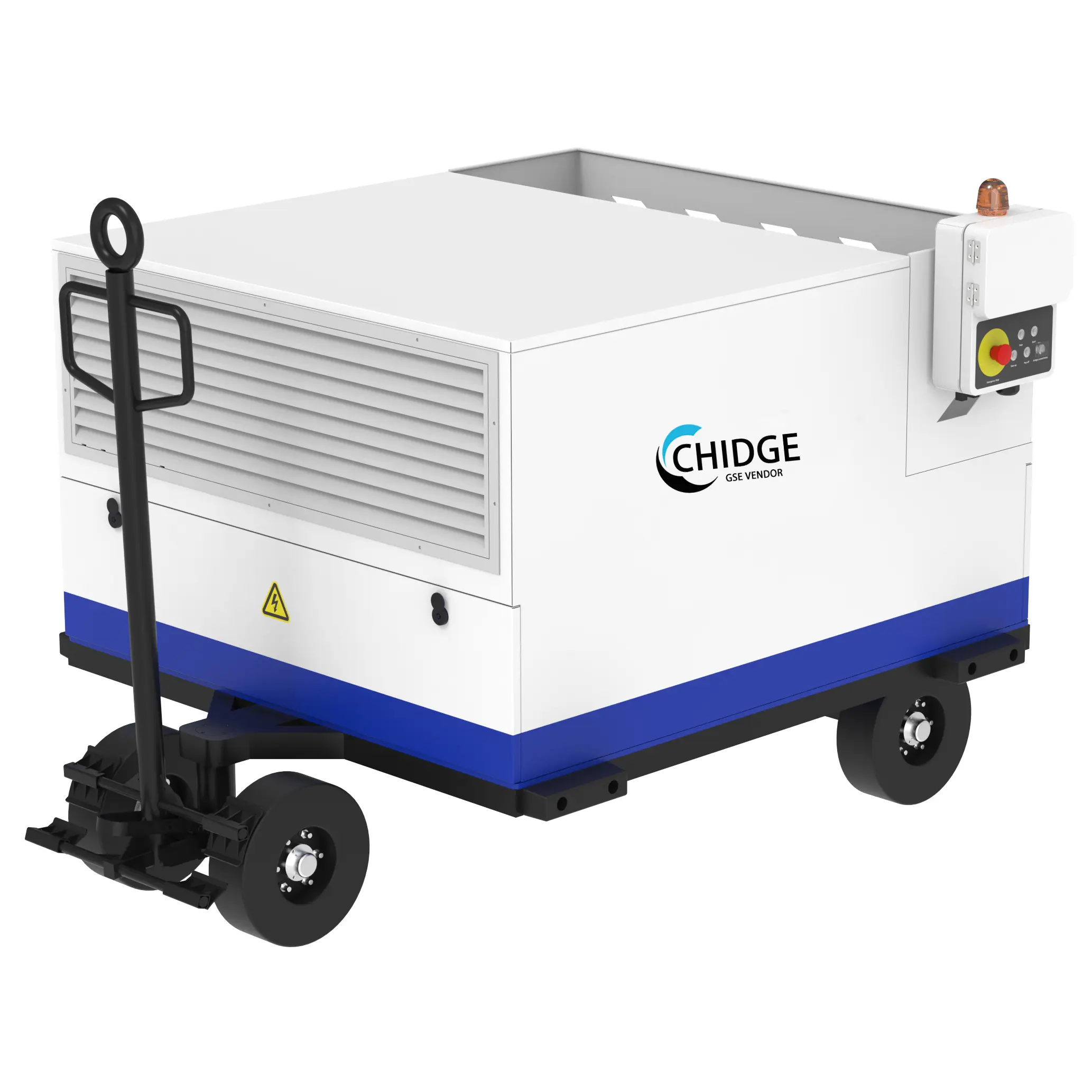
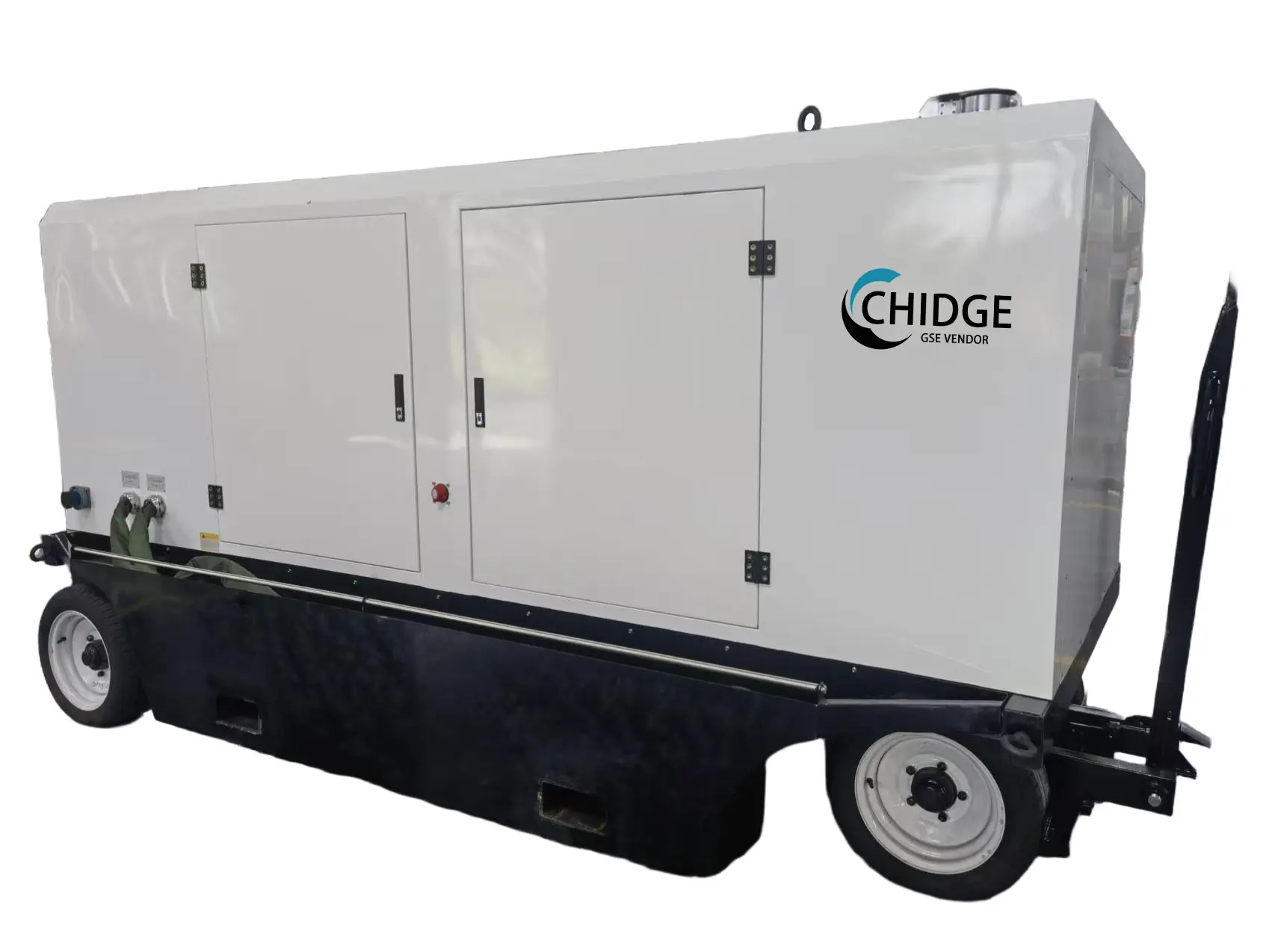
90kVA high-efficiency frequency converters, 28V DC power packs, and modern battery storage towable ground power units.
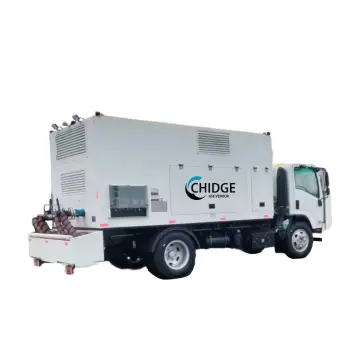
High-pressure compressed air units to assist turbine starting, including truck-mounted solutions and standard CDA300/CDA400 systems.
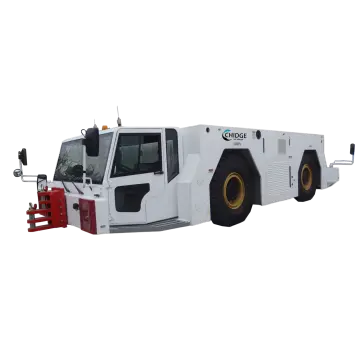
High-drawbar-pull models designed for narrow-body and wide-body pushback operations, from CDT300 to CDT700.
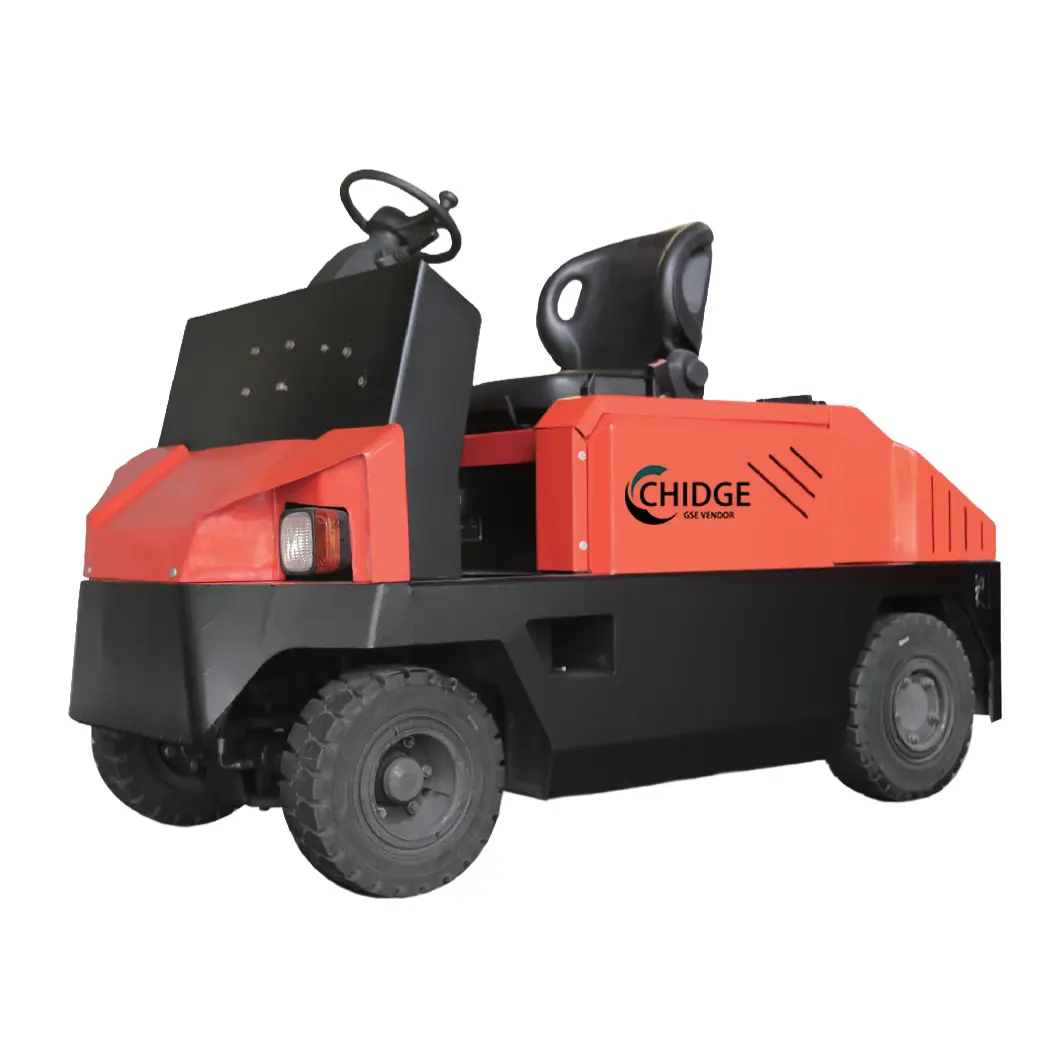
Robust industrial towing systems. Features high capacity lithium-ion packs and eco-friendly diesel drive engines.
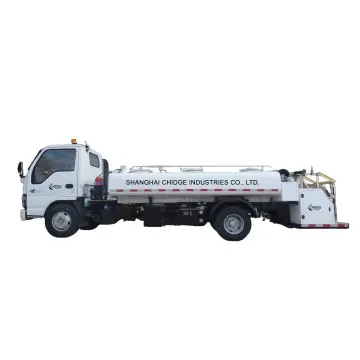
Highly hygienic systems with corrosion-resistant tanks, featuring advanced pumping components. Available on the CD5060DWS chassis series.
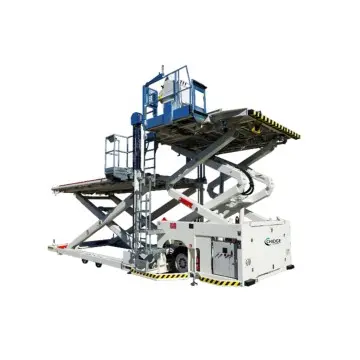
Precision alignment and heavy lift capability. Standard capacity options range from 7 tonnes (CDL7000) up to 35 tonnes (CDL35000).
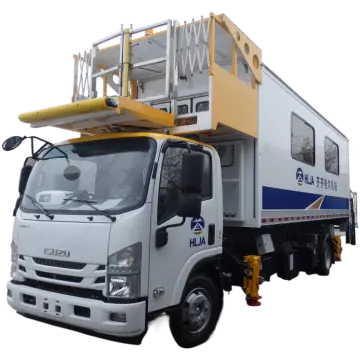
Designed for passengers with reduced mobility. Provides level cabin entry, hydraulic safety lifts, and internal environmental controls.
When evaluating ground power systems for fleet modernization, airport managers must weigh the engineering differences between solid-state electronic frequency converters and traditional diesel engine generators. Solid-state units use power electronics to convert standard utility grid power (typically 50Hz or 60Hz) directly into clean 400Hz aviation power. Below is a comparative technical matrix illustrating key performance parameters.
| Performance Indicator | Solid-State Frequency Converter | Diesel Generator GPU |
|---|---|---|
| Energy Conversion Efficiency | 94% - 97% (Very Low Loss) | 35% - 40% (Fuel Burning Losses) |
| Total Harmonic Distortion (THD) | < 2% (Protects Sensitive Avionics) | < 5% (Higher Risk of Electrical Noise) |
| Transient Response Time | < 2 milliseconds | 80 - 150 milliseconds (Mechanical Delay) |
| Acoustic Noise Levels | < 65 dBA at 1 meter (Whisper Quiet) | > 85 dBA at 7 meters (High Ear Protection Needed) |
| Maintenance Overhead | Annual diagnostics, filter replacement | Frequent lube changes, fuel filters, engine overhauls |
| Carbon Emissions | Zero direct emissions at point of use | Significant CO2, NOx, and particulate matter output |
From an operational efficiency standpoint, solid-state converters feature no moving mechanical parts, resulting in higher reliability (Mean Time Between Failures [MTBF] > 100,000 hours) compared to diesel units. However, diesel and towable battery-powered ground power units remain necessary for remote military airbases and remote parking positions lacking access to the centralized airport electrical grid.
Procuring GSE at a wholesale tier requires an analysis of capital expenditure (CAPEX) offset by operational expenditure (OPEX). While the acquisition cost of high-output frequency converters or battery energy storage systems (BESS) can be substantial, the Total Cost of Ownership (TCO) projection over a standard 10-to-15-year lifecycle favors solid-state and battery-electric ground units.
Determine if the regional fleet requires 90kVA (narrow-body aircraft like B737/A320), 140kVA, or 180kVA (wide-body aircraft like B777/A350). Dual-outlet configurations allow ground crews to power two narrow-body planes simultaneously or supply double power lines to wide-body jets, optimizing ramp space.
Power cable assemblies wear out quickly due to dragging and heavy airport traffic. Choosing a manufacturer that offers integrated under-bridge cable retrievers, spring-loaded balancer assemblies, and heavy-duty plugs with replaceable contacts can significantly reduce maintenance costs.
Apron equipment is subjected to extreme weather. Procurement teams must verify that the ground power units carry an IP55 or IP66 enclosure rating. Outdoor-rated enclosures must feature anti-condensation heating elements, double-wall cooling configurations, and marine-grade anti-corrosive coatings.
How we support international airports, ground handlers, and military transport hubs with premium engineering, strict quality control, and field-proven reliability.
Our company incorporates advanced science, R&D capabilities, and innovative power electronics into production, ensuring that our ground power units deliver stable power at over 95% electrical efficiency.
Our high-quality products are engineered to meet strict aviation requirements. By standing out in competitive bids, we win global market recognition and build long-term reputation.
With optimized supply chain management, inventory tracking, logistics coordination, and robust emergency response strategies, we guarantee on-time delivery even during periods of global logistics congestion.
Our quality after-sales service helps operators resolve on-site technical issues quickly, building long-term customer trust and loyalty while extending the service life of the equipment.
Modern airports are transitioning from isolated diesel ground units toward a centralized, smart grid infrastructure. As a forward-thinking GPU factory, we design systems that integrate into broader airport energy management platforms. These macro-level solutions focus on three core areas:
By mounting solid-state 400Hz frequency converters directly to Passenger Boarding Bridges (PBB), airports can reclaim apron floor space. Power lines feed down through retractable cable management systems directly to the aircraft snout. This reduces risk from vehicle collisions and simplifies the boarding area.
For airports with grid constraints, towable lithium-ion battery GPUs function as mobile energy reservoirs. These units can be recharged during off-peak hours at charging stations and towed to distant runways or cargo bays to provide green, grid-independent ground power during aircraft servicing.
Our latest generation of ground power units features IoT connectivity. Operating metrics, including phase currents, output voltage, harmonic levels, and power factor data, are reported back to the Airport Operations Control Center (AOCC) via Modbus, CAN-bus, or cellular links. This allows for predictive maintenance, minimizing unplanned downtime.
Beyond standard systems, we support custom OEM and ODM orders for airport authorities and defense ministries worldwide. We deliver tailored ground energy solutions engineered to specific climatic conditions, unique electrical standards, and custom structural dimensions.
Our customer-centric approach spans the entire product lifecycle—from planning, engineering, manufacturing, and QA testing to final commissioning. By partnering with us for custom production, clients can reduce engineering overhead, shorten delivery timelines, and improve field competitiveness.
Modern corporate structure with strict quality control practices (ISO 9001, ISO 14001, OHSAS 18001).
Dedicated laboratory for power simulation testing, dynamic load profiling, and harmonic distortion correction.
Global shipping lanes access, specialized packaging, and rapid customs clearance support.
From hardware sales to turn-key fleet integration, we provide end-to-end support for global aviation operators.
Providing standard ground equipment, power units, tow tractors, and aircraft dollies directly from our manufacturing facilities.
Specialized systems designed to speed up turnaround cycles and optimize freight handling for cargo networks and airlines.
One-stop catalog covering passenger boarding systems, ground power systems, refueling trucks, and cargo dollies.
Every unit undergoes comprehensive load-bank performance testing, ensuring international safety compliance and reliable delivery timelines.
We help operators build efficient, reliable ground networks.

The aviation sector's transition toward environmental sustainability is driving significant innovation in GSE design. As a forward-thinking GPU factory, we are prioritizing research and development in three main areas:
For airports with limited electrical grid capacity, hydrogen fuel cell GPUs generate zero emissions at the gate. These units offer fast refueling times and stable power without requiring local grid upgrades, serving as a clean alternative for heavy-duty flight operations.
Modern battery-electric GPUs can function as mobile storage reservoirs for the airport's microgrid. By utilizing Vehicle-to-Grid (V2G) technology, these mobile battery assets can feed stored power back to the terminal during peak load periods, helping to stabilize energy costs.
Integrating Silicon Carbide (SiC) components into our solid-state frequency converters allows for higher switching frequencies, smaller footprint dimensions, and improved thermal performance. This results in reliable 400Hz output even in extreme climates.
All our engineering developments comply with international aviation standards, including MIL-STD-704F (aircraft electrical power characteristics), SAE ARP 5015, ISO 6858, and European CE/UL specifications. Our design processes focus on reliability, helping global airports modernize their ground support fleets safely.
Stay informed with the latest updates on airport operations, fleet electrification trends, and technical guides from our research division.
An in-depth look at modern self-propelled passenger boarding systems. We cover key safety sensors, wind stability limits, and slip-resistant surface configurations required for high-traffic aprons.
Detailed specifications of our newest towable battery GPU. We examine how advanced battery chemistries supply clean 400Hz and 28V DC power directly to the gate, reducing terminal noise and emissions.
A technical review of modern ground power unit architecture. This guide covers frequency converter layout, automatic line drop compensation, and chassis designs that protect internal systems during operation.
Get technical answers regarding wholesale pricing, customization, voltage standards, and system performance specs.
Commercial passenger planes (like Airbus and Boeing fleets) typically require 3-phase 115V AC / 200V AC power at a frequency of 400Hz. In contrast, regional turboprops, helicopters, and several military aircraft require 28.5V DC or 270V DC power. Many of our wholesale ground power units feature dual-output configurations, enabling them to supply both 400Hz AC and 28.5V DC from a single unit.
Electrical resistance in long output cables causes voltage drops between the frequency converter and the aircraft plug. To counter this, our converters use automatic line drop compensation. The unit monitors real-time current and dynamically adjusts the voltage at the output terminal (up to 125V AC) to ensure a stable, continuous 115V AC reaches the aircraft connector.
Solid-state converters use stationary power electronics instead of moving mechanical parts (such as motors and generators). This design improves conversion efficiency to over 95%, reduces noise, and minimizes wear-and-tear. With no bearings or windings to maintain, solid-state units lower operational costs and achieve an MTBF of over 100,000 hours.
A reliable manufacturer must align designs with aviation-specific standards, including ISO 6858, SAE ARP 5015, DFS 400, and MIL-STD-704F. In addition, production facilities must hold ISO 9001 quality management certificates, and finished units must display CE, UL, or TÜV marks to comply with regional safety regulations.
Yes. Modern battery GPUs equipped with high-capacity lithium-ion chemistry (such as LiFePO4) can deliver high-power outputs suitable for wide-body servicing. By combining multiple battery modules, these units supply continuous energy for avionics checks, cleaning, and boarding, and can be charged using standard 50Hz/60Hz grid connections when not in use.
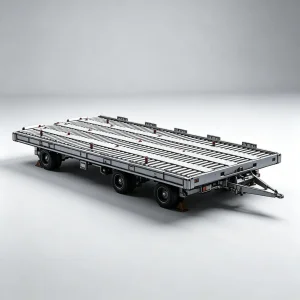
Heavy-duty cargo dollies, ULD transporters, and baggage trailers built to withstand high speeds and heavy loads during airport logistics operations.
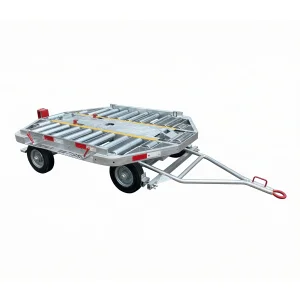
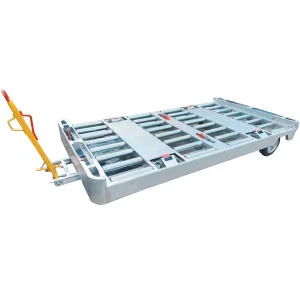
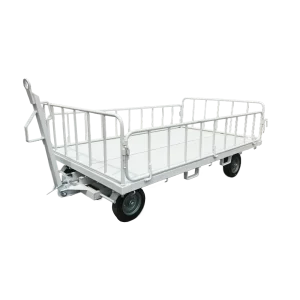
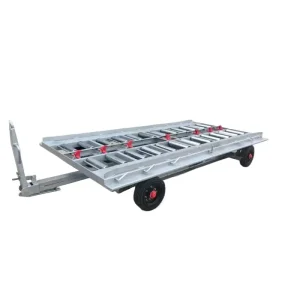
 Chidge Dolly