In the high-intensity ecosystem of modern aviation hubs, Ground Support Equipment (GSE) is the foundation of turnaround time (TAT) optimization. The transition from landing to takeoff requires a synchronized flow of assets, of which aircraft pushback is the most critical operation. Delays during pushback operations have compounding effects on airport slot allocations, fuel consumption, and overall flight schedule integrity.
Aviation ground operations are shifting towards heavy-duty, low-emission, and autonomous towing solutions. Highly specialized GSE manufacturers design towbarless and conventional pushback systems to handle wide-body passenger jets and cargo aircraft under extreme environmental conditions. Utilizing advanced materials, electro-hydraulic steering systems, and real-time telematics integration, today's GSE systems minimize structural fatigue on aircraft landing gear while maintaining high safety margins.
Strategic Industry Insight: According to international ground handling studies, a 10% reduction in turnaround delays through improved GSE reliability can yield up to $150,000 in operational cost savings per major narrow-body aircraft annually.
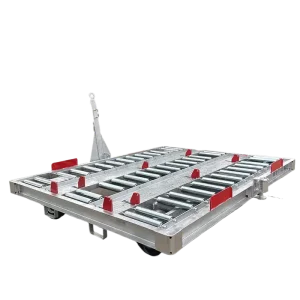
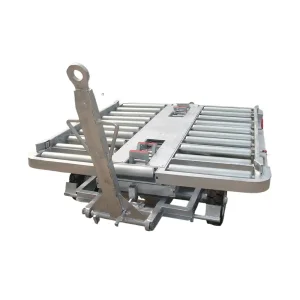
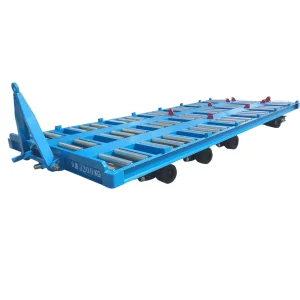
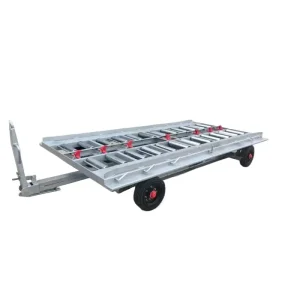
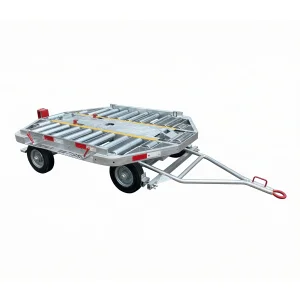
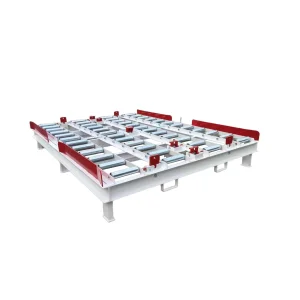
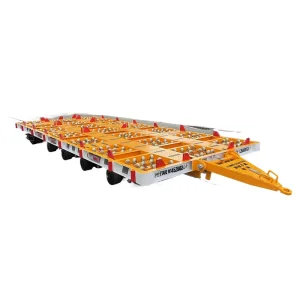
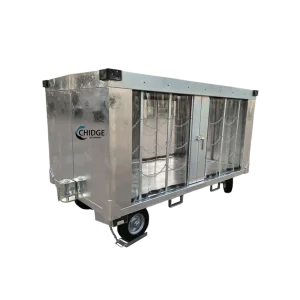
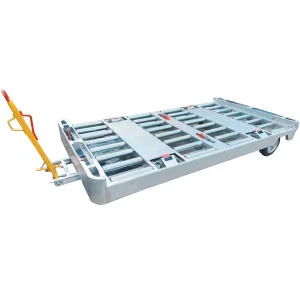
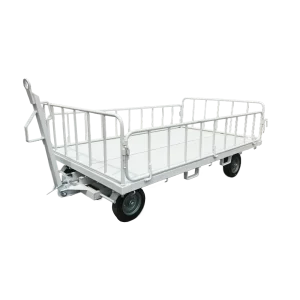
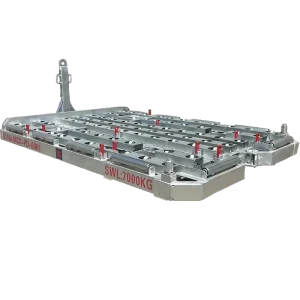
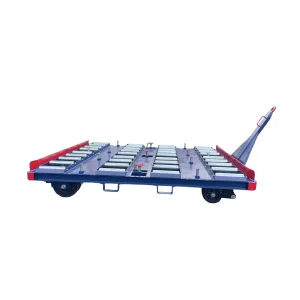
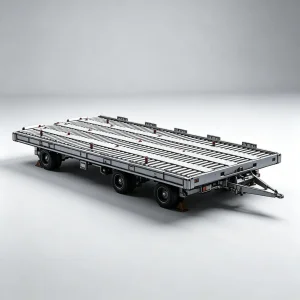
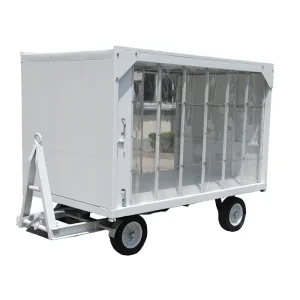
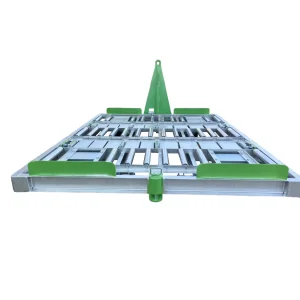
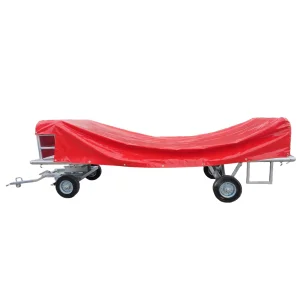
Ground handling success depends not only on the tractors but on the secondary logistics infrastructure that feeds the aircraft. Pallet dollies, container dollies, and baggage carts must interface seamlessly with high-loader decks and cargo hold bays. If a container dolly experiences bearing failure or structural deformation under load, the loading process stalls, directly impacting the pushback window. Choosing durable, standard-compliant airport manufacturing partners is a strategic necessity for operators seeking zero-failure airfield logistics.
Adhering to customer-centric methodologies from conceptual CAD layouts, FEA stress simulation, to custom physical prototyping and type certification.
Engineered to serve tier-1 airlines and global cargo hubs. Built for high-frequency operations, minimizing service downtime.
From heavy towbarless pushback tractors and aircraft refuelers to specialized slave pallet dollies and PCA environmental control units.
Integrating ISO 9001 certified manufacturing cycles, multi-stage welding inspections, and synchronized shipping for on-time site arrivals.
The aviation ground support market is undergoing major structural changes. Rapid urbanization and global logistics growth are driving the expansion of cargo airports. Additionally, regulatory push for "green runways" has accelerated the shift away from internal combustion engine (ICE) support equipment. Airport authorities from Oslo to Singapore have set timelines to achieve carbon-neutral ramp environments, positioning zero-emission tow tractors and electric catering vehicles as the default configuration for fleet renewals.
Industrial manufacturers are rising to this challenge by integrating lithium-iron-phosphate (LFP) battery systems into heavy vehicles. The design of modern towbar tractors now incorporates multi-voltage fast-charging architecture, enabling opportunist charging during ground turnaround cycles without compromising duty schedules. This development reduces overall operational expenses (OPEX) by eliminating liquid fuel storage, reducing engine maintenance, and lowering energy consumption costs.
To assist airport procurement teams, we maintain a comprehensive GSE product line designed for extreme durability and standard compliance. The matrix below illustrates our product classification:
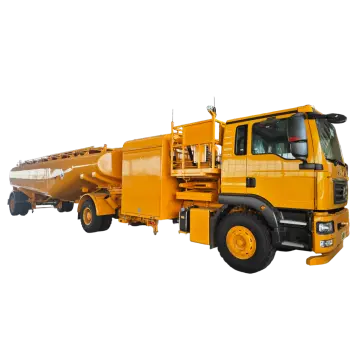
CD5207GJJ, CD5580GJJ, and CD5341GJJ series consist of specialized chassis, high-capacity fuel tanks, high-flow pumping systems, and integrated safety controls. Handles filtering, metering, self-circulation, and pressure control.
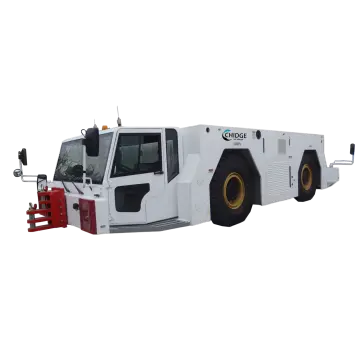
The CDT700, CDT450, and CDT300 line represent heavy tow tugs engineered for precise pushback. Built with durable high-tensile steel frames and fine-tuned hydraulic controls for various aircraft sizes.
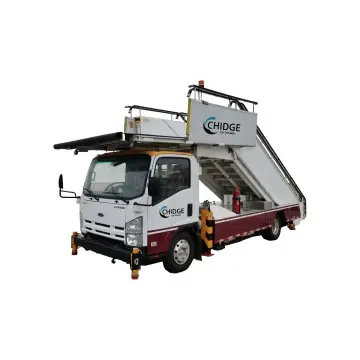
CD-PBS5062E and CD-PBS5062D systems offer stable passenger transfer. Equipped with electric or diesel drivetrains, slip-resistant steps, and proximity safety sensors.
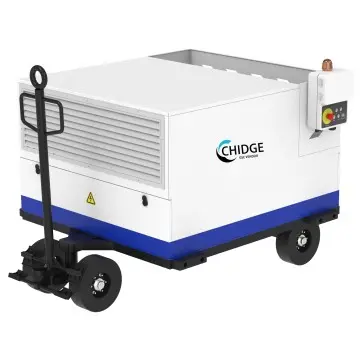
90KVA and energy-storage ground power systems (GPUs) provide stable 400Hz AC/28.5V DC output directly to the aircraft, reducing auxiliary power unit (APU) fuel burn on the ground.
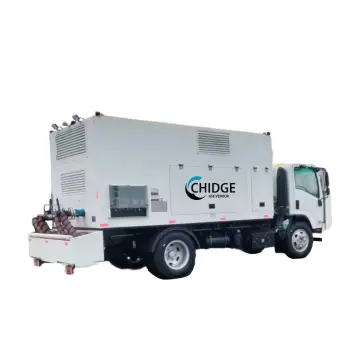
CDA300 and CDA400 Air Start Units (ASUs) supply high-pressure pneumatic air to start main aircraft engines. Reliable performance for wide-body applications.
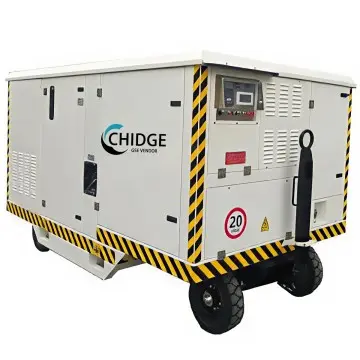
CDH-60 heating units and CD190 Pre-Conditioned Air (PCA) systems supply heated or cooled air to parked cabins, maintaining passenger comfort and electronics safety.
The operating environment of an airport changes drastically depending on its geographic location. A cargo terminal at Anchorage International Airport faces sub-zero temperatures and icy runways, requiring customized heating units and heavy-duty towbar dollies with low-temperature hydraulic fluid systems. Conversely, a logistics hub in the Middle East requires cooling, anti-UV, and high-ambient-temperature ratings for electric catering trucks, aircraft static power units, and cargo loaders.
To meet these localized requirements, ground operations managers need customized equipment that complies with local regulations, including:
By matching our manufacturing processes to these international and local standards, we ensure that every piece of GSE, from a simple baggage trolley to an advanced electric ambulift truck (like the CD-Q5100DCR), can integrate into any major airport fleet worldwide.
We design, engineer, and manufacture custom ground support equipment configurations. Click below to explore our core operational focus areas.
The future of ground support equipment is defined by electrification, automation, and real-time connectivity. Driven by the aviation industry's Net-Zero commitments, GSE manufacturers are transitioning from hybrid solutions to high-voltage electric platforms. By integrating lithium-ion powertrains, regenerative braking, and intelligent power management, next-generation electric pushback tugs and cargo loaders operate with zero localized emissions and lower noise levels, improving safety for ramp personnel.
At the same time, fleet management systems are shifting towards predictive maintenance through integrated IoT telematics. Multi-axis shock sensors on pallet dollies, temperature sensors on GPU inverters, and load meters on pushback hitch structures continually send data to operations centers. Using predictive analytics, operators can schedule maintenance before equipment fails, avoiding costly delays on the apron.
Further out, the integration of autonomous driving software will redefine airport logistics. Autonomously guided pallet dollies and baggage carts will follow programmed paths on the ramp, communicating directly with aircraft loading systems to optimize positioning and turnaround times.
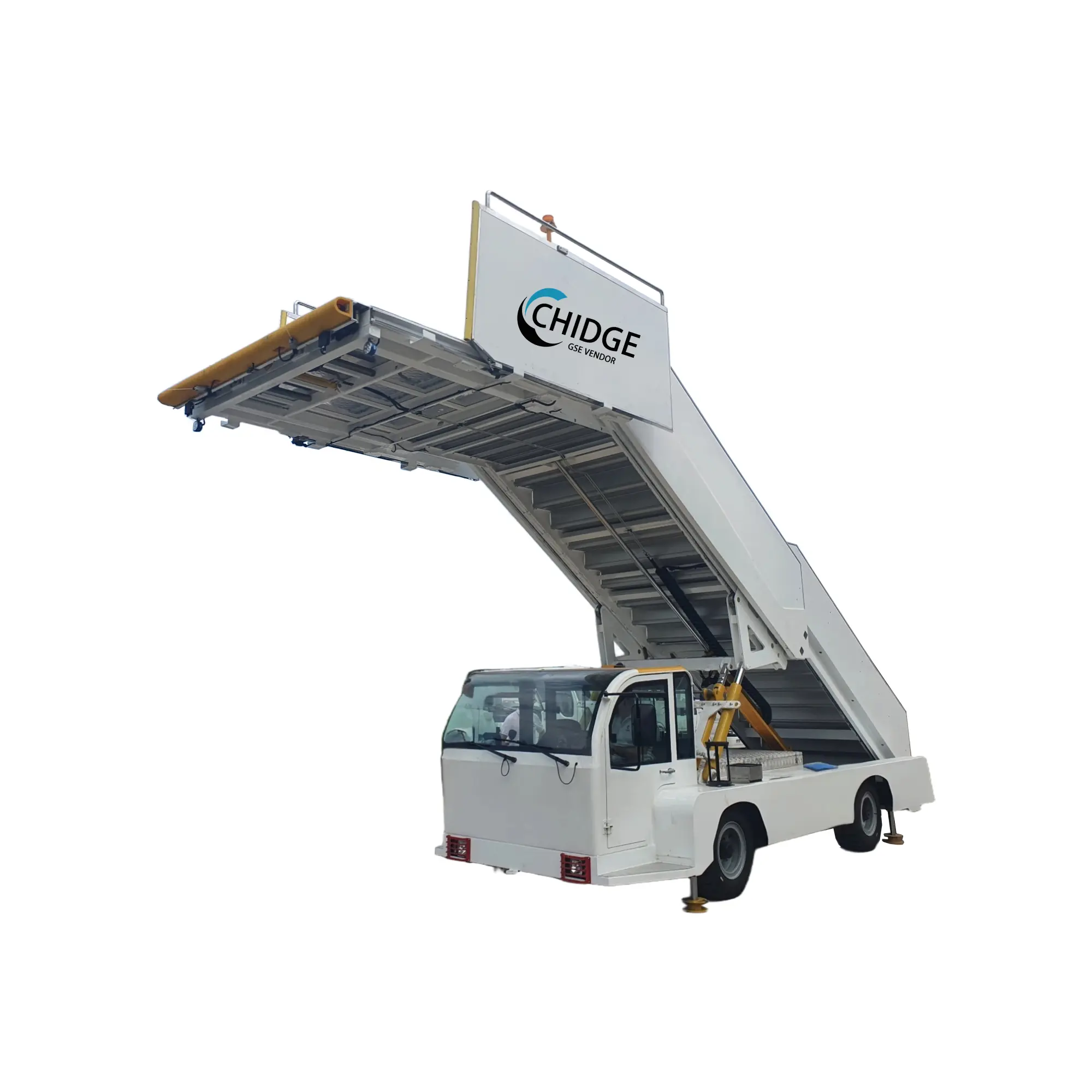
An in-depth analysis of passenger boarding stairs design principles, focusing on safety standards, structural balance, and modern self-propelled drivetrains.
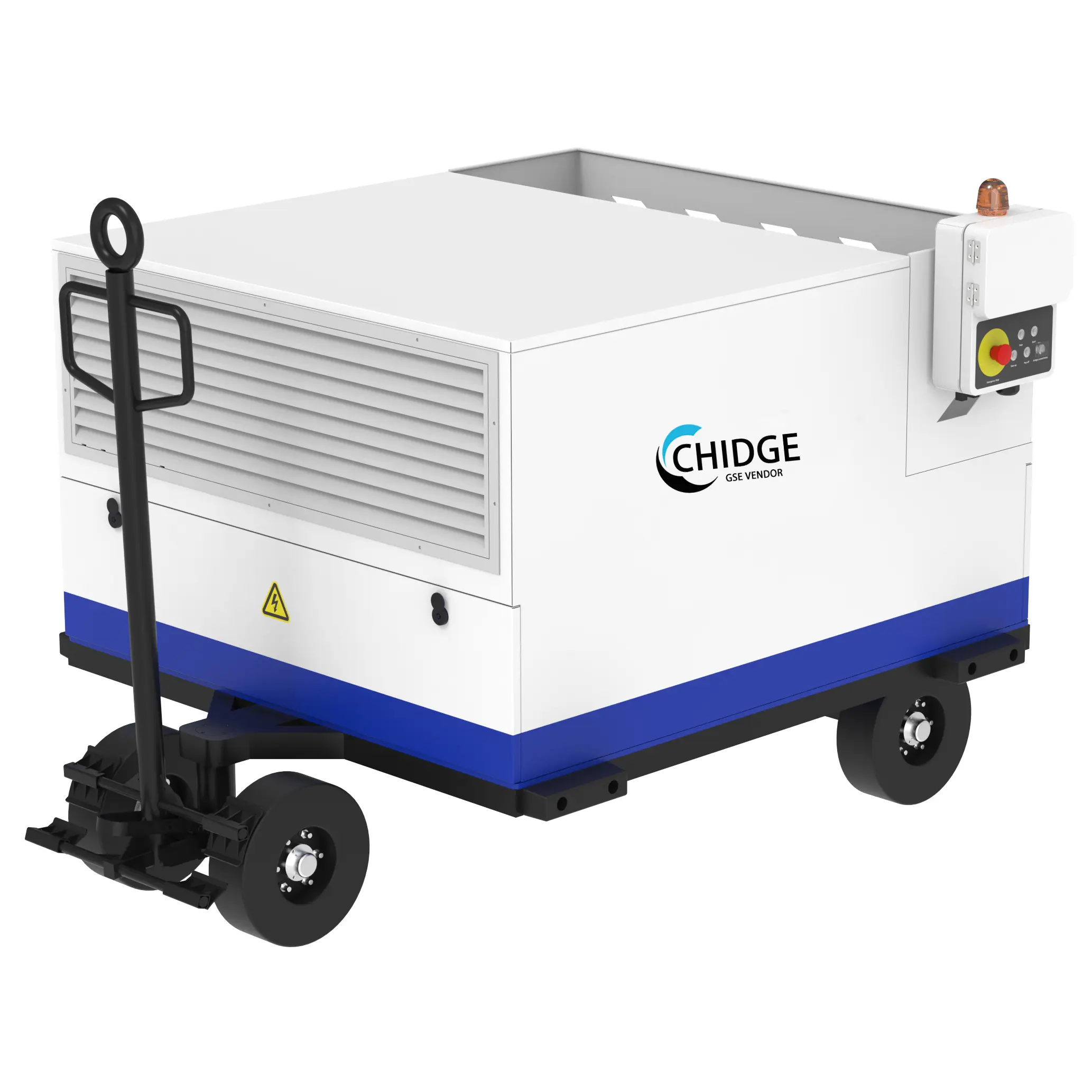
Discover how modern battery systems are replacing diesel generators in towable ground power units, reducing emissions and operating costs at airport gates.
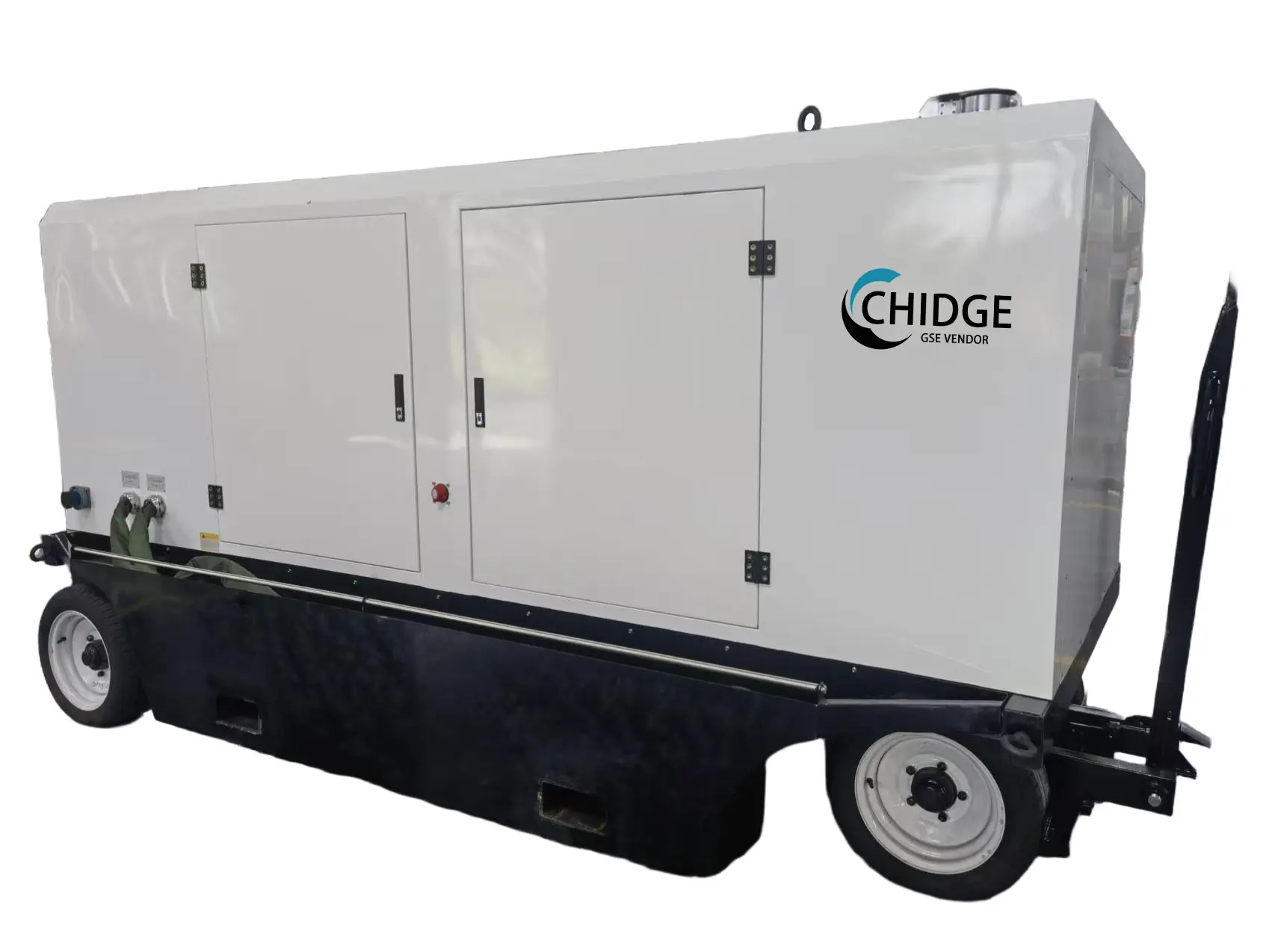
Exploring truck-mounted GPUs and static power units. This article outlines power conversion efficiency, aircraft interfaces, and safety safeguards.

 Chidge Dolly