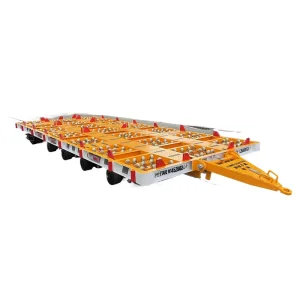
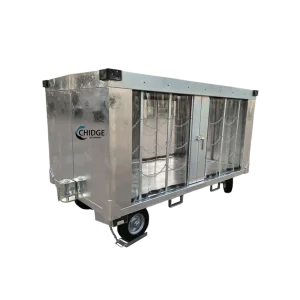
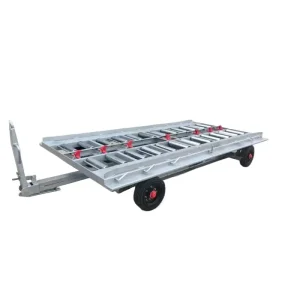
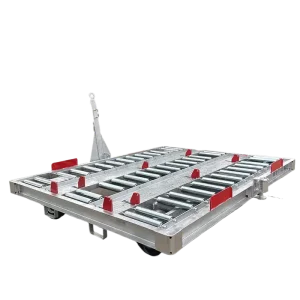
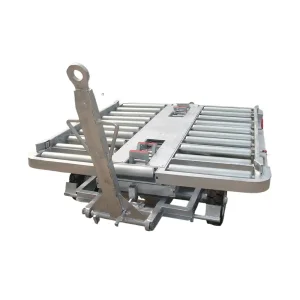
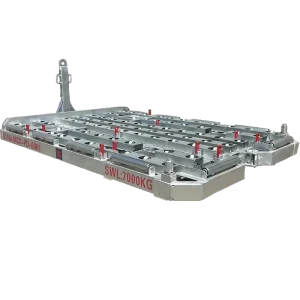
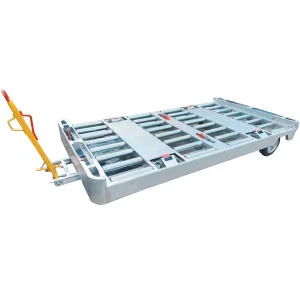
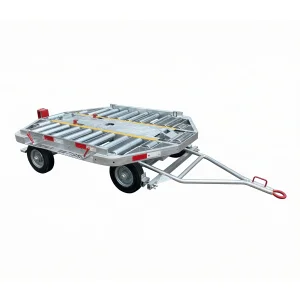
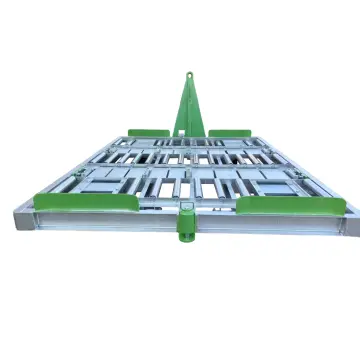
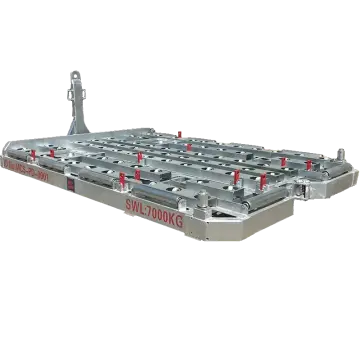
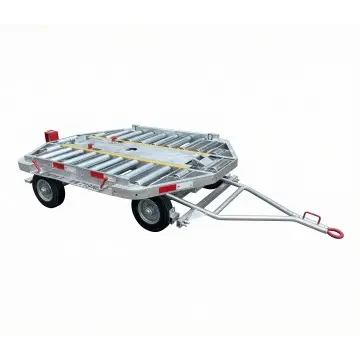
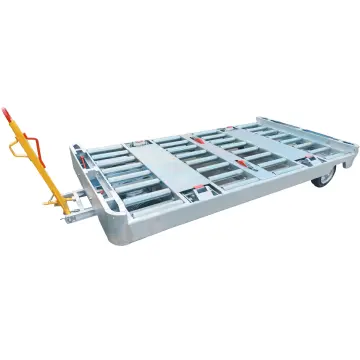
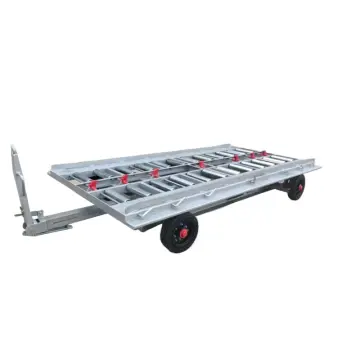
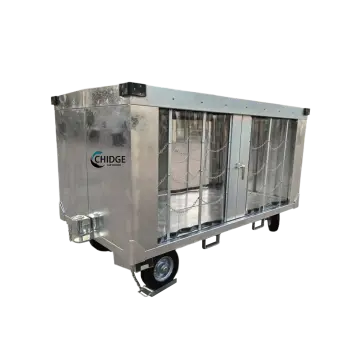
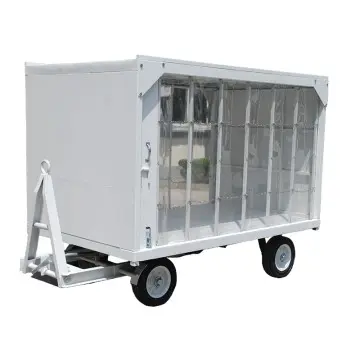
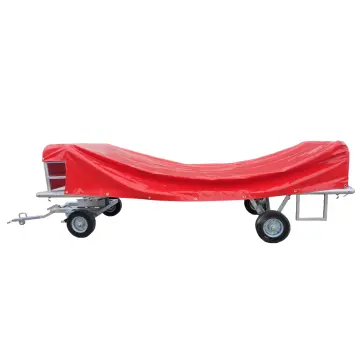
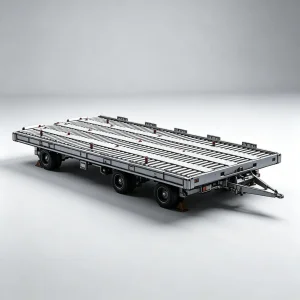
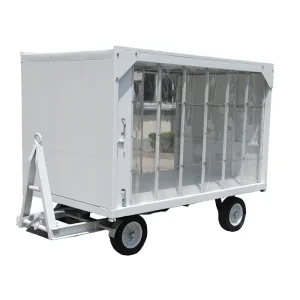
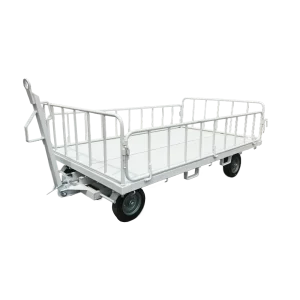
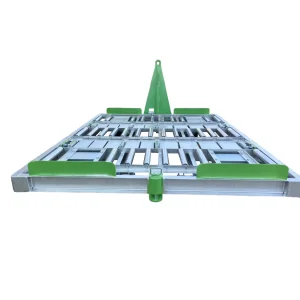
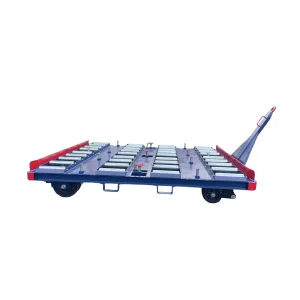
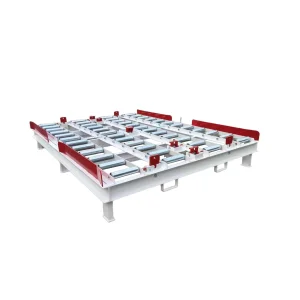
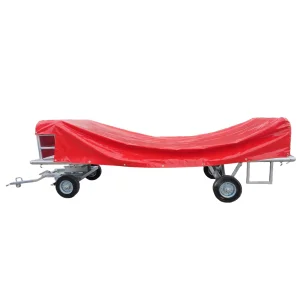
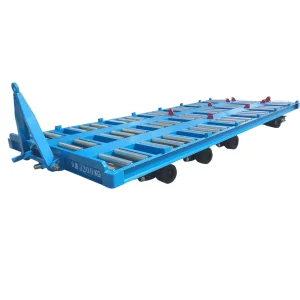
Explore our industrial-grade airport dollies, pallet systems, and luggage transport solutions designed to streamline ramp operations.
A comprehensive B2B technical guide detailing engineering specifications, operations optimization, and environmental safety protocols.
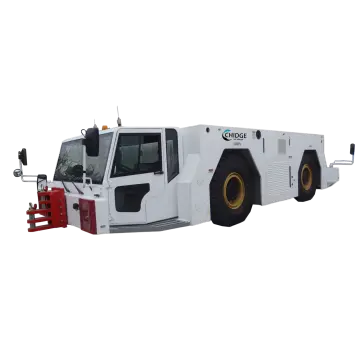
Modern airport operations depend heavily on the seamless flow of ground support equipment. As passenger and cargo volumes expand, the demand for highly efficient ground handling systems has reached unprecedented heights. At the heart of these airfield logistics sits the GSE Aircraft Towing Tractor, a specialized vehicle engineered to perform under high stress and precise operational constraints. In this white paper, we explore how cutting-edge design, rigorous quality control, and strategic localized configuration can transform airport pushback and maintenance towing efficiency, reducing turnaround times and carbon footprints.
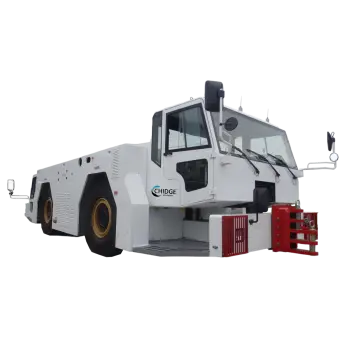
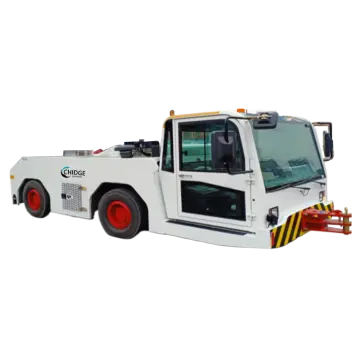
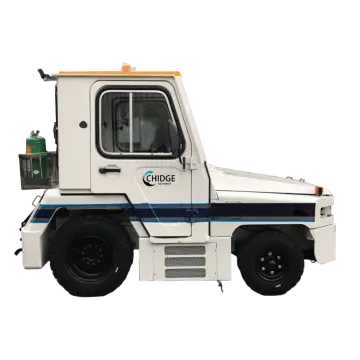
Worldwide, airports are facing a dual transition: they must scale their ramp operational capacity to accommodate heavier wide-body aircraft while complying with increasingly strict international environmental mandates. The shift toward green airports has triggered an industry-wide transition toward zero-emission airfield technology. Ground Support Equipment (GSE) is no longer a peripheral procurement consideration but a critical driver of an airline's operational bottom line. Towing operations—ranging from gate pushbacks to long-distance maintenance towing—represent a major portion of ground fuel burn and ramp accidents. By integrating high-performance towing tractors (such as the CDT700, CDT450, and CDT300 series) with advanced power distribution and robust structure, operators can optimize fleet efficiency while significantly mitigating on-ramp risks.
Reducing airport carbon footprint through electric and hybrid powertrains, conforming to the latest Tier 4 Final and Stage V emission compliance.
Equipped with advanced multi-point braking systems, intelligent collision mitigation, and exceptional visibility cabins to safeguard ramp workers.
Engineered to adapt seamlessly with standard towbars and specialized hitches to support regional jets to massive wide-body aircraft.
Ground support operations demand vehicles with high torque density, heavy chassis weight (for necessary tire traction), and precise low-speed control. Modern towing tractors achieve this through two main technological routes:
| Technical Parameters | Heavy-Duty Diesel Towing Tractors | Next-Gen Electric (e-GSE) Tractors |
|---|---|---|
| Powertrain Technology | Turbocharged intercooled engine with heavy torque converter. | Dual AC permanent magnet synchronous motor with high-efficiency reduction gear. |
| Energy Source | Low-emission diesel (Stage V / Tier 4 Final). | Lithium Iron Phosphate (LFP) batteries with BTMS (Battery Thermal Management). |
| Traction Control | Hydrodynamic power shift transmission. | Electronic torque-vectoring & regenerative braking. |
| Maintenance Requirements | Frequent lubrication, filter changes, and exhaust system servicing. | Ultra-low maintenance; motor and battery diagnostics via telemetry. |
| Typical Application | Heavy wide-body long-distance airport maintenance towing. | Frequent pushback operations at dense hub terminal gates. |
Airfield conditions differ dramatically from region to region. To ensure maximum dispatch reliability, airport towing tractors must be customized for their target local environments:
Tailoring Ground Support Equipment to meet exact international airport requirements, airline fleet specifications, and environmental mandates.
Whether you are procuring GSE for military airbases, commercial transit hubs, or specialized cargo loading centers, we provide comprehensive engineering and design support. From modifying chassis weight distribution to installing specialized vehicle telematics (FMS interfaces), our factory provides full-cycle support. We adhere to customer-centric engineering—from initial conceptual drawings to structural steel fabrication, high-voltage battery integration, rigorous performance testing, and long-term aftermarket field support.




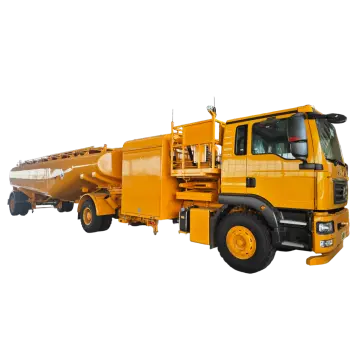
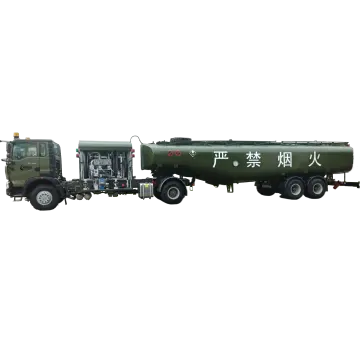
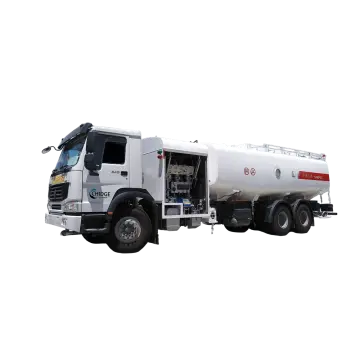
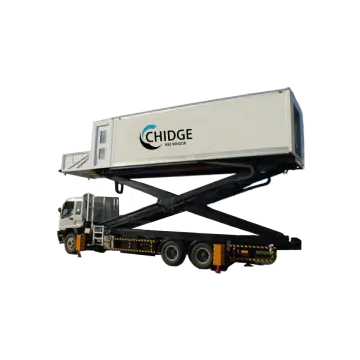
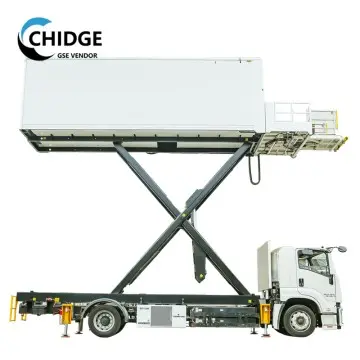
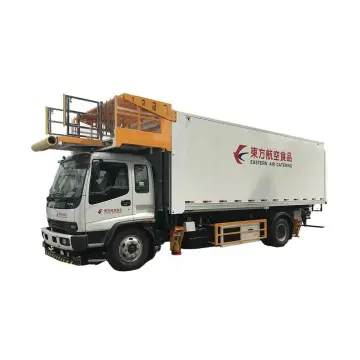
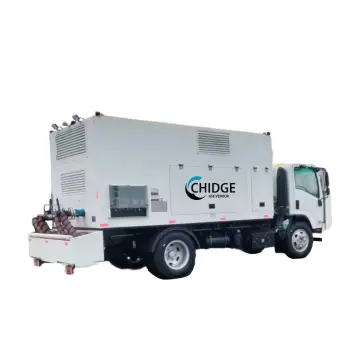
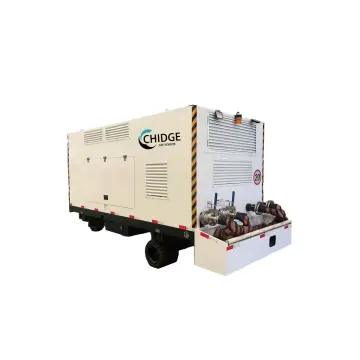
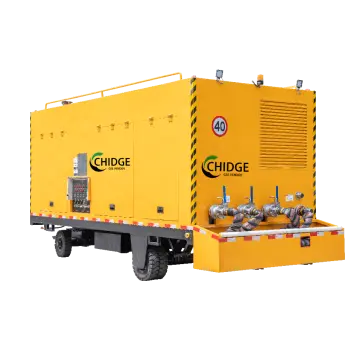
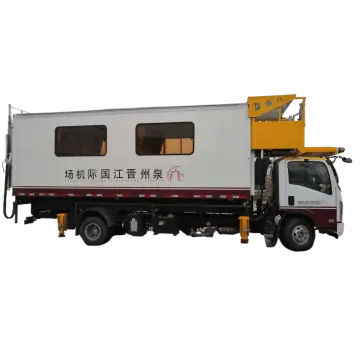
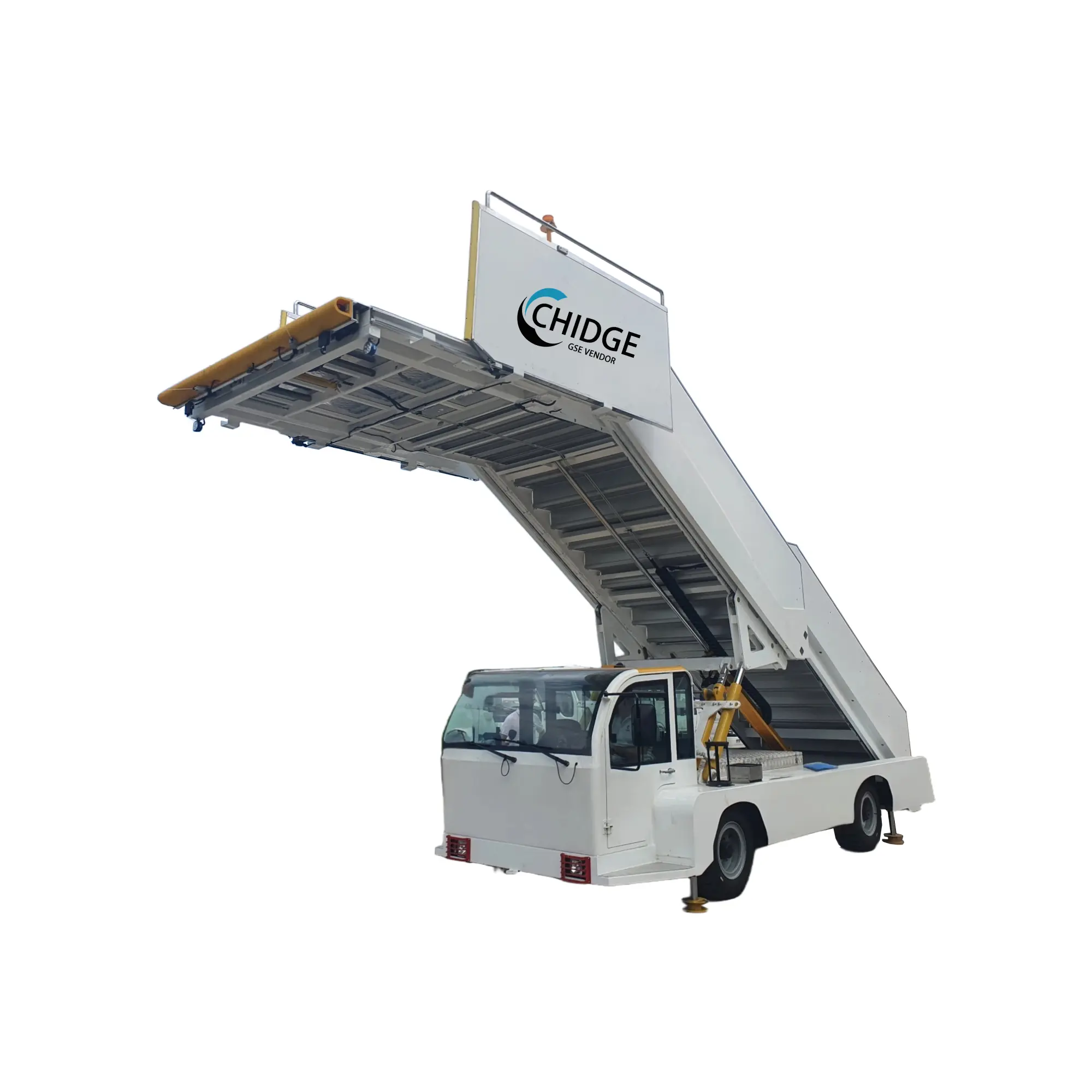
Explore our specialized range of high-efficiency fueling, catering, and heavy-payload transport equipment engineered for seamless apron support.
As a global hub for industrial manufacturing, our Chinese factory network offers unique structural advantages that optimize total cost of ownership (TCO) for international airport clients. The vertical integration of key raw materials—including heavy-gauge structural steel, localized high-performance hydraulic valves, and advanced lithium battery manufacturers (such as CATL and BYD)—guarantees rapid prototype iterations and stable pricing structures. Unlike fragmented supply routes, our manufacturing processes consolidate assembly, testing, and surface treatments under a single quality management system (ISO 9001:2015 and IATA AHM compliance). This end-to-end integration cuts design-to-delivery lead times by up to 35% compared to Western competitors, ensuring that operators can scale up their ground fleets rapidly in response to fleet expansions.
The ground handling landscape is poised for major technological shifts over the next decade. Our R&D department actively pursues the following technology integration routes:
Airport ramps are high-stakes environments. Therefore, all our GSE equipment and towing tractors conform strictly to international safety standards, including IATA AHM 910, 913, and 955, alongside CE and SGS requirements. Every piece of equipment is subjected to load testing, structural integrity scans, and simulated environment trials before dispatch. This ensures compliance with local aviation authorities, including the FAA, EASA, and CAAC, and guarantees smooth integration into any major airport fleet.
Providing high-performance equipment to global airlines, heavy cargo handlers, and airport passenger transport companies.
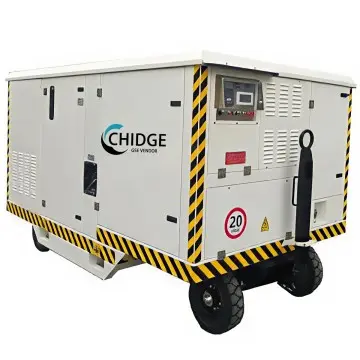
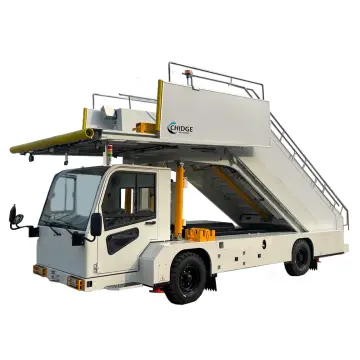
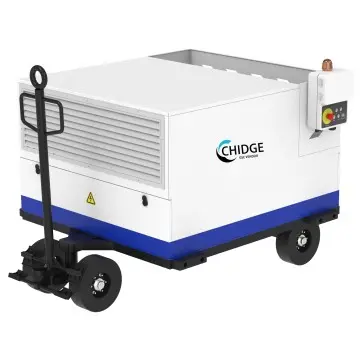
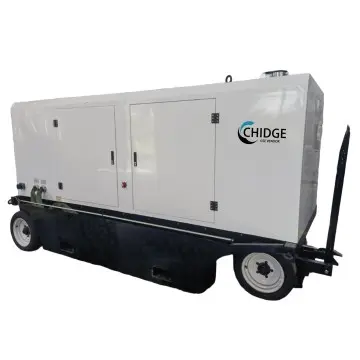
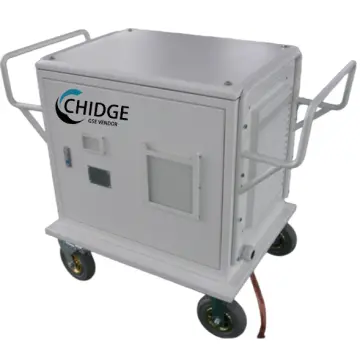
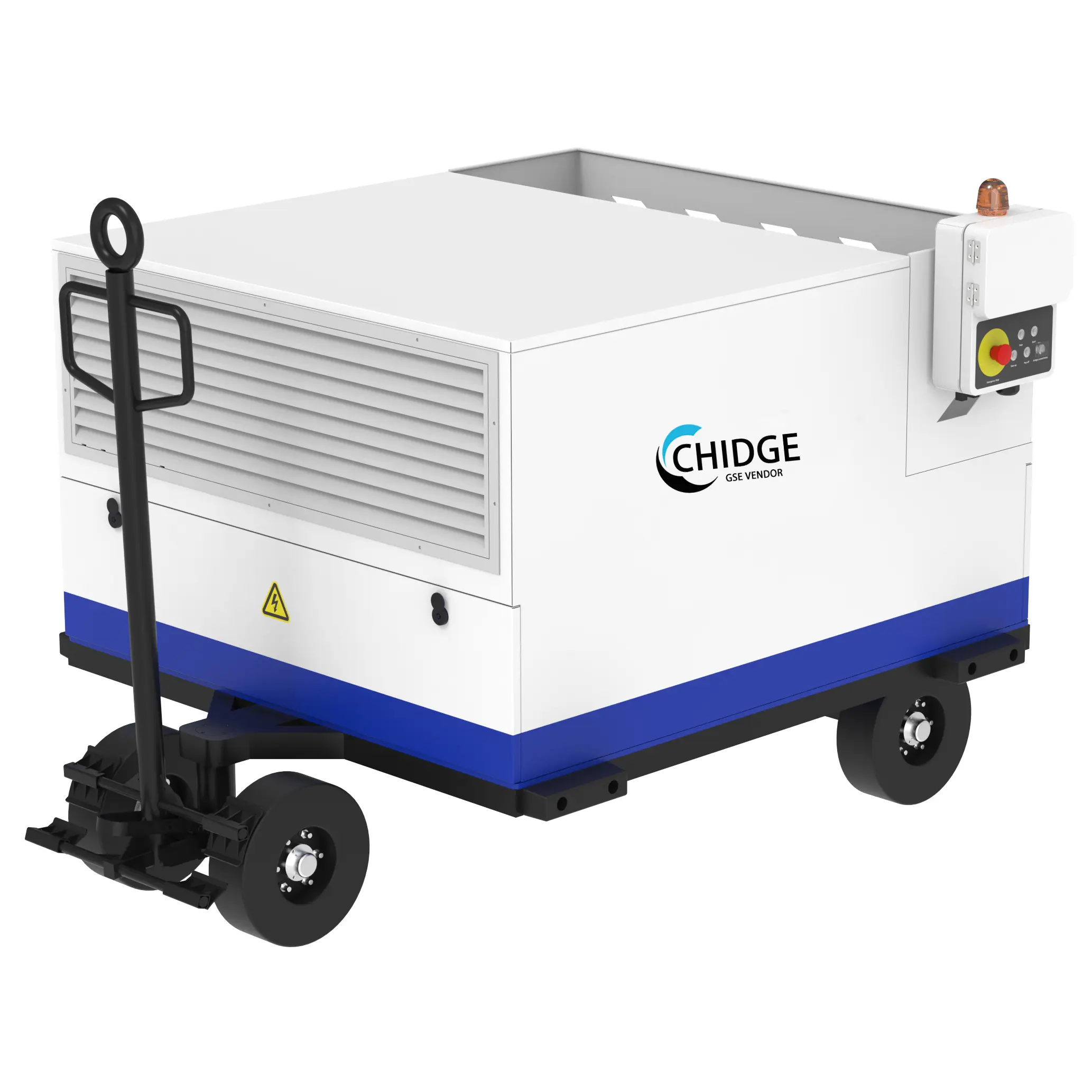
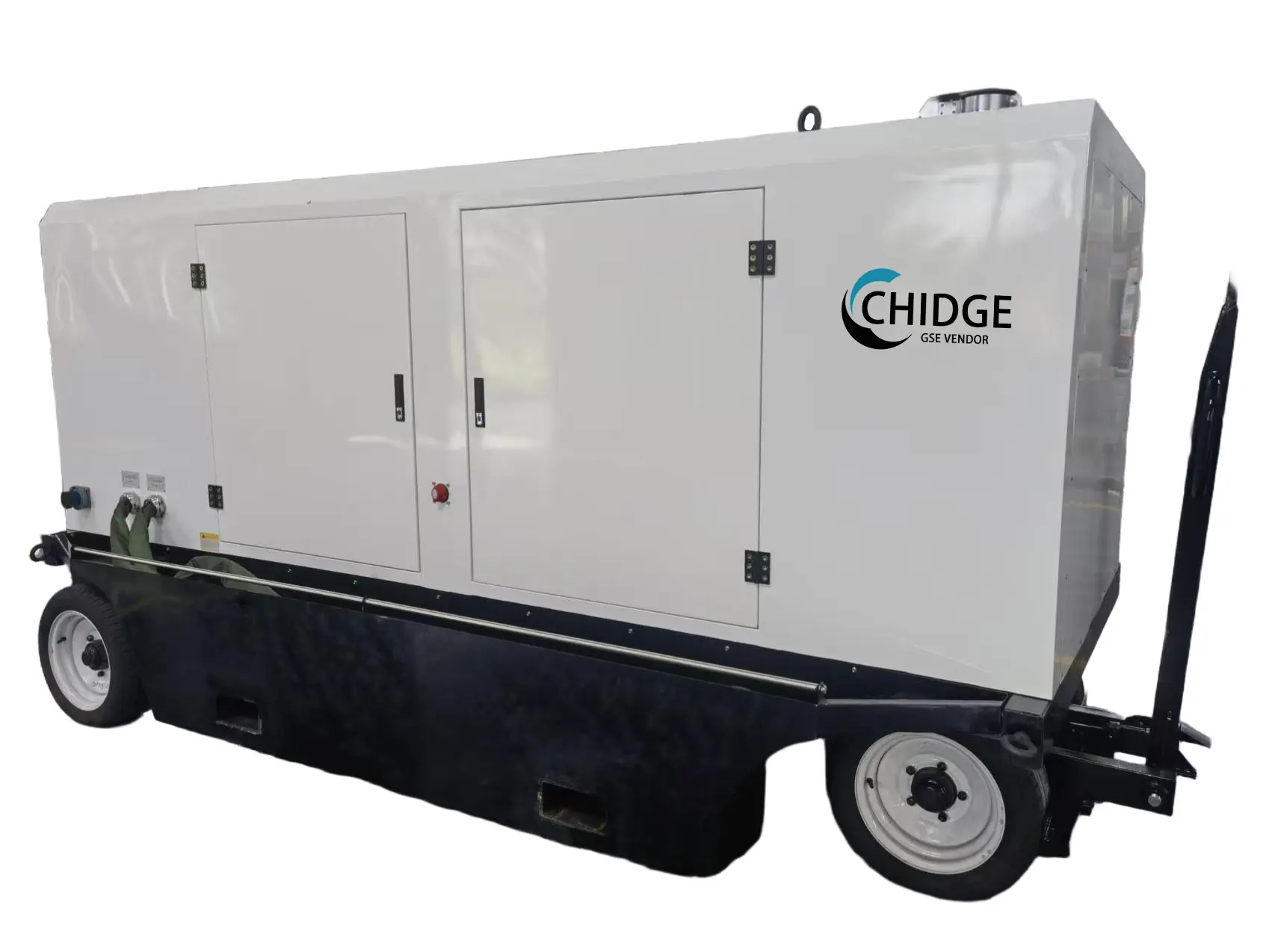
We supply a comprehensive fleet from heavy-duty aircraft towing tractors to passenger stairs, catering trucks, dollys, and power units.
Strict QA testing and optimized logistical routes ensure your machinery arrives on schedule, ready for runway commissioning.
Our mission is to deliver reliable airfield equipment that creates long-term value for airport authorities and ground handlers worldwide.
Stay updated with our technical publications on ground support equipment developments, emissions regulations, and airport operations.
Get answers to common B2B questions regarding airport towing tractor performance, engineering specs, and ordering options.
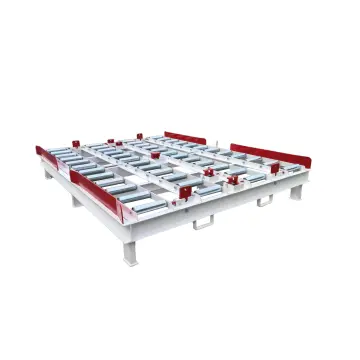
Browse our additional line of heavy-duty dollies and transport solutions configured for international airports and air freight operations.
 Chidge Dolly