The global aviation industry is experiencing an unprecedented technological shift, defined by rigid decarbonization mandates, strict operational efficiency metrics, and the integration of smart airport infrastructures. At the center of this transformation lies the Ground Power Unit (GPU). Traditionally reliant on fossil fuels and internal combustion auxiliary power units (APUs), modern aprons now demand clean, robust, and highly reliable electric power systems. As a tier-one wholesale GPU aviation supplier, we design solutions that bridge the gap between heavy-duty aircraft power demands and sustainable green airport targets.
"Modernizing runway operations requires more than basic power delivery. It demands intelligent frequency conversion, high-reliability solid-state materials, and flexible transport platforms that reduce operational delays to the absolute minimum."
Our comprehensive fleet solutions target the operational lifecycle of commercial, military, and private aircraft. By utilizing advanced 400Hz frequency conversion and high-density energy storage arrays, our GPUs provide clean, sine-wave electricity directly to parked aircraft. This power supports crucial on-board functions—such as flight deck electronics, cooling systems, and pre-flight diagnostics—without consuming expensive jet fuel or causing turbine wear. Through our OEM and ODM manufacturing pipelines, we align with the evolving regulatory landscapes of global civil aviation authorities, ensuring that fleet transitions are seamless, compliant, and cost-effective.
Explore our heavy-duty aircraft fuel service vehicles, specialized loaders, container transport dollies, and precision static converters designed to handle rugged, high-frequency logistics.
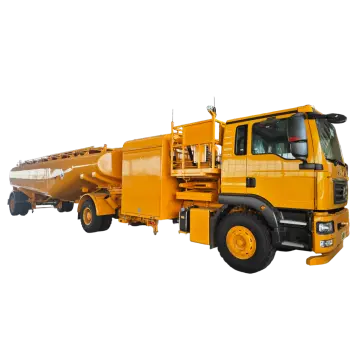
Advanced pumping, filtration, metering, and pressure regulation units including the CD5207GJJ, CD5580GJJ, and CD5341GJJ chassis systems.
Learn More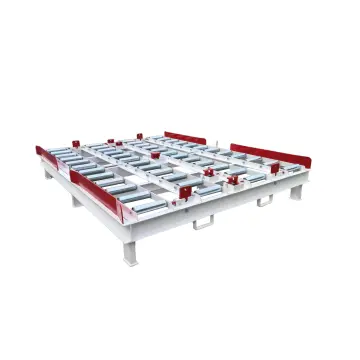
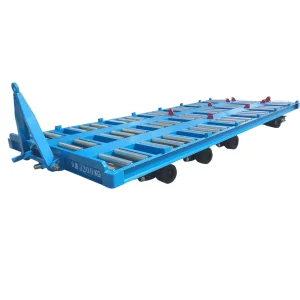
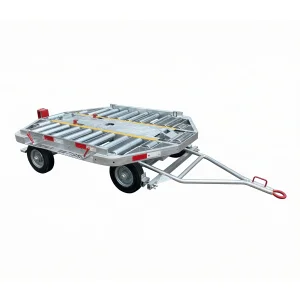
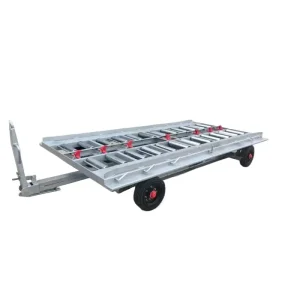
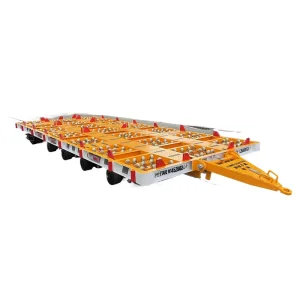
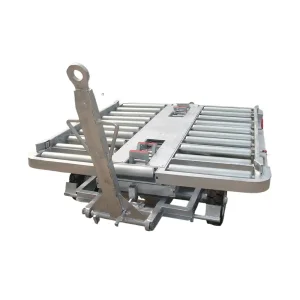
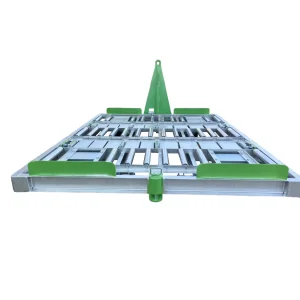
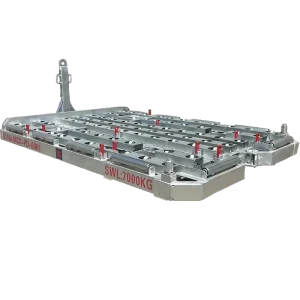
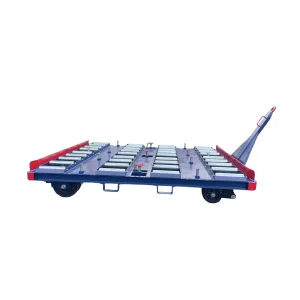
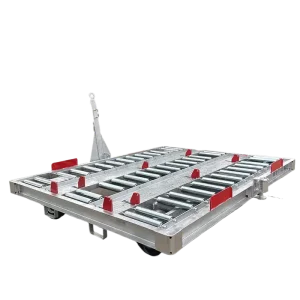
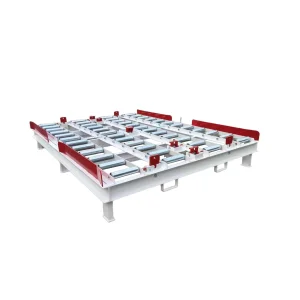
High-load configurations: Slave Pallet Dollies, standard Pallet Dollies, and specialized 7T castle pallet dollies for rapid cargo movements.
Learn More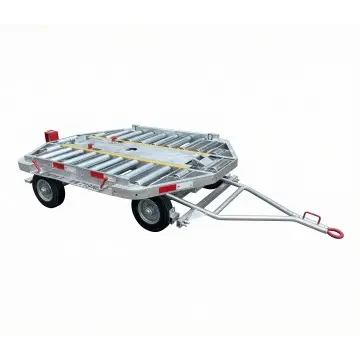
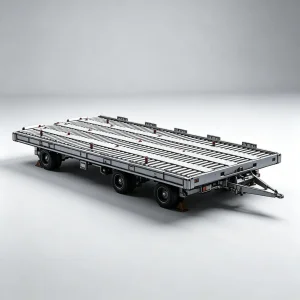
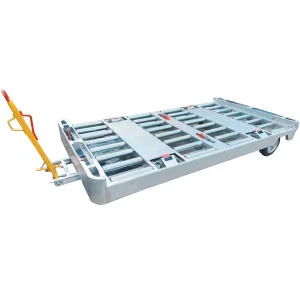
Heavy-duty transport solutions comprising New LD3 Container Dollies and durable LD6 container dollies built to survive port stresses.
Learn More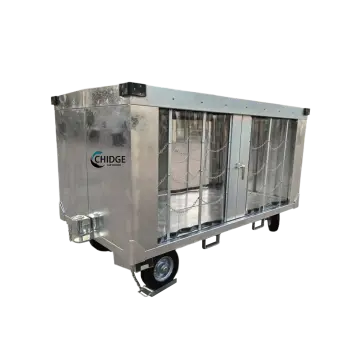
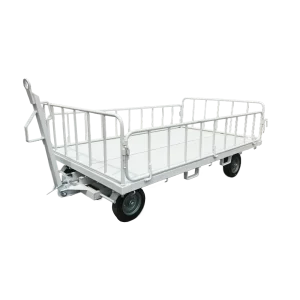
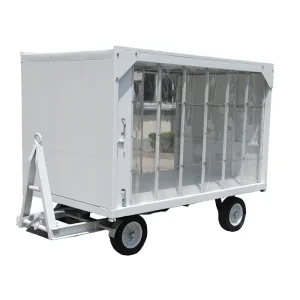
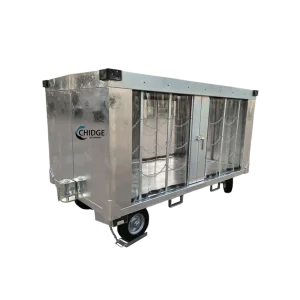
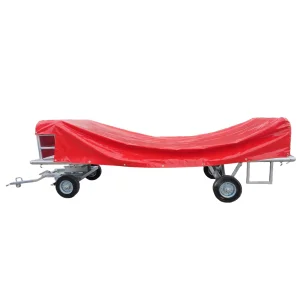
Rainproof baggage carts, enclosed luggage carriers, and modular manual/towed airport trolleys designed to secure client cargo.
Learn More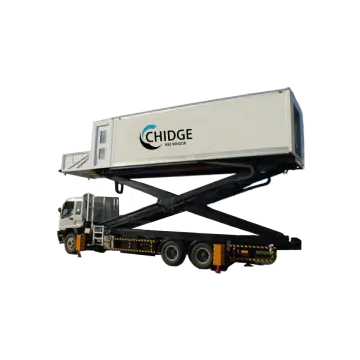
Electric and mechanical catering lifts, featuring the CD-SP80 series and high-altitude food service cabin transporters.
Learn More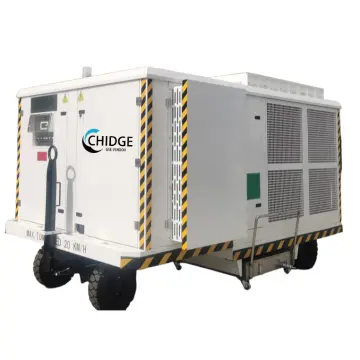
High-efficiency Aircraft Heating Units (CDH-60), PCA Units (CD190), and portable environmental cabin heaters (CD-H02).
Learn More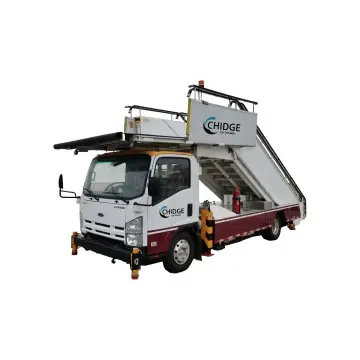
Self-propelled stairs including the CD-PBS5062E, CD-PBS5062D, and towable CD-PS580 boarding platforms built to international standards.
Learn More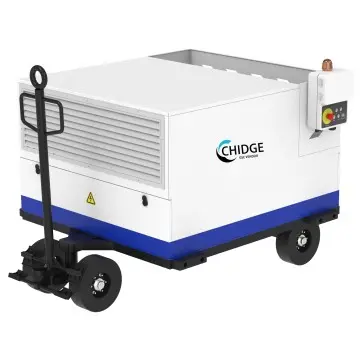
Innovative lithium energy storage ground units, heavy-duty 90KVA aircraft static converters, and mobile generator packages.
Learn More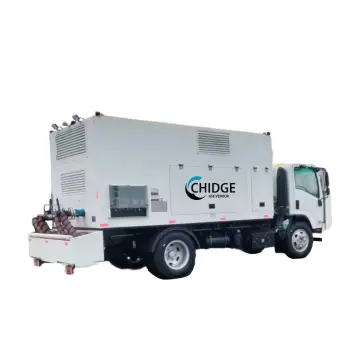
Truck-mounted high-flow pneumatic starter machines, alongside robust towable CDA300 and CDA400 turbine start units.
Learn More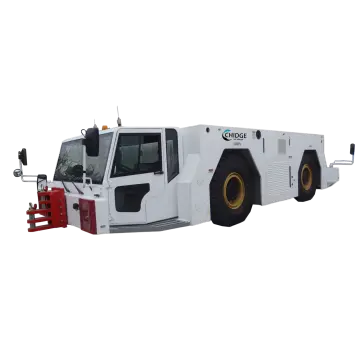
High-drawbar pull recovery vehicles, pushback units, and tractors containing the CDT700, CDT450, and CDT300 configurations.
Learn More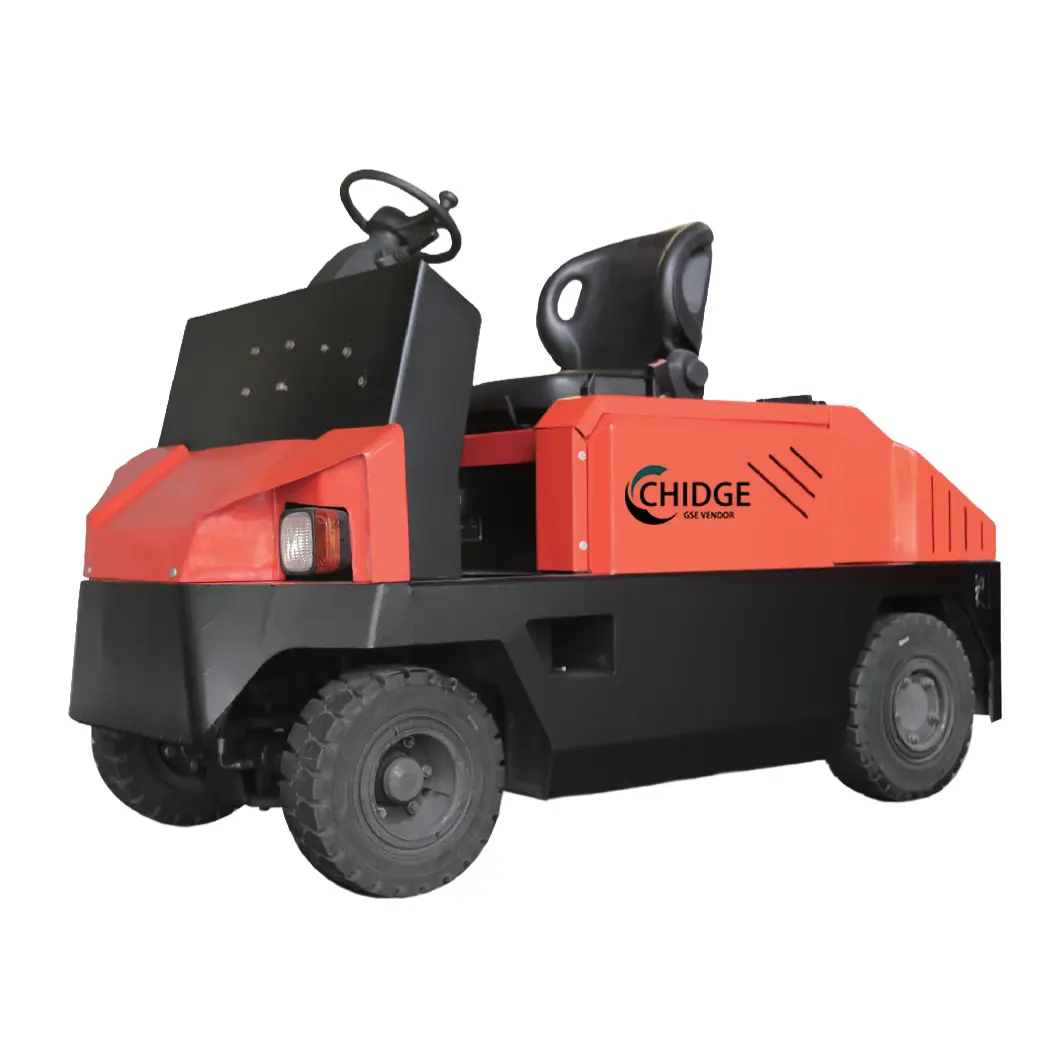
Reliable baggage pullers including the 10Ton electric, 20Ton electric, and high-capacity 50-100Ton diesel towing units.
Learn More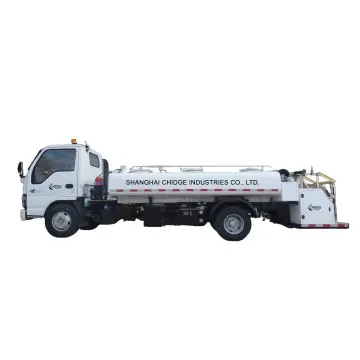
Hygienic Aircraft Lavatory Trucks (CD5060DWS) and electric fleet counterparts built for rapid, reliable turnaround service.
Learn More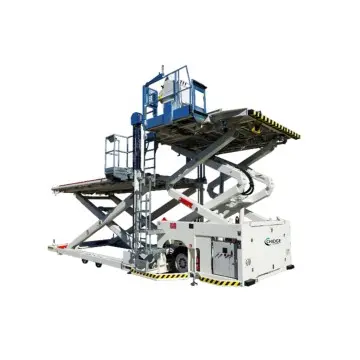
High-deck heavy lift loaders supporting payload operations (CDL14000, CDL35000, CDL7000) and customized medical transport Ambulifts (CD-Q5100DCR) ensuring secure boarding for passengers with restricted mobility.
Explore Heavy Machinery Cargo LogisticsDeploying Ground Support Equipment (GSE) onto international runways requires strict alignment with safety and certification guidelines. Different regions enforce specific engineering rules: North America relies on FAA guidelines and UL standards, Europe operates under EASA regulations and CE markings, and Asia-Pacific adheres to diverse CAAC and local aviation authority requirements. A reliable GPU supplier must understand these regional details to prevent operational friction, delivery delays, or certification issues at the destination airport.
Our wholesale GPU architectures are designed to meet or exceed international standards, including ISO 6858 (Aircraft ground support equipment - General requirements), EN 12312-20, and MIL-STD-704F. By manufacturing units that handle dual input voltages and variable input frequencies, we provide equipment that is compatible with grid infrastructures worldwide. This approach helps airports avoid costly voltage stabilizers or converters, lowering the total cost of ownership (TCO) and easing the path toward electrification.
Compliance Note: Our 400Hz solid-state converters incorporate advanced galvanic isolation barriers and dual-frequency capability (50/60Hz input to 400Hz output) to guarantee smooth integration with local grids, regardless of geographic location.
Beyond basic power delivery, our designs prioritize the physical and electrical safety of personnel. Active safety controls include automatic over-voltage and under-voltage protection, phase rotation monitoring, short circuit protection, and continuous earth leakage detection. Mechanical interlocks prevent the towing or movement of a GPU while connected to an aircraft, reducing the risk of ramp accidents. With these systems in place, ground handlers can operate confidently under tight turnaround times.
Our product design and manufacturing processes utilize advanced technologies, combining robust hardware with smart digital monitoring.
Our quality assurance processes ensure that every unit meets strict aviation standards, delivering reliable performance on the ramp.
With an organized supply chain, optimized inventory control, and robust logistics, we maintain reliable production and delivery timelines.
We provide comprehensive global support, technical training, and spare parts availability to keep your equipment running smoothly.
Ground support equipment operates in demanding conditions, from sub-zero arctic runups to high-humidity tropical aprons. Temperature swings and harsh weather can stress power converters, electrical insulation, and structural frames. To ensure reliability, we build our GPUs with marine-grade steel enclosures, polyurethane coatings, and IP65-rated control compartments. These design features protect sensitive electronics from moisture, salt fog, dust, and dynamic thermal stresses.
For operations in extremely cold environments, our systems feature internal heating elements and low-temperature fluid packages that maintain optimal operating temperatures for batteries and hydraulic lines. In high-temperature areas, we implement active air cooling and liquid-to-air heat exchangers to prevent power components from overheating. These thermal management systems ensure that our equipment delivers continuous, full-rated power even during long periods of operation in extreme climates.
Field Performance: Our units are tested to operate reliably across a wide temperature range, from -40°C to +55°C, ensuring consistent power output for ground handlers in any environment.
Our transport dollies and heavy-duty utility vehicles are built with high-tensile steel frames to withstand the physical demands of cargo operations. They feature dual-line pneumatic braking, heavy-duty running gear, and hot-dip galvanized finishes to resist wear and corrosion. By focusing on durability, we help airports and ground handlers reduce maintenance requirements and extend the service life of their fleets.

We supply a broad range of passenger stairs, tow tractors, refueling trucks, and ground power units built to meet modern aviation demands.

We design custom machinery configurations and cargo handling dollies to help airlines and logistics companies improve efficiency.
We offer flexible OEM and ODM services, managing the process from initial design and material selection through to final production and testing. Our engineering team works to design equipment that matches your specific fleet requirements, helping you manage costs and maintain operational performance.


The next generation of ground support equipment will be shaped by advances in solid-state power systems, battery intelligence, and autonomous fleet management. Traditional diesel generator sets are being replaced by solid-state frequency converters and lithium-ion battery storage units. This transition helps airports reduce emissions, lower maintenance costs, and operate more quietly during overnight turnarounds.
To support this shift, we are developing intelligent battery management systems (BMS) that optimize charge cycles and monitor cell temperatures in real time. We are also exploring the integration of hydrogen fuel cell systems for long-duration applications. These hybrid configurations combine the fast refueling of hydrogen with the clean performance of electric drives, offering a viable solution for heavy-duty ramp operations.
Development Focus: By integrating IoT connectivity, remote diagnostics, and predictive maintenance tools, we help fleet managers track energy usage and address maintenance needs before they impact ramp operations.
We are also updating our transport dollies and cargo loaders to support modern logistics networks. These upgrades include lightweight steel construction, smart positioning sensors, and automated safety braking. By combining durable physical construction with modern digital monitoring, we help airports and ground handlers prepare their operations for the future.
Aircraft utilize 400Hz electrical systems rather than the standard 50Hz or 60Hz utility grid configurations to minimize onboard component weight. By operating at a higher frequency, magnetic components (such as transformers and motors) can be significantly smaller and lighter. Ground Power Units must convert municipal grid power (50/60Hz) to 400Hz using solid-state frequency converters or rotary generators to safely power the aircraft's electrical systems.
Solid-state GPUs use power electronics (such as IGBTs) to convert frequency without moving parts, which reduces wear, lowers noise, and improves energy efficiency. Rotary GPUs rely on an electric motor coupled to a generator, which can handle larger current surges but requires regular mechanical maintenance. For most passenger terminals, solid-state units are preferred for their lower maintenance needs and quieter operation.
Key safety features include galvanic isolation to protect aircraft systems from grid disturbances, automatic over/under voltage and current protection, and continuous insulation monitoring. Mechanical safety locks and interlock systems prevent the tow vehicle or GPU from moving while connected to the aircraft's power receptacle, protecting both ground crews and the aircraft structure.
Battery-powered GPUs produce zero direct emissions, operate quietly, and require less maintenance because they have fewer moving parts. They can be recharged using standard airport power connections, making them a key option for airports working to reduce their carbon footprint. While they require a larger initial investment, their lower operating and energy costs help reduce the total cost of ownership over the life of the unit.
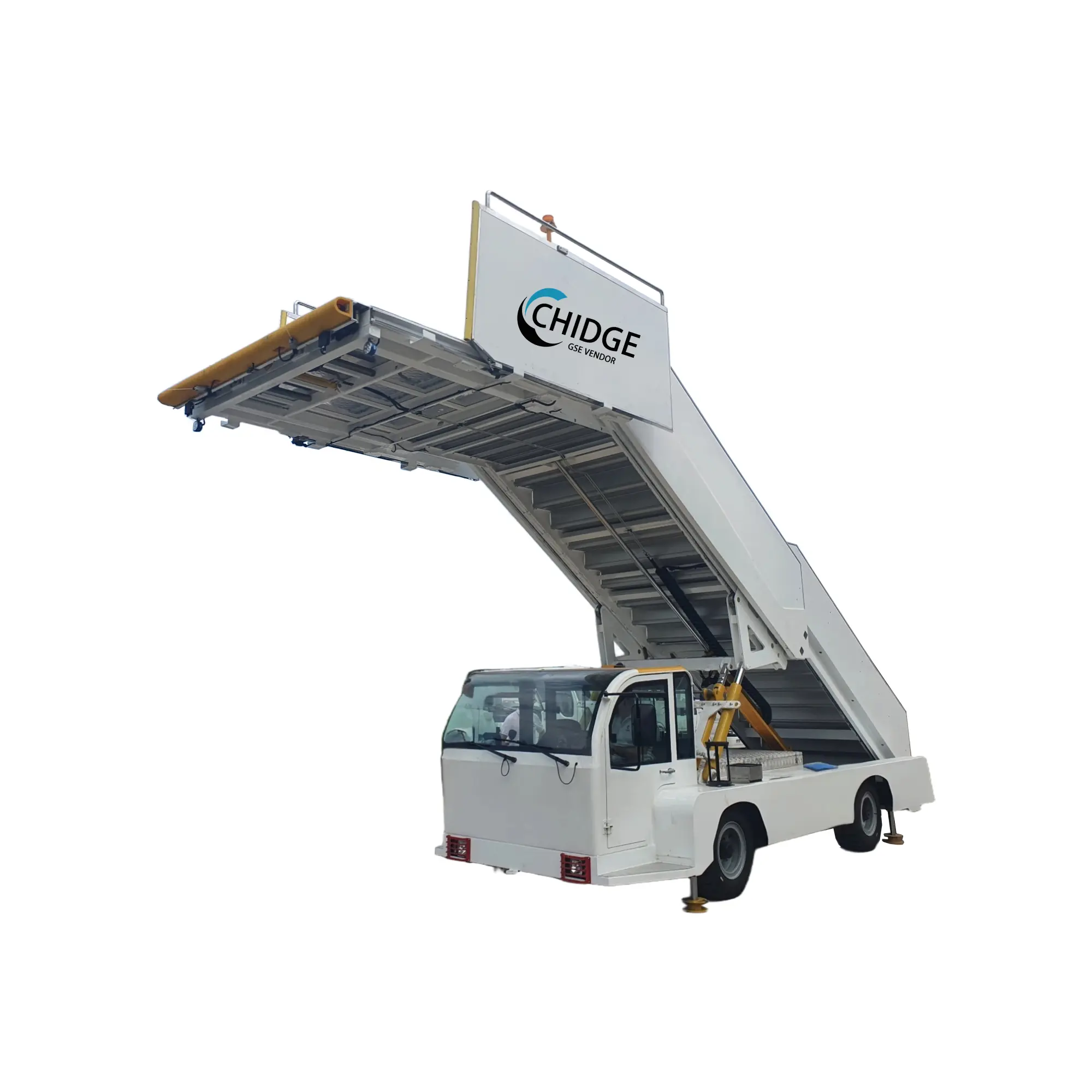
An overview of boarding configurations, safety designs, and modern hydraulic and electric propulsion systems used to passenger-board commercial aircraft safely.
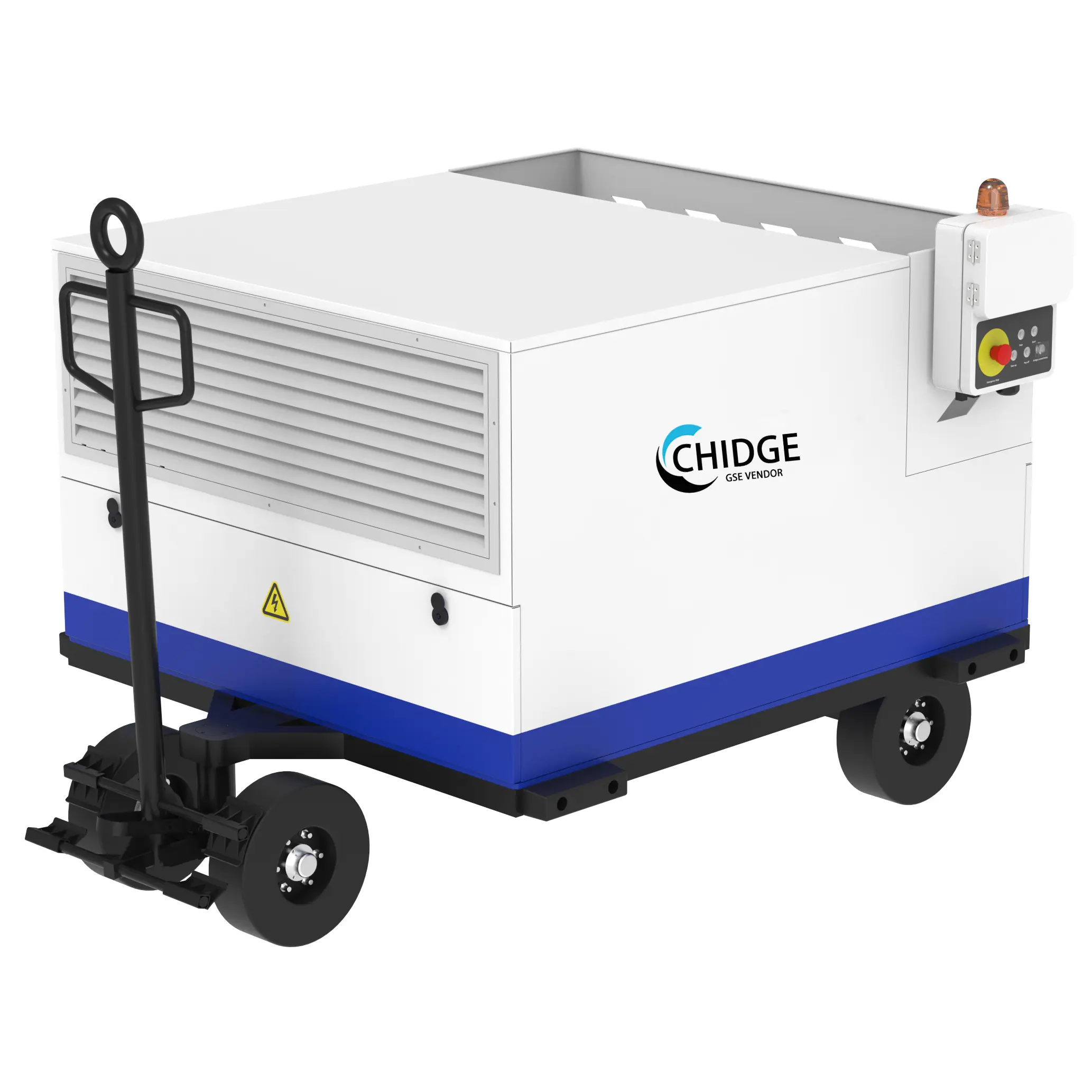
An introduction to our towable energy storage systems, featuring high-capacity lithium iron phosphate batteries designed for modern ramp environments.
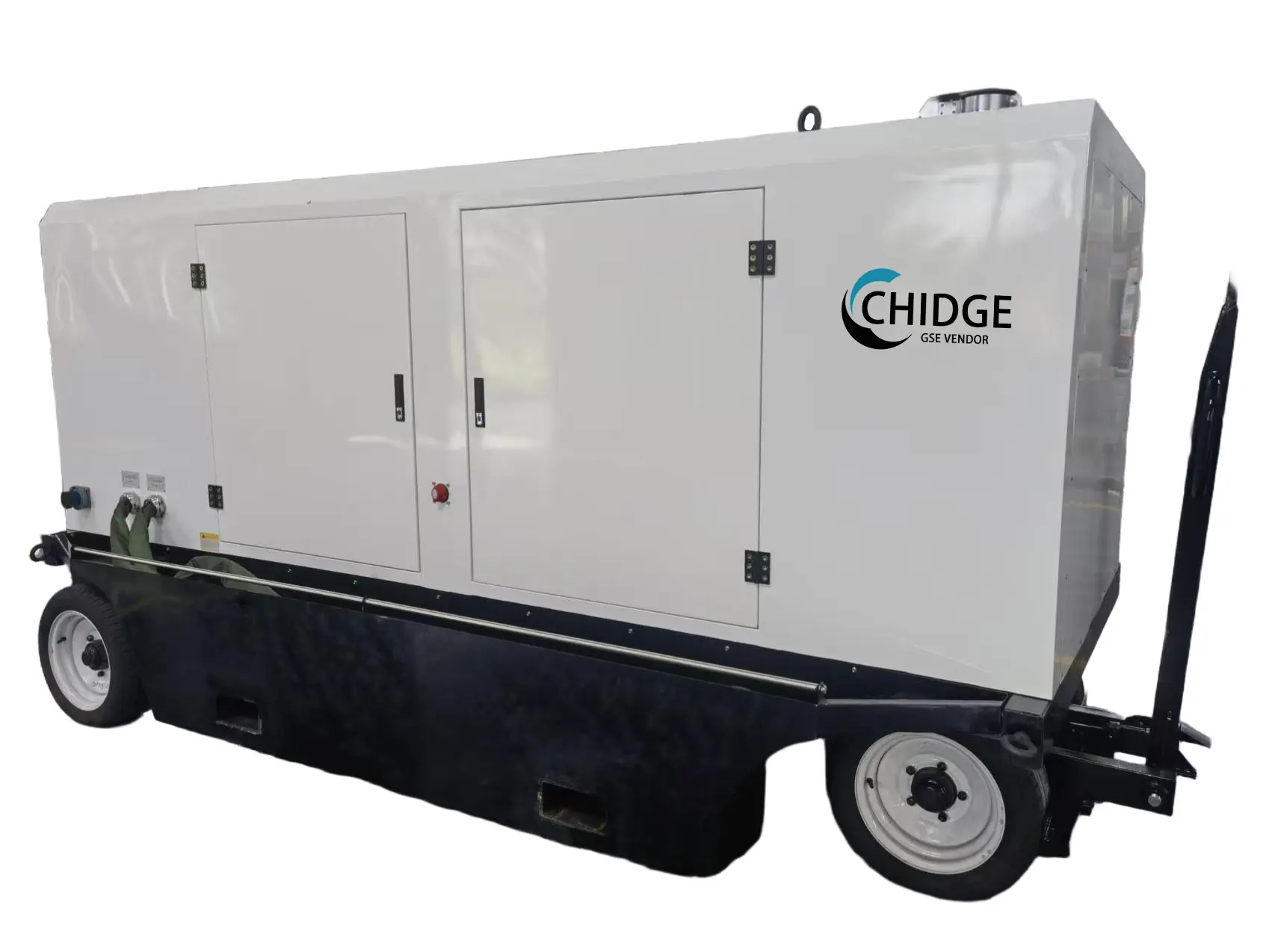
A detailed look at ground power unit operations, explaining how truck-mounted and static solid-state units provide stable 400Hz electrical power during turnarounds.

 Chidge Dolly