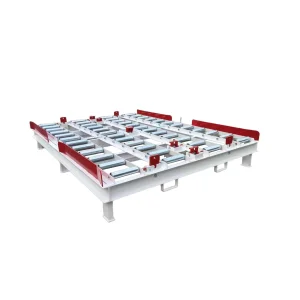
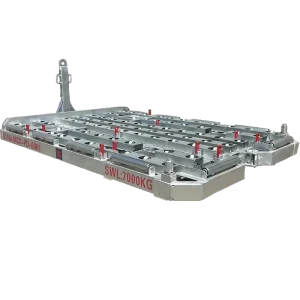
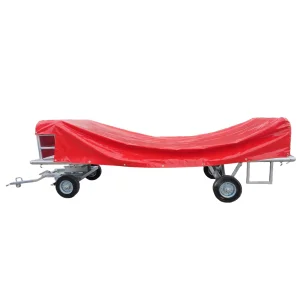
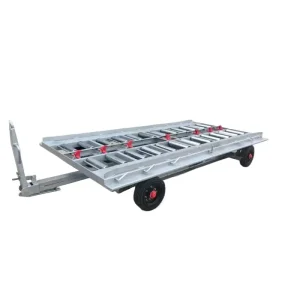
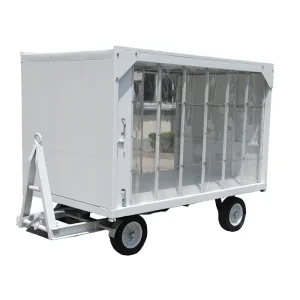
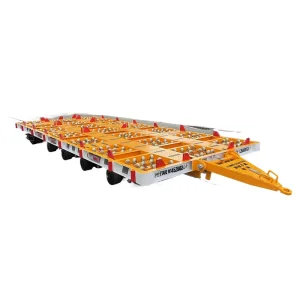
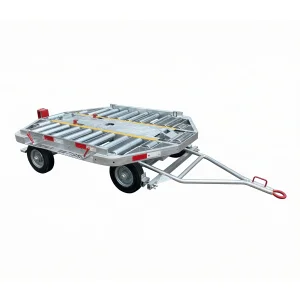
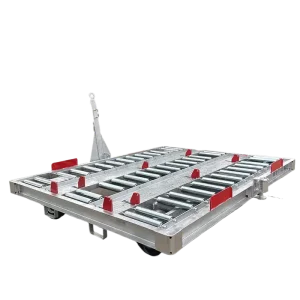
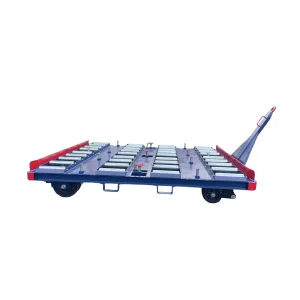
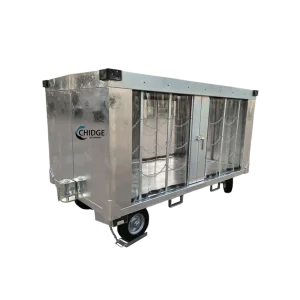
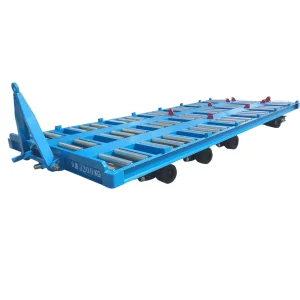
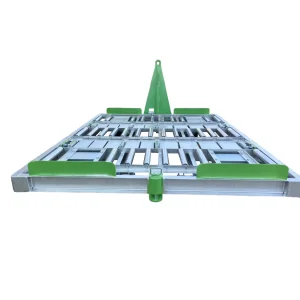
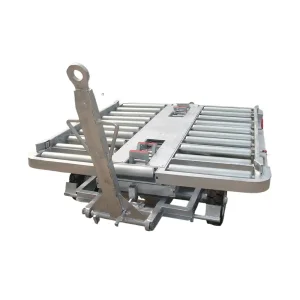
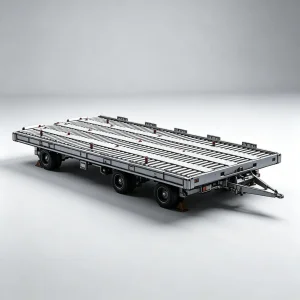
Direct from Manufacturer - Fully Certified Pallet Dollies & Container Dolly Equipment
In the modern aviation ecosystem, terminal gates and maintenance hangars demand continuous, highly clean, and uninterrupted electrical power to sustain parked aircraft. A Fixed Ground Power Unit (FGPU) serves as the technological backbone of these stationary networks. Traditionally, aircraft relied on their internal onboard Auxiliary Power Units (APUs) powered by burning kerosene, or mobile diesel Ground Power Units (GPUs) parked at the stand. However, global airport decarbonization mandates, rising fuel costs, and stricter apron noise regulations have rapidly accelerated the industry shift towards fixed solid-state power systems.
This technical document offers deep insights into the architectures of solid-state 400Hz and 28.5V DC fixed ground power systems. It outlines engineering principles, localized operating parameters, environmental tolerances, commercial dynamics, and the manufacturing ecosystem that supports their worldwide deployment.
"An optimized airport gate layout utilizing Fixed Solid-State GPUs achieves a reduction of up to 90% in apron carbon dioxide emissions and direct operational fuel savings when compared to conventional onboard turbine APU running routines."
Fixed GPUs generally employ one of two principal technologies: Rotary (electromechanical) frequency converters or Solid-State (static) electronic converters.
Rotary Systems: These systems consist of a utility-synchronized AC motor coupled to a 400Hz synchronous generator. While highly robust against massive surge currents (such as aircraft engine start cycles), rotary units feature lower overall efficiency under light loads, require periodic bearing maintenance, and occupy a larger physical footprint.
Solid-State Static Systems: Driven by advances in high-power semiconductor packaging, solid-state converters rely on a double-conversion process (AC-DC-AC). The input utility power is rectified using an active front end (AFE) to generate a stable intermediate DC link. An insulated-gate bipolar transistor (IGBT) matrix then inverts the DC voltage into a precise 400Hz sinusoidal three-phase waveform.
Modern solid-state designs incorporate a 12-pulse or IGBT rectifier configuration to minimize total harmonic current distortion (THDi) back to the utility power source. Through microprocessor control, modern solid-state units regulate the output voltage within ±1% limits. They also feature active line-drop compensation, automatically boosting voltage at the output terminals to offset losses induced across long under-bridge cable runs to the aircraft receptacle.
Fixed GPUs are configured to fit various layout demands based on airport passenger boarding bridge (PBB) and gate configurations:
Industrial GPUs must operate consistently across diverse global climates. Weather extremes require customized thermal and structural protection:
Tropical and Marine Aprons (High Humidity & Salinity): High relative humidity combined with salt mist can accelerate corrosion on circuit boards and copper windings. Custom designs protect sensitive components with conformal coatings, marine-grade powder coats (C5-M standard), and air-conditioned cabinets (double-wall designs with internal heat exchangers).
Sub-Zero Environments (Arctic / Continental Winter Gates): In regions where temperatures fall below -40°C, components like electrolytic capacitors can degrade. Internal cabinet space heaters maintain safe start-up temperatures, while outdoor cable insulation must remain flexible to prevent cracking under physical stress.
Desert High-Temperature Aprons: In ambient air temperatures exceeding 50°C, static cooling capacity drops. Advanced thermal management systems use intelligent variable-speed cooling fans, derated IGBT power curves, and dust filtration to keep units running reliably.
Securing approvals for airside use requires strict compliance with international aviation and grid safety standards. Mainstream international standardizations include:
Modern airports prioritize smart grids, integrating FGPUs with centralized building management systems (BMS) via Modbus/TCP or OPC-UA. This enables real-time monitoring of energy consumption, dynamic load profiling, and predictive maintenance diagnostics.
Developing and manufacturing heavy-duty frequency converters requires an integrated industrial base. Chinese manufacturing clusters provide unique structural advantages in terms of resilience, cost optimization, and engineering customization:
Vertical Integration: Major industrial centers in China house complete supply chains—from raw silicon fabrication and copper magnetic core winders to customized cabinet casting. This proximity speeds up prototyping and reduces production times.
Advanced Assembly & Testing: Our production line utilizes automated assembly systems, multi-axis winding machinery, and heavy environmental testing chambers. Every GPU undergoes full-load testing under extreme temperatures and simulates motor starting cycles before leaving the factory.
Scalable OEM/ODM Capability: Our engineering team designs custom solutions to meet specific customer requirements. This includes custom input voltages, non-standard mechanical mounting brackets, and specialized enclosure layouts, with rapid delivery times for large-scale projects.
Preserving raw manufacturer catalog listings and technological capabilities
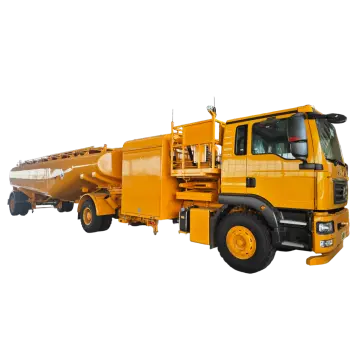
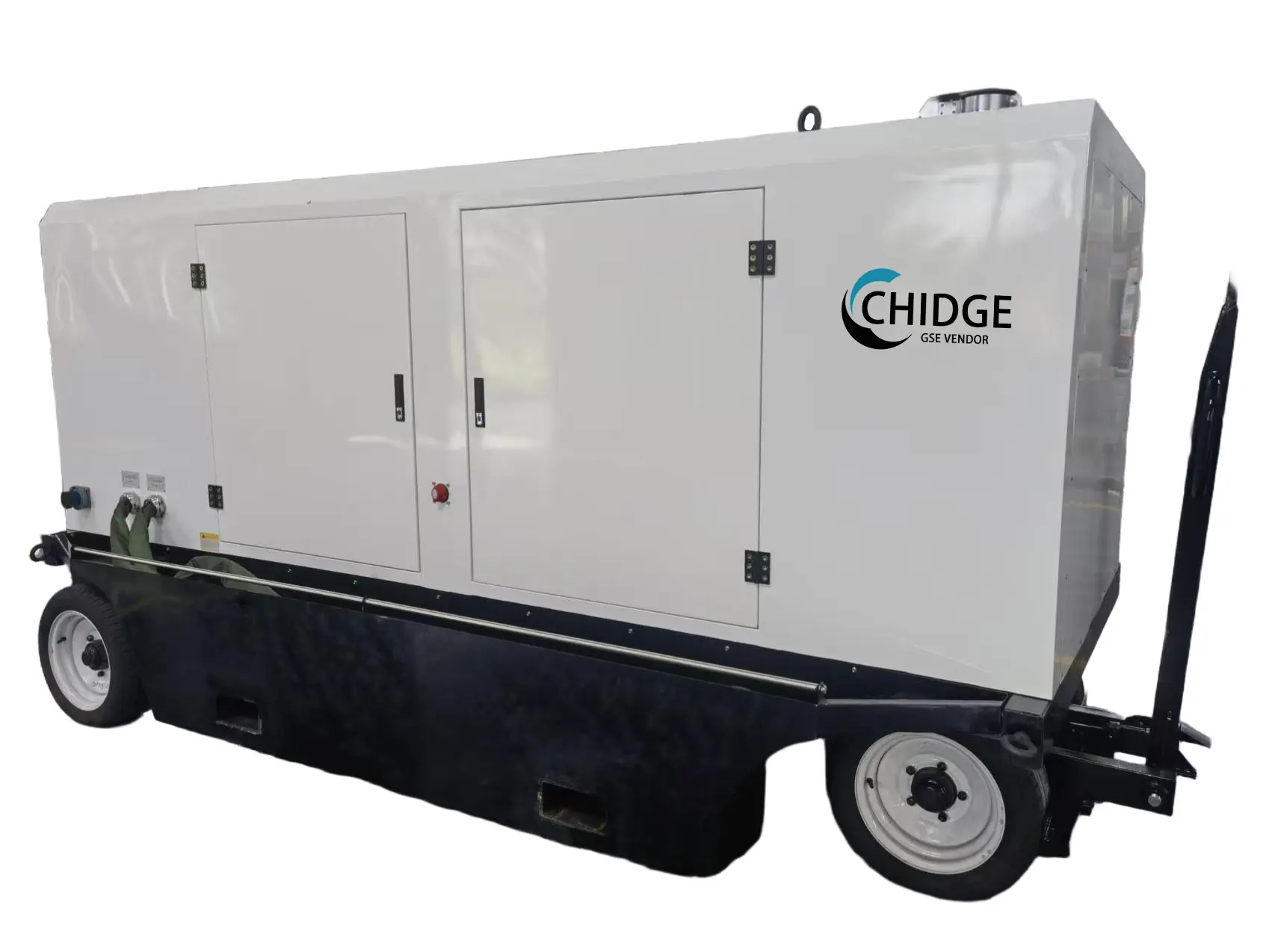
Consists of a chassis, oil tanks, pumping system, control system, and operational parts with filtration, metering, and pressure control.
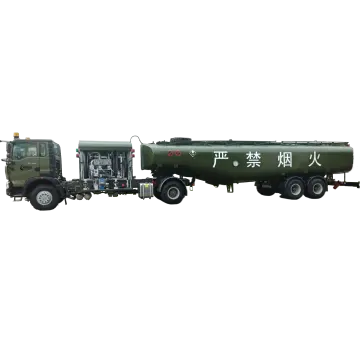
Heavy duty chassis configured for high volume airfield refueling operations under rigorous environmental safety protocols.
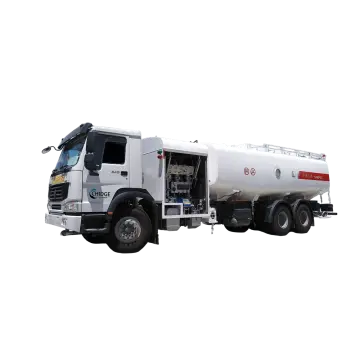
Robust distribution unit engineered for commercial airport aprons with active pressure monitoring interfaces.
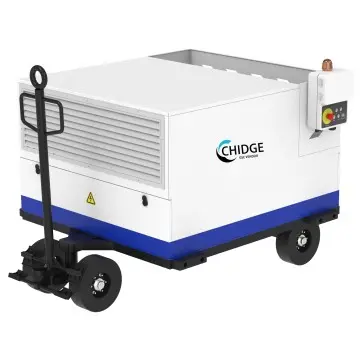
Battery-integrated clean system delivering zero-emission power during peak apron operations.
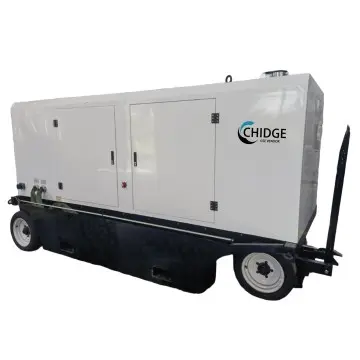
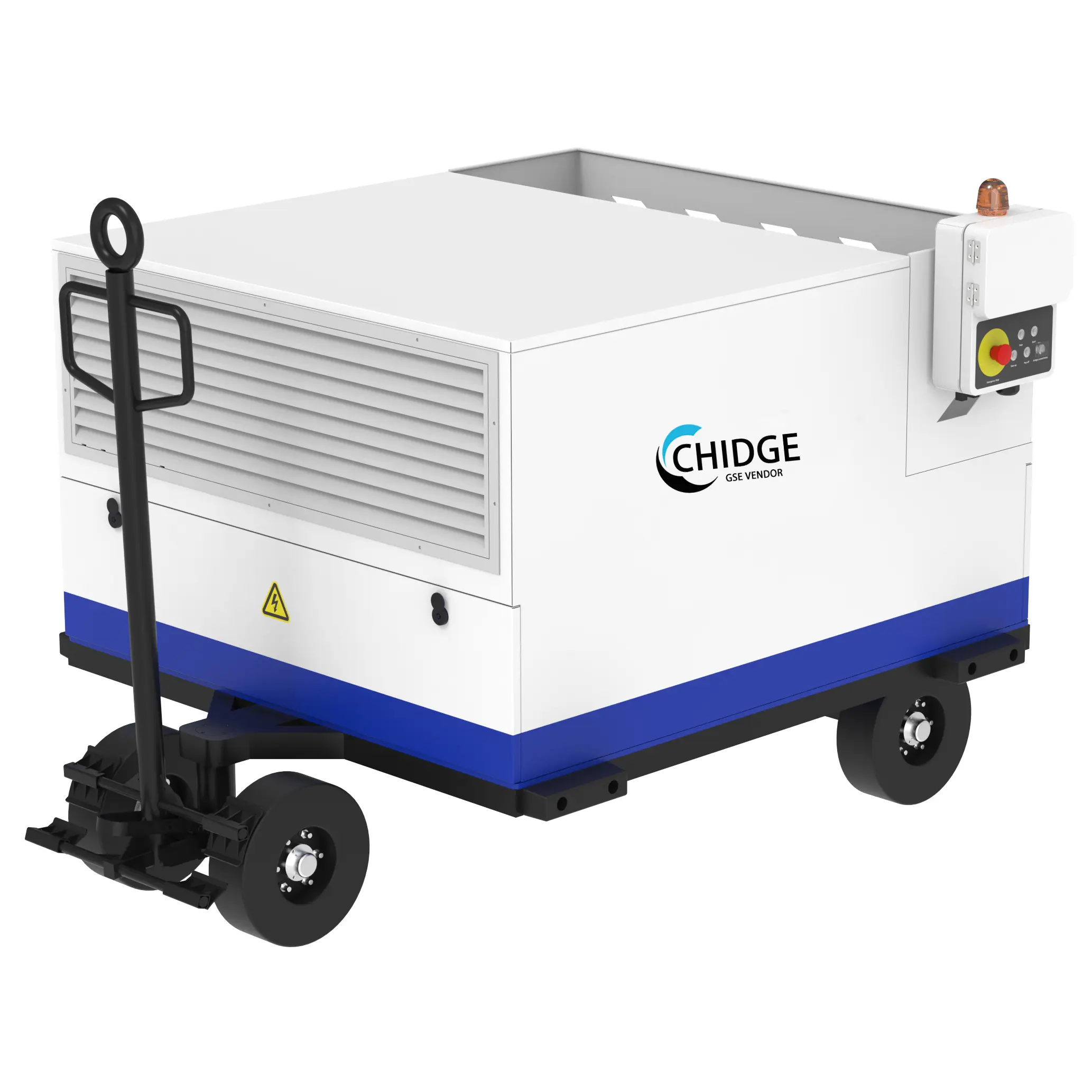
Solid-state static converter configured to output precise 400Hz frequency for modern narrowbody commercial aircraft.
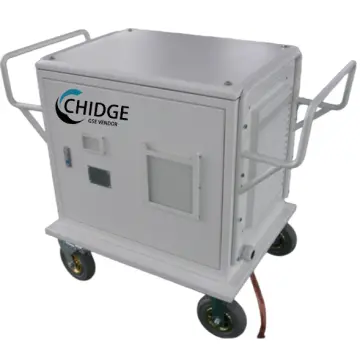
Fixed structure cabinet system featuring advanced dynamic line-drop voltage compensation systems.
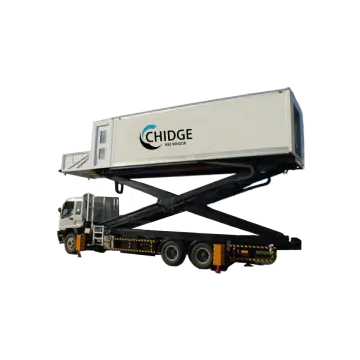
High lift insulated cargo box for standard cabin servicing operations.
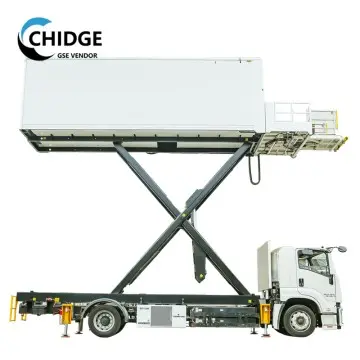
Emission-free electric drivetrain engineered for busy terminal airside corridors.
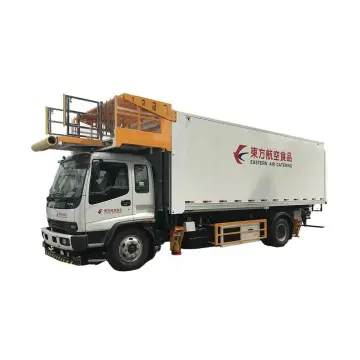
Hydraulic scissors mechanism design offering variable platform access heights.

Use of advanced science, technology, and innovation capabilities in design and production.

High-quality equipment engineered to stand out in competitive markets and win recognition.

Optimized supply chain control, logistics, and quick response systems for delivery assurance.

Proactive resolution of operational issues, maintaining customer trust, loyalty, and extending lifespan.
Whether standard configurations or bespoke layouts, we deliver integrated services from design to testing to help customers meet market entry requirements, reduce operational costs, and improve competitiveness.
Tailored layouts to match specific bridge structures and local grid requirements.
Complete structural analysis and simulation testing to ensure deployment speed.
Stay updated with airport engineering standards and technology updates
Discover the design requirements, safety interfaces, and functional options of motorized boarding stairs for regional and international flights.
A detailed look at towable battery systems designed to provide zero-emission energy storage at remote parking stands and taxiways.
Analyzing how truck-mounted and solid-state units supply essential electrical power for aircraft systems, checks, and pre-flight preparations without running main engines.
Get professional answers about technical specifications and installation guidelines
Heavy Duty Ground Support Dolly Equipment and Rainproof Baggage Solutions
 Chidge Dolly