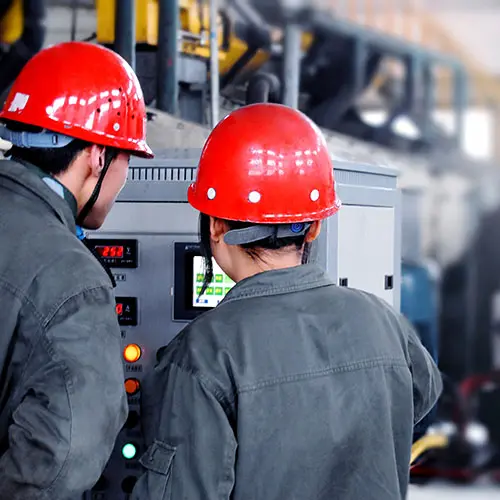
Precision-engineered machinery designed for robust ramp handling, logistics operations, and heavy cargo transit.
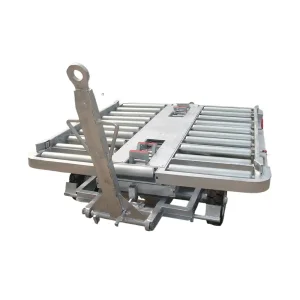
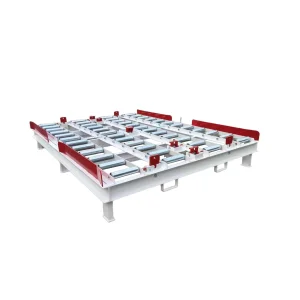
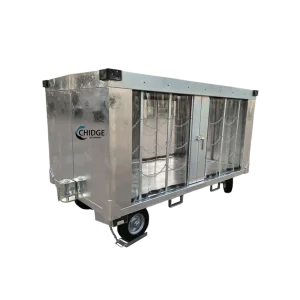
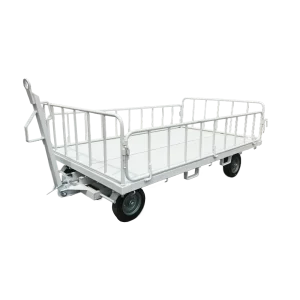
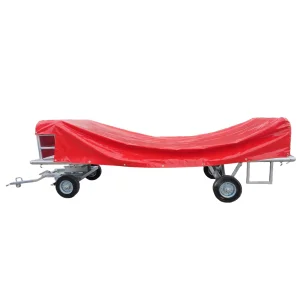
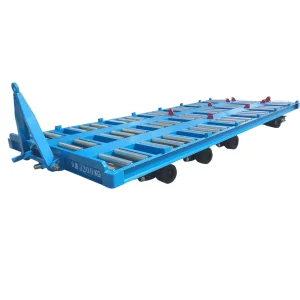
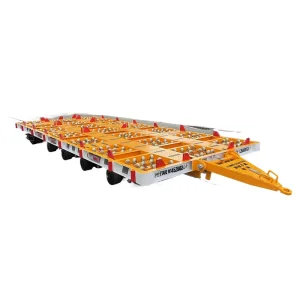
The global aviation ecosystem is facing an unprecedented paradigm shift. With the International Air Transport Association (IATA) pledging to achieve Net-Zero Carbon Emissions by 2050, airport operators and ground handling agents (GHAs) are undergoing rapid transformation. At the heart of this transition is Ground Support Equipment (GSE) electrification. Electric Baggage Towing Tractors represent the most critical low-hanging fruit in ramp electrification, serving as the workhorse for baggage handling, mail sorting, and regional cargo transit.
As a leading wholesale electric baggage towing tractors manufacturer, we engineer high-efficiency, zero-emission powertrain architectures that do not compromise on drawbar pull (DBP) capacity. This white paper highlights the macro-industry solutions, operational engineering, and technological roadmap driving the transition to smart, autonomous, and clean ground operations.
Traditional diesel towing tractors contribute significantly to localized ramp emissions, particulate matter, and acoustic pollution. The modern solution lies in high-voltage lithium-ion electric drivetrains. By deploying our advanced fleet of 10Ton to 20Ton electric baggage towing tractors, global airport hubs can directly eliminate tons of CO2 equivalent emissions per vehicle annually. Moreover, our vehicles are optimized for the complex power profiles required by hub operations, ensuring high availability through opportunity charging and intelligent Battery Management Systems (BMS).
| Technical Characteristic | Conventional Diesel GSE | Next-Gen LFP eGSE (Our Standard) |
|---|---|---|
| Operational Efficiency | Low (Thermal efficiency ~30%) | High (Drivetrain efficiency >90%) |
| Noise Emissions | 75-85 dB(A) at operator's ear | < 65 dB(A) silent electric operation |
| Lifecycle Cost (TCO) | High fuel & mechanical maintenance costs | 60% lower maintenance, long battery life |
| Regenerative Braking | No, kinetic energy wasted as heat | Yes, feeds energy back into BMS |
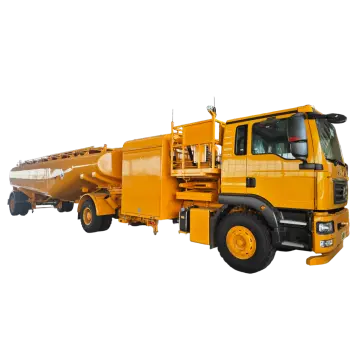
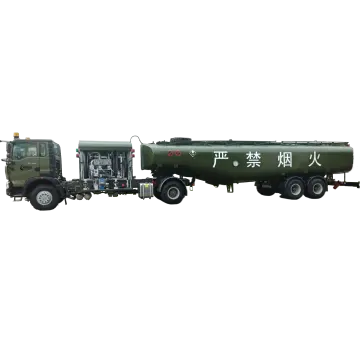
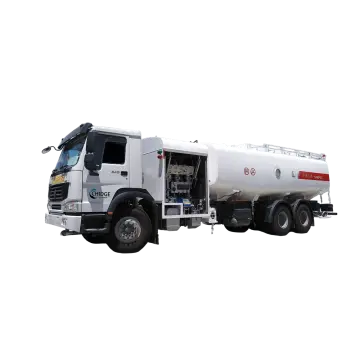
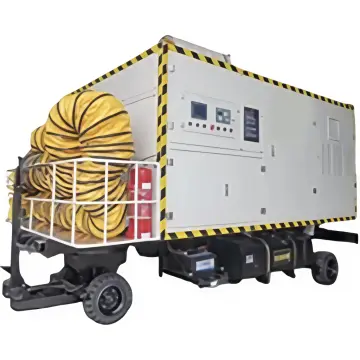
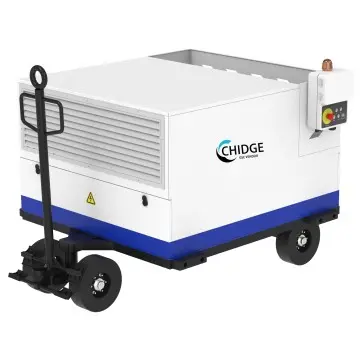
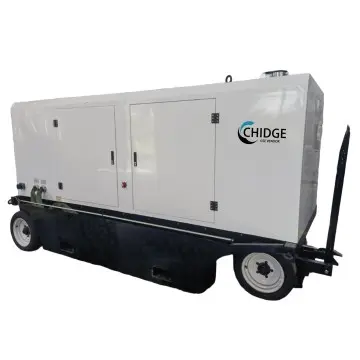
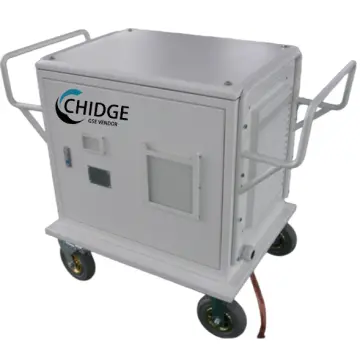
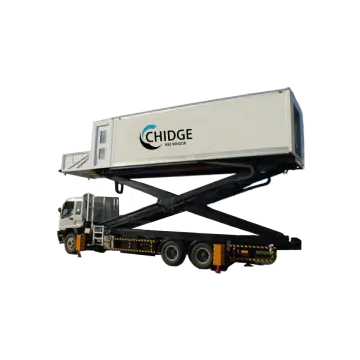
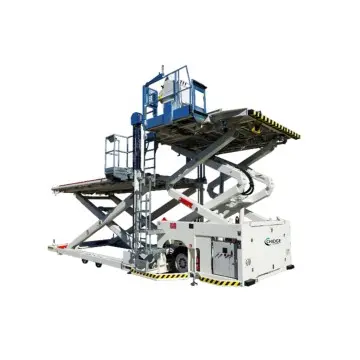
Explore our specialized ground support portfolio, encompassing catering, tank refueling, power units, and material handling solutions.
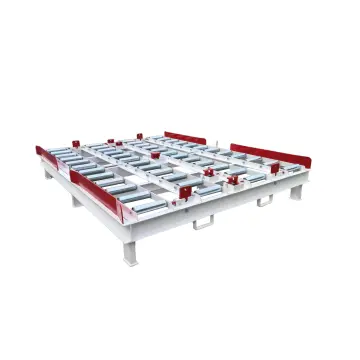
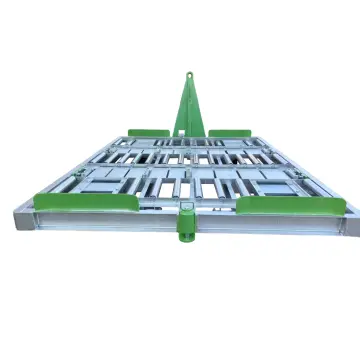
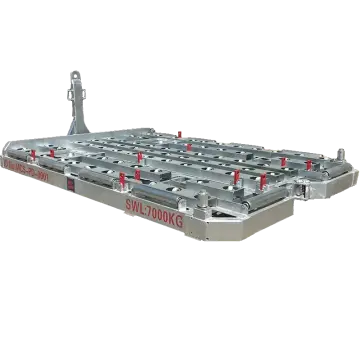
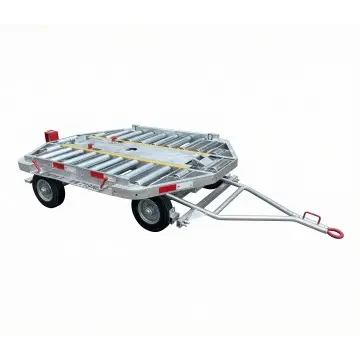
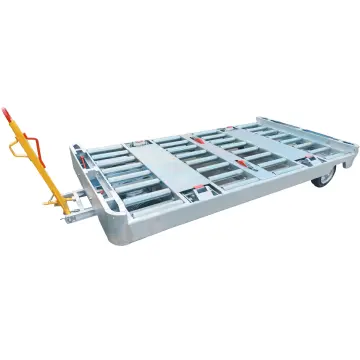
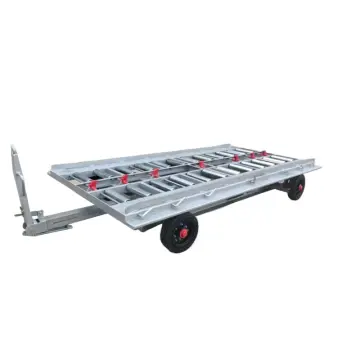
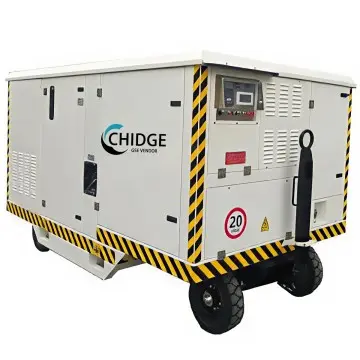
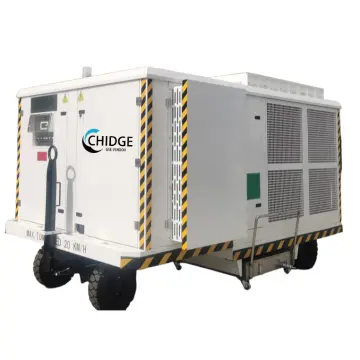
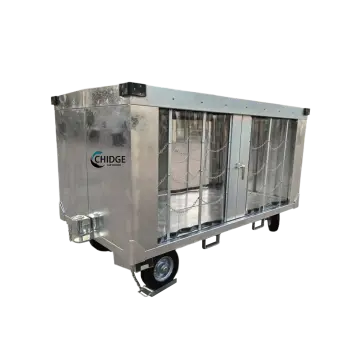
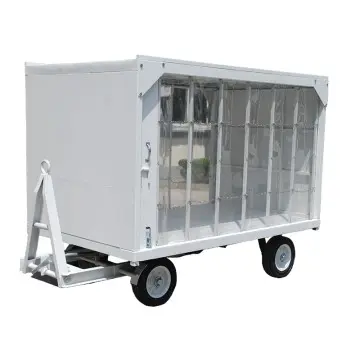
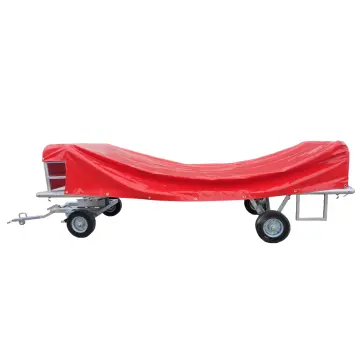
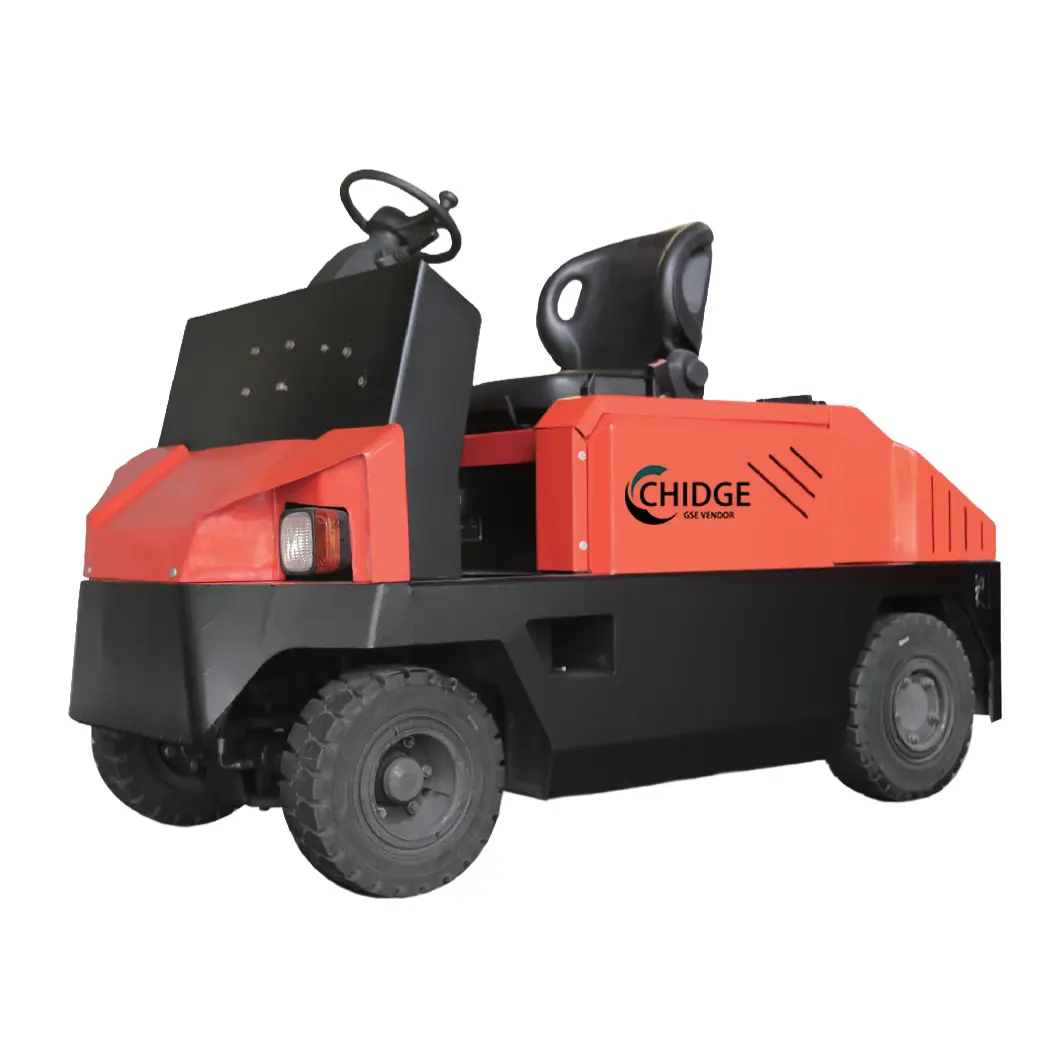
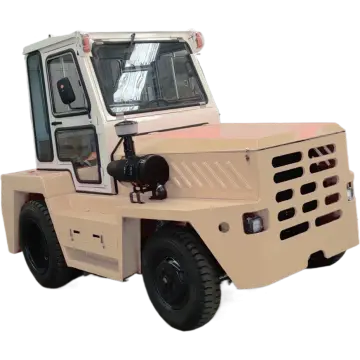
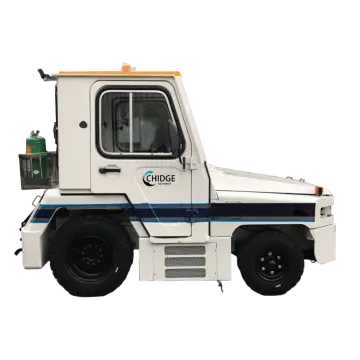
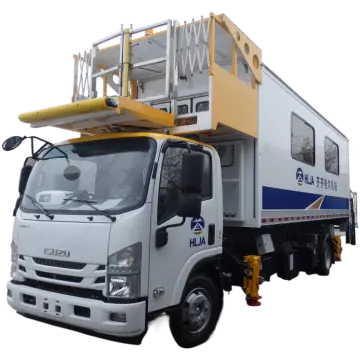
Building high-performance electric tractors requires a clean-sheet approach to chassis and electric design. As a wholesale manufacturing pioneer, we utilize high-tensile steel frames to absorb high dynamic forces experienced during towing. Rather than converting internal combustion vehicles, our platforms are built around the lithium battery pack, ensuring a low center of gravity. This translates to stability on tight ramp turns.
The traction motor utilizes AC induction or Permanent Magnet Synchronous Motor (PMSM) technologies, providing maximum torque from 0 RPM. This is essential for initiating traction on fully loaded baggage strings. Advanced controllers modulate torque delivery to prevent wheel slippage on wet, snow-packed, or icy ramp surfaces. Power is routed through heavy-duty transaxles engineered specifically to withstand start-stop operating cycles.
Our electric tractors are equipped with dual charging options: CCS Type 1/Type 2 fast charging ports and standardized regional industrial plugs. Built-in battery management systems monitor cell voltage, temperature, and cycle counts in real-time. Integrated CAN-bus interfaces stream diagnostics back to maintenance hubs, facilitating predictive maintenance cycles and minimizing unplanned ramp downtime.
Our company in the product design, research and development, the use of advanced science and technology and innovation capabilities in the production ensures market-leading GSE performance.
High quality products meet the expected needs of users, and can stand out in similar competitive products, winning market recognition and a strong brand reputation.
Our company's supply chain management, inventory control, logistics and transportation systems, as well as the ability to respond to emergencies, ensure reliable delivery times.
The quality after-sales service solves the problems encountered by customers in the process of use, enhancing customer trust and loyalty while extending product lifespans.
Operating ground equipment internationally requires strict adherence to diverse civil aviation regulatory standards. As a global exporter and wholesale partner, our design and production engineering protocols comply with international bodies:
Deploying a GSE fleet requires robust parts access and technician training. We support operations across North America, Europe, Asia-Pacific, and the Middle East through localized service partners. Our strategic supply chain management guarantees critical component delivery, such as replacement battery cells, traction controllers, and hydraulic pump assemblies, within 48 to 72 hours.
No two airports are configured exactly alike. Ambient temperature variations, unique ramp inclinations, and specific regional trailer hitch configurations call for tailored designs. We offer comprehensive OEM/ODM solutions:
Developing customizable utility tugs, towable dollies, and loaders matching targeted drawing metrics.
Integrating fleet metrics into airport network logistics protocols and warehouse setups.
Guaranteed supply chain tracking from material procurement to containerized ocean freight transit.
Whether you require low-temperature hydraulic fluids for Nordic winter environments or dust-resistant ventilation configurations for Middle Eastern ramp operations, our development team is equipped to design, simulate, and certify custom eGSE machinery.
The next frontier in ground handling efficiency is the integration of autonomous driving capabilities. Operating in controlled, geofenced environments like airport ramps makes electric tow tractors ideal candidates for Level 4 autonomy. Our engineering roadmap includes the incorporation of LiDAR, ultrasonic sensors, and vision-based localization algorithms into standard electric powertrains.
By connecting with airport logistics databases, autonomous baggage towing fleets will automatically route themselves between sorting rooms and aircraft gates. This minimizes terminal gridlock, reduces vehicle collisions, and maximizes battery efficiency through coordinated path planning. Additionally, research is underway into Vehicle-to-Grid (V2G) power interfaces. During peak grid demand, parked, fully-charged tractors can supply power back to the terminal facility, generating savings and stabilizing airport microgrids.
High-capacity units designed to transition airfield operations to high-efficiency transport systems.
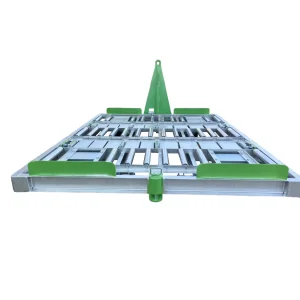
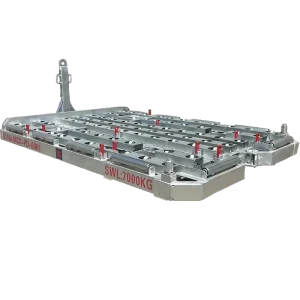
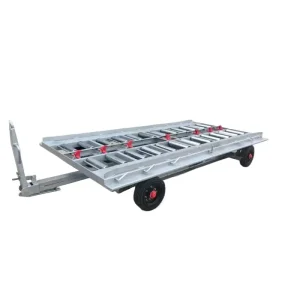
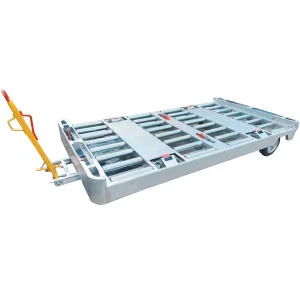
Stay updated with industry trends, technological developments, and regulatory frameworks shaping modern aviation operations.
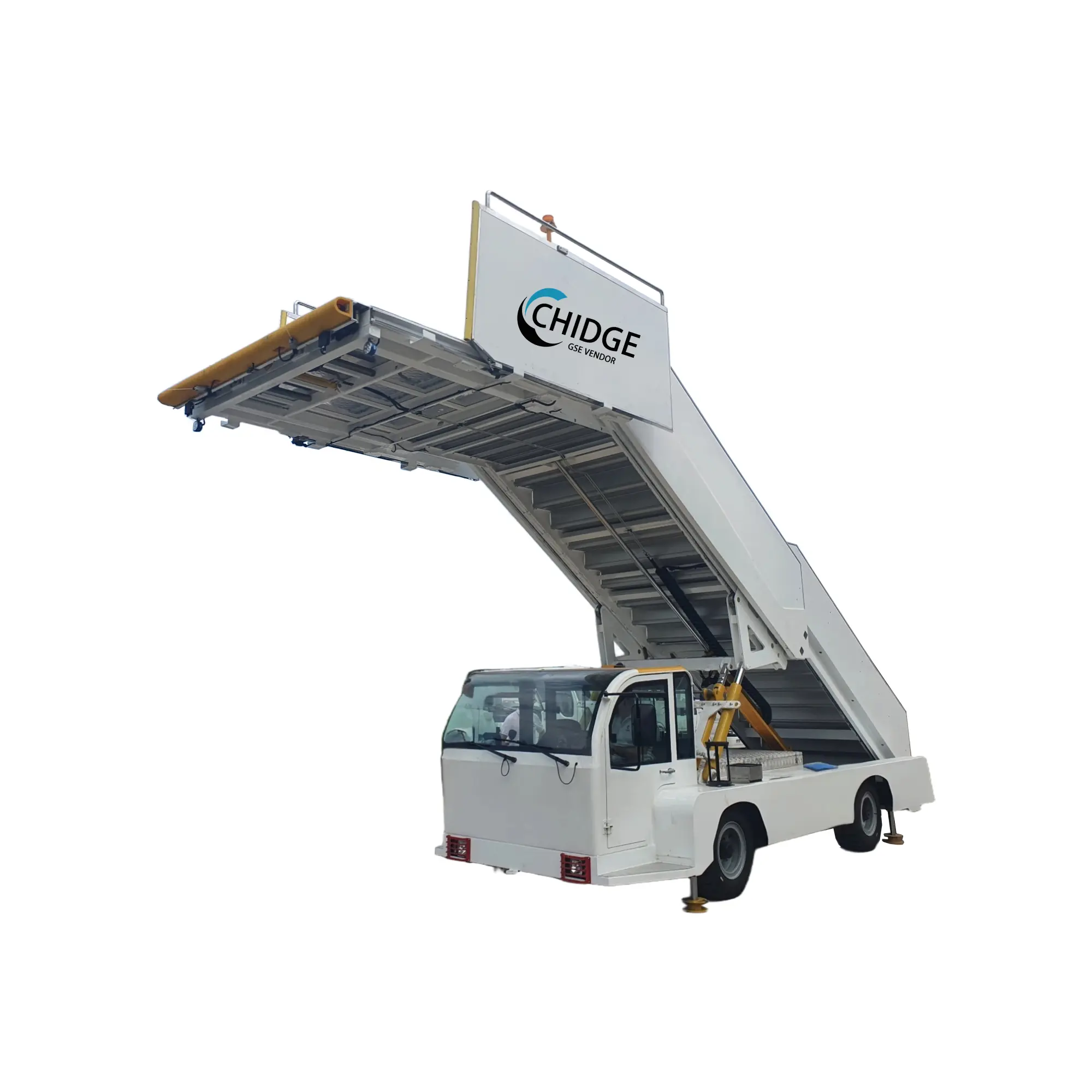
Explore the essential engineering structures of passenger boarding stairways. Designed with non-slip treads, safety railings, and adjustable configurations to accommodate various aircraft sill heights.
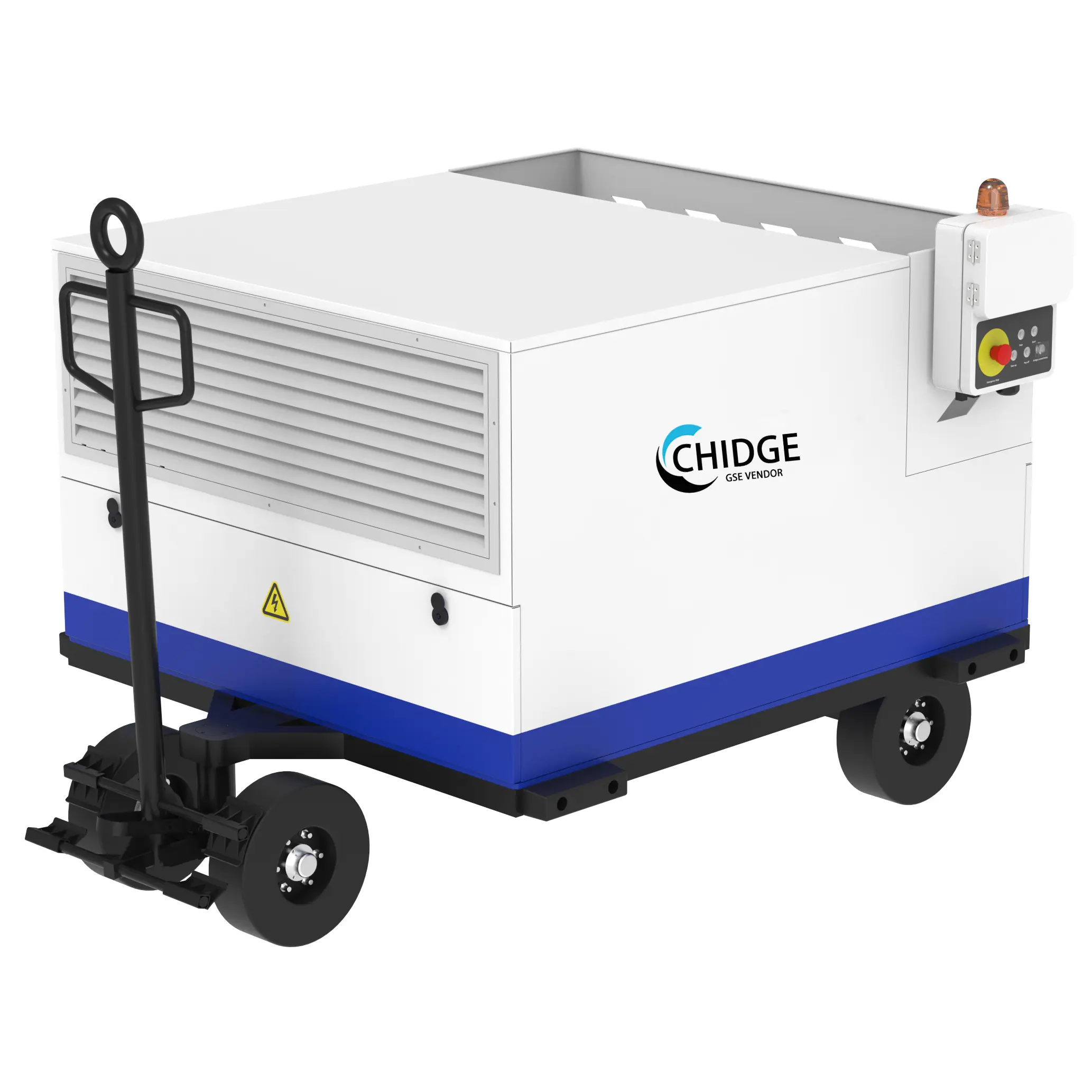
Investigating battery-supported energy storage trailers. Learn how towable power banks are replacing traditional diesel ground generators at modern, eco-conscious regional airports.
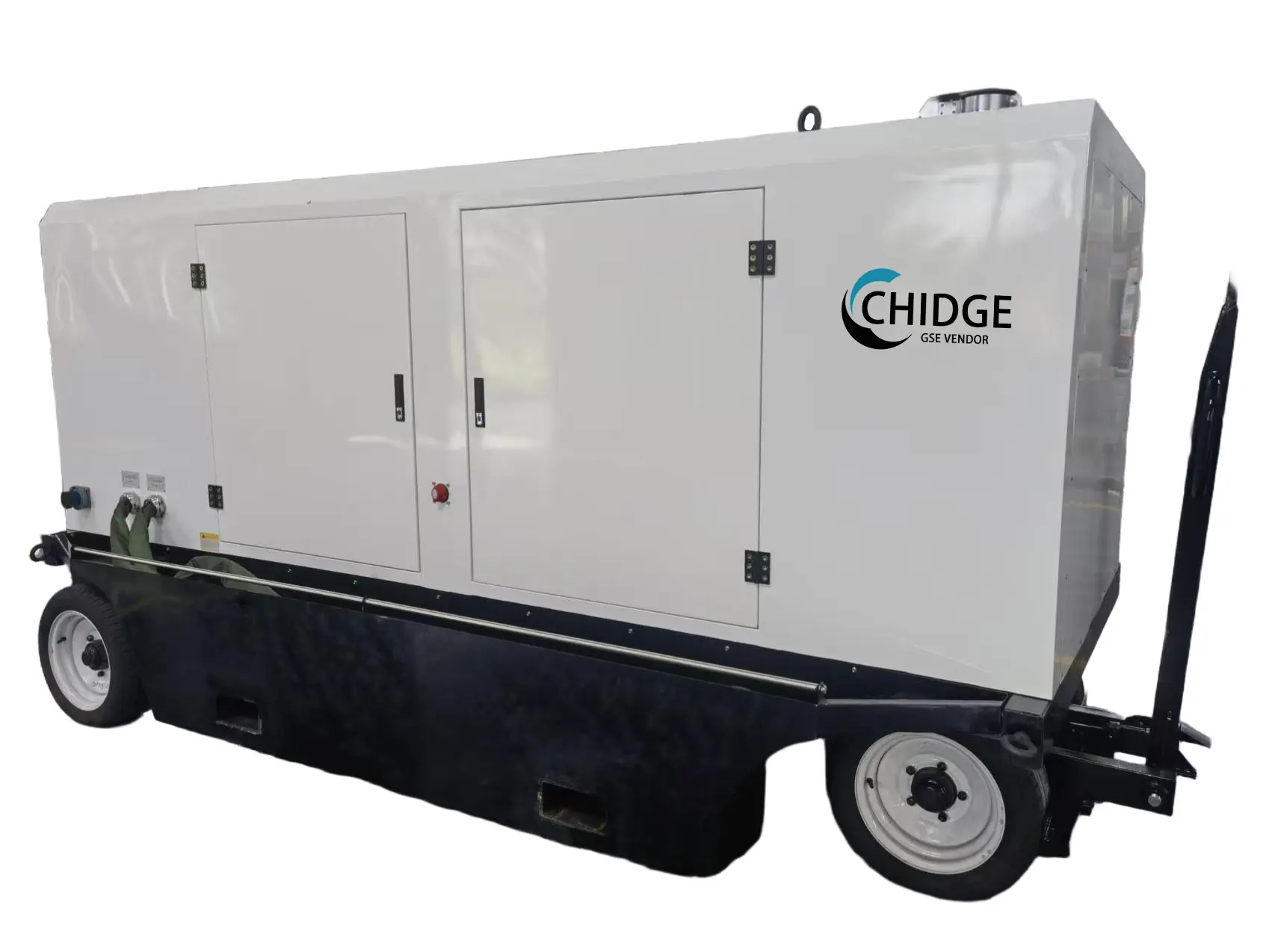
In the complex ecosystem of aviation operations, ensuring an aircraft is flight-ready involves a multitude of support systems. Among the most critical components in this pre-flight preparation is the Aircraft Ground Power Unit (GPU). These units supply the essential electrical power required for aircraft while parked on the ground, facilitating system checks, pre-flight preparations, and passenger boarding without the need to run the aircraft's main engines. While GPUs come in various forms, truck-mounted solutions have emerged as a particularly versatile and efficient choice for modern airports and maintenance facilities.
Collaborating with leading airlines, regional hubs, and logistical networks to deliver robust ground support solutions.

 Chidge Dolly