Engineered ground support equipment optimized for high-throughput cargo transfer terminals and seamless apron logistics integration.
Analyzing mechanical tolerances, material composition, and supply chain efficiencies in automated bulk transfer and aviation ground support.
Modern global logistics centers, hubs, and aviation tarmacs are under continuous pressure to reduce turnaround times while lowering carbon footprints. The transition to electric-powered logistics, specifically utilizing electric conveyor belts and heavy-duty cargo loaders, has become a key operational imperative. Whether transporting loose parcel packages, Unit Load Devices (ULDs), or bulk luggage, the reliability of the conveying media dictates the throughput capability of the entire ground logistics chain.
According to recent industry data, automated terminal hubs utilizing integrated electric transport systems achieve a 35% reduction in aircraft handling cycles compared to traditional diesel-fueled manual transport models. This transition is further accelerated by international environmental regulations mandating net-zero emissions at commercial airports and logistics centers, elevating the importance of robust electric conveyor belt designs and long-life motor controls.
At the center of high-performance cargo loaders is the electric conveyor belt system, designed to resist abrasive wear, petrochemical exposure, extreme ultraviolet radiation, and mechanical shearing. These belts typically consist of multi-layered elastomeric structures reinforced with high-tensile fabric matrices:
Integrated electric belt loaders use Variable Frequency Drives (VFDs) and brushless DC motors to deliver smooth, step-less speed changes, safeguarding both the conveyor structure and delicate cargo from rapid acceleration impacts.
Conveying and ground handling systems operate in diverse environmental conditions worldwide. Ground support equipment must perform reliably regardless of the geographic location:
In regions such as Northern Europe, Canada, and Northern China, equipment must operate in temperatures dropping to -40°C or below. Conveyor belts require specialized low-temperature elastomers that maintain elasticity without becoming brittle and cracking. Preheating systems, low-viscosity hydraulic fluids, and sealed drive motors are standard requirements to prevent mechanical seizure.
High relative humidity, salt spray, and intense UV exposure characterize operations in maritime hubs. To combat corrosion, structures must use hot-dip galvanized steel frames, stainless steel components, and marine-grade protective coatings. Electrical systems are sealed within NEMA 4X (IP66) enclosures to prevent water and humidity ingress.
High-capacity refuelers, self-propelled loaders, passenger stairs, and thermal ground units designed for heavy operational loads.
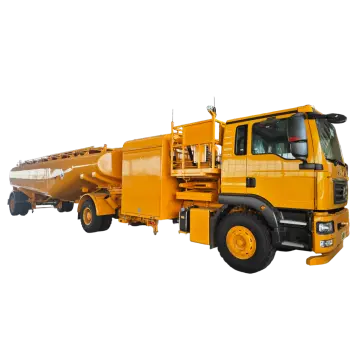
Features advanced filtration, high-precision metering, closed-loop refueling control, and self-circulation systems.
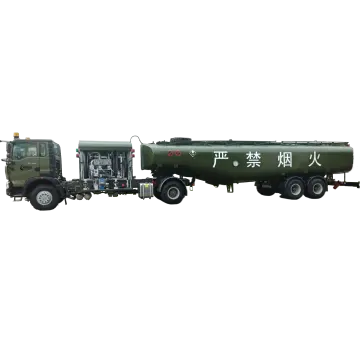
Heavy-duty high-capacity chassis designed for wide-body commercial aircraft fuel service systems.
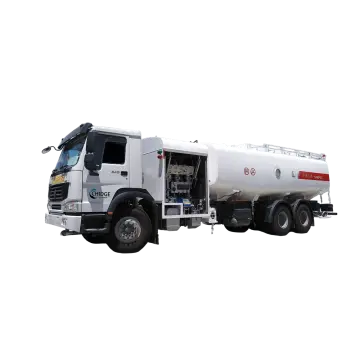
Equipped with precision pressure controls and emergency shutdown systems for safe ramp operations.
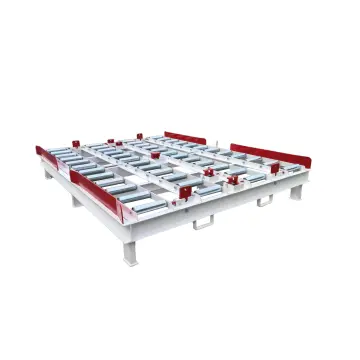
Allows easy rotation and multi-directional container manipulation inside warehouse floors.
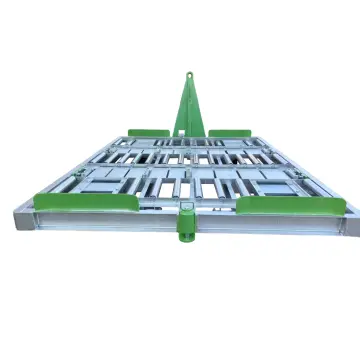
Heavy-duty welded steel frame optimized for high-speed terminal towing operations.
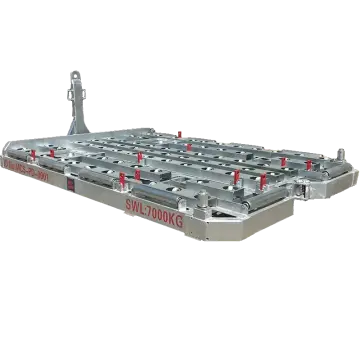
Specially engineered casters permit dynamic, omni-directional rotation under full load configurations.
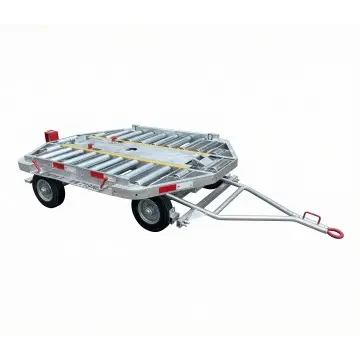
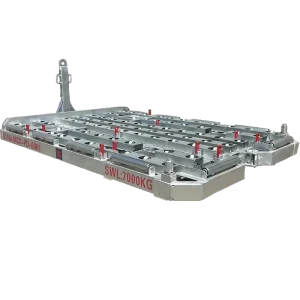
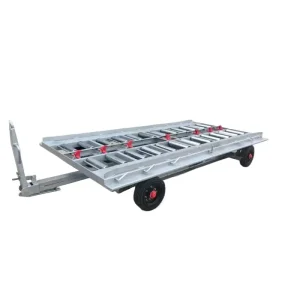
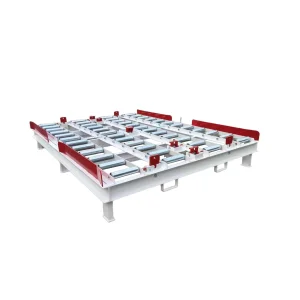
Customized sizing for LD3 containers with structural mechanical locks to prevent en-route displacement.
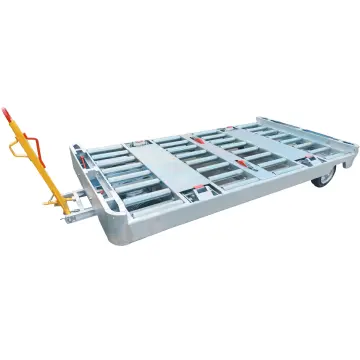
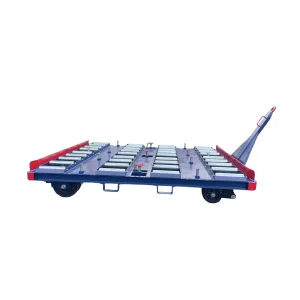
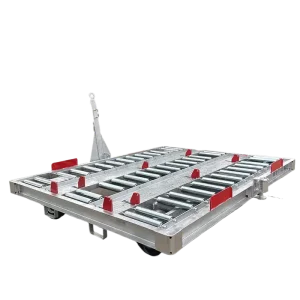
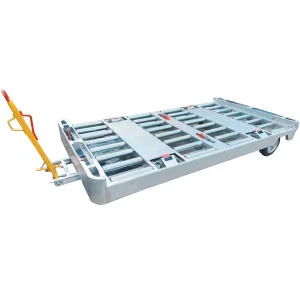
Reinforced chassis with integrated roller beds for transferring containers to electric loaders.
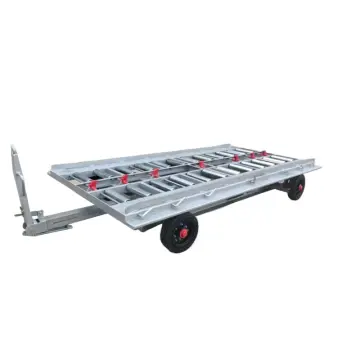
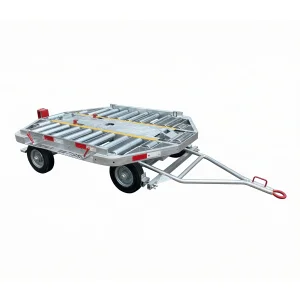
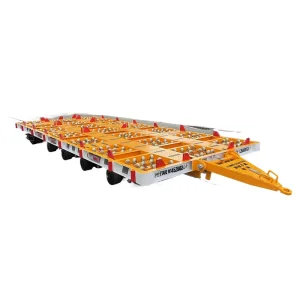
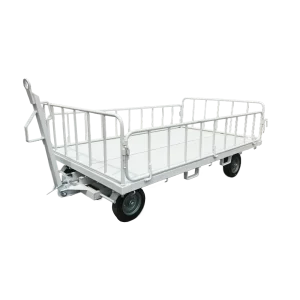
Sized for larger unit loads, featuring dual-axle configurations and low-resistance hubs.
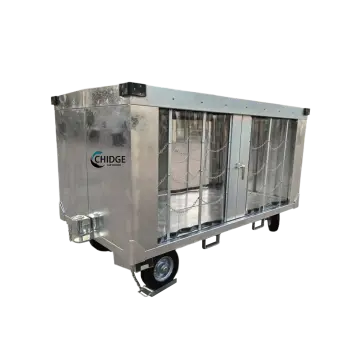
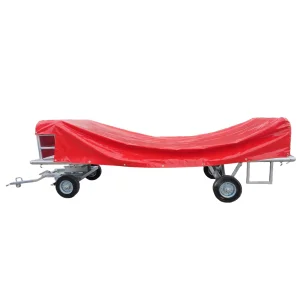
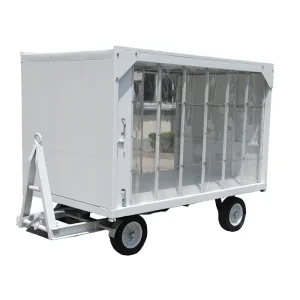
Equipped with durable, weather-resistant curtains to shield baggage from precipitation during transit.
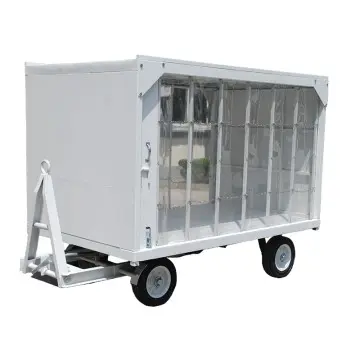
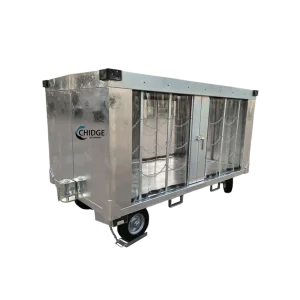
Rigid outer shell panels provide mechanical protection and security for high-value logistics.
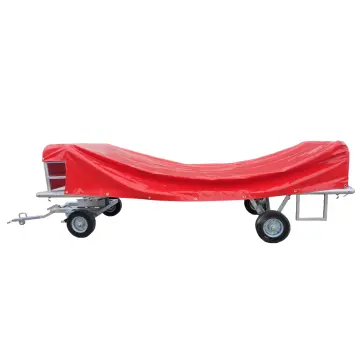
Lightweight design featuring parking brakes and wear-resistant polyurethane wheels.
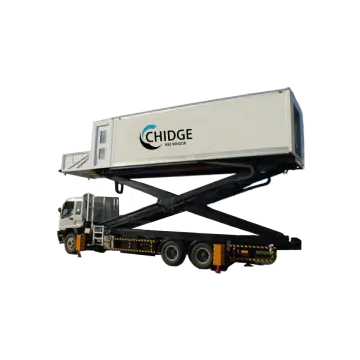
Designed with a high-stabilization hydraulic scissor mechanism for galley replenishment.
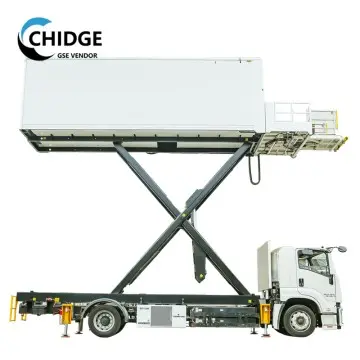
Zero-emission electric vehicle designed to operate quietly and cleanly in close proximity to aircraft.
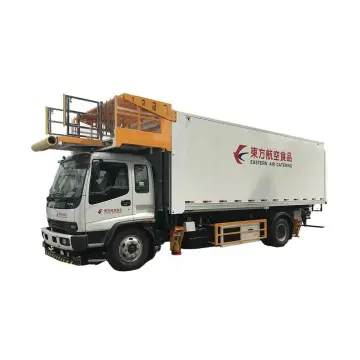
Integrated insulated container structures ensure cold-chain food safety compliance standards.
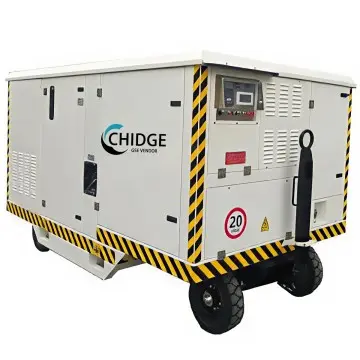
Delivers high-volume heated air to ensure cabin comfort in cold weather conditions.
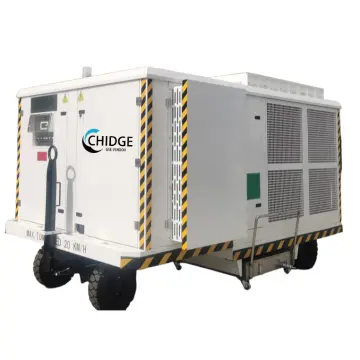
Pre-Conditioned Air unit designed for narrow and wide-body commercial aircraft applications.
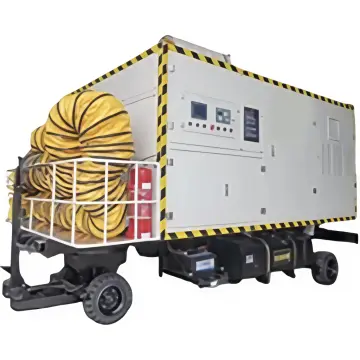
Compact mobile design provides thermal regulation for flight decks and passenger cabins.
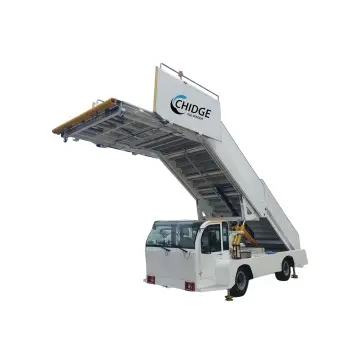
Electric drive system with precise alignment controls for passenger boarding safety.
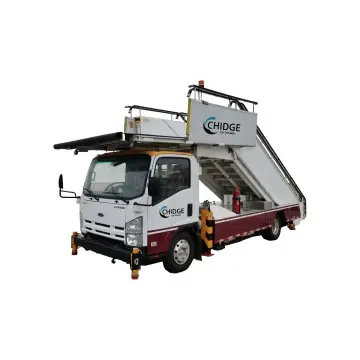
Diesel power option for operations requiring high torque and long-range mobility.
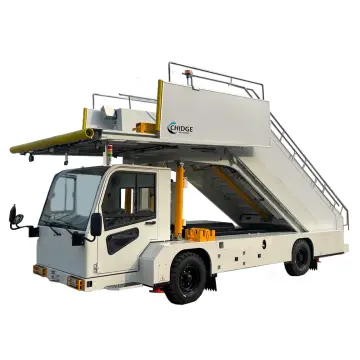
Features adjustable stair heights to match various doors, from regional jets to large wide-body aircraft.
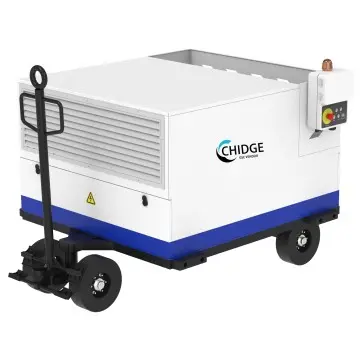
Lithium battery-powered unit provides clean 400Hz electricity without burning fossil fuels.
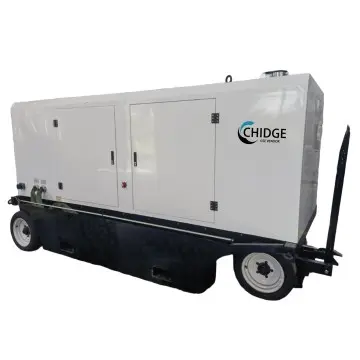
Delivers stable electrical output for aircraft system checks and pre-flight prep cycles.
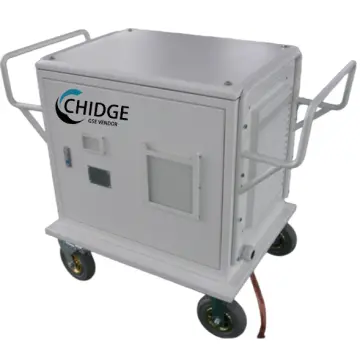
Solid-state power converter designed for hanger installations and static gate setups.
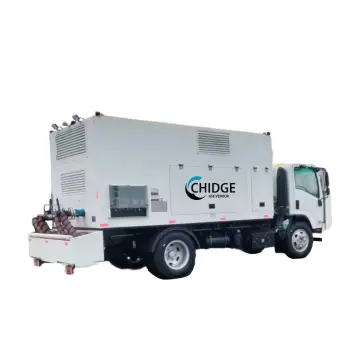
Delivers high-pressure air to start aircraft jet engines at remote gates and stands.
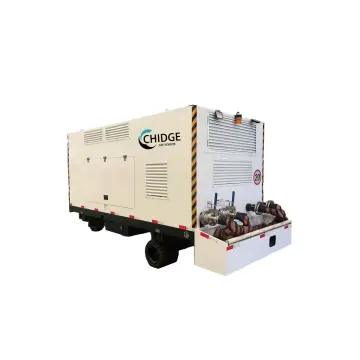
Medium-range pneumatic output unit suitable for mainline commercial aircraft fleets.
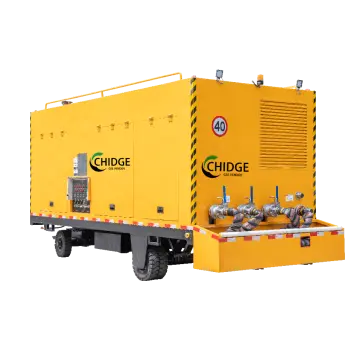
High-output unit designed for widebody passenger and heavy cargo aircraft types.
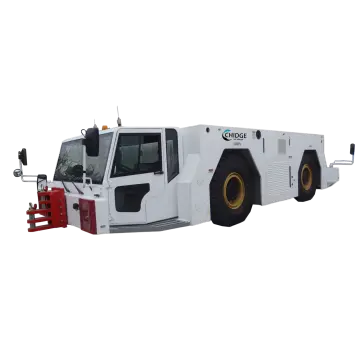
Provides drawbar pull capacity for widebody aircraft pushback operations.
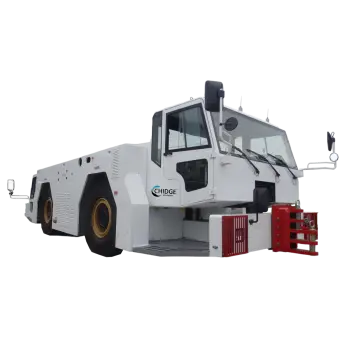
Medium-heavy duty tractor designed for narrowbody and regional jet tow-out requirements.
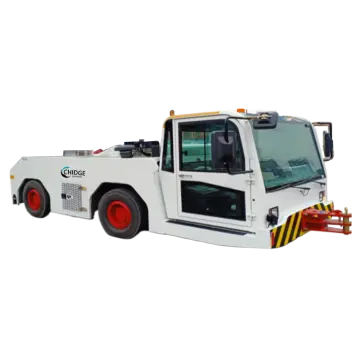
Features a compact footprint and tight turning radius for hangar maneuvers and ramp towing.
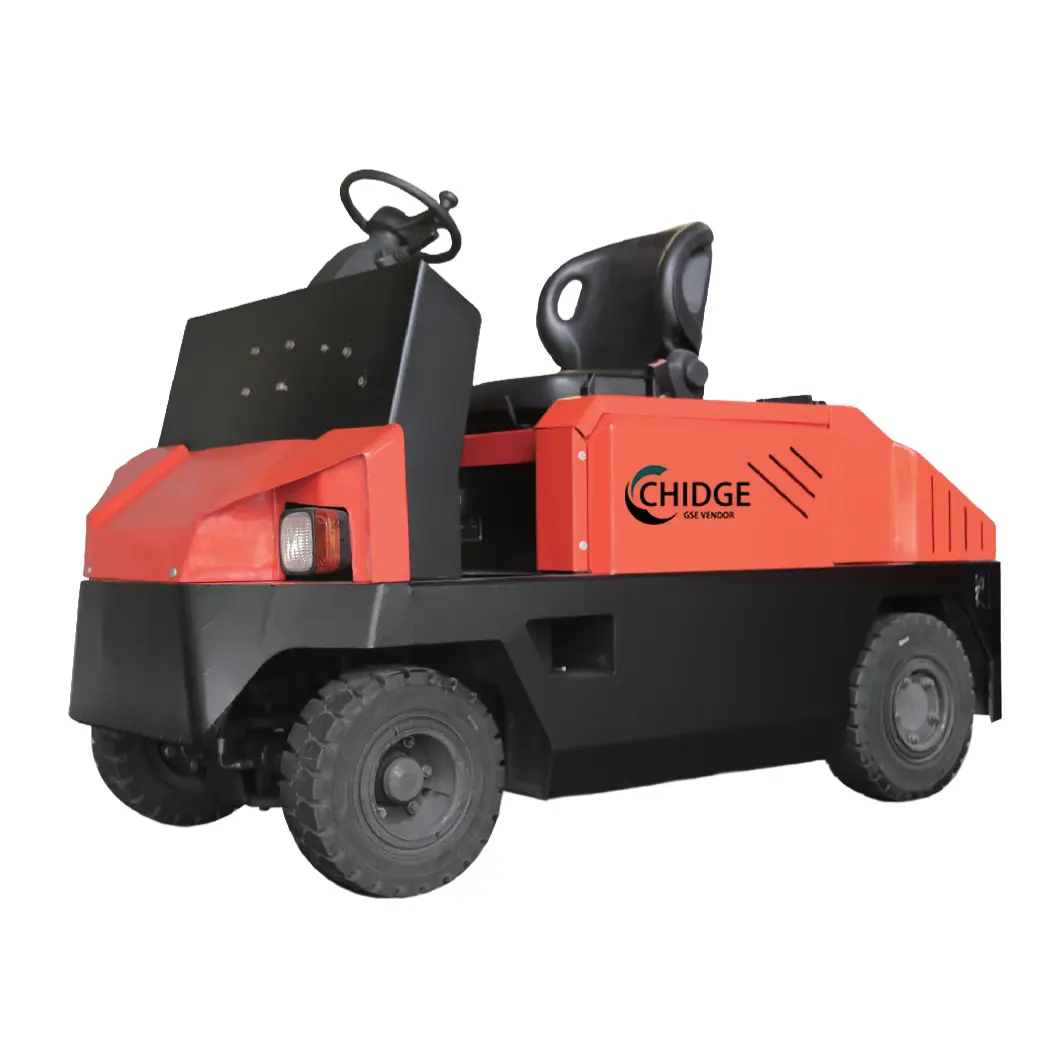
High-efficiency electric motor delivers quiet operation and high torque curves for baggage cart trains.
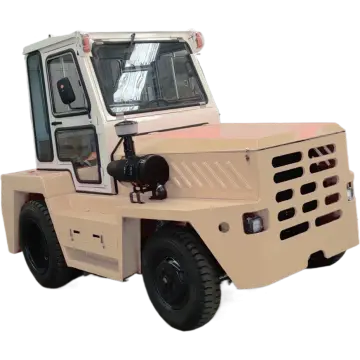
Heavy-duty diesel power plant designed to pull multiple loaded container dollies.
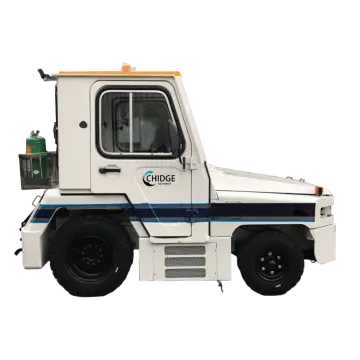
Features dual-motor drive axles and energy regenerative braking systems.
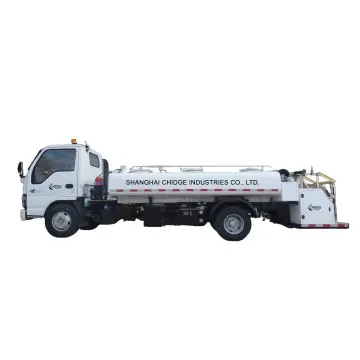
Equipped with high-performance vacuum pumps and anti-corrosive stainless steel storage tanks.
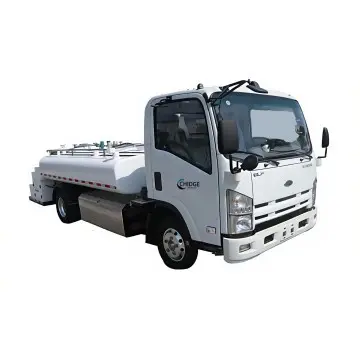
Features an electric power pack for zero-emission operations near aircraft cabins.
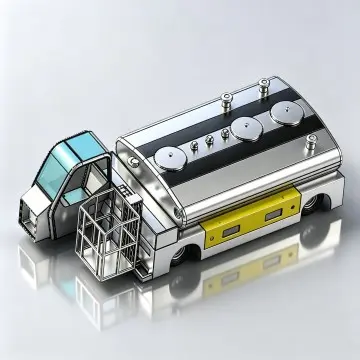
Smart metering controls with remote liquid level monitoring displays.
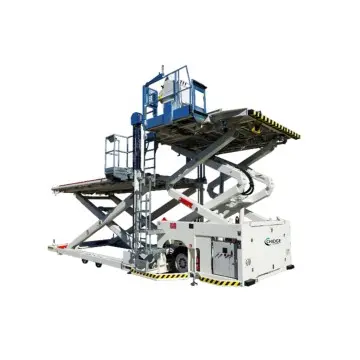
High-capacity cargo loader featuring variable height decks and electric roller systems.
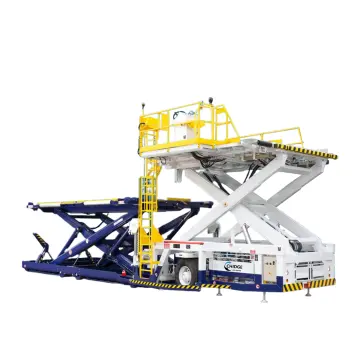
Heavy-duty cargo handler designed for main deck ULD configurations on widebody freighters.
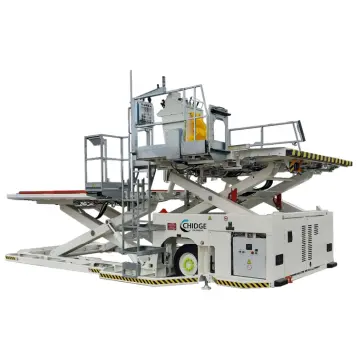
Versatile loader designed for fast container transfer to passenger aircraft lower decks.
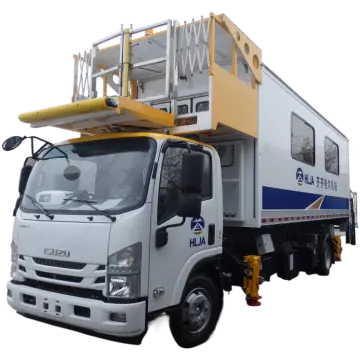
Provides safe cabin accessibility for passengers with reduced mobility (PRM).
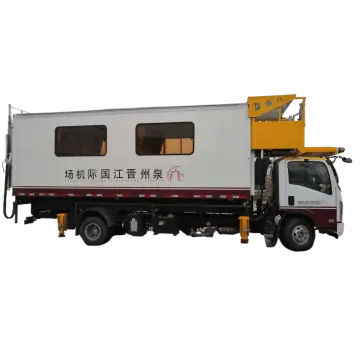
Features safety interlock systems and a level-lifting cabin interface structure.
As logistics facilities advance toward autonomous operations, the design of electric conveyors and loaders is evolving. Strategic developments target several key areas:
Integrating thermal sensors, optical alignment cameras, and vibration sensors directly into the conveyor system allows real-time diagnostics. Predictive algorithms analyze data to detect belt wear and misalignment before failures occur, reducing unplanned downtime.
Transitioning from lead-acid batteries to lithium iron phosphate (LiFePO4) systems enables fast charging and deep discharge cycles. This change allows equipment to operate across multiple shifts without prolonged charging downtime.
Incorporating LiDAR, ultrasonic sensors, and optical cameras allows cargo loaders to dock automatically with aircraft cargo doors. This automation minimizes the risk of structural damage and increases loading speed.
China's industrial supply chain offers significant advantages for manufacturing heavy-duty logistics and ground support equipment. The concentration of component suppliers, automated factories, and shipping hubs enables reliable production:
This integrated supply chain allows domestic factories to offer customizable options for global customers, tailoring dimensions, motor specifications, and control interfaces to specific regional needs.
Conveying and ground handling systems must comply with international engineering and safety standards. Our equipment is built to meet the following industry certifications:
Why leading global airport hubs and industrial logistics operators choose our integrated ground support machinery.

Integrating advanced software, structural simulation modeling, and computerized control systems to maximize reliability.

Every structural weld and hydraulic cylinder undergoes non-destructive testing (NDT) to ensure durable, long-term operation.

Efficient supply chain planning and logistics coordination ensure production schedules and project delivery timelines are met.

On-site commissioning support, spare parts availability, and 24/7 technical assistance help maintain equipment uptime.
We collaborate with airlines, cargo terminals, and logistics integrators worldwide to improve transit efficiency.
Supporting operators from system design and engineering to equipment manufacturing and lifetime maintenance.

Offering a complete catalog of aviation ground support and heavy-duty industrial conveying machinery.

Customizing systems for air cargo carriers, terminal operators, and logistics service providers.

Providing solutions for diverse cargo profiles, including ULD dollies, towing tractors, and electric conveyor belts.

Every delivery undergoes functional testing to verify readiness for immediate field deployment.
We provide custom engineering services to meet specific operational requirements, from dimensional adjustments to alternative power systems.
Our engineering team collaborates with client technical departments to design equipment for specific environmental and facility constraints. We handle the process from initial structural design to final production and certification.
Technical updates on ground handling systems, energy storage integration, and airport equipment operations.
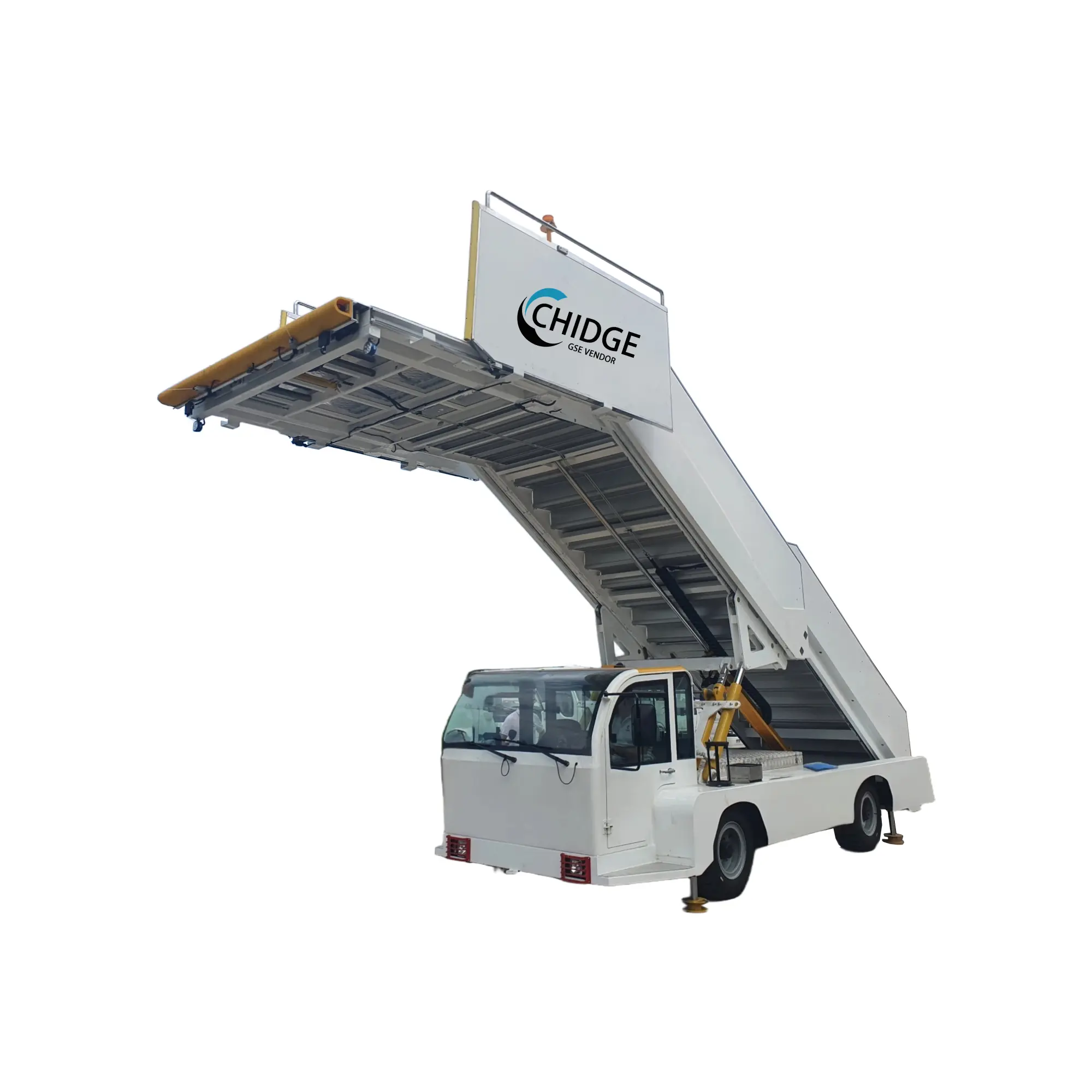
A detailed review of mobile passenger stairs design, safety systems, and alignment controls.
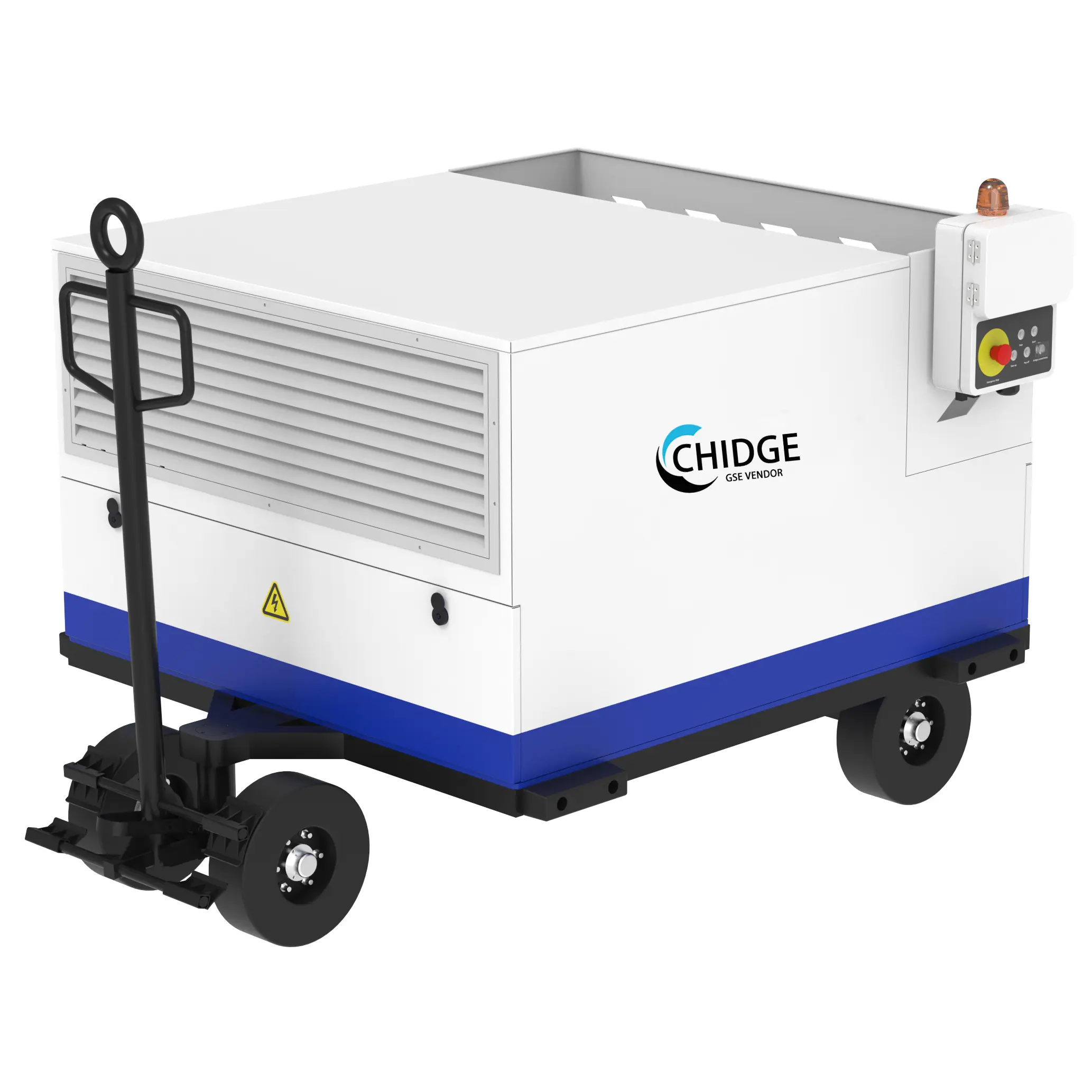
Analyzing battery management systems and charging efficiency in next-generation GPUs.
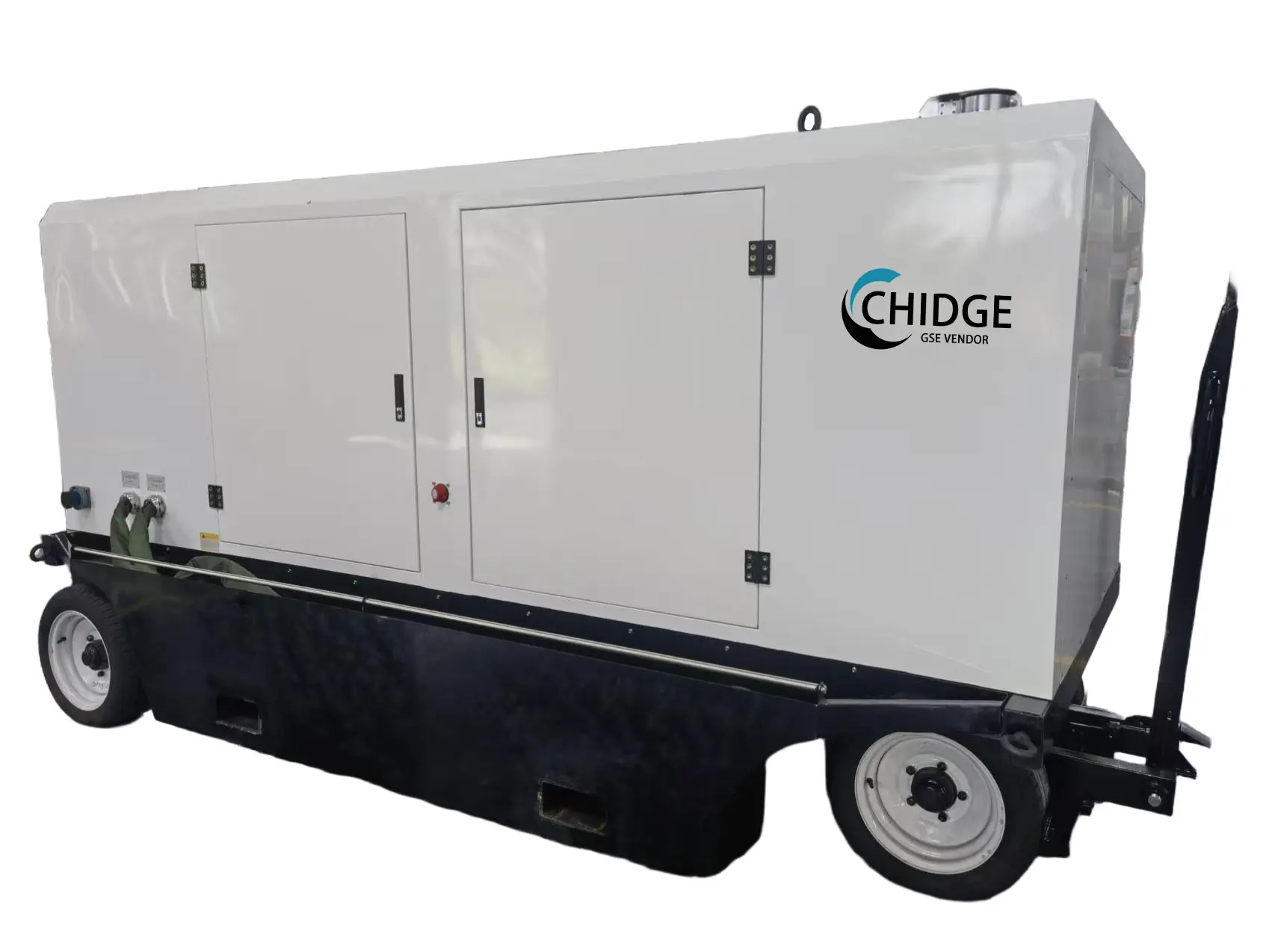
Reviewing frequency conversion, voltage regulation, and environmental protection in modern GPUs.
Answers to common questions regarding structural specifications, custom orders, and shipment logistics.
For temperatures below -25°C, we specify conveyor belts made with specialized polybutadiene or butadiene-rubber compounds. These materials retain flexibility and prevent micro-cracking, ensuring reliable operation under cold conditions.
Yes. Through our ODM/OEM services, we build and certify container dollies to handle standard LD1, LD2, LD3, and LD6 containers. We can customize lock placements, roller configurations, and overall chassis dimensions to meet your terminal requirements.
Our cargo loaders include multiple safety systems, such as emergency stop switches, hydraulic overload relief valves, safety lock-pins, optical alignment sensors, and pressure-sensitive bumpers to protect aircraft structures from contact damage.
Every order is delivered with complete documentation, including CE compliance certificates, test reports, material traceability records, and operational manuals. We also assist with regional import documentation requirements.
We apply non-destructive testing (NDT), such as ultrasonic and magnetic particle inspection, to key structural welds. Main frames undergo Finite Element Analysis (FEA) during design and are load-tested during final inspection to verify load capacity.
Standard custom orders typically ship within 45 to 60 days of drawing approval and deposit receipt. Lead times vary depending on system complexity and raw material sourcing schedules, which are coordinated with clients during planning.
Engineered ground support equipment optimized for high-throughput cargo transfer terminals and seamless apron logistics integration.
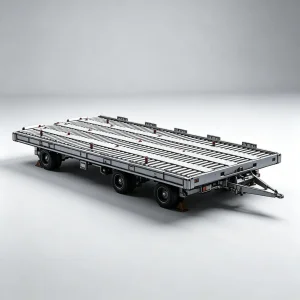
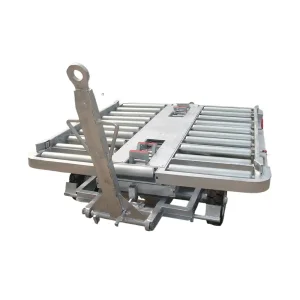
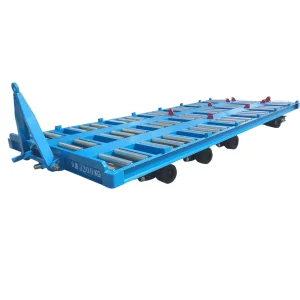
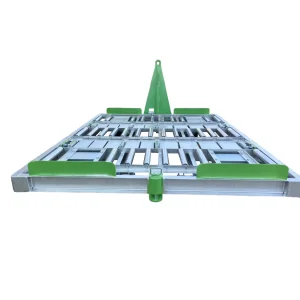
 Chidge Dolly