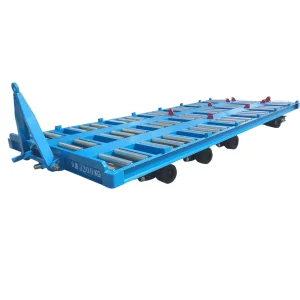
Explore our specialized range of high-durability cargo handling, passenger ramp, and logistical dolly solutions designed for fast-turnaround environments.
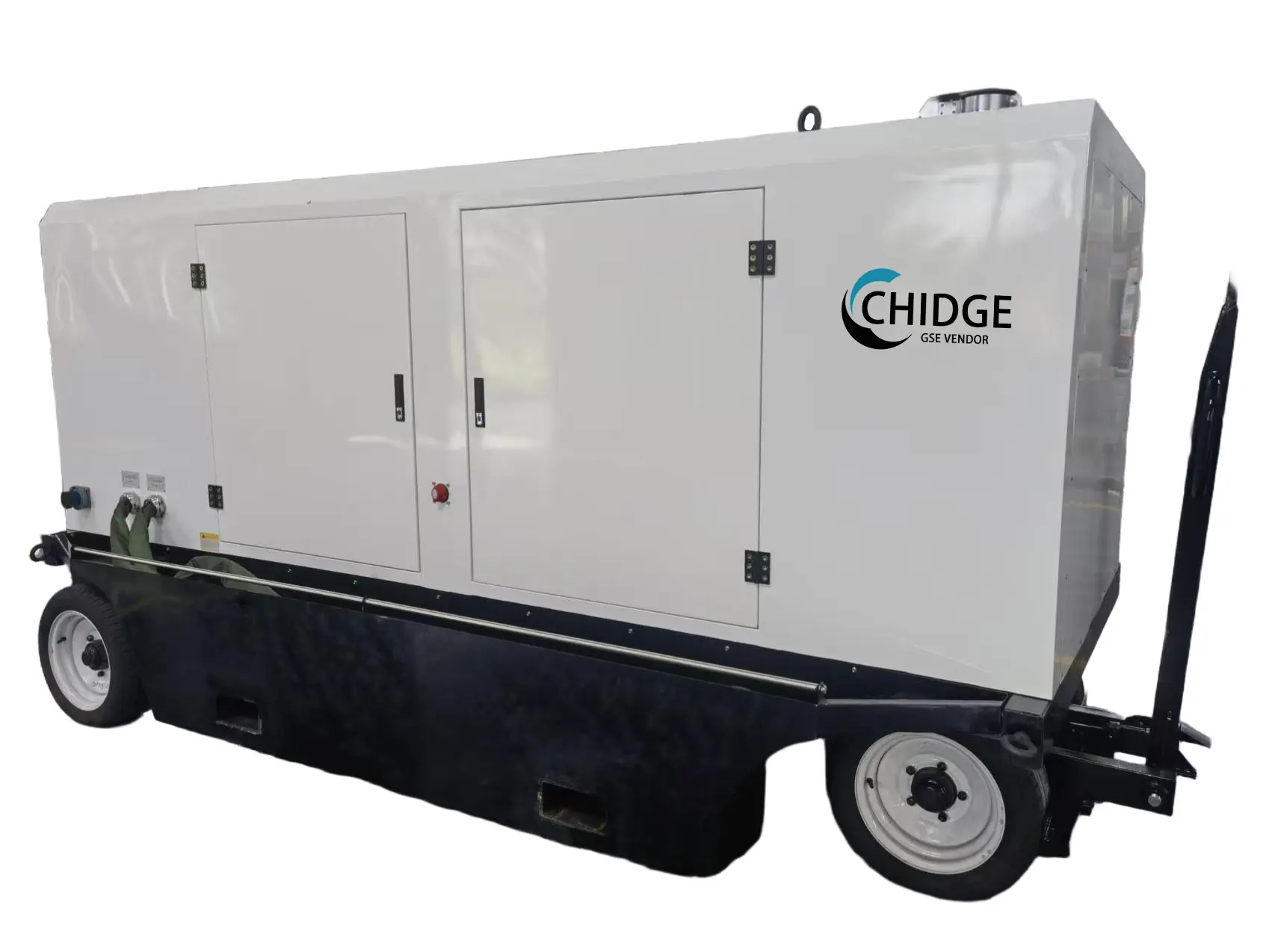
The aviation industry's modern paradigm operates on a thin line of turnaround efficiency, demanding rigorous performance from every asset deployed on the apron. Among these, the Diesel Ground Power Unit (GPU) acts as the central heart of a parked aircraft, keeping navigation instruments, cabin telemetry, lighting, and environmental systems active without burning expensive auxiliary power unit (APU) jet fuel. For procurement directors, ground handling services, and airport administrators, selecting a robust wholesale diesel ground power unit supplier is not merely an equipment acquisition decision, but a long-term strategic partnership directly impacting operational metrics (TCO) and fleet availability.
We are witnessing an unprecedented transitional phase in ground support equipment. As airports worldwide move toward net-zero emissions targets, electrification is high on the agenda. However, complete apron electrification faces severe roadblocks, including grids running at capacity, infrastructural deficits in fast-charging points, and the extreme geographic challenges of regional airports. In this context, clean diesel GPU systems—especially those utilizing Stage V / EPA Tier 4 Final power plants compatible with Hydrogenated Vegetable Oil (HVO) fuels—stand as the primary bridge. They provide high mobility, independent operation, and absolute reliability under all weather conditions, out-performing battery-only options in extreme temperatures where battery performance naturally degrades.
Global procurement specialists are shifting their criteria from initial purchase cost to lifecycle performance metrics. Operational reliability is paramount: a single failed GPU during passenger boarding can cost airlines thousands of dollars in delays and disruption penalties. Strategic purchasing requirements focus on the following key metrics:
Our commitment to advanced technological innovation underpins the structural engineering of every Ground Power Unit and logistics platform.
Integrated product design utilizing advanced physics simulations, structural analysis, and thermal load modeling for maximum structural reliability.
Engineered to meet and exceed strict international safety, emissions, and structural performance requirements in high-stress operational zones.
End-to-end supply chain integration, inventory optimization, and robust shipping networks built to absorb and mitigate global logistics challenges.
Global technical assistance, spare parts accessibility, and engineering support to maximize the lifecycle and operational ROI of your assets.
Below is our full operational catalog, encompassing aircraft tank refueling, baggage dollies, towing systems, and ground thermal control units.
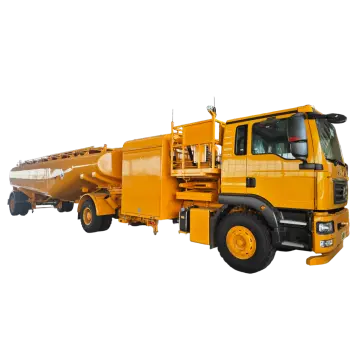
Consists of a specialized chassis, oil tank, high-efficiency pumping assembly, micro-filtration system, and pressure control system. Engineered for safe, metered aircraft refueling operations.
Technical Datasheet →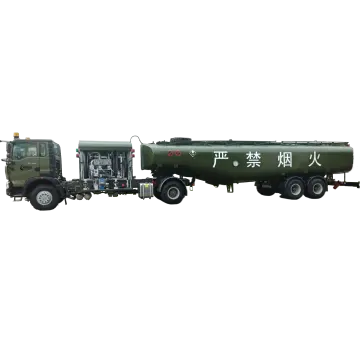
Consists of a chassis and oil tanks, a pumping system, a control system, and an operating part, with functions such as filtration, metering, refueling, pumping, self circulation, and pressure control.
Technical Datasheet →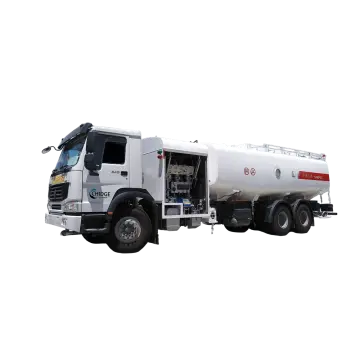
Consists of a chassis and oil tanks, a pumping system, a control system, and an operating part, with functions such as filtration, metering, refueling, pumping, self circulation, and pressure control.
Technical Datasheet →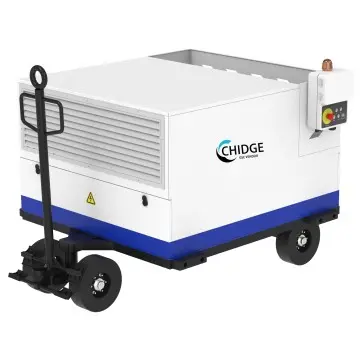
A sustainable battery-stored power solution for modern eco-friendly hangars and noise-sensitive aprons, reducing local carbon footprint.
Technical Datasheet →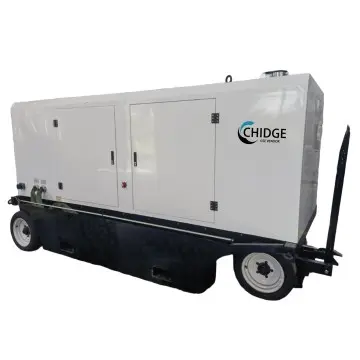
A high-stability diesel-fueled 400Hz frequency converter built for narrow-body and wide-body regional jets demanding precise electricity supply.
Technical Datasheet →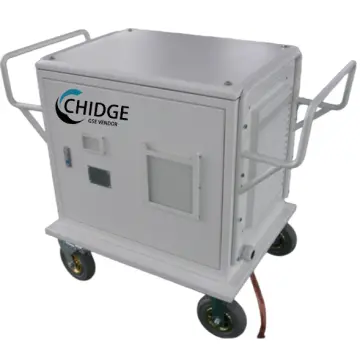
Solid-state frequency converters designed to convert local grid utility power into clean, 400Hz electricity for parked aircraft.
Technical Datasheet →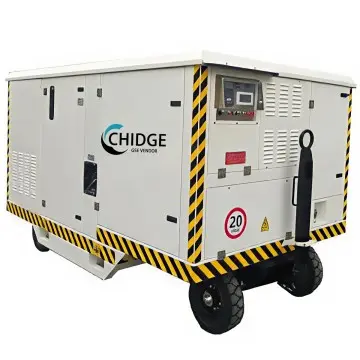
Delivers high-volume warm air to parked aircraft cabins under sub-zero ambient conditions, ensuring passenger comfort prior to boarding.
Technical Datasheet →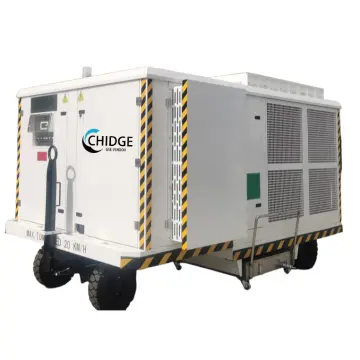
Pre-Conditioned Air unit offering dynamic heating and cooling capacities to keep aircraft cabins at optimal temperatures.
Technical Datasheet →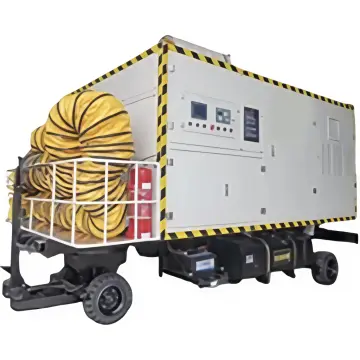
Compact towable diesel cabin heater with simple interface and robust output capability for rapid preheating of commuter and narrow-body aircraft.
Technical Datasheet →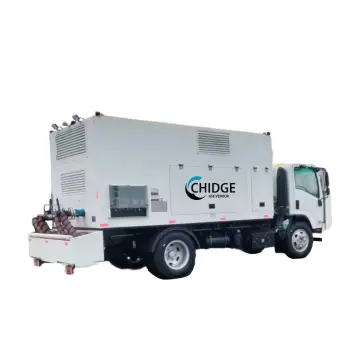
Mobile high-pressure pneumatic starting system designed to supply air flow for starting jet engines in extreme ambient conditions.
Technical Datasheet →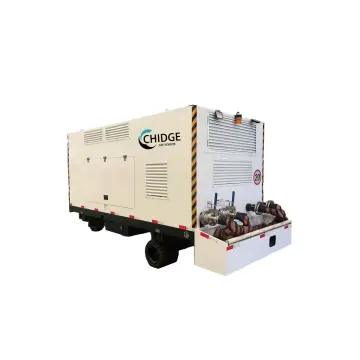
Medium-capacity pneumatic starter unit optimized for regional and domestic jet engines, featuring dual pressure settings.
Technical Datasheet →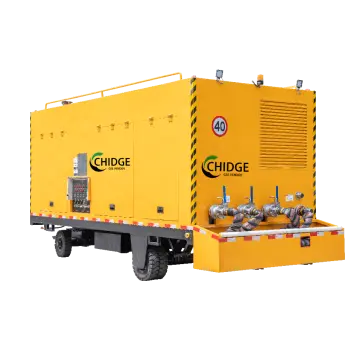
Heavy-duty dual start system capable of servicing large wide-body aircraft, supplying pneumatic air pressure with microsecond throttle control.
Technical Datasheet →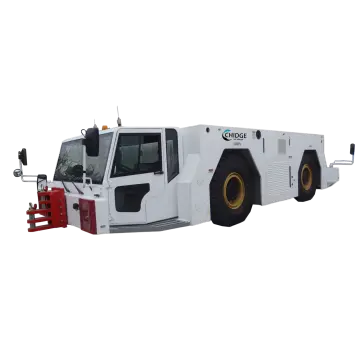
High-tractive effort tow vehicle designed for heavy commercial aircraft. Equipped with advanced hydrostatic transmission and four-wheel steer.
Technical Datasheet →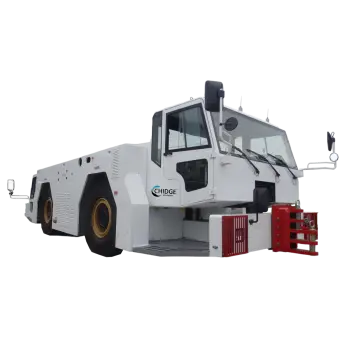
A heavy-duty tow tractor providing reliable pushing and pulling capacity for narrow-body and twin-aisle commercial fleets.
Technical Datasheet →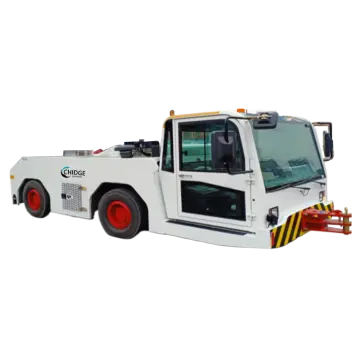
Compact design optimized for regional jets and business aviation operations, ensuring precise steering in congested gates.
Technical Datasheet →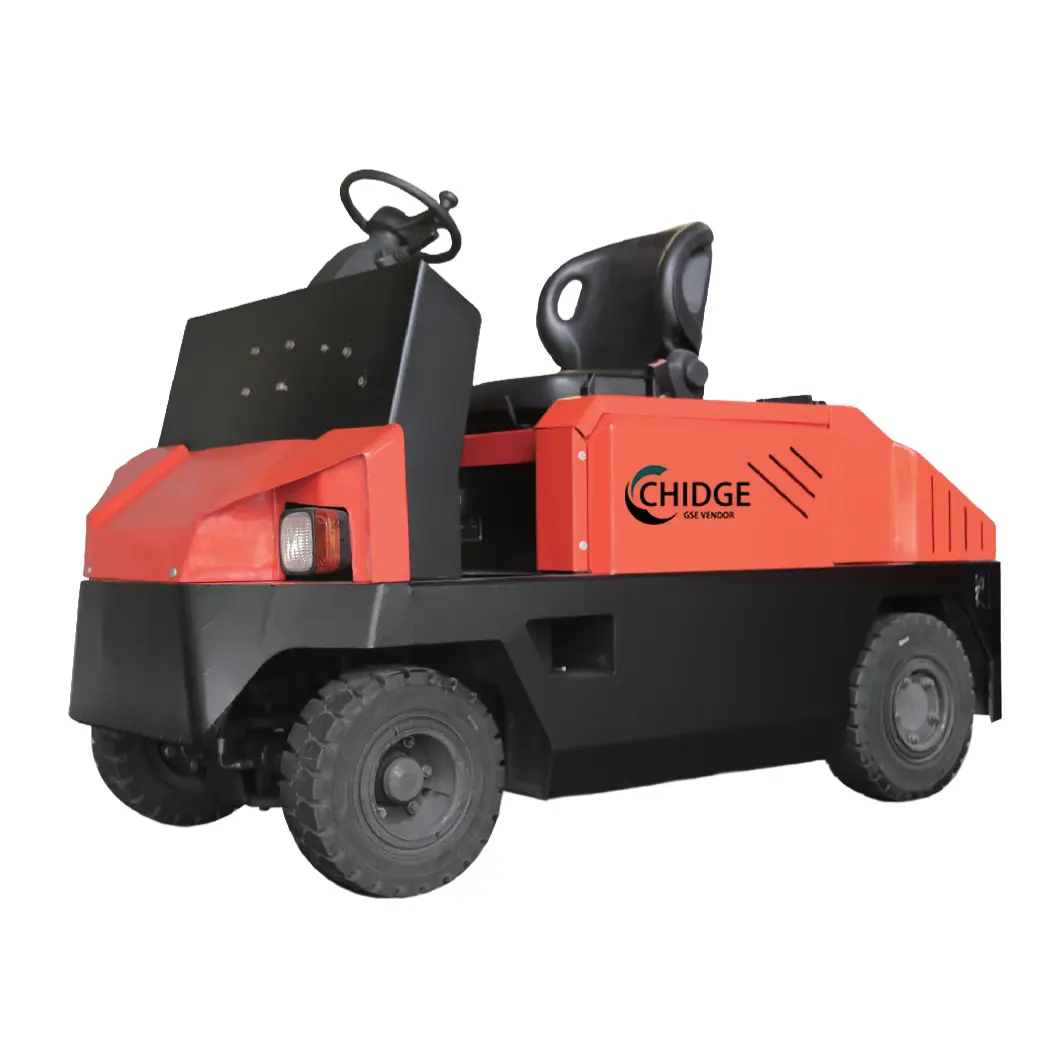
Emission-free electric utility vehicle with high-torque capacity for drawing multiple baggage cart sets simultaneously.
Technical Datasheet →
Heavy duty industrial diesel tractor engineered to pull massive logistical cargo and multiple high-capacity pallet lines.
Technical Datasheet →
Lithium battery powered industrial tow vehicle offering reliable duty cycles for airport baggage handling services.
Technical Datasheet →
Specialized waste handling truck featuring chemical injection loops, large capacity storage, and anti-corrosion tank protection.
Technical Datasheet →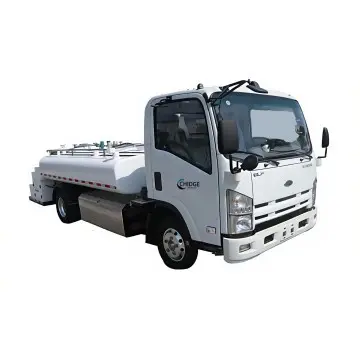
Zero emissions ground servicing vehicle providing sanitizing services to narrow-body and regional passenger jets.
Technical Datasheet →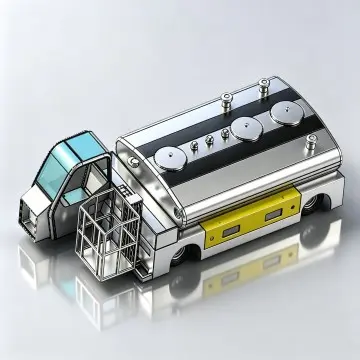
Advanced electric chassis model offering specialized control panels and automated coupling links for high-turnover hubs.
Technical Datasheet →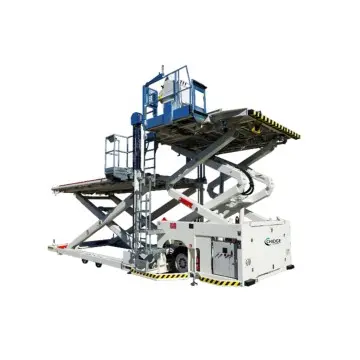
High-lift container and pallet loader capable of elevating heavy cargo weights directly to cargo deck heights.
Technical Datasheet →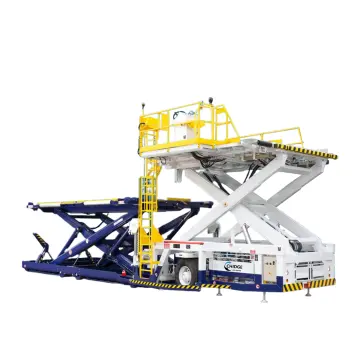
Heavy-cargo system with large weight capacities, automated guidance rollers, and multi-directional leveling platforms.
Technical Datasheet →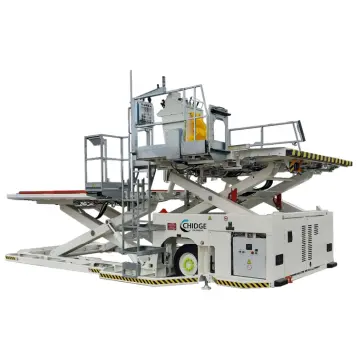
A versatile cargo platform matching cargo deck configurations of primary narrow-body cargo freighter routes.
Technical Datasheet →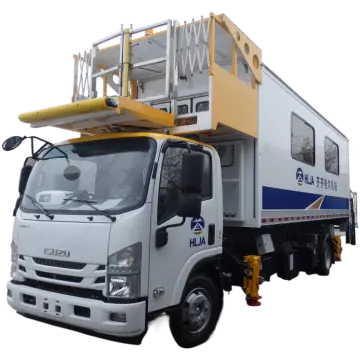
Medical assistance mobility vehicle providing secure, climate-controlled cabin lifting to assist passengers with limited mobility boarding main decks.
Technical Datasheet →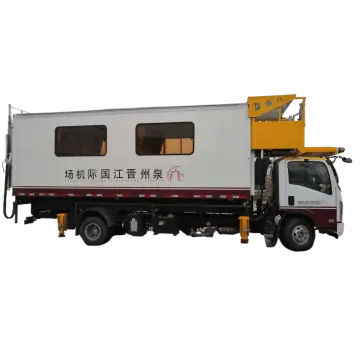
Hydraulic scissor-lift vehicle designed for safe medical access and transport solutions from cabin levels to tarmac buses.
Technical Datasheet →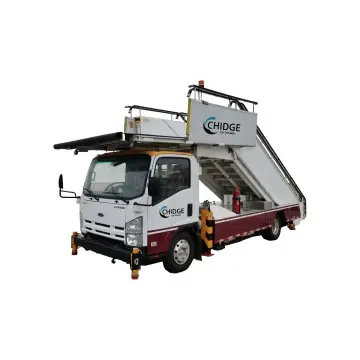
Self-propelled, electric passenger boarding steps featuring non-slip materials, wind-load stability, and height adaptability.
Technical Datasheet →
Engineered diesel passenger boarding platform designed with hydraulic safety locks and wind resistant canopy structure.
Technical Datasheet →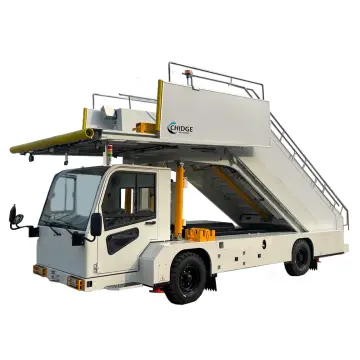
Self-propelled steps offering quick alignment controls and high load bearing capacity to meet peak passenger surges.
Technical Datasheet →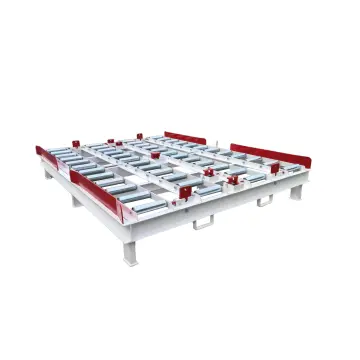
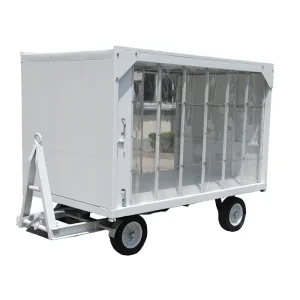
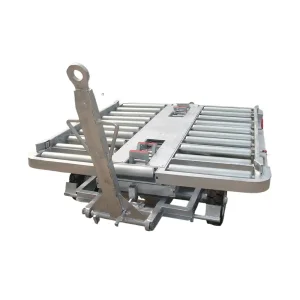
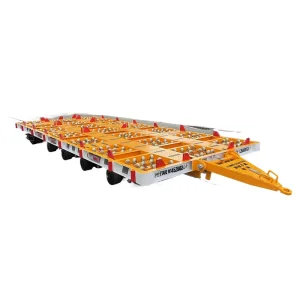
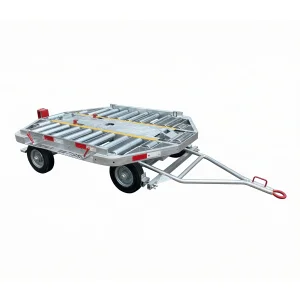
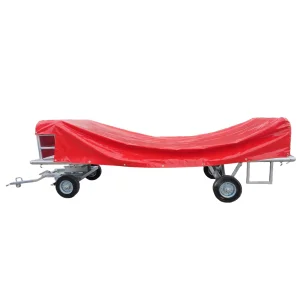
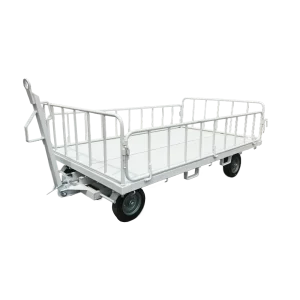
Durable, industrial-grade auxiliary dolly system for standard pallet handling across airport freight networks.
Technical Datasheet →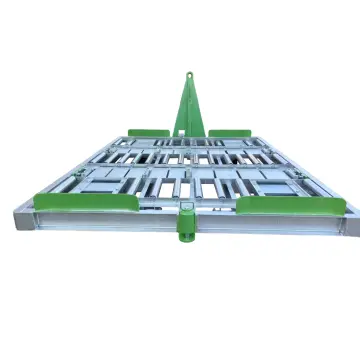
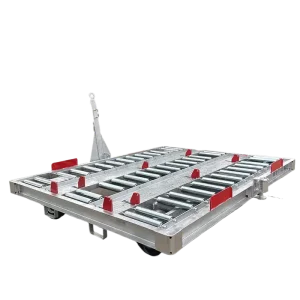
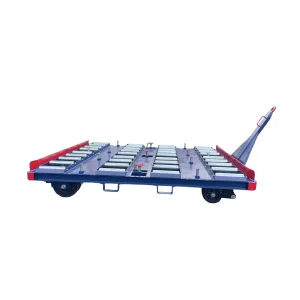
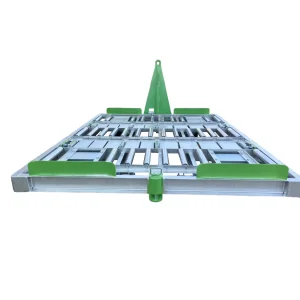
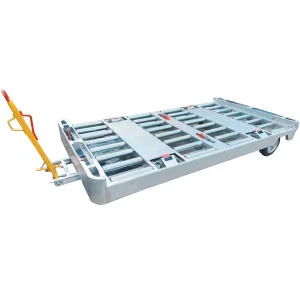
Solid welded construction dolly featuring heavy-load casters, safety locks, and integrated dynamic roller tracks.
Technical Datasheet →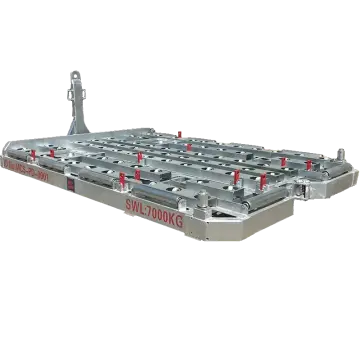
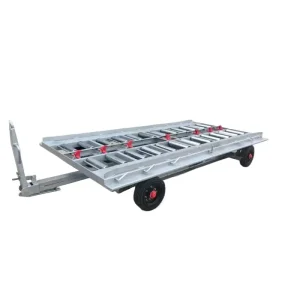
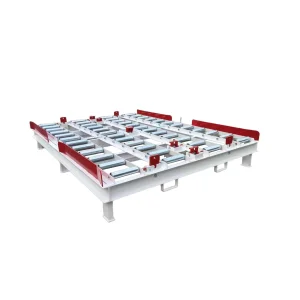
Specialized cargo dolly platform offering high maneuverability and custom lock arrays for container systems.
Technical Datasheet →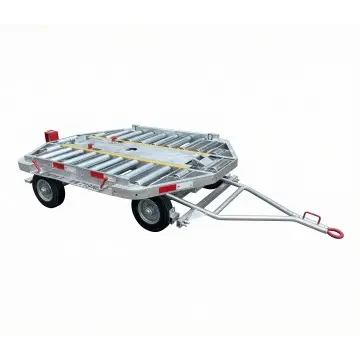
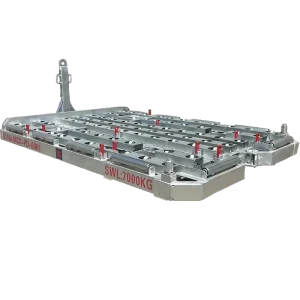
Engineered for seamless ground movements of LD3 aviation cargo containers, offering multi-directional tracking.
Technical Datasheet →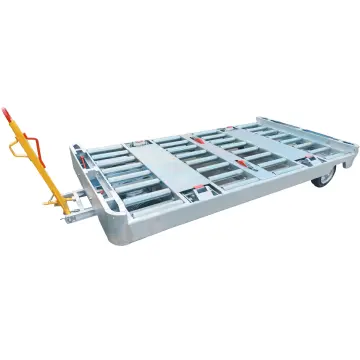
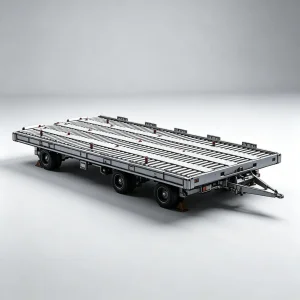
Robust cargo transport structure matching the mechanical constraints of busy ramp distribution centers.
Technical Datasheet →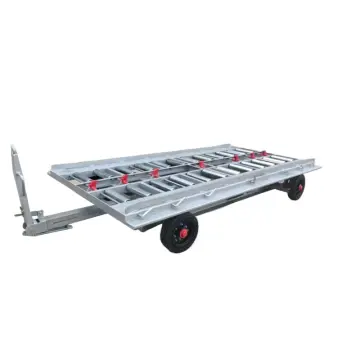
Specifically constructed for high capacity LD6 unit load devices, prioritizing structural stability and operator ergonomics.
Technical Datasheet →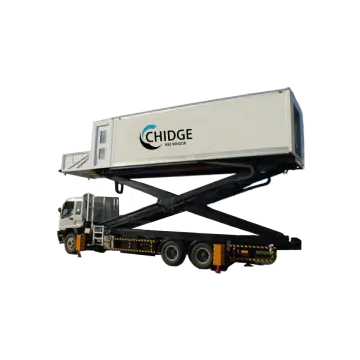
Insulated container body with dynamic hydraulic lift system designed for loading galley provisions onto wide-body passenger jets.
Technical Datasheet →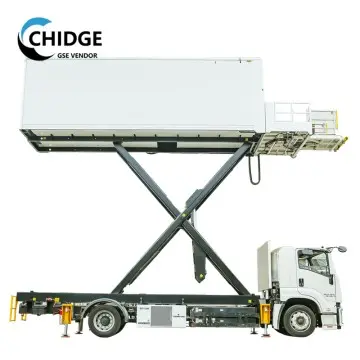
A sustainable, electric powertrain truck built to carry heavy catering weights with accurate docking hydraulics.
Technical Datasheet →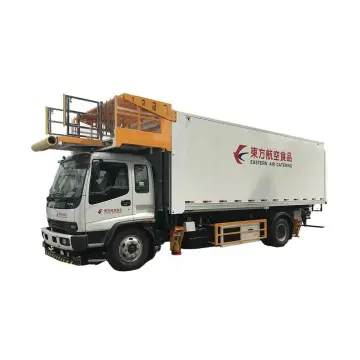
High reliability design matching universal cabin doors heights, complete with side railings and safety interlocks.
Technical Datasheet →The manufacturing process for high-reliability ground power units demands precise engineering, high metallurgical standards, and robust electronic systems. Operating from our advanced factory floor in China, we apply Industry 4.0 processes to build GSE systems that offer high performance at a competitive cost. Utilizing automated precision laser cutting, robotic structural welding, and advanced CNC machining centers, our production facilities ensure high manufacturing quality for every unit produced.
Global supply chain logistics require manufacturers to adapt to fluctuating material costs and transport constraints. We address these challenges through forward-looking material sourcing, localized component ecosystems, and deep integration with primary shipping hubs. This close coordination between our design offices, component suppliers, and assembly lines reduces manufacturing lead times and shields our clients from pricing volatility and shipping delays. When you partner with us, you receive a reliable supply line that ensures your equipment deliveries remain on schedule, even when global logistics are disrupted.
We do not rely on passive quality checks. Every diesel ground power unit undergo a rigorous testing program before leaving our factory floor. This includes full-load testing on our dynamic test beds, where we simulate diverse real-world aircraft electrical demands—from transient load spikes to sustained peak runs. This testing ensures that parameters like voltage regulation, frequency stability (at 400Hz), and automatic shutdown systems perform reliably in real-world airport operations.
We collaborate with airlines, cargo operators, and ground handlers worldwide to design, build, and deliver high-performance GSE solutions.

We work closely with airport authorities and logistics operators, matching custom equipment designs with direct global shipping channels.

Direct access to a comprehensive portfolio of passenger, cargo, and aircraft servicing systems.

Custom fleet solutions designed to minimize aircraft turnaround times and operational bottlenecks.

Turnkey fleet packages, ensuring all tow bars, cargo dollies, and power units work together seamlessly.

Strict structural quality audits coupled with dependable logistical timelines for clear fleet planning.
Apriori operational requirements vary dramatically depending on local climatic conditions. A diesel ground power unit operating in the high-humidity, salt-laden air of an equatorial coastal airport faces very different wear factors than a unit running at a sub-zero airport in northern Canada. As an experienced diesel GPU supplier, we modify our base engineering configurations to match the specific environmental needs of your operation.
In regions like the Middle East or North Africa, ambient temperatures can exceed 50°C, and airborne dust can quickly clog standard cooling systems. For these operating conditions, we deploy heavy-duty engine cooling packages, dual-stage air filtration systems (cyclone pre-cleaners), and sealed electrical enclosures rated to IP65. This prevents fine dust from entering contactors and relays, preventing heat-related shutdowns and maintaining electrical output under high loads.
For operations in cold northern regions, quick engine starts are a primary challenge. Our cold-weather modifications include engine block heaters, fuel heaters, double-wall insulated enclosures, and synthetic low-temperature lubricants. We also install heavy-duty glow plugs and smart battery heating pads, ensuring the diesel engine starts quickly and runs smoothly even at temperatures below -30°C.
Saline air accelerates the corrosion of steel frames, enclosures, and electrical contacts. To protect equipment in coastal zones, we use hot-dip galvanized steel chassis, marine-grade powder-coat finishes, stainless steel hardware, and conformal coatings on all control circuit boards. These design modifications reduce rust formation, extending the operational life of the unit and protecting your capital investment.
We work closely with clients to develop custom equipment profiles that fit specific fleet requirements, spatial constraints, and corporate design standards.
From initial design concepts and finite element analysis (FEA) to pilot testing, certification, and full-scale production, our engineering team manages the entire process to deliver reliable equipment under your own brand.
Technical details, design options, and procurement advice for engineering teams and airport purchasing managers.
Standard commercial aviation systems require a clean 3-phase output of 115/200 V AC at a precise frequency of 400Hz. This power configuration matches the internal electrical grids of aircraft like the Airbus A320 and Boeing 737. For smaller commuter turboprops or business jets, units can also supply 28.5 V DC. Some multi-purpose GPUs feature dual outputs, providing both 400Hz AC and 28.5V DC to service a wider range of aircraft types at the same gate.
Aircraft design prioritizes weight reduction. Operating electrical systems at 400Hz allows the use of much smaller, lighter transformers and alternators compared to standard 50Hz or 60Hz utility systems. This significant weight reduction improves fuel efficiency and increases payload capacity during flight.
To comply with modern environmental regulations at airports in North America and Europe, diesel engines must feature advanced exhaust cleaning systems. These include Selective Catalytic Reduction (SCR) with Diesel Exhaust Fluid (DEF/AdBlue) and Diesel Particulate Filters (DPF). These components reduce NOx emissions and particulate matter by over 90%. While this adds complexity, the resulting systems run cleaner, use less fuel, and comply with local air quality requirements.
With routine engine maintenance, regular filter changes, and alternator inspections, a high-quality diesel GPU can operate reliably for 10 to 15 years, or between 15,000 and 20,000 running hours. Implementing predictive maintenance programs and monitoring engine telemetry remotely can extend this lifespan and reduce unexpected downtime.
Yes. Most modern common-rail diesel engines used in our GPUs are compatible with Hydrotreated Vegetable Oil (HVO) and other paraffinic synthetic fuels without requiring mechanical modifications. Using HVO can reduce net CO2 emissions by up to 90% while maintaining the engine's original performance, torque, and power output.
Stay informed with our engineering and procurement insights covering airport logistics, green diesel advancements, and fleet management.
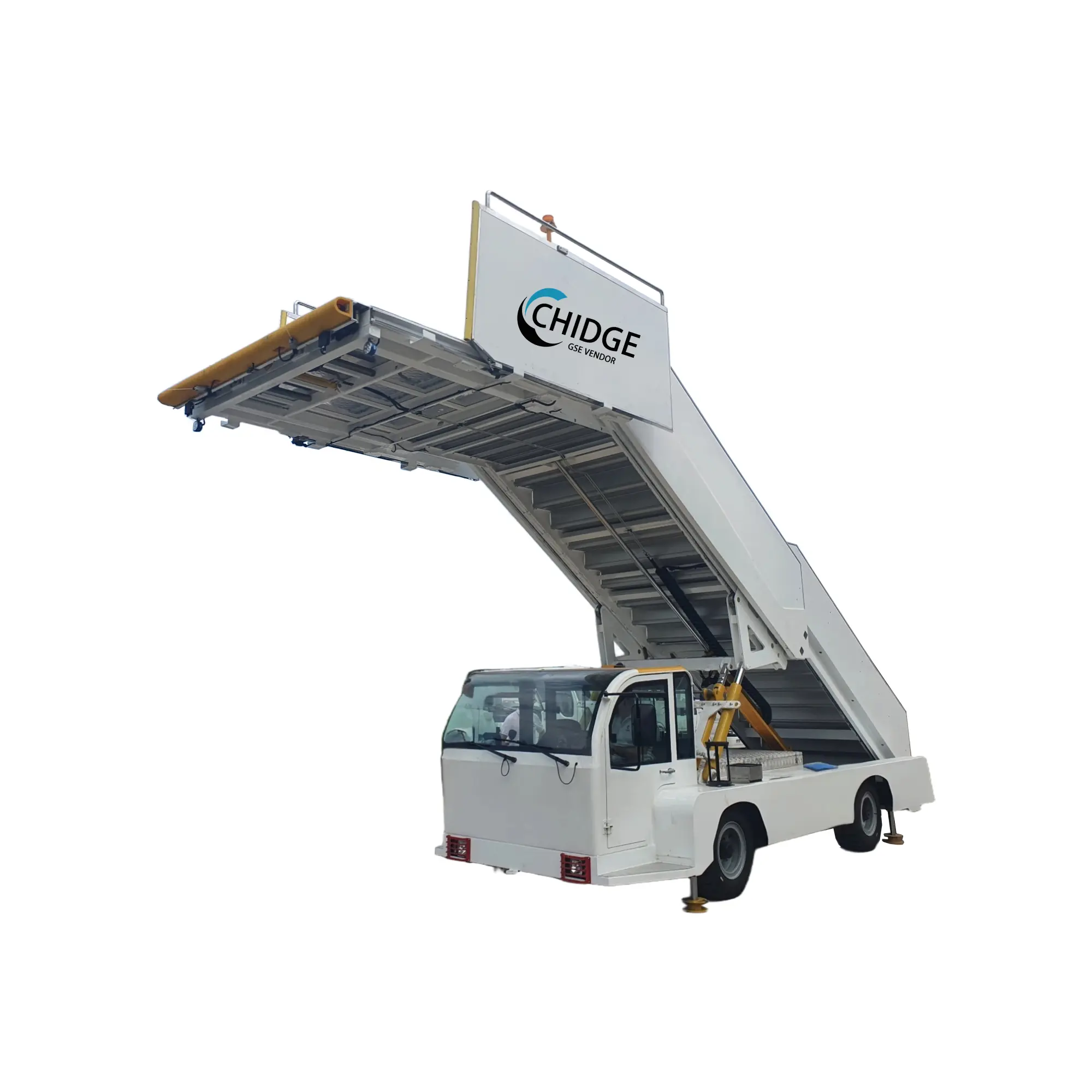
An overview of self-propelled and towable passenger boarding steps. Learn about the structural requirements, hydraulic safety systems, and non-slip surfaces needed to ensure safe passenger boarding under varying weather conditions.
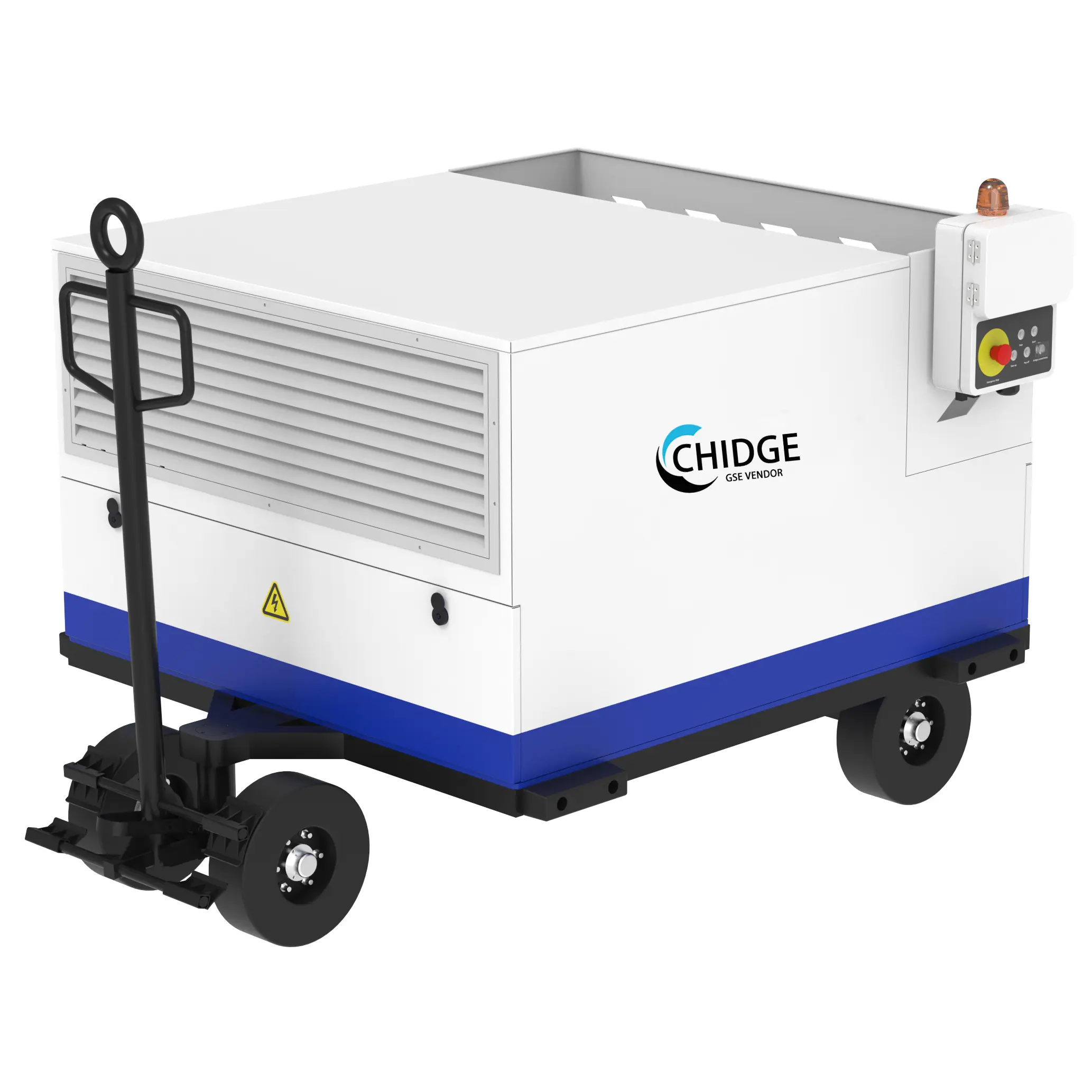
An in-depth look at our towable battery-electric GPU models. Discover how integrated lithium battery packs, smart power management systems, and fast-charging capabilities can reduce operating costs and noise on the ramp.
In the complex ecosystem of aviation operations, ensuring an aircraft is flight-ready involves a multitude of support systems. Among the most critical components in this pre-flight preparation is the Aircraft Ground Power Unit (GPU). These units supply the essential electrical power required for aircraft while parked on the ground, facilitating system checks, pre-flight preparations, and passenger boarding without the need to run the aircraft's main engines. While GPUs come in various forms, truck-mounted solutions have emerged as a particularly versatile and efficient choice for modern airports and maintenance facilities.
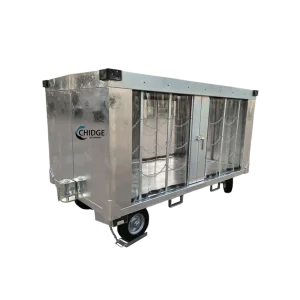
Heavy-duty dollies and baggage carts engineered to streamline ramp operations and cargo distribution networks.
 Chidge Dolly