Explore our high-performance heavy-duty unpowered cargo handling systems. These engineered assets form the backbone of modern freight terminals and airports worldwide.
In the modern, fast-paced logistics ecosystem, the demand for high-efficiency material handling equipment is soaring. Among these, the Close Towing Tractor (often characterized by its closed cabin configuration, integrated protective structures, and tight turning radius) has emerged as an indispensable workhorse. Across international aviation hubs, marine shipping terminals, and massive manufacturing assemblies, these vehicles perform high-capacity tow cycles day in and day out.
Traditionally, open-cockpit towing designs were standard. However, evolving global safety standards—such as the occupational health rules enforced by OSHA in North America and EU Directives in Europe—have catalyzed a definitive pivot toward enclosed-cabin (close) towing tractors. Closed cabins protect operators from harsh environmental hazards, reduce noise fatigue, and insulate against cold, rain, and extreme heat. This structural configuration directly preserves labor health, minimizes operational downtime, and maintains consistent productivity in sub-zero winter temperatures or scorching tropical rains.
Concurrently, the integration of Smart Fleet Telematics is reshaping operational protocols. Global hub managers now look beyond basic physical tractive force; they require intelligent close towing tractors equipped with CAN-bus integration, real-time tracking, collision avoidance systems, and optimized battery-saving systems. As airports transition toward target-zero carbon emissions, manufacturers are shifting production lines to electric (LiFePO4) close towing models, creating a high-barrier-to-entry manufacturing market.
Engineered to meet international IATA AHM, CE, and ISO guidelines for seamless cross-border logistics integrations.
With a legacy spanning over two decades, Shanghai Chidge Industries Co., Ltd. stands at the vanguard of ground support equipment (GSE) manufacturing. We deliver state-of-the-art powered and unpowered logistics solutions to leading airlines, major airports, and high-capacity global distribution hubs.
Founded in 2006, our engineering teams possess deep technical insight into aircraft interface systems, cargo dynamics, and specialized towing tractor applications.
From premium grade steel selection to final dynamometer tractive testing, every powered tractor and dolly complies with strict international QA protocols.
Continuous R&D investments allow us to integrate advanced features like lithium-ion battery management systems, intelligent anti-jackknifing control, and ergonomic cabin consoles.
We maintain end-to-end service support—delivering customized engineering alterations, rapid spare part replacement networks, and responsive engineering consultations globally.
Beyond close towing tractors, we engineer unpowered equipment (trailers, pallet dollies, container dollies) and powered assets (lifting platform vehicles, belt loaders, catering trucks).
Procurement professionals navigating the global supply market consistently turn to Chinese manufacturers for close towing tractors. This structural preference is not simply a matter of base pricing; it is driven by systemic, structural advantages inherent to China’s industrial ecosystem.
Chinese GSE factories are situated within highly optimized manufacturing clusters. All crucial components—from high-strength structural steel, heavy-duty planetary axles, and customized industrial cabins, to cutting-edge electronic powertrains—are sourced within a tight geographical radius. This integration minimizes internal logistics costs, accelerates prototype iteration cycles, and guarantees raw material availability.
At Shanghai Chidge Industries Co., Ltd., we combine large-scale standardized production with custom engineering agility. Clients requesting modifications—such as specific drawbar pull capacities, specialized dual-cabin configurations, localized battery management system (BMS) integrations, or specialized coupling mechanisms—can rely on our dynamic production lines. This adaptability is highly cost-effective, allowing us to supply tailored equipment at a fraction of the cost of Western OEMs.
Modern Chinese factories leverage heavy automation. Robotic structural welding, automated chassis powder coating, and laser cutting systems ensure structural consistency down to the millimeter. This precision directly translates to long-term chassis durability under extreme torsional stress—a key requirement for close towing tractors moving heavy baggage lines day after day.
Close towing tractors serve diverse application environments. Designing these systems requires understanding these specific operating profiles:
On congested airport ramps, tight operating schedules require equipment that can run continuously. Close towing tractors pull luggage carts, postal trailers, and unit load devices (ULDs) from sorting facilities directly to the aircraft fuselage. The fully enclosed, climate-controlled cabins isolate drivers from deafening jet noise, high wind speeds, and jet fuel emissions, maintaining driver focus and reducing ground handling accidents.
In global supply chains, e-commerce sorting centers require continuous cross-docking operations. Tractors must pull long trains of unpowered dolly carts loaded with high-density ocean freight or intermodal parcels. Their heavy-duty drivetrains and close-coupled chassis profiles allow them to negotiate narrow transfer aisles, sharp warehouse doorways, and steep outdoor access ramps without losing traction.
Industrial assembly plants require reliable transport of engine components, heavy chassis segments, and metal stampings from foundry areas to final assembly lines. The high drawbar pull of close towing tractors, combined with clean electric drivetrains, makes them ideal for indoor-outdoor industrial environments. They emit zero pollutants indoors while providing the power needed to ascend steep ramps outside.
In regions with extreme winters, moving sensitive pharmaceutical or food cargo requires high-speed ramp transport to prevent exposure. Here, close towing tractors with integrated heater-defroster cabins work alongside rainproof, insulated container dollies. They move perishables between temperature-controlled warehouses and aircraft holds without breaking the thermal envelope.
The global GSE sector is undergoing a rapid technological evolution, guided by sustainability goals and efficiency imperatives.
Our advanced production facilities are aligned with global Net-Zero initiatives, supplying heavy-duty electric tractors to eco-conscious aviation fleets.
Procuring close towing tractors at wholesale scale requires analyzing performance specs against local operating requirements:
The primary performance metric is the Drawbar Pull rating (typically ranging from 20 kN to over 45 kN for cargo models). Procurement teams must calculate the maximum weight of the loaded trailer trains, taking into account ramp inclines, starting friction, and local wind conditions, to choose the correct model.
For electric towing fleets, battery system architecture is key. Look for high-voltage systems (80V to 120V) that support rapid opportunity charging. This allows operators to top up battery levels during shift handovers or breaks, keeping equipment in service 24/7 without battery swaps.
An operator-first cabin layout directly boosts efficiency. Essential safety features include ROPS (Roll-Over Protective Structures) and FOPS (Falling-Object Protective Structures), a low-chassis stepping height, adjustable suspension seating, clear 360-degree sightlines, and rear-view camera systems.
When seeking a business partner, it's important to conduct thorough due diligence and ensure that the partnership aligns with your long-term business goals.
Browse through these frequently asked questions regarding close towing tractors, unpowered dolly systems, and manufacturing standards.
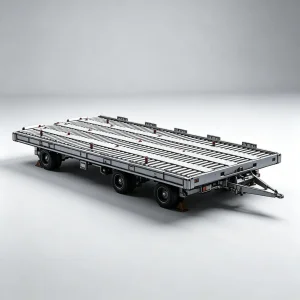
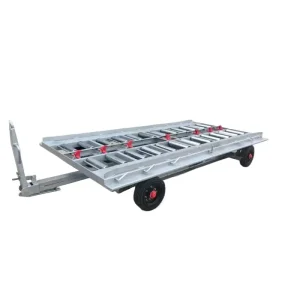
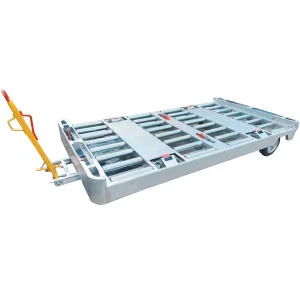
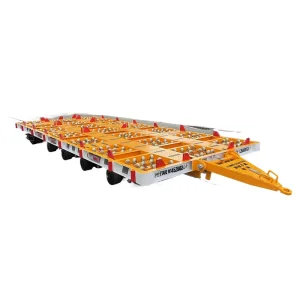
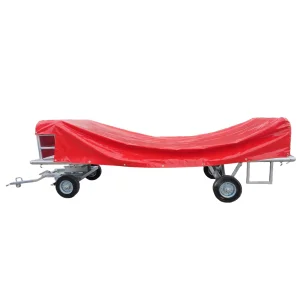
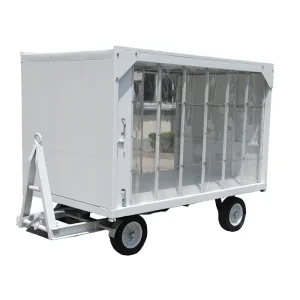
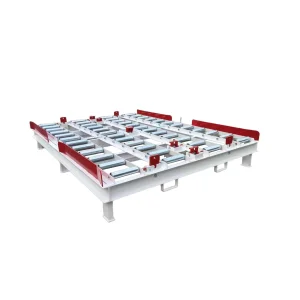
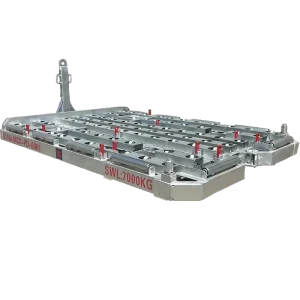
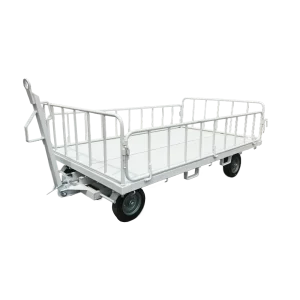
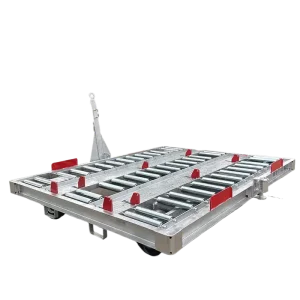
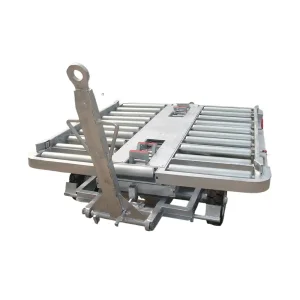
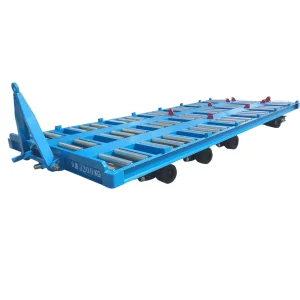
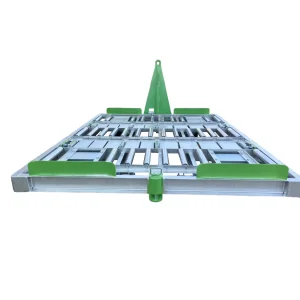
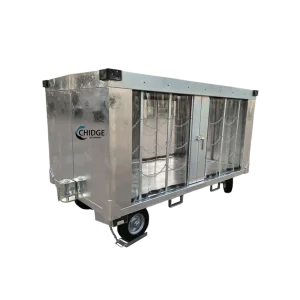
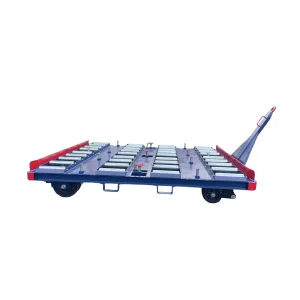
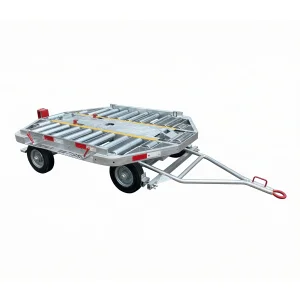
Browse our complete selection of unpowered ground support equipment. These units are built to withstand heavy daily use in demanding ramp environments.
 Chidge Dolly