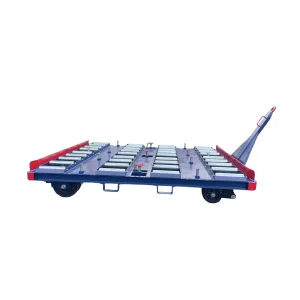
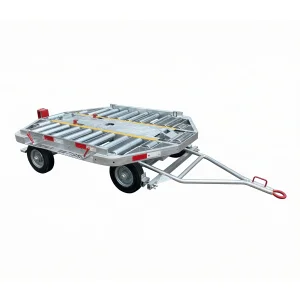
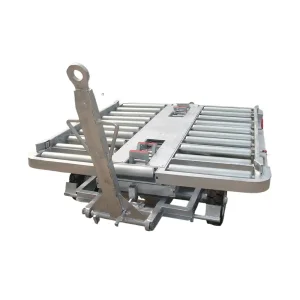
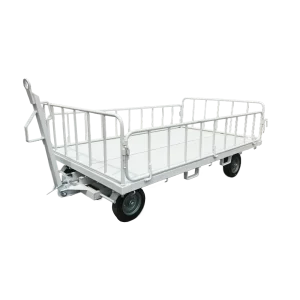
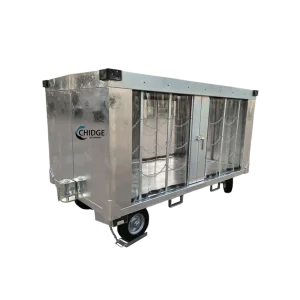
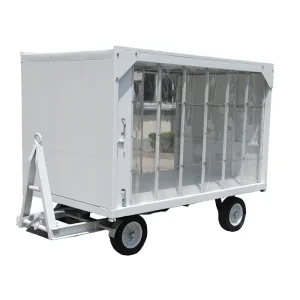
Premium dollies, cargo carts, and specialized runway handlers optimized for high-throughput logistics hubs.
Analyzing high-capacity drawbar pull, system dynamics, and thermal efficiency under severe runway environments.
In the high-intensity ecosystem of modern airport ground support operations, the CD-T150 Aircraft Towing Tractor represents a crucial evolution in flight turnaround efficiency. Engineered primarily to manage the pushback and towing demands of narrow-to-medium-body aircraft fleets (spanning regional jets up to transcontinental passenger airliners), the CD-T150 acts as the operational workhorse for airlines and ground handlers globally. Grounded in precise mechanics and heavy-duty structural engineering, this towing tractor achieves its high performance through optimization across three key parameters: drawbar pull (DBP) capacity, hydraulic steering redundancy, and powertrain torque management.
To achieve a nominal tow capacity suitable for aircraft payloads exceeding 150 metric tons, the CD-T150 relies on a specialized low-slung steel monocoque chassis. The low center of gravity mitigates structural pitch and yaw forces encountered during rapid decelerations or on wet ramps. The calculation of required tractive effort ($T_e$) for safe operations factors in rolling resistance, runway gradient, and local slip parameters. Our design team guarantees a sustained tractive efficiency exceeding 92% even under 3-degree ramp inclines with headwind forces up to 45 knots, verifying the CD-T150's role as a robust and reliable pushback solution.
An expert-level engineering comparison of operational parameters, safety systems, and hydraulic specifications.
| Performance Specification | CD-T150 Aircraft Towing Tractor | Standard Industry Alternatives | Operational Impact |
|---|---|---|---|
| Nominal Tractive Effort | 120 kN to 150 kN (Drawbar Pull) | 90 kN to 110 kN | Allows handling of heavier aircraft in adverse weather conditions. |
| Powertrain Configurations | Deutz/Cummins Tier 4F/Stage V or Lithium Iron Phosphate (LiFePO4) | Tier 3 Diesel Only | Reduces carbon emissions and complies with local green airport mandates. |
| Steering Modes | 2-Wheel, 4-Wheel Crab, and Coordinate steering | 2-Wheel Front Steering Only | Improves maneuverability on congested airport ramps. |
| Braking Architecture | Dual-circuit wet disc brakes with secondary safety accumulator | Dry drum brakes | Ensures wear resistance and provides fail-safe stopping distance. |
| Telematics Integration | CAN-bus digital system with real-time remote diagnostics | Analog meters, no telematics | Enables predictive maintenance and minimizes unplanned downtime. |
Review the comprehensive catalog of GSE systems designed to interface with your airside operations.
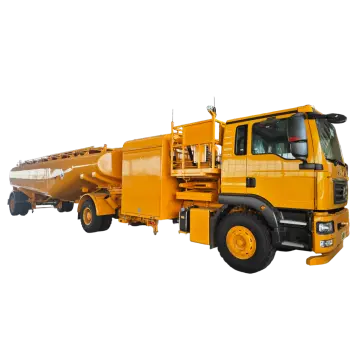
Consists of a high-strength chassis and oil tanks, a pumping system, a control system, and an operating part. Featuring filtration, metering, refueling, pumping, self-circulation, and dual pressure control.
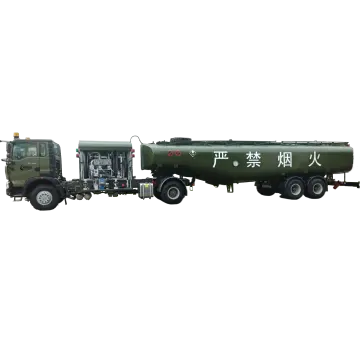
Engineered for high-volume fueling operations, utilizing advanced electronic safety interlocking and fine particle filtration elements conforming to international JIG standards.
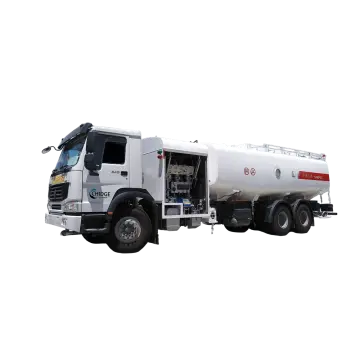
Integrates high-capacity pumps with automated safety bypass loops, guaranteeing continuous flow regulation during critical widebody aircraft refueling phases.
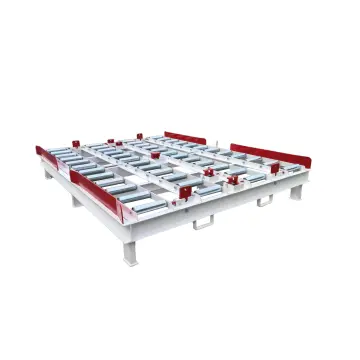
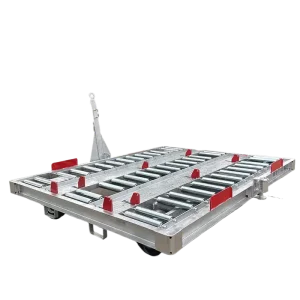
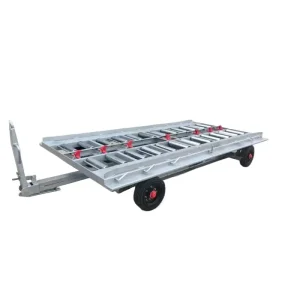
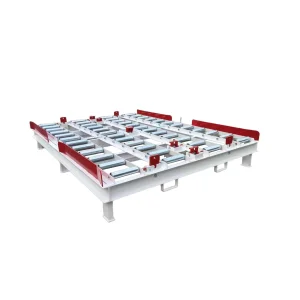
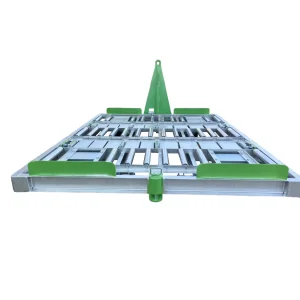
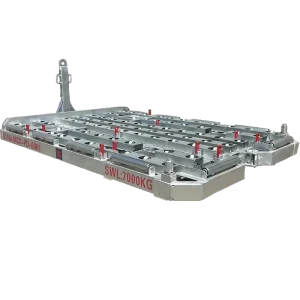
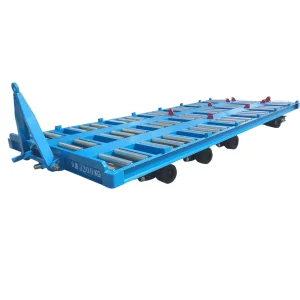
Designed for air cargo warehouses and apron logistics, enabling rapid movement of heavyweight standard pallets.
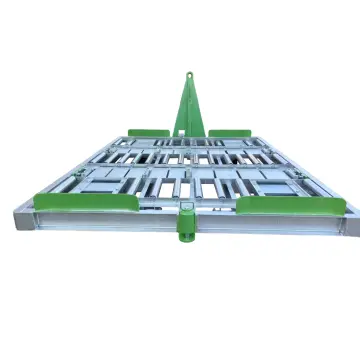
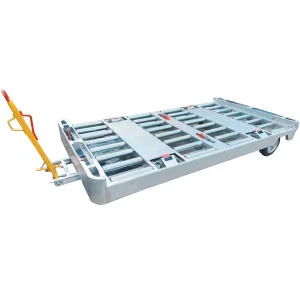
Heavy-duty, wear-resistant zinc-plated roller platform with structural channel frame for high durability.
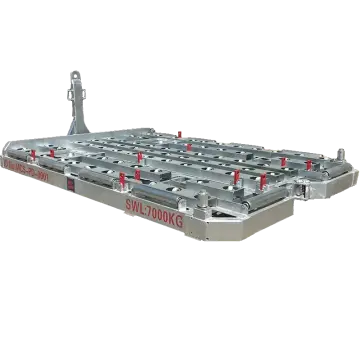
Features castle-pattern high-durability swivel casters for bi-directional rotation and effortless alignment of heavy pallets.
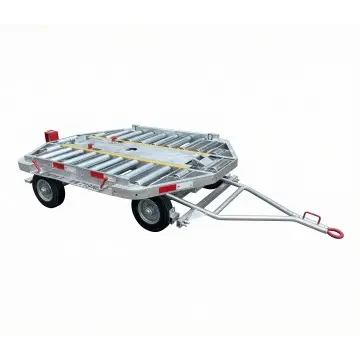
Specifically size-optimized for standardized LD3 air cargo containers, offering secure locking mechanisms.
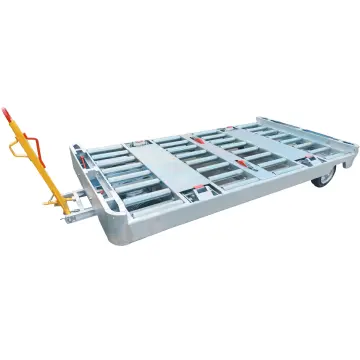
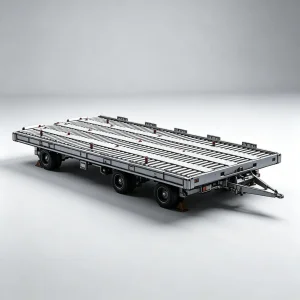
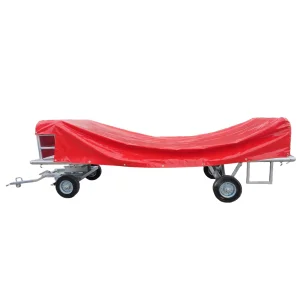
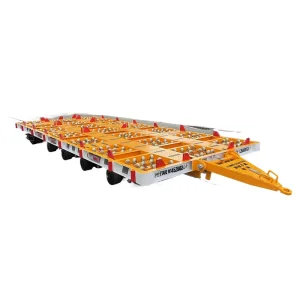
Reinforced dual-axle container trailer designed to withstand high impact loading forces during aircraft deboarding.
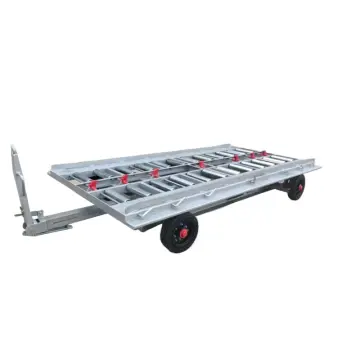
Engineered for wider footprint LD6 air container formats, featuring specialized guide rails and locking systems.
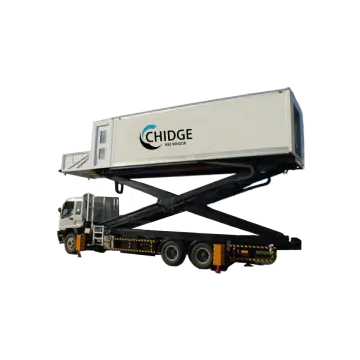
High-lift insulated scissor mechanism ensuring smooth container alignment with cabin doors up to Airbus A380 heights.
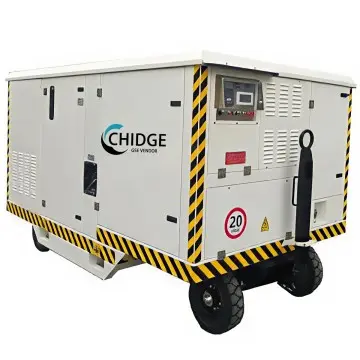
Provides highly efficient heat energy supply directly to aircraft cabin interiors during extreme cold weather stops.
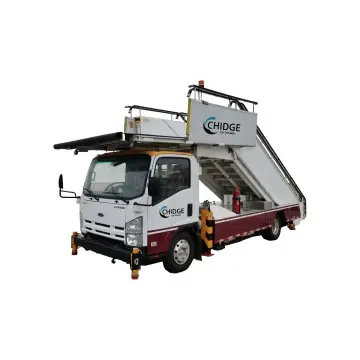
Electric propulsion passenger boarding steps with slip-resistant stair treads and telescopic platform stability locks.
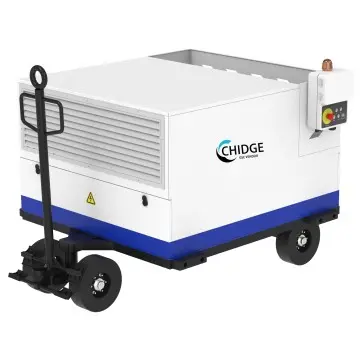
Battery-stored emission-free solid-state ground power supply providing clean 400Hz electricity for parked aircraft.
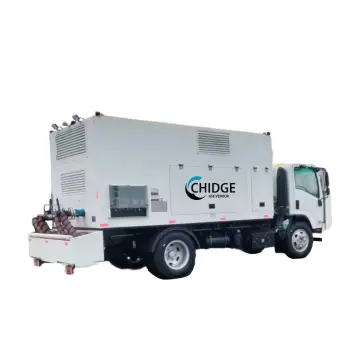
Delivers high-pressure pneumatic air supply required to safely start main aircraft jet engine systems.
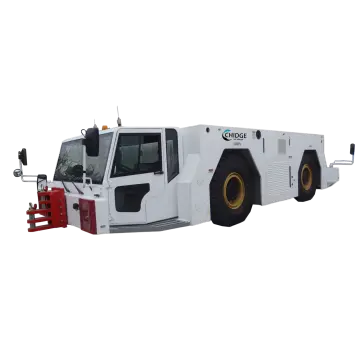
Heavy-duty airfield tractor designed for widebody passenger and military cargo aircraft pushback maneuvers.
Driving airport operations towards decarbonization, autonomous taxiing, and digital twin system integration.
The roadmap for the CD-T150 series shifts towards solid-state lithium chemistry, doubling cycles, reducing fire risks on active ramps, and supporting ultra-fast 150kW DC opportunity charging.
Integrating LiDAR, GNSS arrays, and obstacle collision-avoidance algorithms to enable pilotless pushback operations, minimizing human errors in airport ground routing.
By treating idle CD-T150 fleets as mobile energy storage systems (BESS), modern airports can feed power back to the grid, optimizing peak energy usage.
Aligning airside vehicle movement with airport collaborative decision making (A-CDM) frameworks.
Ground handling delays cost commercial aviation airlines billions annually. The CD-T150 Aircraft Towing Tractor directly addresses airside congestion through seamless integration with A-CDM (Airport Collaborative Decision Making) protocols. Equipped with GPS tracking and automated payload detection, the tractor reports status changes directly to the airport tower. This ensures the pushback starts exactly when clearance is granted, reducing unnecessary engine idle times.
Additionally, the CD-T150 series meets the stringent requirements of the IATA Airport Handling Manual (AHM) 910, 913, and 915 safety standards. The anti-collision system uses dual-zone microwave radar sensors to detect ground personnel and baggage carts in the vehicle’s path. If a risk is identified, the system automatically slows down or stops, preventing costly ramp incidents.


How our advanced industrial production cluster ensures precision engineering and cost-effective customization.
Sourcing your GSE fleet from our state-of-the-art facilities in China provides clear logistics and pricing advantages. Our factory relies on advanced manufacturing techniques, utilizing automated welding robots and high-precision CNC machining centers. This guarantees consistent structural strength across every chassis we build. By maintaining direct integration with local steel production and component manufacturing hubs, we reduce raw material lead times and buffer against global supply chain challenges.
We offer comprehensive OEM and ODM customization services to tailor our products to your specific operational needs. Whether your airport requires specialized hydraulic connections, extreme cold-weather starting kits, or custom fleet colors, our engineering team handles the design, simulation, testing, and production in-house. This complete cycle speeds up delivery times and lowers overall procurement costs.
Ensuring compliance with local emissions, road safety, and airport authority requirements globally.
Every tow tractor and unit shipped complies with critical international standards, including CE machinery directives, EPA Tier 4 Final/EU Stage V emissions, and OSHA safety protocols, ensuring smooth approval from local civil aviation authorities (CAA).
We maintain regional spare parts warehouses across Europe, the Americas, and Southeast Asia. Critical parts, including hydraulic valves, steering sensors, and brake pads, can be shipped within 24 to 48 hours to minimize vehicle downtime.
Our field service team provides on-site commission support and hands-on maintenance training for airport technicians, ensuring operators are fully prepared to run and maintain the equipment safely.
How airport purchasing departments can optimize their capital investments for GSE acquisitions.
When selecting a tow tractor fleet, comparing initial purchase price alone can lead to higher operational costs over time. Savvy B2B procurement managers use a Total Cost of Ownership (TCO) approach, evaluating costs over a standard 10-year service life. This analysis should weigh the initial capital expense (CAPEX) against ongoing operational expenses (OPEX), such as preventive maintenance, spare parts, fuel consumption, and technician training.
By choosing the CD-T150, ground handlers can lower maintenance costs through standard onboard diagnostics and highly durable hydraulic components. Additionally, the option to configure the tractor with an electric powertrain (LiFePO4 battery) helps airports reduce fuel costs and supports carbon-offsetting initiatives.
Stay informed with technical insights and operational guidelines for modern ground support fleets.
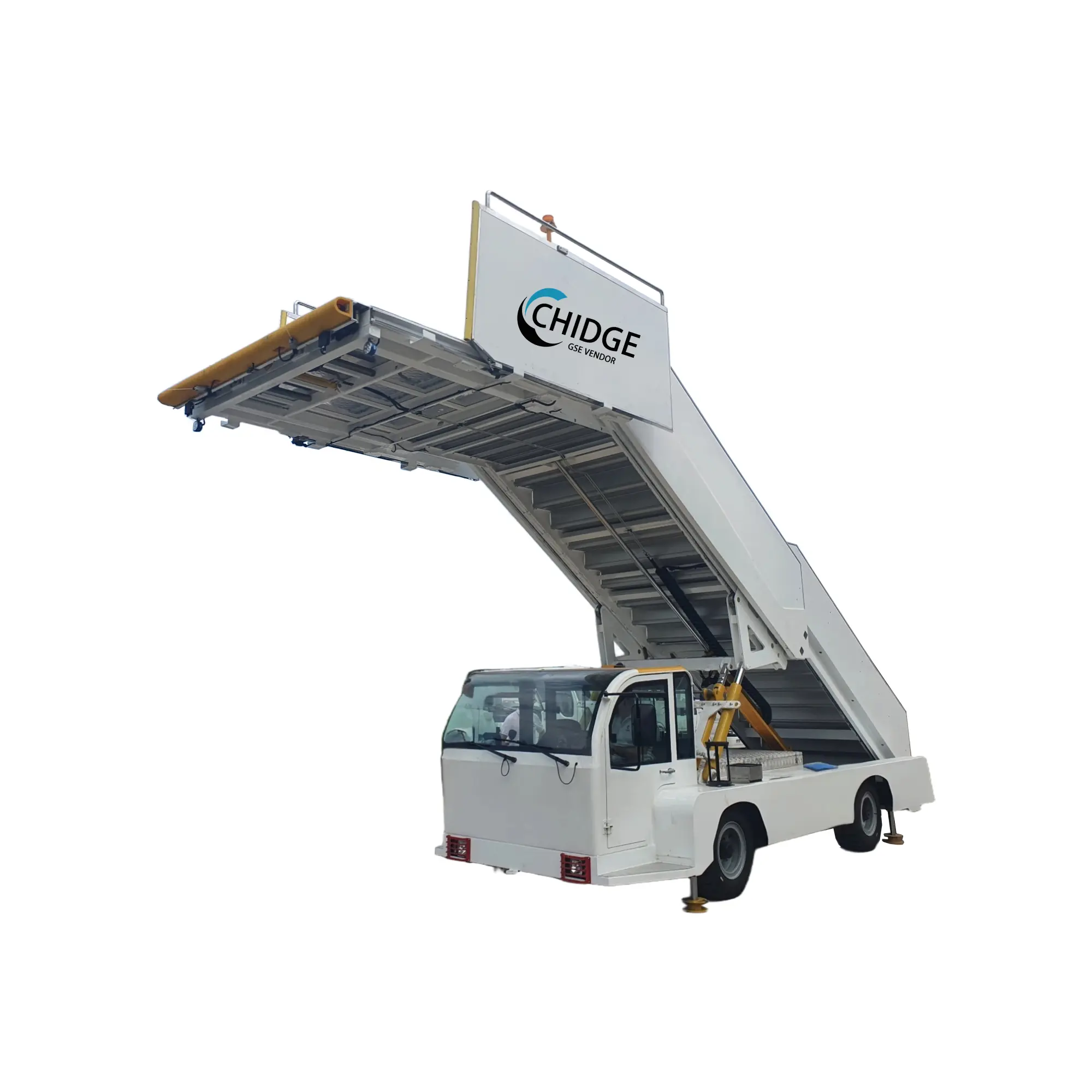
An in-depth analysis of towable and self-propelled passenger steps, reviewing safety mechanisms, stability locks, and height adjustment ranges.
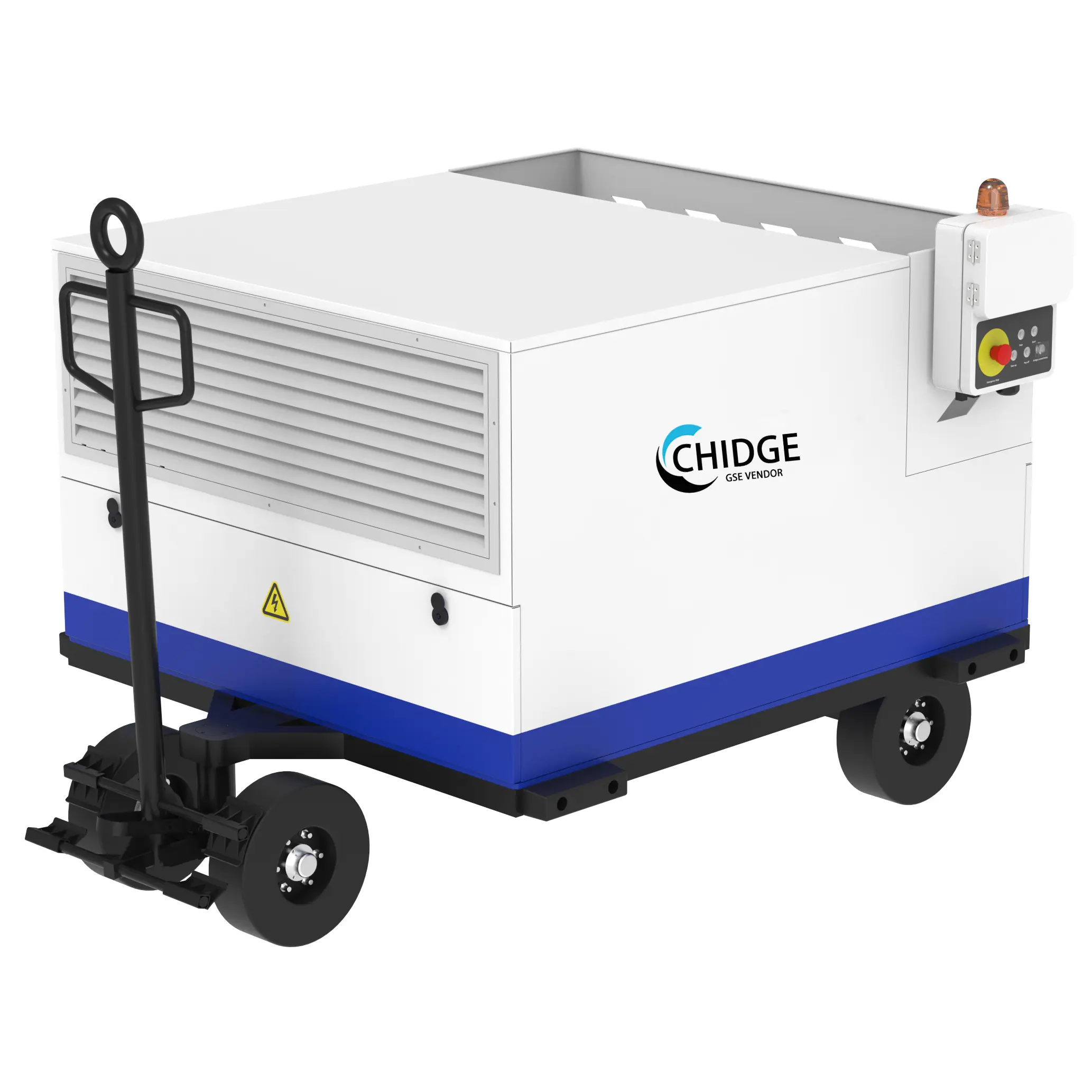
Discover how modern battery-buffered towable ground power units (GPUs) lower operational emissions during regional flight turnaround cycles.
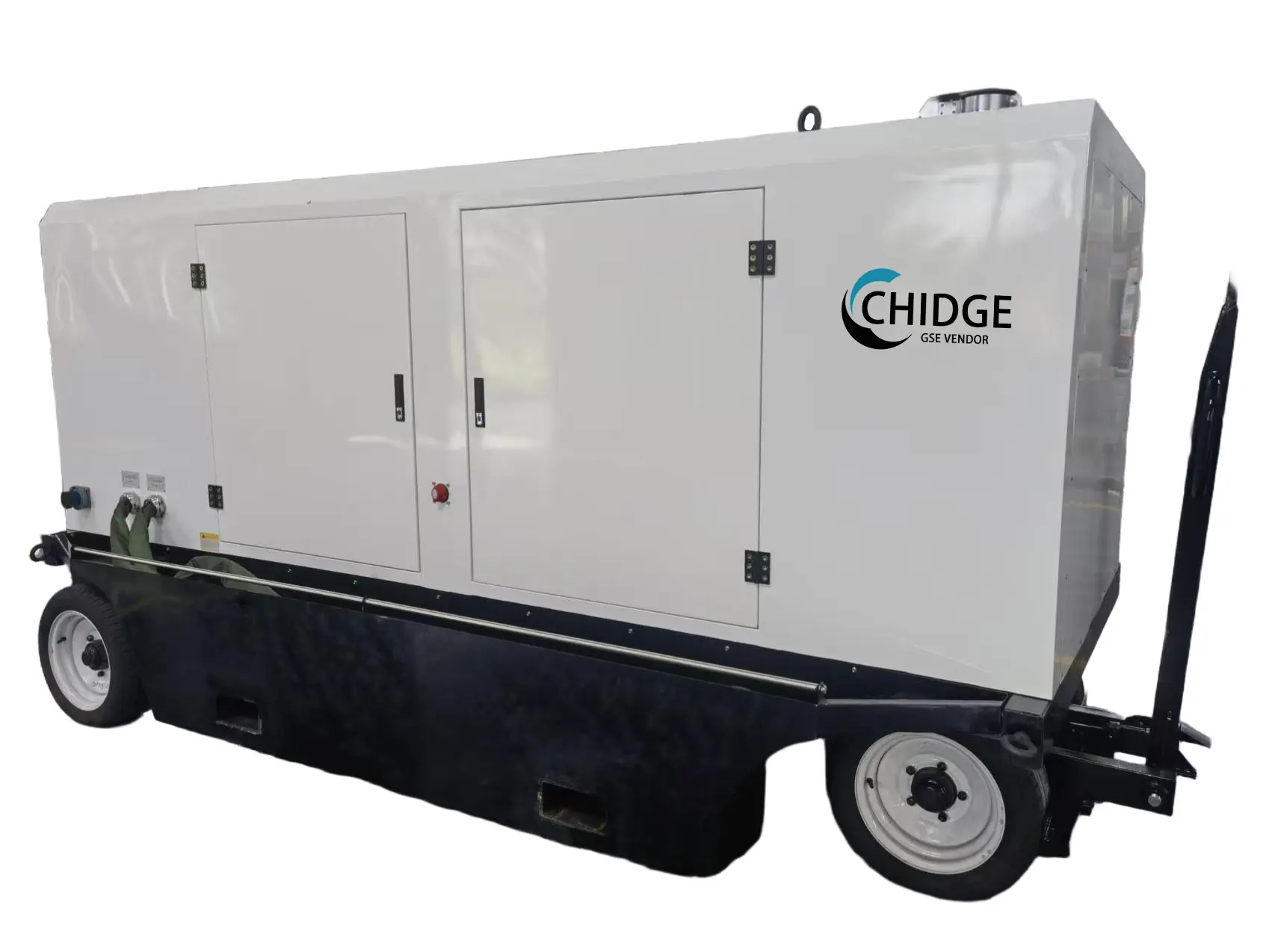
Modern ground power units (GPUs) supply clean, continuous power to parked aircraft, allowing operators to shut down main engines and save fuel during pre-flight prep.
Direct technical answers from our engineering team regarding the operation and maintenance of the CD-T150 series.
Retaining our complete manufacturing line of container dollies, baggage carts, and specialized tow trailers.
 Chidge Dolly