Explore our robust series of engineering solutions engineered to withstand demanding airfield payloads and continuous operational cycles.
Modern terminal operations require zero-fault logistics chains. Inside international hub airports, Baggage Handling Systems (BHS) serve as the arteries of passenger operations. When procuring baggage conveyor belts in bulk from global manufacturers, airline conglomerates, logistics integrators, and port authorities evaluate dynamic physical parameters including tensile configuration, flame retardancy ratings, surface friction coefficients, and sound emission profiles. As a premier manufacturer, we specialize in high-performance synthetic multi-ply belts developed to minimize downtime and control total cost of ownership (TCO).
Industrial transport environments are aggressive. Belts face constant abrasion, extreme loading impacts, variable temperature ranges, and complex mechanical trajectories such as tight-radius curves, vertical inclines, and high-speed merges. High-caliber manufacturers focus on rubber and thermoplastic polymer formulations (such as PVC, polyurethane, and custom elastomers) that withstand the operational wear and tear associated with continuous passenger luggage flow.
The core structural component of any baggage conveyor belt is its carcass, which provides the necessary tensile strength and structural memory. Our engineering processes prioritize synthetic fabric structures that prevent elongation and tracking deviations.
Utilizing warp polyester (E) and weft polyamide (P) woven fibers, our EP carcass belts provide low elongation rates under high mechanical loads, exceptional impact resistance at transition junctions, and long-term dimensional stability.
Engineered in absolute compliance with ISO 284 for electrostatic dissipation and DIN EN 20340 (or ISO 340) for fire safety. Under friction or engine heat, our compound formulations self-extinguish within seconds to eliminate safety hazards in complex baggage tunnels.
Equipped with sound-absorbent bottom plies, these belts mitigate high-frequency acoustic emissions in terminal spaces and passenger check-in desks. This specialized material structure reduces friction over sliders, lowering motor power consumption by up to 18%.
Additionally, the surface pattern of the belt plays a vital role in bag stability. While flat smooth belts are ideal for horizontal sorting and scanning modules, ribbed, check, crescent, and high-grip textured profiles are essential for incline and decline stages. By utilizing computer-aided pattern design, we customize friction performance to manage varied materials such as hard-shell luggage, duffle bags, and heavy cargo wraps.
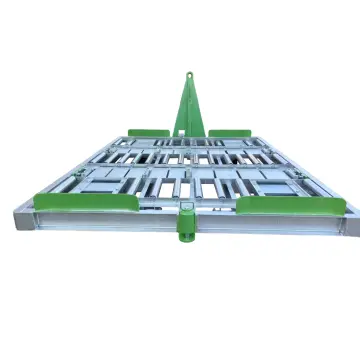
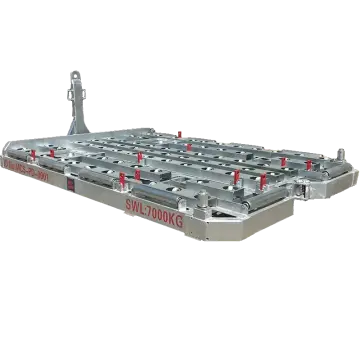
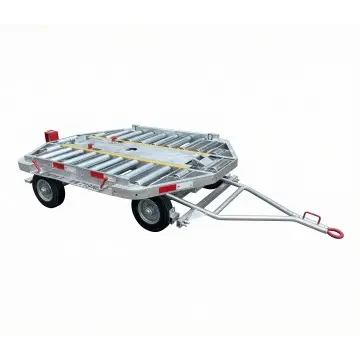
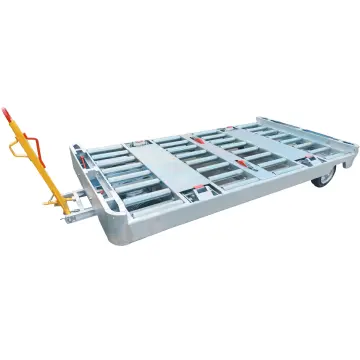
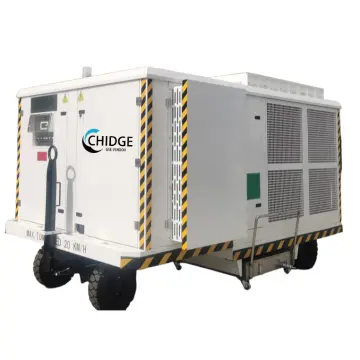
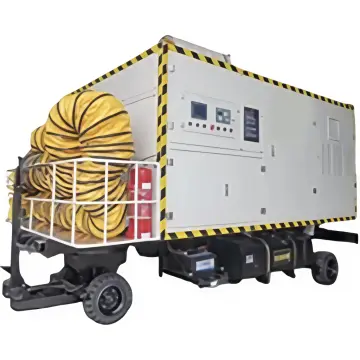
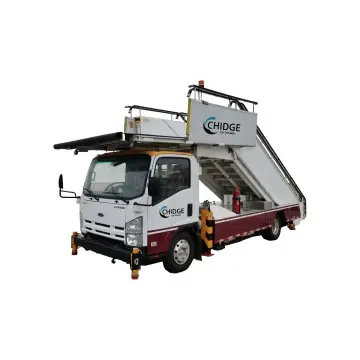
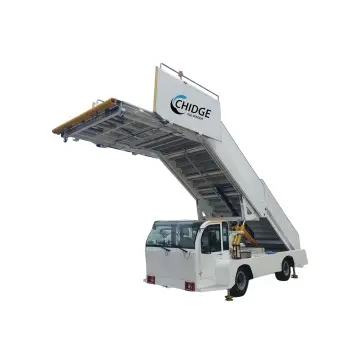
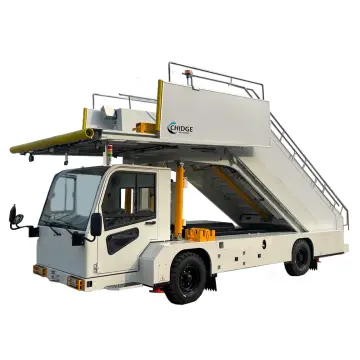
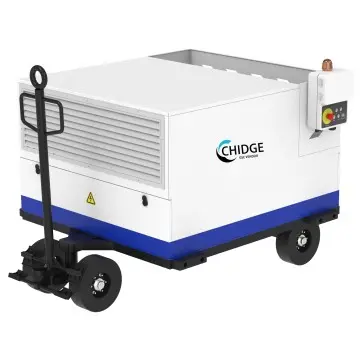
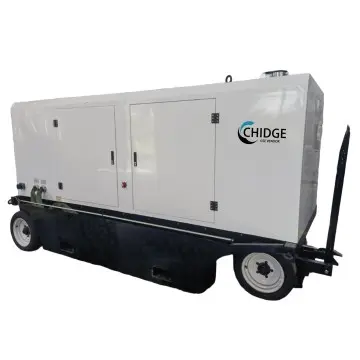
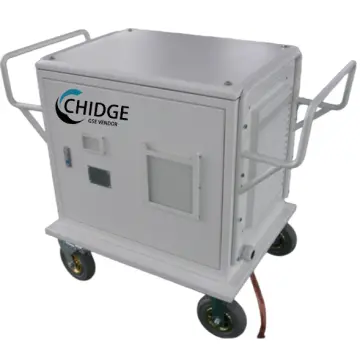
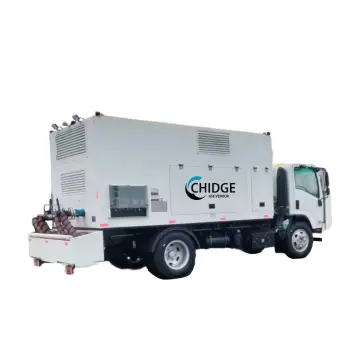
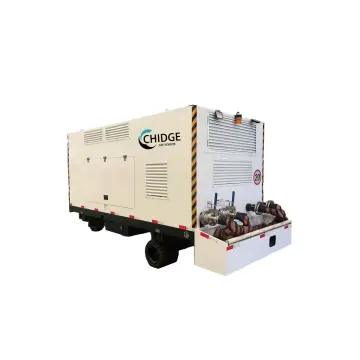
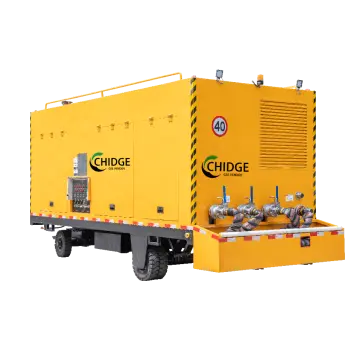
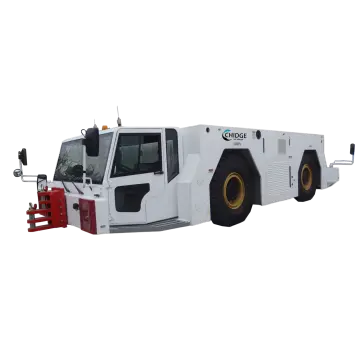
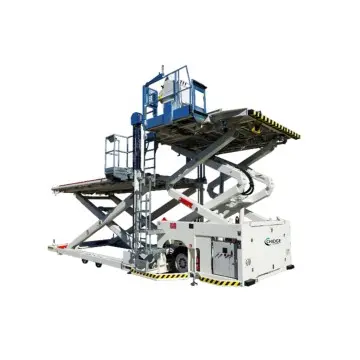
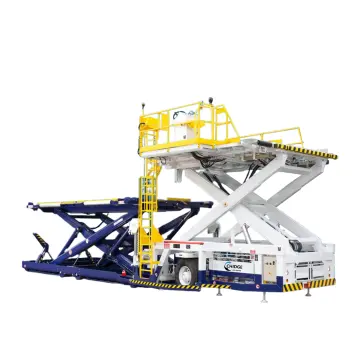
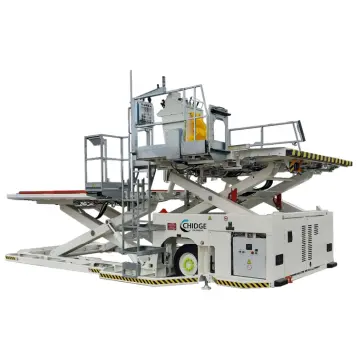
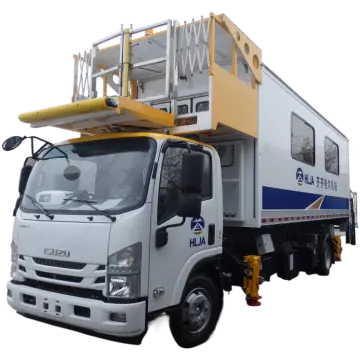
Bridging the gap between cargo loading terminals, airplane decks, and logistics ground support fleets with industry-verified machinery.
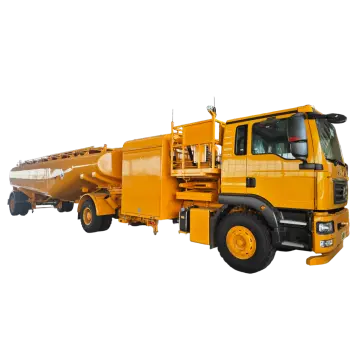
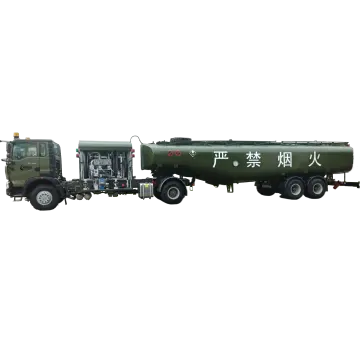
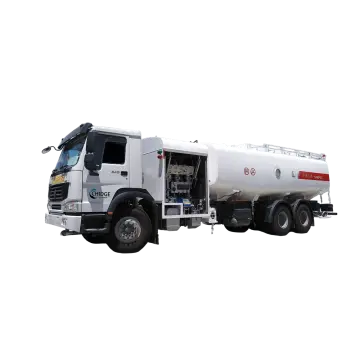
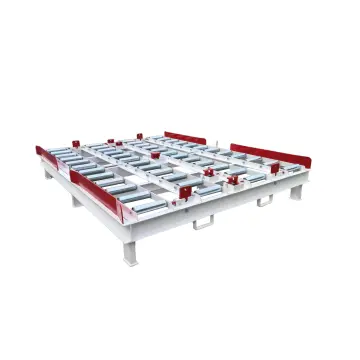
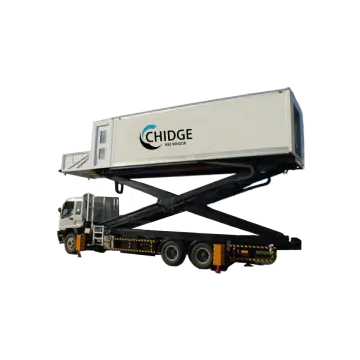
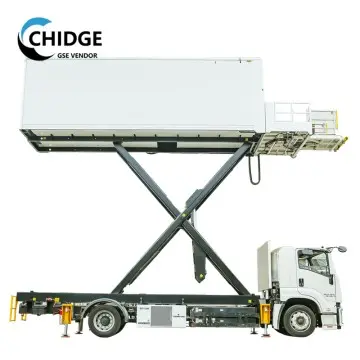
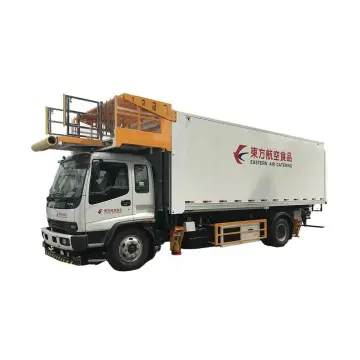
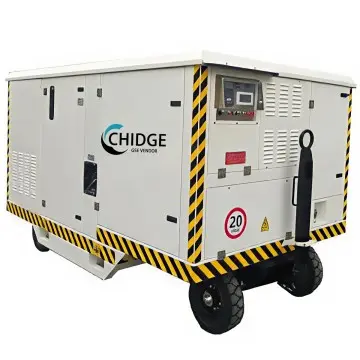
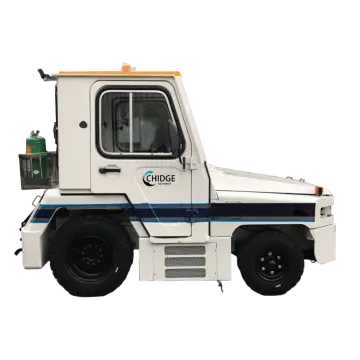
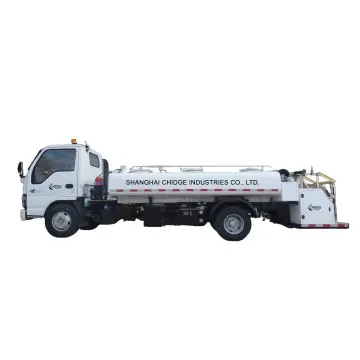
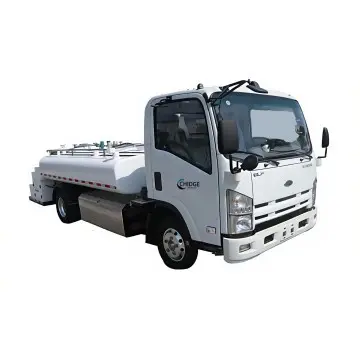
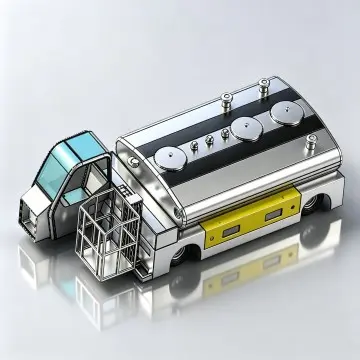
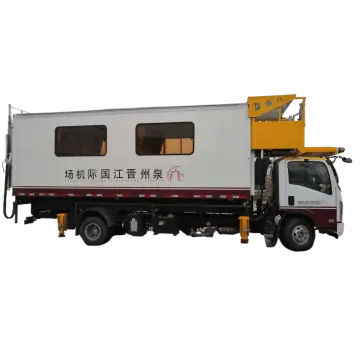
Industrial baggage belts must function as integrated components within the broader terminal system. System designers require seamless compatibility with high-speed linear induction sorting gates, cross-belt sorters, security screening channels (EDS/CT scanners), and baggage reclaim carousels. As a reliable manufacturing partner, our engineering team collaborates with logistics system integrators to configure critical parameters, including top-cover friction levels, transverse stiffness, and track guide tracking behaviors.
For baggage drop stations, check-in desks, and dynamic merging points, our low-friction polyurethane (PU) bottom belts allow baggage handling systems to slide smoothly over steel support beds, minimizing power consumption. For incline tunnels, our high-friction top belts prevent baggage slippage without damaging soft luggage bags. This helps avoid jams in hard-to-access ceiling networks and remote sorting rooms.
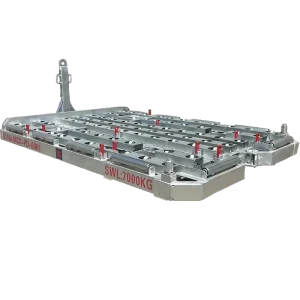
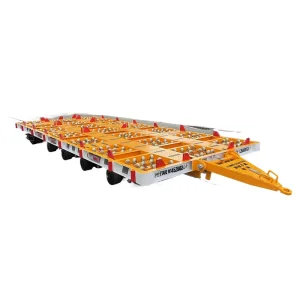
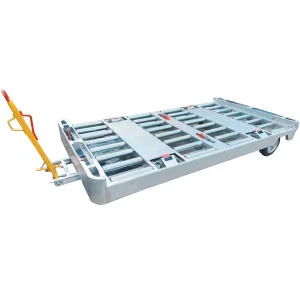
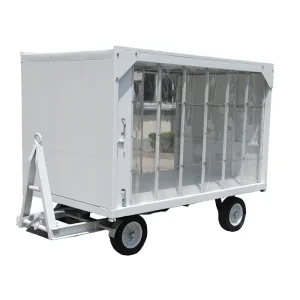
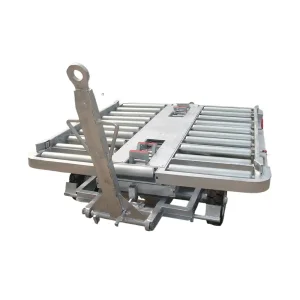
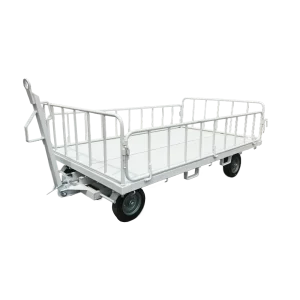
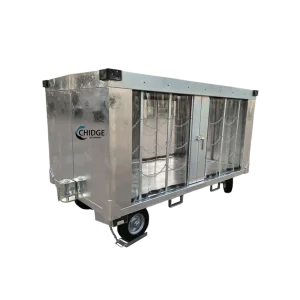
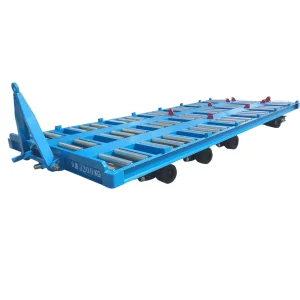
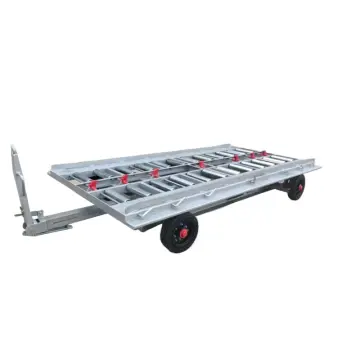
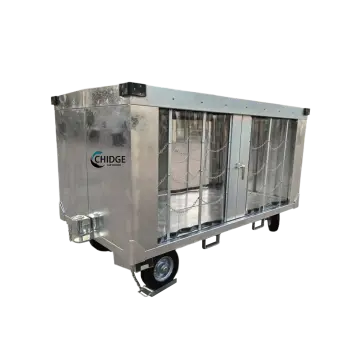
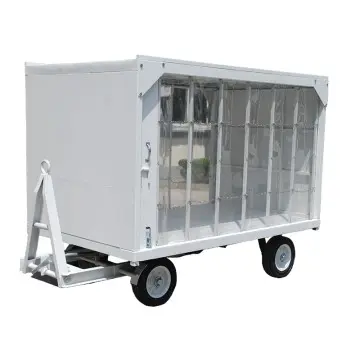
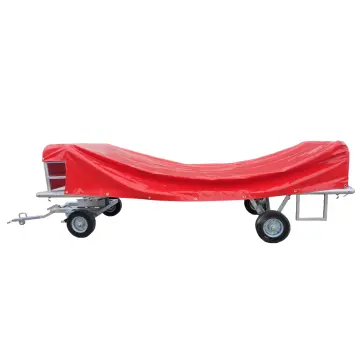
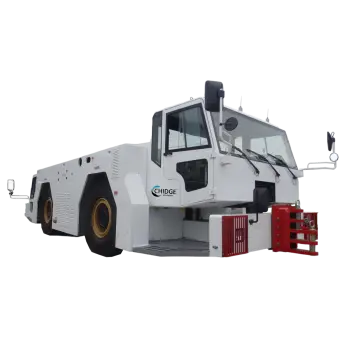
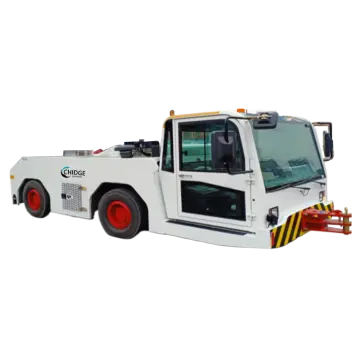
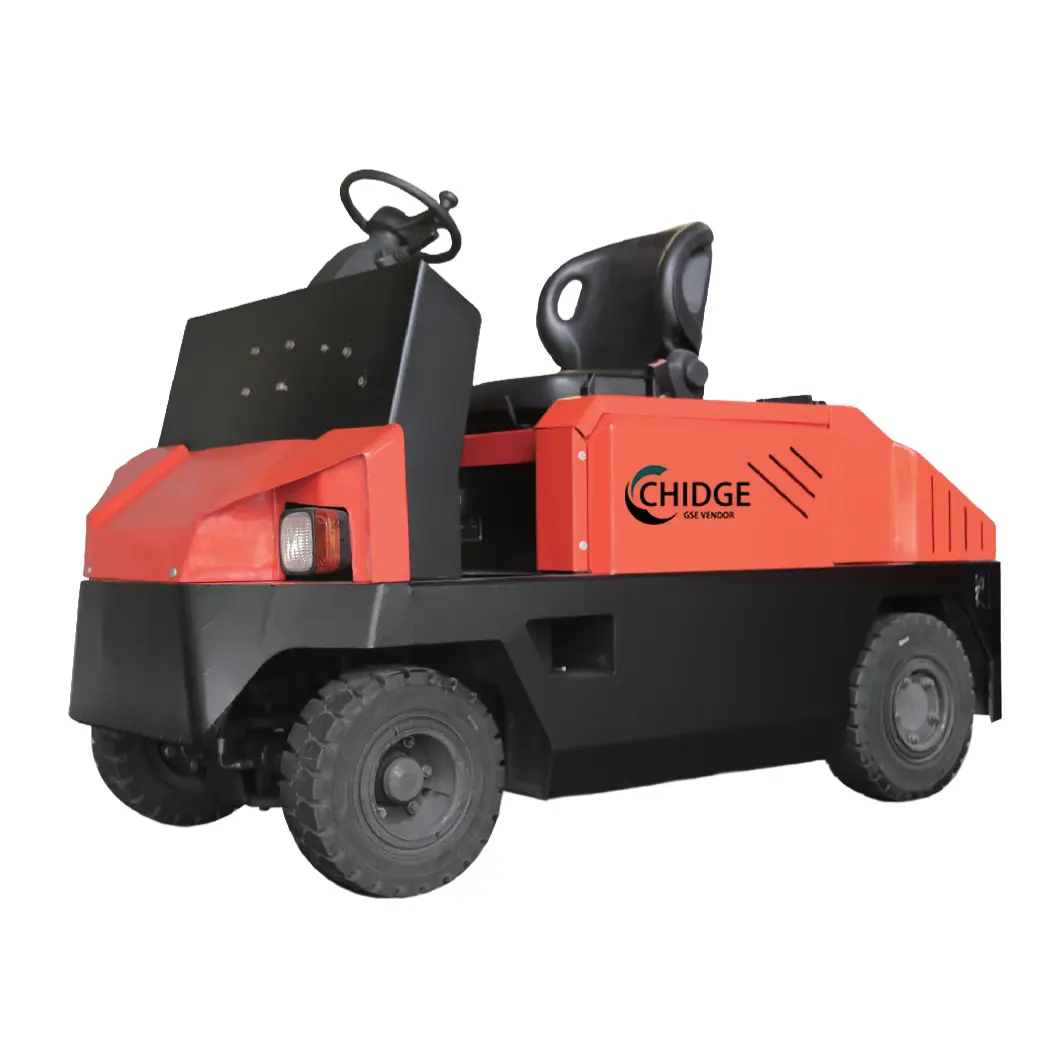
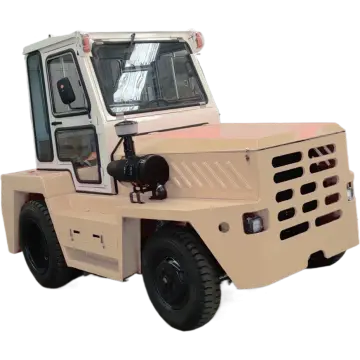
On the runway, baggage conveyor belts interface directly with ground support equipment, including baggage cart fleets, container dollies, and mobile conveyor loader trucks. Having a single manufacturer cover both static terminal systems and mobile GSE components optimizes overall equipment compatibility and streamlines long-term maintenance.
The global aviation sector is transitioning toward sustainability and low-carbon operation. As a result, current research in baggage belt design focuses on energy-efficient belt fabrics and cover materials. By optimizing the viscoelastic properties of rubber layers, manufacturers can reduce the rolling resistance of belts as they pass over rollers, yielding energy savings of up to 12% in long-distance conveyor runs.
In addition, integrating IoT sensors into baggage conveyor systems enables predictive maintenance. Built-in monitoring fibers or optical scanners detect ply separation, carcass tension anomalies, or edge wear in real time. This information is transmitted directly to control centers, allowing maintenance teams to schedule service during scheduled off-peak windows and prevent unscheduled operational shutdowns.
We supply reliable equipment solutions designed for international airlines, major logistics corporations, and ground support operations worldwide.

Our design and manufacturing teams incorporate advanced technological innovations to enhance overall equipment performance.

Our products are engineered to meet strict operational requirements, earning market trust through consistent, durable performance.

Our logistics management, inventory tracking, and distribution networks help ensure consistent supply and timely deliveries.

Our dedicated after-sales support team helps customers address operational issues, extending equipment service life.
We offer tailor-made manufacturing options to meet specific layout demands. From initial CAD planning, material engineering, and prototype stress testing through to complete production, we focus on helping customers launch products efficiently, manage costs, and maintain a competitive edge.
Whether you need customized belt widths, flame-retardant properties, or specific steel grades for dollies and carts, our manufacturing facilities are equipped to manage custom bulk specifications.






Answers to key technical questions from airfield designers, logistics managers, and procurement leads.
Technical articles and updates covering ground operations and terminal logistics systems.
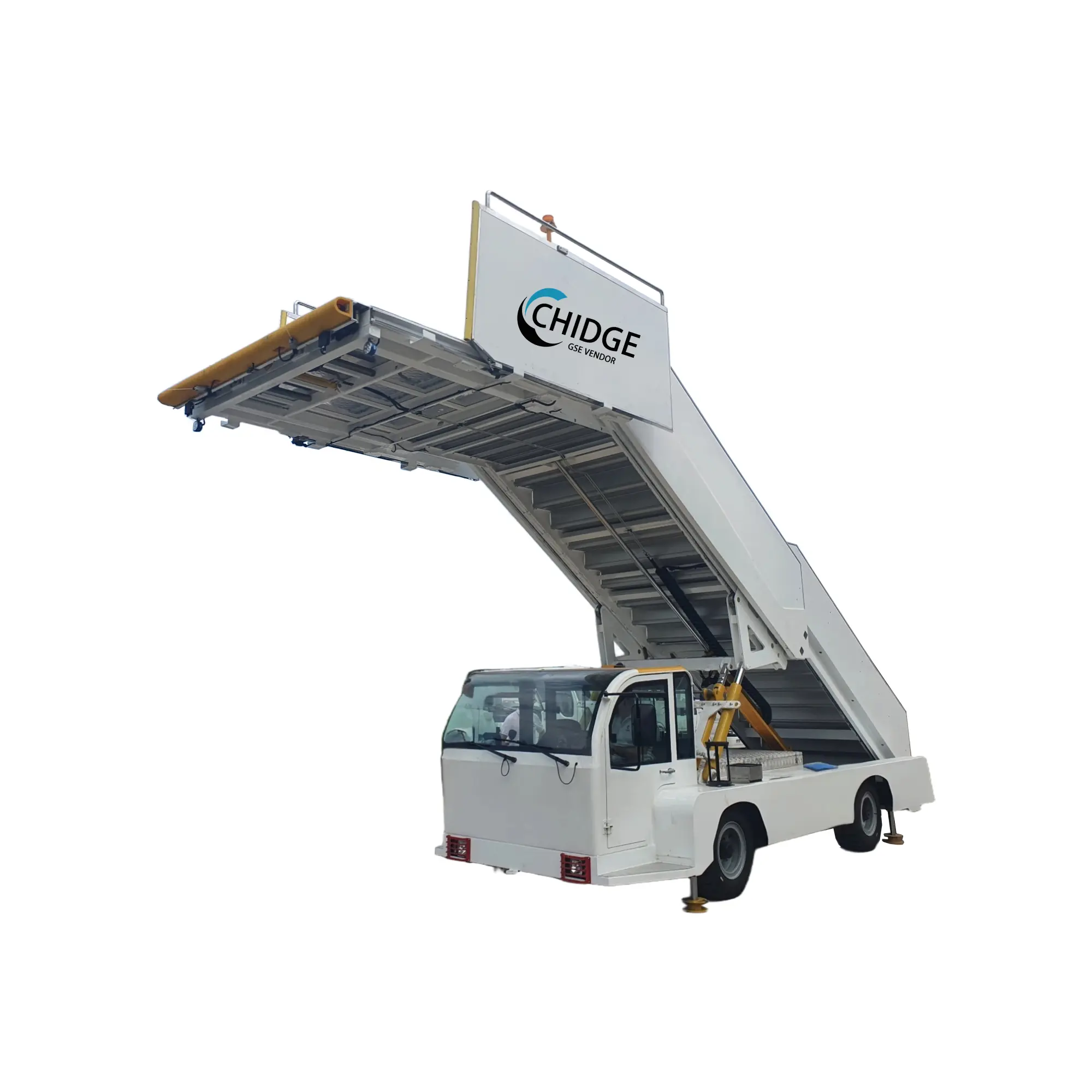
An analysis of height adjustment mechanisms, structural design, and passenger safety features in modern ground support equipment.
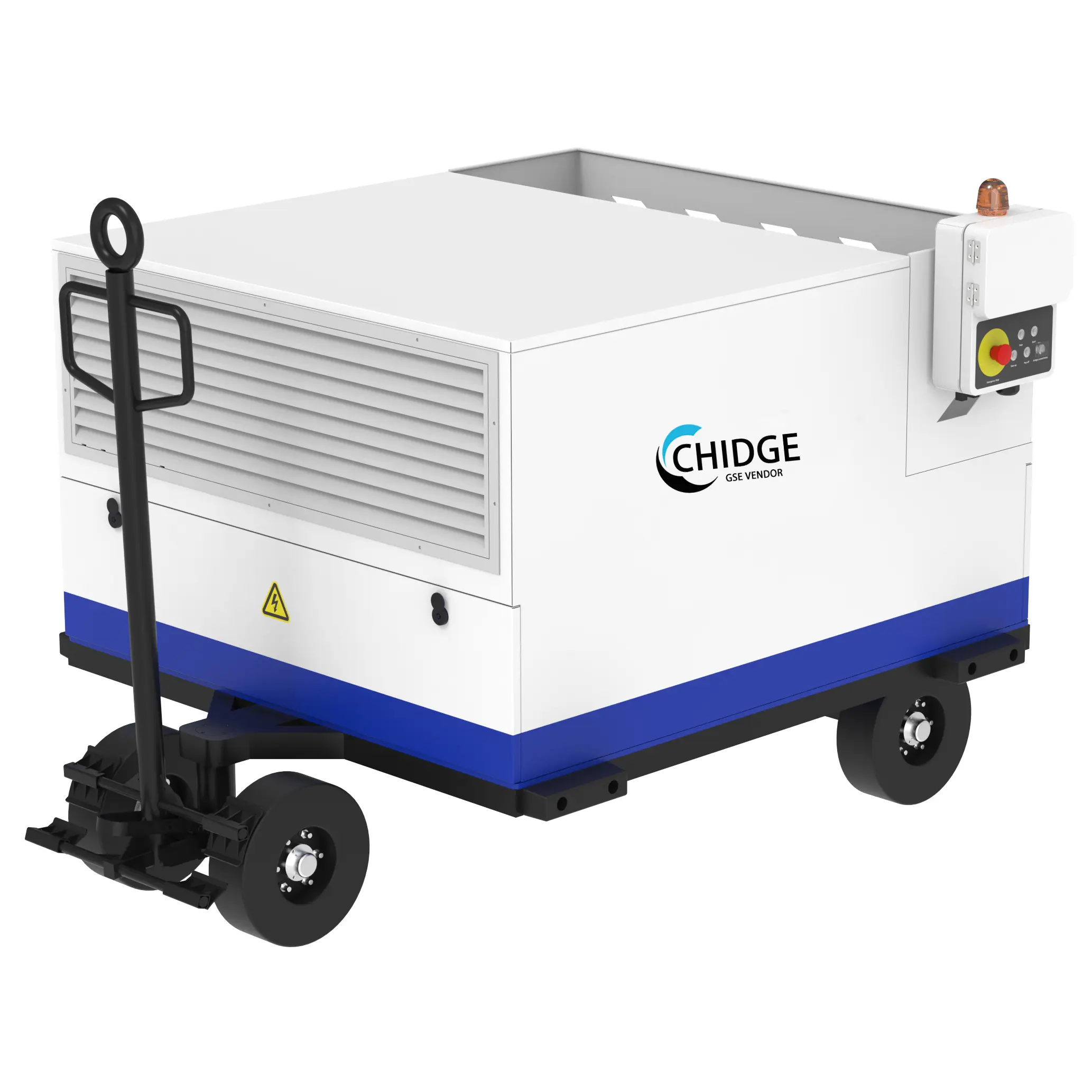
Discussing the transition from diesel generators to battery-based power systems to reduce runway emissions and operational noise.
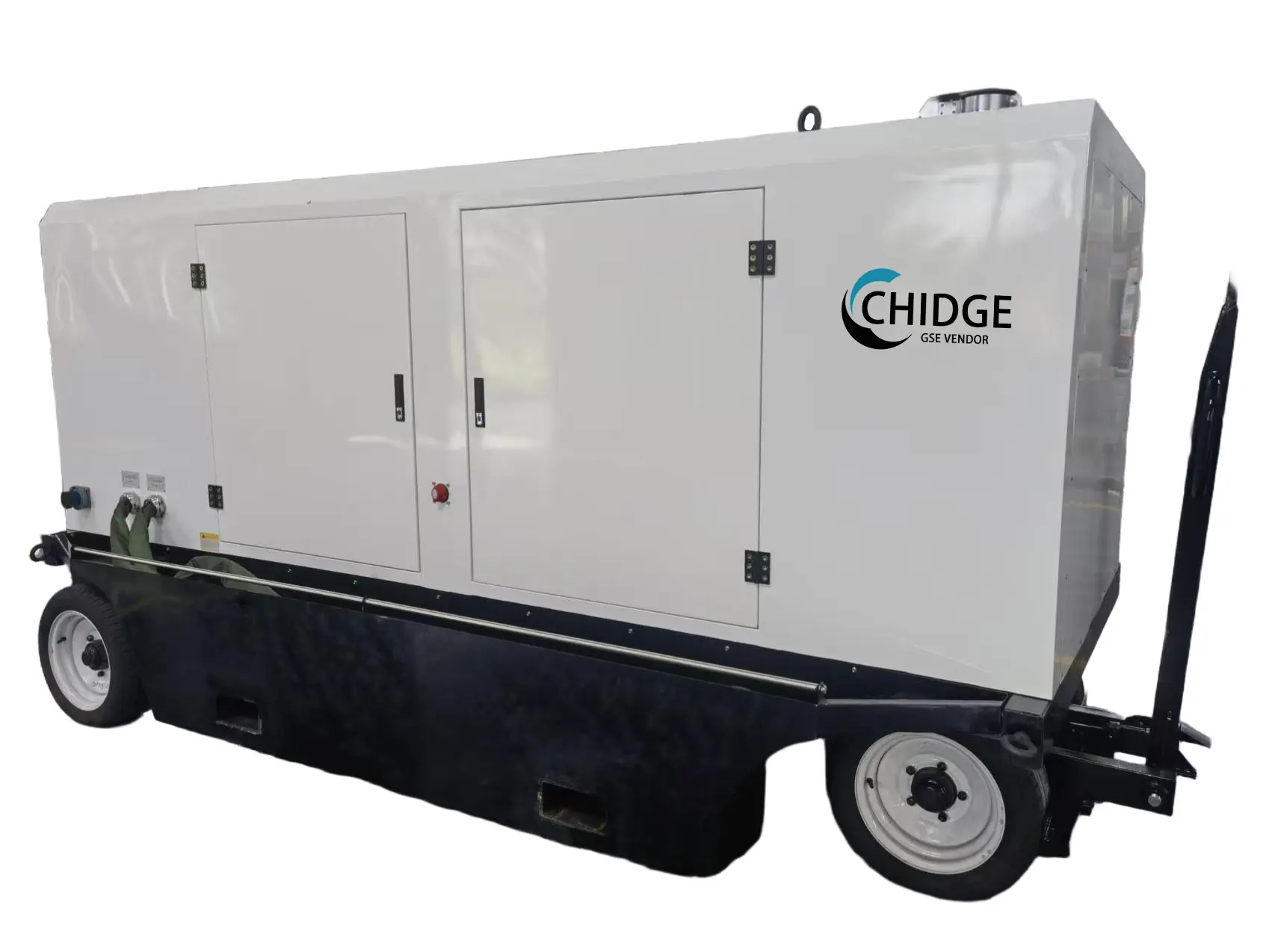
A technical look at the role of 400Hz frequency converters in servicing avionics systems during airport turnaround cycles.
We collaborate with global airlines, cargo operators, and ground handling teams to support reliable operations.
Heavy-duty transport dollies and towing solutions engineered for high load capacities and continuous ground handling operations.
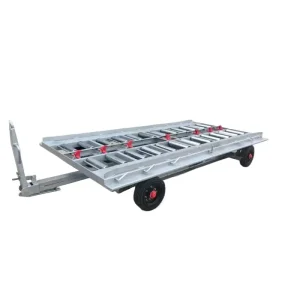
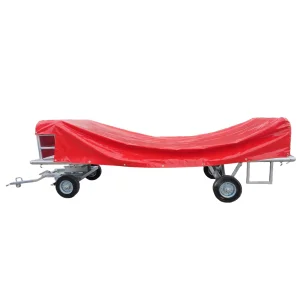
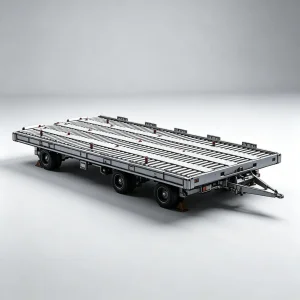
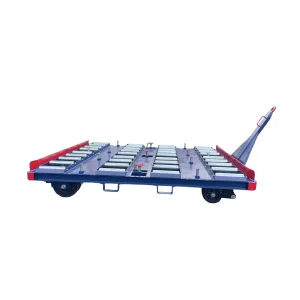
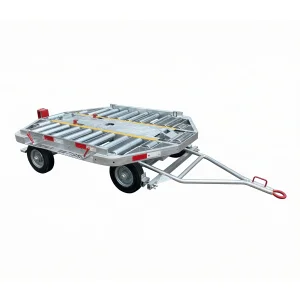
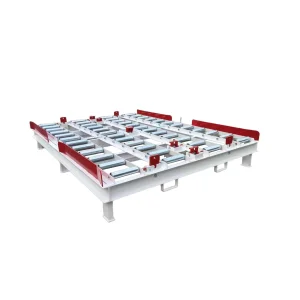
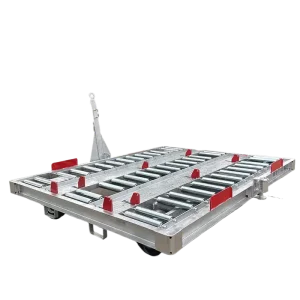
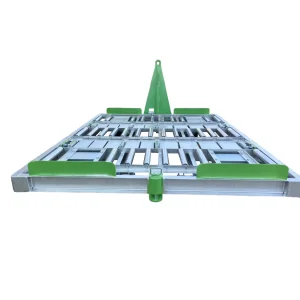
 Chidge Dolly