Industrial-strength airside transport dollies and containment carriers engineered for high-frequency operations.
Analysis of dynamic operational paradigms, safety requirements, and technological trends shaping modern airports.
In the highly optimized ecosystem of modern aviation, turnaround time (TAT) dictates profitability. Aircraft towing tractors (commonly referred to as pushback tugs) serve as the vital mechanical link ensuring safe, precise displacement of large-body and narrow-body commercial airplanes. Ranging from regional aircraft to mega-transports like the Airbus A380 or Boeing 777-9, executing towing operations demands absolute equipment reliability. A single minute of taxiway blockage or pushback failure triggers cascading delays that cost operators thousands of dollars per flight. Furthermore, current pushback procedures require vehicles that exhibit extreme tractive effort and high drawbar pull (DBP). Modern wholesale suppliers design tractors incorporating sophisticated hydraulic systems and heavy-duty steel chassis, guaranteeing optimal friction coefficients between tires and tarmac, even under severe icing conditions.
The global aviation industry’s commitment to achieving Net-Zero carbon emissions by 2050 is driving a monumental transition from traditional diesel internal combustion engine (ICE) tractors to electric ground support equipment (eGSE). High-capacity lithium-iron-phosphate (LFP) battery systems now power heavy-duty electric tugs, delivering torque curves that rival or exceed conventional diesel options without the tailpipe emissions. Concurrently, autonomous pushback solutions integrated with airport terminal flow control systems are moving from experimental trials to real-world deployment. Automated tractors utilize LiDAR, radar, and HD vision systems to navigate busy taxiways, avoiding collision incidents caused by human error. This technological leap dramatically improves safety margins, lowers fleet overheads, and streamlines airside operations.
A technological breakdown of high-performance refueling tankers, aircraft towing tractors, and cargo dollies.
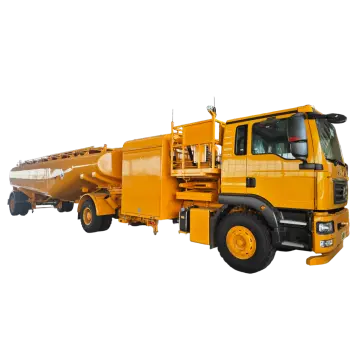
Designed with a premium heavy-duty chassis, integrated pump mechanisms, high-efficiency filtration, precise metering, self-circulation, and automatic pressure controls.
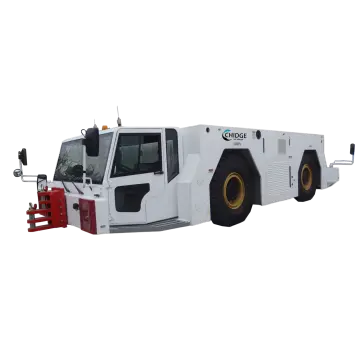
The ultimate workhorse for wide-body pushback operations, engineered to move aircraft exceeding 400 tons with dual-cabin configurations and advanced torque-split technology.
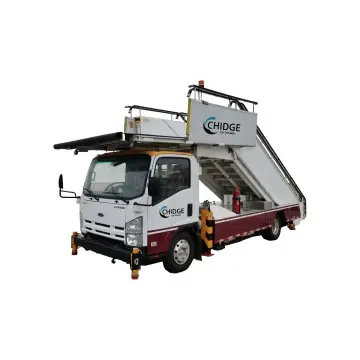
Zero-emission, electric boarding solution featuring auto-leveling mechanisms, non-slip step treads, and smart proximity safety arrays.
For global airport authorities and procurement agencies, sourcing ground support equipment from Chinese factories presents a clear strategic advantage. China has consolidated the entire supply chain ecosystem, offering raw materials, advanced metal fabrication, high-precision hydraulic cylinders, and cutting-edge battery management systems (BMS) in close geographical proximity. This concentration of resources results in unparalleled production speed, cost efficiency, and design flexibility. Furthermore, leading factories have transitioned from basic manufacturing to advanced technological integration. High-tensile steel casting, robotic laser welding, and automated assembly guarantee structural integrity, allowing vehicles to endure decades of taxing ground work. Standardized components ensure spare parts remain cost-effective and globally accessible, lowering the Total Cost of Ownership (TCO) for global fleet operators.
Aircraft towing is an unforgiving operating environment with zero room for failure. Professional Chinese suppliers construct their machinery in compliance with international aviation standards. To pass international airport tenders, our partner factories adhere strictly to the following certifications:
Custom-engineered vehicles capable of executing precision maneuvers in diverse physical and climatic conditions.
In Northern European and Canadian airports, sub-zero operations can induce mechanical seizures. Our GSE line incorporates pre-heating loops for hydraulic lines, fuel warmers for diesel powerplants, and specialty rubber compounds on tires to sustain critical tractive friction on icy runways.
Middle Eastern and African runways suffer from intense solar heat and microscopic dust intrusion. We utilize dust-filtered, sealed electrical assemblies and oversized radiator packages to ensure cooling loops operate consistently even under ambient conditions of 50°C.
In space-restricted hub terminals, pushback corridors are narrow and crowded. Our tractors utilize multi-mode steering layouts—incorporating front-wheel, rear-wheel, crab-walk, and four-wheel coordinated steering configurations—to optimize turn radius parameters.
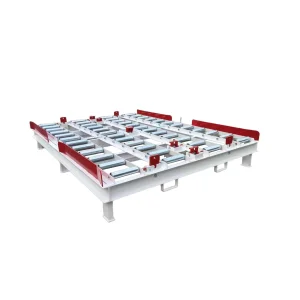
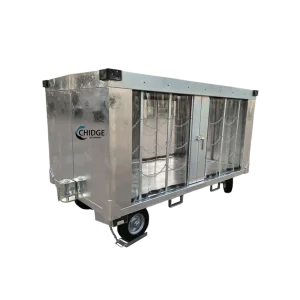
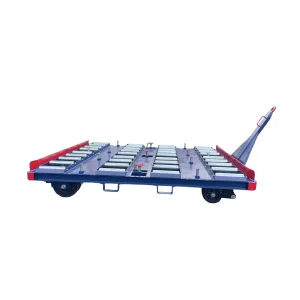
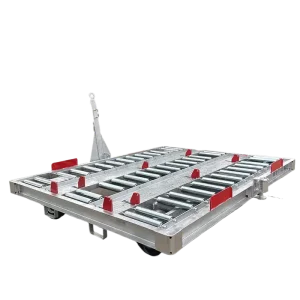
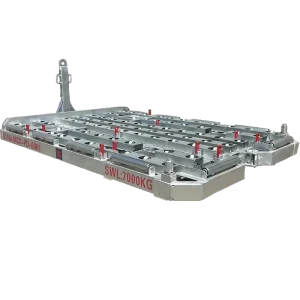
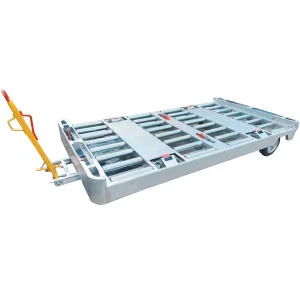
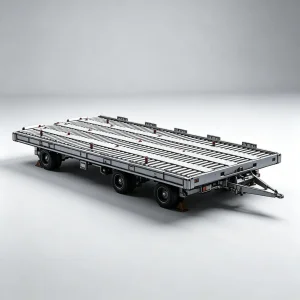
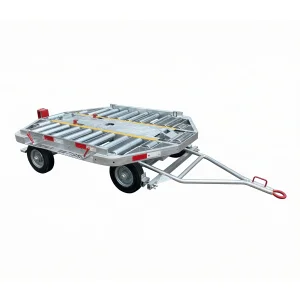
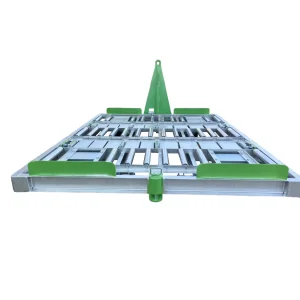
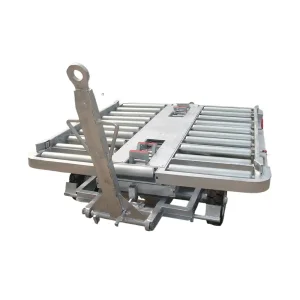
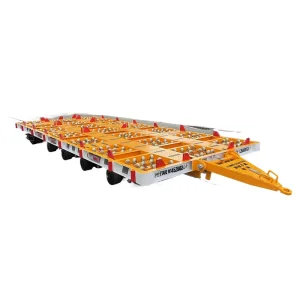
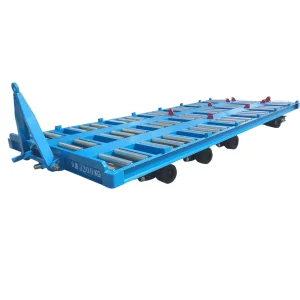
High-efficiency baggage carts, dollies, and load carriers configured for demanding cargo terminal demands.
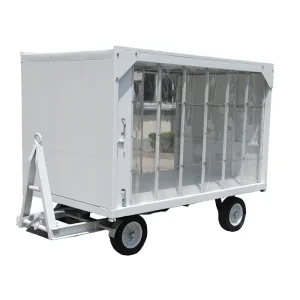
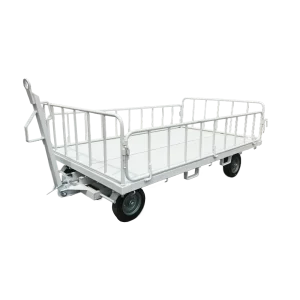
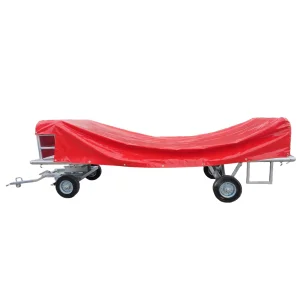
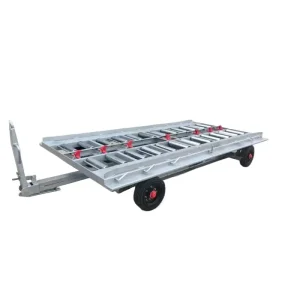
From initial design to field deployment, we provide end-to-end solutions that guarantee optimal aircraft turnarounds.
We leverage advanced simulation models and FEA structural load tests to analyze stresses on aircraft towbars and tractor frames, minimizing material fatigue.
Whether modifying drawbar pull configurations, upgrading components for cold climates, or installing telematics, our engineering team tailors each design to your exact operational requirements.
Operating from our strategic factory hubs, we handle heavy transport logistics, customs declarations, and on-site assembly guidance, ensuring your equipment arrives ready for action.
Expert answers to critical technical and logistical questions on airport ground support equipment.
 Chidge Dolly