Engineered to meet stringent IATA standards and tailored for integration with global airport ramp operations.
The global aviation ecosystem is facing an unprecedented transformation. As airports and commercial airlines strive for net-zero carbon targets, the electrification of Ground Support Equipment (GSE) has progressed from a secondary sustainability objective to a core regulatory requirement. Among these critical systems, the Towable Ground Power Unit (GPU) acts as the central mechanism for reducing auxiliary engine runtimes, dramatically cutting jet fuel consumption and emissions while aircraft are stationed at the gate.
Traditionally, ground power relied on diesel-driven generator units. These conventional configurations, while reliable in terms of uptime, represent a major point source of carbon dioxide, nitrous oxides, and fine particulate matter on the airfield. In response, modern manufacturers are transitioning towards zero-emission technologies. By utilizing advanced solid-state lithium-ion battery architectures and ultra-efficient frequency converters, custom towable GPUs are redefining operational footprints globally.
"The shift towards towable solid-state and hybrid GPUs is estimated to reduce airport ground-level carbon emissions by up to 85% compared to legacy diesel generators. For hubs managing over 100,000 movements annually, this equates to thousands of metric tons of CO2 eliminated per year."
From a commercial perspective, ground handlers and airlines evaluate GPU acquisitions based on the Total Cost of Ownership (TCO). While the capital expenditure (CAPEX) for custom solid-state and smart-hybrid towable GPUs is higher than basic diesel models, the operating expenditure (OPEX) savings are immense. Electric units bypass the volatile costs of diesel fuel, require significantly fewer preventative maintenance hours (with no oil changes, piston rings, or fuel filters to replace), and boast operational lifespans exceeding 10 to 15 years.
How custom engineering accommodates regional variations in grid stability, load profiles, and output frequencies.
A custom towable GPU must provide clean, stable power directly to the aircraft’s electrical bus system. This typically requires either a 400Hz alternating current (AC) output for narrowbody and widebody passenger aircraft or a 28.5V direct current (DC) output for turboprops, regional jets, and helicopters. The engineering complexity lies in maintaining strict voltage and frequency tolerances, even under sudden step-loads when aircraft systems (such as high-draw environmental control packs) are turned on.
| Parameters | Solid-State Electric GPU (Towable) | Diesel Engine Driven GPU (Towable) | Energy Storage Hybrid GPU (Towable) |
|---|---|---|---|
| Power Output (kVA) | 90 kVA / 140 kVA / 180 kVA | 90 kVA to 180 kVA | Up to 180 kVA + Surge Support |
| Output Frequency & Voltage | 400 Hz AC / 28.5 V DC | 400 Hz AC / 28.5 V DC | 400 Hz AC / 28.5 V DC |
| Energy Density / Engine Type | Lithium Iron Phosphate (LiFePO4) | Tier 4 Final / Stage V Diesel | LiFePO4 + Compact Diesel Generator |
| Total Harmonic Distortion (THD) | < 1.5% (Pure sine wave output) | < 3.0% (Mechanical governor limited) | < 2.0% |
| Acoustic Signature | < 60 dBA @ 7 meters (Virtually silent) | 75 - 85 dBA @ 7 meters | < 65 dBA in battery-only mode |
| Operational Temperature Range | -40°C to +55°C (With thermal management) | -30°C to +52°C | -35°C to +52°C |
Our custom towable GPU lines employ double-conversion inverter topologies to guarantee complete isolation of the output from incoming line transients during recharging. In battery-only configurations, the internal battery management system (BMS) controls the discharge curves, optimizing active cooling cycles via integrated liquid-cooling plates. This ensures that even under maximum payload in high-ambient operations, the cells remain within safe temperature thresholds, preserving cell cycle lifetime (exceeding 4,000 cycles at 80% Depth of Discharge).
Every apron has its own climate, regulations, and operational rhythm. Our towable configurations adapt seamlessly.
Designed for deployment in the harsh sandstorms of Middle Eastern hub airports or sub-zero Arctic ground operations. Includes active cabin heating/cooling systems, IP55 enclosure protection, and dual-layer seals.
Custom setups integrating dual 400Hz AC outputs and a auxiliary 28.5V DC converter on a single towable chassis. Allows ground crews to service mixed fleets without shifting equipment.
IoT-enabled tracking systems that log real-time power delivery metrics, battery state-of-charge, geographical position, and predictive maintenance diagnostics directly to airport control towers.
Beyond ground power, we manufacture and engineer a comprehensive array of dynamic ramp solutions including dollies, cargo loaders, and specialty vehicles.
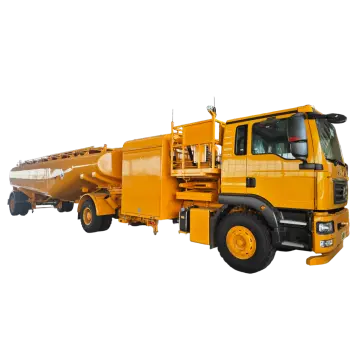
Consists of a chassis, oil tanks, pumping system, control system, and operating components with advanced filtration and pressure regulation capabilities.
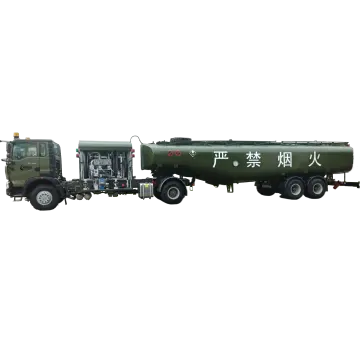
Heavy-duty runway refueling configuration featuring self-circulation, metering, and state-of-the-art pressure control systems.
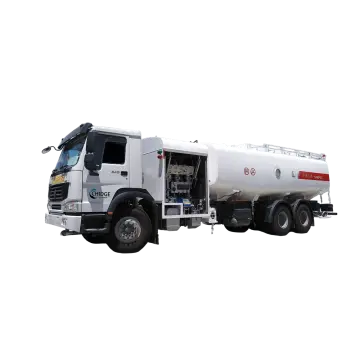
Optimized for medium-to-large regional aircraft, delivering rapid fuel flow-rates with dual stage filter water separators.
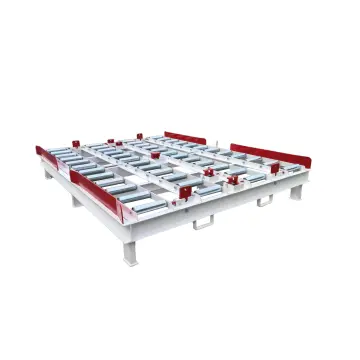
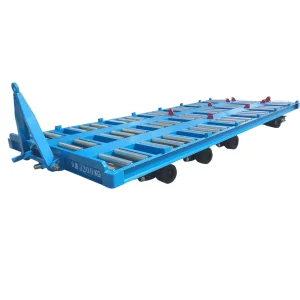
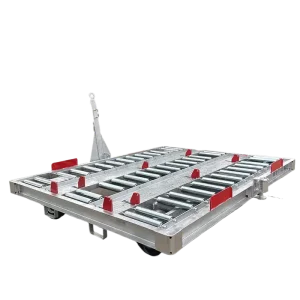
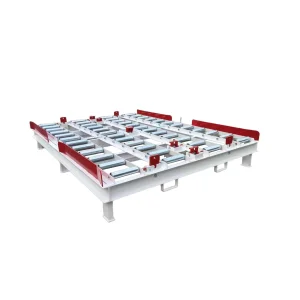
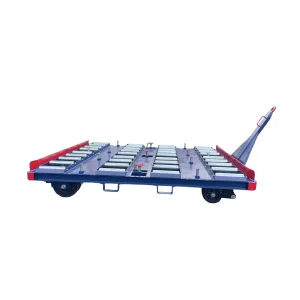
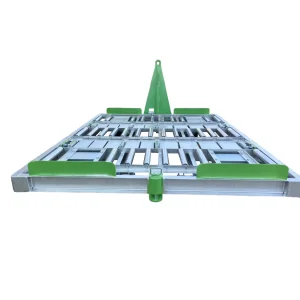
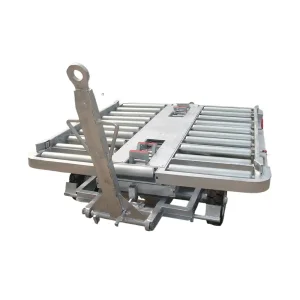
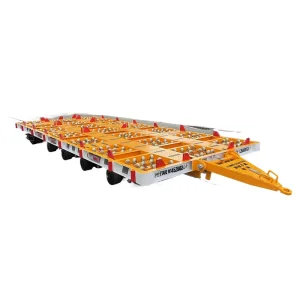
Industrial heavy-load slave pallet system designed for efficient cargo hub terminal operations.
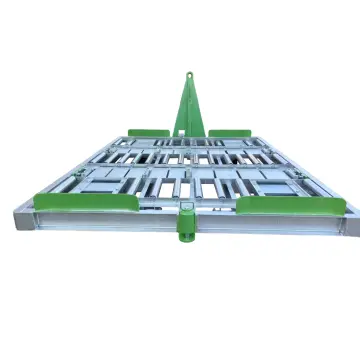
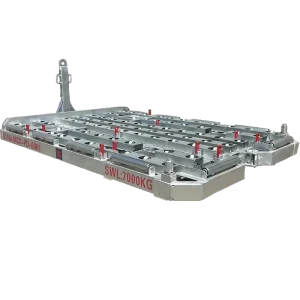
Standard-setting structural steel construction with multi-directional roller systems for seamless ULD handling.
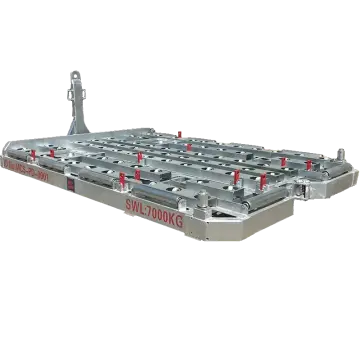
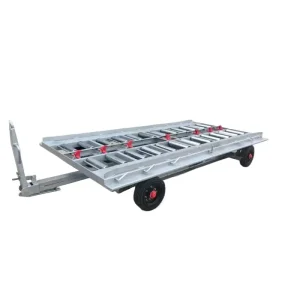
Designed specifically to transport massive air cargo containers and heavy pallets securely across the airfield.
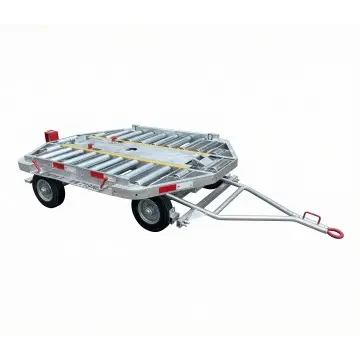
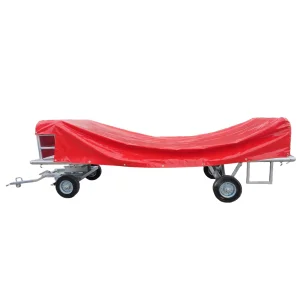
Ergonomic, low-profile trailer optimized for handling standardized LD3 air cargo units safely.
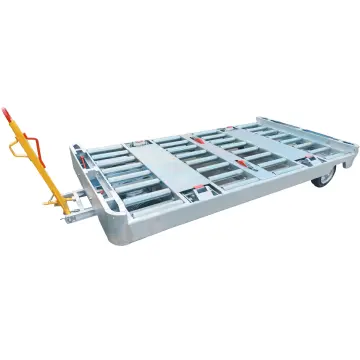
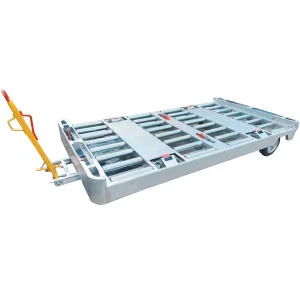
Enhanced tow-bar brakes and reinforced steel structure for high-intensity airport distribution centers.
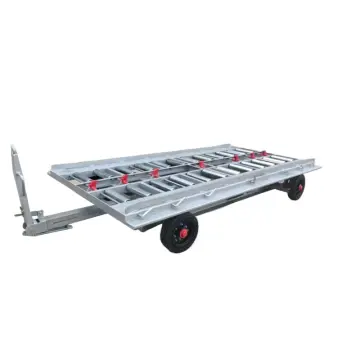
Custom transport chassis with secure lock systems designed for oversized LD6 and LD8 cargo container units.
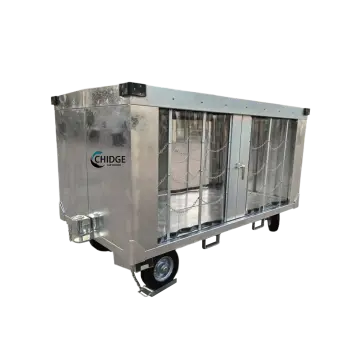
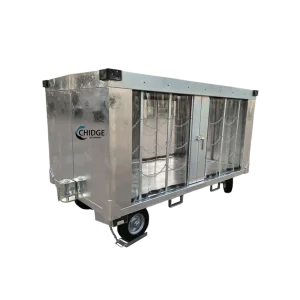
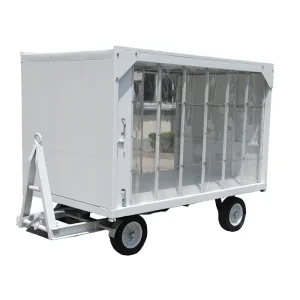
Weatherproof cargo structure protecting customer baggage from wind, rain, and snow during tarmac transport.
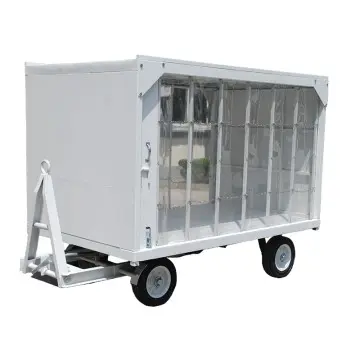
All-sided security enclosure with heavy-duty locking doors to ensure zero luggage loss during transit.
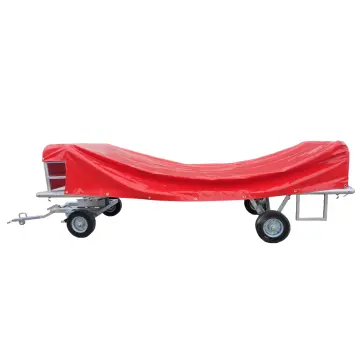
High mobility, heavy cargo volume design with reinforced turning mechanisms and dynamic brakes.
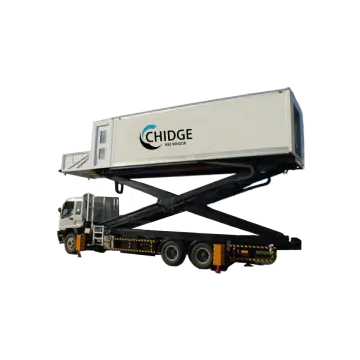
Hydraulic scissor-lift catering system designed to service medium-to-large long haul airplanes.
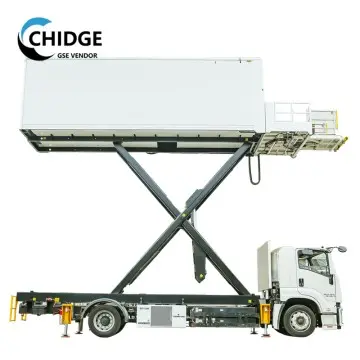
Emissions-free runway catering vehicle equipped with thermal insulated compartments and high load limits.
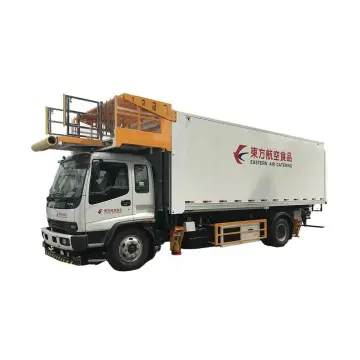
Rigid chassis setup featuring user-friendly cabin interfaces and highly reliable hydraulic system safeties.
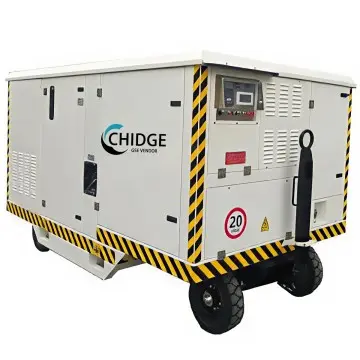
High BTU output mobile ground heater unit engineered for extreme polar operations.
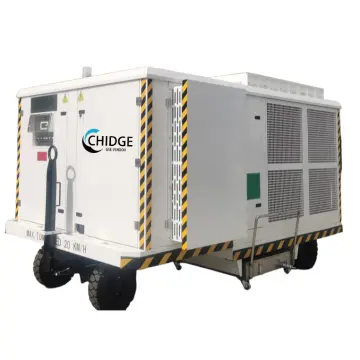
Delivers conditioned fresh air directly to aircraft cabins, eliminating reliance on onboard APUs.
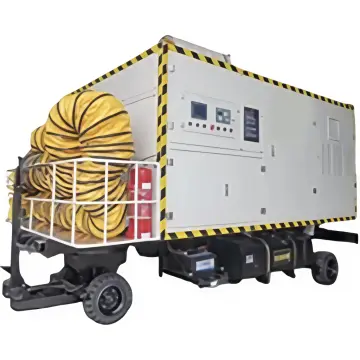
Compact, high-efficiency diesel burner providing safe and consistent warm airflow to cabins.
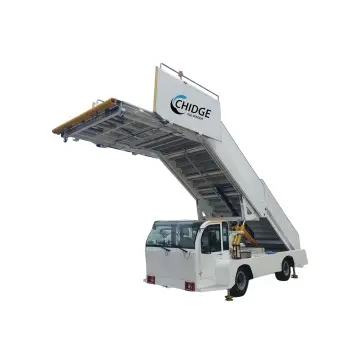
Highly stable electric self-propelled boarding passenger stairs with non-slip treading.
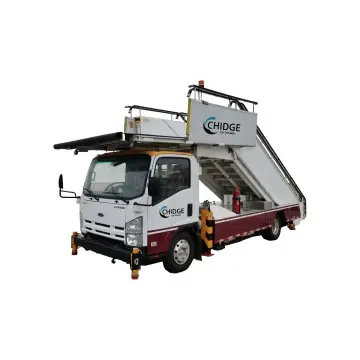
Diesel variant of boarding stairs, configured with telescoping platform height capabilities.
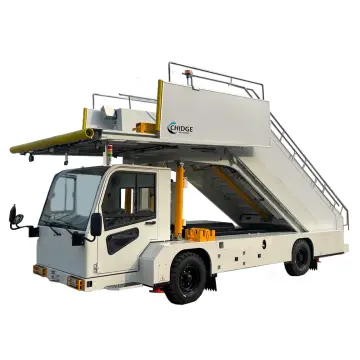
Wide-stair path design for commercial aviation passenger flow management.
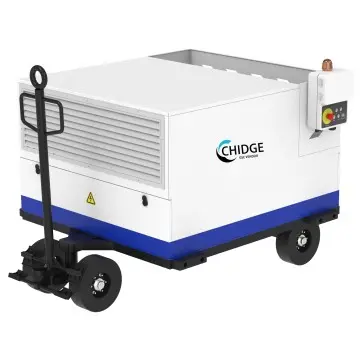
High capacity LiFePO4 battery system offering quiet, green 400Hz and DC output options for runway operations.
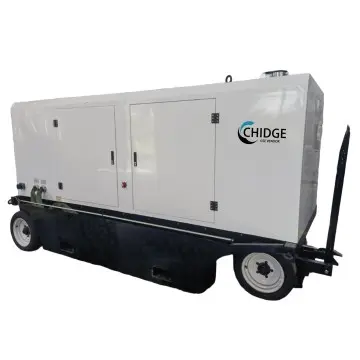
Aviation industry workhorse, supplying highly reliable 3-phase 115/200V AC power at 400Hz.
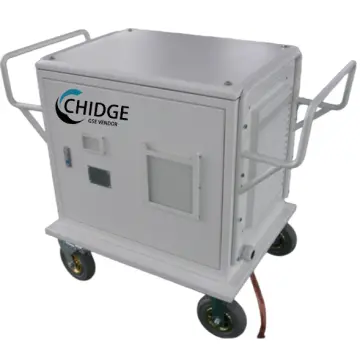
Hangar or bridge mounted solid-state frequency converter designed for low noise operations.
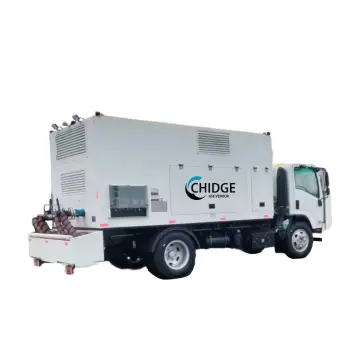
Supplies high-pressure air to start main aircraft engines on large commercial airliners.
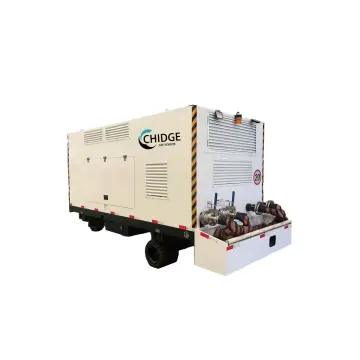
Pneumatic starter solution delivering continuous airflow under precise pressure regulations.
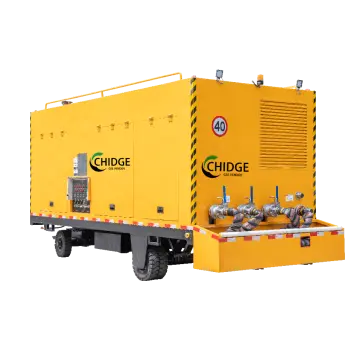
Extremely robust air volume flow output optimized for jumbo wide-body airframe starting.
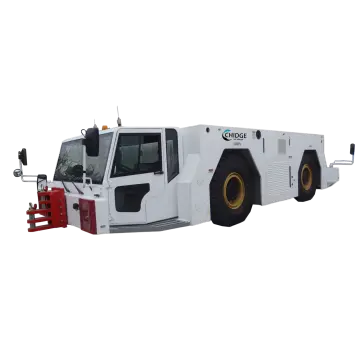
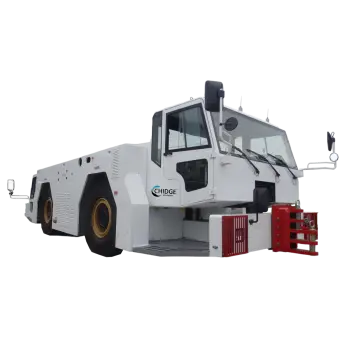
Heavy duty pushback tractor with four-wheel drive and four-wheel steering configuration.
Mid-range towbar tractor engineered to handle critical pushback processes for narrowbody planes.
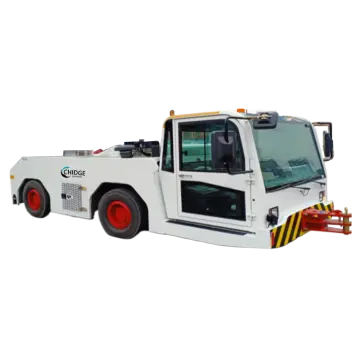
High maneuverability aircraft tractor designed for hangar positioning and runway line tasks.
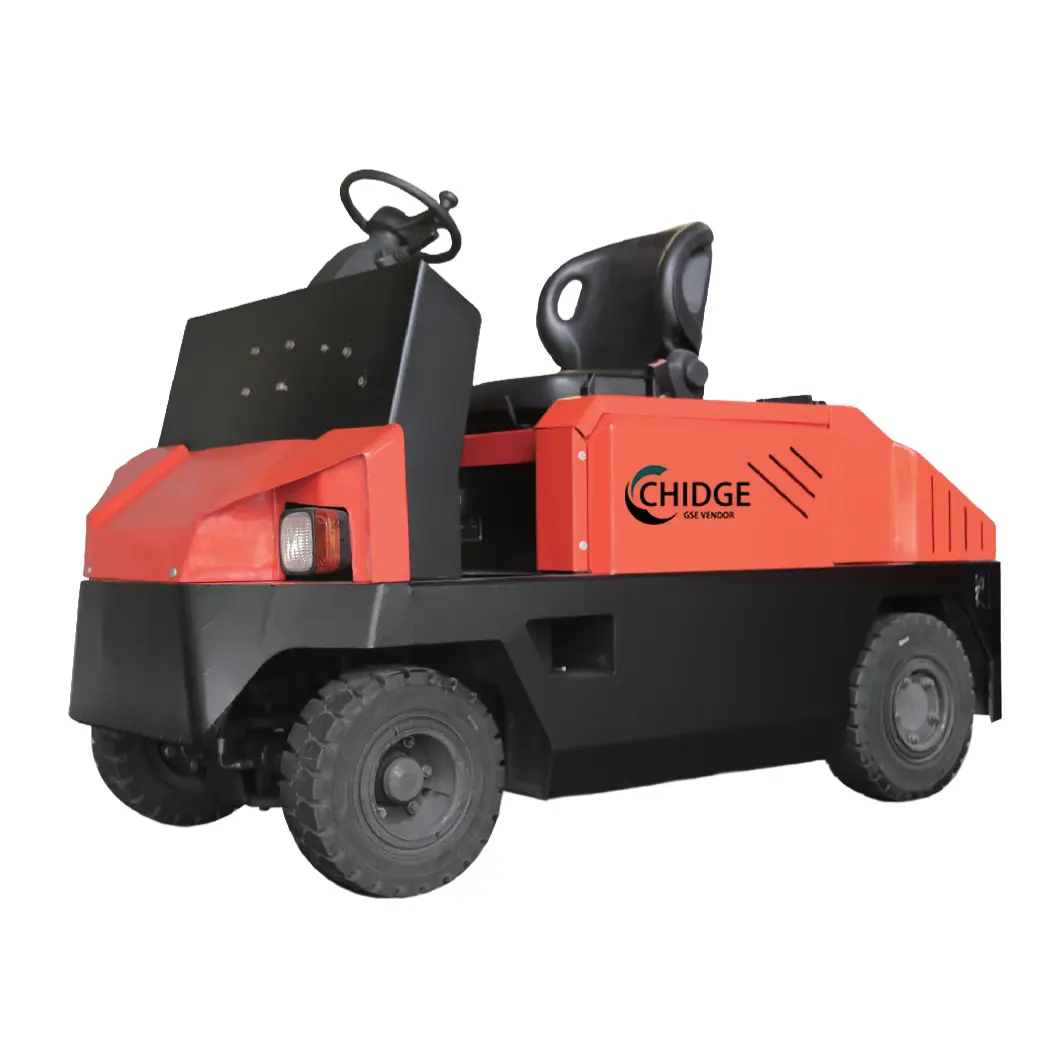
Zero emission tractor offering quiet, high traction baggage train hauling capability.
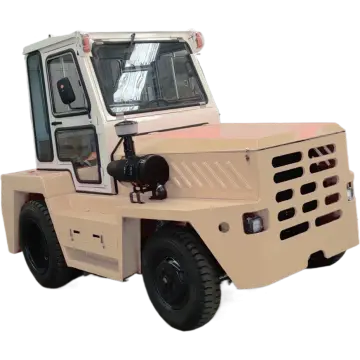
Extreme heavy duty cargo line pulling machine equipped with automated transmissions.
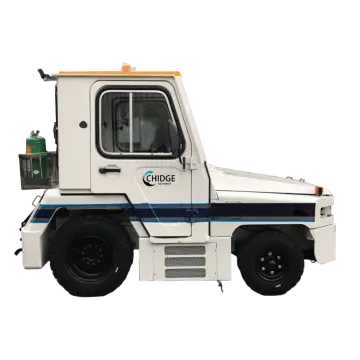
High battery life towing system built for massive cargo and logistics distributions.
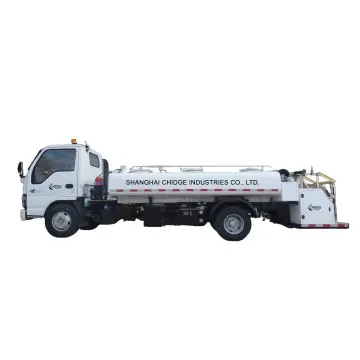
Corrosion resistant waste and clean water tank system built on a rigid municipal chassis.
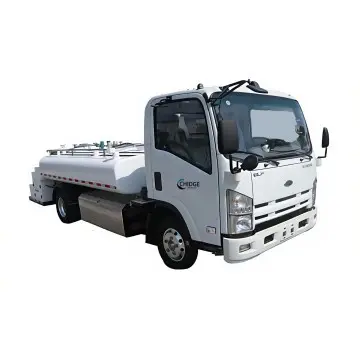
Provides high volume potable water delivery with complete safety pressure interlocks.
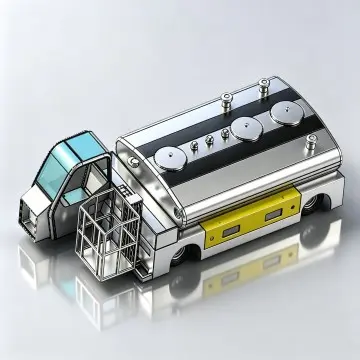
Integrated vacuum waste pumping system configured with electric drivetrain for quiet operations.
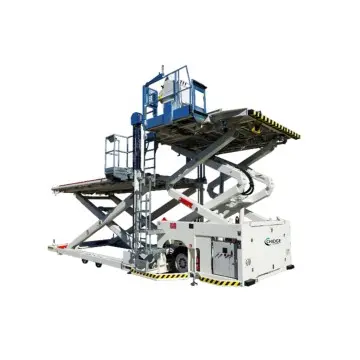
Standard scissor lift platforms configured for dual lane containerized load transfers.
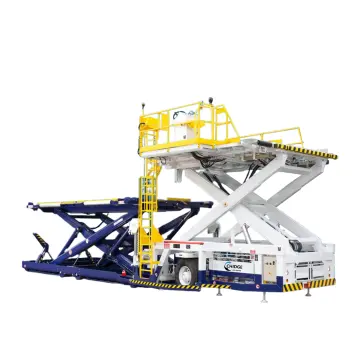
Heavy-lift main deck loader built for B747F and B777F wide-body cargo operations.
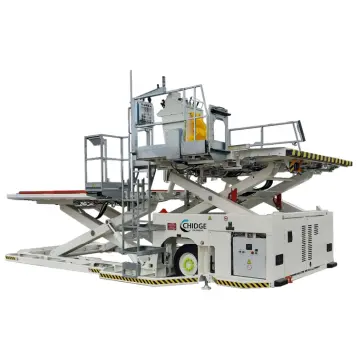
7-ton capacity lower deck container cargo handler featuring highly precise joystick control.
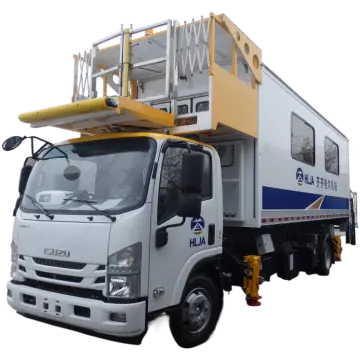
Assists passengers with reduced mobility (PRM) to board and disembark aircraft smoothly and safely.
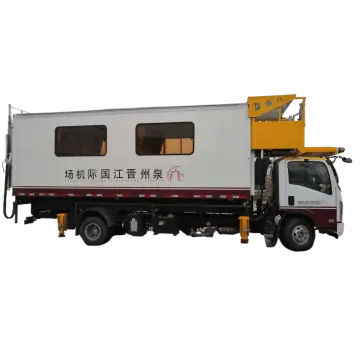
Robust passenger lift cabin engineered to match sill heights ranging from commuter planes to widebody airliners.
How we maintain technical leadership and operational reliability across global shipping hubs.
Our company leverages advanced science and technology during product design, research, and development. We implement state-of-the-art simulation software to model stress factors, power transients, and thermal distribution, ensuring maximum hardware performance and innovation capabilities.
High-quality products meet the expected needs of users and stand out in similar competitive fields. We win market recognition and establish a global reputation through rigorous materials selection, ISO-compliant factory testing, and adherence to CE, SGS, and regional aviation regulations.
Backed by robust supply chain management, precise inventory control, and optimized logistics and transportation systems. Our global distribution networks and emergency response strategies ensure that components, replacement parts, and whole units arrive on-site and on-schedule.
Our quality after-sales service solves problems encountered by customers during field operations. Through detailed technical training, accessible remote diagnostic support, and on-site maintenance services, we enhance customer trust and extend the operational lifetime of the equipment.
We align closely with airport planners, airlines, and ground handling services to deliver tailored equipment configurations.
We welcome OEM and ODM orders, modifying mechanical structural designs and electronic interfaces to suit specific ramp architectures.
Deploying advanced equipment to major global hubs across Europe, Asia-Pacific, North America, and the Middle East.
High quality frequency converters that protect sensitive avionics from noise and electrical spikes during pre-flight checks.
Comprehensive service plans to maximize equipment uptime and minimize airport gate delays.
Whether providing OEM or ODM services, we maintain a customer-centric approach throughout product planning, design, production, testing, and after-sales support. By combining integrated service solutions with custom manufacturing pathways, we help our clients lower acquisition costs, speed up implementation timelines, and improve the overall efficiency of their ground support fleet.
Addressing technical, commercial, and operational questions from airport procurement directors and GSE engineers.
Stay up to date with the latest advancements in GSE electrification, regulatory updates, and airport field test reports.
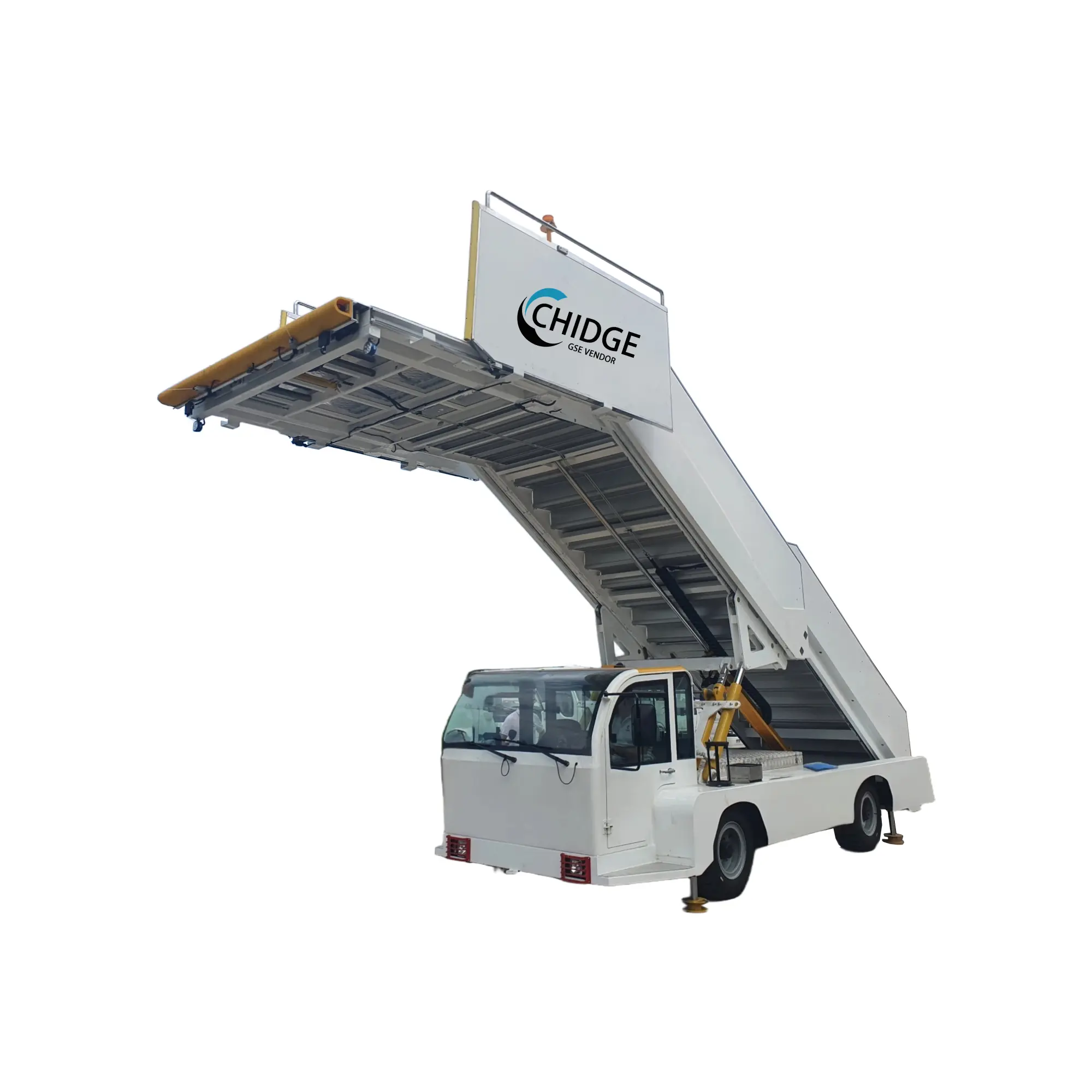
An in-depth look at boarding stairs engineering, focusing on structural safety, height adjustment, and passenger safety features.
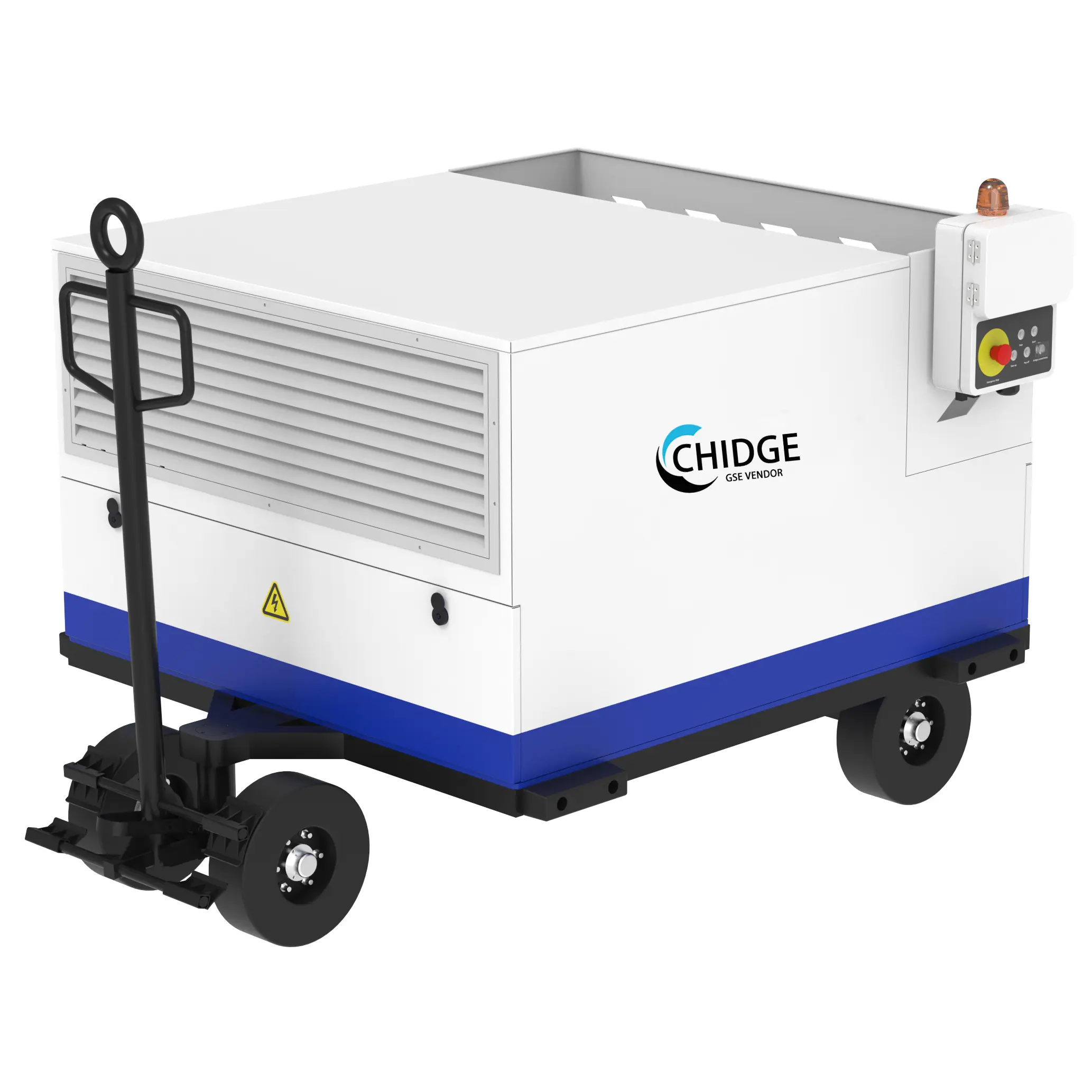
Discover how solid-state battery technology is replacing diesel engines in towable GPUs, lowering emissions and noise on the ramp.
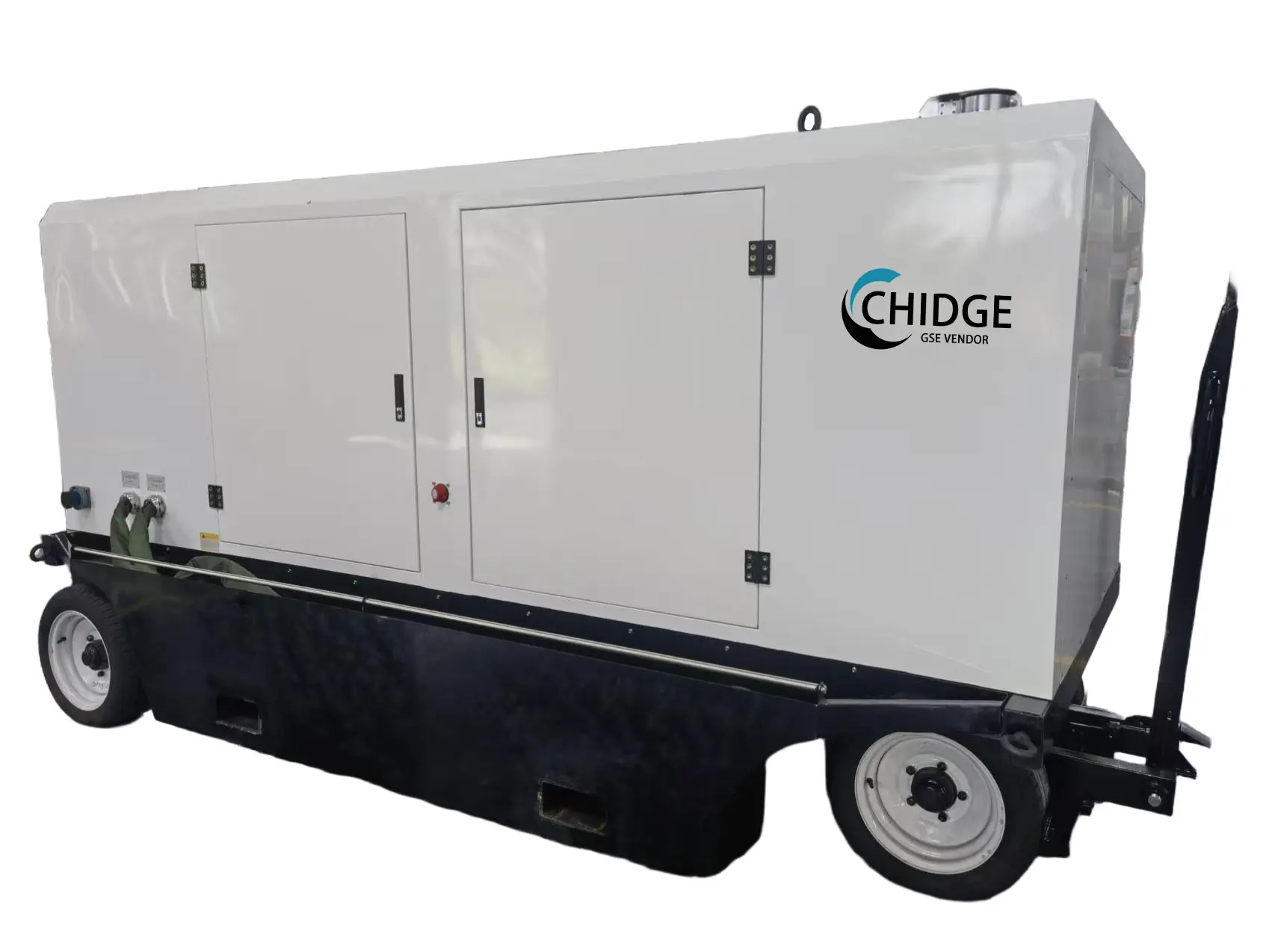
A comprehensive look at how ground power systems support commercial aviation, analyzing grid converters and towable configurations.
Heavy industrial logistics trailers built for high-demand cargo hubs and cargo sorting centers.
 Chidge Dolly