 Chidge Dolly






Industry News
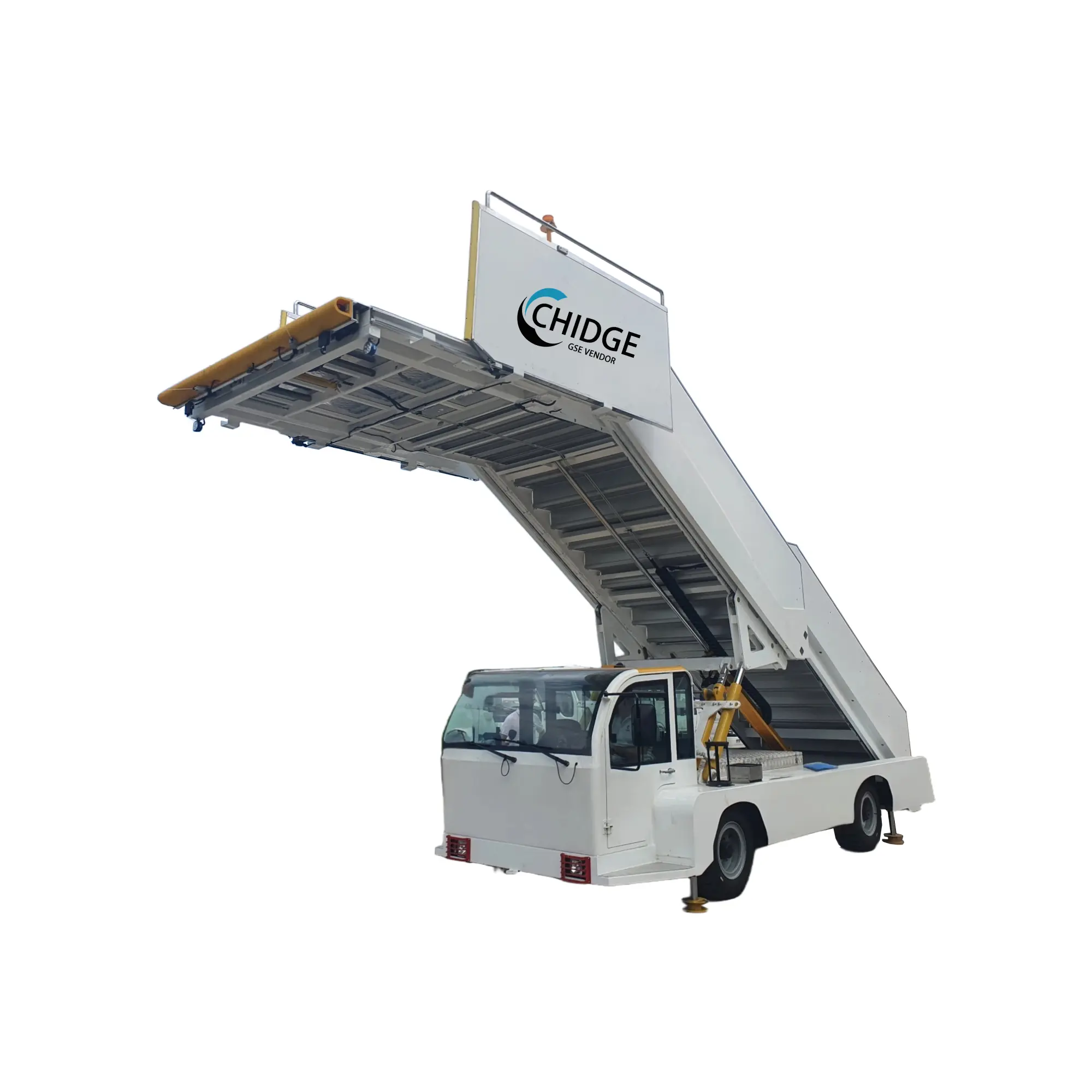
What are Passenger Boarding Stairs?
Discover the engineering and safety mechanisms behind passenger boarding systems, focusing on wind stability and height adjustment features.
2026-05-27
Explore our custom-engineered towing, loading, and transit vehicles configured to streamline ground operations and minimize aircraft turnaround times.
In modern high-throughput logistics terminals, maritime harbors, and airport runways, heavy-duty towing units are the backbone of supply chain continuity. Purchasing managers, logistics coordinators, and airport operations directors face a growing web of requirements when procuring industrial vehicles. Beyond basic load capacities, these assets require high dynamic stability, low maintenance overhead, and long operational lifespans under demanding shift schedules.
Industrial GSE (Ground Support Equipment) must withstand continuous vibrations, high torsional forces, and harsh weather conditions. To meet these needs, custom tow truck manufacturers rely on advanced finite element analysis (FEA) to simulate stressors before production begins. For airport operations, complying with strict international regulations is not optional—it is a baseline requirement for airport security and reliability.
Our engineering and manufacturing capabilities support a wide range of logistics and aviation ground operations, as outlined in our technical categories below.
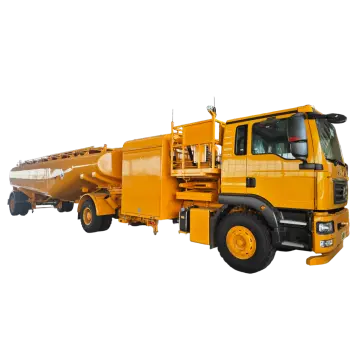
Designed for precise, high-volume operations under strict safety protocols. Supported configurations include:
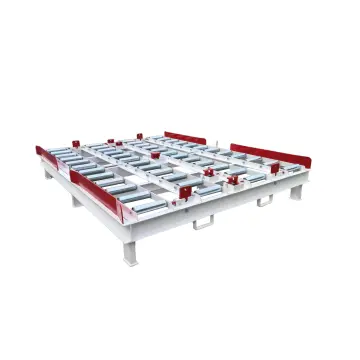
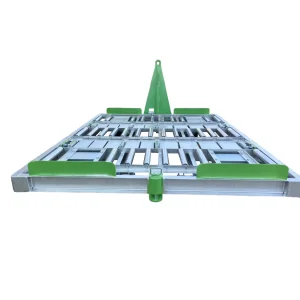
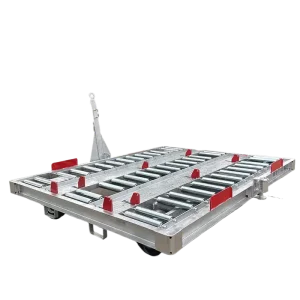
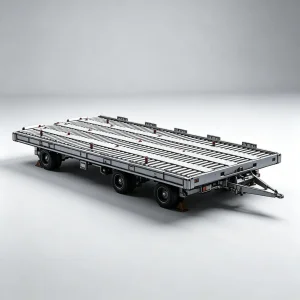
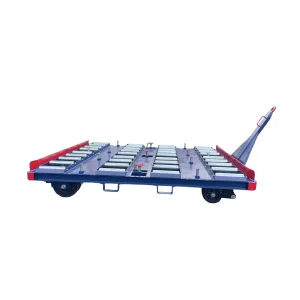
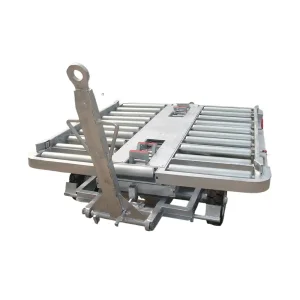
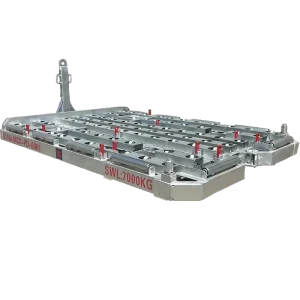
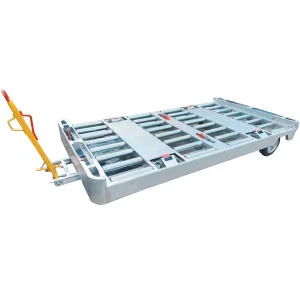
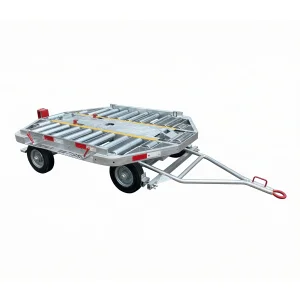
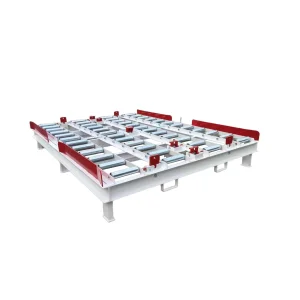
Engineered for high-volume cargo terminals, ensuring smooth container handling. Standard configurations include:
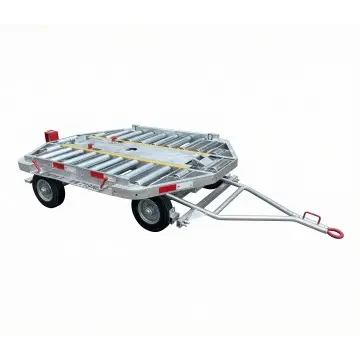
Engineered for low maintenance and high operational life. Key products include:
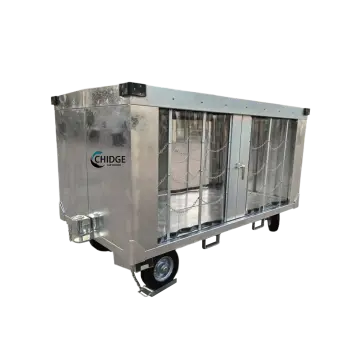
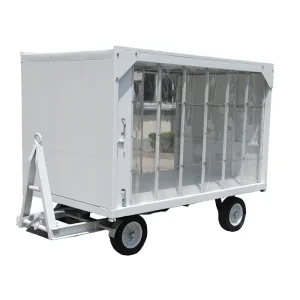
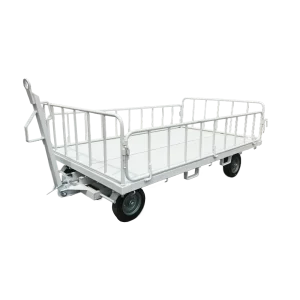
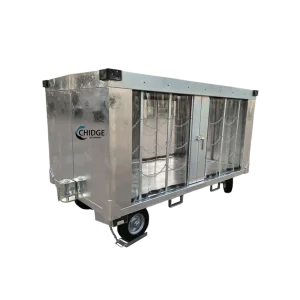
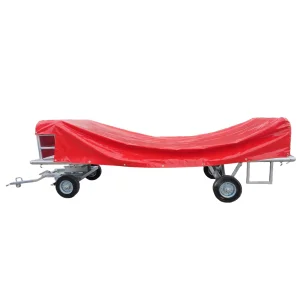
Protects passenger baggage and high-value cargo from weather damage during transit. Options include:
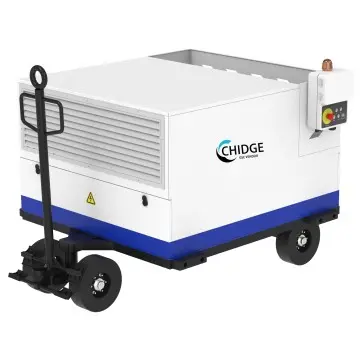
Provides ground power and environmental control to aircraft, reducing reliance on auxiliary power units (APUs):
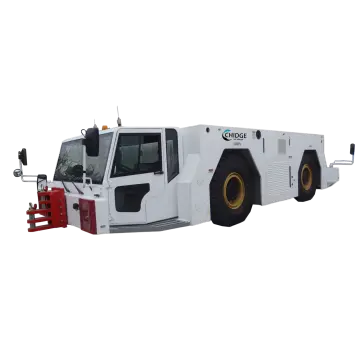
Engineered for high drawbar pull (DBP) to tow large commercial aircraft safely. Main models include:
China has become a leading hub for GSE manufacturing, driven by an integrated industrial supply chain, advanced metal fabrication technology, and robust logistics infrastructure. Chinese factories combine high-grade steel sourcing, advanced automated machining, and skilled assembly teams to deliver high-quality ground support equipment with shorter lead times than Western competitors.
This localized cluster ecosystem allows manufacturers to quickly source high-yield structural steel, specialized axles, hydraulics, and vehicle electronics. Tight supply chain integration reduces raw material transport costs and speeds up prototyping, allowing custom designs to go from engineering drawings to finished products in less time.
Managing the lifecycle of a tow tractor or cargo loader requires balancing acquisition costs with long-term operational efficiency. Chinese manufacturers offer structural cost advantages alongside advanced technology, giving fleet managers a strong return on investment.
From automated robotic welding that ensures consistent structural welds to advanced multi-layer zinc primers that protect against rust, China's manufacturing sector meets global standards at competitive price points.

Finite element analysis and 3D modeling optimize load-bearing structures.

High-volume manufacturing lines deliver large fleet orders on schedule.

Quality assurance systems verify drawbar pull and load ratings before shipment.

Proximity to major international ports ensures cost-effective ocean shipping.
Aviation and industrial sectors operate under strict safety standards. Our GSE designs prioritize regulatory compliance and driver safety across global markets.

All aircraft pushback tractors, loaders, and ground power units are built to meet IATA Airport Handling Manual (AHM) guidelines, ensuring safe interactions with commercial aircraft.

Our manufacturing facilities maintain ISO 9001 certification. Vehicle systems are CE-marked to meet European health, safety, and environmental protection requirements.

We adapt engine emissions packages (including EPA Tier 4F and Euro Stage V) and electrical systems to match local regulations and regional terminal standards.

Through partnerships with regional service centers, we provide replacement parts, technical training, and on-site support to minimize vehicle downtime.
Airports and logistics hubs have unique operational challenges. Standard equipment may not suit facilities with narrow ramp configurations, extreme temperatures, or specialized coupling requirements. Our design-to-build manufacturing model offers tailormade GSE solutions that integrate into your existing fleet.
Our engineering services cover everything from chassis adjustments to specialized electronic additions. We collaborate with cargo handlers and fleet engineers to modify load capacities, steering configurations, cabin designs, and power systems. This collaborative process ensures that each custom vehicle matches your operational workflows.
The ground handling industry is undergoing a transition driven by carbon reduction targets and the efficiency gains of digital systems. Airport operators and ground handlers are moving away from traditional internal combustion engines in favor of electric power options (eGSE). This shift helps lower carbon emissions, reduce ramp noise levels, and decrease fuel costs.
Lithium iron phosphate (LFP) batteries are replacing lead-acid alternatives as the primary power source for electric tow tractors. LFP chemistry offers longer cycle lives, supports rapid opportunity charging during shift breaks, and requires virtually zero maintenance, helping improve fleet utilization rates. Additionally, digital monitoring systems are changing how managers track fleet operations.
Our GSE equipment is deployed in various demanding environments, each requiring distinct design configurations.
High-density passenger ramps require fast pushbacks and rapid luggage transfers. Compact electric towing tractors (10T to 20T capacity) and enclosed rainproof baggage carts ensure bags are moved quickly and protected from weather damage during busy flight schedules.
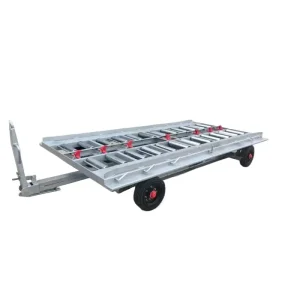
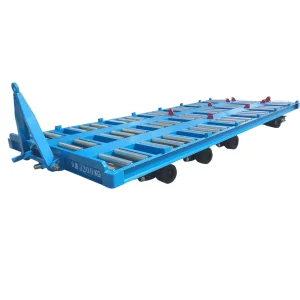
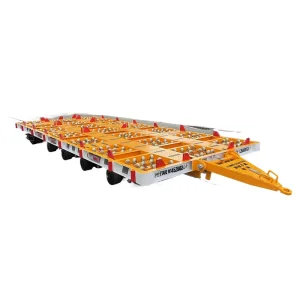
Air cargo terminals operate under constant load pressures. To handle heavy container transit, cargo crews rely on 7T castle pallet dollies and heavy-duty 27T dollies, enabling smooth transfer of high-volume container shipments between warehouses and cargo planes.
Maintenance operations require reliable power, cabin conditioning, and precise aircraft positioning. This environment utilizes 90KVA towable GPUs, air start units (ASU), and large aircraft towing tractors (like the CDT700) to maneuver widebody aircraft safely.
Stay informed with technical insights and operational guides written by our senior aviation engineering team.
Discover the engineering and safety mechanisms behind passenger boarding systems, focusing on wind stability and height adjustment features.
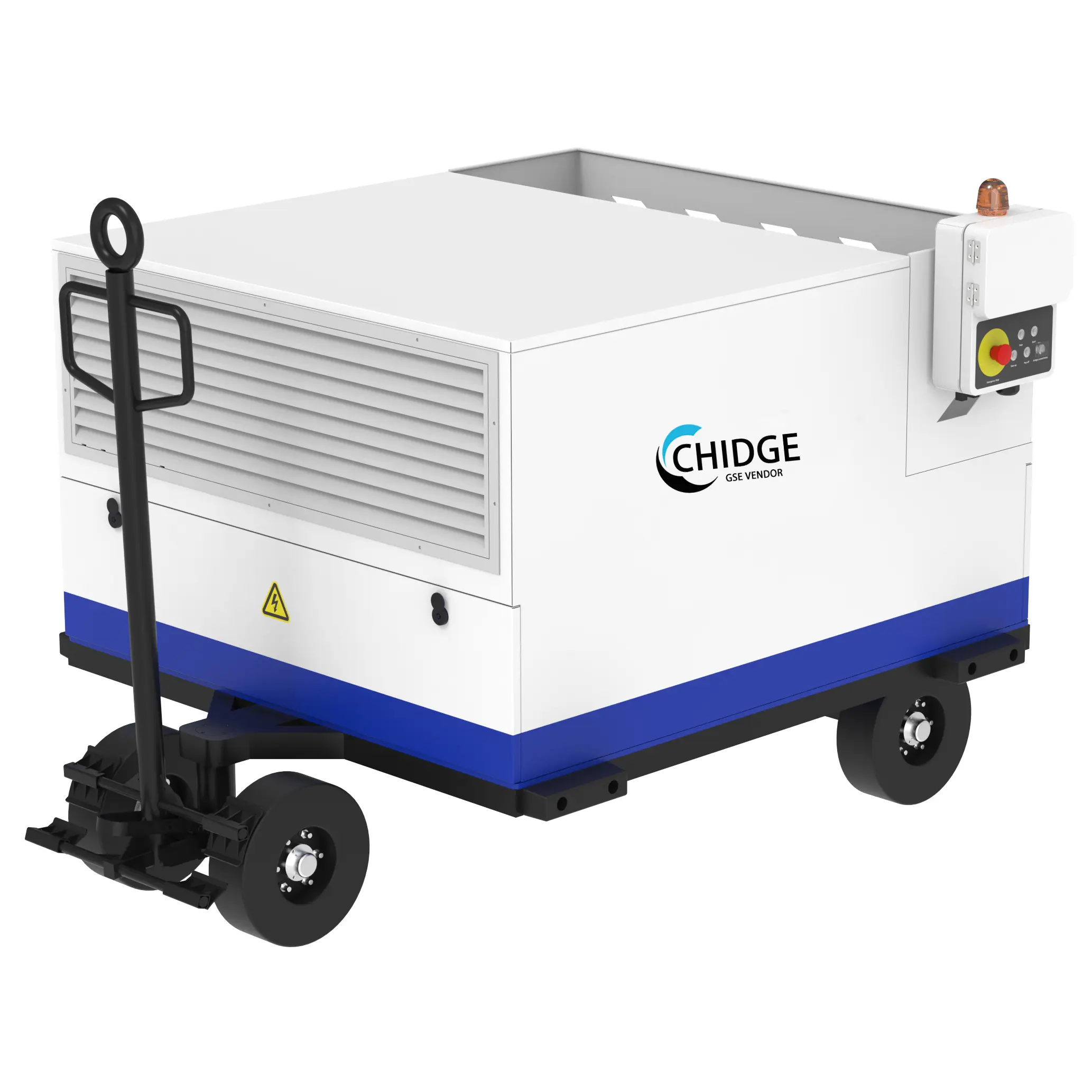
Learn how battery-powered ground power units help airports reduce operational carbon emissions while maintaining stable 400Hz electricity output.
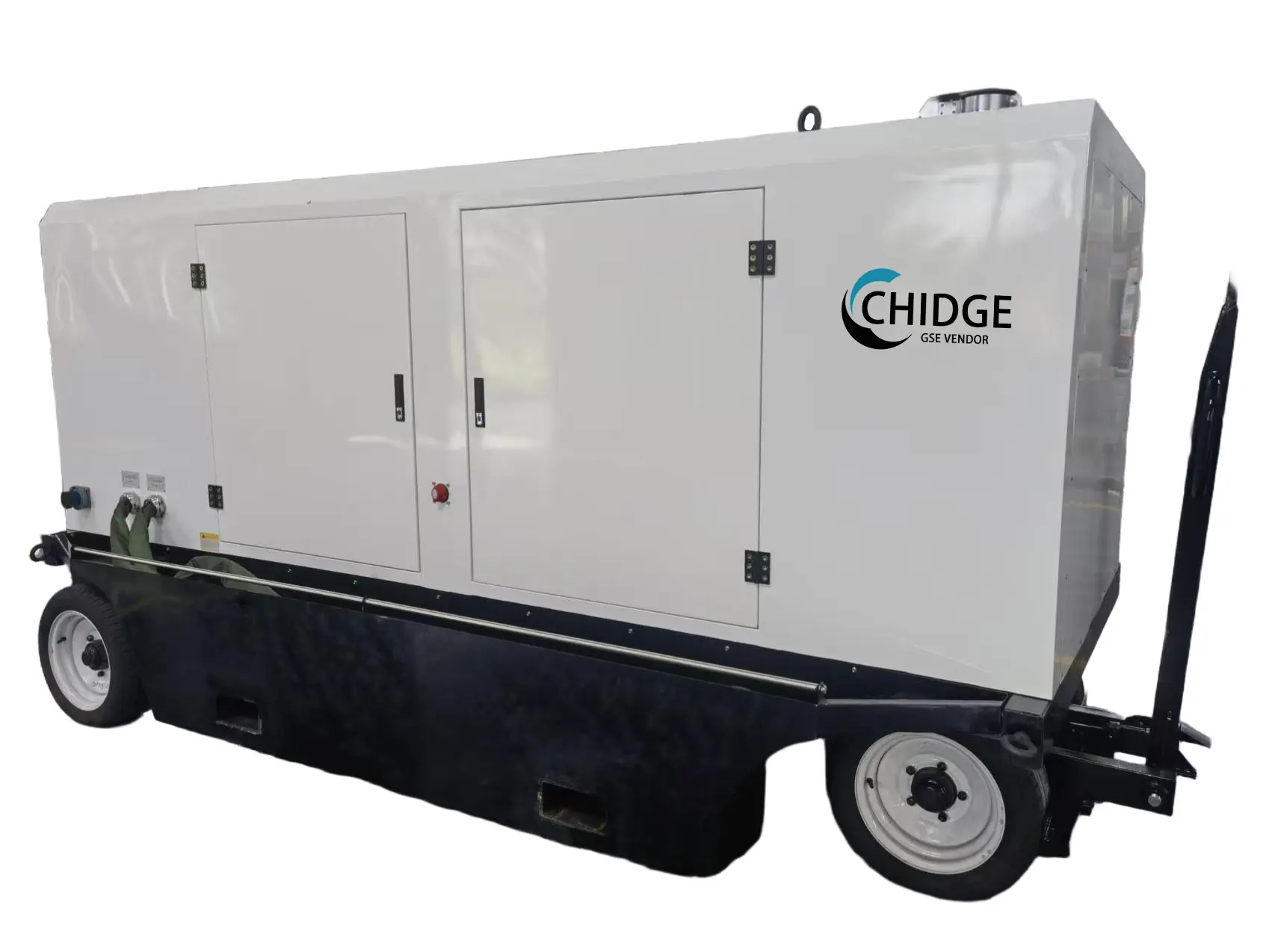
A detailed breakdown of truck-mounted versus towable GPUs, comparing fuel usage, service lifespans, and operational flexibility for ground crews.
Find answers to common questions about customization, certifications, shipping logistics, and compliance for industrial towing and ground support equipment.
Every tractor is tested on specialized dynamometer beds to verify its Drawbar Pull (DBP) capacity. We also conduct hydraulic pressure testing under full load, perform electrical diagnostics, and run track tests to verify brake response. For diesel models, we perform emissions checks to ensure compliance with EPA and Euro standards.
Cold conditions can temporarily reduce lithium-ion battery capacity. To address this, our electric GSE models feature integrated thermal management systems. These systems heat the battery cells during charging and cold-weather operations, maintaining battery performance and capacity down to -20°C.
Yes. Through our ODM and OEM services, we customize configurations to match the coupling mechanisms, brake systems, hydraulic layouts, and dimensions of your existing fleet, making it easier to integrate new equipment and simplify maintenance.
Heavy vehicles and trailers are shipped using Roll-on/Roll-off (RoRo) ocean transport or secured on flat-rack containers. Smaller dollies and baggage carts are optimized to fit into standard high-cube shipping containers to minimize freight costs.
From single-container LD3 dollies to heavy-duty 35-ton systems, our manufacturing facilities deliver standard and specialized transport equipment.
Our goal is to deliver reliable ground support equipment that creates long-term value for airport operators and cargo handlers worldwide.