Explore our core engineering capabilities in heavy baggage handling, pallet transport systems, and container dollys certified to international aviation standards.
In modern aviation hub configurations, the ground handling infrastructure represents the critical backbone of turnaround time (TAT) efficiency, terminal safety, and environmental compliance.
The aviation sector is undergoing a structural transition toward decarbonization and operational automation. Under international frameworks such as the IATA NetZero 2050 initiatives and Airport Carbon Accreditation (ACA), ground support equipment (GSE), specifically aircraft towing tractors, has shifted from traditional mechanical configurations to highly integrated, zero-emission smart utility vehicles. These towing tractors, which range from small baggage tugs to massive main-line aircraft pushback units, must balance immense drawbar pull (DBP) demands with precision torque control, ensuring that landing gear structural limits are never compromised during pushback, maintenance towing, or gate operations.
As standard airport taxiing operations consume substantial jet fuel, next-generation towing systems present a massive economic opportunity. Fleet operators are progressively replacing auxiliary power unit (APU) taxiing runs with active towing systems or specialized hybrid/electric pushback tractors. This operational shift demands a high level of machine reliability, intelligent control interfaces, and adaptive drivelines that can handle varying ramp conditions, ranging from high-speed cross-taxis to confined terminal gate positioning.
How we design next-generation aircraft towing tractors to meet the rigorous safety, operational, and structural needs of Class-A airports worldwide.
Our engineering research focuses on three primary driveline topologies designed to cover the entire spectrum of narrow-body, wide-body, and cargo aircraft classes:
Featuring dual-motor four-wheel-drive configurations powered by highly stable Lithium Iron Phosphate (LFP) chemistries. Integrated liquid cooling plates protect battery integrity during rapid DC fast-charging cycles.
Utilizing high-torque low-RPM engines equipped with selective catalytic reduction (SCR) and diesel particulate filters (DPF). Engineered for continuous operation in airports lacking localized charging infrastructure.
Our R&D division is prototyping high-efficiency proton-exchange membrane (PEM) fuel cells. This system offers zero-emission operation with rapid refueling capabilities suited for high-cycle logistics hubs.
One of the most dangerous occurrences during aircraft pushback is the jackknifing of the towbar assembly, which can damage nose landing gear (NLG) steering collars. Our specialized tractors feature proprietary torque vectoring controllers. By monitoring the angle of the towbar and real-time tire slip across both axles, the onboard computer dynamically modulates hydraulic flow (in diesel-hydraulic units) or individual motor torque (in electric units) to prevent steering excursions. In towbarless configurations, mechanical clamping over-limit switches instantly trigger safety interlocks to prevent excess side-loads.
Each unit is integrated with an IATA AHM 910/913 compliant telemetry hub. Using dual LTE/Wi-Fi modules, maintenance teams can monitor drive-motor thermal metrics, battery State-of-Health (SoH), hydraulic pressure fluctuations, and exact GPS tracking. This real-time diagnostic feed minimizes unscheduled maintenance events and optimizes airfield vehicle deployment patterns.
Aviation ground equipment must operate flawlessly regardless of geographical challenges, harsh temperatures, or terrain conditions.
For high-latitude hubs (e.g., Northern Europe, Canada, Northern China), our vehicles are equipped with insulated battery enclosures, hydraulic fluid pre-heaters, and dual cabin heating loops. Cabins feature heated safety glass to maintain visibility during freezing rain and severe snowstorms.
Marine environments require enhanced corrosion protection. We apply marine-grade C5-M anti-corrosive powder coating to the entire steel chassis, alongside IP67-rated electrical connections and hermetically sealed control cabinets to prevent humidity ingress.
At high altitudes (e.g., above 3,000 meters), diesel power output typically degrades due to reduced oxygen density. We mitigate this through turbo-compounded diesel engines or by deploying lithium-electric drivelines, which operate independently of atmospheric oxygen density.
Explore our specialized range of aircraft refueling trucks, self-propelled passenger stairs, ground power units, and heavy-duty cargo loaders.
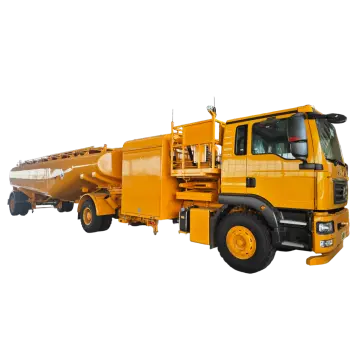
Consists of a chassis, oil tanks, pumping system, control system, and operating components. Integrated filtration and pressure control.
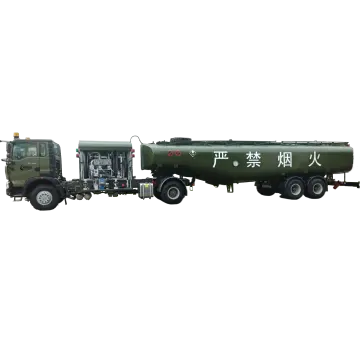
Designed for heavy cargo aircraft, featuring self-circulation, metering, and precision pressure control.
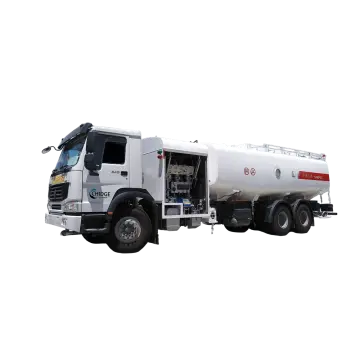
Advanced airport refueling system with integrated safety interlocks and certified high-flow metering systems.
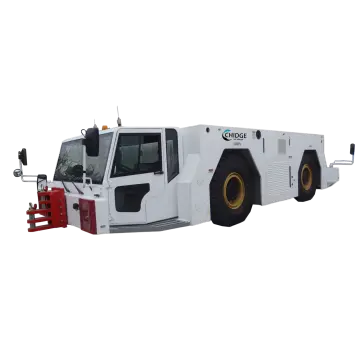
Heavy-duty widebody pushback tractor. Designed for A380 and B747 class operations.
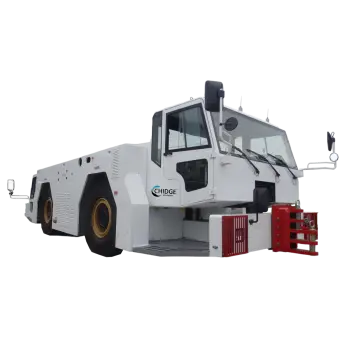
Medium-class pushback tractor, offering high performance and reliability for wide-body fleets.
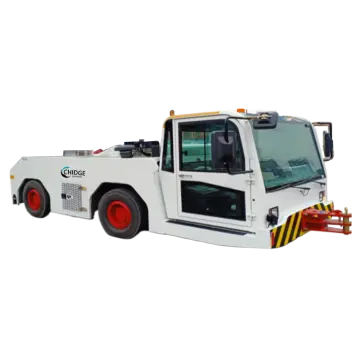
Designed for narrow-body and regional jets. Features a compact turning radius and precise torque vectoring.
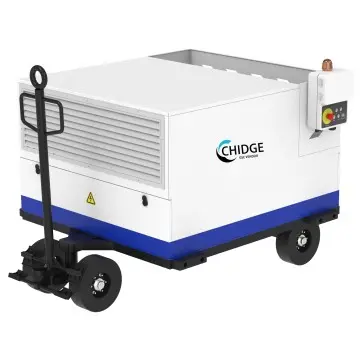
Zero-emission battery-based ground power unit. Clean 400Hz output for modern aircraft systems.
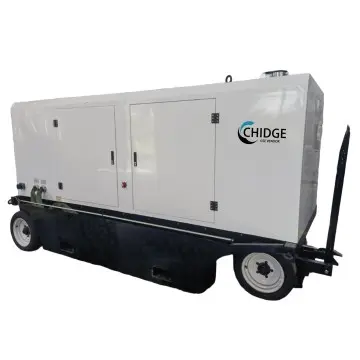
Standard diesel-generator unit providing continuous 90kVA 400Hz AC power for pre-flight testing.
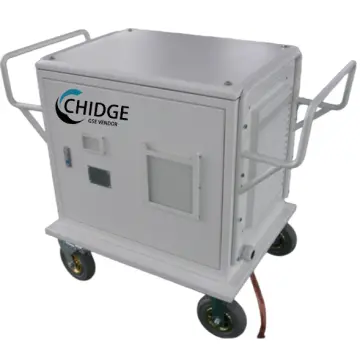
Solid-state frequency converter designed for hangar and gate installations.
Combining structural cost advantages, vertically integrated components, and advanced quality assurance protocols to deliver high-quality ground support equipment.
As a leading Chinese GSE manufacturer, we utilize a robust domestic industrial supply chain. China's concentration of automotive casting facilities, structural steel fabricators, high-capacity battery cell manufacturers, and advanced hydraulic component producers allows us to maintain stable lead times and raw material security, even during global supply chain disruptions.
Our manufacturing complex uses robotic welding stations, large-scale CNC machining centers, and automated assembly bays to ensure structural consistency and high build quality. Every towing tractor undergoes load testing, including simulated drawbar pull evaluations and hydraulic stress testing, before leaving the factory.
Furthermore, vertical integration enables our engineering teams to collaborate directly with component suppliers. By co-designing specialized planetary drive axles, robust gearboxes, and integrated motor controllers, we optimize transmission efficiency while lowering component wear and long-term maintenance costs for fleet operators.
Ensuring global compliance and providing responsive support to maintain your ground fleet's operational readiness.
All our custom GSE airplane towing tractors are designed and manufactured in compliance with international aviation regulations, including:
To support overseas fleets, we work with localized maintenance partners and maintain spare parts hubs in key regions. Our service model includes on-site operator training, digital parts catalogs, and remote diagnostic support to resolve technical issues quickly and minimize equipment downtime.
Get answers to common queries regarding specifications, customization, battery charging, and safety regulations.
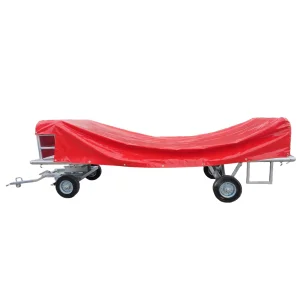
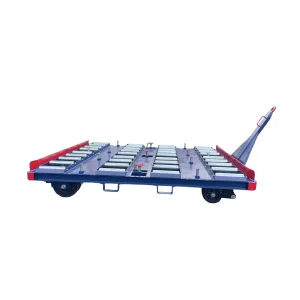
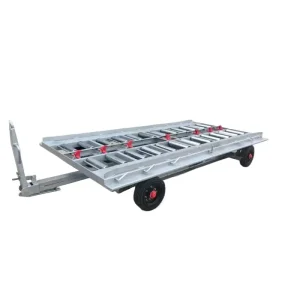
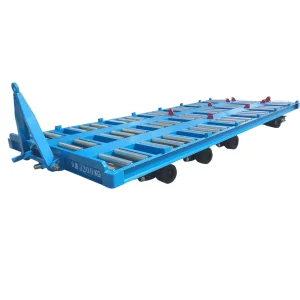
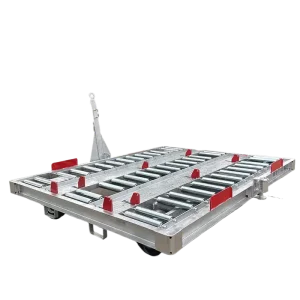
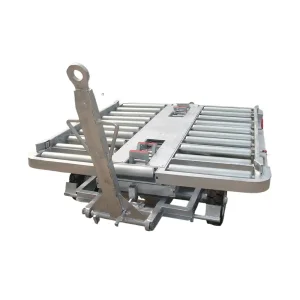
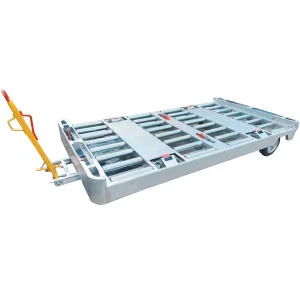
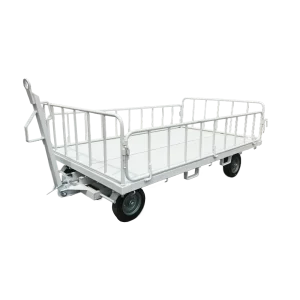
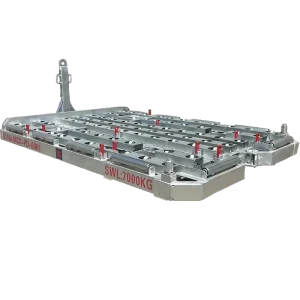
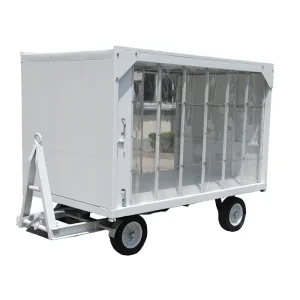
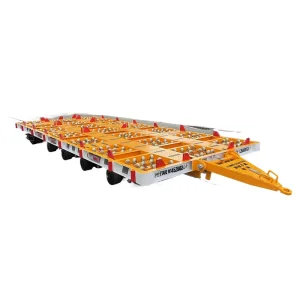
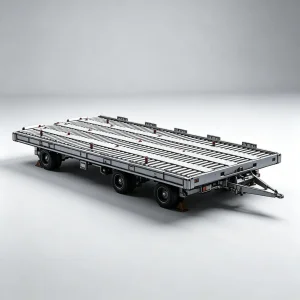
Explore our specialized high-capacity dollys, enclosed weather-resistant baggage carts, and slave pallet configurations engineered to optimize cargo terminal operations.
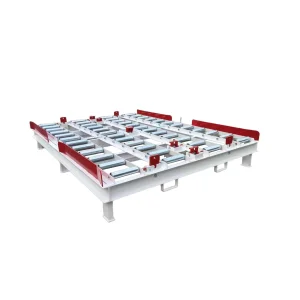
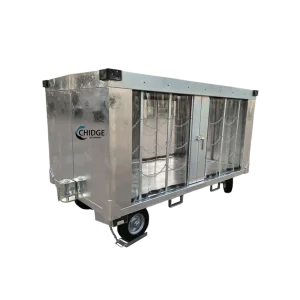
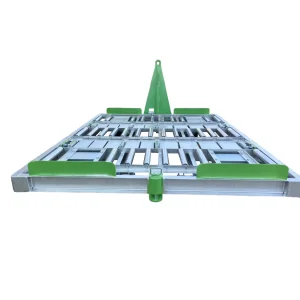
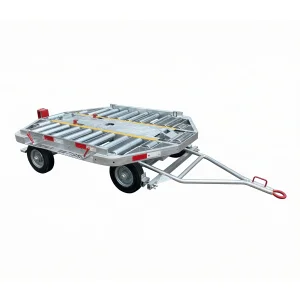
 Chidge Dolly