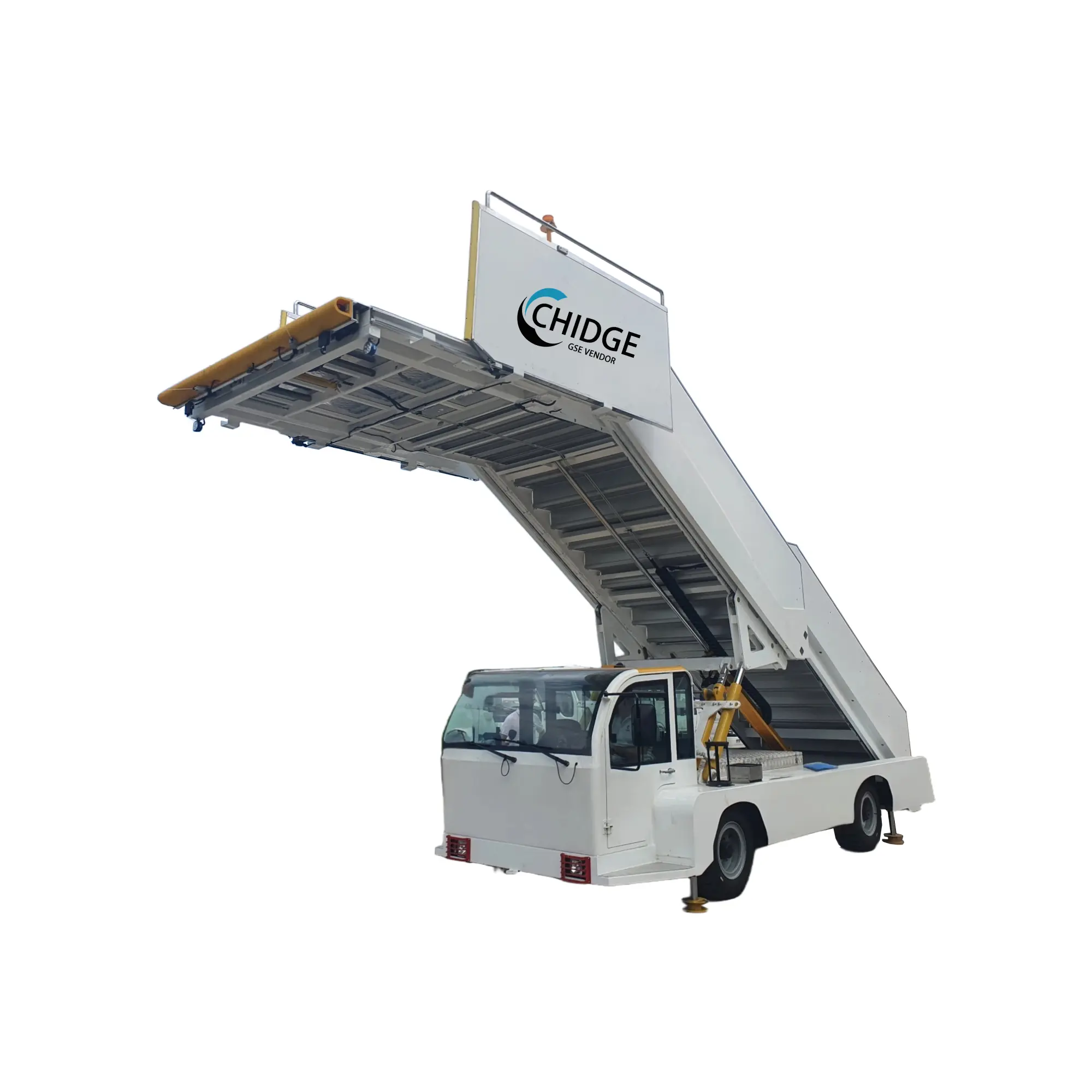
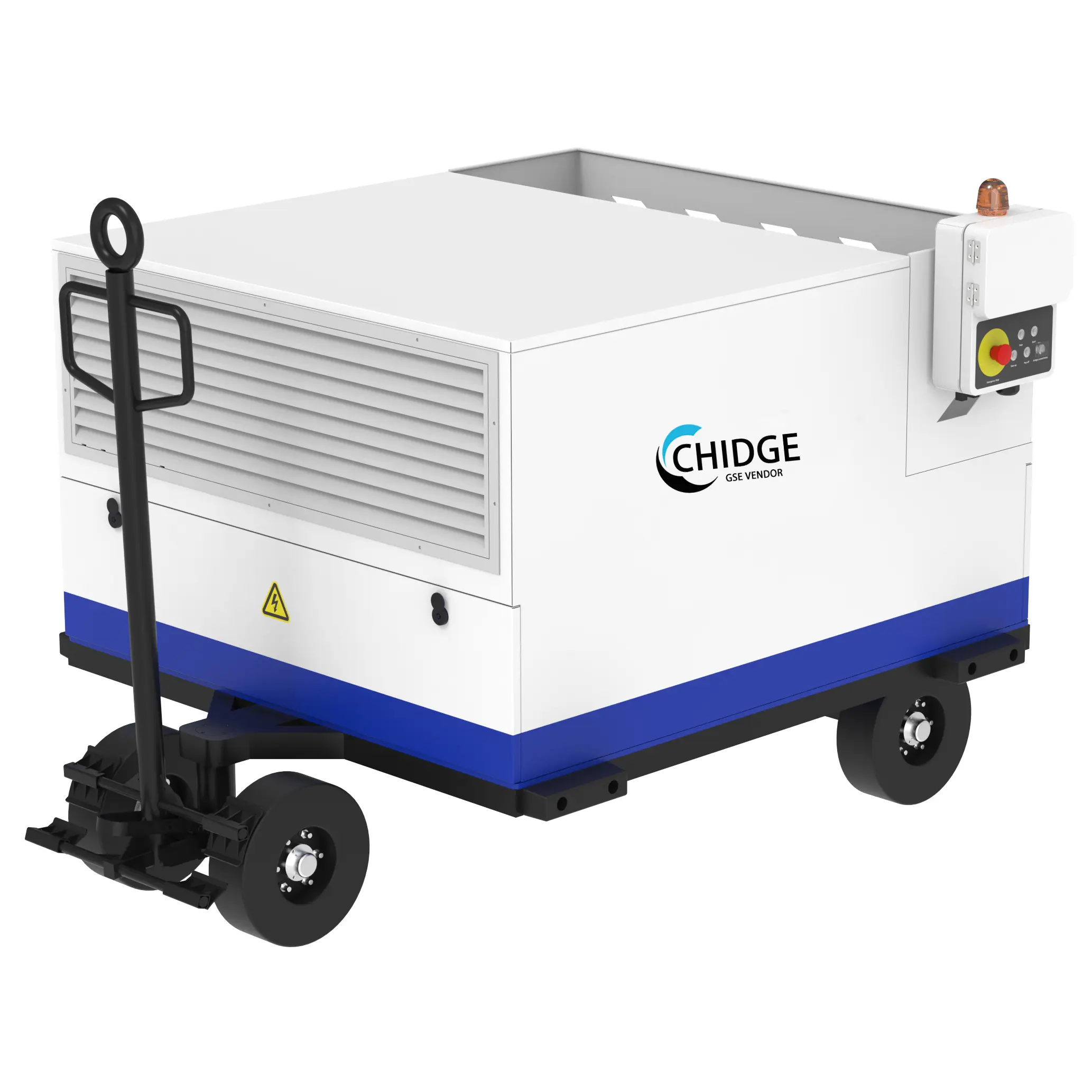
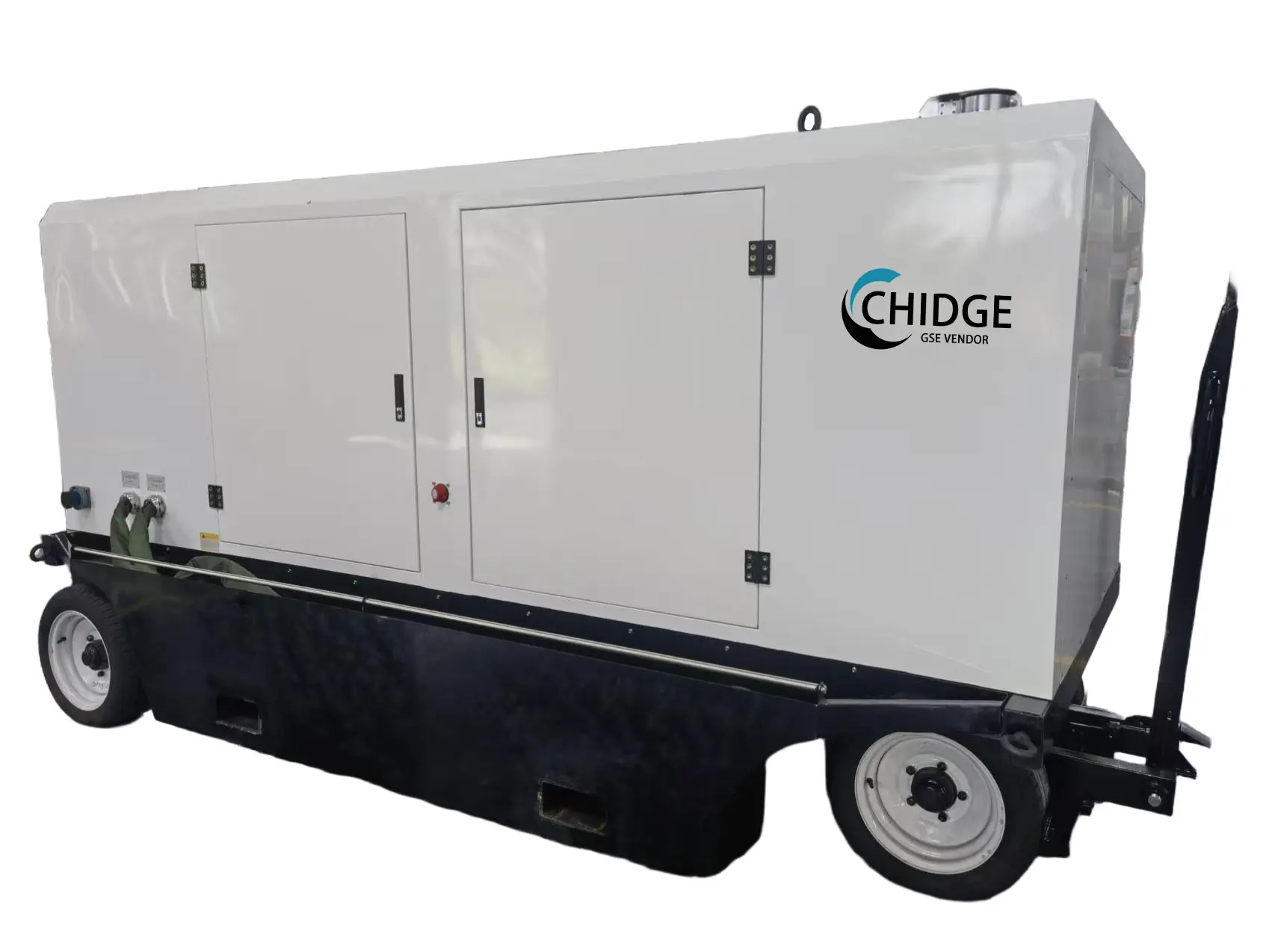
Engineered to handle complex ramp environments, cargo hubs, and intensive airline scheduling requirements.
Understanding market demand, regulatory guidelines, and technological adaptation in the ground handling domain.
The global aviation sector is experiencing unprecedented growth, causing significant stress on ramp operations. Aircraft Ground Support Equipment (GSE), specifically aircraft towing tractors, serves as the critical backbone for airport efficiency. Whether performing gate pushbacks, hangar towing, or regional positional maneuvers, modern tow tractors are engineered to execute tasks with minimal turnaround times.
Regulatory frameworks, including the International Air Transport Association's (IATA) Airport Handling Manual (AHM 910/913/955), demand stringent compliance metrics regarding load capacities, operator safety mechanisms, and cabin design. In major transport hubs like Chicago O'Hare, London Heathrow, or Singapore Changi, ground handling agencies look for multi-purpose towing tractors that offer scalable drawbar pull (DBP) configurations to service varying fleets from narrow-body Regional Jets to ultra-heavy wide-body A380/B747 commercial liners.
The aviation ecosystem is actively moving toward "Net Zero" carbon footprints. Consequently, traditional internal combustion engine (ICE) tractors are rapidly being phased out by green electric GSE (e-GSE). High-voltage Lithium-Iron-Phosphate (LFP) power units are replacing lead-acid battery and diesel alternatives due to higher energy density, lower lifecycle costs, and rapid opportunistic charging functionality.
Furthermore, the introduction of IoT-integrated telemetry permits real-time fleet localization, predictive battery monitoring, and automated safety overrides. As collision avoidance technologies mature, tow tractors are now incorporating LiDAR and camera arrays to secure clean, accident-free pushbacks in low-visibility conditions.
TCO Reduction in Electric GSE
Average Operational Uptime
Direct DC Fast Charging Architecture
Countries Utilizing Our Ground Units
Explaining how China's integrated supply chain and engineering ecosystems elevate GSE quality worldwide.
Utilizing high-tensile steel frames and robotic double-sided welding to optimize structural integrity, ensuring that towing systems withstand extreme torsional stresses during heavy-duty operations.
By leveraging comprehensive local supply chains for power transmission, heavy hydraulic units, and electrical controllers, Chinese manufacturers offer substantial CAPEX advantages without compromising premium safety standards.
From custom cabin heights for regional clearway compliance to cabin climate conditioning systems for arctic operations, Chinese factories are uniquely structured to offer tailored configurations quickly.
Procurement teams face the daunting challenge of balancing asset life-cycles with initial capital outlays. China’s advanced engineering hubs offer direct-to-manufacturer access, eliminating broker markups. Our industrial units comply with stringent international codes, containing ISO 9001 quality frameworks, CE certificates, and direct compatibility with major international ramp standards. Combined with rapid manufacturing turnarounds (typically 45-60 days for customized GSE fleets), Chinese hubs act as reliable extensions of global aviation networks.
Direct references to our primary GSE systems deployed across international airfield operations.
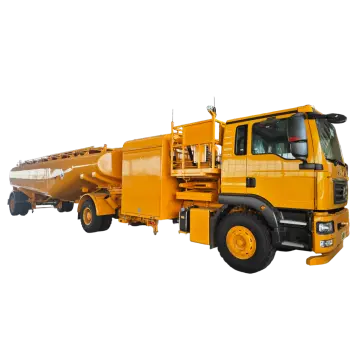
Consists of a heavy-duty chassis, oil tanks, pumping system, control system, and operational parts. Includes comprehensive filtration, metering, self-circulation, and pressure control.
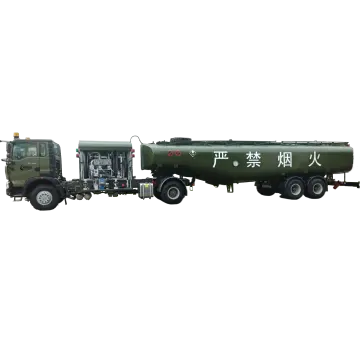
Engineered for high-volume fueling operations with integrated emergency shutoff controls and robust multi-stage fuel filtration structures.
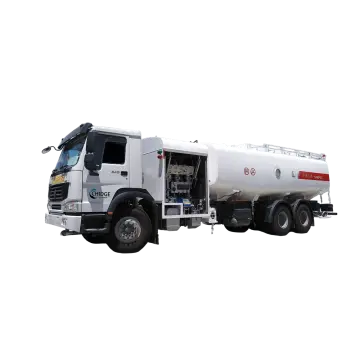
Designed for rapid fueling cycles with highly accurate metering units to guarantee clean delivery across multi-point refueling operations.
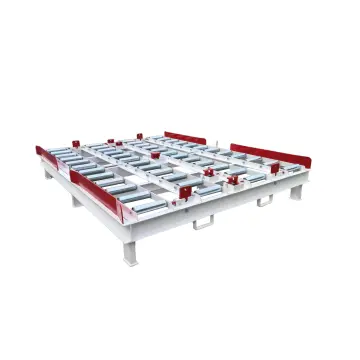
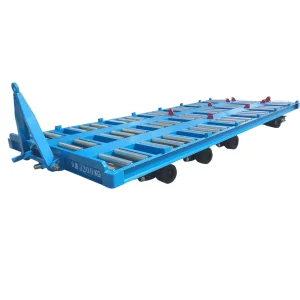
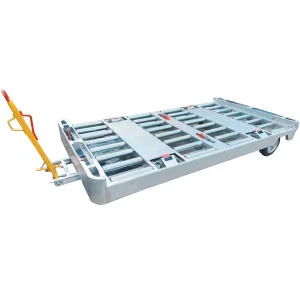
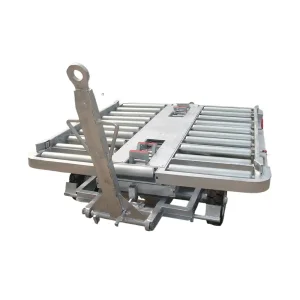
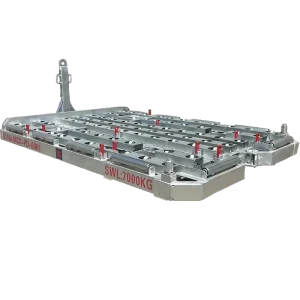
Heavy-duty, low-profile roll-deck dolly designed to interface seamlessly with cargo warehouse operations and high-loader decks.
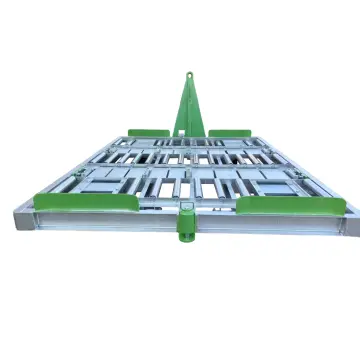
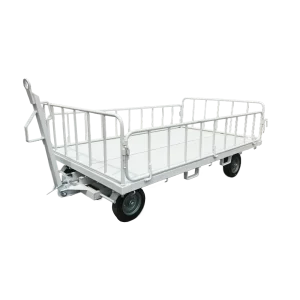
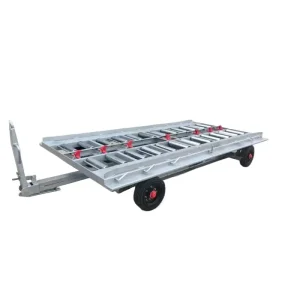
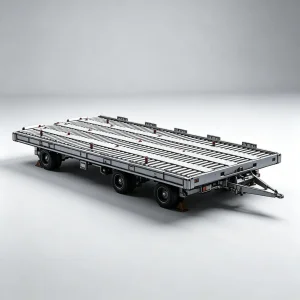
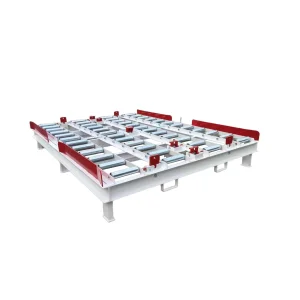
Rugged trailer built for regular cargo operations. Employs durable steel roll-beds to expedite loading/unloading cycles.
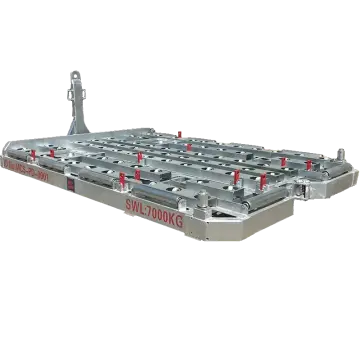
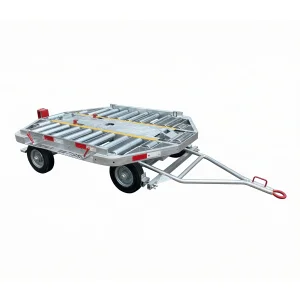
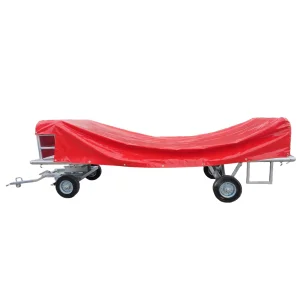
Features standard caster layouts for multi-directional movement configurations, ideal for tight regional cargo depots.
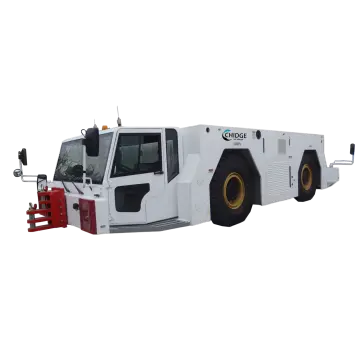
Designed for wide-body passenger aircraft operations, delivering high DBP levels for pushbacks under all weather conditions.
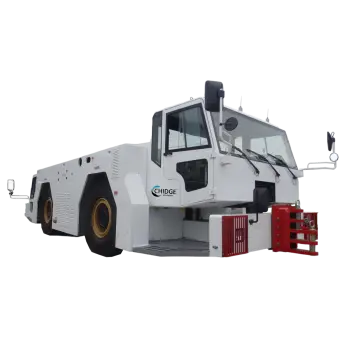
Optimized for medium-sized commercial airplanes, matching modern hydraulic torque converters with durable drive axles.
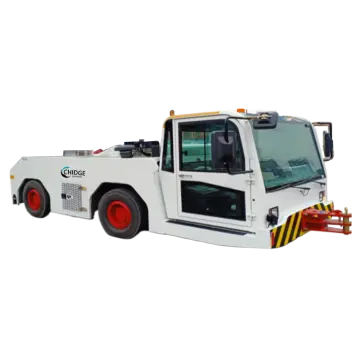
Compact, highly maneuverable unit suited for regional flights, narrow-body pushback operations, and maintenance hangar positioning.
Our comprehensive framework ensures global delivery, high-quality fabrication, and long-term asset productivity.
Integrating advanced simulation models and CAD design systems to refine load capacities, optimize energy efficiency, and prevent field-related structural failures.
Every vehicle and trailer conforms strictly to localized requirements. Comprehensive load and structural checks are performed prior to departure.
Our logistical network and inventory oversight keep global shipments on time, even under volatile maritime shipping schedules.
Providing lifelong technical support, immediate component dispatch, and operational training to keep ground assets functioning optimally.
We support customer-centric development from initial design and structural analysis to custom electronics configurations, certification compliance, and testing. This approach helps ground handlers reduce operational costs, enter markets quickly, and maintain high standards of reliability.
Delivering customized dollies, loaders, and tow units built to withstand intensive commercial flight schedules.
Rigorous testing structures confirm structural ratings, safety logic, and hydraulic capacities.




Stay informed with technical write-ups, engineering notes, and product announcements from our team.
Find answers to common questions about aircraft towing tractors and ground support equipment.
Drawbar pull (DBP) is calculated based on the maximum takeoff weight (MTOW) of the targeted aircraft, the maximum slope or ramp gradient, rolling resistance factors (typically 1.5% to 2% for standard concrete), and weather conditions (snow, ice, or wet runways). The basic formula is:
DBP = Weight of Aircraft & Tractor × (Rolling Resistance + Gradient Resistance).
Our engineering team can assist you in calculating these values to ensure the tractor you select meets your operational needs.
Modern e-GSE utilizes lithium-iron-phosphate (LFP) chemistry integrated with smart Battery Management Systems (BMS) and thermal heating jackets. When temperatures drop below freezing, these internal heating pads keep battery cell temperatures within the optimal range, maintaining battery capacity and ensuring consistent starting currents.
Our custom towing tractors comply with international safety regulations, including automatic speed reductions during turns, interlocks that prevent operation while charging, emergency manual lowering systems, and proximity sensors designed to prevent collisions on the ramp.
Yes. We provide complete OEM/ODM options, allowing you to customize chassis dimensions, hydraulic performance, electronics systems, and safety indicators. We also customize paint finishes and branding to align with your corporate style.
Helping airlines and ground handling teams optimize ramp safety, operational speed, and asset reliability.
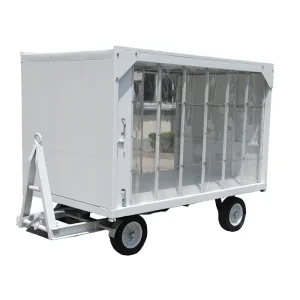
Explore our selection of heavy-duty trailers, rainproof cargo dollies, and ground units.
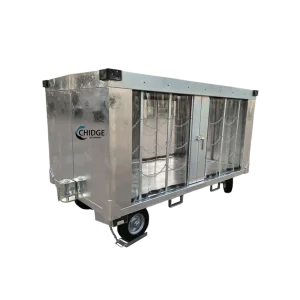
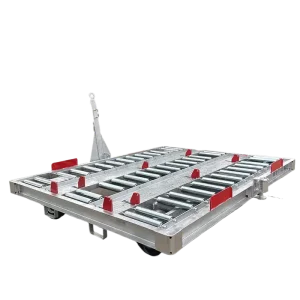
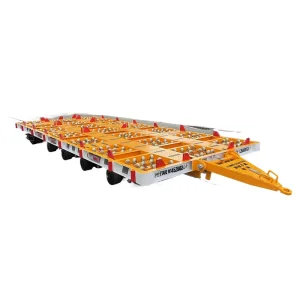
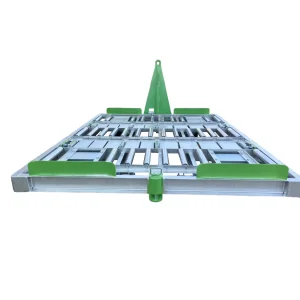
 Chidge Dolly