Premium specialized dollies engineered for extreme loads and continuous airport ramp transport schedules.
In the highly regulated ecosystem of global aviation, the ground support equipment (GSE) sector represents the backbone of air terminal operations, efficiency, and safety. Among the most mission-critical assets on the tarmac is the aircraft towing tractor. Designed to relocate massive narrowbody and widebody passenger and cargo planes safely between boarding gates, hangars, and remote stands, these specialized vehicles operate under intense physiological and logistical constraints. As ground operations face tighter flight turnaround schedules, reducing ramp congestion while enhancing safety metrics is paramount.
This industry document outlines the systemic development trends, engineering innovations, and global procurement models associated with custom GSE towing tractors. Through strict adherence to the international design frameworks set forth by the International Air Transport Association (IATA) and the European Committee for Standardization (CEN), modern manufacturers are moving beyond off-the-shelf offerings. Instead, they are delivering customized, application-specific GSE solutions that target exact Drawbar Pull (DBP) values, environmental configurations, and fleet management architectures.
The global aviation industry is experiencing an unprecedented structural transition driven by zero-emission targets and automation. Airports worldwide are enforcing strict green mandates, motivating ramp operators to replace traditional internal combustion engine (ICE) tow tractors with highly efficient electric ground support equipment (eGSE). This evolution involves more than replacing a diesel engine with a battery pack; it requires a comprehensive redesign of electric powertrains, battery management systems (BMS), and vehicle weight distribution to ensure necessary tractive effort.
Furthermore, the integration of autonomous and semi-autonomous systems is reshaping ramp operations. By incorporating LiDAR arrays, multi-camera surround views, and high-precision GNSS sensors, custom GSE manufacturers are enabling next-generation tractors to align automatically with nose gears, limiting the risk of hull damage. These technological updates minimize human error during critical pushback phases, optimizing path efficiency and maintaining high safety standards across dynamic airport ramp environments.
Procuring ground support equipment is a significant capital expenditure (CAPEX) decision that impacts long-term operational expenditures (OPEX). Ground handling agencies and airlines evaluate equipment based on complex operational parameters:
As the primary hub for global GSE manufacturing, Chinese factories leverage advanced Industry 4.0 smart manufacturing structures to deliver both cost efficiencies and technological innovation. Advanced robotic welding units ensure precision in heavy steel chassis fabrication, reducing structural failures under high torsional stress. By adopting digital twin testing systems, manufacturers can simulate dynamic structural stresses before assembly, identifying potential design improvements early in the production lifecycle.
Furthermore, China's extensive local industrial supply chain offers significant manufacturing flexibility. From specialized hydraulic systems to robust lithium-iron-phosphate (LFP) cells, key components are sourced, integrated, and verified under strict ISO 9001 and CE certifications. This concentration of resources minimizes lead times for custom configurations, ensuring reliable product delivery even during global supply chain disruptions.
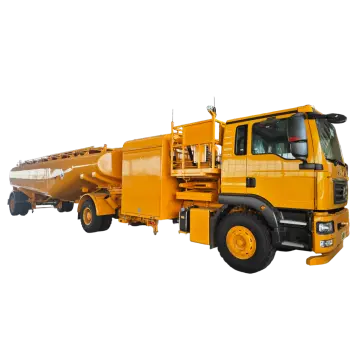
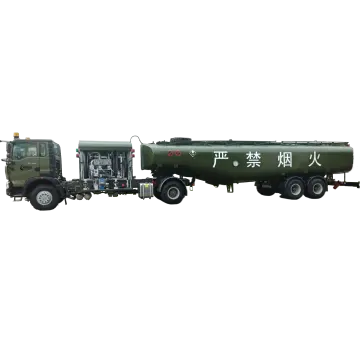
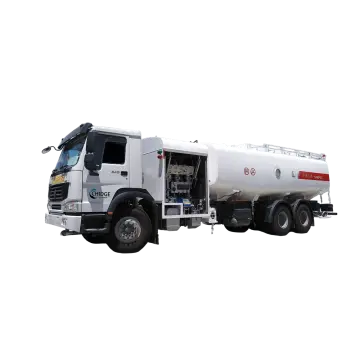
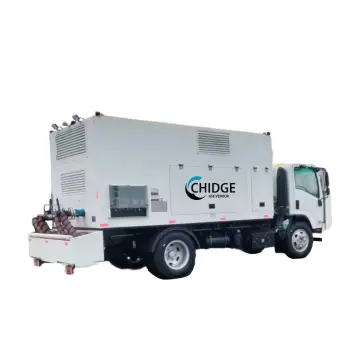
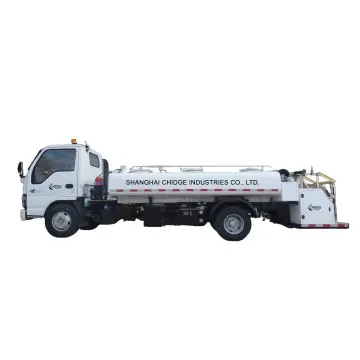
In addition to heavy-duty towing tractors, specialized airport vehicles perform complementary functions on the apron. For example, our Aircraft Tank Refueling Trucks (such as the CD5207GJJ, CD5580GJJ, and CD5341GJJ models) integrate high-capacity pumping, filtration, metering, self-circulation, and pressure control mechanisms onto a specialized chassis, ensuring clean and efficient fuel delivery to the aircraft wing tanks.
GSE systems must perform reliably under diverse and challenging climatic conditions globally. In sub-zero northern regions, cold-weather packages are essential, featuring heated battery systems, low-temperature hydraulic fluid, and insulated control cabins. Conversely, tropical and coastal environments require marine-grade anti-corrosion coatings and dust-proof electrical housings (IP67) to withstand salt spray and intense humidity.
For high-density airport terminals with continuous operations, battery swap capability or ultra-fast dual-plug DC charging systems are key features. These setups allow the equipment to run across multiple shifts with minimal downtime, maximizing tarmac space and equipment utilization rates.
Engineered to meet international aviation safety and handling regulations across diverse operations.
Chassis, oil tanks, pumping system, control system, operating part, filtration, metering, pressure control.
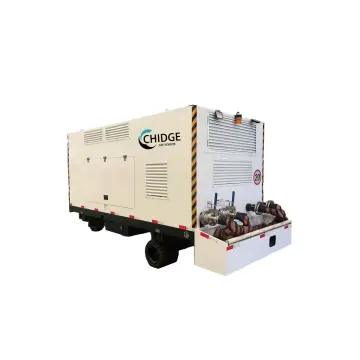
Consists of high-volume fuel cell systems, high safety metrics, filtration, self-circulation, pressure management.
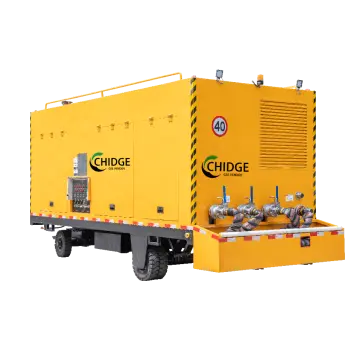
Integrated chassis system, pumping control, refueling, metering and safety interlocks for widebody services.
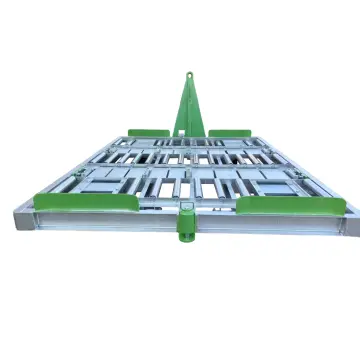
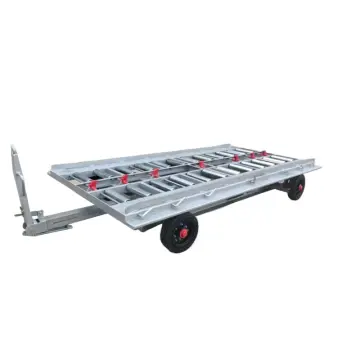
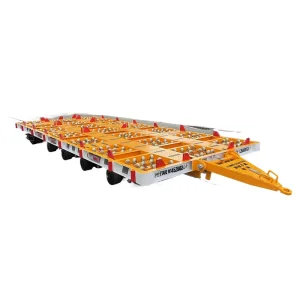
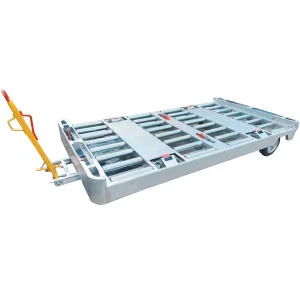
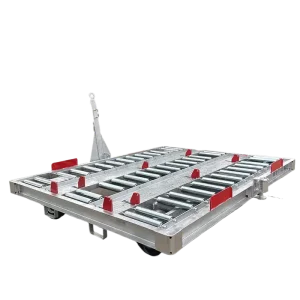
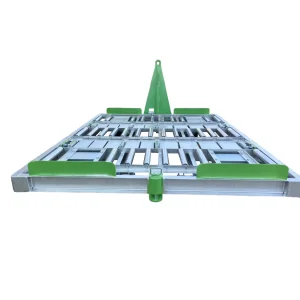
Heavy-duty cargo logistics dolly, designed for flexible terminal pallet transfers.
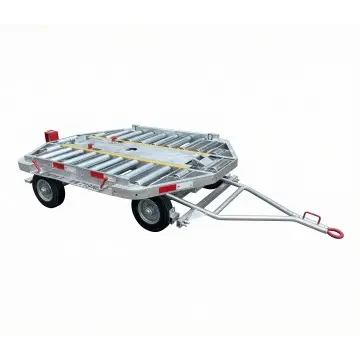
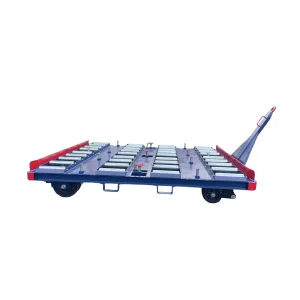
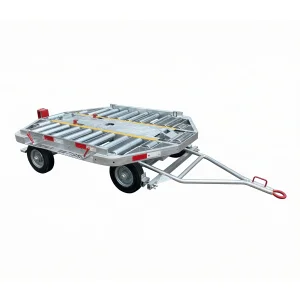
Reliable container and pallet ground transportation dolly with dual caster configurations.
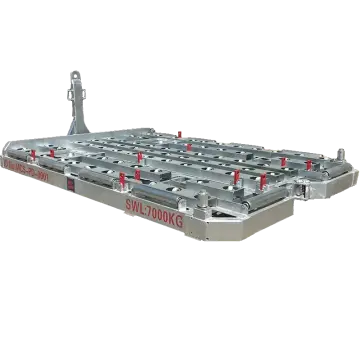
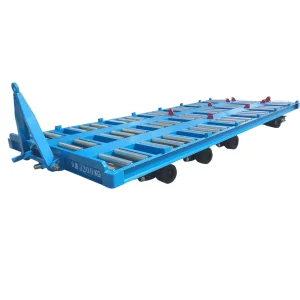
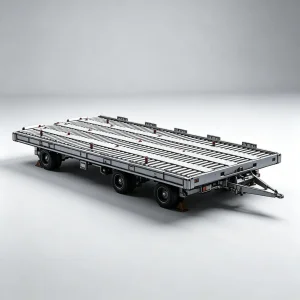
High strength steel structures, designed for heavy industrial airport cargo sorting lines.
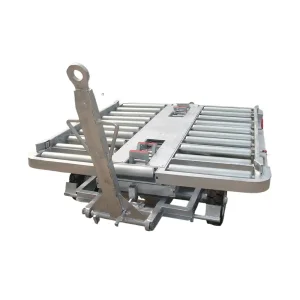
Optimized structure with secure locking mechanisms for LD3 aircraft containers.
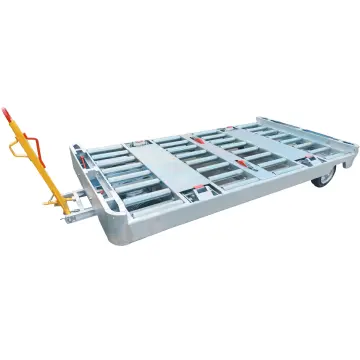
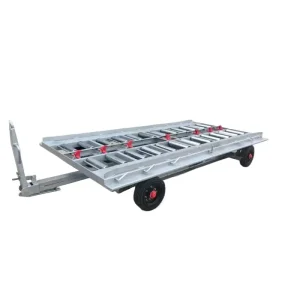
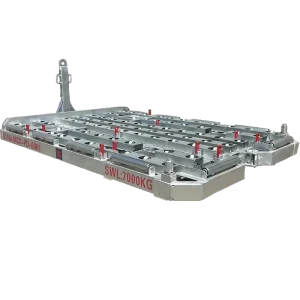
High payload capacity, low-deck profile for cargo hubs and logistics operators.
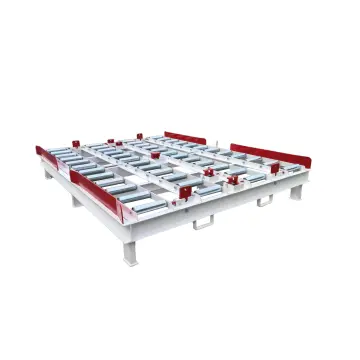
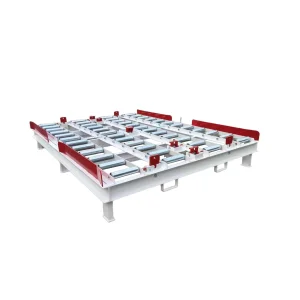
Optimized for ULD containers, with high-durability rollers and safety locks.
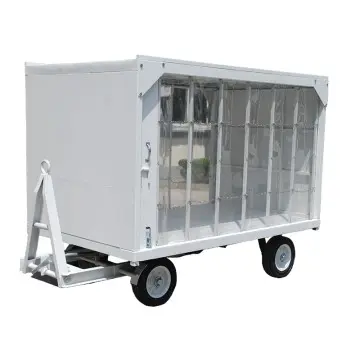
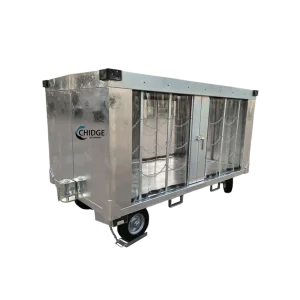
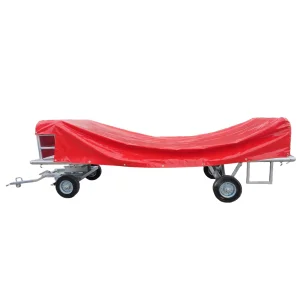
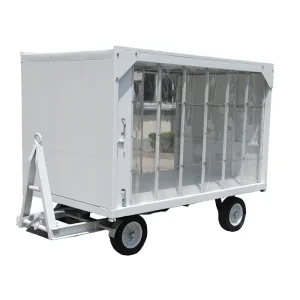
Weather-sealed construction protecting passengers' luggage in heavy downpour climates.
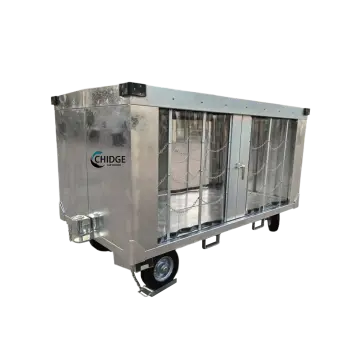
Full enclosure layout with integrated panels for baggage transit security.
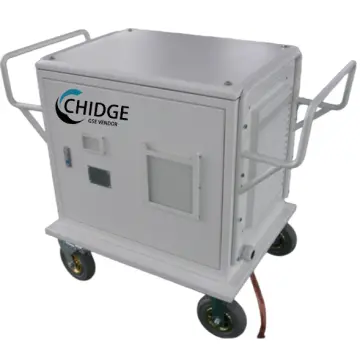
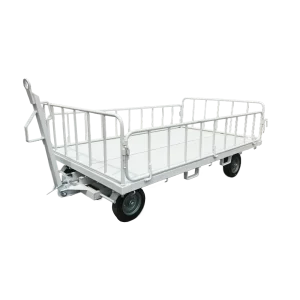
Lightweight, robust manual cart solution for airport terminal operations.
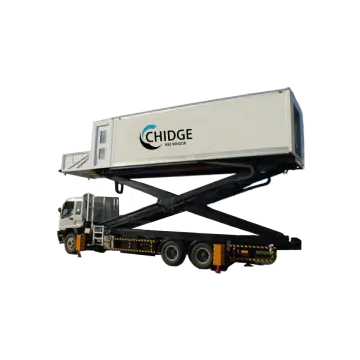
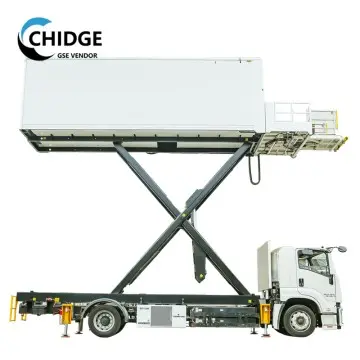
Designed for high-capacity airline service fleets with advanced lift mechanisms.
Zero emission electric powertrain coupled with reliable hydraulic lifting systems.
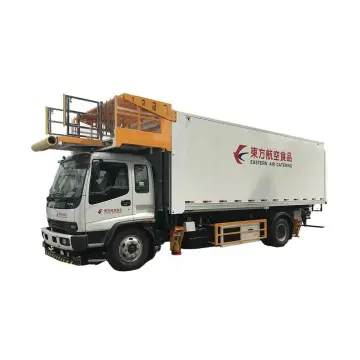
Multi-aircraft capability, insulated box structure for temperature-sensitive catering loads.
Supplies high-efficiency warm air flow to cabin interiors during ground stopovers.
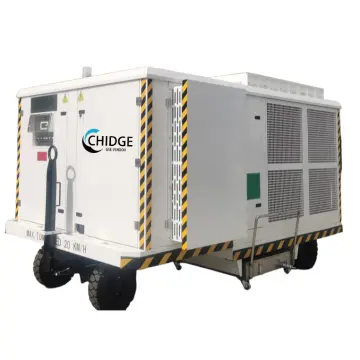
Delivers fresh cooled or heated air directly to aircraft systems.
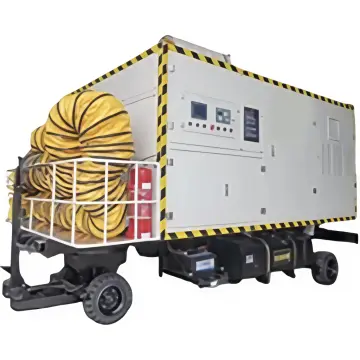
Heavy-duty heating system designed for passenger and crew comfort in cold climates.
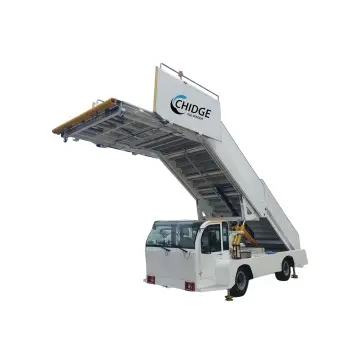
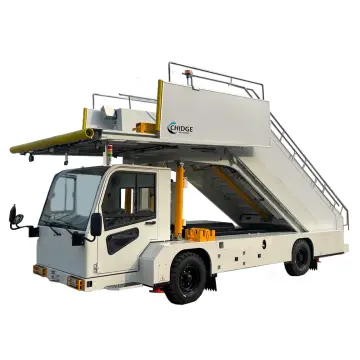
Self-propelled electric passenger boarding stairs with anti-slip step plates.
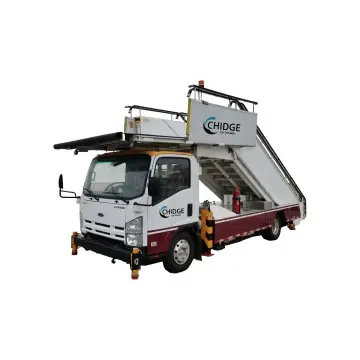
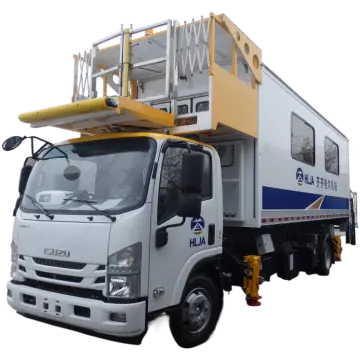
Self-propelled diesel system with robust chassis and adjustable platform height.
Engineered for medium and widebody aircraft ground operations.
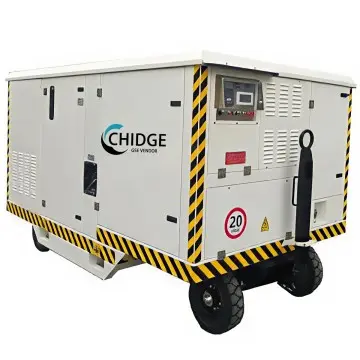
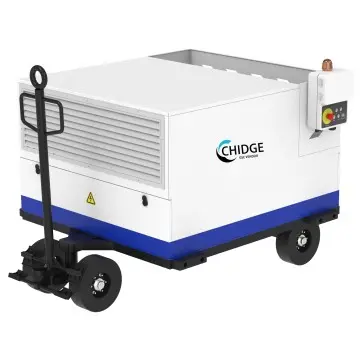
High-capacity battery-based power supply reducing carbon footprint at the gate.
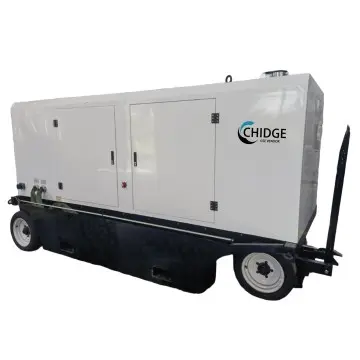
Delivers high-stability 400Hz frequency electrical power for aircraft cabin diagnostics.
Solid-state power frequency converter designed for hangars and apron installation.
Delivers high-pressure air flow to initiate main jet engine turbine starting sequences.
Towable configuration providing pneumatic engine start capability for narrowbody aircraft.
High-flow pneumatic starter designed for widebody passenger and cargo planes.
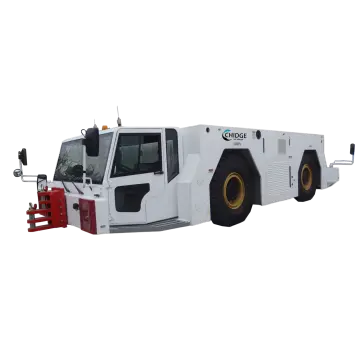
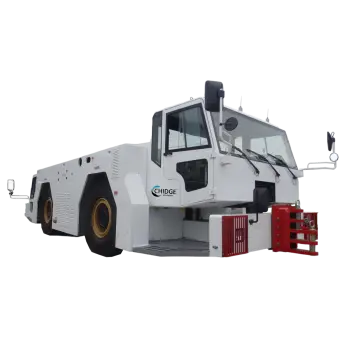
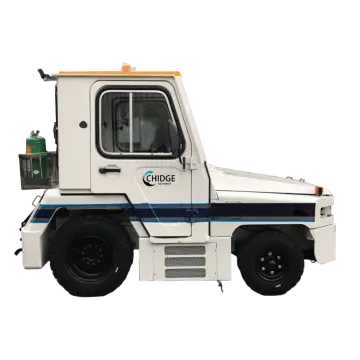
Heavy conventional tug with maximum drawbar pull for widebody operations.
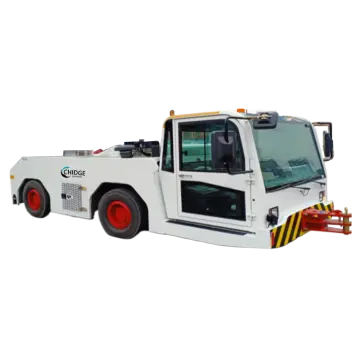
Mid-range conventional towing tractor designed for narrowbody and regional jet pushes.
Compact conventional tractor optimized for business and regional aviation fleets.
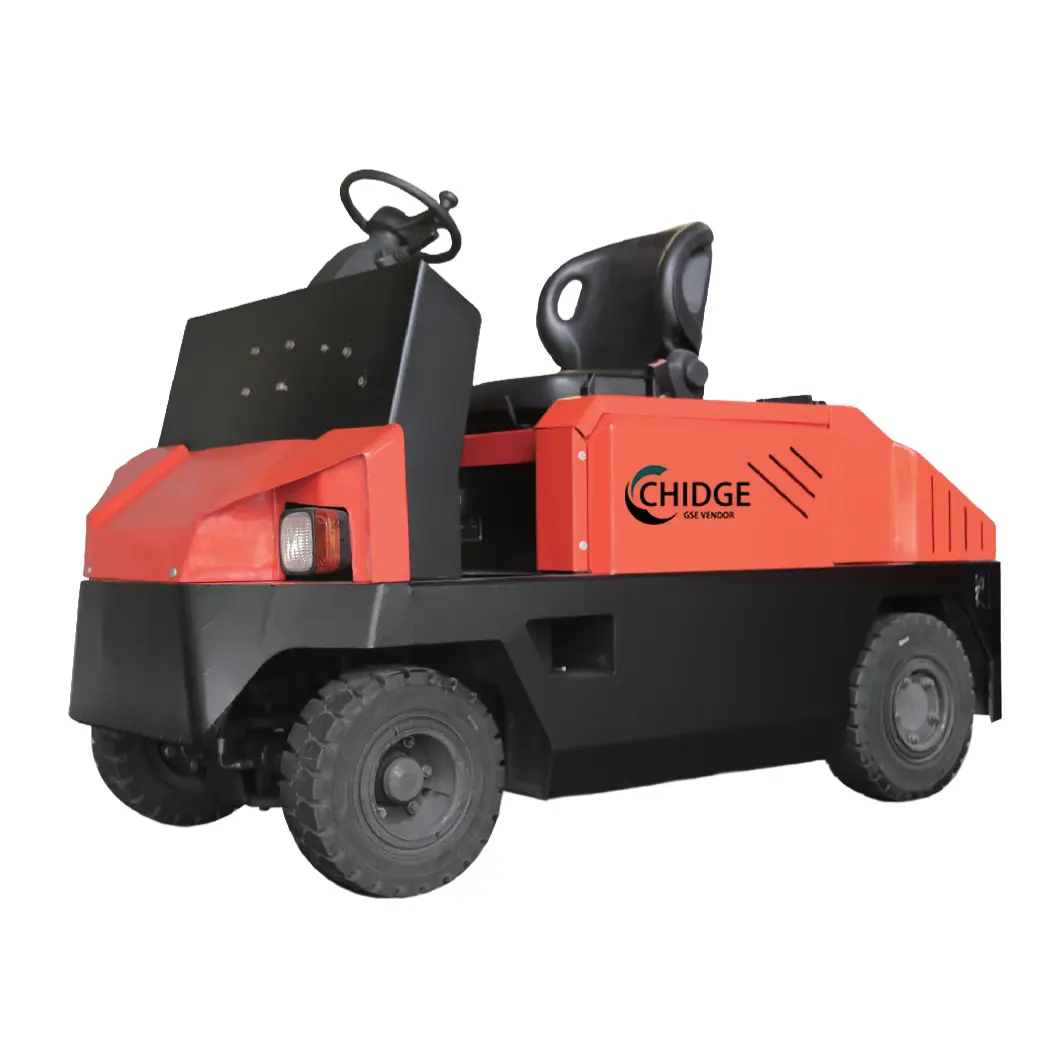
Zero emission high-torque electric drive system for baggage trolley trains.
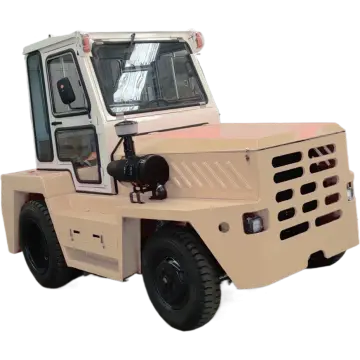
Heavy-duty diesel power unit for long distance cargo transfers across remote stands.
Dual-motor drivetrain with regenerational braking layout for baggage handlers.
Corrosion-free waste tank systems with high flow discharge pumping units.
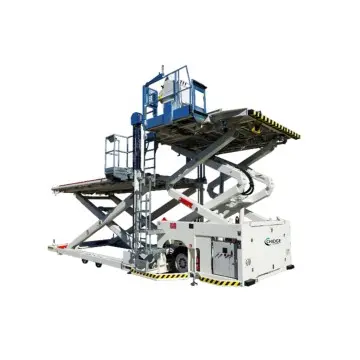
Heavy deck loader designed for cargo hold operations on widebody fleets.
Safe passenger transport solution for mobility-restricted flyers, with a stable lifting cabin.
Strategic engineering and support frameworks designed to minimize downtime and ensure consistent operations.

We leverage computer-aided design, structural analysis, and advanced control systems to support product development and manufacturing efficiency.

Our quality assurance processes ensure compliance with international standards, helping our products perform reliably in demanding ramp conditions.

Our supply chain management, logistics, and planning structures help us deliver products on schedule and adapt to changing customer timelines.

We provide continuous technical assistance, spare parts availability, and training programs to support your equipment's operational life.
Whether providing OEM components or developing complete custom equipment fleets from scratch, we offer tailored design and engineering solutions. Our integrated approach spans initial planning, functional testing, regulatory validation, and global logistics, helping operators streamline fleet deployment and manage lifetime costs.
We follow structural workflows designed to optimize output quality and production timelines.
Our design team works to adapt layouts and equipment specifications to your dynamic airport needs.




Insights on ground support equipment developments, regulatory updates, and modern tarmac design concepts.
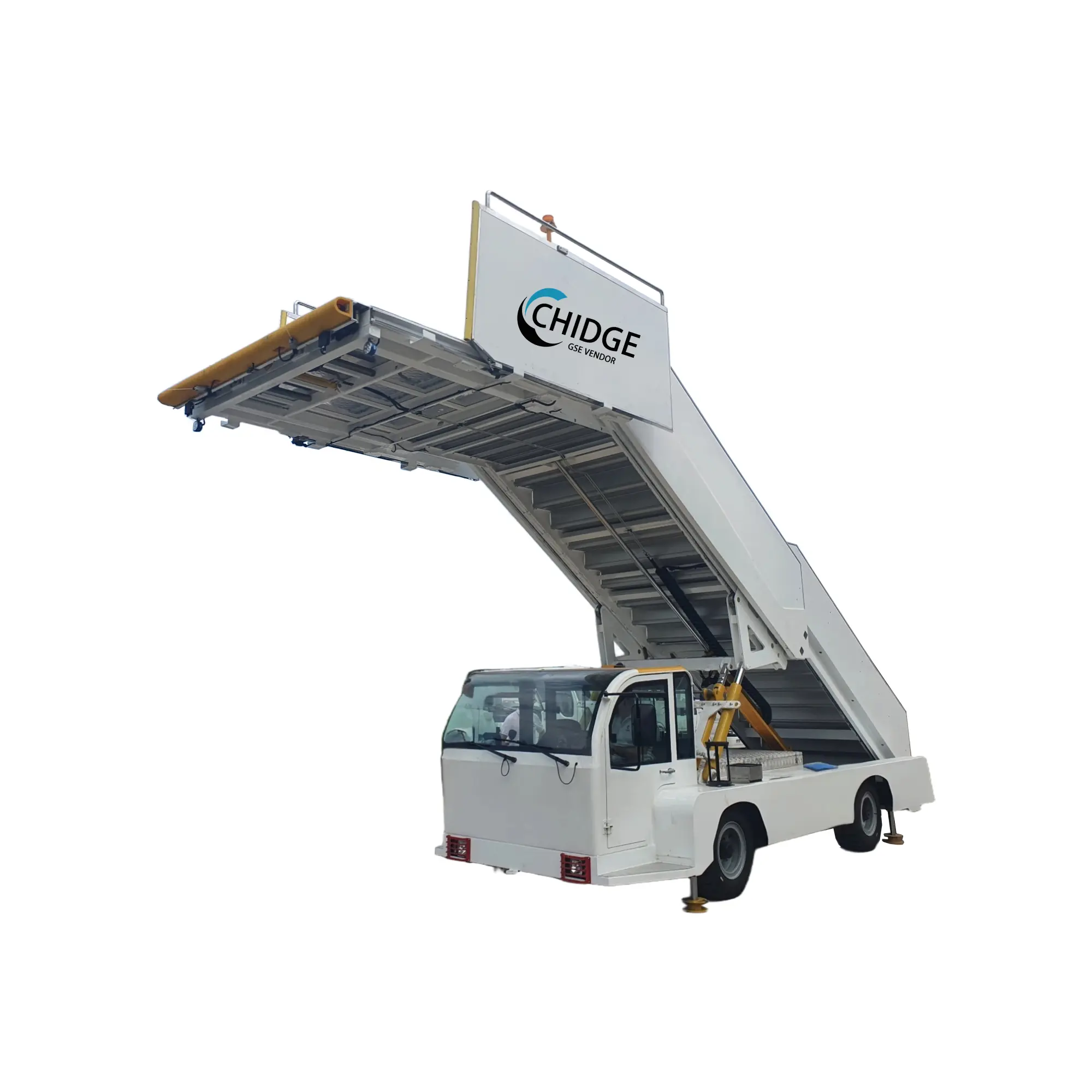
An overview of boarding stair designs, comparing mobile towable models with self-propelled electric structures for different terminal types.
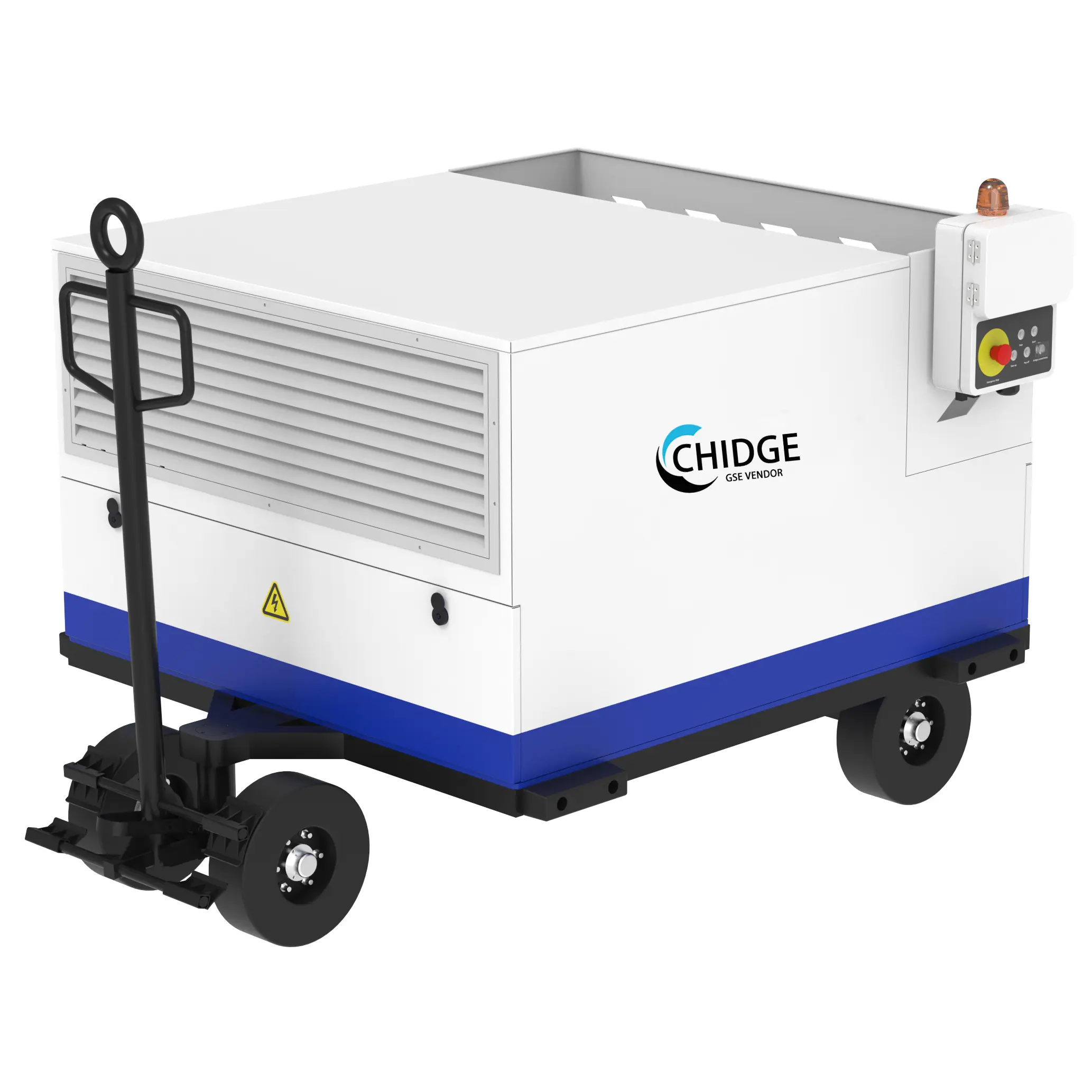
Analysis of battery-based GPUs on the tarmac, detailing how they reduce emissions and help cut fuel consumption from aircraft APUs.
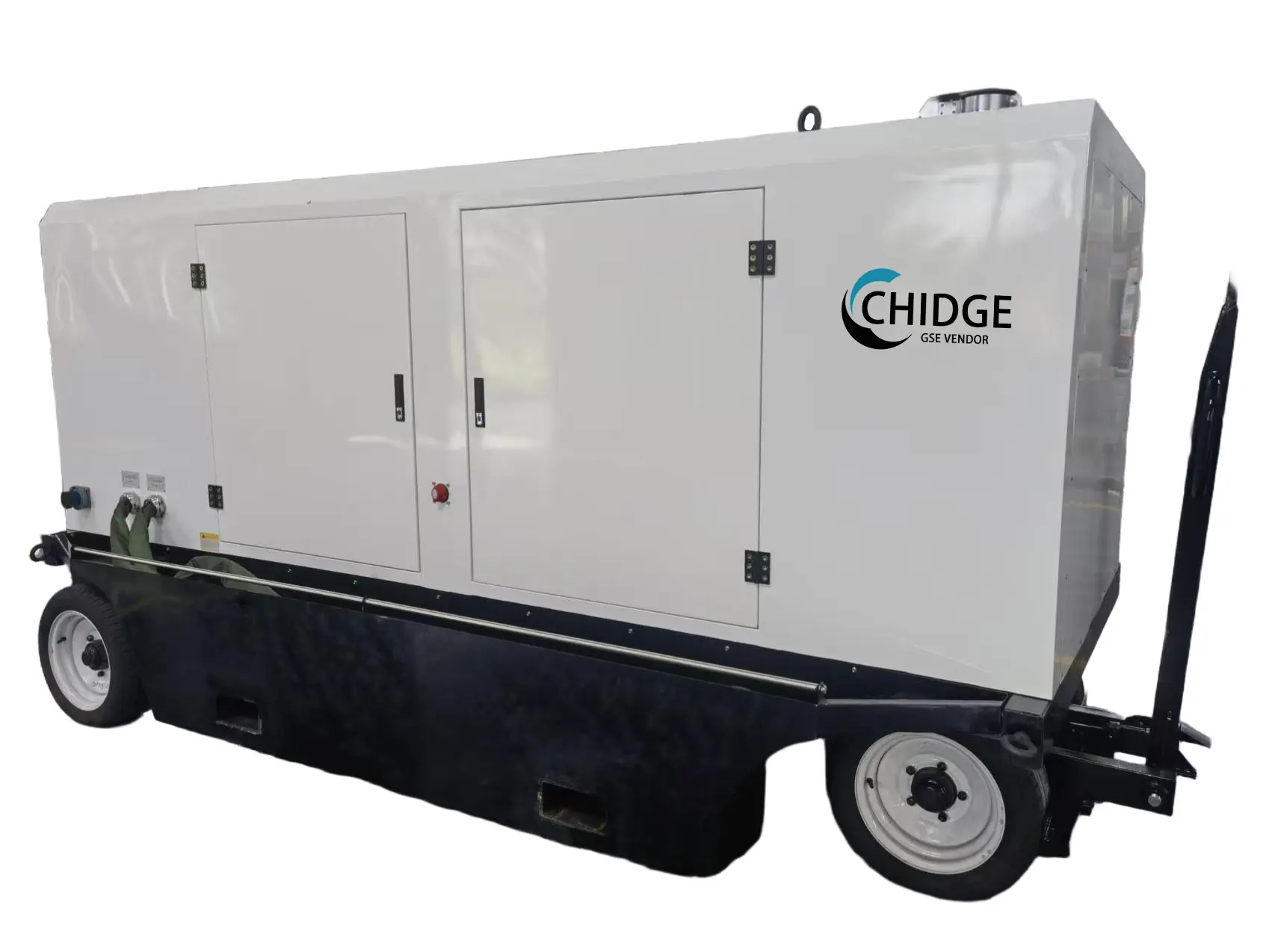
A look at truck-mounted and solid-state frequency converters, analyzing their role in supporting narrowbody and widebody pre-flight diagnostics.
"Our mission is to make their choices firm and correct, to create greater value for customers and to realize their own value."
We work with airlines, cargo operators, and ground handlers around the world, building long-term partnerships focused on equipment reliability and operational safety.
Addressing key engineering, regulatory, and shipping questions for airport equipment buyers.
Required Drawbar Pull is calculated using the formula: DBP = [W_ac * (RR + G)] + [W_tr * (RR + G)], where W_ac is the Maximum Take-Off Weight (MTOW) of the aircraft, W_tr is the weight of the tractor, RR is the rolling resistance coefficient (typically 0.015 for concrete surfaces), and G is the maximum ramp gradient or slope percentage. In wet or icy conditions, safety margins are added to adjust for reduced traction.
Conventional tractors connect to the aircraft nose gear using a shear-pin towbar, offering simplicity and compatibility across a wide range of aircraft types. Towbarless (TBL) tractors lift the nose wheel directly, reducing connection times and minimizing the risk of jackknife incidents, which makes them well-suited for fast-turnaround pushbacks in busy terminals.
GSE design is guided by international frameworks, including IATA AHM 910, AHM 913, and European Standard EN 12312. Compliance is validated through structural stress testing, dynamic braking trials, anti-collision sensor calibration, and cabin visibility assessments, ensuring safe operations on the ramp.
Lithium Iron Phosphate (LFP) is widely used in heavy-duty eGSE because of its thermal stability, safety profile, and cycle life. LFP batteries can withstand quick opportunity charging during shift breaks, helping maintain high equipment availability throughout the day.
China's industrial supply chain integrates design, precision fabrication, hydraulic assembly, and electronic testing in close proximity. This structure enables faster prototyping and testing cycles, helping manufacturers adapt equipment configurations to specific customer requirements on shorter timelines.
Heavy-duty dollies and baggage carts designed to handle challenging ground transport tasks.
 Chidge Dolly