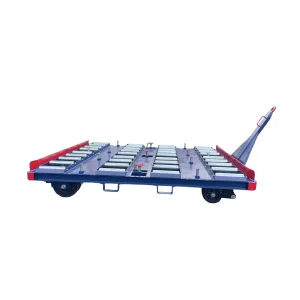
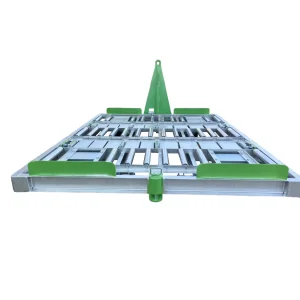
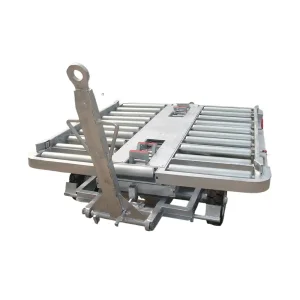
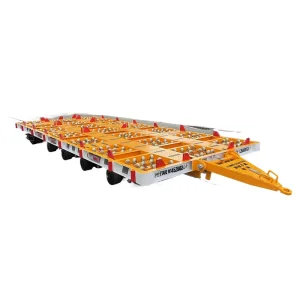
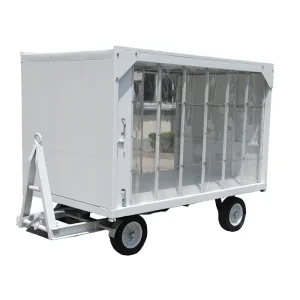
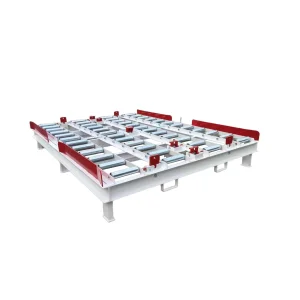
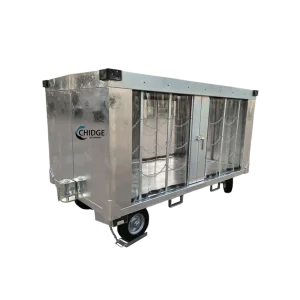
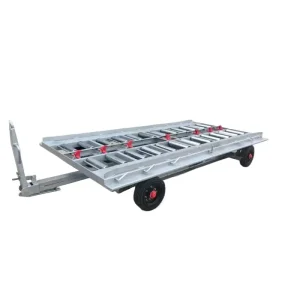
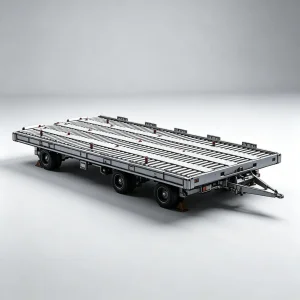
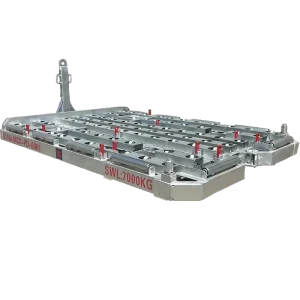
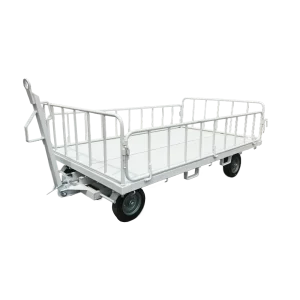
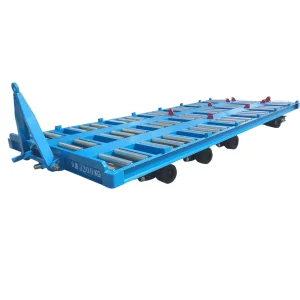
Engineered for high-intensity heavy transport and airport logistics systems. Click a product to review detailed load-bearing specs, material grades, and customization parameters.
Modern commercial aviation operates on razor-thin margins and strict schedules where a single ground delay can cause compounding logistical disruptions across global air networks. At the epicenter of ramp management is Ground Support Equipment (GSE), specifically aircraft pushback tractors and their corresponding support fleets. As airports face unprecedented congestion, the demand for high-reliability, customized GSE has surged. Ground handlers, hub operators, and commercial airlines are prioritizing systems that minimize Aircraft Ground Time (AGT) while maintaining an absolute zero-accident safety standard.
Geographically, major aviation hubs in the Asia-Pacific, North America, and European regions are undergoing intensive modernization programs. With the expansion of narrow-body and wide-body aircraft fleets, GSE must adapt to diverse landing gear configurations, differing nose gear load weights, and variable towing connection dynamics. Fleet buyers are shifting away from off-the-shelf equipment in favor of custom-engineered GSE. High-capacity operations require custom chassis configurations, reinforced towing linkages, and specialized structural frames built to endure the continuous duty cycles typical of dynamic modern ramps.
The global GSE market is experiencing a profound technological paradigm shift. Procurement decisions are no longer driven solely by initial acquisition cost; instead, Total Cost of Ownership (TCO), fuel efficiency, environmental footprint, and digital integration are the key metrics for modern operators.
Driven by global airport net-zero emission mandates, diesel-powered tractors are rapidly being phased out in favor of high-voltage Lithium Iron Phosphate (LFP) electric configurations. These battery-powered pushback units deliver maximum torque from zero RPM, providing smoother acceleration and superior traction without ground-level exhaust emissions.
Modern GSE is equipped with intelligent CAN-bus control systems and cellular/Wi-Fi telematics modules. This enables real-time monitoring of equipment diagnostics, battery health, hydraulic pressure, and operator usage, facilitating predictive maintenance programs that reduce unscheduled downtime.
Adhering to strict IATA AHM (Airport Handling Manual) recommendations, next-generation pushback systems integrate anti-collision radar, laser distance sensors, over-steer prevention mechanisms, and emergency automatic braking overrides to prevent ramp accidents.
Ground handling challenges vary dramatically based on local weather conditions, airport infrastructure, and operational profiles. Custom-manufactured GSE must be engineered to address these localized realities:
As a leading GSE manufacturer, our product development roadmap is structured to meet future industry demands. Our engineering strategy centers on three key areas:
All load-bearing structures, including towing hitches, main chassis frames, and wheel spindles, undergo intensive computerized stress simulation (FEA) to withstand extreme torsional loads. This ensures our dollies, carts, and towing tractors can manage sudden stopping forces and steep incline transfers without experiencing metal fatigue.
We integrate load-sensing hydraulic pumps that supply pressure only when required, reducing power consumption and thermal load. For our self-propelled units, hydrostatic transmission designs offer precise micro-movement controls, allowing operator adjustments down to the millimeter when aligning with aircraft nose gear or high-load cargo holds.
Our complete engineering and manufacturing portfolio complies with international aviation safety regulations, including IATA AHM 910 (Basic Requirements for GSE), AHM 913 (Collision Avoidance Systems), and EN 12312 (Aviation Ground Support Equipment Specific Requirements).
Our state-of-the-art production facilities are structured to accommodate both high-volume standardized product runs and highly customized, customer-specific OEM/ODM designs. We manage the entire lifecycle of GSE production in-house:
Explore our diverse range of special-purpose ground vehicles, passenger stairs, refueling platforms, and cargo loaders manufactured in our advanced production facilities.
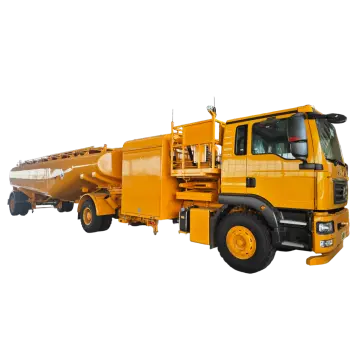
Features high-precision filtration, metering, and pressure control systems for safe and rapid aircraft refueling.
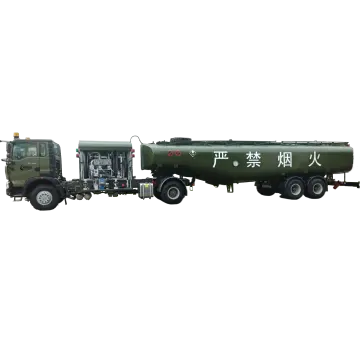
Designed for large wide-body aircraft refueling operations, with an integrated fuel pump and self-circulation system.
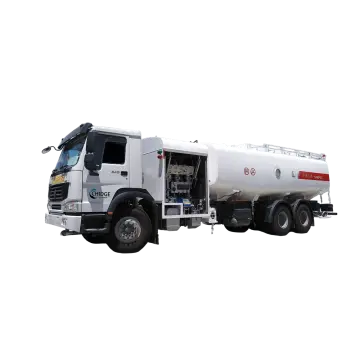
Heavy-duty airfield refueling truck with advanced safety shut-off systems and compliance with international fuel standards.
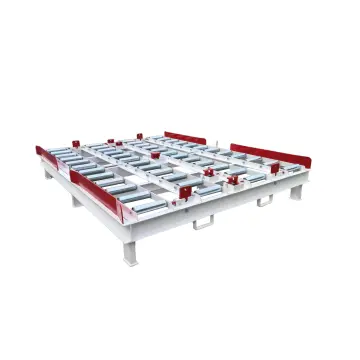
Durable 360-degree rotation cargo bed structure designed for efficient cargo terminal and ramp operations.
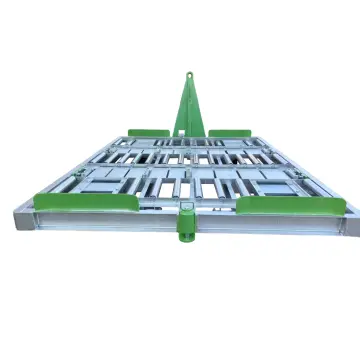
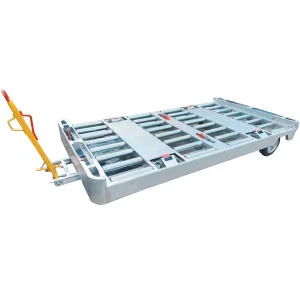
Low-profile design featuring high-tensile rollers, dual-direction loading, and reliable parking brake systems.
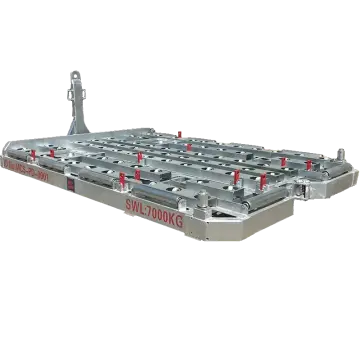
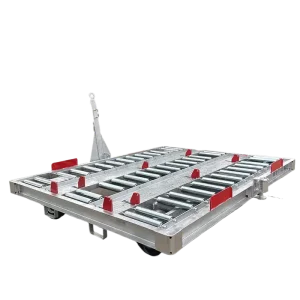
Specialized heavy-duty construction with corner stops and high capacity for unit load devices (ULDs).
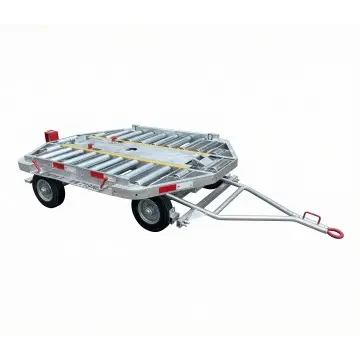
Specifically designed for secure transport and fast loading of standard LD3 aviation containers.
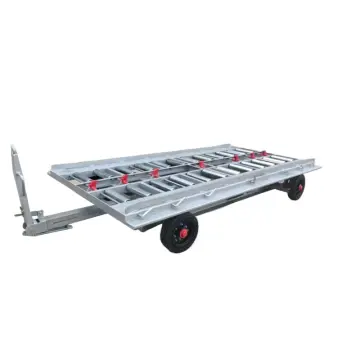
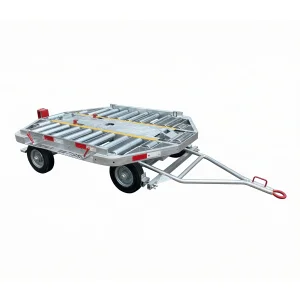
Reinforced double-axle dolly structure for heavy LD6 containers, featuring manual locking pins.
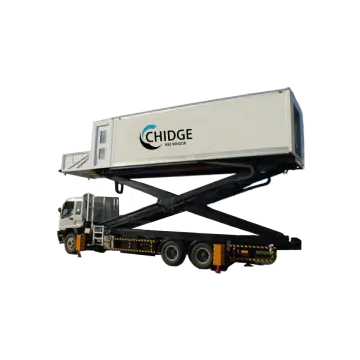
Scissor-lift cabin truck with high-altitude stability, engineered to service narrow and wide-body commercial planes.
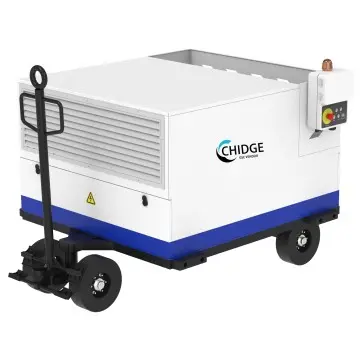
Eco-friendly, towable battery pack delivering clean 400Hz aircraft electrical power, minimizing APU fuel consumption.
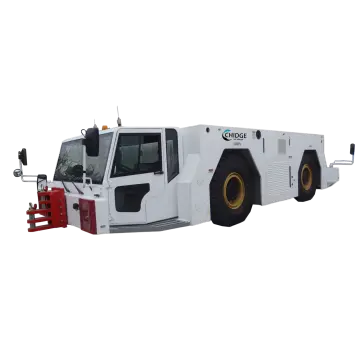
High-drawbar-pull tractor designed for heavy wide-body aircraft pushback and towing operations.
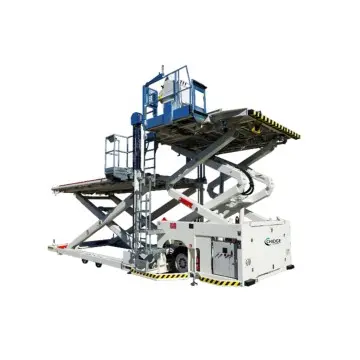
High-capacity double-platform container and pallet loader featuring advanced hydraulic lifting systems.
We deliver complete, integrated ground handling solutions for airlines and logistics companies worldwide. By working closely with our clients, we ensure that every piece of ground support equipment operates at peak efficiency:

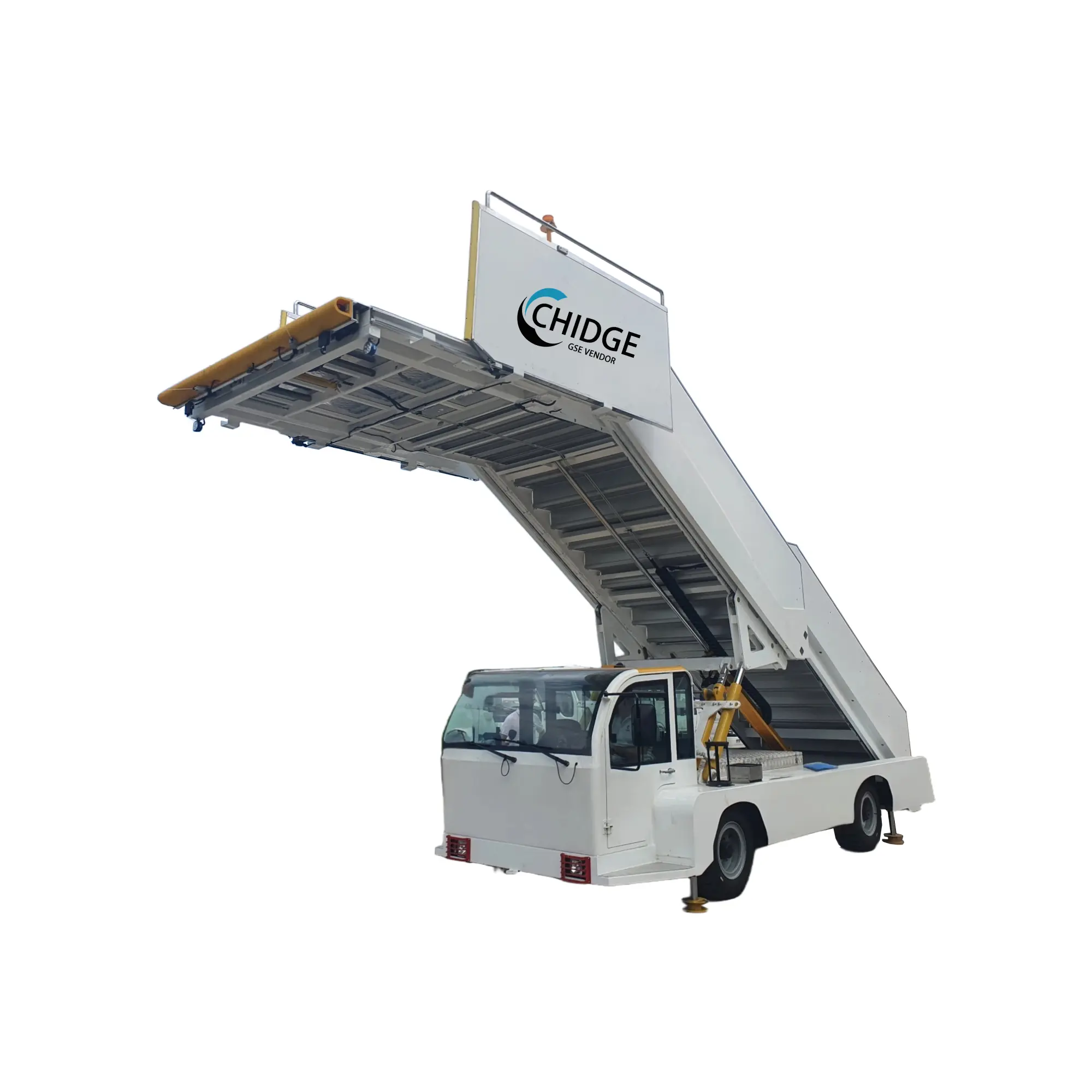
A detailed look at the design, stability parameters, and safety systems required for modern passenger boarding steps. Learn how modern telescopic configurations accommodate varying aircraft doorsill heights while prioritizing passenger safety and wind-load stability.
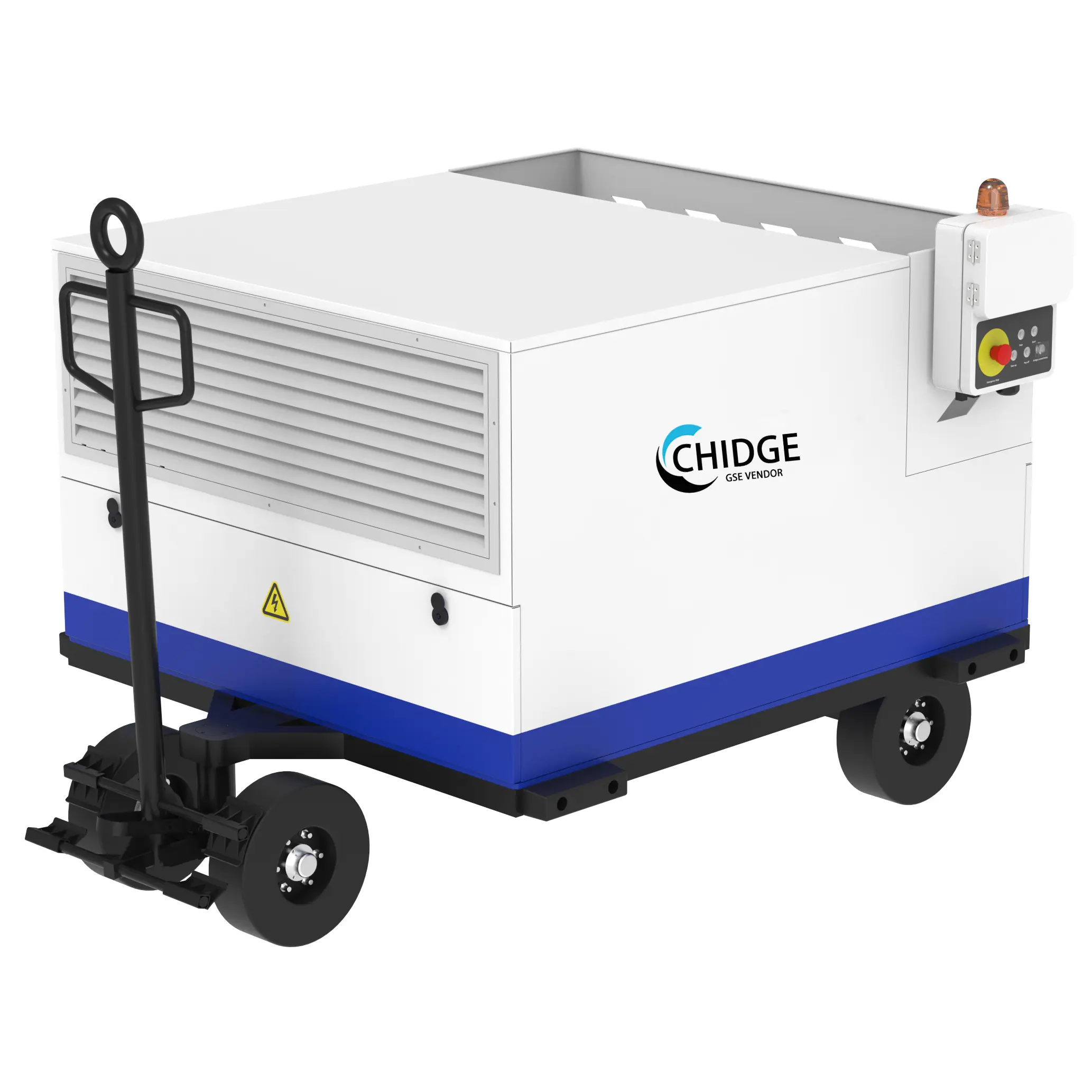
An engineering analysis of zero-emission ground power options. This case study details the battery efficiency, thermal management systems, and grid charging strategies that make towable battery energy storage systems (BESS) a viable alternative to diesel GPUs.
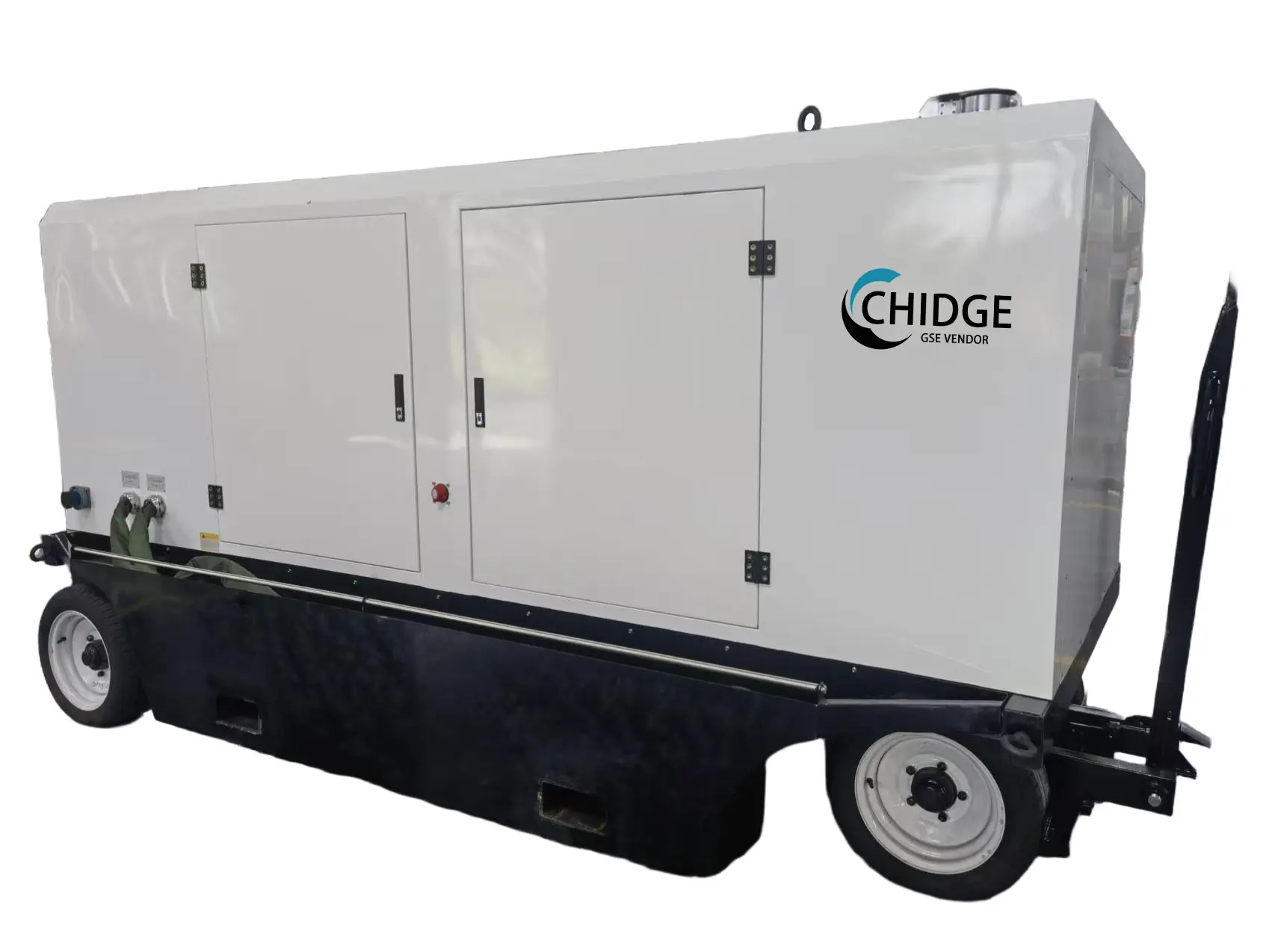
Understanding 400Hz power systems for modern aircraft. This paper reviews the performance requirements of solid-state converters and truck-mounted units during pre-flight checks, explaining how they supply electrical power without running main engines.
Explore our high-load airport baggage carts, slave dollies, and customized container solutions built to withstand high-volume ramp operations.
 Chidge Dolly