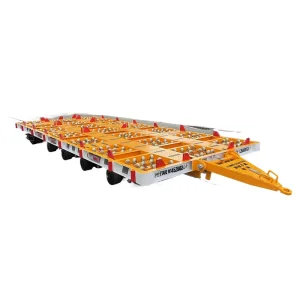
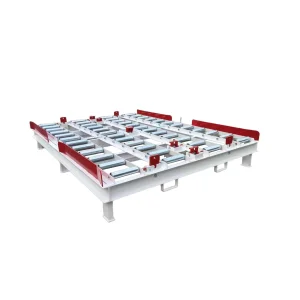
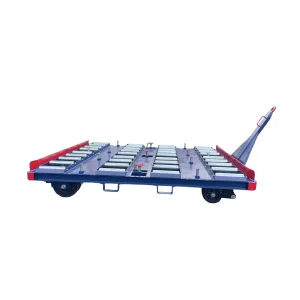
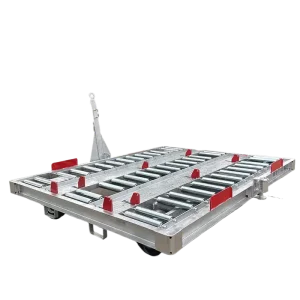
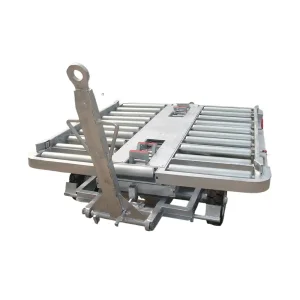
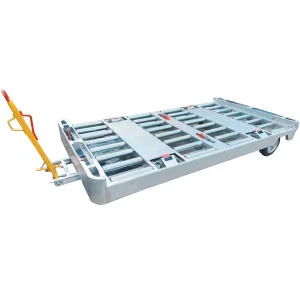
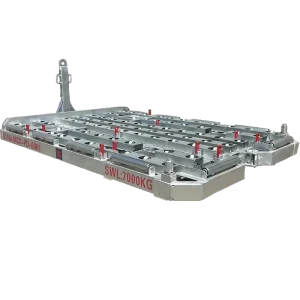
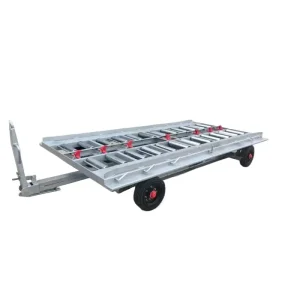
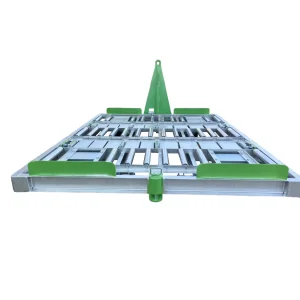
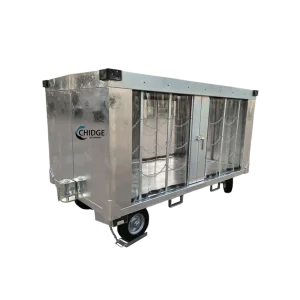
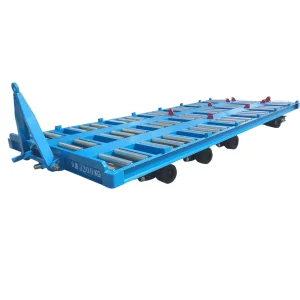
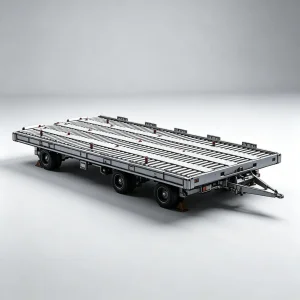
Explore our industrial-grade airport dollies, custom-engineered for rapid transfer configurations under FAA and IATA quality guidelines.
Analyzing the strategic deployment, load calculations, and operational paradigms of CD-T150 systems in high-intensity airport logistics environments.
The CD-T150 Aircraft Push Back Tractor is built as a solution for modern airports facing fast-paced ramp operations. It acts as the backbone of ground handlers, ensuring safe pushback and towing maneuvers. Operating with a precise gross vehicle weight (GVW) configured up to 15 tons, this vehicle generates high drawbar pull (DBP), allowing it to control regional jets and narrow-body aircraft, including the Boeing 737 and Airbus A320 series, under challenging weather conditions.
Our designs use dynamic ballast systems, allowing airport operators to customize weight distributions according to surface friction demands. Heavy-duty axle structures, combined with an optimized steering radius, minimize tire wear while protecting the nose landing gear (NLG) of the towed aircraft. The dual-cabin visibility design provides operators with clear lines of sight, complying with standard international ramp regulations.
Ground support equipment (GSE) is changing rapidly due to new environmental rules and digitalization. Our CD-T150 technology roadmap highlights a clear shift toward green energy. While traditional clean-diesel engines remain highly reliable for remote airfields, we have introduced hybrid and all-electric drivetrain configurations designed for modern airports targeting net-zero emissions.
Every CD-T150 model now includes real-time telemetry systems, tracking engine health, hydraulic pressure, transmission heat levels, and fuel/power use. This allows airport ground teams to prevent issues before they occur.
By using LiDAR arrays and ultrasonic proximity sensors, our next-generation tractors will automate pushback tracks. This reduces human error, protects aircraft nose gears, and ensures precise positioning in tight ramp spaces.
Ground fleets depend on reliable power, fuel supply, and passenger logistics. Below are the key vehicles supporting ramp operations worldwide.
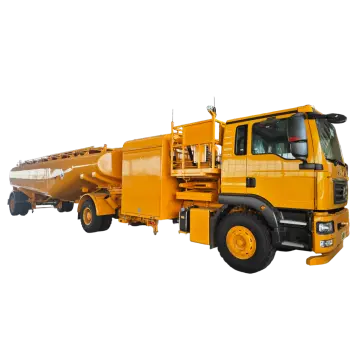
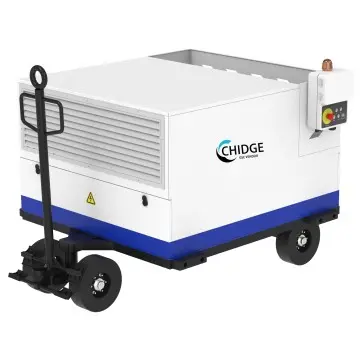
Equipped with a chassis, oil tanks, pumping system, control system, and operational filtration and pressure controls.
Request Technical Specs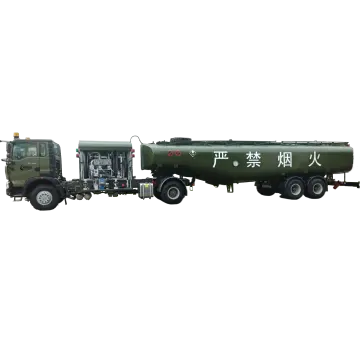
Delivers high-capacity pumping, metering, and self-circulation capabilities for wide-body commercial planes.
Request Technical Specs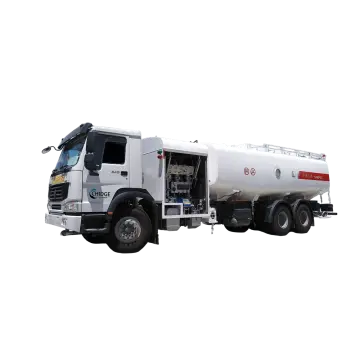
Offers high-volume fuel capacity with built-in pressure controllers and safety interlock valves.
Request Technical SpecsModern B2B aviation buyers are shifting focus from simple hardware purchase prices to calculated Total Cost of Ownership (TCO) structures. A GSE procurement process requires evaluating not only initial fabrication costs but also fuel efficiency, ease of maintenance, spare parts availability, and structure reliability.
Key requirements for international airport bids include:
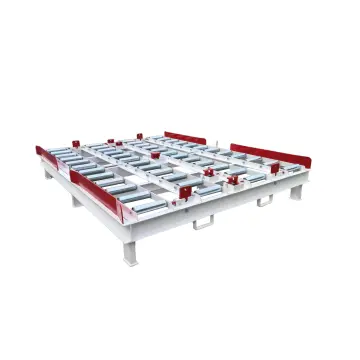
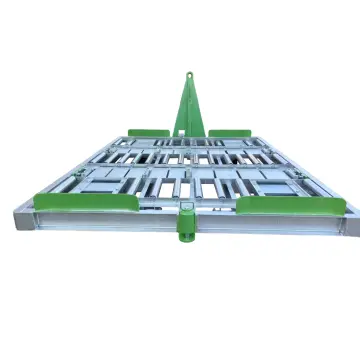
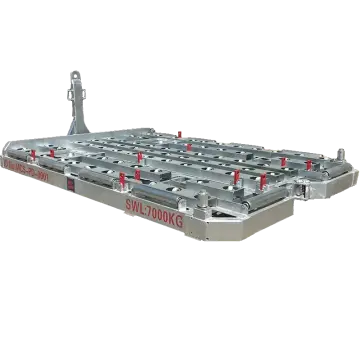
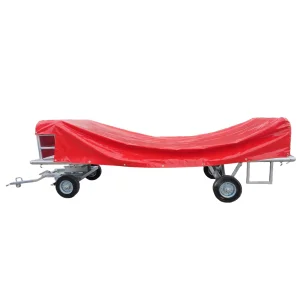
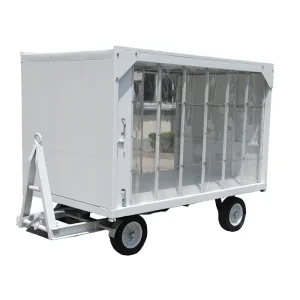
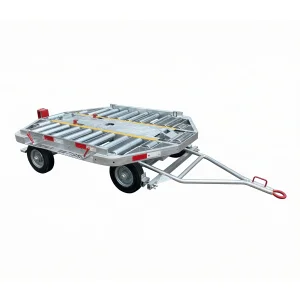
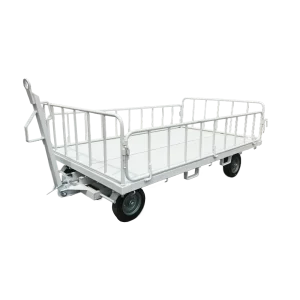
Pushback tractors don't work alone. A productive ramp requires a coordinated system of GSE. For instance, while a CD-T150 handles aircraft pushback, baggage logistics rely on 7T Castle Pallet Dollies and LD3 Container Dollies. Safe, coordinated operations depend on consistent design choices across all this equipment.
From custom designs to complex deliveries, we maintain high standards across all ground operations.
Our design team integrates advanced modeling and structural analysis to improve the load capacities of our custom airport equipment.
Our products meet tough industry standards, standing out in competitive tenders by earning the trust of airport operators globally.
Through inventory control and logistics management, we ensure reliable deliveries even when handling tight schedules.
We provide fast on-site support and spare parts to ensure high uptime for ground fleets at international hubs.
We customize ground equipment to match specific operating conditions—whether dealing with freezing Arctic operations, high tropical humidity, or dusty desert environments.
From initial designs to manufacturing and final certification, we adapt dimensions, towing interfaces, and cabin configurations to integrate seamlessly into your ramp operations.
Adjustable tow-pin mechanisms to support standard narrow-body towbars.
Built in compliance with CE, ISO 9001, and IATA AHM safety guidelines.



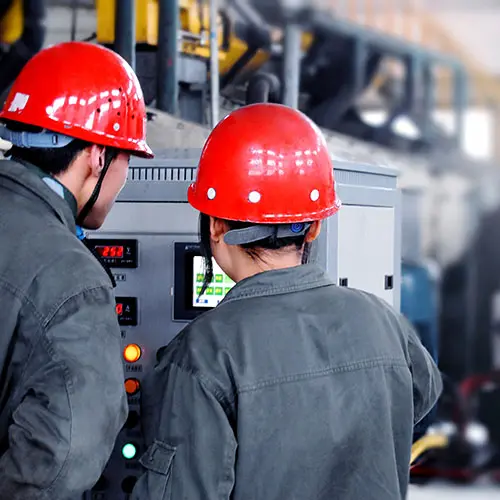
Working closely with international airlines, ground handlers, and logistics integrators allows us to continuously improve our product safety and operational efficiency.
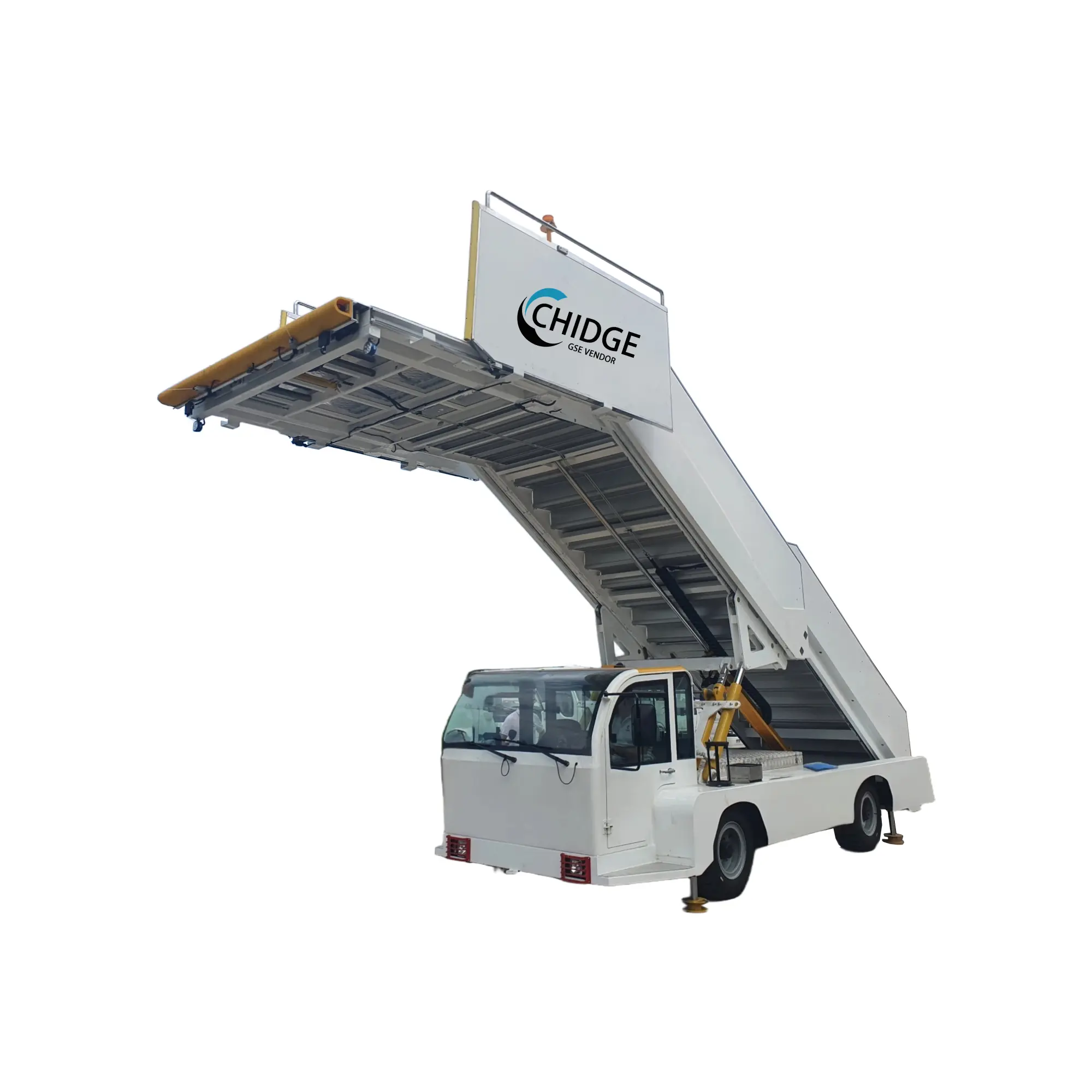
Discover the engineering behind passenger boarding stairs, focusing on hydraulic stabilization and variable-height safety features.
Read Technical Article →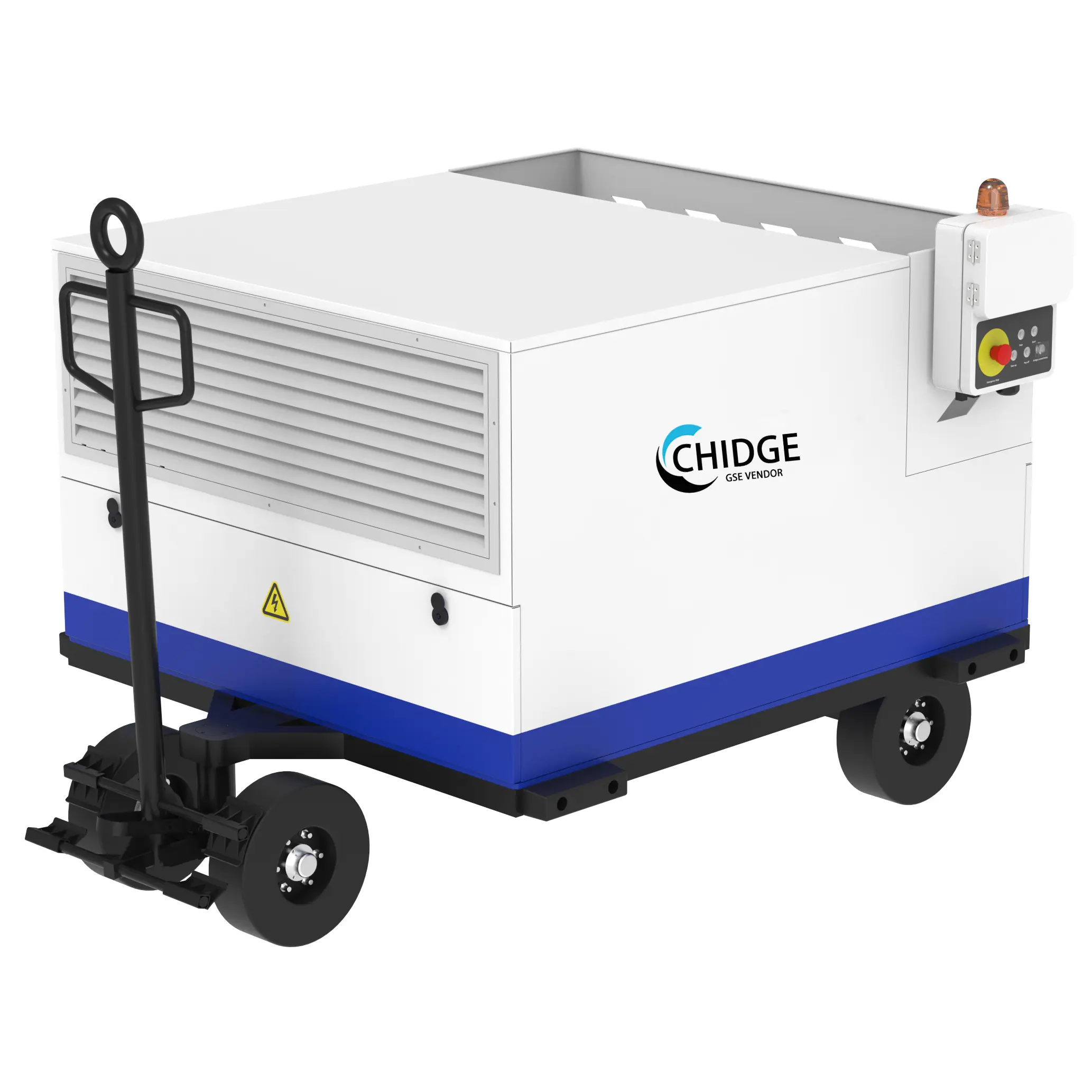
Examining the impact of mobile battery power units in cutting down jet fuel burn rates during gate operations.
Read Technical Article →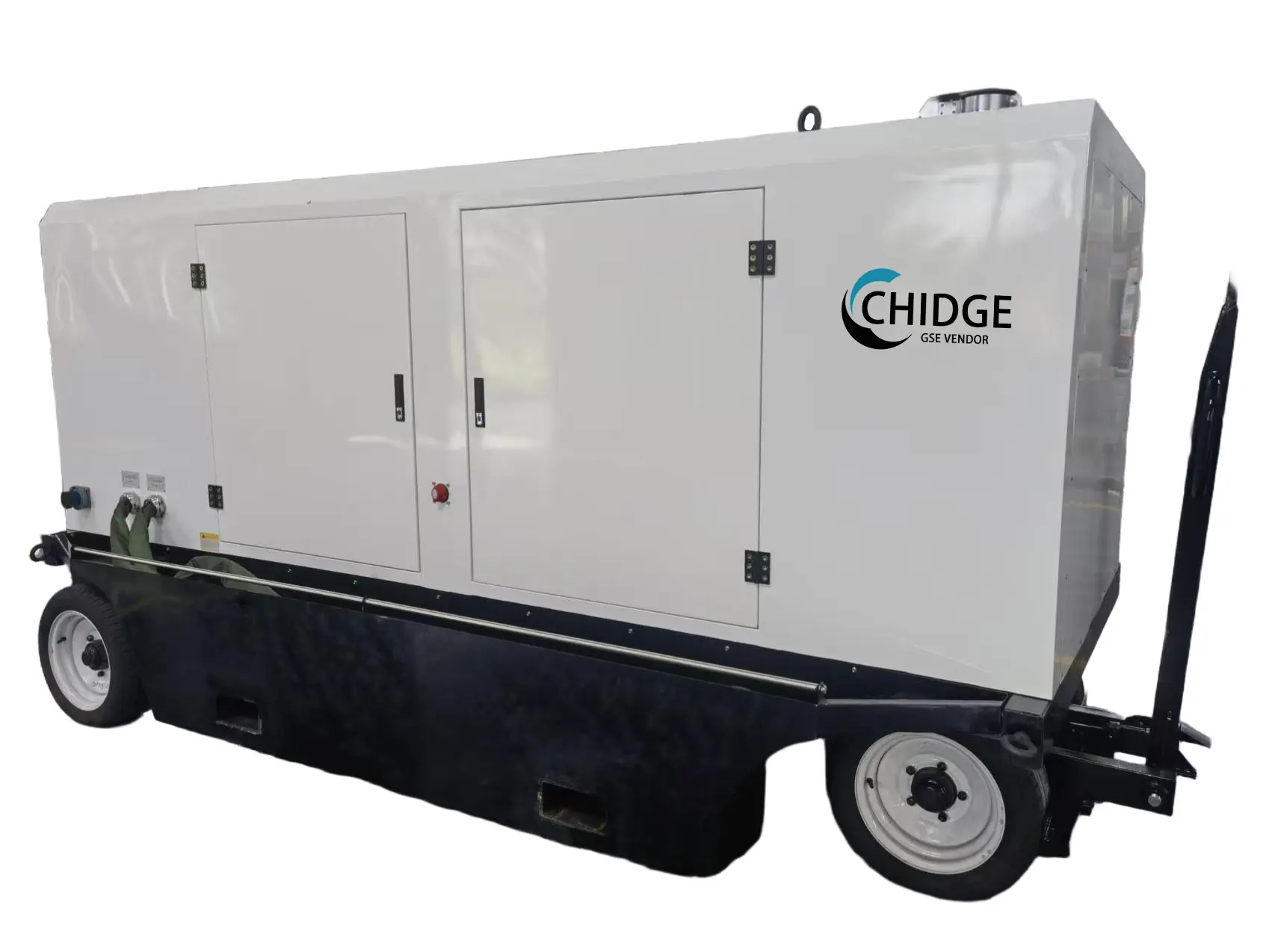
A detailed breakdown of electrical conversions, voltage stability, and the benefits of mobile, truck-mounted GPUs.
Read Technical Article →Expert answers addressing the CD-T150 pushback series, operational specifications, international logistics, and purchasing protocols.
Explore our secondary lineup of baggage trolleys and large container dollies, built to keep international air cargo operations moving smoothly.
 Chidge Dolly