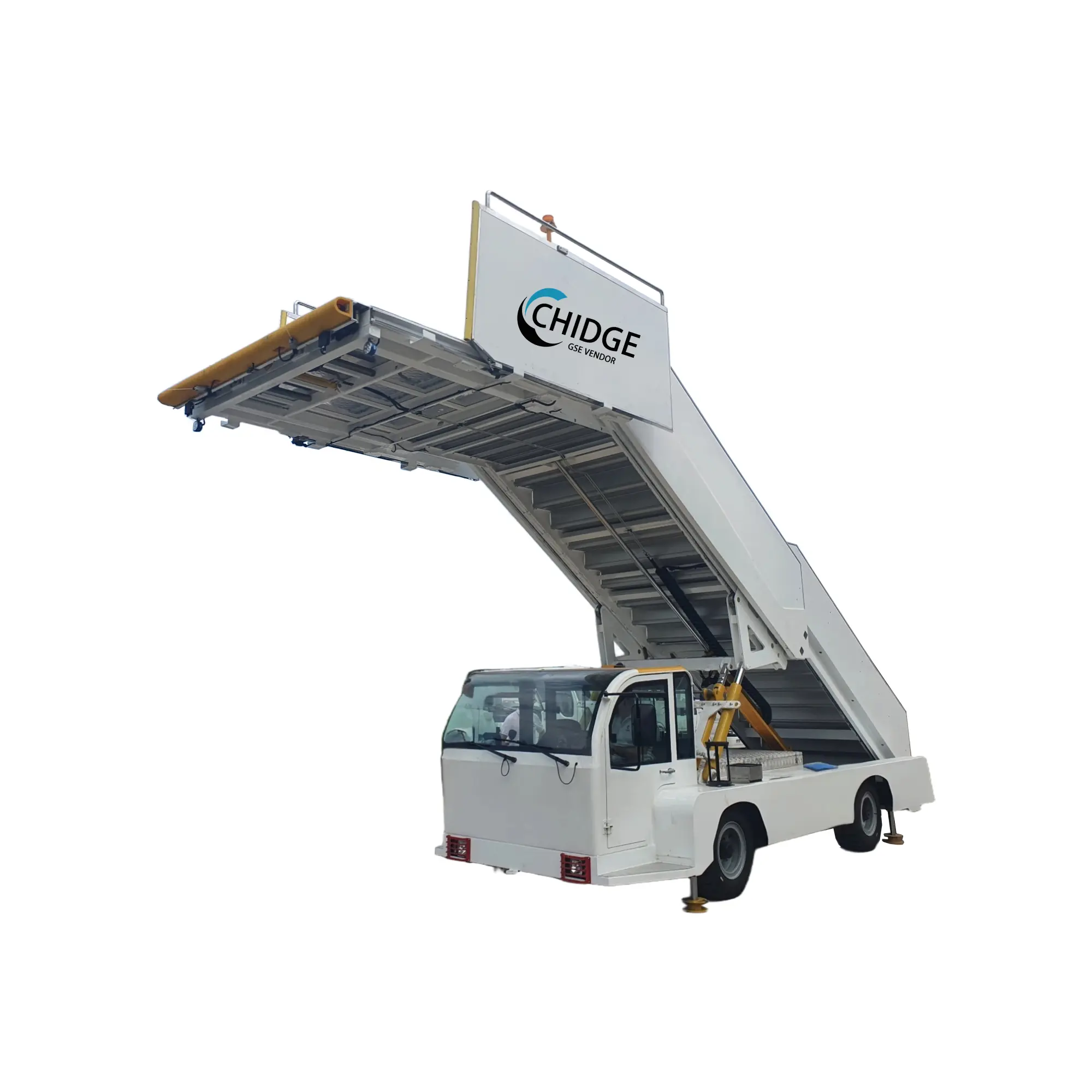
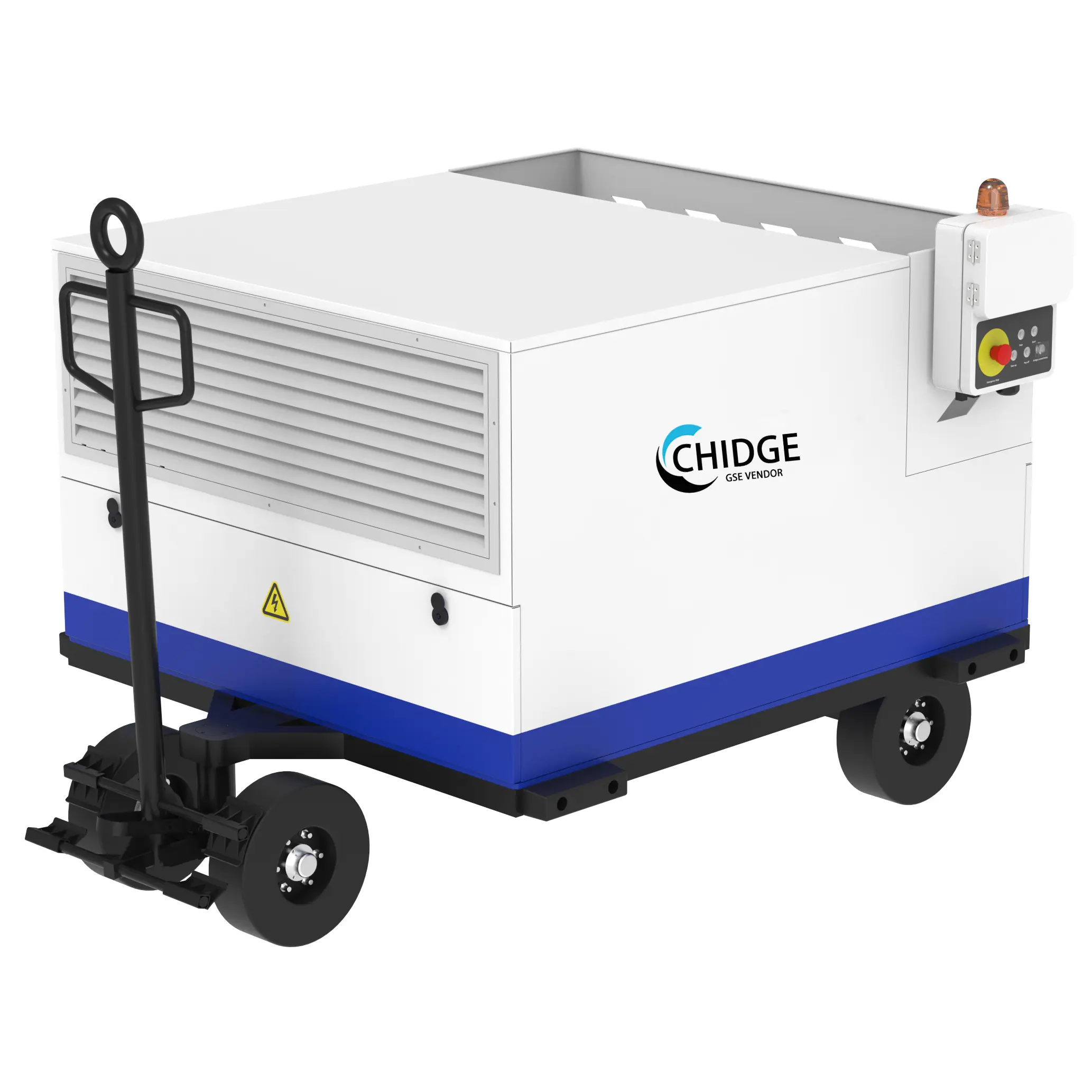
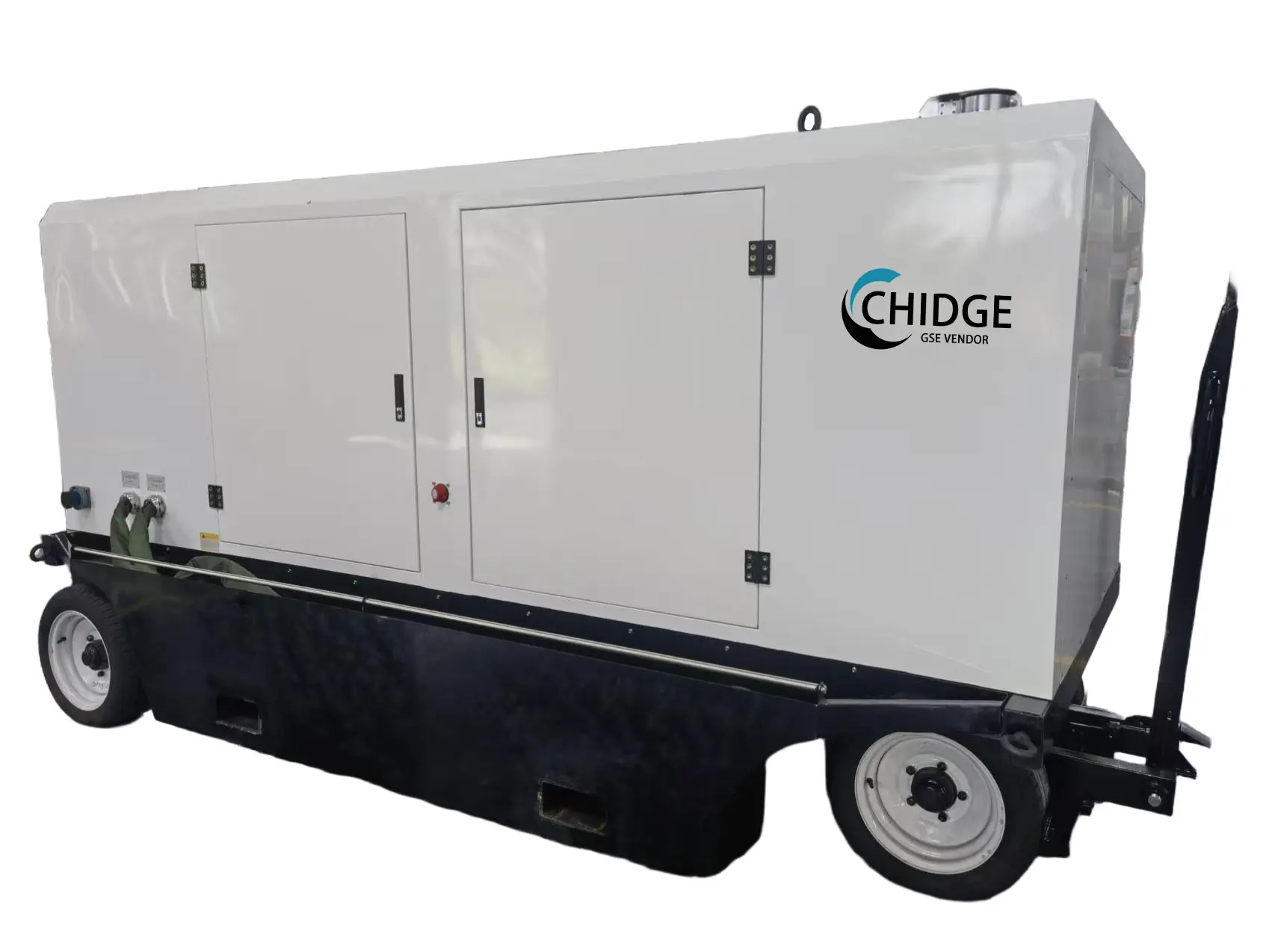
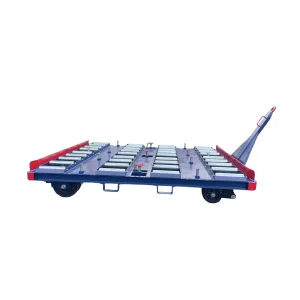
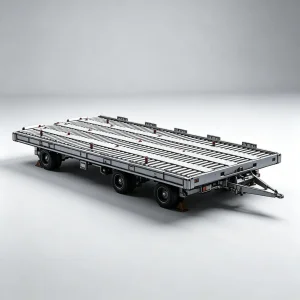
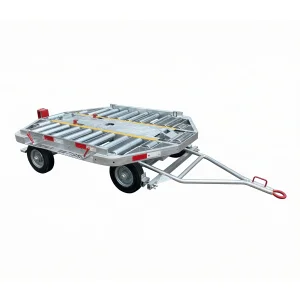
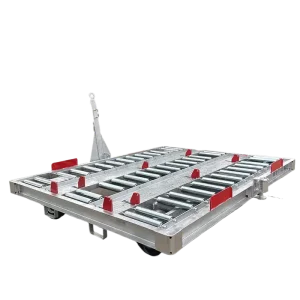
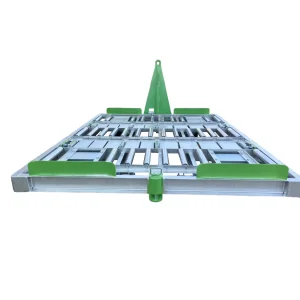
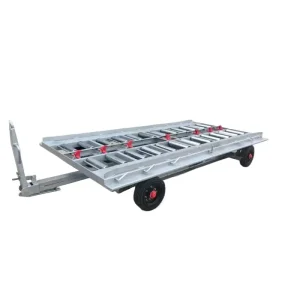
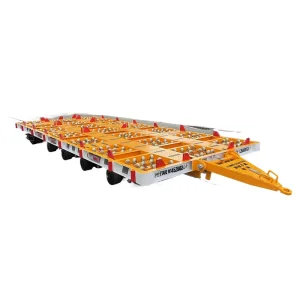
Explore our heavy-duty engineering solutions deployed globally. Precision-manufactured airport carts, dollies, and container transshipment units designed to align with international BHS conveyor layouts.
Global Airports Served
Engineering & BHS Expertise
Certified Production Lines
System Uptime Reliability
The global civil aviation ecosystem demands absolute reliability, safety, and continuity. Within this context, the baggage conveyor belt system serves as the logistical backbone of terminal operations. Every airport procurement officer, operations manager, and system integrator faces challenges: escalating passenger throughput, stricter safety regulations, and the constant threat of operational downtime. Choosing the right airport conveyor belt supplier is not just a procurement decision; it is a critical risk-management choice.
Modern procurement strategies have shifted from raw cost-per-meter purchasing to total cost of ownership (TCO) evaluation. This involves analyzing dynamic belt friction coefficients, wear resistance indexes, flame-retardant certifications, and energy efficiency profiles. As high-capacity airports upgrade to support high-speed merge induction and advanced automated sorting, the specifications for materials, tensile strength, and modular design have become highly specialized.
IATA’s Resolution 753 mandates end-to-end tracking of passenger baggage. BHS installations must support continuous tracking technologies, including high-speed optical scanning and RFID integrations. This makes premium-grade, low-noise, static-conductive conveyor belting a standard requirement for next-generation airport design.
A functional airport Baggage Handling System (BHS) is split into three main areas, each requiring specific baggage conveyor belt configurations:
Discover the design choices and engineering practices that distinguish our baggage conveyor systems in high-traffic airports.
Manufactured to meet ISO 340 and DIN 22103 standards. The flame-retardant compound limits flame spread, protecting critical airport terminal infrastructure during emergencies.
A specialized woven fabric layer on the belt's underside reduces operational friction, dropping noise levels below 60 dB. This ensures a comfortable working environment for terminal staff.
Available in diamond, crescent, smooth, and longitudinal groove profiles to handle transfer slopes of up to 25 degrees without slip or bag accumulation issues.
Integrated carbon fibers neutralize static charge buildup from friction, protecting sensitive automated luggage barcode scanners and RFID sorting electronics.
We work closely with design engineers to customize material properties, thickness, and reinforcement grids. Below is the structural matrix for our standard airport terminal series:
| Parameter / Specification | Check-in Conveyors | Mainline Transport Belting | High-Speed Sorter Belts |
|---|---|---|---|
| Belt Fabric Construction | 2-Ply Polyester (Rigid) | 2-Ply/3-Ply Polyester (Flex) | 2-Ply Polyester (High Lateral Rigidity) |
| Top Cover Material | High-Grip PVC / TPU | Low-Noise Flame Retardant PVC | Thermoplastic Polyurethane (TPU) |
| Thickness Range | 2.0 mm to 3.2 mm | 2.5 mm to 4.5 mm | 2.0 mm to 3.0 mm |
| Hardness (Shore A) | 75 - 80 Shore A | 70 - 75 Shore A | 85 - 90 Shore A |
| Tensile Strength (1% Elongation) | 8 N/mm to 12 N/mm | 12 N/mm to 20 N/mm | 10 N/mm to 15 N/mm |
| Operating Temperature Range | -15°C to +80°C | -20°C to +80°C | -25°C to +90°C |
| Flame Retardancy Standard | ISO 340 / EN 20340 | ISO 340 / DIN 22103 | ISO 340 Compliant |
High-speed merge zones, where check-in belts feed into the main transport lines, require precise acceleration. Our belts are engineered with a high modulus of elasticity to handle rapid speed changes. This allows the system to accelerate a bag from a standstill to over 2.5 m/s in milliseconds, helping to prevent luggage collisions and maintaining high throughput.
In addition to terminal belt systems, we provide airfield equipment to support aircraft refueling, cargo transfer, passenger boarding, and ground services.
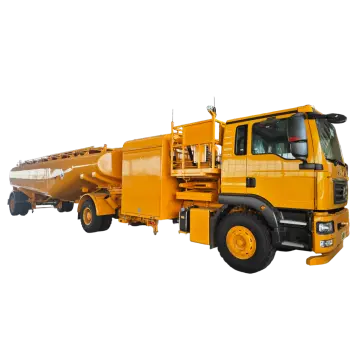
Features built-in filtration, metering, refueling, self-circulation, and pressure control systems.
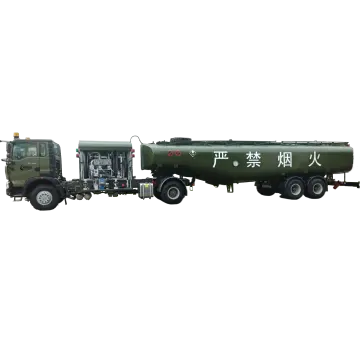
Heavy-duty airfield refueler designed for high-flow fueling operations.
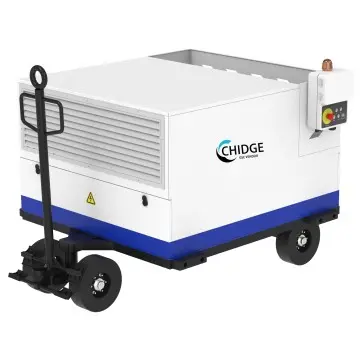
Zero-emission battery-electric ground power unit for stationary aircraft support.
No two airports share the exact same structural footprint or BHS layout. As an OEM and ODM partner, our factory uses advanced CAD/CAM modeling, dynamic finite element analysis (FEA), and high-precision CNC punching to manufacture baggage conveyor lines and ground support equipment tailored to specific engineering needs.
Our customization options cover structural frame configurations, drive unit positioning, and custom belt materials. We design curved conveyors, vertical merges, tilt-tray sorting systems, and chute runs to fit tight terminal dimensions while maintaining high sorting efficiency. We also use premium industrial components, including SEW-Eurodrive gearmotors, SKF bearings, and Siemens PLC logic modules, to ensure easy maintenance and parts availability globally.
From initial design and structural calculation to manufacturing, testing, and shipping, our processes are customer-focused. We aim to help customers enter the market quickly, reduce operating costs, and improve their equipment's reliability.
The industry is moving toward smart, self-monitoring conveyor networks. Our research and development team is focusing on three main technologies for our next-generation product line:
Providing ground equipment and terminal solutions to commercial airlines, regional hubs, and air cargo facilities.
Offering a complete catalog of airside GSE assets, including high-capacity container dollies, passenger stairs, and refueling equipment.
Providing solutions tailored for commercial airlines, ground handlers, and logistics companies, designed to optimize turn times and ramp efficiency.
Quality assurance processes and logistics management ensure parts and equipment arrive on-time for terminal integration projects.
Insights, analysis, and news from our engineering and design teams on international ground support equipment and terminal logistics.
An in-depth review of towable and self-propelled passenger stairs, highlighting safety features, wind-load ratings, and design adaptations for modern commercial aircraft.
Analyzing the shift to lithium-iron-phosphate (LFP) towable ground power units, evaluating battery life, discharge profiles, and their impact on airport decarbonization goals.
Reviewing pre-flight ground electrical systems. This paper compares truck-mounted options, stationary converters, and electric units used for pre-flight testing and passenger boarding.
Key information regarding materials, standards, and integration parameters for airport baggage handling installations.
Explore our complete range of certified cargo dollies, heavy-duty baggage carts, and runway support machinery engineered for reliable ground operations.
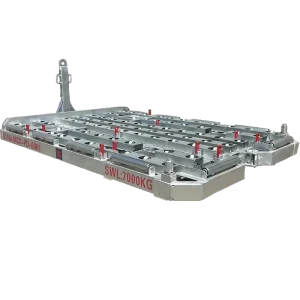
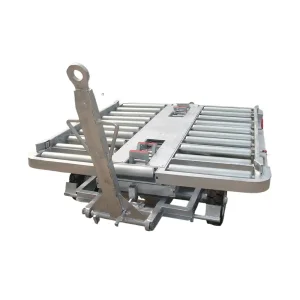
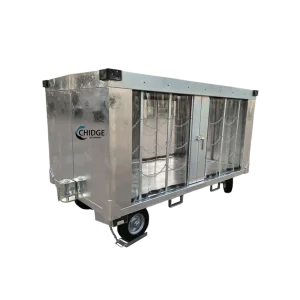
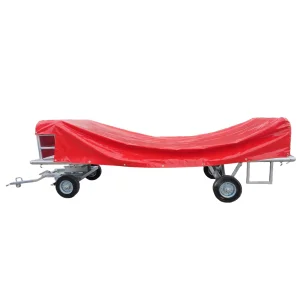
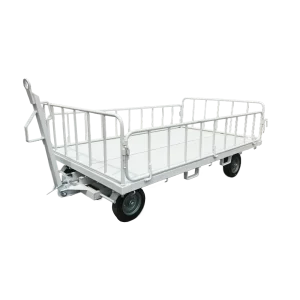
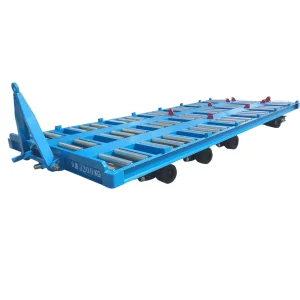
 Chidge Dolly