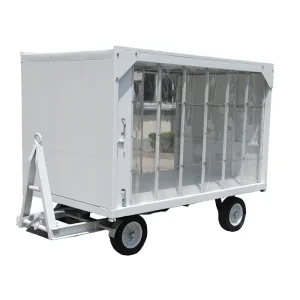
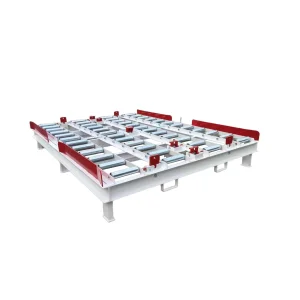
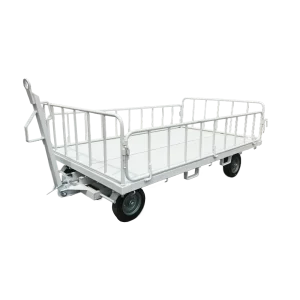
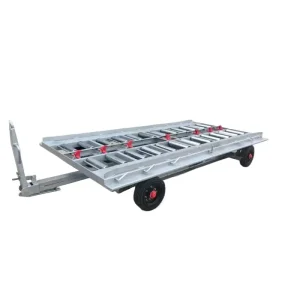
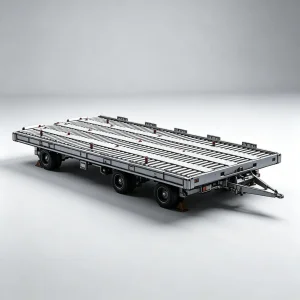
Explore our high-capacity cargo dollies, towable baggage systems, and custom ramp equipment engineered to meet global standards.
In the ultra-precise world of modern civil and military aviation, the efficiency of ground handling systems acts as the primary driver of airline profitability and safety. The phrase "Custom Airplane Push Back & Airport GSE" covers an expansive range of highly specialized heavy equipment, non-powered mobile units, and advanced electronic interfaces. In high-traffic international airport hubs, ground delay costs can accumulate at rates exceeding several thousand dollars per minute. Consequently, the performance of GSE, specifically during the critical turnaround phase—which includes passenger deboarding, cargo offloading, refueling, cabin cleaning, and aircraft pushback—defines the operational capability of the entire airfield.
Search intent analytics and industrial buyers' behavior show a clear trend: global airport managers and airlines are shifting away from off-the-shelf ground equipment. Instead, they are prioritizing customized configurations designed to integrate seamlessly with specific airline fleets (ranging from narrow-body regional jets to heavy double-deck wide-body carriers like the Airbus A380 or Boeing 777-9). A custom design ensures optimal load distribution, reduces localized fatigue stress on the aircraft landing gear assembly, and maximizes ramp safety by adapting towing hook geometry and braking physics to the unique conditions of specific airports.
The global market for ground support equipment is experiencing a massive wave of technological updates. Driven by net-zero carbon goals, key airports in Europe, North America, and the Asia-Pacific region are mandating the transition from diesel-hydraulic equipment to electric Ground Support Equipment (eGSE). Statistically, the market value of GSE is projected to expand significantly, with eGSE and hybrid solutions capturing the largest share of new procurements.
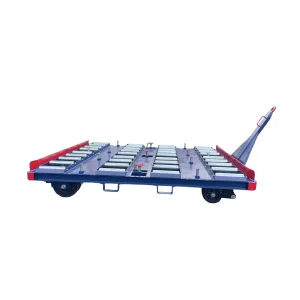
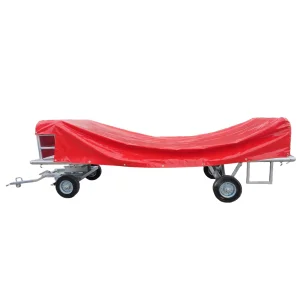
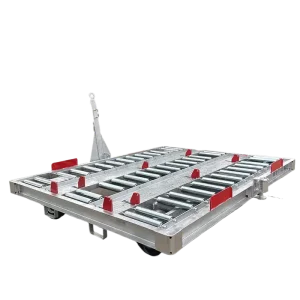
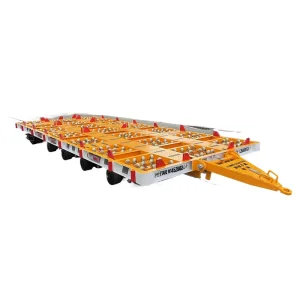
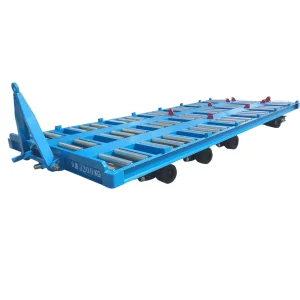
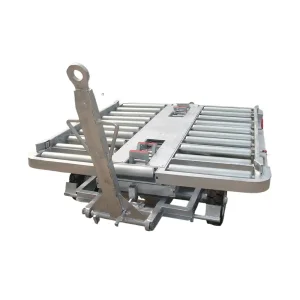
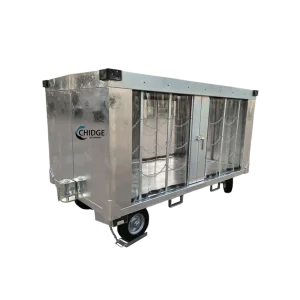
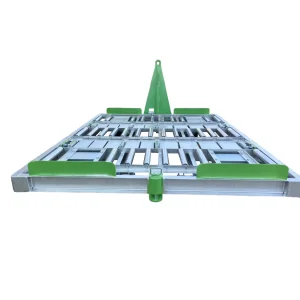
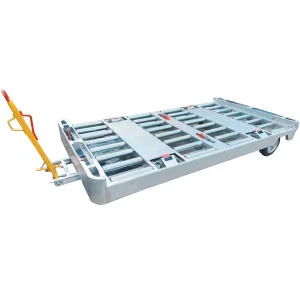
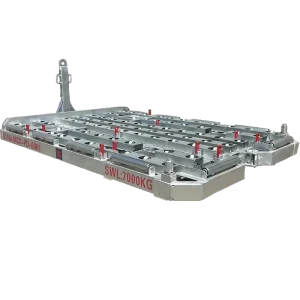
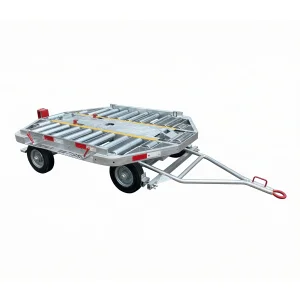
At the same time, regional logistics growth—accelerated by global e-commerce routes—has increased the load cycles on heavy cargo handlers, pallet dollies, and container dollies. Container dollies (e.g., LD3, LD6 configurations) and heavy-duty 20FT slave dollies are no longer viewed as simple steel trailers. They are now considered precision assets that must support continuous, high-speed cargo transfers between multi-modal warehouses and aircraft cargo bays. The physical demands of regional hub operations mean these systems must withstand constant impact during loading and unloading, leading buyers to demand tougher steel alloys, hot-dip galvanization, and advanced shock-absorption capabilities.
Below, we detail the core operational ground equipment series that form the backbone of modern airport ramp operations. These systems are classified according to their technological application and performance metrics:
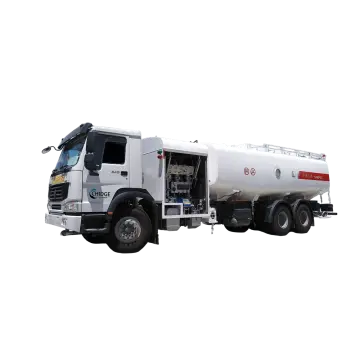
Consists of a custom-engineered chassis, high-capacity oil tanks, pumping system, control interface, and operating assembly. Features integrated aviation filtration, precision metering, self-circulation, and active pressure control.
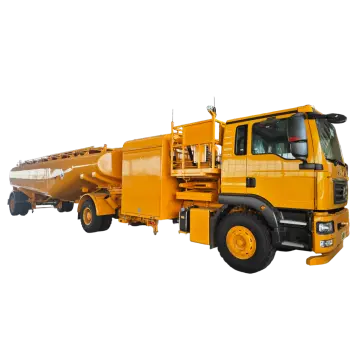
Heavy-duty long-range airport tank refueling truck. Offers reinforced structural safety, precision automated pump control systems, and conforms fully to international JIG fuel safety guidelines.
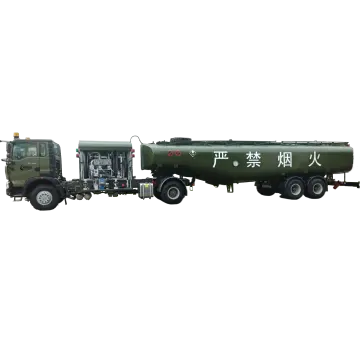
Designed for mid-to-large hub airport applications. Integrates modern flow-metering instruments, digital deadman safety switches, and dual hose reels for streamlined underwing fueling.
Designed for heavy wide-body pushback operations. Heavy-duty chassis build provides high drawbar pull, ensuring safe, reliable towing of large-capacity long-haul commercial aircraft.
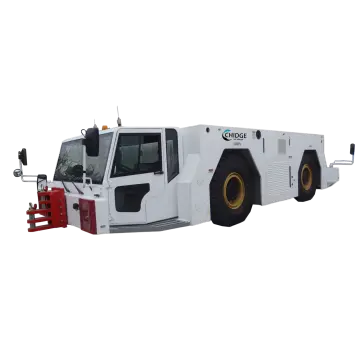
Mid-range tow tractor providing excellent maneuverability for narrow-body and medium wide-body aircraft pushback. Hydrostatic transmission ensures smooth speed transitions.
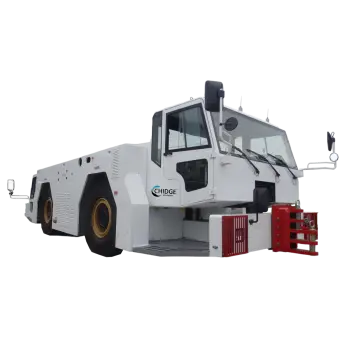
Compact, highly efficient ramp vehicle optimized for narrow-body and business jet ground handling operations. Features a tight turning radius and highly responsive braking systems.
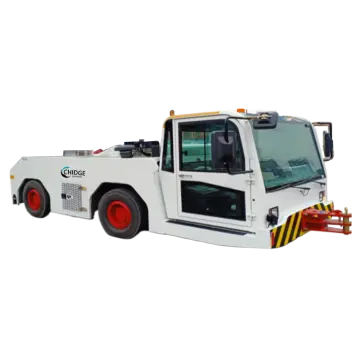
Environmentally friendly, battery-stored power system feeding clean 400Hz electricity directly to parked aircraft. Eliminates diesel combustion on the ramp, minimizing localized airport emissions.
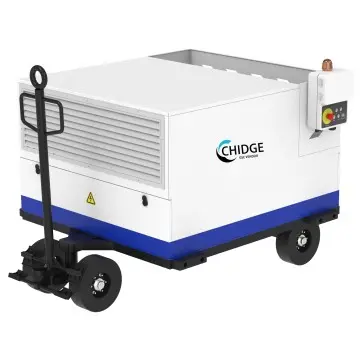
Robust solid-state frequency converter system supplying uninterrupted electrical power for passenger cabins, cockpit instruments, and flight pre-checks during turnarounds.
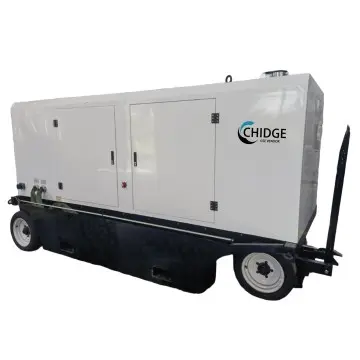
High-efficiency stationary solid-state frequency converter designed for installation under passenger boarding bridges or inside maintenance hangars.
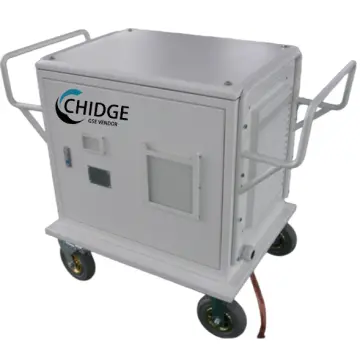
High-output mobile warm air blower supplying stable heating to cabins in arctic or extreme sub-zero conditions, ensuring a comfortable environment prior to passenger boarding.
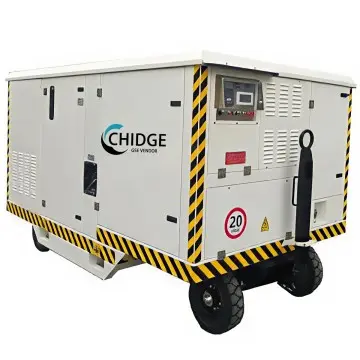
High-capacity Pre-Conditioned Air unit delivering filtered, climate-controlled air to wide-body aircraft cabins, significantly reducing APU wear and fuel consumption.
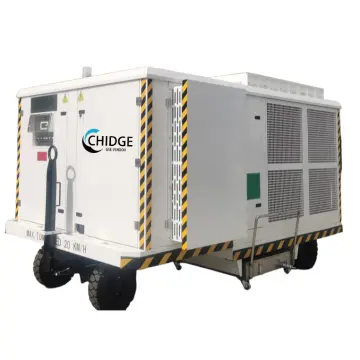
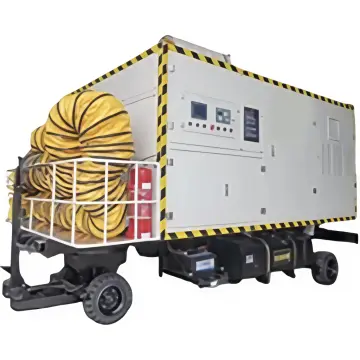
Robust, trailer-mounted cabin heating unit with a diesel-fired furnace system. High volume airflow delivery for quick, efficient ramp pre-heating.
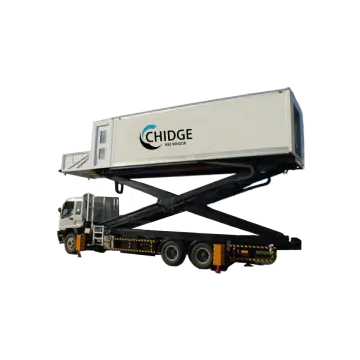
Heavy-duty scissor lift catering vehicle with fully insulated van body. Features robust hydraulic synchronization and an ergonomic cabin interface for safe door docking.
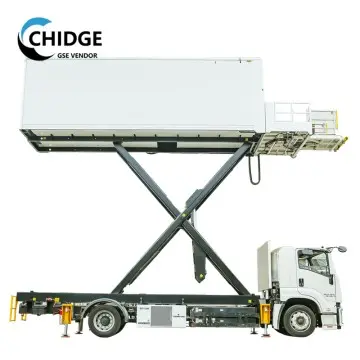
Eco-friendly, battery-powered catering vehicle reducing ground operation carbon emissions. Silent, zero-emissions hydraulic lifting system for modern green airport setups.
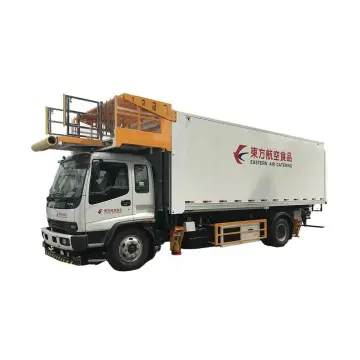
Traditional heavy-chassis airport food-service vehicle designed for intensive daily turnarounds across multiple aircraft models. Features non-slip floor surfaces and a protective bumper system.
Connecting Global Aviation Fleets with High-Performance Manufacturing Standards
The manufacturing ecosystem of China offers distinct competitive advantages for global GSE procurement directors. It is not just a matter of lower labor rates; the key is the comprehensive, localized integration of the supply chain. In our manufacturing bases, raw material processing, precision laser cutting, CNC plate bending, automatic robot welding, and state-of-the-art galvanization chambers operate in close proximity. This high density of specialized industrial steps reduces lead times from several months to just a few weeks.
By using advanced robot welding systems, we achieve consistent, high-penetration structural joints that are vital for heavy airport dollies and aircraft pushback towbars. Every pallet dolly and container dolly is subjected to rigorous finite element analysis (FEA) testing. This simulates thousands of hours of high-stress ramp usage, ensuring our products stand up to the constant vibration and heavy impacts of daily airport operations.
Environmental diversity is a critical challenge in international ground operations. Equipment that performs flawlessly in arid Middle Eastern desert airfields can fail in high-humidity coastal zones or freezing Siberian cargo terminals.
Optimized for sub-zero operations, featuring low-temperature hydraulic fluid, engine pre-heaters, and low-temperature impact-resistant steel grades to prevent structural embrittlement.
Protected by comprehensive hot-dip galvanization (conforming to ISO 1461 standards) and utilizing stainless-steel components to shield trailer brakes, pins, and rollers from salt-spray corrosion.
Equipped with dual-brake parking structures, reinforced heavy-duty towbars, and high-tensile steel rollers to manage high-cycle 24/7 logistics demands.
We integrate customer-centric design, comprehensive engineering, and automated production to build ground support systems matching your exact fleet requirements.
Building partnerships in the GSE sector requires trust, consistency, and alignment on safety standards. Our mission is to make our clients' choices secure and correct, creating lasting value through high-performing equipment. As a reliable manufacturing partner, we provide comprehensive engineering and testing support to global airlines, airport ground handlers, and industrial logistics networks.
Providing a broad range of certified ground support machinery, from cargo loaders and towing vehicles to towable dollies, configured to optimize ramp operations.
Delivering reliable ramp and cargo transport solutions built specifically to handle intensive courier networks, freight forwards, and passenger bag movements.
All items conform strictly to European CE guidelines, ISO 9001 quality systems, and IATA AHM directives, protecting ground crews and fleet assets.
Creating shared value through reliable manufacturing, precise timelines, and comprehensive after-sales support.
The aviation sector is undergoing rapid transformation, and Ground Support Equipment (GSE) is at the center of this shift. Over the next decade, three key trends will redefine how airports purchase and operate ramp equipment:
Airlines are replacing traditional diesel power units, pushback tractors, and cargo loaders with battery-electric options. This cuts direct ramp emissions and lowers energy costs by up to 60%.
Equipping dollies, container trailers, and refueling trucks with real-time GPS sensors, load indicators, and maintenance alerts. This helps dispatch teams maximize asset use and reduce equipment downtime.
Development of autonomous, self-driving dollies and pushback vehicles. Utilizing advanced lidar and radar systems, these units can navigate cargo ramps safely, reducing manual positioning errors.
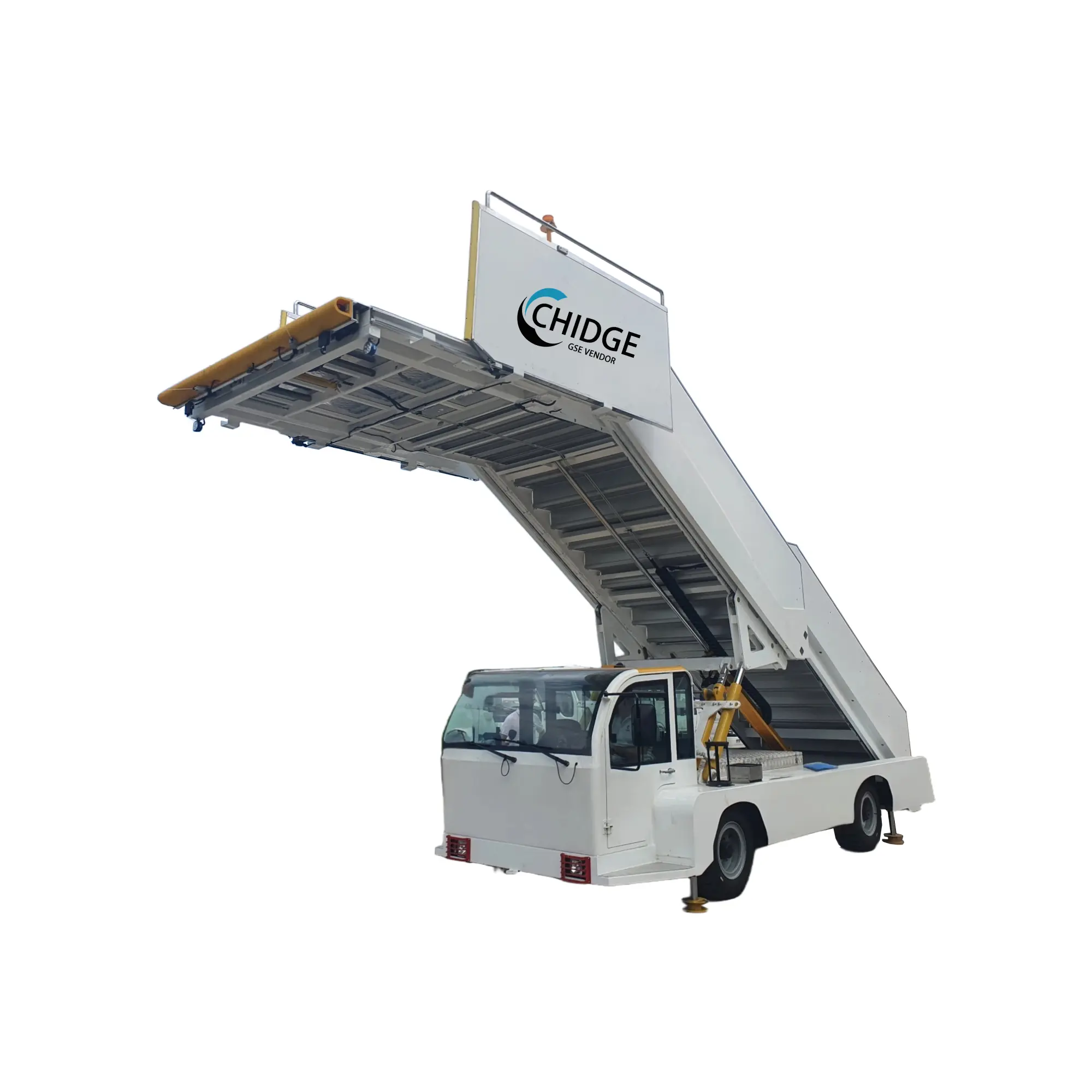
Explore the engineering systems, height adjustment hydraulics, and slip-resistant features that keep mobile stairs stable and safe for passengers during boarding.
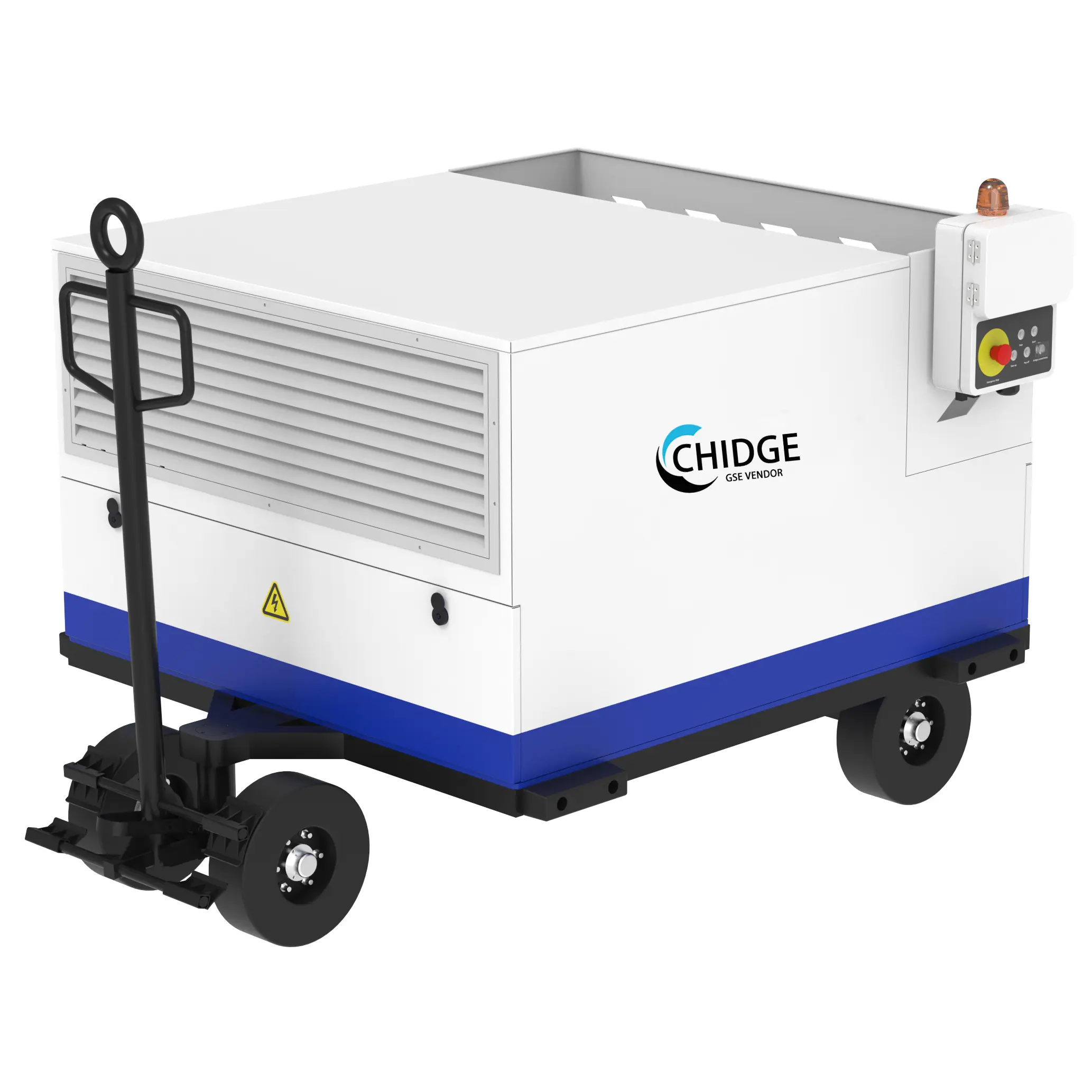
An in-depth look at towable battery power units, analyzing how they supply clean 400Hz electricity to parked aircraft and help cut airport carbon footprints.
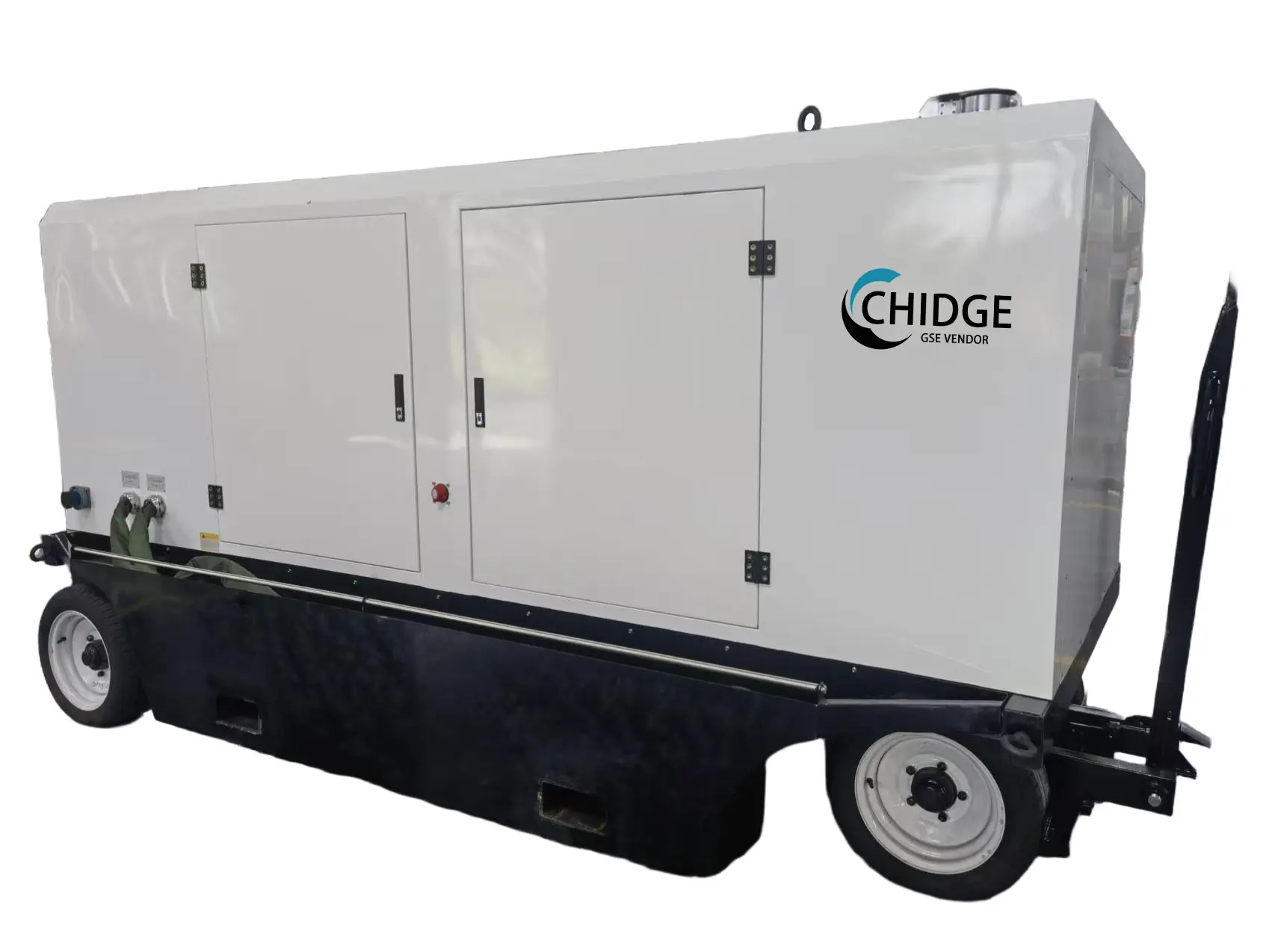
In the complex ecosystem of aviation operations, ensuring an aircraft is flight-ready involves a multitude of support systems. Learn about frequency converters and the benefits of truck-mounted units.
Heavy-duty cargo handlers and specialty ramp equipment built to handle continuous airside shipping and passenger baggage flows.
 Chidge Dolly