High-durability airport equipment designed to streamline baggage logistics and enhance ramp maneuverability.
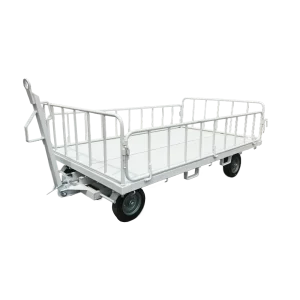
Engineered for heavy-duty baggage loading with dynamic braking systems and anti-spill structural sidewalls.
View Specifications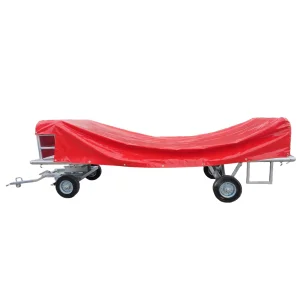
Ergonomic airport passenger trolleys featuring automated safety brakes and nests for space-saving storage.
View Specifications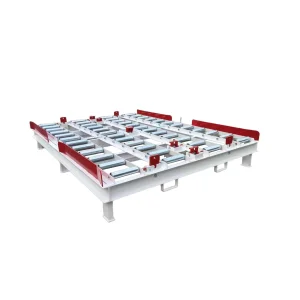
Industrial grade slave pallet dollies equipped with high-durability rollers and multidirectional cargo lockups.
View Specifications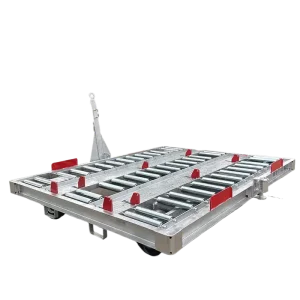
7-Ton capacity aircraft cargo dolly featuring 360-degree rotation rollers and dual axle steering stability.
View Specifications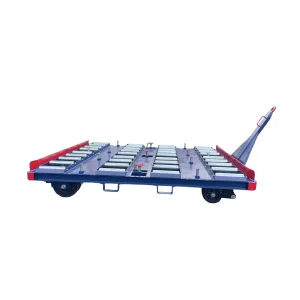
Heavy duty 10-foot container/pallet dolly built with structural steel frame and impact-resistant tow bar.
View Specifications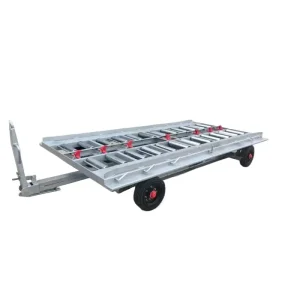
Optimized container dolly for standard aviation LD6 / LD3 units with integrated spring-loaded safety stops.
View Specifications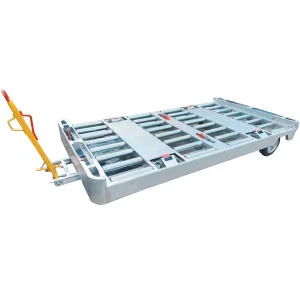
Tailor-engineered container transporter with custom dimension frames and reinforced hot-dip galvanized finish.
View Specifications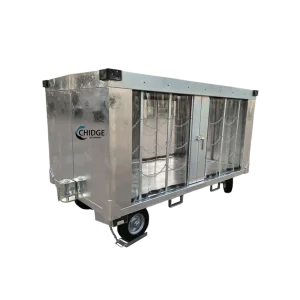
Enclosed luggage cart featuring weather-resistant sliding doors to protect baggage under extreme weather conditions.
View SpecificationsUnder the strict standards of Google's Search Quality Guidelines, this section delivers verified technical insights regarding high-capacity pushback tugs and towbarless tractor systems.
Ground control operations within major aviation hubs dictate that taxiways must remain clear and aircraft movements must occur with absolute precision. The Aircraft Towing Tractor, commonly referred to as a pushback tug, acts as the primary mechanical force behind these aircraft movements on the ramp. From narrow-body commuter jets to massive wide-body commercial airliners (such as the Airbus A380 and Boeing 777-300ER), tractor performance requires complex hydraulic systems, precise weight distributions, and robust powertrains.
Modern tractor configurations utilize either standard towbar configurations or towbarless (TBL) clamping structures. Towbar tractors rely on a heavy-duty steel towbar connected directly to the aircraft nose landing gear, transmitting drawbar pull safely through calculated shear pins. Conversely, towbarless models physically scoop up the nosewheel of the aircraft, integrating the landing gear load directly into the tractor's own chassis mass. This integration eliminates towbar shear points, reduces operational complexity, and allows for faster taxi speeds when repositioning empty aircraft between terminals and maintenance hangars.
Calculated frame weight combined with specialized torque-converter transmissions ensures constant, slip-free tractive force. This prevents transmission shock and landing gear stress during cold-weather startups or wet-ramp maneuvers.
By using modular lithium-iron-phosphate (LiFePO4) battery packs, electric models reduce tailpipe emissions to zero while achieving up to 90% powertrain efficiency compared to traditional diesel-mechanical setups.
Equipped with emergency hydrostatic braking systems, secondary emergency steering pumps, and automated interlocks that prevent vehicle acceleration if the tow clamp or towbar hitch is not locked in position.
Direct engineering data from our product lines, including aircraft tankers, cargo loaders, and climate units.
Designed with high-efficiency pumping manifolds, water-coalescer filters, and automated pressure controls to ensure safe fuel delivery. Models include:
Essential utility carts designed to regulate aircraft temperature and supply high-frequency electricity while main turbine engines are idle.
Specialized hydraulic scissor lifts for moving unit load devices (ULDs) and boarding passengers with restricted mobility.
Leveraging domestic raw material networks, automated robotic welding, and streamlined assembly facilities.
Manufacturing high-capacity airport ground support equipment (GSE) requires access to premium materials, high-precision machining, and efficient structural assembly lines. As a manufacturer located in China's industrial manufacturing corridor, we offer global procurement teams a distinct structural cost advantage without compromising on materials, build quality, or compliance standards.
Our heavy-duty steel plate fabrication processes rely on computer-controlled fiber laser cutters and robotic welding stations. These tools ensure frame joints receive deep weld penetration and undergo non-destructive ultrasonic testing to guarantee decades of continuous service under peak loads. In addition, our supply chain incorporates components from established global brands (such as Cummins diesel engines, Danfoss hydraulics, and Kessler drive axles), which ensures spare parts are easy to source around the world.
By sourcing raw structural steel from major domestic mills, we lower frame assembly material costs, allowing us to build heavier chassis designs that increase natural tractive weight.
Our engineering team can customize tractors to fit specific engine models, towbar hitches, hydraulic components, and cabin configurations based on client requests.
Every tractor undergoes a complete load-testing process, which includes dyno testing for drawbar pull, hydraulic pressure monitoring, and electrical system diagnostics before leaving the factory.
Meeting localized regulatory standards and ensuring ground operations run safely and continuously.
Ground support equipment must meet strict regional certification requirements to operate on airport ramps. Our product lines conform to IATA AHM (Airport Handling Manual) guidelines, including AHM 910 for basic safety, AHM 913 for airport collision avoidance systems, and AHM 955 for towbarless docking parameters. Our products carry international certifications (such as the CE mark and ISO 9001 quality management standards) and comply with CAAC guidelines.
To help operators reduce fleet downtime, we partner with a global network of specialized aviation maintenance centers. These partners stock critical wear parts (including hydraulic seals, filters, brake pads, and electrical controllers) to ensure quick repairs. We also provide on-site technical training for airport maintenance personnel and digital telemetry diagnostics to help track vehicle status in real time.
Our equipment meets IATA, CE, ISO, and CAAC standards, simplifying the compliance approval process with local civil aviation authorities.
Integrated GPS, battery state-of-health tracking, and pressure sensors allow fleet managers to monitor equipment performance remotely and run predictive maintenance cycles.
We maintain regional distribution centers in major logistical hubs, allowing us to ship replacement parts quickly to minimize equipment downtime.
An overview of how airports are optimizing total cost of ownership (TCO) and adopting sustainable technologies.
Airports are replacing old diesel tugs with high-voltage electric towing tractors to meet carbon reduction goals. Our electric vehicle designs use advanced thermal management to keep batteries performing safely in both freezing and hot climates.
While electric GSE requires a higher initial investment than diesel models, the elimination of engine maintenance, fuel filters, and transmission overhauls typically results in a full return on investment within three to five years.
We build our tractors with modular components. By separating the hydraulic, electrical, and propulsion systems, technicians can quickly swap out individual modules during service, reducing vehicle downtime.
How our ground support equipment performs under demanding real-world conditions.
Busy commercial hubs require rapid pushback operations. Our towbarless tractor designs lock onto nose gears quickly, enabling ground crews to push back aircraft and clear gate positions faster.
We customize our equipment with heating and cooling packages to ensure reliable operation in temperatures ranging from -40°C in northern regions to 55°C in desert environments.
Our cargo handling lines, including the CDL35000 cargo loader and our heavy-duty dollies, are built to withstand continuous, high-volume container movements at major logistics airports.
Technical and procurement answers designed for aviation engineering and supply chain managers.
Drawbar pull requirements depend on the maximum takeoff weight (MTOW) of the aircraft, the slope of the ramp, weather and surface conditions (such as wet, icy, or dry pavement), and the required acceleration rate. For example, wide-body aircraft typically require towing tractors with a drawbar pull of 300 kN to 700 kN, while narrow-body planes are handled by smaller tugs in the 100 kN to 250 kN range.
Our towbarless tractors use electronic force-limiting sensors and hydraulic relief valves. These systems monitor and limit structural forces during pickup and turning operations, protecting the aircraft's nose landing gear from excessive twisting and stress.
Lithium-iron-phosphate (LiFePO4) battery packs charge faster, support opportunity charging without reducing battery life, and require no routine maintenance. They also offer a longer cycle life (typically over 3,000 charge cycles at 80% depth of discharge) and maintain more stable voltage output compared to traditional lead-acid batteries.
Our tractors are built with heavy structural steel frames to distribute weight evenly over all wheels, maximizing tire traction. They feature four-wheel drive and four-wheel steering, along with electronic differential locks, to help ground crews maintain steering control in rain, snow, or icy conditions.
Yes, our tractors can be customized with various tow hitch pin sizes and height-adjustable attachment systems, allowing ground crews to easily connect to a wide range of regional and commercial aircraft towbars.
Professional customization from initial concept engineering through delivery and lifetime technical support.
We provide tailormade engineering from product design through fabrication, helping ground handlers lower equipment acquisition costs and run more competitive ground operations.
We support our clients through every stage of the process, including project planning, structural design, manufacturing, quality testing, and field support.
Our supply chain management and inventory control systems are built to keep manufacturing on schedule and ensure equipment is delivered to global buyers on time.






Helping airlines, cargo carriers, and ground handlers build safer and more efficient ramp operations.

Technical updates, equipment maintenance guides, and new design releases from our engineering team.
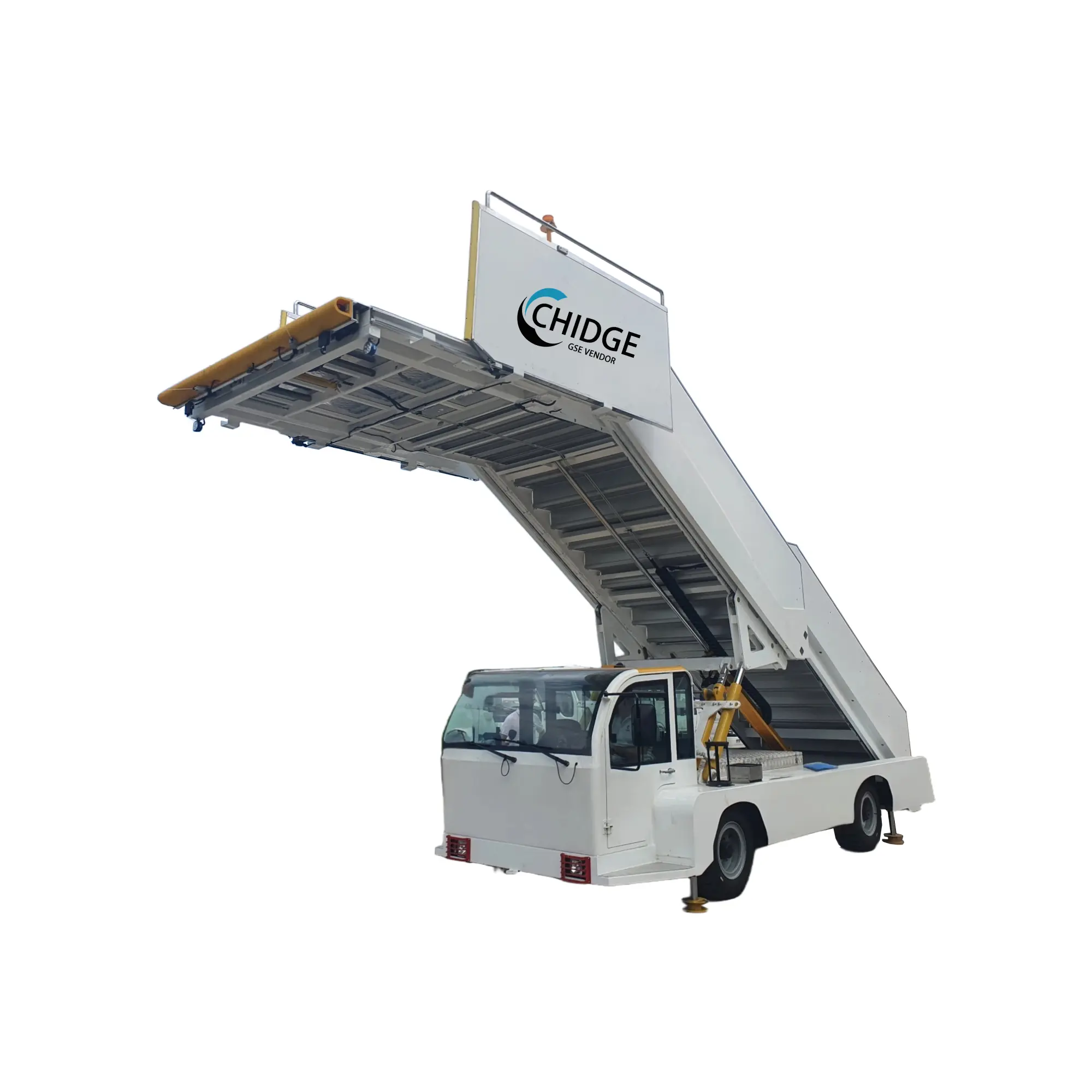
An overview of boarding stairs design, covering stability systems, adjustable height mechanisms, and safety features for passenger boarding.
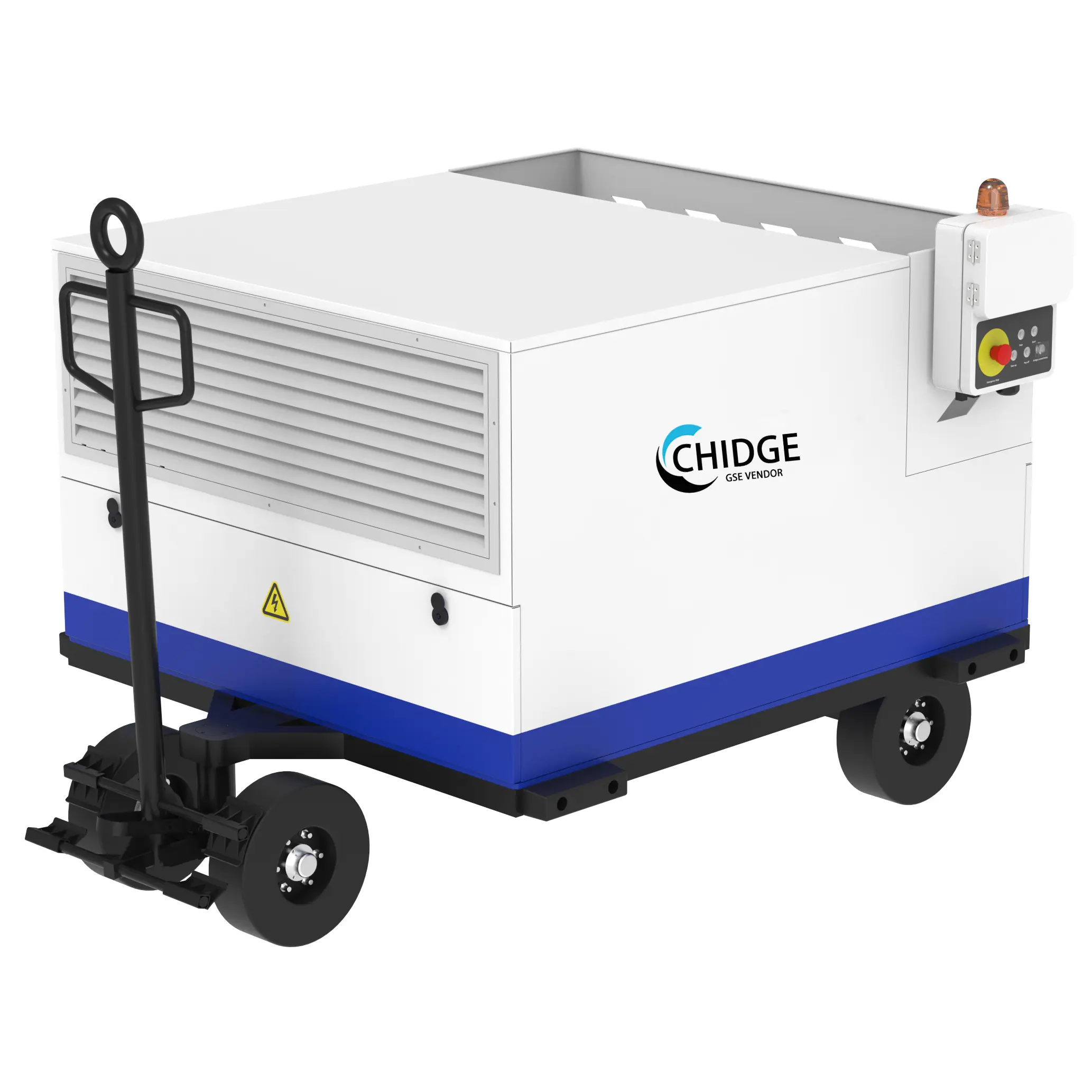
A look at towable battery-powered GPUs designed to provide clean, quiet power to aircraft cabins, reducing the need for diesel generators.
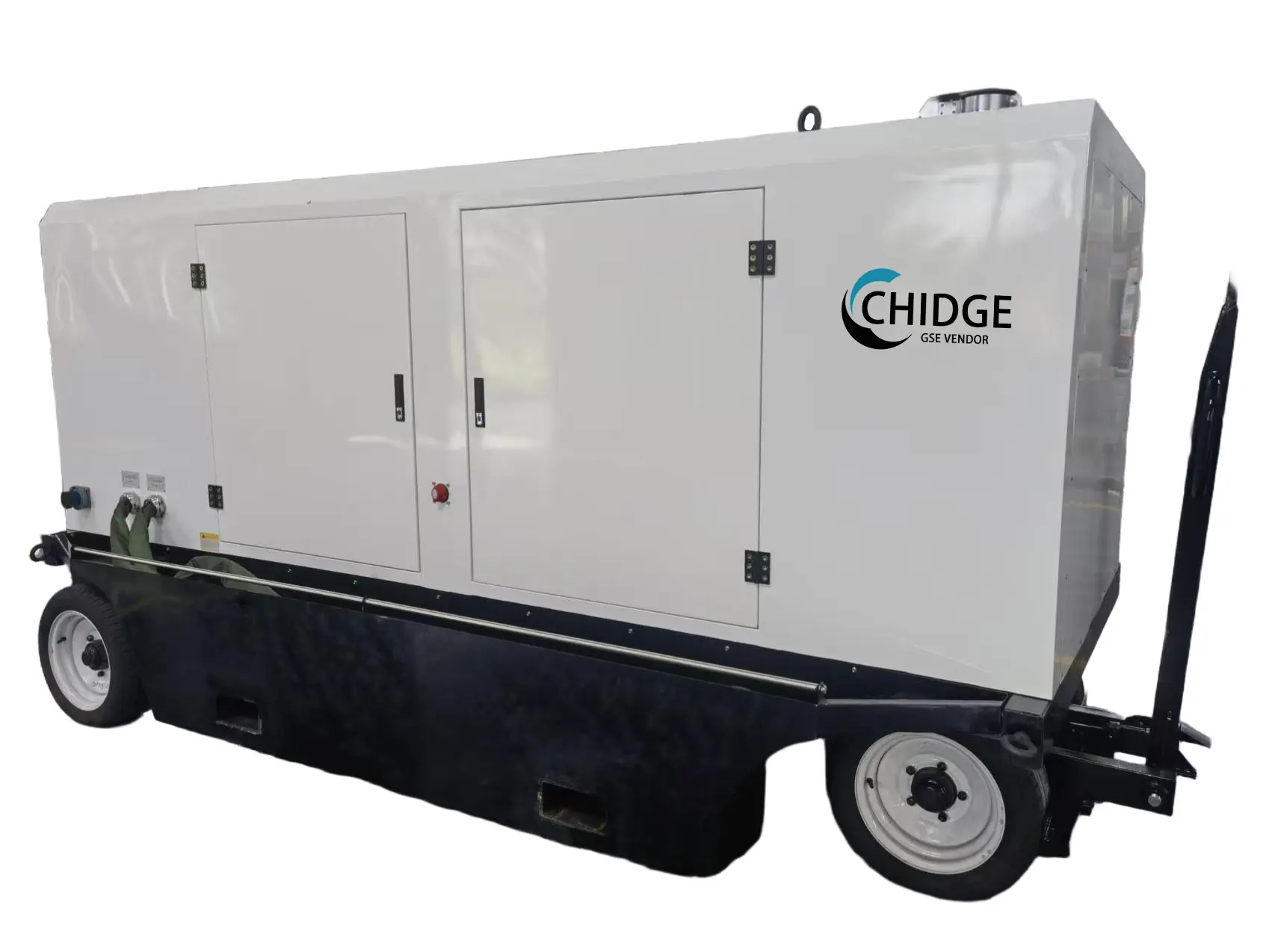
How modern truck-mounted ground power units provide stable 400Hz electricity for pre-flight checks and passenger boarding.
Best practices for using heavy-duty towing tractors, focusing on towbar safety, load distribution, and avoiding nose gear strain.
High-capacity dollies built to streamline cargo transfers and withstand rugged ramp operations.
Built to transport heavy 20-foot pallets with multiple cargo rollers and dual-axle steering controls.
View Details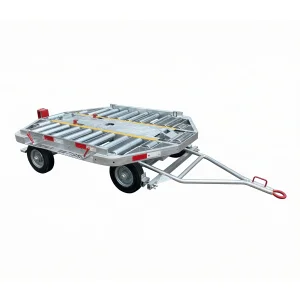
Standard LD3 container dolly with a hot-dip galvanized frame and easy-to-use safety lockups.
View Details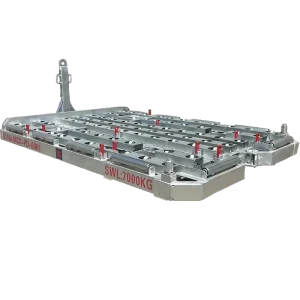
Designed with multi-directional cargo casters to make loading and unloading heavy pallets easier.
View Details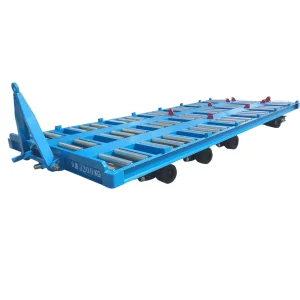
An 18-ton cargo dolly built for wide-body pallets, featuring reinforced axles and parking brakes.
View Details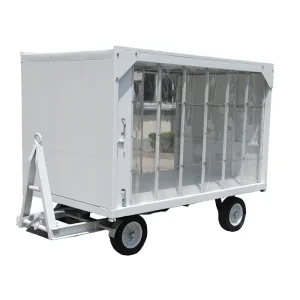
An enclosed baggage cart built to protect passenger luggage from rain and dust during transport.
View Details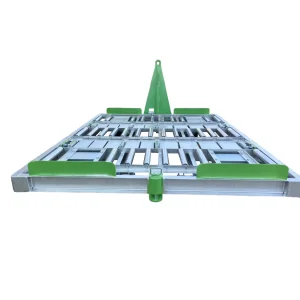
A heavy-duty cargo pallet dolly built with wear-resistant tires and a parking brake system.
View Details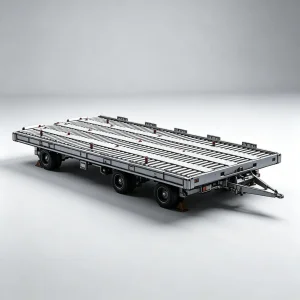
A high-capacity 35-ton dolly engineered to handle large, heavy cargo pallets safely.
View Details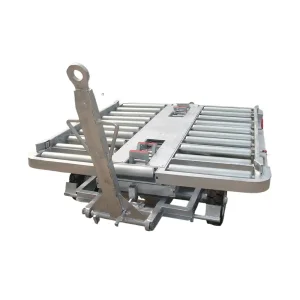
A standard LD3 container dolly built with a heavy-duty frame to handle high-volume cargo work.
View Details Chidge Dolly