Highly engineered logistics equipment catering to airlines, ground handling companies, and international air hubs.
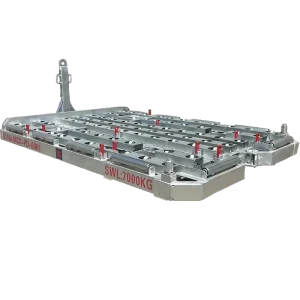
Designed for heavy cargo handling. Featuring high-durability rollers and robust chassis framework to withstand continuous runway operations.
View Details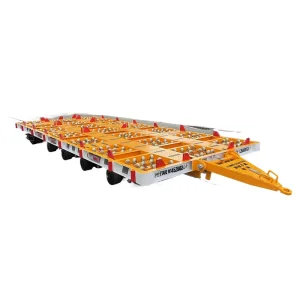
Massive payload capacity tailored for wide-body freighter cargo decks. Features bidirectional loading pathways and dual-axle steering.
View Details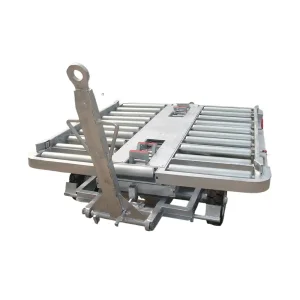
Standardized airport logistics dolly optimized for LD1/LD3 containers. Equipped with reliable locks and robust parking brakes.
View Details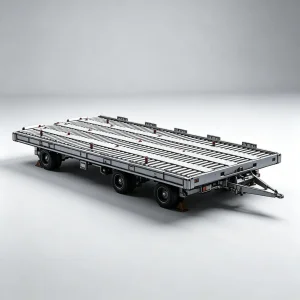
Ultra-heavy capacity pallet dolly engineered for specialized project air cargo operations, featuring multi-wheel independent suspension.
View Details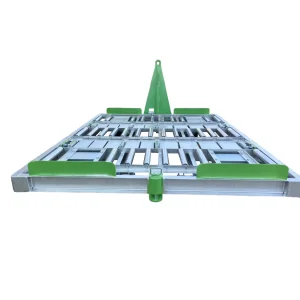
High-grade raw materials and automated welding processes guarantee structural integrity under continuous load transfers.
View Details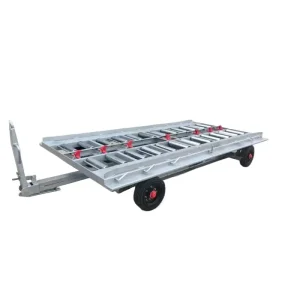
Perfect fitment alignment for LD6 aviation containers. Integrated steel rollers with low friction bearings for effortless cargo shifting.
View Details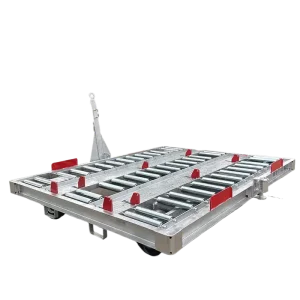
Standard unit configuration with customized towing hitch setups, fully meeting international airport ground safety regulations.
View Details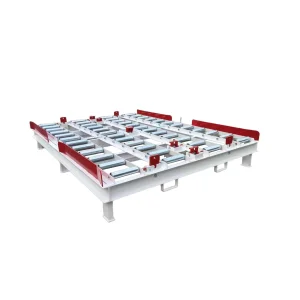
Flexible slave pallet structure configured for seamless warehouse-to-apron cargo transitions, boosting loading throughput.
View DetailsA comprehensive study of aviation logistics, ramp safety, and GSE infrastructure modernization.
The global aviation ecosystem relies heavily on the efficiency, precision, and reliability of Ground Support Equipment (GSE). Within this critical niche, the aircraft towing tractor remains the linchpin of ramp operations. Modern airport terminals face unprecedented pressure to optimize gate turnaround times, maintain strict safety parameters, and cut down carbon footprints. From narrow-body regional jets to massive double-deck wide-body airliners like the A380, the machinery utilized to maneuver these multi-million dollar assets must deliver high torque, fail-safe braking, and intuitive operator controls.
As flight frequencies swell globally, commercial aviation authorities and airport ground handling agencies are transitioning from reactive maintenance models to predictive fleet management. A custom aircraft towing tractor is no longer just a mechanical mover; it is a smart asset integrated with telematics, safety sensors, and electric powertrains designed to sync with the smart airport grids of tomorrow.
The convergence of renewable energy storage and advanced sensors is reshaping the modern airport ramp.
The primary technological driver in the modern aircraft towing tractor manufacturing sector is the global shift toward electrification. International airports, particularly in Europe, North America, and parts of East Asia, have enacted aggressive carbon-neutral targets. Diesel pushback tractors are being phased out in favor of all-electric drive systems. These electric models eliminate tailpipe emissions at the gate, reduce ambient ramp noise—improving safety and communication among ground crews—and offer superior torque curves compared to combustion engines. This instant torque is highly beneficial for the initial breakaway pushback maneuvers of heavy aircraft.
Furthermore, autonomous ramp technologies are shifting from experimental testing to real-world integration. Utilizing LiDAR arrays, ultrasonic proximity sensors, and high-accuracy GPS positioning, leading-edge manufacturers are designing semi-autonomous towing systems. These vehicles follow virtual tracks, safely approaching aircraft nose landing gear with millimeter precision, drastically reducing operator fatigue and mitigating the risk of human-error-induced aircraft hull damage, which costs the aviation sector millions annually.
| Towing Tractor Class | Max Drawbar Pull (kN) | Compatible Aircraft Types | Preferred Powertrain |
|---|---|---|---|
| Light-Duty (Conventional/Towbarless) | 50 - 120 kN | B737, A320, Regional Jets (CRJ/ERJ) | Lithium-Ion Battery / Electric Drive |
| Medium-Duty (Pushback & Towing) | 120 - 250 kN | B787, A330, B767 (Wide-body Cargo/Pax) | Dual Electric Drive / Clean Diesel Stage V |
| Heavy-Duty / Super-Jumbo Class | 250 - 400+ kN | B747, A380, Antonov (Heavy Freighters) | Hybrid / High-Voltage Battery Pack / Heavy Diesel |
Unveiling the exact technical and compliance frameworks guiding global aviation supply chains.
Commercial airports operate under strict regulatory umbrellas. Fleet managers demand that custom aircraft towing tractors comply with international safety regulations, including CE directives, IATA AHM (Airport Handling Manual) protocols, and SAE Aerospace Recommended Practices (ARP). Emergency steering backup systems, dual-circuit braking, automatic park brakes, and cabin visibility metrics are scrutinized before procurement approvals are granted.
Modern fleet management requires real-time diagnostic reporting. Ground handlers require towing vehicles that stream operational data over 5G/Wi-Fi networks. Tracking parameters such as battery state-of-charge (SoC), hydraulic pressure, collision-warning triggers, engine run hours, and driver performance allows operators to schedule predictive maintenance, limiting unexpected breakdown cycles.
Operator comfort directly correlates with airport ground safety. Premium aircraft towing tractors feature enclosed cabins with climate control, air-suspended 180-degree rotating driver consoles, and expansive glass panels that maximize line-of-sight to the aircraft nose gear and towbar coupling points during operation.
How state-of-the-art manufacturing plants utilize high-automation and supply chain depth to offer cost-competitive solutions.
China's industrial evolution into a dominant GSE manufacturer is rooted in the deployment of Industry 4.0 methodologies. Advanced production facilities utilize robotic welding cells, computer-controlled laser cutter gantries, and automated guided vehicles (AGVs) for internal material handling. This level of automation ensures structural consistency in heavy steel plate chassis components, a crucial factor for vehicles that must withstand hundreds of kilonewtons of tension and compression during heavy towing cycles.
Furthermore, the domestic supply chain integration allows Chinese manufacturers to source premium grade steels, advanced hydraulics, high-efficiency motors, and durable electrical components locally. By avoiding international multi-tiered shipping delays and assembly bottlenecks, manufacturers can deliver bespoke, custom-engineered equipment with significantly reduced lead times compared to Western OEM counterparts, while maintaining strict adherence to ISO 9001 and IATA regulations.



Discover how custom configurations guarantee reliable aircraft movement across diverse climatic and physical scenarios.
Operating in regions like Northern Europe, Canada, or Northern China requires heavy customization. Towing tractors are configured with cold-start diesel heaters or battery thermal pre-conditioning loops, along with cabin glass heaters, anti-slip tire formulations, and low-temperature hydraulic fluid to ensure responsive steering and braking at temperatures below -35°C.
Desert-based international hubs in the Middle East demand robust cooling packages. Towing tractors require oversized heavy-duty radiators, high-volume hydraulic heat exchangers, and tropicalized electrical insulation to prevent system derating when ambient tarmac temperatures exceed 50°C.
For congested historic airports with limited gate clearances, towbarless, low-profile tractors are engineered. These units feature compact wheelbases and multi-mode steering—including crab steering and coordinated 4-wheel steering—enabling ground handlers to navigate tight taxiway clearances safely.
Providing custom-engineered utility machinery to optimize airline efficiency, cargo routing, and passenger comfort.
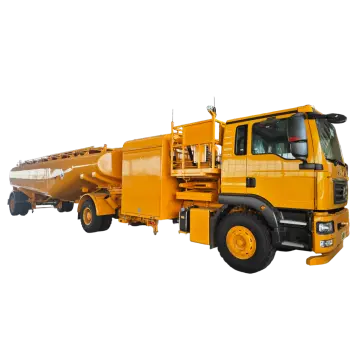
Comprising structural heavy-duty chassis and pressure-resistant tanks (e.g. CD5207GJJ, CD5580GJJ, CD5341GJJ). Integrated pumping systems feature fine filtration, high-accuracy metering, self-circulation, and pressure control to safely feed fuel to commercial fleets.
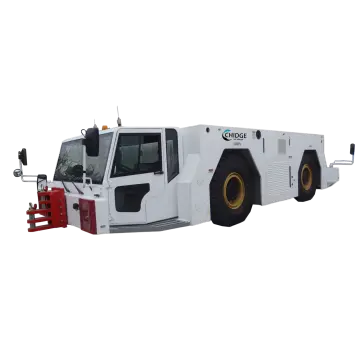
Heavy-duty pushback tractors (e.g., CDT700, CDT450, CDT300) engineered for high tractive force, structural rigidity, and optimal drawbar pull to manage a range of wide-body and narrow-body aircraft configurations on busy taxiways.
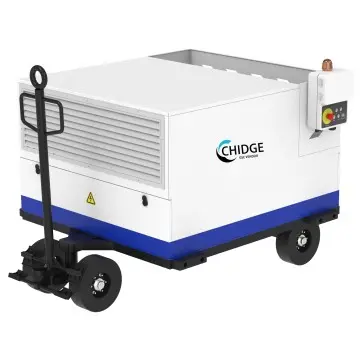
Reliable electrical supply solutions (90KVA systems, static power, towable energy storage systems) designed to power parked aircraft during turnaround times, eliminating the fuel burn and wear associated with APU runtime.
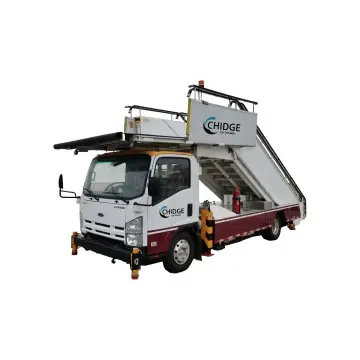
Self-propelled electric and diesel boarding options (CD-PBS5062E, CD-PBS5062D, CD-PS580) equipped with telescoping structures, non-slip treadways, and integrated lighting systems to ensure safe and efficient passenger transitions.
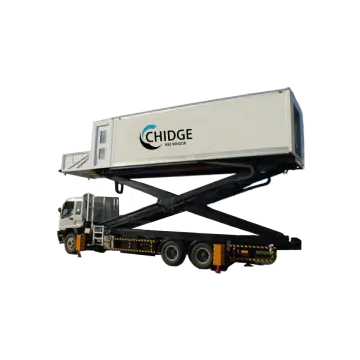
Custom hydraulic scissor-lift structures (CD-SP80 catering trucks, electric cabin maintenance trucks, ambulift medical transport units) designed to support cabin loading tasks across varied aircraft doorsill elevations.
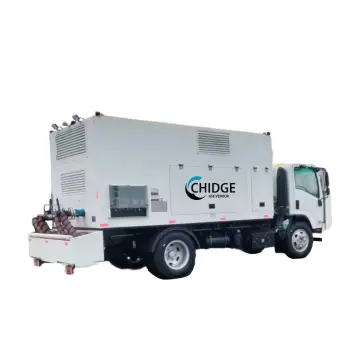
High-volume air compression delivery systems (CDA300, CDA400) alongside advanced air conditioning and cabin heating systems (CDH-60, CD190), maintaining optimal cabin temperatures and supporting engine start operations.


We welcome specialized OEM and ODM orders designed to integrate with specific ground handling requirements. Adhering to a customer-centric design model, we oversee projects from preliminary finite element analysis (FEA) modeling to structural assembly, final load-testing, and compliance certifications.
Through our integrated custom manufacturing services, we assist ground support operations and airlines in accelerating equipment integration, reducing capital expenditure, and tailoring machinery layout to meet unique tarmac safety challenges.
Discover the engineering, supply chain, and service support capabilities that make us a trusted partner to global aviation hubs.

We leverage advanced CAD/FEM software, modern electronic powertrain architectures, and dynamic safety software to deliver high-performance equipment designs.

Every product undergoes heavy-load simulations and strict QC inspection to ensure durable performance and minimize downtime on busy airport ramps.

Our robust supply chain management, integrated assembly flow, and global logistics networks ensure structured equipment deliveries even under tight scheduling constraints.

Our service teams provide spare parts shipping, onsite technical training, and remote diagnostic assistance to keep your ground fleets operating efficiently.
Our goal is to deliver long-term value, build trust, and help our clients maintain efficient and safe airport operations.
Explore articles covering ground support safety, equipment trends, and the transition to electric ramp fleets.
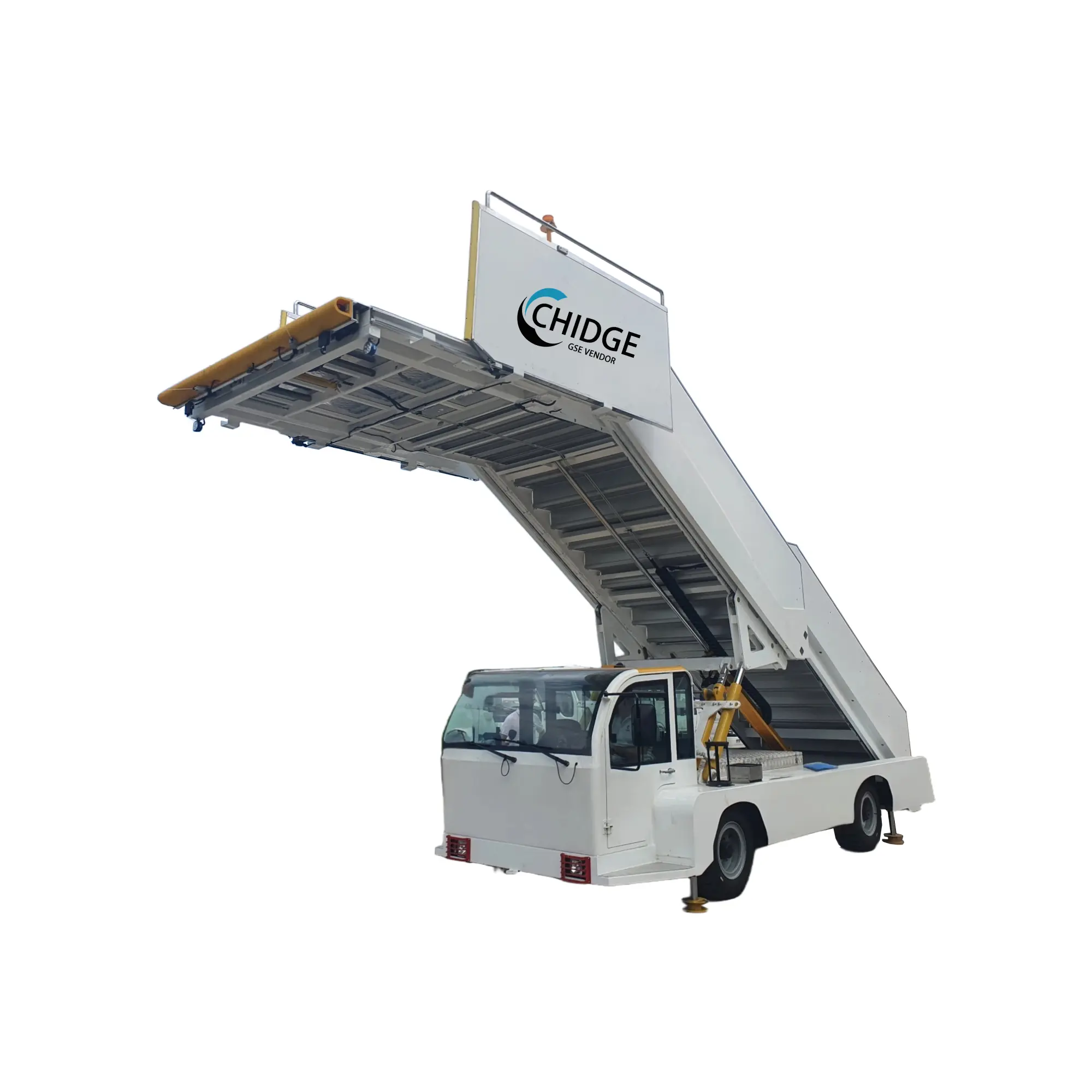
An analysis of modern passenger boarding stairs, examining safety systems, height adjustability, and the shift from towable to self-propelled electric units.
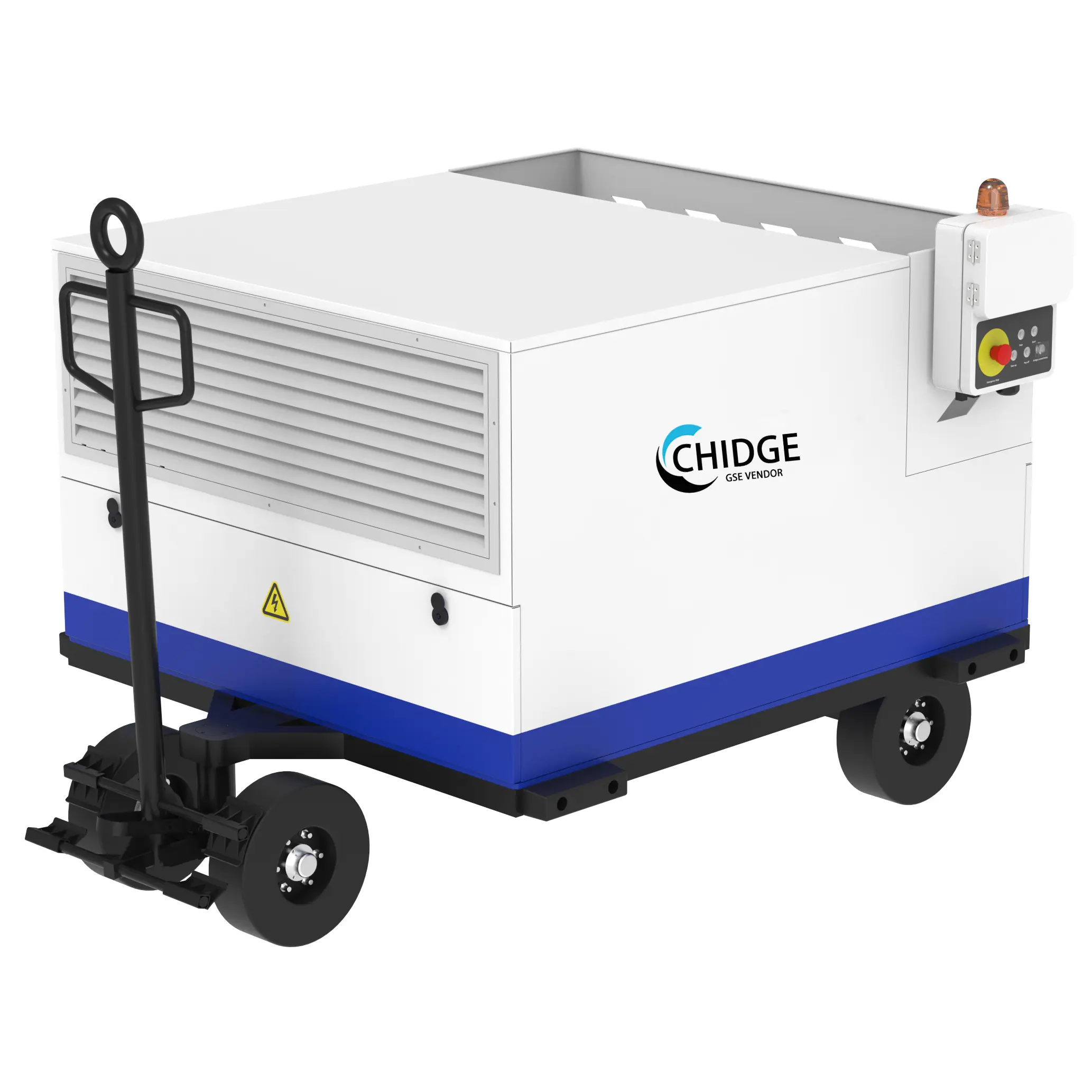
Discover how modern battery electric GPUs are replacing diesel generators, helping to lower gate emissions and fuel costs.
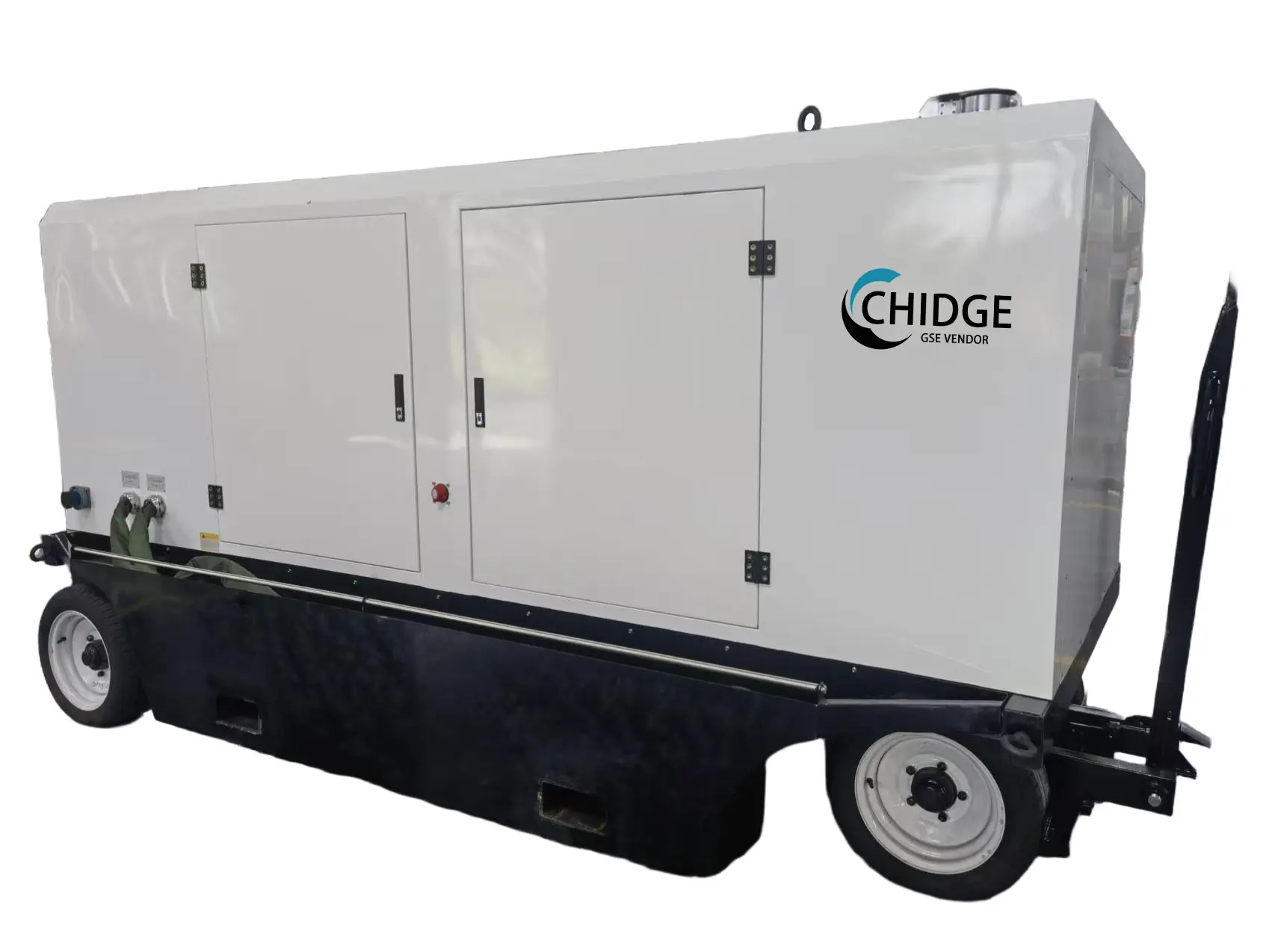
GPUs supply vital electrical power to parked aircraft, supporting systems checks and cabin pre-conditioning without running the main engines. Our truck-mounted models offer flexible, high-capacity support for busy ramp layouts.
Expert technical answers regarding drawbar pull configurations, compliance, and custom design options.
Drawbar Pull is calculated based on the maximum takeoff weight (MTOW) of target aircraft, tarmac slope gradient (typically up to 2-3%), traction coefficient of the tires on wet/dry concrete, and wind resistance. A standard safety margin is applied to ensure positive control during emergency braking or wet weather pushback maneuvers.
Conventional towing tractors require a calibrated towbar linked to the nose gear, serving as a reliable option for long-distance towing across airport taxiways. Towbarless (TBL) tractors scoop up and lift the nose wheel directly, offering faster connections, improved maneuverability, and eliminating towbar maintenance requirements.
Lithium Iron Phosphate (LiFePO4) is the preferred chemistry due to its thermal stability, long cycle life, high safety profile, and capability to support opportunity charging without memory degradation. This setup supports reliable three-shift continuous terminal operations.
Our cold-climate customizations include auxiliary diesel block heaters, battery insulation blankets, heated cabin operator seats, dual pane defogging windshields, and specialized low-viscosity hydraulic oils designed to maintain steady flow rates at -40°C.
All units are engineered to comply with IATA AHM 910 (Basic Requirements for GSE), IATA AHM 913 (Ramp Safety Requirements), IATA AHM 915 (Standard Functional Specifications for Towing Tractors), and regional CE, UL, or ISO 9001 certifications.
Yes, our equipment can be fitted with CAN-bus telematics modems that transmit data via open APIs, allowing fleet managers to track GPS coordinates, collision logs, battery health, and operation history in real time.
Explore our range of heavy-duty, high-performance ground support dollies and baggage trailers.
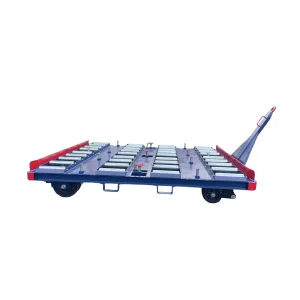
Designed for 10-foot cargo containers. Features zinc-galvanized roller beds, multi-directional lock pins, and responsive towbar braking.
View Details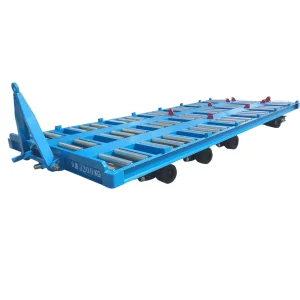
High-capacity 18-ton cargo dolly engineered for wide-body pallets, utilizing heavy-duty leaf springs and dual steering systems.
View Details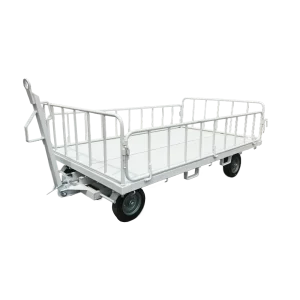
Robust passenger luggage carts featuring heavy-duty canvas covers and durable, puncture-proof solid rubber tires.
View Details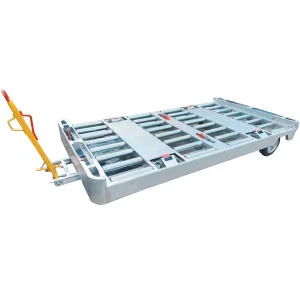
An industrial container transport solution designed to maintain high stability across uneven tarmac and concrete aprons.
View Details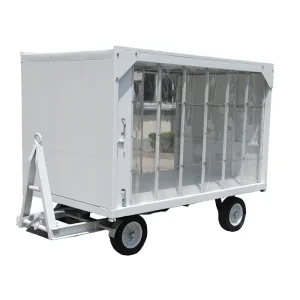
Fully enclosed weather protection system for passenger baggage, preventing water ingress and baggage damage during rainy transits.
View Details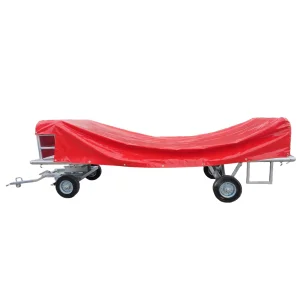
High-volume luggage transport trolleys with integrated park brakes linked to the towbar mechanism for reliable security.
View Details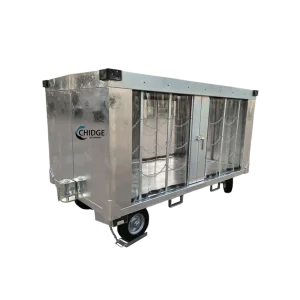
Equipped with durable, impact-resistant roofing and side curtains, designed for airports facing tropical rainfall patterns.
View Details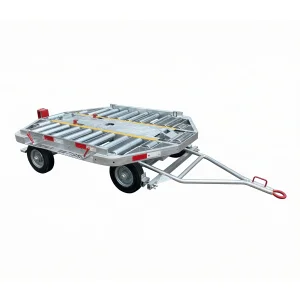
Updated structural configurations with low-profile chassis heights and dynamic, quick-release locking mechanisms.
View Details Chidge Dolly