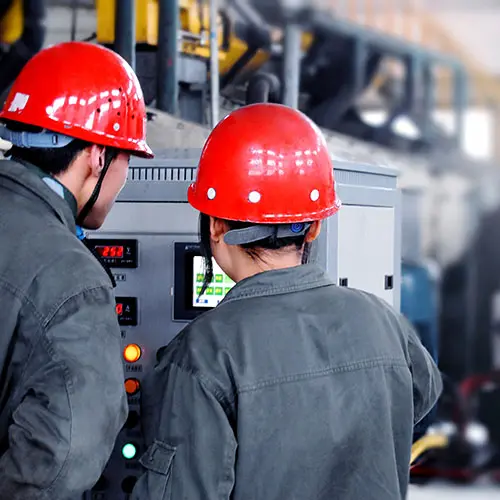
Premium airport transportation and pallet container management components engineered directly by our industry-leading factory.
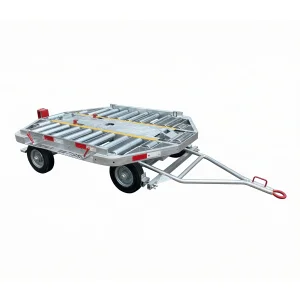
In the high-stakes, fast-paced environment of modern airport operations, efficiency, safety, and decarbonization are the driving forces. Among the critical components facilitating daily operations is the Aircraft Ground Power Unit (GPU). The utility of a GPU extends far beyond simple grid-to-aircraft conversion. While an aircraft is parked at the gate or undergoing intensive hangar maintenance, it is highly uneconomical and environmentally damaging to run its Auxiliary Power Unit (APU) or main jet engines just to operate the internal avionics, lighting, and environmental control systems. High-performance GPUs bridge this gap by delivering stable, regulated, and specialized electricity directly to the aircraft chassis.
The global aviation sector is transitioning from traditional diesel-driven Ground Support Equipment (GSE) towards green, intelligent, and highly localized electric ground solutions. According to current market research, airport authorities and airline groups are standardizing ground infrastructure around zero-emission and reduced-noise mandates. Historically, heavy-duty diesel engines powered GPUs, emitting significant greenhouse gases and creating hazardous noise conditions for ground crews. Today, the industrial trend strongly favors solid-state static converters and modern battery-backed energy storage ground power units (ES-GPUs).
Modern commercial narrow-body and wide-body aircraft—ranging from the Airbus A320neo and A350 to Boeing's 737 MAX and 787 Dreamliner—demand precise electrical parameters. The standard requirement is three-phase 115/200V AC power at a frequency of 400Hz, or 28.5V DC power for smaller regional aircraft and turboprops. Achieving this requires state-of-the-art power electronics, robust thermal management, and comprehensive galvanic isolation. High-frequency converters utilize advanced Insulated Gate Bipolar Transistors (IGBT) to transform utility grid electricity (typically 50Hz or 60Hz) or diesel engine generator outputs into clean, harmonic-free, aircraft-grade power.
A premier GPU factory must prioritize bespoke customization to meet distinct military, commercial, and geographical demands. The typical custom engineering process begins by selecting the ideal configuration: solid-state frequency converters, diesel-driven mobile trailers, or hybrid battery energy storage solutions. Power requirements vary from 90kVA for narrow-body regional liners up to 180kVA or 360kVA in parallel setups for wide-body jets.
Each unit must incorporate rigorous protective layers, including automatic voltage regulation (AVR), over-current protection, thermal shutdown mechanisms, and under-voltage line drop compensation (LDC). The LDC feature is particularly critical: as power travels down long, heavy-duty aircraft power cables, voltage drop naturally occurs. Modern custom units automatically calculate this resistance and adjust the output voltage at the terminal plug to ensure exactly 115V AC reaches the aircraft receptacle.
How the next decade of ground support technology is shaping the path forward for airports worldwide.
Replacement of rotary converters with high-efficiency IGBT technology. Introduction of modular line drop compensation (LDC) and <3% Total Harmonic Distortion (THD).
Integration of lithium-iron-phosphate (LFP) chemistry to reduce reliance on the active power grid, enabling high-burst peak outputs with zero engine idle emissions.
IoT-based real-time tracking systems feeding operation logs, cable wear estimation, and load telemetry back to central airport fleet managers.
Development of self-positioning towable converters utilizing sensor suites to safely dock and plug into commercial airframes without manual intervention.
Choosing a reliable manufacturer in China offers major supply chain benefits. By integrating direct metallurgical sourcing, sheet metal fabrication, transformer copper winding, and high-tech electrical assembly under one roof, we guarantee unmatched lead times and rigorous cost-to-performance ratios. Our factories benefit from complete vertical integration, shielding operations from international resource volatility.
In addition to raw speed, efficiency is maintained through strict Quality Control (QC) frameworks. Every GPU manufactured in our facility undergoes exhaustive load bank testing. This simulates continuous usage under extreme ambient temperatures, dynamic load swings, and fault conditions. By maintaining deep relationships with leading logistics partners, we ensure that bulky GSE equipment, such as towable container dollies and heavy static converters, are shipped, cleared through customs, and deployed seamlessly to any global airfield.
Explore our extensive range of high-performance tankers, dollies, heaters, and power supplies.
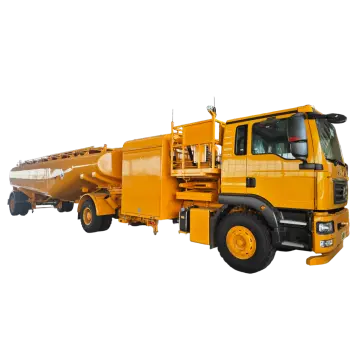
Integrated chassis and pumping system with filtration, metering, self-circulation, and pressure control.
View Technical Model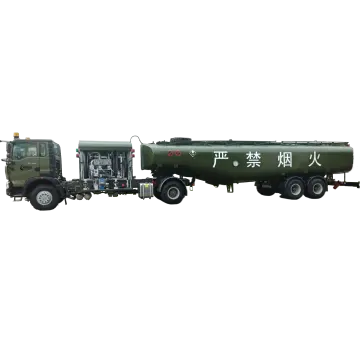
Heavy-duty airfield refueler. Built-in security bypass valves, metering sensors, and high-volume pump arrays.
View Technical Model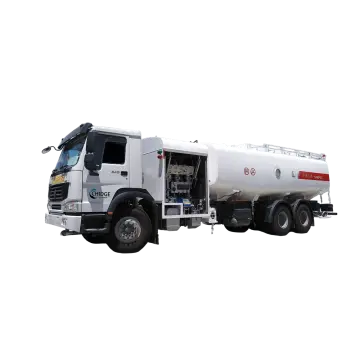
Advanced high-pressure refueling chassis designed to support demanding military and commercial aircraft turns.
View Technical Model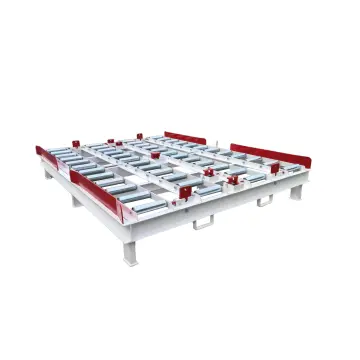
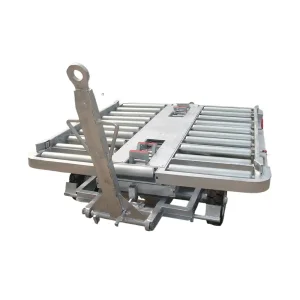
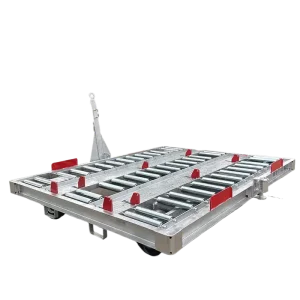
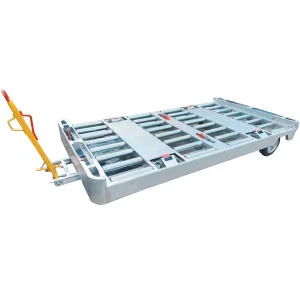
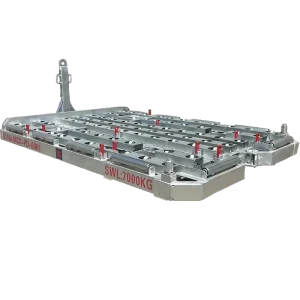
Heavy duty load capacity structure designed to interface smoothly with containerized warehousing rollers.
View Technical Model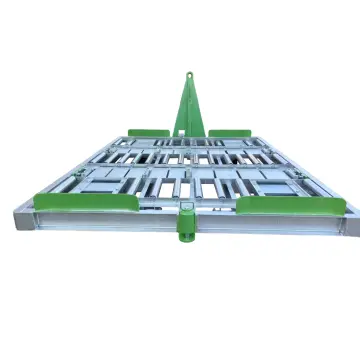
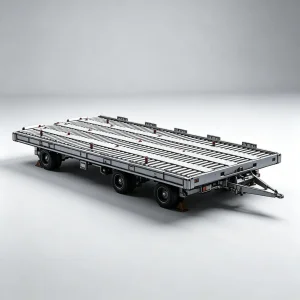
Highly maneuvering airfield transport deck equipped with reliable safety brakes and roller configurations.
View Technical Model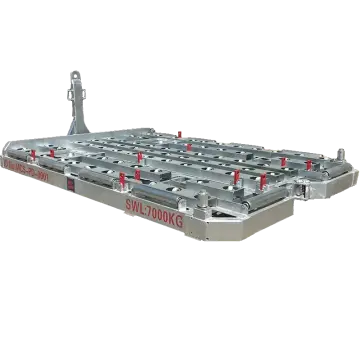
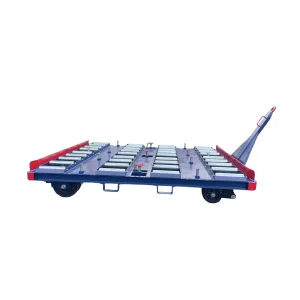
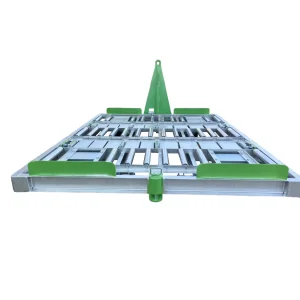
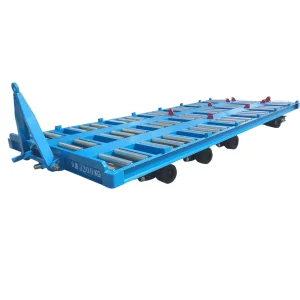
Designed for heavy cargo pallets, featuring structured castle pins and multi-directional wheel arrays.
View Technical Model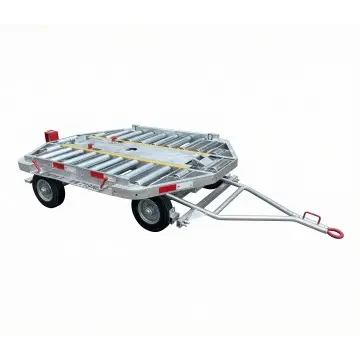
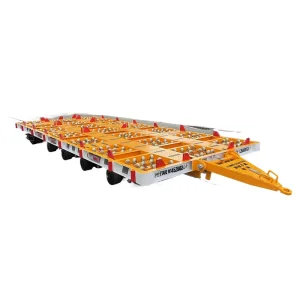
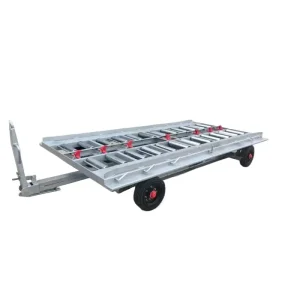
Optimized for standard wide-body belly cargo containers, providing secure lock-in mechanics.
View Technical Model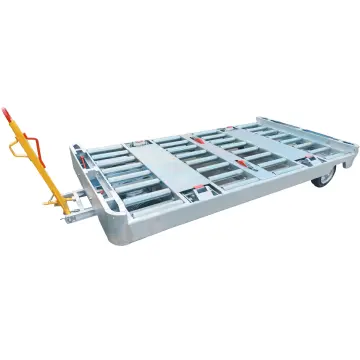
Designed to withstand rigorous ramp and apron abuse, supporting extreme weather operations.
View Technical Model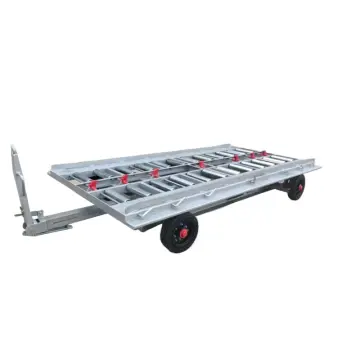
Specialized dimensions catering to large-format lower deck containers with minimal wear risks.
View Technical Model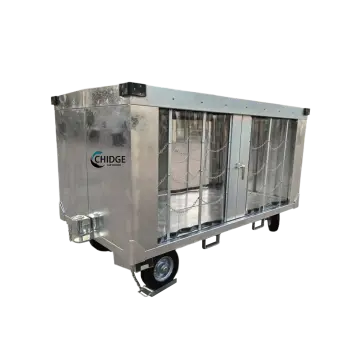
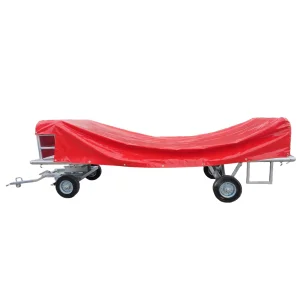
Enclosed framing featuring heavy-duty canvas or metal covers to shield customer baggage from rain.
View Technical Model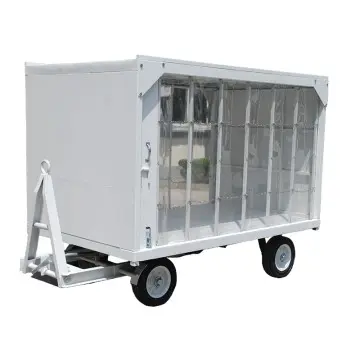
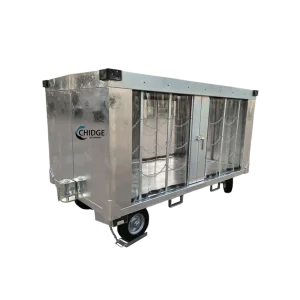
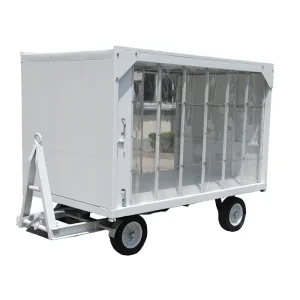
Fully rigid secure storage body with double doors to prevent baggage losses during high-speed transit.
View Technical Model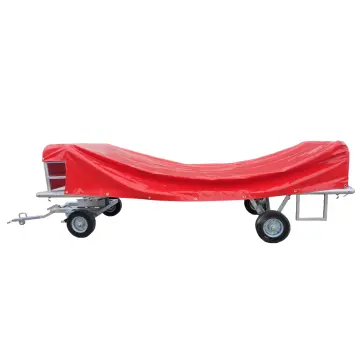
Highly nimble, hand-towable passenger baggage solution suitable for departures and arrivals terminals.
View Technical Model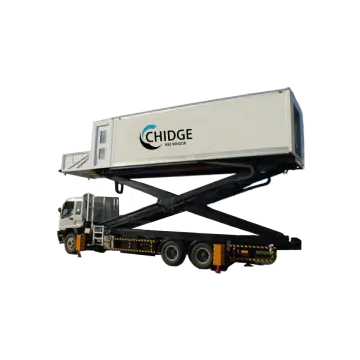
Hydraulic scissors lift truck designed for meal preparation supply distribution to wide-body jets.
View Technical Model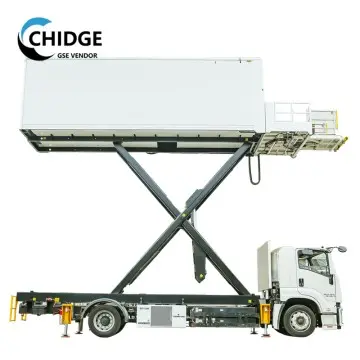
Zero emissions high-lift food transport chassis meeting strict global carbon control regulations.
View Technical Model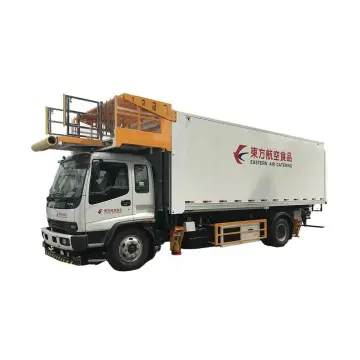
Reliable hydraulic lifting body with safe locking stabilizers to ensure level docking with cabin doors.
View Technical Model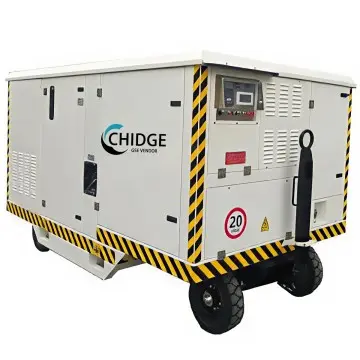
High-thermal capacity cabin climate regulator, delivering reliable warm air circulation during freezing turns.
View Technical Model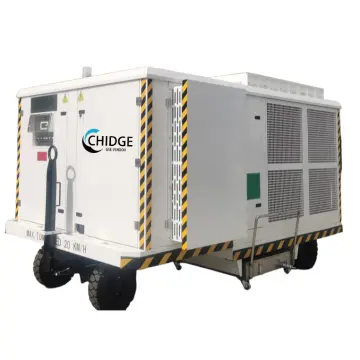
Pre-Conditioned Air solution ensuring cabin temperatures remain ideal for passengers without engines idling.
View Technical Model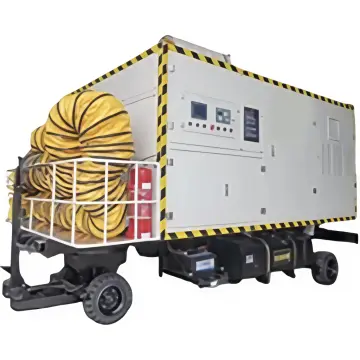
Compact, portable, heavy-duty mobile heater unit compatible with a broad range of aircraft models.
View Technical Model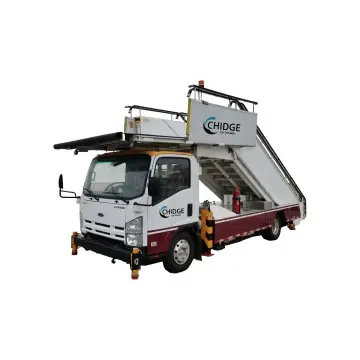
Self-propelled electric passenger boarding stairs featuring telescoping height and non-slip step surfaces.
View Technical Model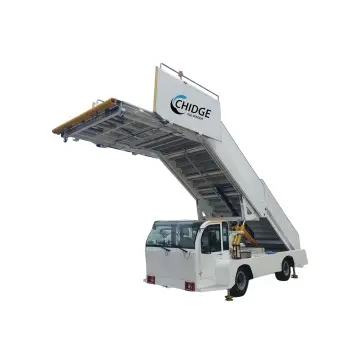
Heavy diesel-engine driven self-propelled boarding staircase for reliable remote airfield operations.
View Technical Model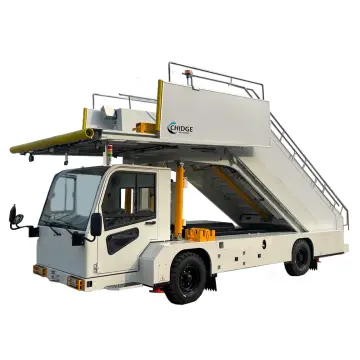
Precision-engineered height adjustments for diverse narrow-body and wide-body terminal gates.
View Technical Model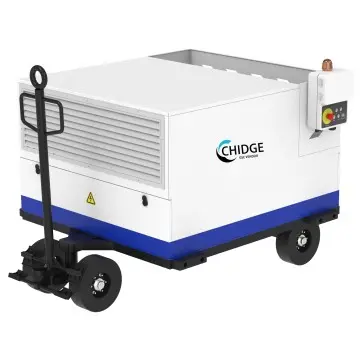
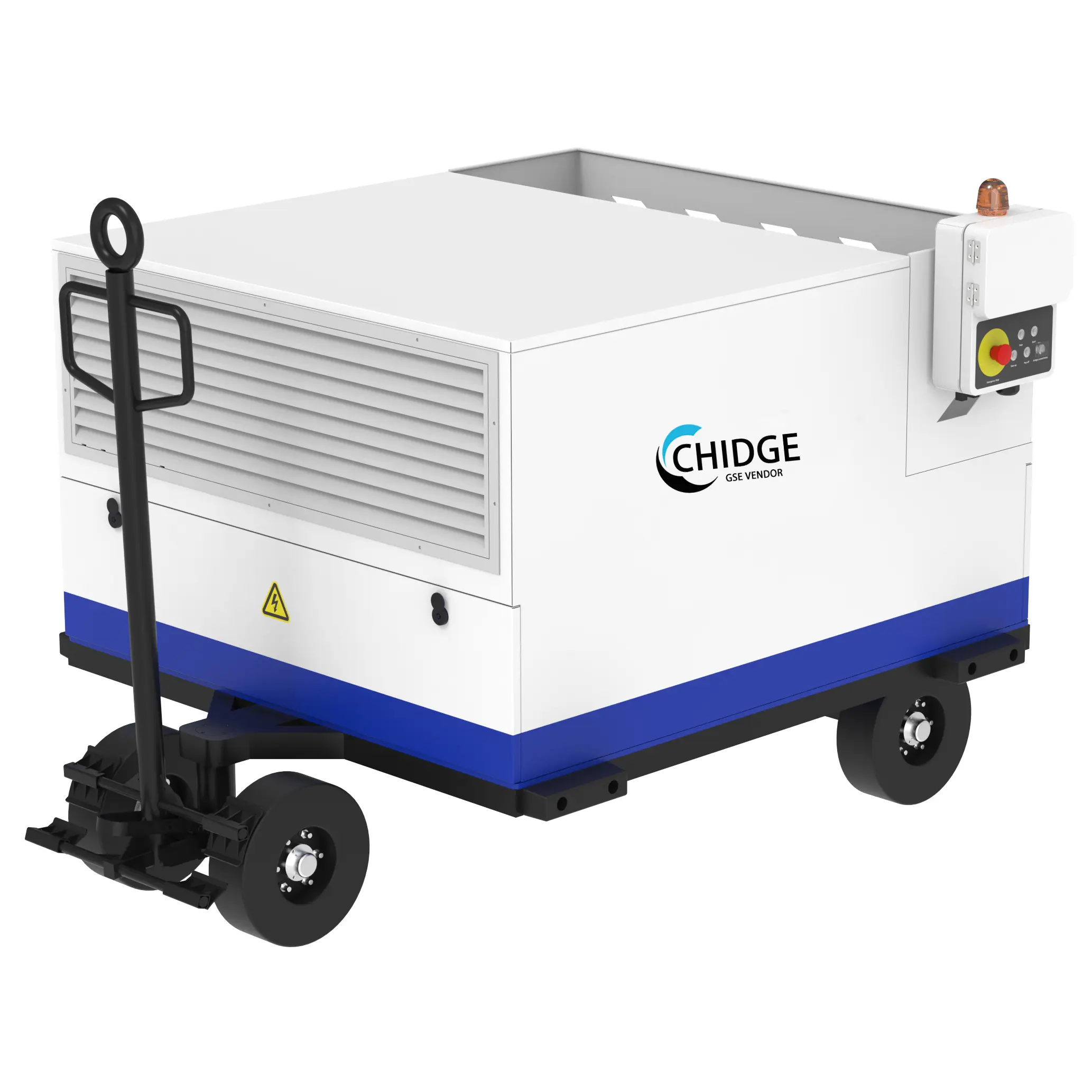
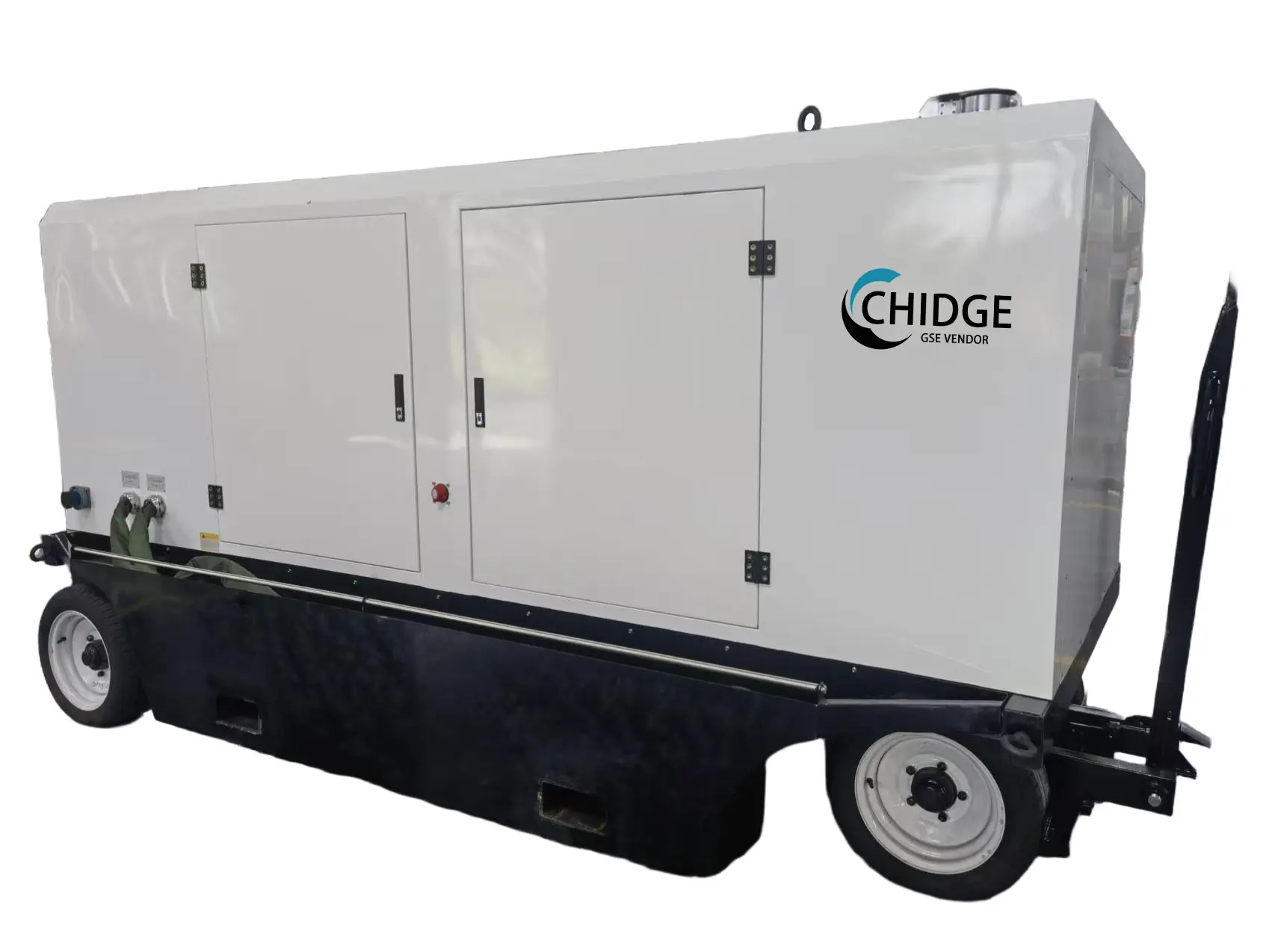
Eco-friendly Lithium-ion energy storage system delivering quiet, green 400Hz frequency converter power.
View Technical Model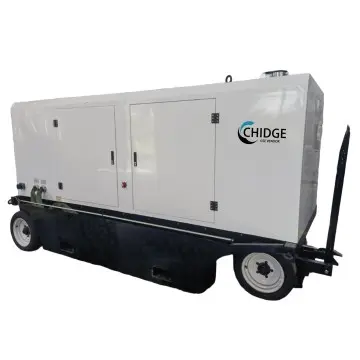
Reliable three-phase 115V AC converter designed to support medium narrow-body jets during turnaround.
View Technical Model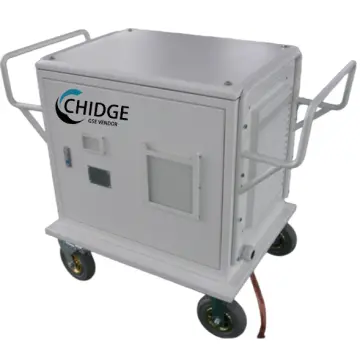
Permanent terminal-mount solid state power solutions optimized for direct hanger and jet bridge installs.
View Technical Model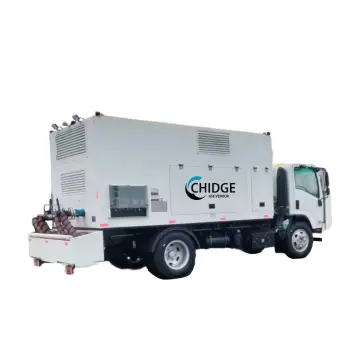
Air start unit generating high pressure pneumatic airflows needed to spool up jet engine turbines.
View Technical Model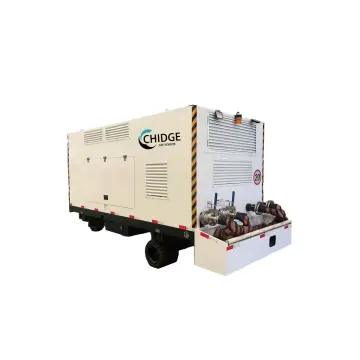
Towable high performance air compressor unit delivering reliable, high-volume air streams.
View Technical Model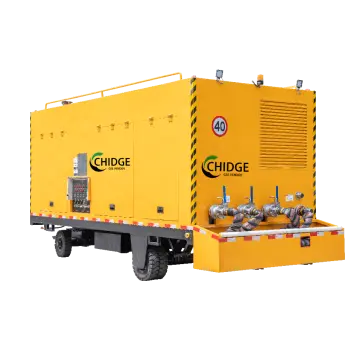
High-capacity mobile pneumatic starter for wide-body planes, featuring robust safety vents.
View Technical Model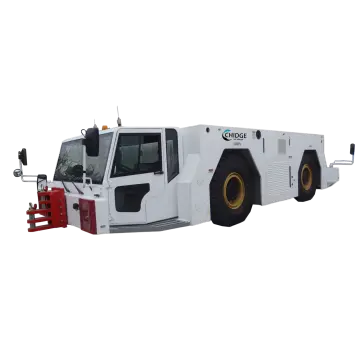
Extreme tractive effort tug system engineered to safely push and tow commercial wide-body airliners.
View Technical Model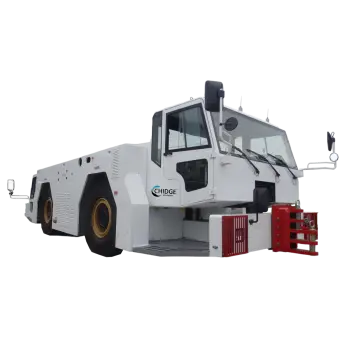
Mid-range tow vehicle with high torque conversion systems, ensuring safety across slick tarmacs.
View Technical Model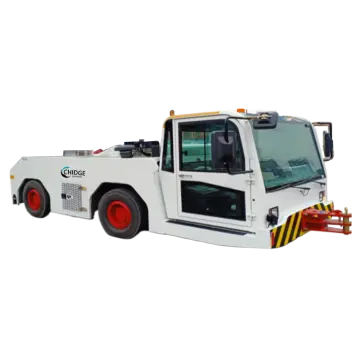
Versatile pushback solution designed to maximize steering control and operator visibility.
View Technical Model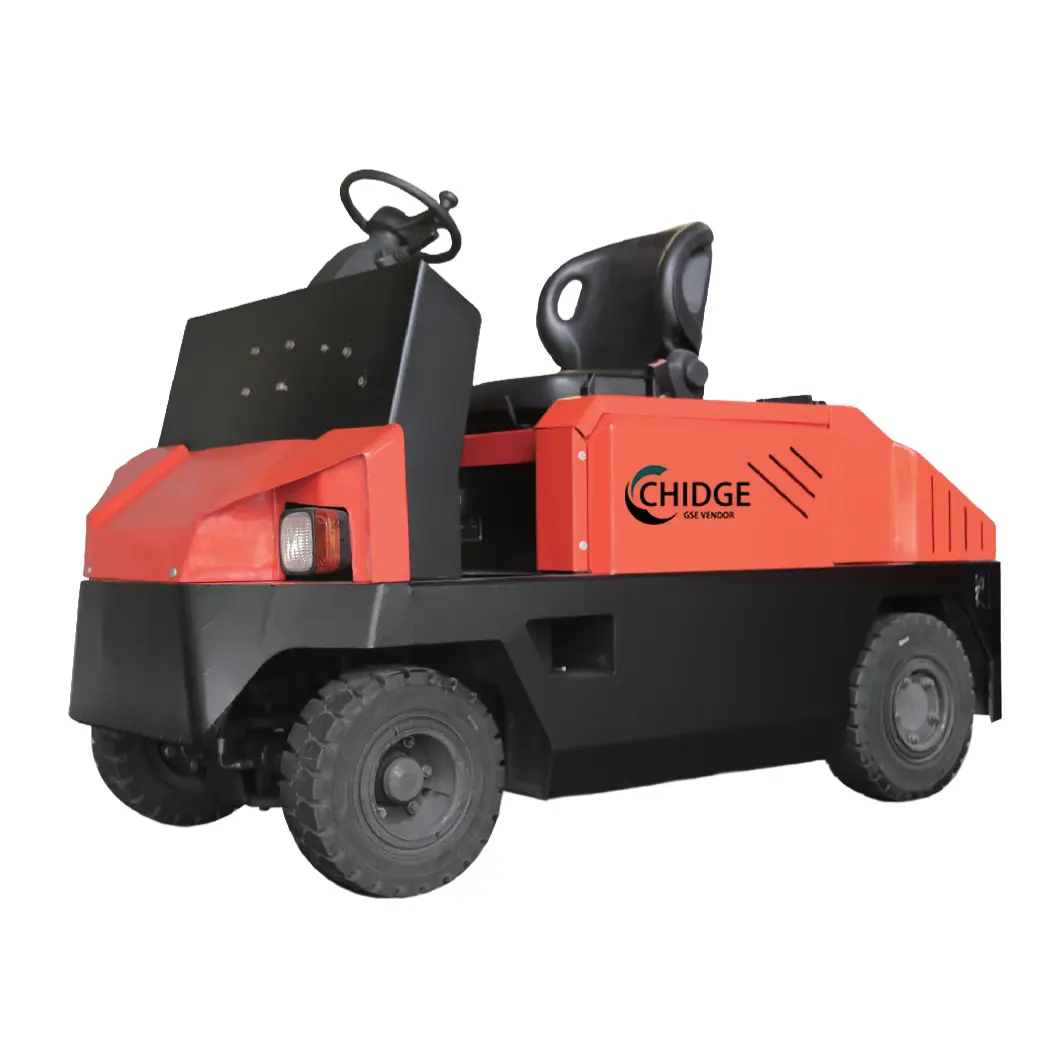
Eco-friendly, low-maintenance tow tractor ideal for regional cargo and baggage cart systems.
View Technical Model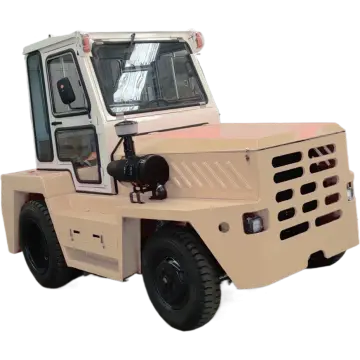
Massive pull capacity heavy tractor for long, laden baggage cart chains across terminal tarmacs.
View Technical Model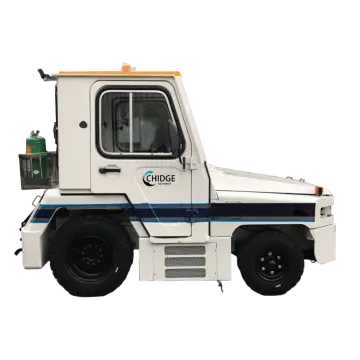
High capacity zero emission battery electric vehicle, maximizing runtime and tow control.
View Technical Model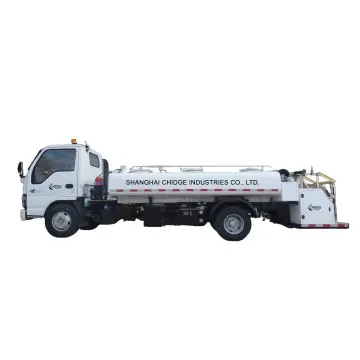
Hygienic aircraft lavatory waste extraction and rinse vehicle with clean water systems.
View Technical Model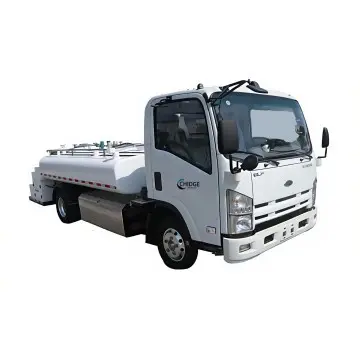
Zero emissions electric drinking water vehicle equipped with food-grade supply tanks.
View Technical Model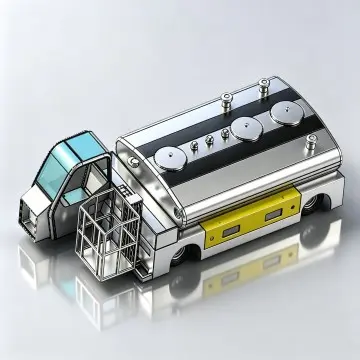
Electric propulsion waste management truck with corrosion-resistant holding tank structures.
View Technical Model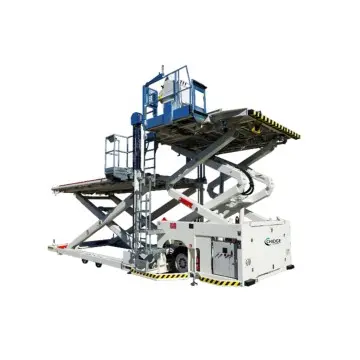
High-lift heavy cargo loader designed for rapid container transfer to main wide-body decks.
View Technical Model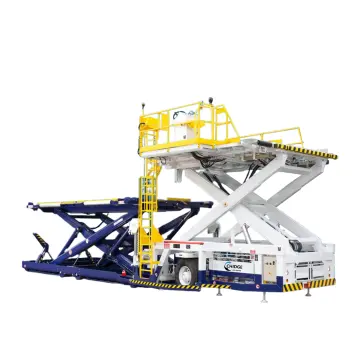
Super heavy-duty container and pallet cargo lifter capable of processing massive weight loads.
View Technical Model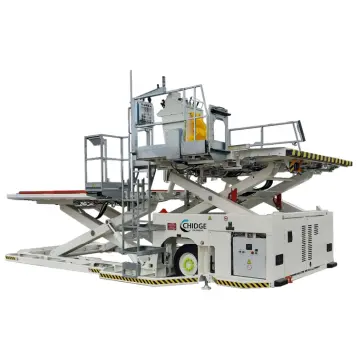
Versatile medium loader with dual platforms, facilitating rapid turnaround of commercial cargo holds.
View Technical Model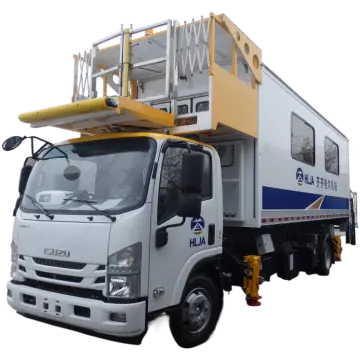
Specialized passenger transfer truck with hydraulic lift cabin for travelers with reduced mobility (PRM).
View Technical Model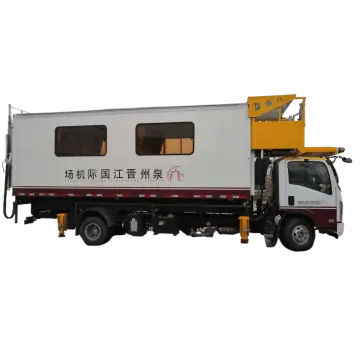
Safe boarding cabin designed for medical passenger transfers on commercial runways.
View Technical ModelAviation ground equipment must operate reliably in diverse climates. A standard GPU configured for a temperate European airport will struggle if deployed directly to high-altitude runways in the Andes or the humid, salt-mist regions of Southeast Asia. We address these challenges through customized design adjustments:
Reliability requires strict compliance with international regulations. Every ground power unit we ship is certified to cross-border requirements, including **CE, UL, ISO 9001, and CAAC** guidelines, and aligns with **FAA Advisory Circulars** and **IATA AHM (Airport Handling Manual)** standards. Our field support teams coordinate directly with local aviation agencies to ensure seamless testing, deployment, and pilot certification upon delivery.
Why international airlines and ground handling teams partner with our manufacturing facility.

We leverage high-frequency power electronics and advanced digital signal processing (DSP) to achieve high conversion efficiency and low harmonic noise.

Our heavy-duty frames undergo rigorous stress testing, rust prevention treatment, and environmental simulation testing to ensure long-term durability on the ramp.

Our vertical supply chain enables rapid production schedules and optimized shipping, minimizing container transit times and landing costs.

We offer 24/7 technical support, on-site commissioning, and a comprehensive spare parts catalog to keep your ground equipment operating efficiently.
We offer comprehensive, customer-centric services—from design and prototyping to mass production, certification, and after-sales support—helping you deploy custom equipment quickly and cost-effectively.

From passenger steps to high-output static converters, we build complete GSE solutions.

Our structures handle regional, commercial, cargo, and military runway configurations.

We customize chassis dimensions, electrical parameters, cooling options, and towing configurations.

Every unit includes full documentation, load testing validation certificates, and CE/UL compliance.
Take a look inside our specialized GSE fabrication shops, testing centers, and development divisions.
We work closely with global airlines, airport hubs, and logistics networks to build reliable long-term ground operations.
Detailed technical answers to common questions about power requirements, frequency conversion, and logistics compatibility.
Stay up to date with the latest technological advances, product launches, and clean airport initiatives.
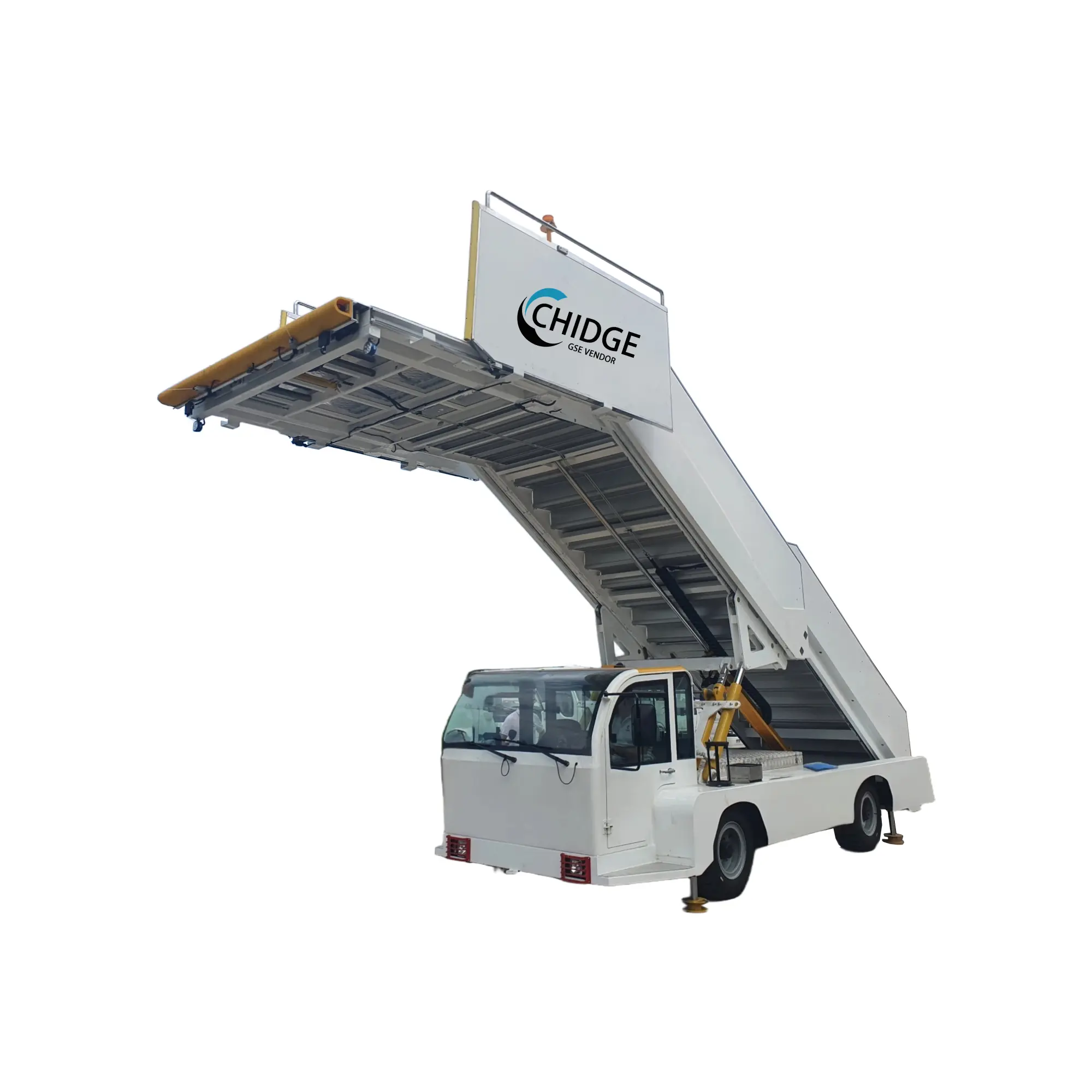
Durable air cargo handling components designed to withstand daily terminal transit demands.
 Chidge Dolly