Engineered for high load capacities, structural durability, and optimal airfield deployment.
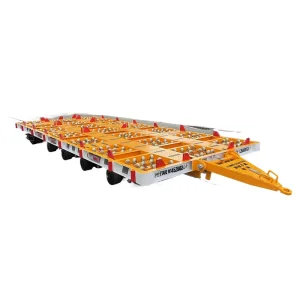
Heavy-duty cargo transfer dolly built to withstand severe operations.
View Specifications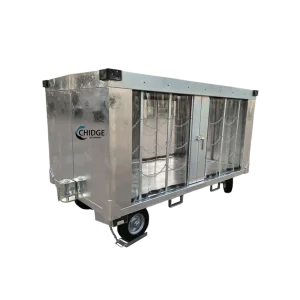
Encased configuration protecting baggage from weather elements.
View Specifications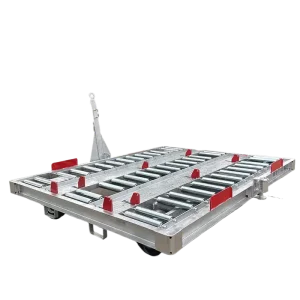
High-maneuverability pallet dolly for standard air cargo container sizes.
View Specifications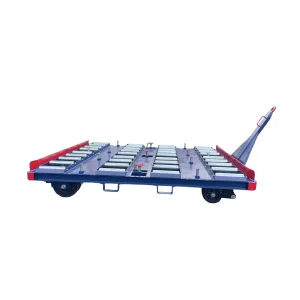
Multi-directional roller deck designed for unit load devices (ULDs).
View Specifications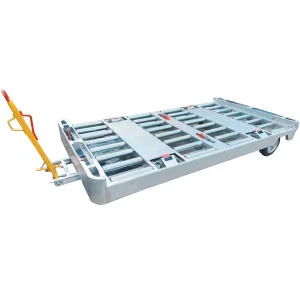
Reinforced structural steel transport solution with precision turntable steering.
View Specifications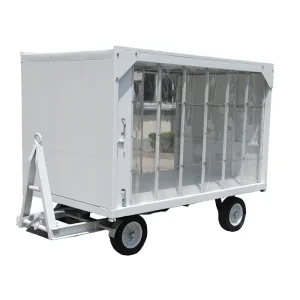
Equipped with weather seal doors and mechanical braking mechanisms.
View Specifications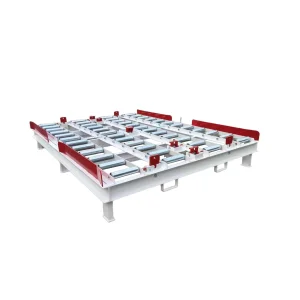
Interlocking warehouse-to-apron cargo transport helper dolly.
View Specifications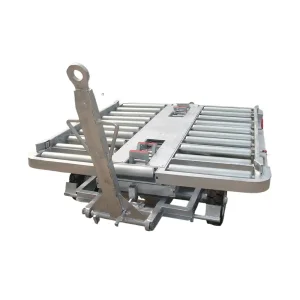
Specifically dimensioned for standard wide-body LD3 aviation containers.
View SpecificationsAn Industry White Paper on Solid-State Frequency Conversion, Grid Operations, and Fleet Electrification.
Modern aviation ground operations are undergoing a massive transformation. Driven by stringent international net-zero policies, airports, ground handlers, and airlines are phasing out auxiliary power units (APUs) and older diesel-powered Ground Power Units (GPUs) in favor of high-efficiency electrical infrastructure. Running an aircraft's main engines or APU during turnarounds incurs high fuel costs, accelerates wear-and-tear, and generates significant localized emissions. In contrast, supplying clean ground power directly from the airport grid via high-frequency converters represents the single most effective way to lower airfield operating costs and mitigate the carbon footprint.
At the core of this engineering paradigm is the requirement to convert utility power (typically 50Hz or 60Hz) to the specialized power required by commercial and military aircraft: 3-phase 115/200 V AC at 400 Hz or 28.5 V DC. Our custom ground power units utilize state-of-the-art solid-state frequency converters, designed with IGBT (Insulated Gate Bipolar Transistor) technology to provide clean, pure-sine-wave electrical power with a low Total Harmonic Distortion (THD < 2%). By removing moving parts associated with rotary-type converters, our systems achieve up to 95% efficiency, reducing operational noise and maintenance overhead to a fraction of traditional rotary standards.
Analysis of how modern grid stability, energy storage, and automation impact GPU infrastructure.
Integration of high-density lithium iron phosphate (LiFePO4) battery packs into towable GPUs. These hybrid/electric systems charge from standard depot inputs and discharge silently at the gate, shielding local grids from massive transient startup currents.
Real-time remote telemetry tracking load cycles, cable connection status, fuel level (for diesel-hybrid variants), battery state-of-health (SoH), and fault logs. Data stream direct to Airport Collaborative Decision Making (A-CDM) networks.
Active power factor correction (PFC) circuitry achieving input power factors >0.99. This mitigates phase distortions and harmonic feedback, preventing utility penalties during simultaneous heavy aircraft turnarounds.
Direct integration of our high-end refuelers, static power modules, towable equipment, and cargo lifters.
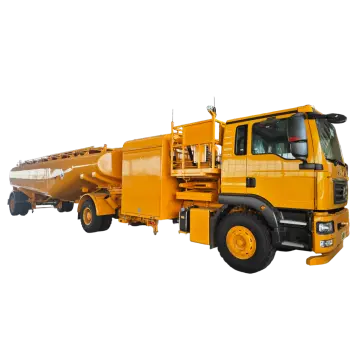
Equipped with specialized aviation filtration, precise digital metering, and a reliable surge-pressure control bypass system.
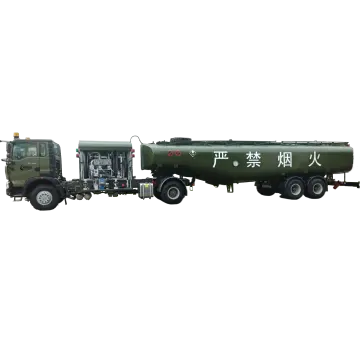
Extended capacity fuel logistics chassis integrating self-circulation, automated refueling shut-off valves, and high-flow pumping systems.
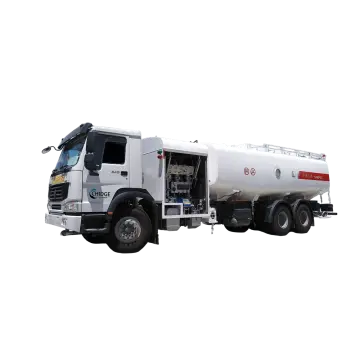
Rigid heavy-duty diesel refueler featuring localized emergency stop controls and strict compliance with international JIG refueling standards.
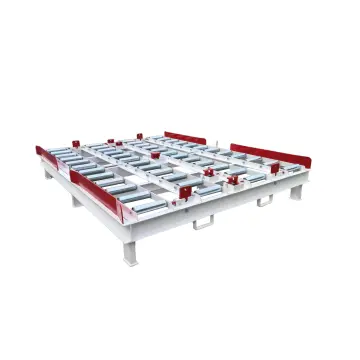
Low profile cargo deck utilizing high-tensile frame structures and heavy castor wheels for smooth maneuvering.
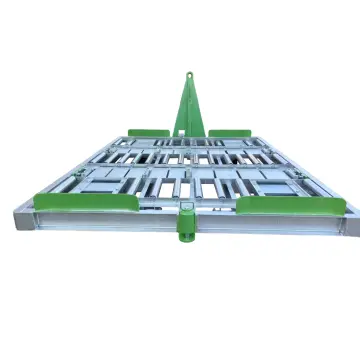
Standard air transport dolly optimized for high throughput operations at international logistics gateways.
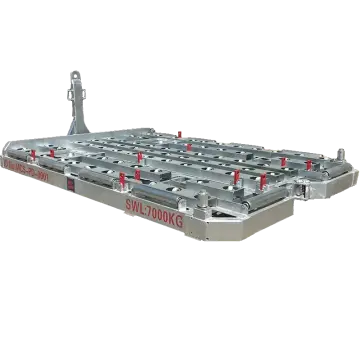
Unique castle style structural frame designed for robust multi-directional lock configurations.
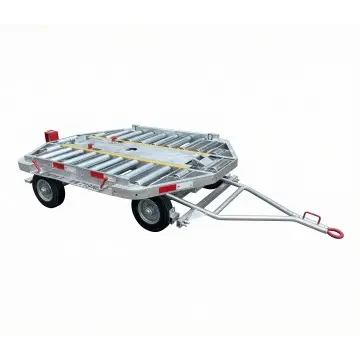
Improved roll efficiency with state-of-the-art dual directional roller setups and towbar brakes.
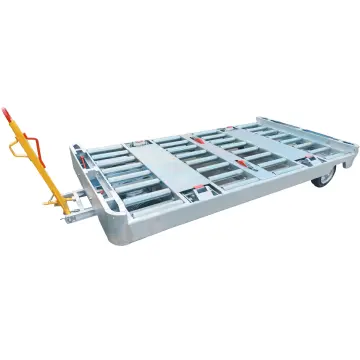
Built to transport bulk shipments with minimum vibration and maximized payload efficiency.
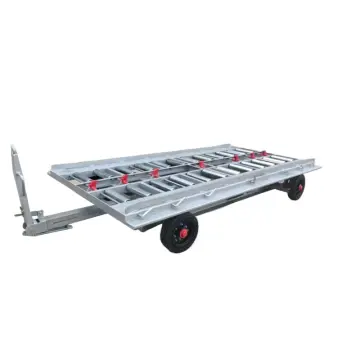
High capacity design for massive LD6 aviation cargo configurations and general container handling.
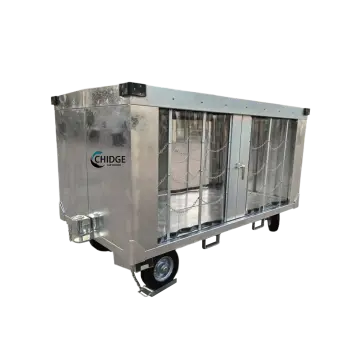
Durable top canopy design protecting baggage transfers from heavy rainfall and high humidity.
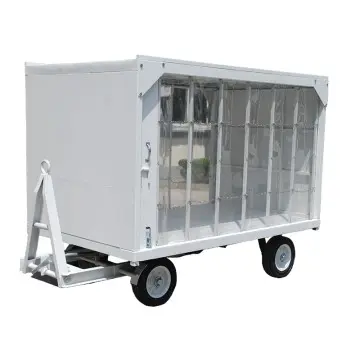
Sliding weatherproof panels with heavy duty leaf spring suspensions to secure fragile cargo.
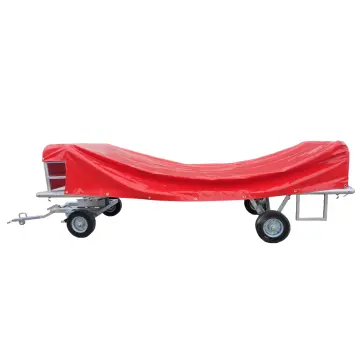
Low rolling resistance structures for fast positioning within passenger terminals and aprons.
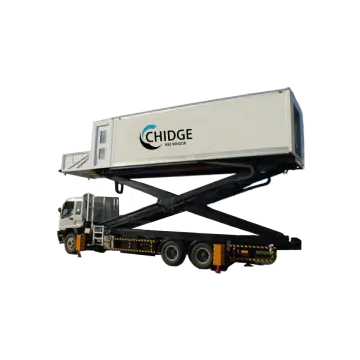
High scissor lift chassis providing stable connection to wide body commercial cabins.
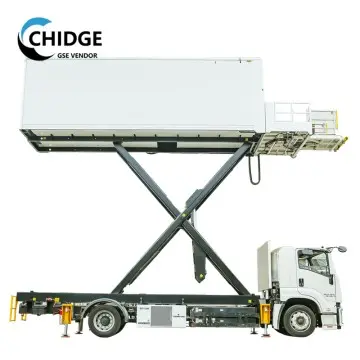
Full electric powertrain with advanced hydraulic leveling and cabin safety interlock controls.
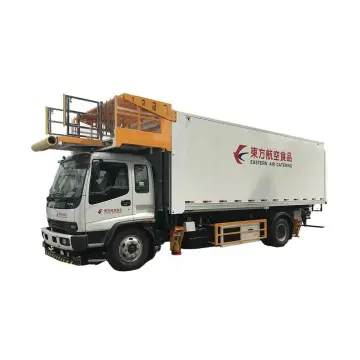
Durable insulated cargo box configuration designed for global airline catering requirements.
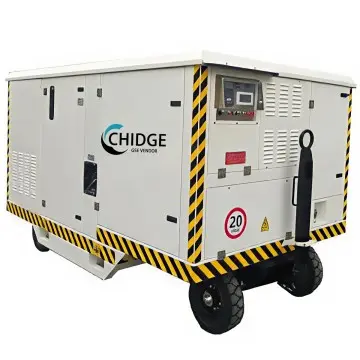
High BTU capacity clean air delivery system designed for extreme sub-zero operation.
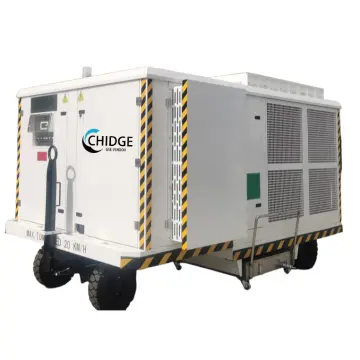
High-volume flow pre-conditioned air units targeting precise temperature controls during boarding.
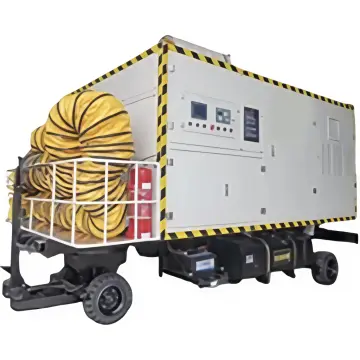
High safety thermal exchange system supplying warm air inside cabin corridors during standby.
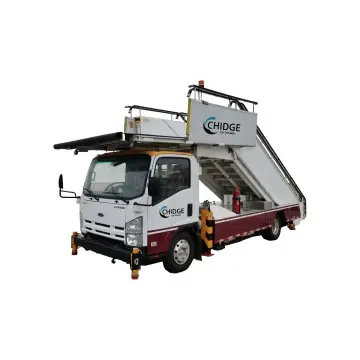
Integrated electric drive system offering exact docking height calibrations for common narrowbodies.
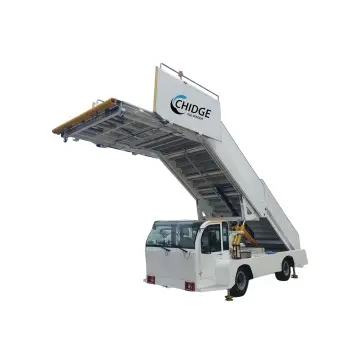
Stable hydraulic stair steps equipped with side structural guardrails and anti-slip walking steps.
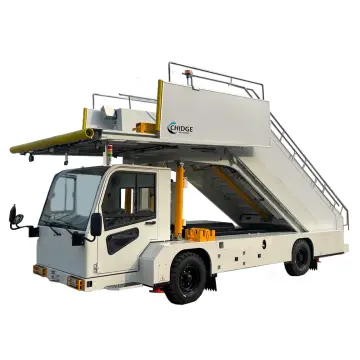
Premium design platform suitable for regional jets and long-haul international narrow-body access.
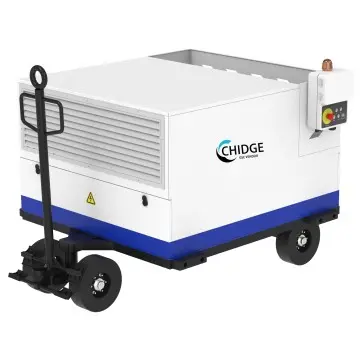
Pure battery-powered towable GPU. Supplying clean, silent, and emission-free 400Hz electricity.
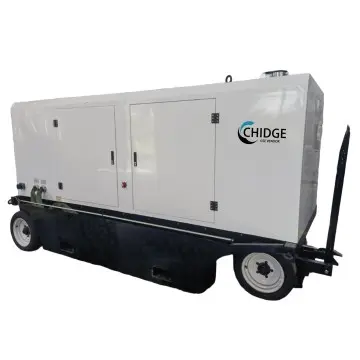
Reliable 90KVA continuous output standard, supporting single aisle twin engines and regional aircraft.
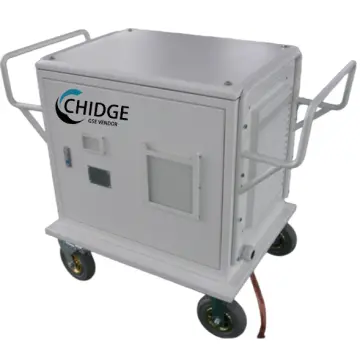
Designed for indoor hangar testing or jet bridge installations with high electrical safety ratings.
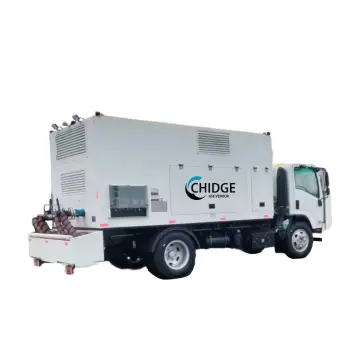
High air-mass flow pneumatic starting system for major commercial jet engine configurations.
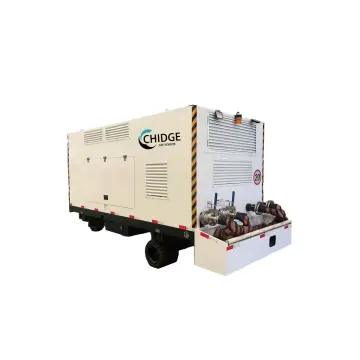
Medium volume pneumatic starter trailer matching regional jets and narrowbody requirements.
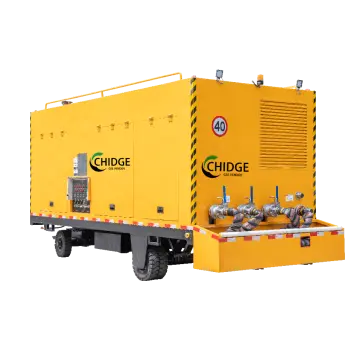
High performance airflow starter for widebody aircraft operations at global terminals.
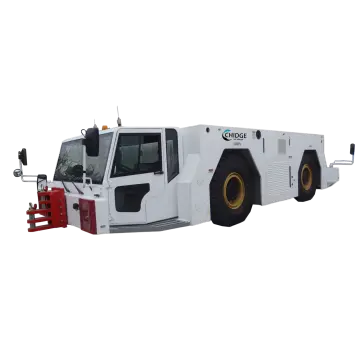
High drawbar pull rating designed for widebody passenger liners pushback operations.
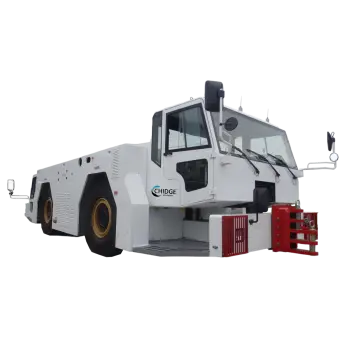
Excellent tire grip and balanced ballast system matching narrowbody and cargo platforms.
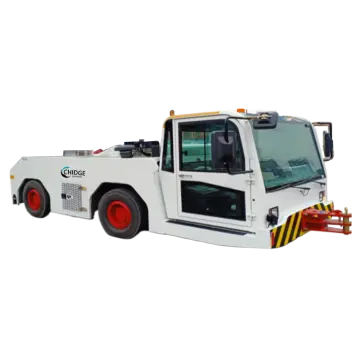
Agile chassis configuration optimized for dense hangar maneuvers and regional jet pushbacks.
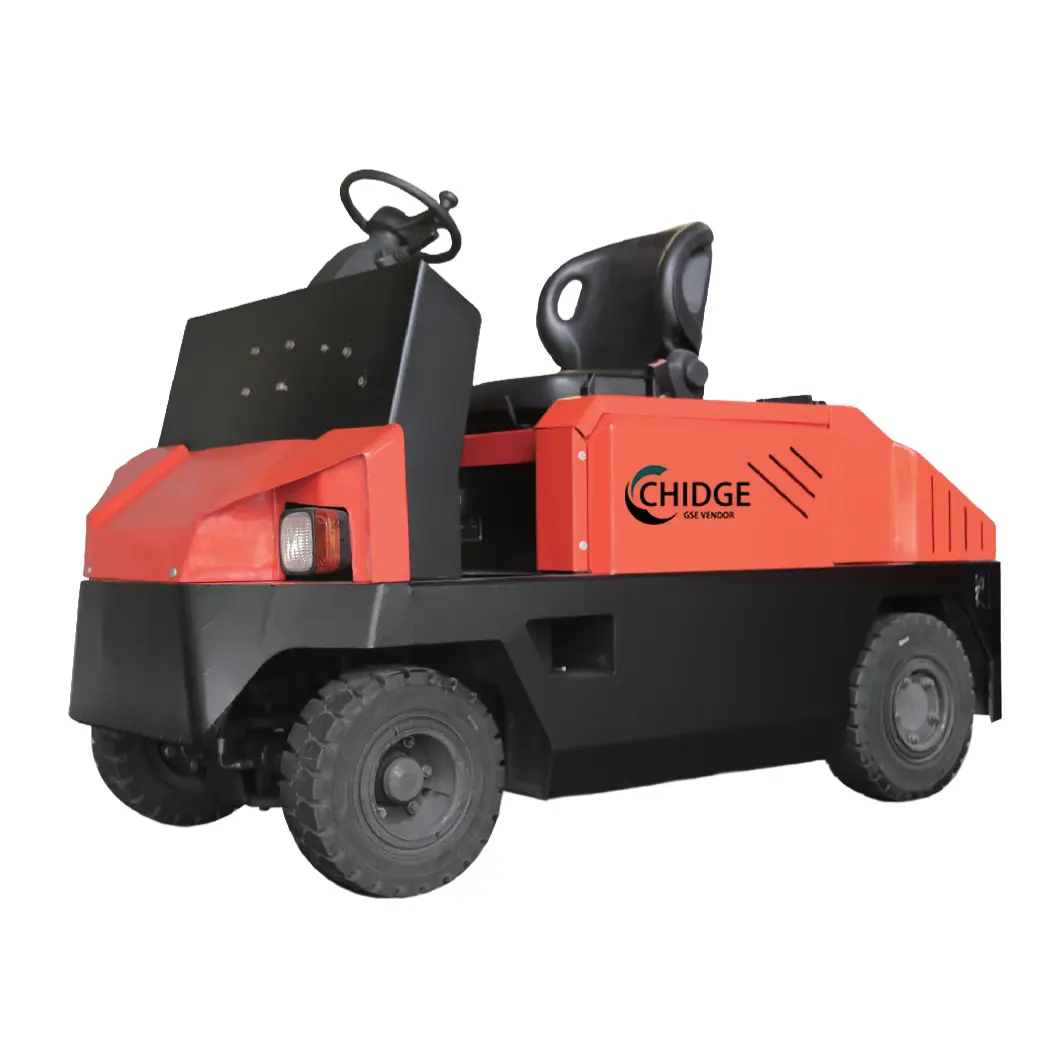
Highly efficient electric drive motor with zero tailpipe emissions. Ideal for terminal tunnels.
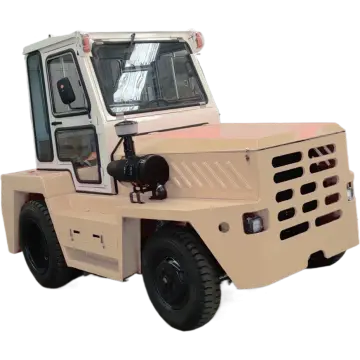
Massive torque capacity for handling extensive, interconnected baggage train arrays.
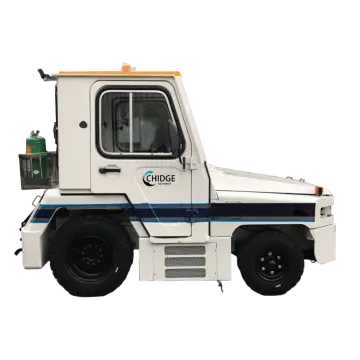
Advanced regenerative braking system maximizing battery operational duty cycle shifts.
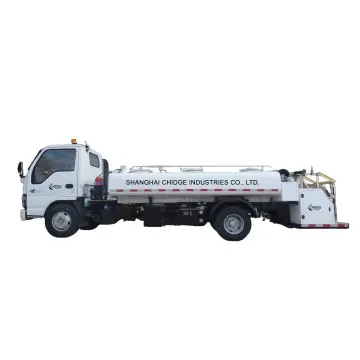
Corrosion-proof stainless steel waste and rinse tanks with hygienic vacuum dump valves.
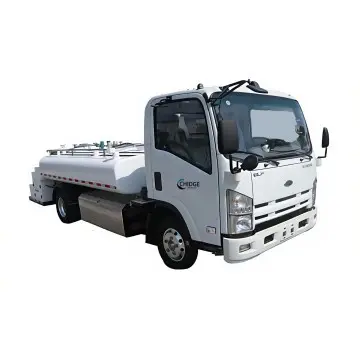
Zero-noise, electric-driven pump systems safeguarding ramp operator work environments.
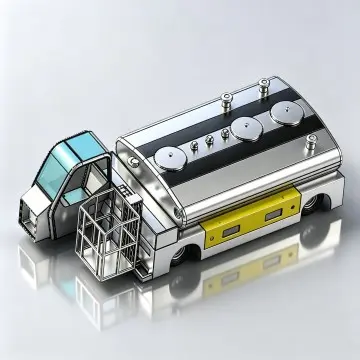
Advanced digital fluid measurement sensors and dynamic safety interlocks preventing overfills.
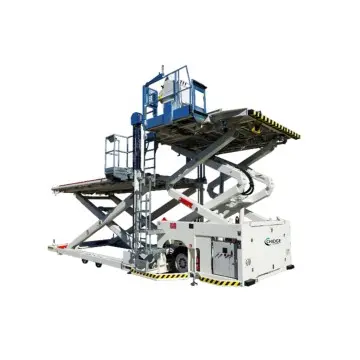
Dual hydraulic lifting cylinders delivering up to 14,000 kg capacity for main deck containers.
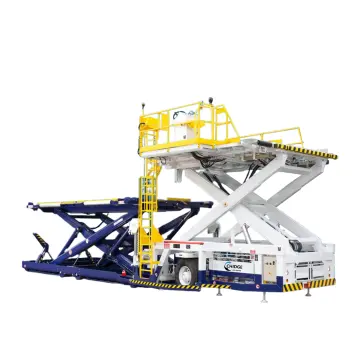
High capacity main deck lifter designed for freight hubs and wide-body cargo operations.
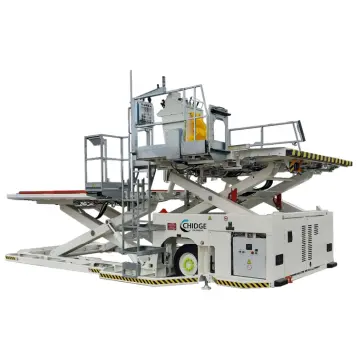
Robust construction with multi-directional powered rollers for swift container orientation.
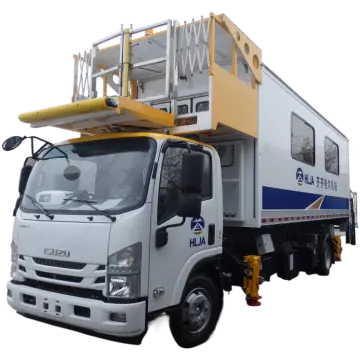
High-precision scissor lifting mechanism providing safe cabin level entry for reduced mobility passengers.
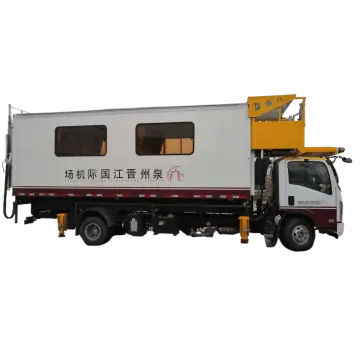
Stable hydraulic lifting compartment with built-in HVAC, safety belts, and soft-docking bumper pads.
Custom designs customized for commercial hubs, remote airfields, and severe climatic extremes.
Designed for permanent mounting underneath passenger boarding bridges. These units plug directly into local terminal distribution grids, delivering uninterrupted 400Hz frequency converter power right at the gate. Features auto-retractable cable reels, protecting electrical connectors from accidental impact.
Custom electrical testing configurations with variable frequency parameters (350Hz to 450Hz) and multi-voltage switches (115V AC / 28.5V DC / 270V DC). Built with IP65-rated moisture-resistant casing to protect high-power modules from industrial cleaning fluids, aircraft grease, and condensation.
Key parameters defined by airline consortia, airport authorities, and procurement managers.
Procurement teams evaluating Ground Support Equipment (GSE) look beyond initial unit costs, focusing on Total Cost of Ownership (TCO). Electrical efficiency, component lifespan, and system downtime are critical metrics. A difference of 2% in efficiency across a fleet of 50 GPUs can translate to tens of thousands of dollars in utility expenses annually, alongside massive carbon offset variances.
Our manufacturing process focuses on three key purchasing drivers:
Ensuring unmatched performance, rigid structural safety, and high operational uptime.
Utilizing high-power IGBT solid-state topologies, custom structural modeling, and thermal testing to deliver efficient GSE equipment.
Certified production testing guarantees complete compliance with standard aviation safety protocols and structural stress requirements.
Reliable shipping logistics networks and custom packing solutions ensure equipment reaches its destination on time, anywhere in the world.
Responsive localized service networks, spare parts distribution, and engineer-led training sessions minimize system downtime.
Comprehensive, customer-focused engineering, from initial drafts to final functional testing.
We provide custom engineering services to meet unique technical and spatial challenges. Whether modifying a cargo dolly to carry specialized military containers or designing a dual-output 180kVA solid-state GPU for extreme arctic conditions, our engineering team delivers end-to-end design and manufacturing solutions.
Our manufacturing facility handles all phases in-house, including sheet metal laser cutting, structural welding, advanced surface treatment (hot-dip galvanizing and high-durability powder coating), electrical integration, and final load-bank testing. We collaborate with ground handlers and airport engineers to design equipment that integrates seamlessly into existing airport fleets and maintenance routines.



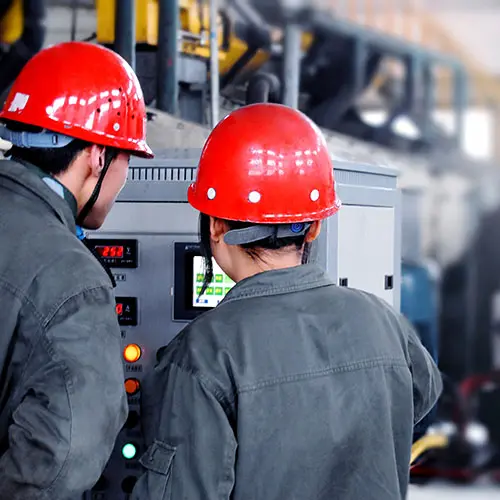

Stay updated with our latest engineering reports and ground support equipment news.
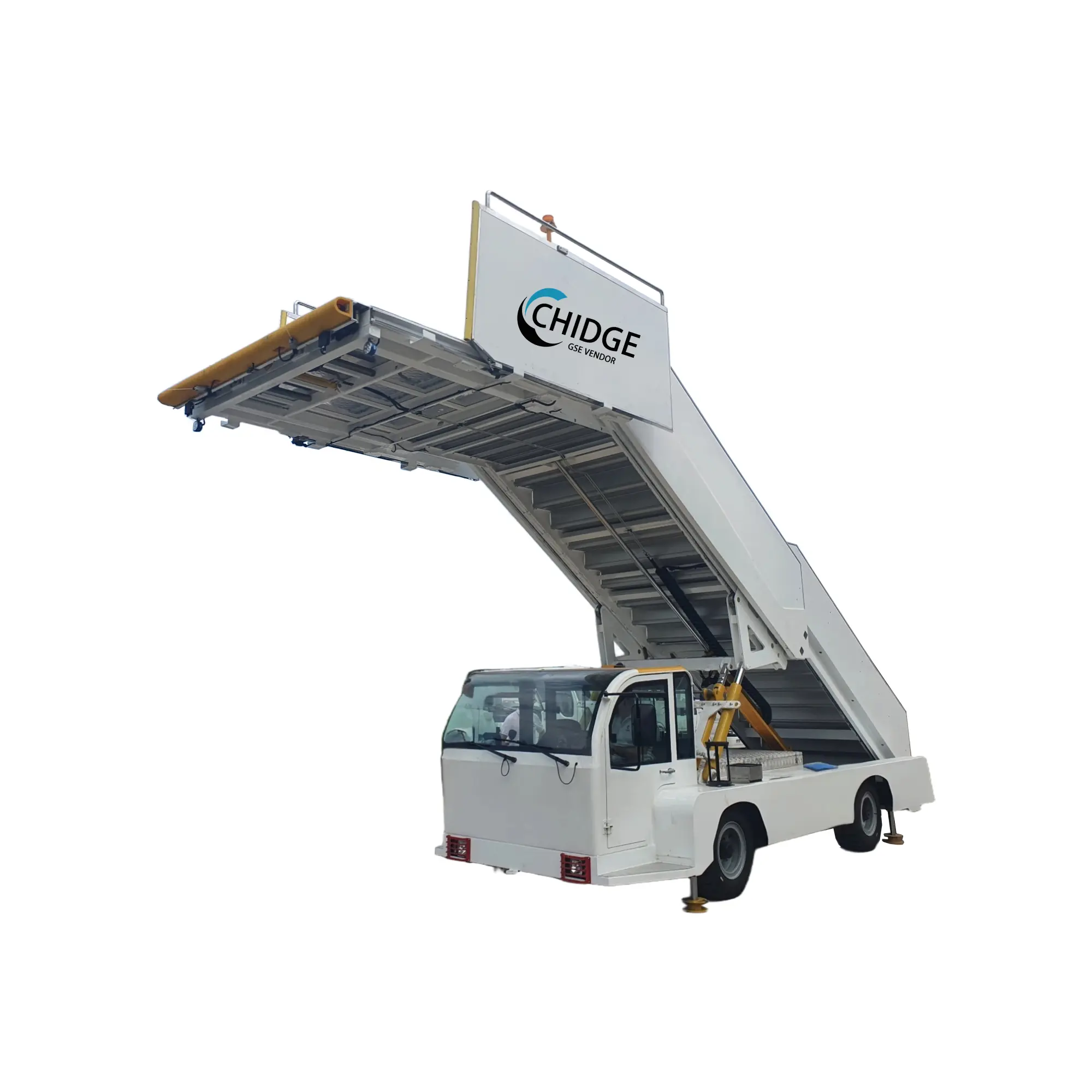
An in-depth review of passenger boarding stairs design, covering hydraulic height stabilization, wind-load ratings, slip-resistant materials, and automated docking safety sensors.
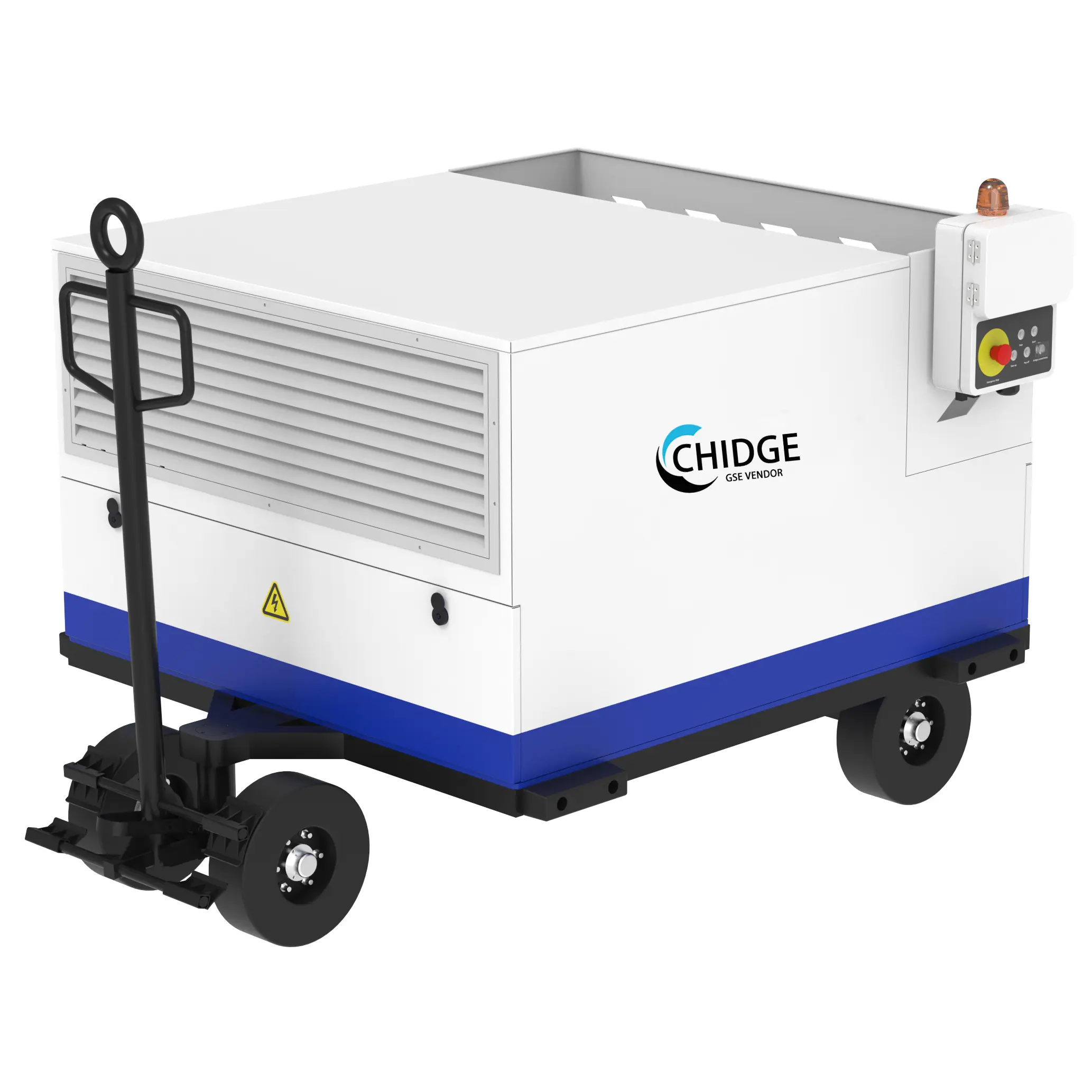
Exploring how battery energy storage systems (BESS) are replacing diesel generators on the ramp. Learn about thermal management, charging parameters, and grid integration.
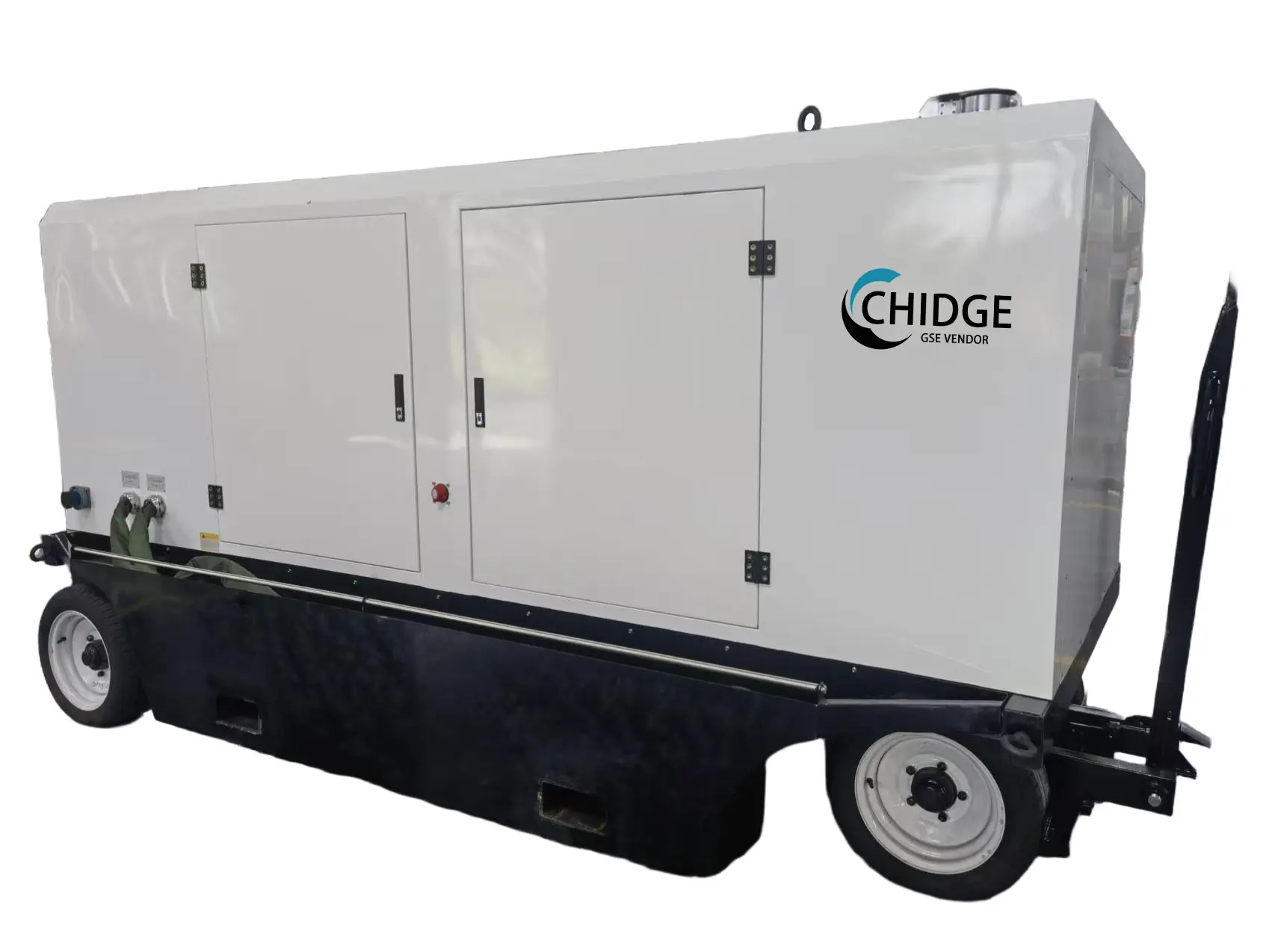
In the complex ecosystem of aviation operations, ensuring an aircraft is flight-ready involves a multitude of support systems. Among the most critical components in this pre-flight preparation is the Aircraft Ground Power Unit (GPU). These units supply the essential electrical power required for aircraft while parked on the ground, facilitating system checks, pre-flight preparations, and passenger boarding without the need to run the aircraft's main engines. While GPUs come in various forms, truck-mounted solutions have emerged as a particularly versatile and efficient choice for modern airports and maintenance facilities.
Creating long-term value and operational reliability for airports and airlines worldwide.
"Our mission is to help customers make reliable choices, creating greater value and ensuring operational success."
Our commitment to building smart, automated, and sustainable ground power systems.
The next decade of airport ground operations will focus on automation and system integration. As airports invest in solar panels and microgrids, the ground power unit will transition from a simple electrical converter into an active node within the smart grid.
Our development roadmap focuses on three primary areas:
Enabling idle battery-powered GPUs to supply electricity back to the airport terminal during peak demand periods, helping stabilize grid operations.
Developing automated, self-propelled cable systems that route and connect to the aircraft receptacle, reducing human error and connection times.
Using machine learning to analyze electrical load patterns and thermal data, predicting component wear and preventing unexpected system failures.
Detailed engineering answers to common technical queries about GPU operations.
Industrial ground equipment designed for airport logistics and heavy container movements.
Extra high capacity design built for oversized main-deck military cargo.
View Specifications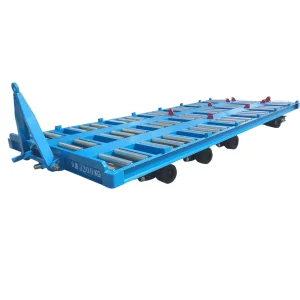
High durability dual axle configuration optimized for logistics centers.
View Specifications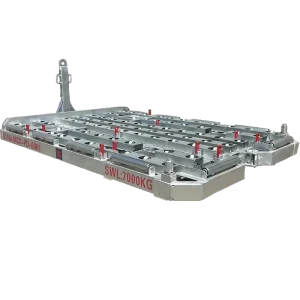
Specialized castle cargo locks with reinforced steel frame support.
View Specifications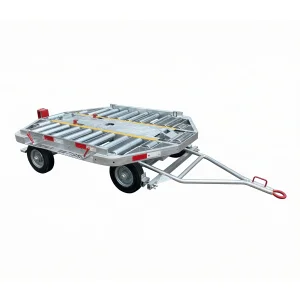
Lightweight design featuring low rolling resistance tires for easy towing.
View Specifications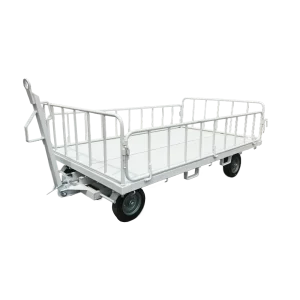
Open-side cart layout with weather cover brackets and standard tow bars.
View Specifications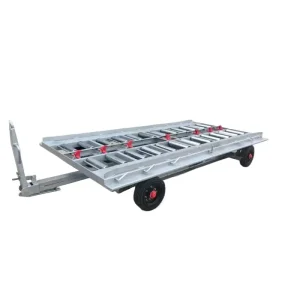
Wide base configuration designed for high stability during turnarounds.
View Specifications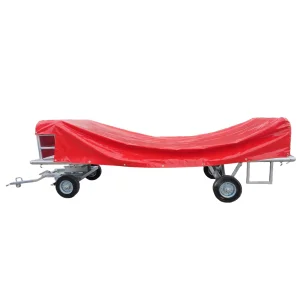
Stainless steel tube construction with automatic hand brake systems.
View Specifications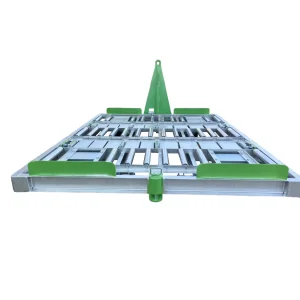
Reinforced steel deck equipped with cargo guide rails and dual brakes.
View Specifications Chidge Dolly