Engineered to handle high throughput loads with maximum structural integrity and reliable continuous operation profiles.
The rapid expansion of global air commerce, coupled with the unprecedented surge in e-commerce and fast-freight delivery, has placed unparalleled operational pressure on airport terminal logistics. Modern airport baggage handling systems (BHS) and air cargo conveying infrastructures represent the central nervous system of hub airports. No longer simple static conveyor systems, today's installations are sophisticated high-speed sorting and transporting ecosystems that connect internal check-in, sorting hall, security clearance, and external apron airside loading operations.
Statistically, international air transport organizations report that a major airport hub handles millions of baggage items and thousands of tons of cargo daily. A processing bottleneck in the conveyor system directly impacts turn-around times (TAT), increases baggage misrouting rates, and incurs heavy financial penalties. Consequently, there is an industry-wide transition toward modular, wear-resistant, and high-tensile conveying systems optimized for heavy loads, continuous cycling, and smart routing integration.
Bridging the gap between the terminal's sorting systems and the aircraft fuselage with specialized high-performance ground support machinery.
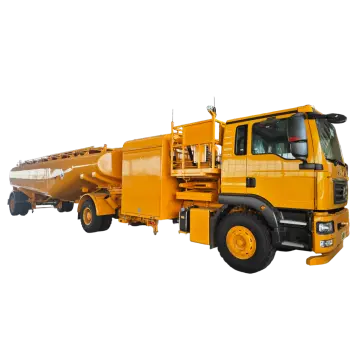
The aircraft tank refueling truck consists of a chassis, oil tanks, pumping system, control system, and operating elements. Functions include high-efficiency filtration, metering, pressure control, and self-circulation.
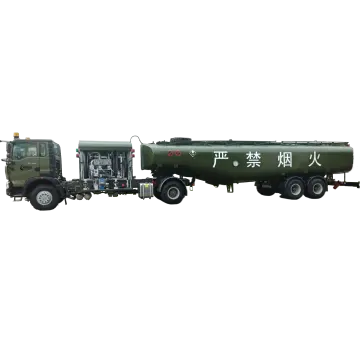
Optimized for larger aircraft classes, this refueling variant integrates heavy-duty pumping structures, precise pressure safety management, and rapid self-priming features to minimize turnaround time.
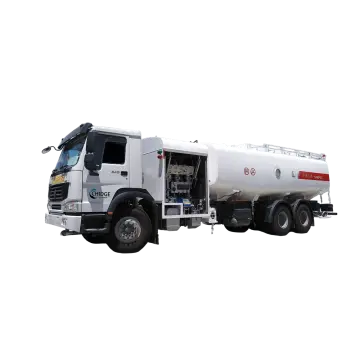
Featuring a modular chassis interface and precision metering control, this refueler maintains compliance with international aviation safety criteria for commercial ramp service.
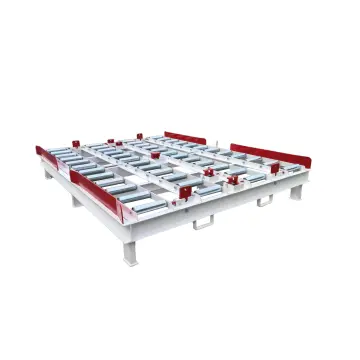
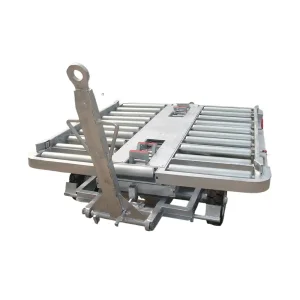
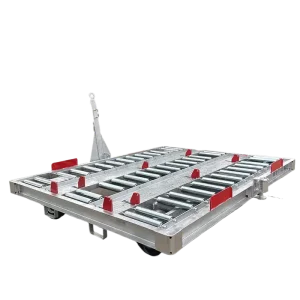
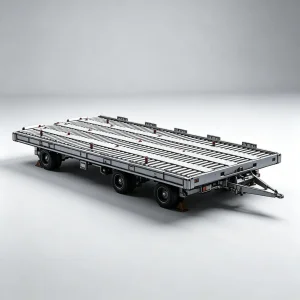
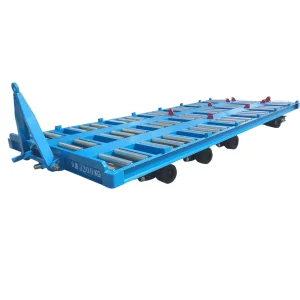
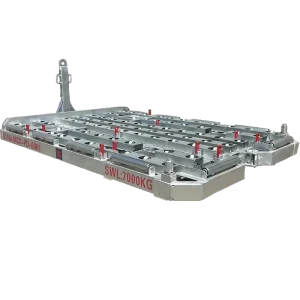
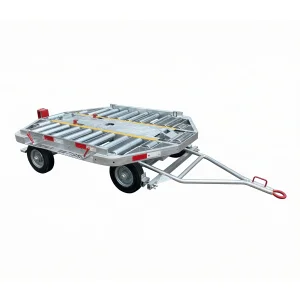
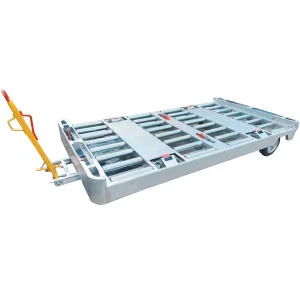
Specifically designed for maneuvering heavy palletized cargo on the apron, this unit interfaces directly with cargo aircraft loaders and terminal processing facilities.
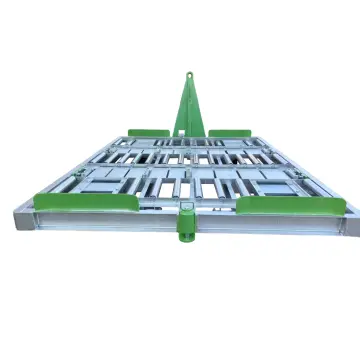
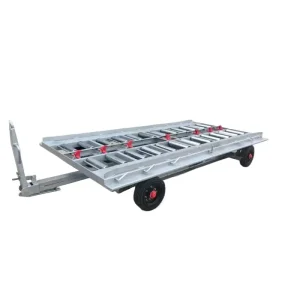
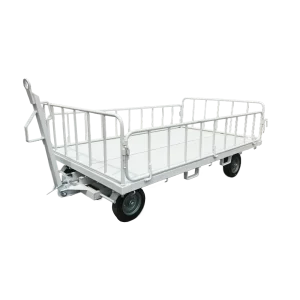
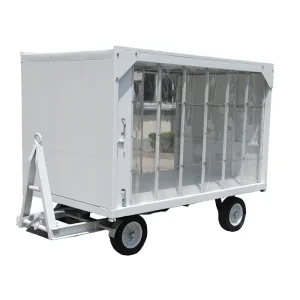
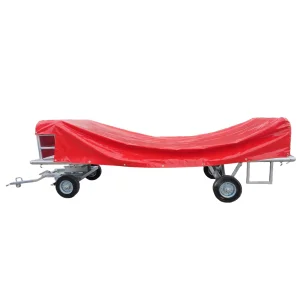
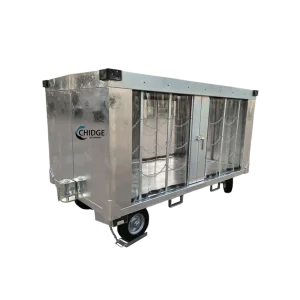
A reliable logistics asset featuring heavy-duty caster systems, high-rigidity structural framing, and dual-direction towing hitches for optimal apron maneuverability.
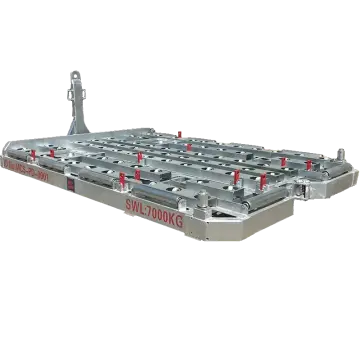
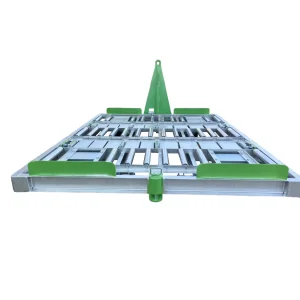
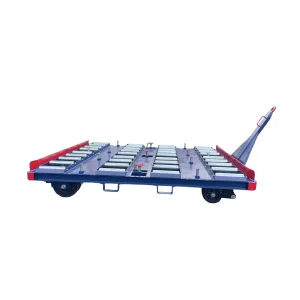
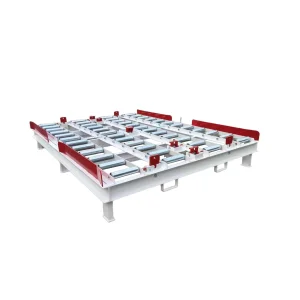
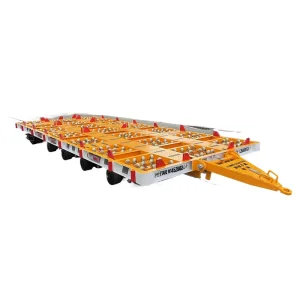
Engineered for multi-directional container shifting, this dolly uses raised castle-stops to secure cargo during high-speed transit across wind-heavy runways.
The primary technological frontier in airport conveyor engineering revolves around the integration of Intelligent Drive Systems and Energy-Saving Technologies. Traditional conveyor belts run continuously regardless of whether baggage is present, leading to massive energy waste. Modern designs utilize sensor arrays and Variable Frequency Drives (VFD) that allow sections of the conveyor system to enter a low-energy standby mode or dynamic speed-matching mode based on real-time load demand.
Furthermore, material technology is undergoing a major evolution. Synthetic compounds, such as low-friction PVC and flame-retardant, high-tensile polyurethane, are replacing standard rubbers. These advanced materials minimize belt wear, lower operational noise below 60 dBA (greatly improving working conditions in subterranean sorting bays), and eliminate static electricity buildup that can interfere with electronic sorting systems.
Delivering high-reliability ground climate support, electrical energy distribution, and cargo transfer systems directly to the aircraft.
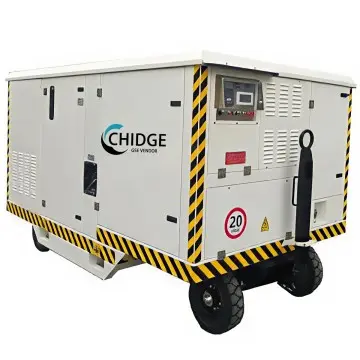
Provides auxiliary heating capabilities to maintain cabin comfort during passenger embarkation in extreme sub-zero weather conditions.
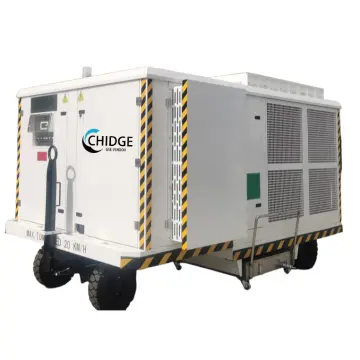
Delivers high-pressure, temperature-controlled fresh air directly to the fuselage, eliminating the need to run the aircraft's APU.
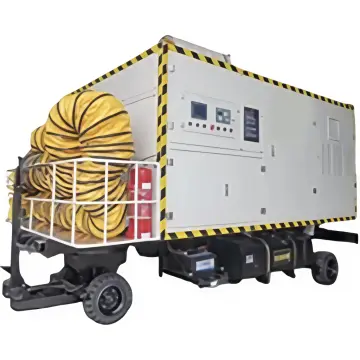
Heavy-duty mobile thermal air blower unit built on a rigid chassis, designed for quick heating deployment across various aircraft sizes.
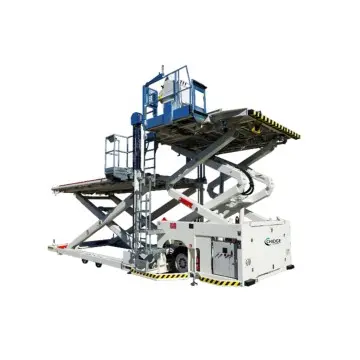
A dual-platform hydraulic scissor lift system engineered for transferring unit load devices (ULD) and heavy air freight to main deck levels.
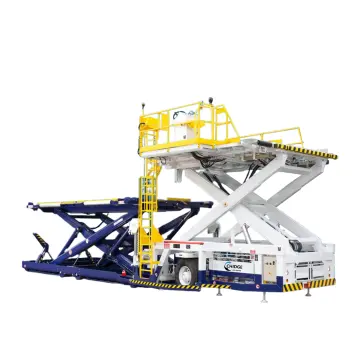
Designed for extra-heavy cargo widebody aircraft, offering precise hydraulic leveling, motorized transfer rollers, and dynamic load control.
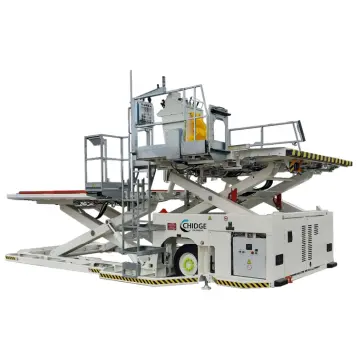
A agile, medium-capacity air cargo loader providing fast cycles and high reliability for standard freight handling profiles.
Environmental conditions dictate conveying system layout and material configurations. A conveyor belt operating in a high-temperature desert climate (such as Gulf-region hubs) requires UV protection, heat-stabilized synthetic belts, and dust-shielded gearboxes to prevent sand intrusion. Conversely, systems deployed in northern geographic regions (such as Canada or Scandinavia) demand low-temperature rubber formulas that resist cracking at -40°C, and integrated heater strips within the belt framing to prevent ice-adhesion.
For large international hubs with heavy passenger volume, high-speed sorting systems are paramount. Belts must run at speeds of up to 2.5 meters per second with specialized surface profiles to prevent luggage from slipping during incline changes. For smaller regional airports, modular and easily maintainable conveyor components are preferred to reduce overall maintenance costs and simplify operations.
From passenger boarding stairs and tow tractors to power solutions, our comprehensive range supports every stage of aircraft ground handling.
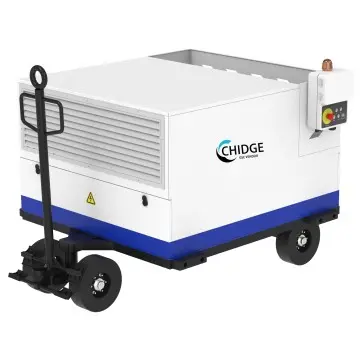
Utilizes advanced battery storage technology to supply quiet, emissions-free ground power (400Hz/28VDC) to parked aircraft.
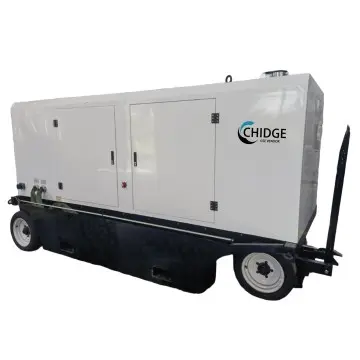
Provides highly regulated solid-state electrical current for commercial aircraft systems during turnaround checks.
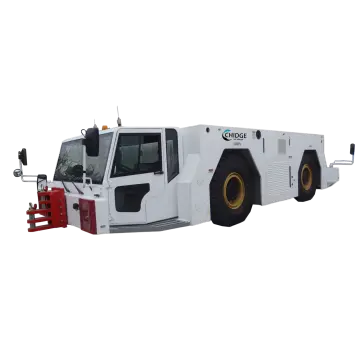
A heavy-duty tow tractor built to handle pushback operations for mid-to-large widebody commercial aircraft.
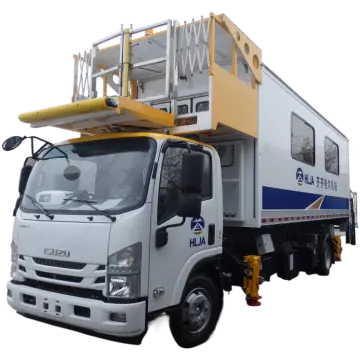
A specialized high-lift cabin vehicle designed to assist passengers with reduced mobility (PRM) during aircraft embarkation and disembarkation.
The next phase of airport logistics technology revolves around Predictive Maintenance and Decentralized Intelligence. By embedding IoT sensors directly into the conveyor frame, rollers, and motors, airport operators can track vibration peaks, temperature deviations, and belt tension in real time. Cloud-based diagnostics analyze these data streams to predict failures before they happen, allowing maintenance teams to schedule service during off-peak windows and prevent unexpected system downtime.
Furthermore, the combination of advanced AI vision systems and mechanical sorting divertors has enabled sorting halls to process mixed bags, soft luggage, and irregular freight without manual sorting. This significantly increases sorting capacity, reduces operational errors, and optimizes airport conveyor system performance.
Providing custom, high-reliability engineering, production, testing, and comprehensive support systems for global airports.

Selling various aviation ground equipment worldwide.

Providing services to airlines and logistics companies.

Wide product coverage spanning GSE and terminal conveying.

Quality assurance and timely delivery under strict guidelines.
Whether for OEM or ODM contracts, we leverage a customer-centric design and production cycle. Our process spans product planning, structural design, manufacturing, quality testing, and after-sales support. This comprehensive approach helps customers deploy solutions quickly, reduce overhead costs, and improve airport operational efficiency.


Our mission is to help customers choose ground support solutions with confidence, driving long-term value for airport operations.
Engineered with advanced materials, precision quality assurance, and reliable lifecycle services.

Integrating advanced engineering, materials science, and continuous design innovation into our production pipelines.

High-performance products tailored to demanding environments, helping airport operators optimize long-term efficiency.

Efficient supply chain management and manufacturing schedules ensure reliable lead times and delivery.

Proactive technical support, spare parts availability, and engineering assistance maximize equipment uptime.
Detailed technical information and operational answers regarding our custom airport conveyor belts and ground support equipment.
Our airport conveyor belts are manufactured using multi-ply polyester fabrics with custom synthetic coatings, including premium flame-retardant PVC and polyurethane (PU). These materials meet stringent safety standards (such as ISO 340 and DIN 22103) and are designed to minimize noise and static friction in baggage handling systems.
For airports located in arctic or sub-zero climates, we integrate low-temperature oil-resistant rubber formulations that retain flexibility down to -40°C. We also offer options such as heated drive pulley systems and structural framing covers to prevent ice and snow buildup.
Yes, our dollies are designed to standard Unit Load Device (ULD) specifications. They support standard configurations including LD1, LD2, LD3, LD4, LD8, and LD11, as well as 10-foot and 20-foot pallet bases.
We offer a range of electrified airport GSE, including electric baggage towing tractors, electric catering trucks, and solid-state battery energy storage ground power units (GPUs) designed to minimize localized emissions on the ramp.
Keeping you informed about the latest trends in airport logistics engineering and ground support equipment.
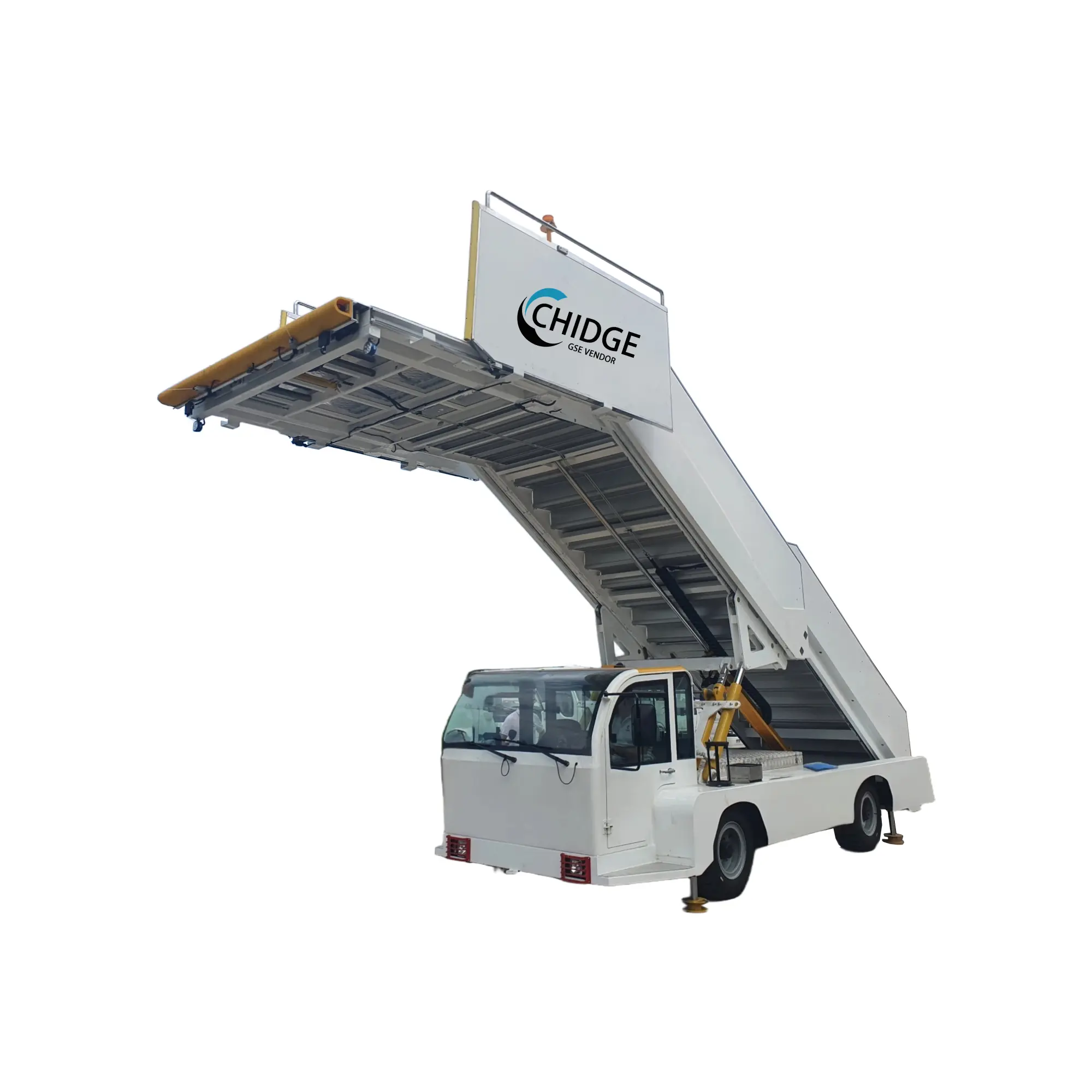
Discover the mechanics, safety systems, and structural innovations behind modern mobile passenger boarding stairs in commercial aviation operations.
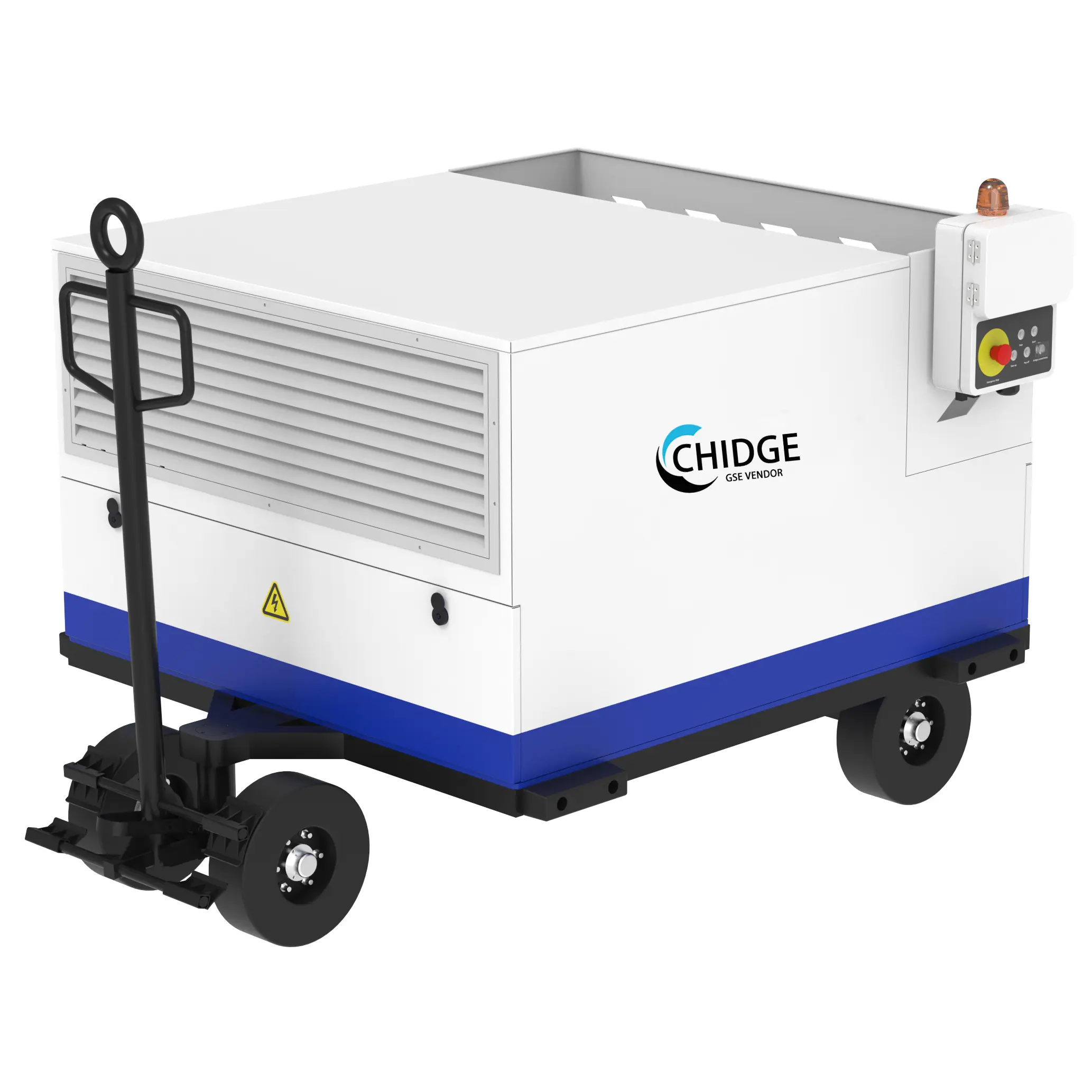
An analysis of zero-emission ramp initiatives, evaluating the battery storage capabilities of towable aircraft GPUs under high-cycle conditions.
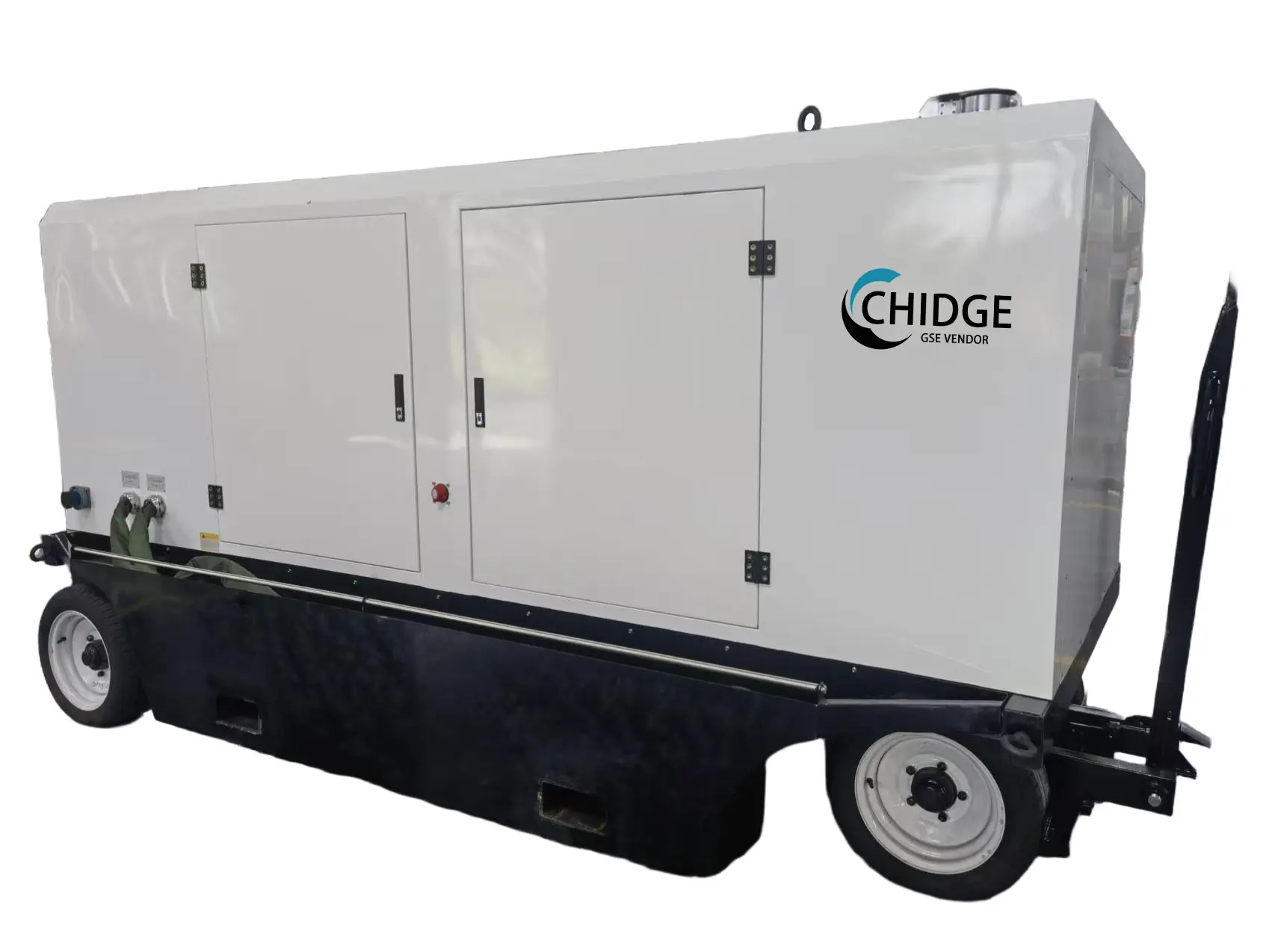
In the complex ecosystem of aviation operations, ensuring an aircraft is flight-ready involves a multitude of support systems. Among the most critical components is the Aircraft Ground Power Unit (GPU), supplying the essential electrical power required for aircraft while parked on the ground.
Heavy-duty, weather-resistant ground transport systems designed for continuous commercial ramp operations.
 Chidge Dolly