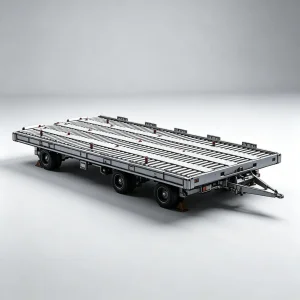
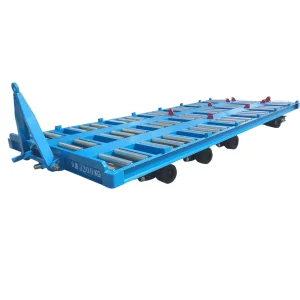
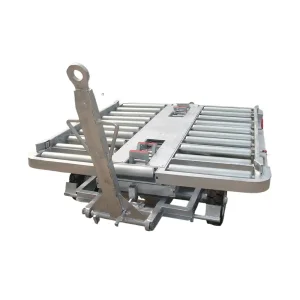
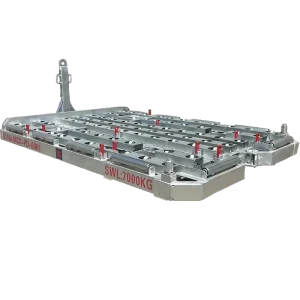
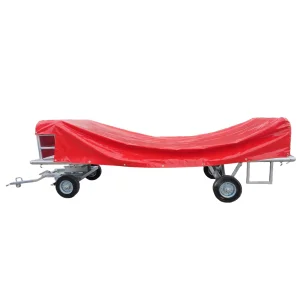
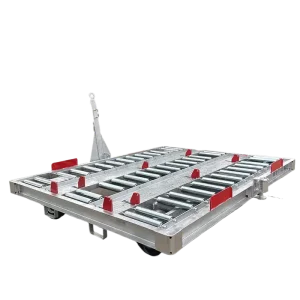
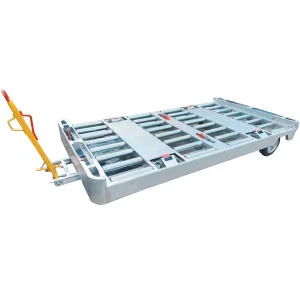
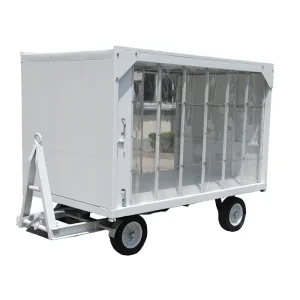
Explore our precision-engineered ground support product line designed to optimize airside turnaround speed and cargo logistics efficiency.
The airport apron has become ground zero for massive decarbonization targets and extreme operational streamlining. As regional hubs and global flag carriers demand zero emission solutions, the technical configuration of aircraft Ground Power Units (GPUs) is undergoing a major paradigm shift. Historically, aircraft diesel GPUs dominated gate operations, providing electrical power via combustion engines coupled to 400Hz alternators. Today, the aviation sector has shifted toward solid-state static frequency converters and hybrid-electric battery energy storage units.
A 90 kVA capacity serves as the universal sweet spot in aviation power supply. This size is specifically suited for narrow-body commercial jets (such as the Boeing 737 Max and Airbus A320neo family) and is robust enough to provide essential auxiliary power during turnarounds for select wide-body craft. The transition toward solid-state 90 kVA units reduces operational noise, eliminates localized tailpipe emissions, and achieves conversion efficiencies exceeding 94%. By replacing moving parts with high-efficiency IGBT (Insulated Gate Bipolar Transistor) double-conversion architectures, operators decrease maintenance overheads and prevent runtime oil spills on busy runways.
Modern commercial jets rely heavily on sophisticated avionics, flight-deck software, and integrated environmental control systems (ECS). An underpowered GPU can lead to unexpected system trips or load-shedding during peak pre-flight operations. Conversely, an oversized GPU leads to excessive capital expenditures and low operational efficiency. The 90 kVA unit provides the optimal power curve, satisfying a standard 400Hz AC requirement while accommodating high-surge loads during cabin cooling start-ups.
Procurement officers within tier-1 ground handling companies and municipal airport authorities operate under rigid strictures. When sourcing 90 kVA Ground Power Units, regional compliance standards play an important role. Equipment must meet strict requirements, including IATA AHM 905 (functional specs for GSE), IATA AHM 913 (airport safety interfaces), MIL-STD-704F (aircraft electrical power characteristics for defense models), and ISO 6858 (aircraft ground support electrical requirements).
Global buyers prioritize systems equipped with galvanic isolation. Because transient electrical faults can cause damage to an aircraft's internal circuitry, manufacturers must integrate input-to-output isolation transformers. Furthermore, smart communication capabilities (such as CAN bus interfaces, Modbus TCP connectivity, and compatibility with telemetry suites like GSE tracking software) have transitioned from nice-to-have options to core requirements. By enabling real-time telemetry, fleet operations centers can monitor grid performance, track total kilowatt-hour consumption, predict IGBT aging, and schedule preventive maintenance cycles before an in-field failure disrupts turnaround operations.
Simultaneous or switchable delivery of 3-phase 115/200V AC at 400Hz and optional 28.5V DC for mixed fleet support at regional terminals.
IP55-rated structural enclosures offering protection against high-velocity sand, heavy monsoonal downpours, and sub-zero ice accumulations.
Integrated active rectification achieving a power factor of near unity (0.99), avoiding grid utility penalties and reducing cable heating.
The production of modern solid-state frequency converters relies on global supply chain stability. In China's advanced industrial hubs, the integration of Factory 4.0 processes has changed how high-power electronics are fabricated. By leveraging IoT-enabled vertical assembly pipelines, manufacturers can control everything from magnetic winding insulation to cabinet structure welding and thermal dissipation modeling.
For global purchasers, this deep supply chain integration yields two distinct competitive advantages: shorter lead times and high component traceability. Standard European or North American manufacturing chains are often fragmented across multiple countries. Chinese manufacturing clusters, however, localize structural steel fabrication, copper winding, transformer design, and PCB assembly within tight geographic areas. Furthermore, each 90 kVA GPU undergoes factory testing under simulated reactive loads (up to 1.25 times rated capacity) in computerized test cells, ensuring compliance before dispatch.
By utilizing automated welding robots, automated optical inspection (AOI) for control boards, and thermal imaging cameras for load monitoring, our manufacturing workflow minimizes human error. Additionally, manufacturing in facilities certified under ISO 9001 (Quality Management) and ISO 14001 (Environmental Management) ensures that the procurement of GSE aligns with modern corporate ESG targets.
Aviation operates globally across diverse climates. Our custom 90 kVA GPUs are optimized to perform in the world's most demanding environments.
Designed to withstand ambient temperatures reaching +55°C in the Middle East and North Africa. Features integrated dual-circuit air-conditioning, sand filtration units, and tropicalized varnishing on all PCB assemblies.
Fitted with internal heaters, silicone rubber cabling rated down to -40°C, and winterized tow bars. Ensures constant voltage outputs during cold-start protocols for regional networks.
Optimized with acoustic insulation panels that lower noise output below 65 dBA at 1 meter. Promotes a safer and more comfortable environment for gate workers and boarding passengers.
Incorporating custom design specifications for global airlines, refuelling operations, and bulk container handling logistics.
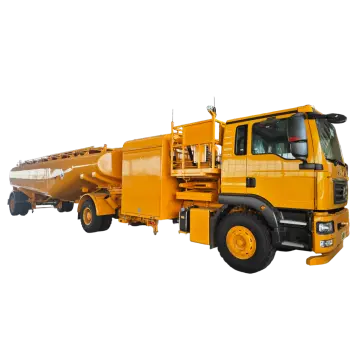
Equipped with high-performance pumping, filtration, metering, self-circulation, and pressure control systems.
View Specifications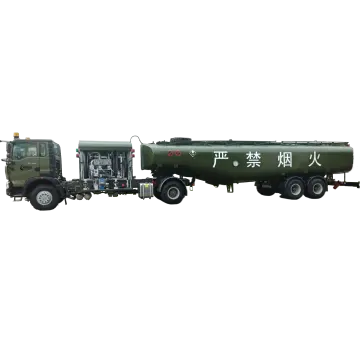
Heavy-duty dual-metering fuel delivery system built for wide-body long-haul refueling operations.
View Specifications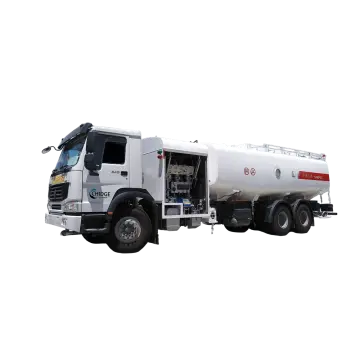
Medium-haul modular fuel chassis with comprehensive filtration conforming to Joint Inspection Group standards.
View Specifications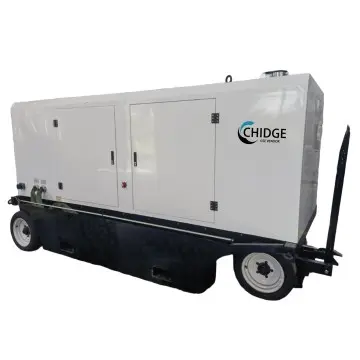
Our signature 400Hz frequency converter featuring smart telemetry and IP55 protection rating.
View Specifications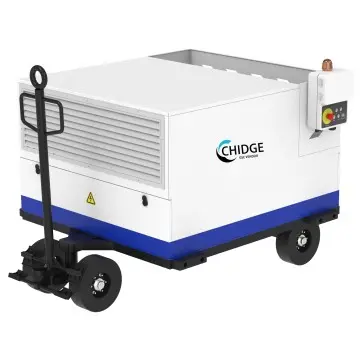
Zero-emission battery-electric design engineered for heavy turnaround schedules without grid connections.
View Specifications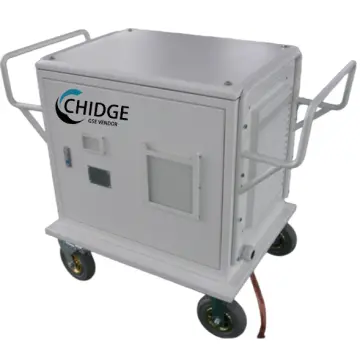
Static under-bridge or hangar-mounted solid-state converter providing highly reliable 400Hz AC power.
View SpecificationsWorking alongside global operators to create sustainable value and deliver reliable ground operations.

Comprehensive service configurations designed to optimize equipment lifespan and maintain apron safety.

Supplying premium ground support equipment tailored to client-specific airport models.

Custom engineering services for heavy logistics operators and commercial airlines.

From dollies and cargo loaders to heating units and electrical aircraft GPUs.

Rigorous factory acceptance testing coupled with reliable global shipping networks.
Whether you require specific chassis adaptations, dual voltage output configurations, or extreme weather insulation packages, our engineering team delivers integrated custom GSE systems.
3D CAD and thermal modeling support prior to metal fabrication.
Accelerated design-to-prototype path for custom ground handlers.
 Management
 High Quality
 Timely Delivery
Insights and technical analysis from our GSE engineers regarding industry standards and green airport initiatives.

An in-depth look at height-adjustable mechanisms, safety step locking systems, and wind stabilization platforms.
2026-05-27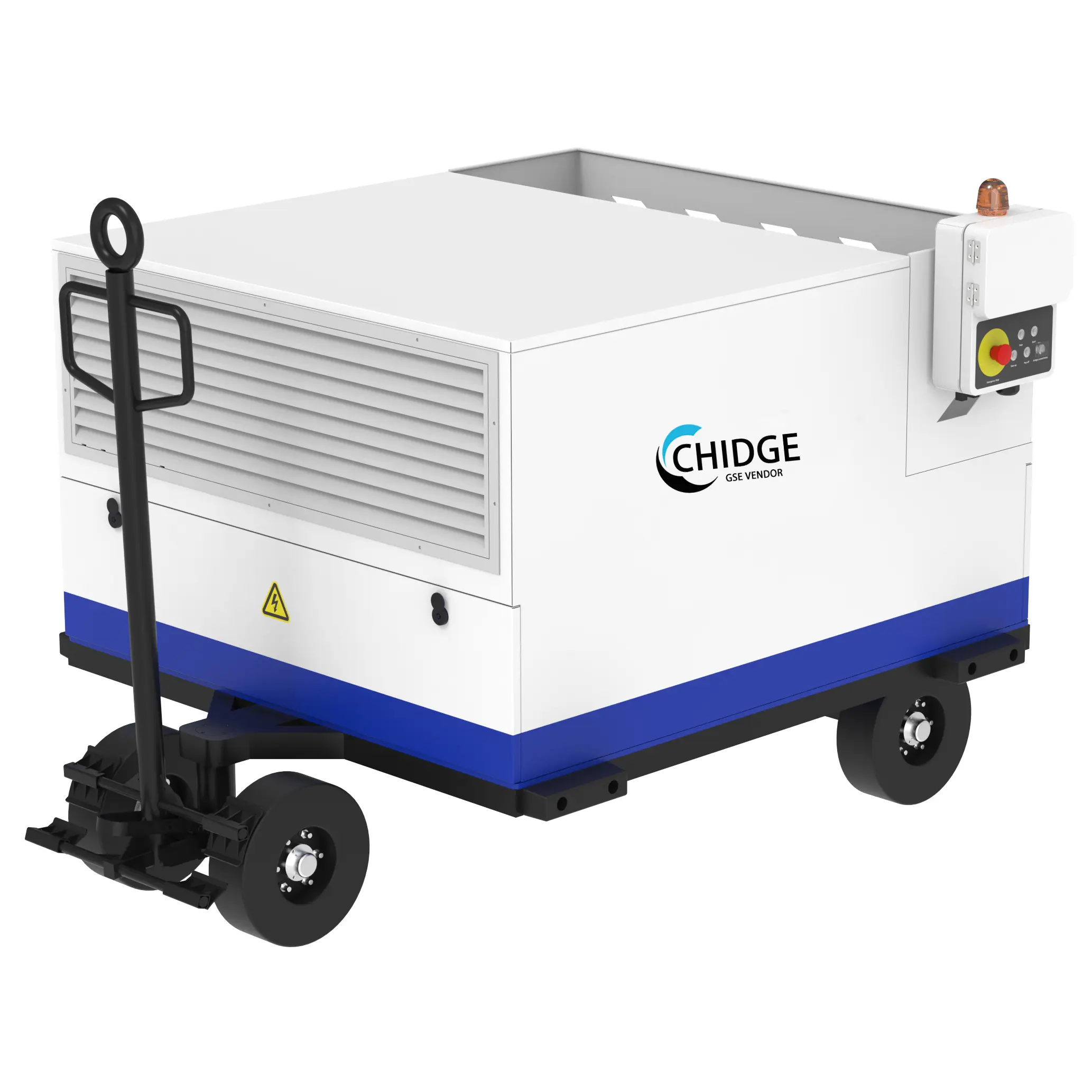
Evaluating the efficiency profiles of lithium iron phosphate (LFP) chemistries within high-cycle airfield environments.
2026-05-19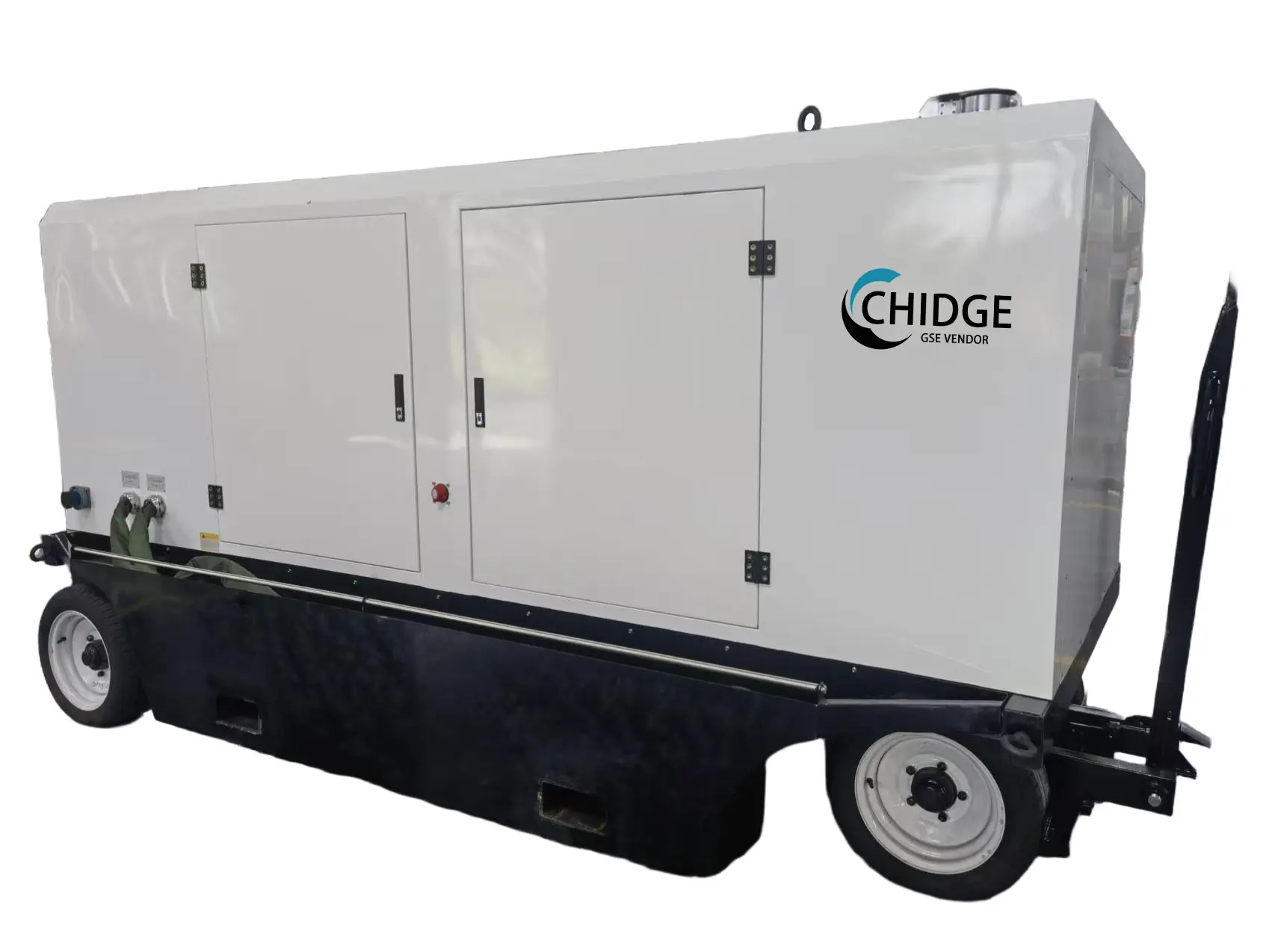
Technical analysis of input phase loss protection, voltage regulation limits, and transient response metrics under heavy load changes.
2026-05-18Technical answers to common deployment, configuration, and compliance queries from ground handler engineering teams.
Explore more heavy transport and airfield support systems designed to keep global ramp operations running smoothly.
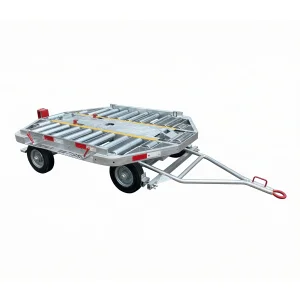
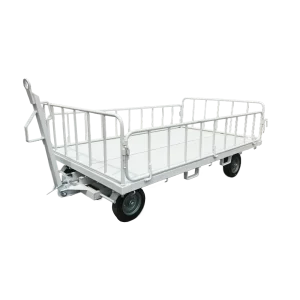
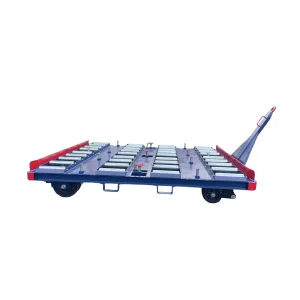
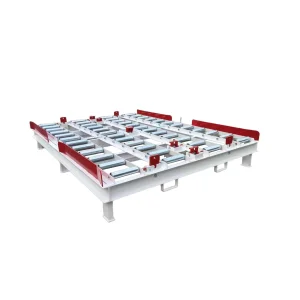
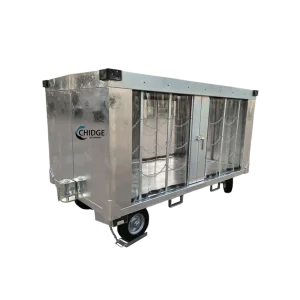
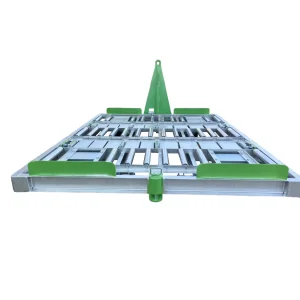
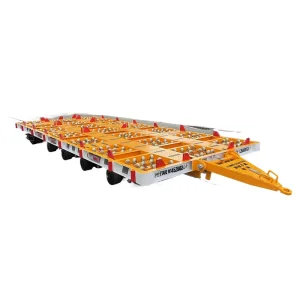
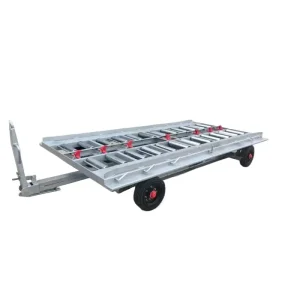
 Chidge Dolly