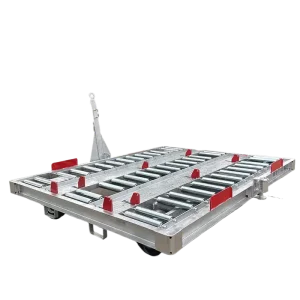
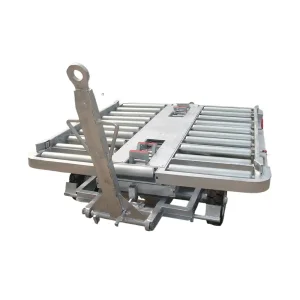
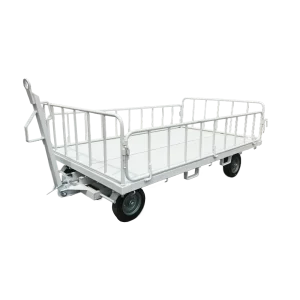
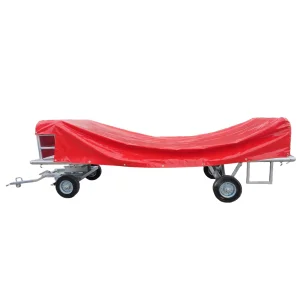
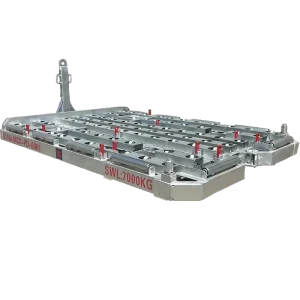
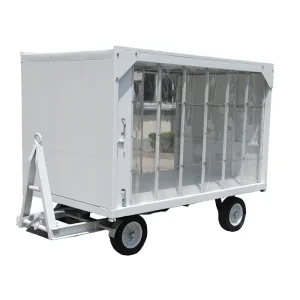
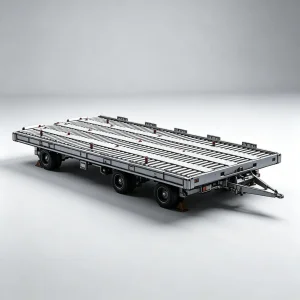
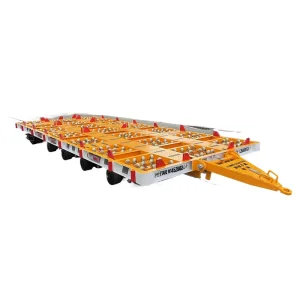
Explore our foundational range of heavy-duty dollies, baggage carts, and container transport configurations certified to international airport handling standards.
An Industry Whitepaper on Technical Advancements, ESG Integration, and Manufacturing Innovations in China.
Modern commercial aviation operates on strict turn-around cycles where cost reduction and carbon footprint reduction are paramount. While parked on the apron or within hangar facilities, aircraft require constant electrical energy to run internal environmental control systems (ECS), flight deck instrumentation, lighting, and auxiliary systems. Historically, aircraft relied on their internal Auxiliary Power Units (APUs)—small onboard gas turbine engines usually situated in the tail cone. However, running APUs during ground operations consumes massive amounts of expensive aviation turbine fuel (ATF), accelerates maintenance intervals, and generates excessive localized emissions and noise pollution.
Consequently, international airport authorities have implemented strict "APU-off" regulations, mandating that aircraft connect to static or mobile Ground Power Units (GPUs) within minutes of block time. These external power sources convert grid utility power (typically 50Hz or 60Hz depending on geography) or fuel energy into the specialized requirements of modern aircraft: high-frequency 400Hz AC (typically 115/200V) or clean, low-voltage 28V DC power (commonly 28.5V DC for regional turbo-props and business jets).
As leading China GPU ground power unit suppliers and factories, manufacturers must balance diverse client environments. Ground support equipment must perform in conditions ranging from Siberian winters (-40°C) to Middle Eastern desert heat (+55°C). Product configurations fall into three core architectures:
Ideally suited for passenger boarding bridges (PBB), maintenance hangars, and flight line hookups. These static units rely on Insulated Gate Bipolar Transistors (IGBTs) to rectify incoming utility power to DC, then invert it back to highly stable 400Hz AC. With no moving parts, maintenance requirements are minimized, and operational efficiency exceeds 94%.
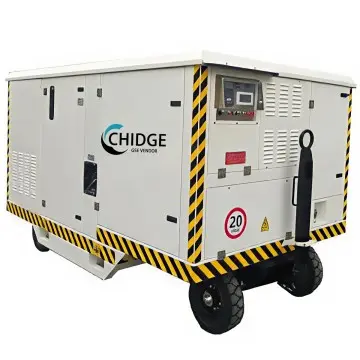
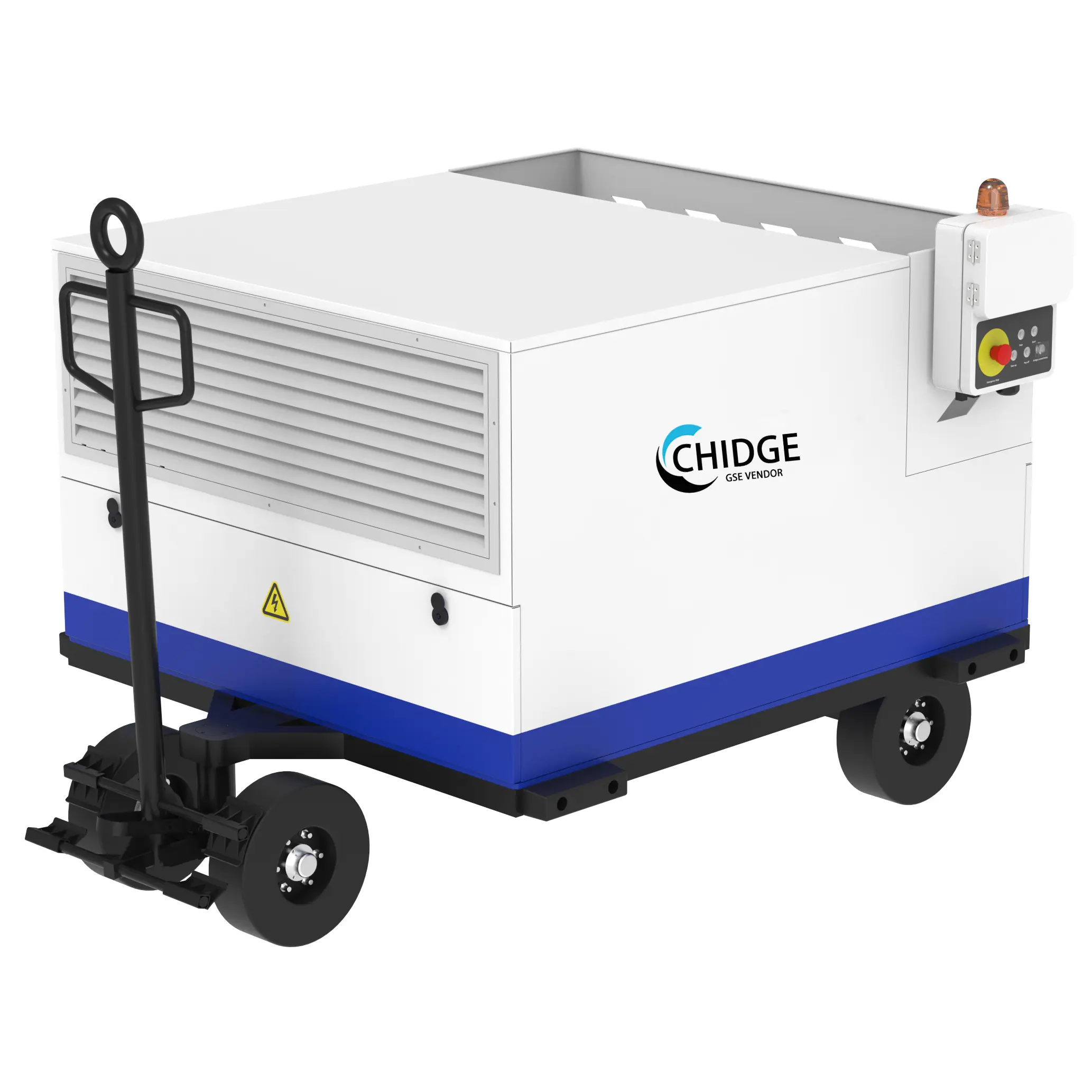
Engineered for off-grid operations on remote aprons and military staging grounds. China manufacturers deploy tier-4 final diesel engines coupled to high-frequency brushless alternators. These towable chassis configurations integrate heavy-duty acoustic attenuators and oversized cooling ducts to maintain steady load capacity during continuous aircraft ground cycles.
The cutting-edge frontier of ground support equipment. Equipped with high-density lithium iron phosphate (LiFePO4) battery banks, battery-powered GPUs deliver silent, zero-emission aircraft servicing. The BESS GPUs act as energy buffers that can be recharged during off-peak hours, presenting the lowest lifecycle cost in contemporary airport operations.
Discover the system engineering, structural reliability, and supply chain control that drive our ground support equipment production line.

Applying advanced science, smart automation, and structural validation modeling to guarantee precision output control.

Rigorous load bank testing ensures units meet expected airfield demands and outclass alternative equipment.

Responsive supply chain infrastructure, inventory control, and optimized logistics keep dispatch timelines on track.

Professional round-the-clock technical support, field troubleshooting, and spare parts supply lines maximize uptime.
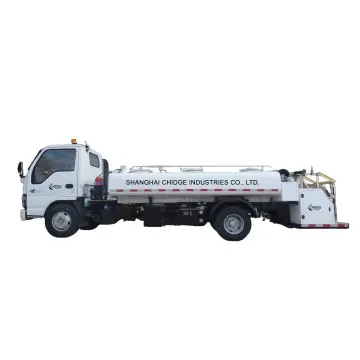
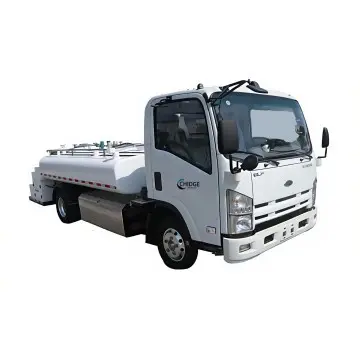
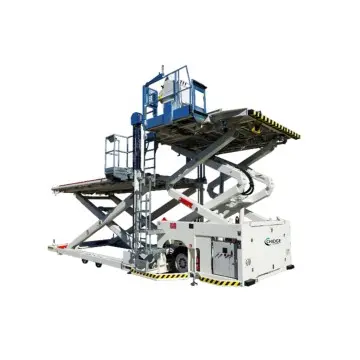
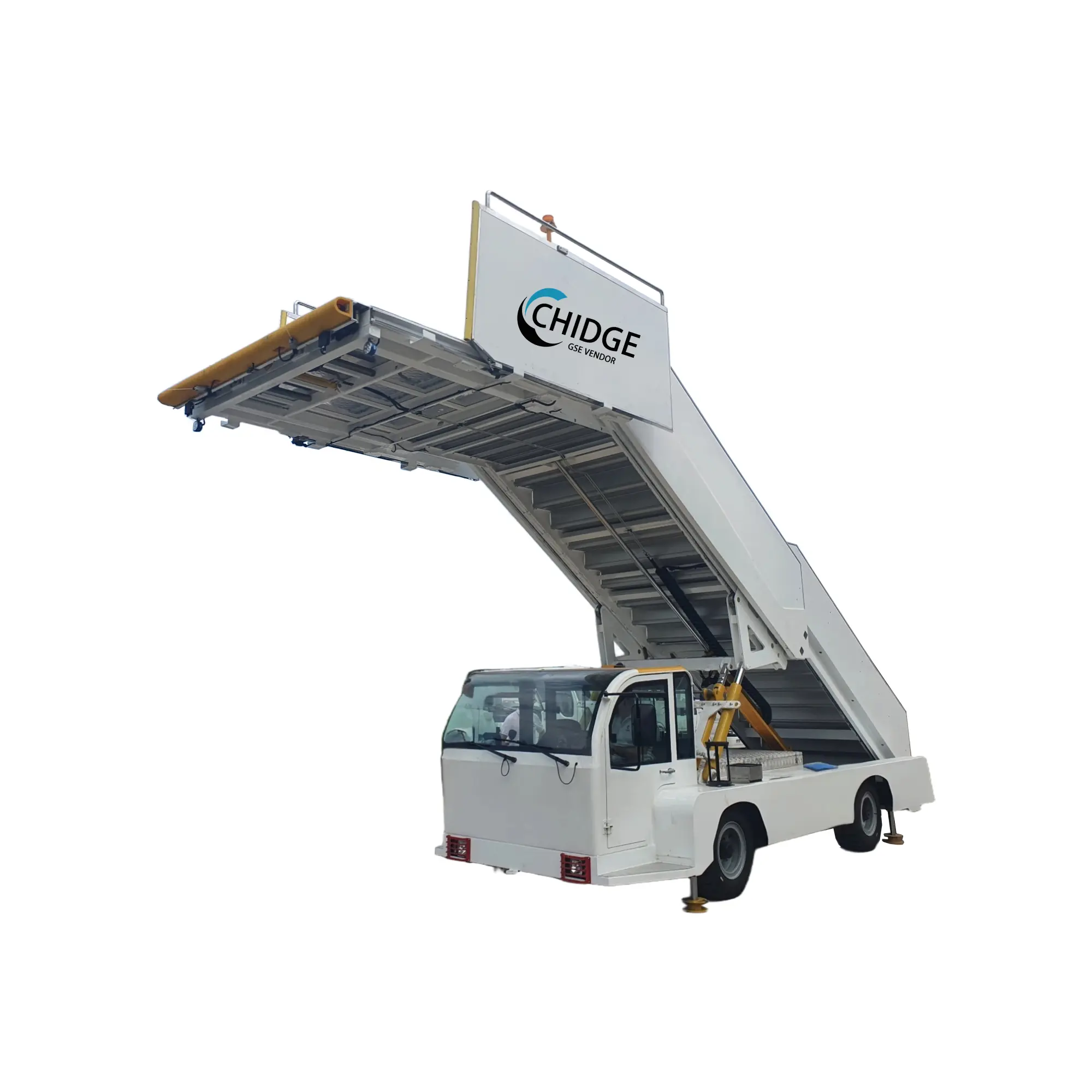
A comprehensive inventory of airport ground vehicles, catering units, water services, passenger boarding stairs, and dedicated solid-state & energy-storage GPUs.
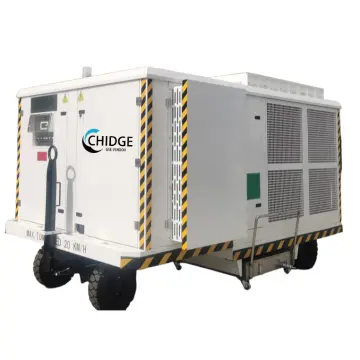
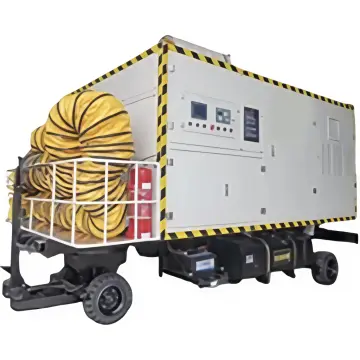
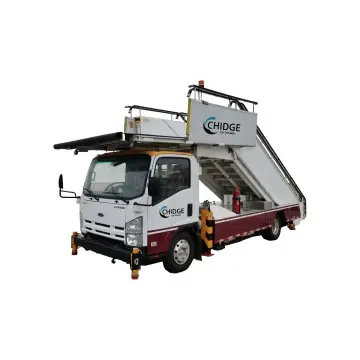

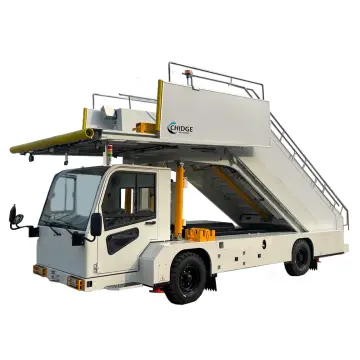
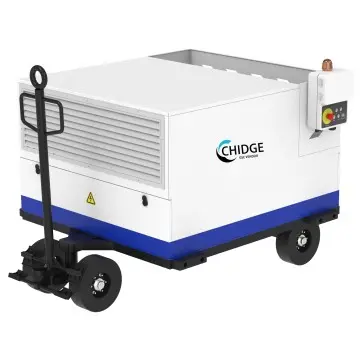
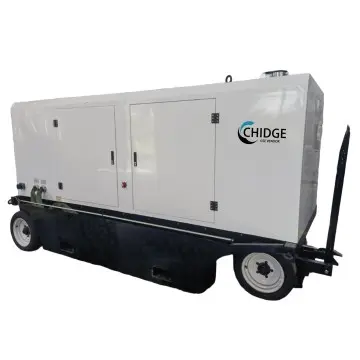
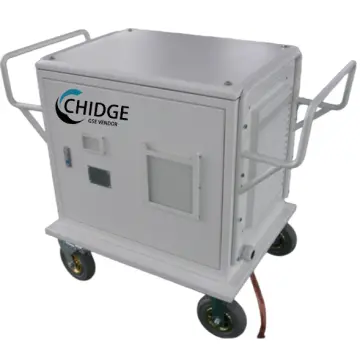
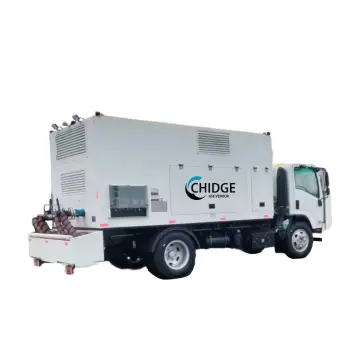
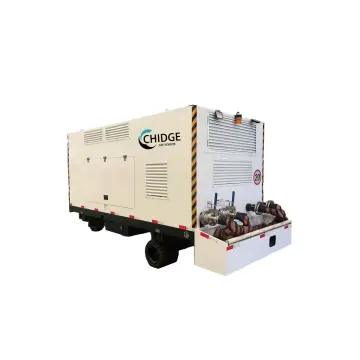
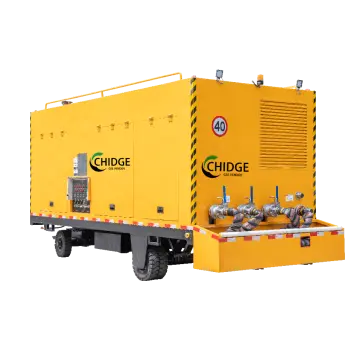
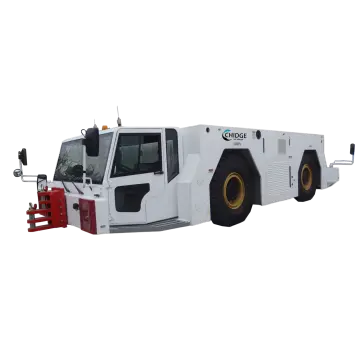
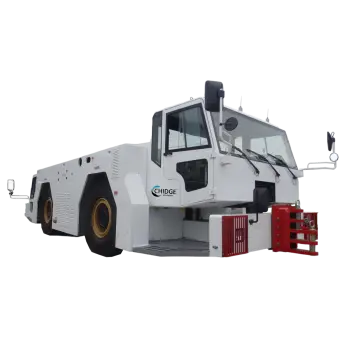
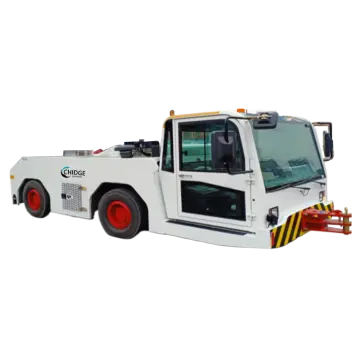
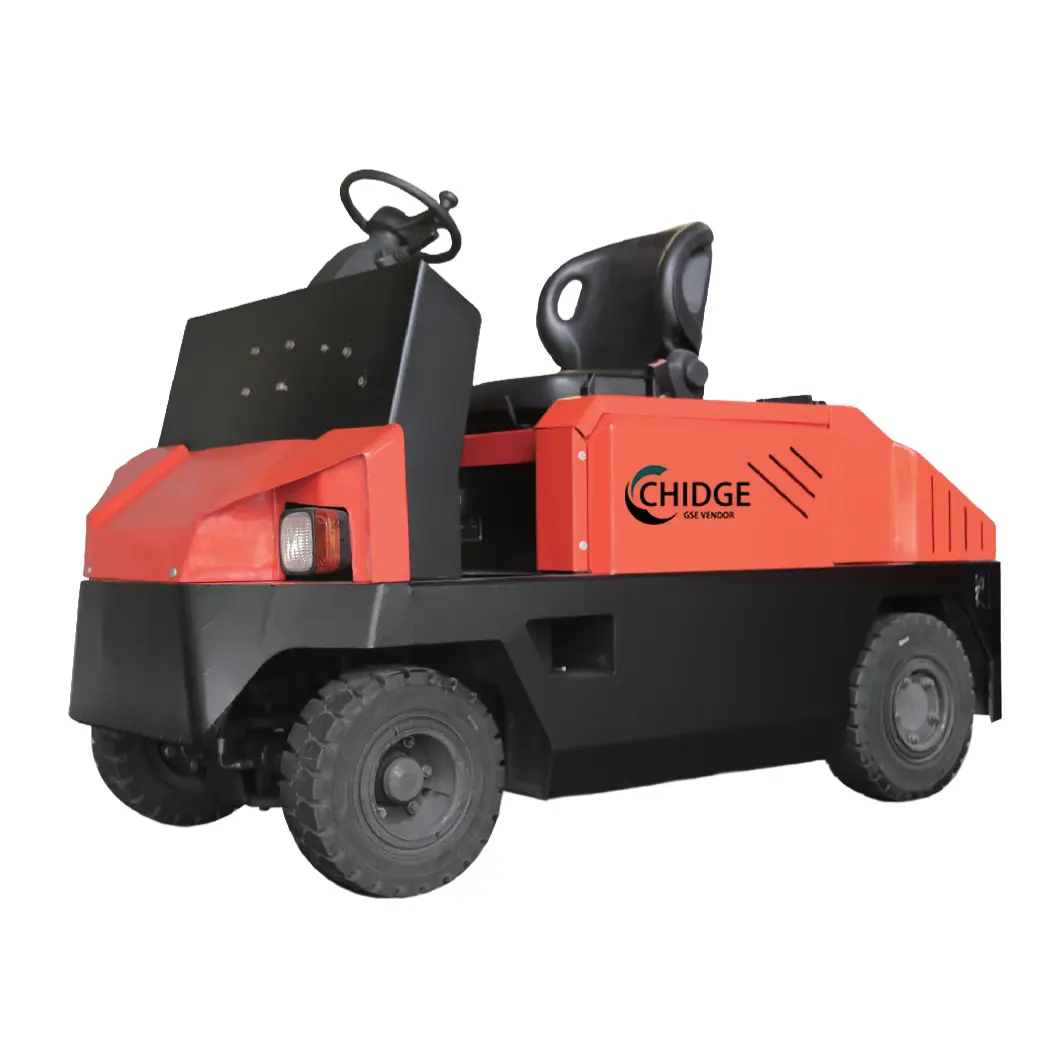
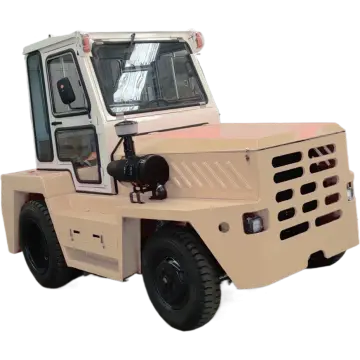
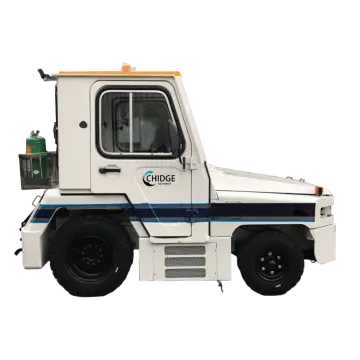
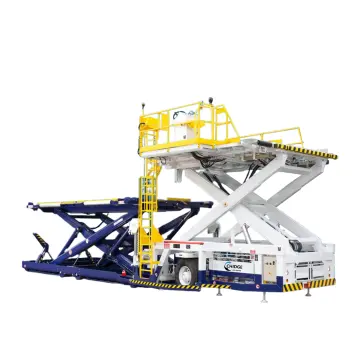
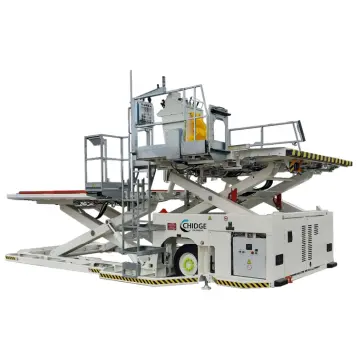
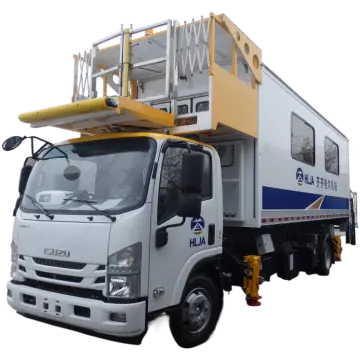
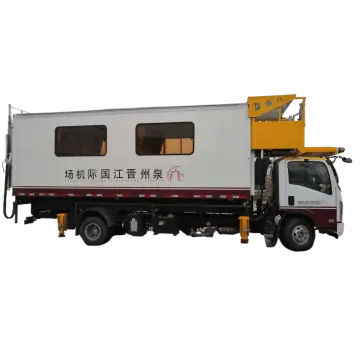
For international airport terminal operators and procurement directors, choosing a ground power unit is not merely an equipment purchase—it is a critical alignment of infrastructure interfaces. Different airframe models require strict tolerances of power supply quality. For instance, modern composite aircraft like the Boeing 787 and Airbus A350 feature highly digital, variable-frequency power grids and require complex dual 90kVA or single 180kVA inputs. They are extremely sensitive to voltage spikes or transient phase offsets, which can automatically trigger internal systems isolation.
Global procurement teams must cross-examine China GPU ground power unit suppliers and factories on several core engineering disciplines:
We supply comprehensive aviation ground equipment directly to global airlines and logistics providers. With wide product coverage, we prioritize rigorous quality assurance, compliance auditing, and punctual logistics delivery to keep airport ramp operations running smoothly.

Broad Equipment Portfolio

Airlines & Logistics Services

Universal GSE Adaptability

Delivery Quality Control
Providing specialized engineering, customized chassis modifications, and integrated control panels to align with global airport ground support equipment profiles.
We leverage a customer-centric design model covering initial parameter calculations, 3D structural rendering, circuit board assembly, simulated stress testing, and product commissioning. This ensures rapid market entry and maximizes equipment lifetime on the tarmac.








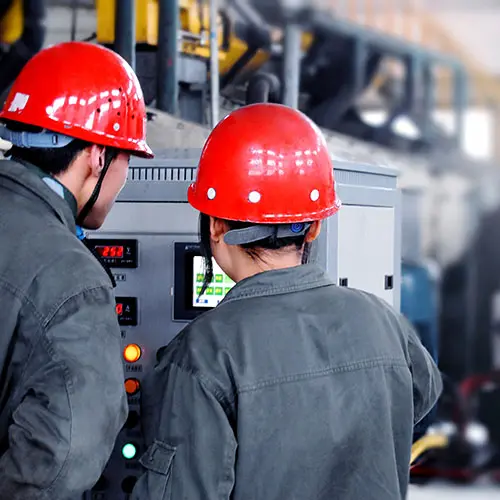


Modern smart airports are moving away from isolated GSE units toward integrated, IoT-connected networks. High-efficiency GPU manufacturers in China now build advanced network adapters directly into solid-state converters and towable units. Under this smart system architecture, real-time power metrics, cable deployment state, internal temperatures, and error histories are relayed to central terminal control centers. This allows predictive maintenance, prevents overload shutdowns during hot turn-around sequences, and tracks the ground power usage logs per aircraft type to automate utility billing.
Furthermore, when integrated with gate-mounted Pre-Conditioned Air (PCA) units and passenger steps, the GPU forms an eco-friendly system that reduces total gate power draw. When passenger boarding bridges connect, smart energy systems optimize power distribution, preventing current spikes from drawing too heavily on airport substations.
The next decade of aircraft ground power engineering will focus on three technological shifts:
Creating shared value and delivering reliable machinery for commercial aviation fleets, logistics providers, and transport fleets globally.
Stay informed with technical bulletins, system guidelines, and clean energy ground handling updates.
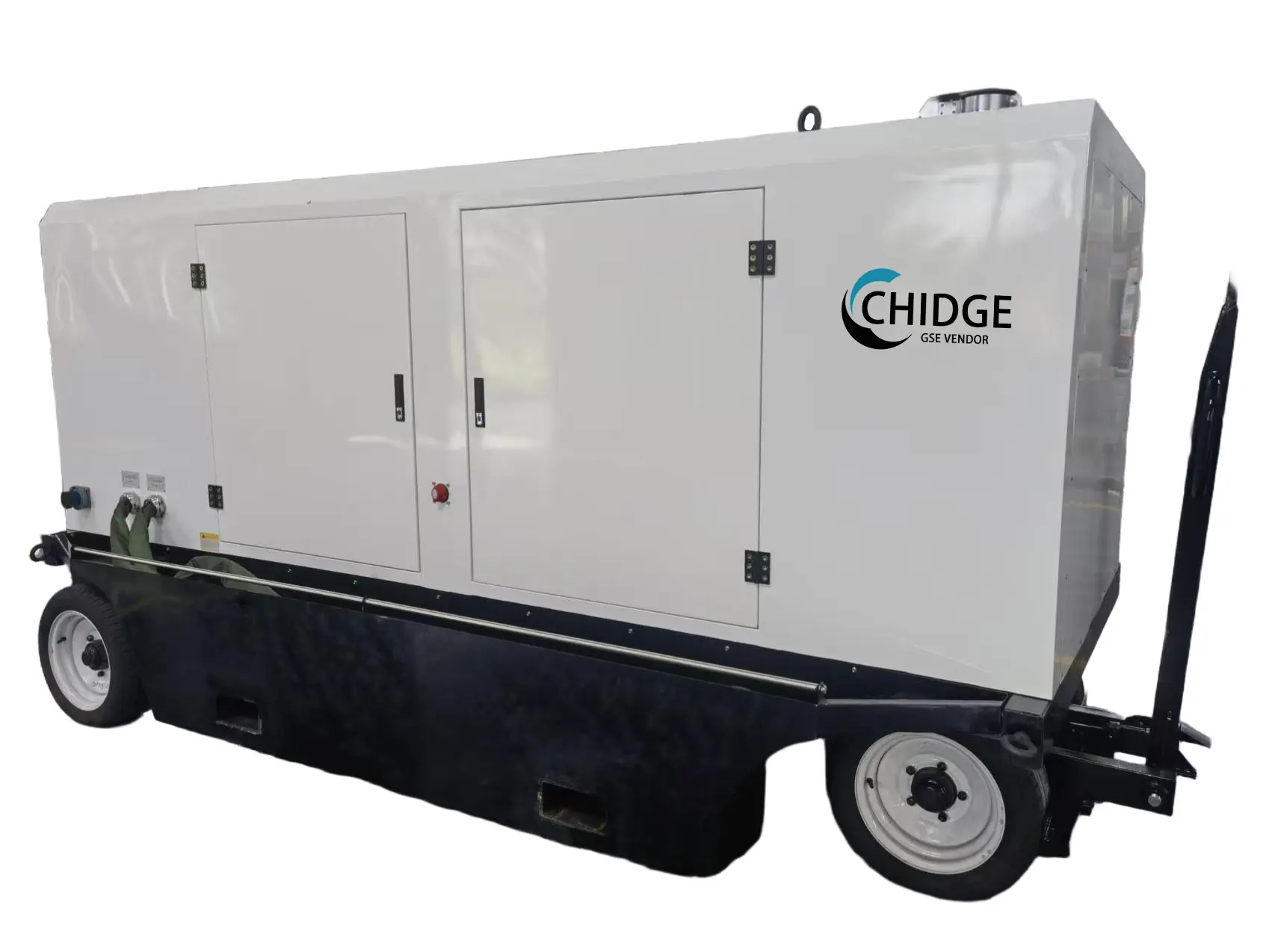
Get answers to technical, operational, and standard certification questions directly from our chief engineering team.
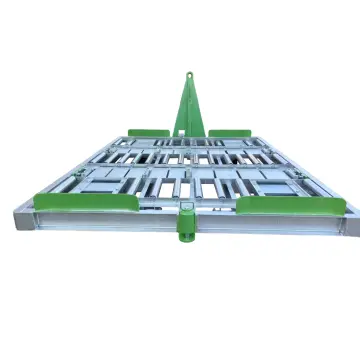
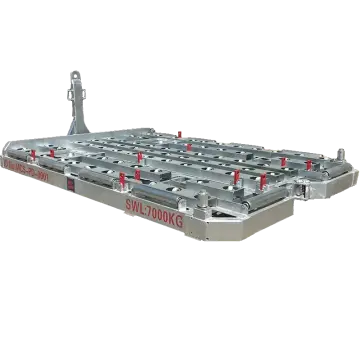
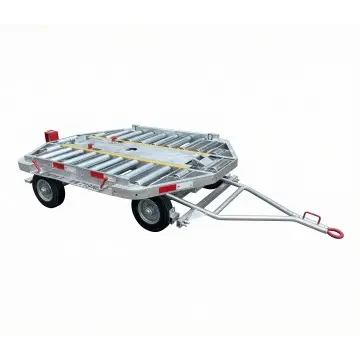
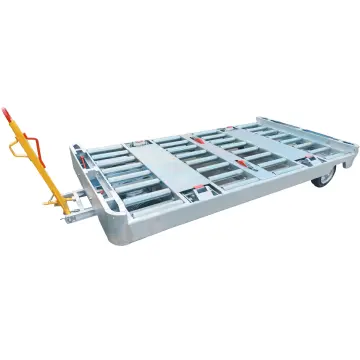
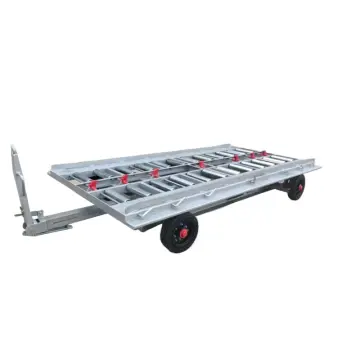
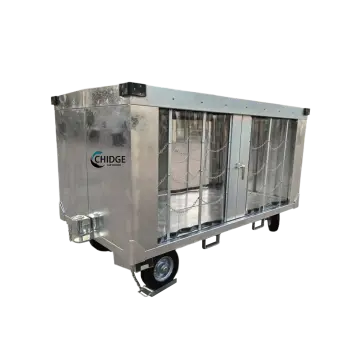
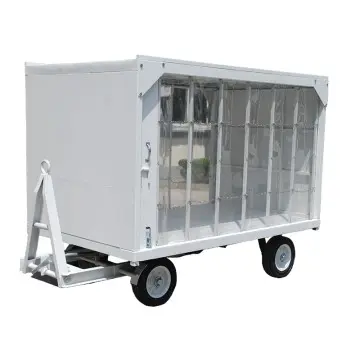
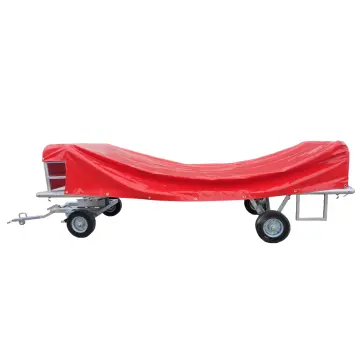
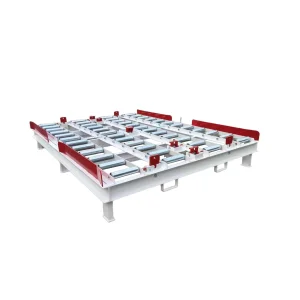
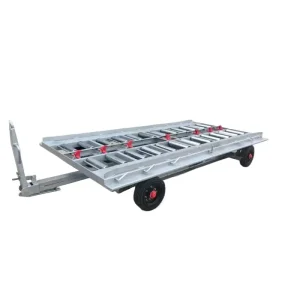
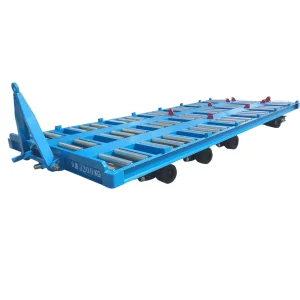
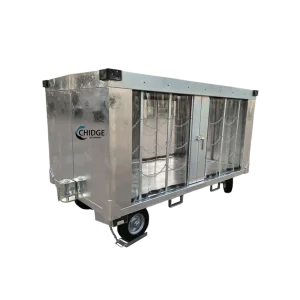
Complete your ground support equipment array with our heavy-load cargo dollies, rainproof baggage carts, and container transport line.
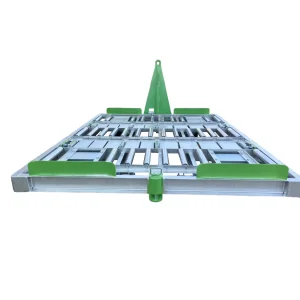
 Chidge Dolly