Advanced airport cargo, baggage carts, and high-capacity pallet dollies manufactured for extreme load distribution and ramp endurance.
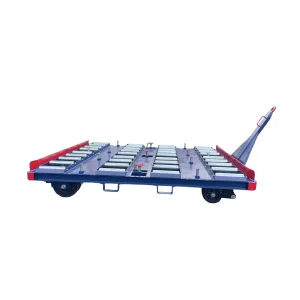
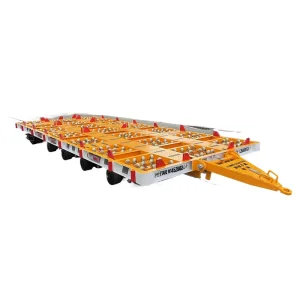
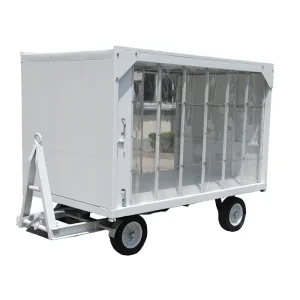
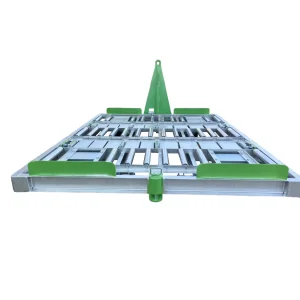
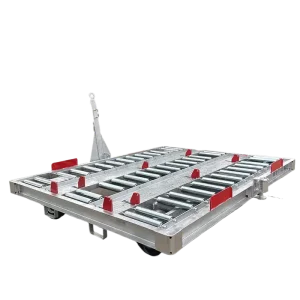
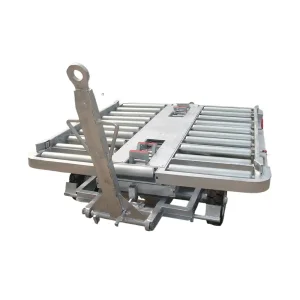
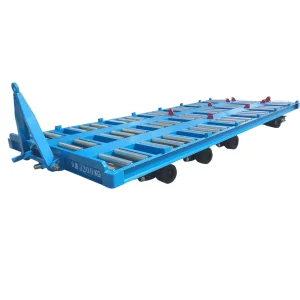
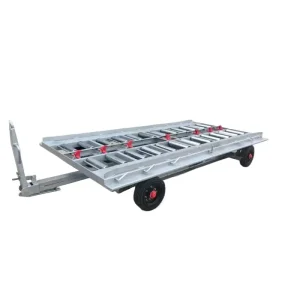
Evaluating raw power, continuous duty cycles, and environmental resilience in apron logistics.
In the modern aviation sector, the turnaround efficiency of commercial aircraft is directly linked to the operational performance of Ground Support Equipment (GSE). While the international aviation ecosystem moves rapidly toward decarbonization and sustainable goals, the Diesel Baggage Towing Tractor remains an indispensable asset for high-density airport hubs. The requirements for continuous operation, massive tractive effort, and extreme temperature resilience mean that diesel powertrains continue to perform where battery electric vehicles (BEVs) face infrastructure and physical performance limits.
Modern airport operations require baggage towing vehicles to handle multiple consecutive routes, towing long trains of baggage carts (often exceeding 5 to 8 units in tandem) across vast apron configurations. Under these parameters, a diesel tractor provides uninterrupted torque and drawbar pull capacity, bypassing the need for frequent charging cycles. In cold regions (such as Northern Europe, Northern Asia, and North America) or extremely hot desert environments (Middle East), diesel powertrains show lower performance degradation compared to lithium-ion configurations, establishing them as a reliable option for global airport ramp operators.
Procurement teams and GSE managers must weigh several key variables when selecting baggage towing tractors: fuel efficiency, emission standard compliance (such as Euro Stage V and EPA Tier 4 Final), torque profiles, and chassis durability. In high-demand hub airports, ground handlers utilize heavy-duty diesel tractors to manage not only standard passenger luggage but also dense mail and express cargo shipments. A breakdown on the ramp can lead to domino-effect flight delays; therefore, selecting a tractor with a robust powertrain, structural rigidity, and accessible spare parts is a critical operational decision.
A data-driven engineering perspective on tractive performance and operational parameters.
The core engineering metric for any towing vehicle is its Drawbar Pull (DBP). This determines the maximum weight the tractor can pull from a stationary position and maintain on typical ramp inclines (often graded up to 5% to 8%). A standard diesel baggage tractor designed for baggage operations yields a drawbar pull ranging from 20 kN up to 45 kN, allowing it to tow gross trailer weights between 25,000 kg and 55,000 kg. High-capacity variants (e.g., 50-100 ton models) utilize heavy-duty industrial diesel engines coupled with automatic torque-converter transmissions to optimize power delivery without slipping.
| Performance Criterion | Diesel Baggage Towing Tractor (Standard Stage V) | Electric Baggage Towing Tractor (Lithium-Ion) |
|---|---|---|
| Drawbar Pull Range | 20 kN to 80 kN (Highly linear torque curve) | 15 kN to 30 kN (Instant torque, declines at low charge) |
| Towing Capacity | Up to 100 metric tons | Up to 25 metric tons (standard models) |
| Operating Range / Cycle | Continuous 24-hour duty cycle with 5-minute refueling | 6–8 hours operational shift; requires 2–4 hours charging |
| Extreme Climate Resilience | Exceptional (-30°C to +50°C) with cold-start preheaters | Reduced battery capacity and throughput in cold conditions |
| Infrastructure Dependency | Standard mobile/fixed diesel storage and fueling points | High-capacity fast-charging grid stations required on the ramp |
| Maintenance Profile | Engine oil, filters, and transmission services | Battery management, cooling, and electronic system diagnostics |
Modern diesel towing tractors feature advanced engine technologies. Suppliers utilize engines from manufacturers such as Cummins, Deutz, and Perkins. These power plants are integrated with Selective Catalytic Reduction (SCR), Diesel Particulate Filters (DPF), and Common Rail Fuel Injection systems to meet stringent global emission standards. This ensures that while the tractor delivers maximum torque, it maintains low particulate matter and NOx levels, meeting the safety and occupational health requirements of enclosed or semi-enclosed airport baggage sorting halls.
High-grade metallurgy and fail-safe designs configured for demanding GSE environments.
We provide tailormade manufacturing configurations to meet localized airport requirements and specific fleet mechanics. From modified chassis heights to customized engine packages, our R&D division works directly with airline fleet managers and ground handling agencies.
Our customization options include cabin configurations (open-air canopy, semi-enclosed, or fully enclosed cabins with HVAC climate control), localized exhaust systems (spark arrestors and emergency shutoff valves for fuel farm operations), and telematics tracking interfaces compatible with major airport fleet management systems.
Equip models with Tier 3, Tier 4 Final, or Stage V engines depending on regional regulatory requirements.
Every tractor undergoes simulation testing for gradient climbing, maximum braking, and drawbar pull verification.

Integrating diverse refueling, heating, boarding, and heavy towing systems into a single supply chain.
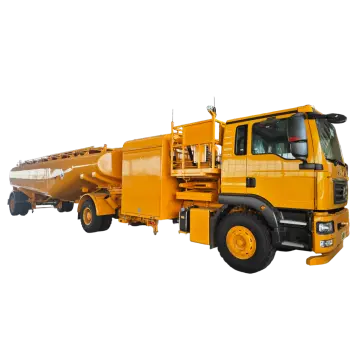
Integrated pumping system, advanced filtration, metering unit, and pressure control systems for efficient aviation fuel handling.
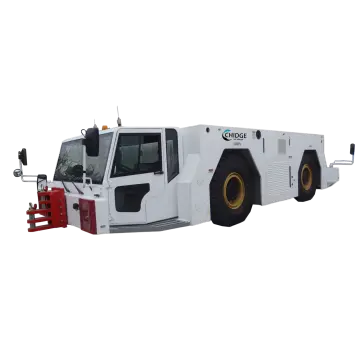
Designed for heavy widebody aircraft pushback operations, delivering exceptional tractive effort and high chassis rigidity.
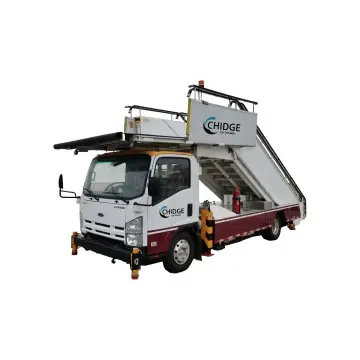
Self-propelled electric passenger boarding stairs engineered with non-slip treads and modern safety sensors.
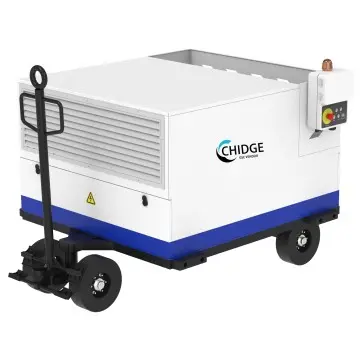
Towable GPU system designed to reduce fuel consumption and emissions while parked on the ramp.
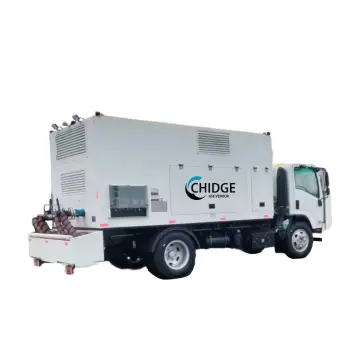
Delivers high-flow compressed air to start main aircraft engines on a variety of aircraft sizes.
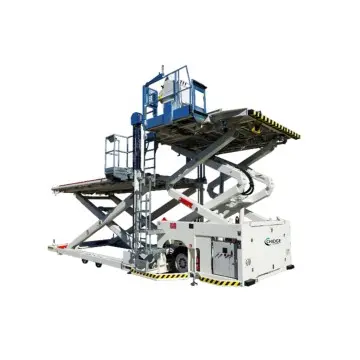
Heavy-capacity dual-platform hydraulic cargo loader designed for main deck and lower deck compatibility.
Addressing Stage V integration, hybrid powertrains, and telematics-driven preventive maintenance.
As international aviation frameworks target net-zero carbon operations, the trajectory of diesel baggage towing tractors is evolving. Rather than a simple swap to battery power, many airports are adopting a multi-tiered approach. This includes integrating Stage V engines that use Hydrotreated Vegetable Oil (HVO) fuel. These drop-in renewable diesel options reduce net CO2 emissions by up to 90% without requiring mechanical modifications to existing fuel storage systems or engine configurations.
Additionally, modern fleet operations are moving toward IoT-enabled telematics units. These onboard systems monitor critical parameters in real-time, including transmission fluid temperatures, diesel particulate filter load, brake pressure, and fuel consumption trends. This data enables predictive maintenance schedules that prevent breakdown events on active taxiways. It also optimizes route planning, minimizing idling periods in high-congestion cargo loading zones.
All diesel towing tractors and GSE components comply with international standards. Manufacturing processes adhere strictly to ISO 9001:2015 quality guidelines and satisfy the safety requirements of IATA AHM 910, 913, and 915. Vehicles destined for EU and UK operations carry full CE markings, confirming compliance with Machinery Directive standards. Testing protocols verify structural load limits, cab roll-over protection (ROPS) strength, and steering geometry, ensuring operator safety and long service lives under demanding ground handling schedules.
Providing maintenance support, quick-response spare parts logistics, and structural warranty coverage.
Our customer base includes major airlines, courier services, cargo hubs, and international airport operators. We establish long-term service agreements that cover replacement parts, engine overhaul packages, and diagnostic training for local maintenance personnel.

Addressing common technical, shipping, and maintenance queries from airport procurement and operations teams.
Select cargo dollies, enclosed luggage carts, and heavy duty airport dollies to optimize airport ramp logistics.
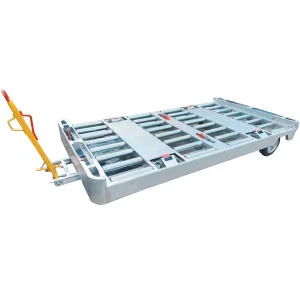
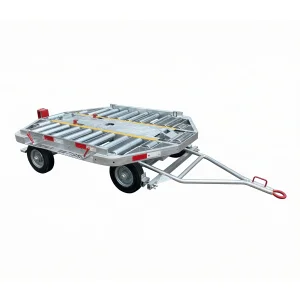
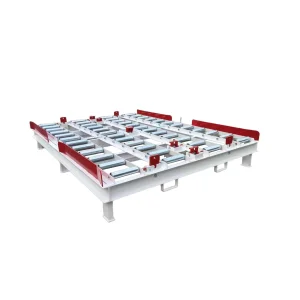
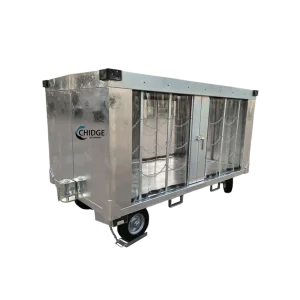
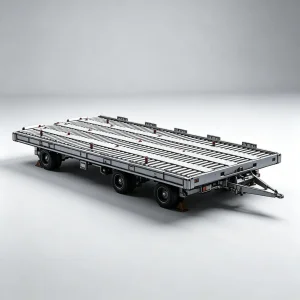
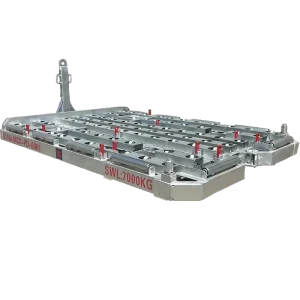
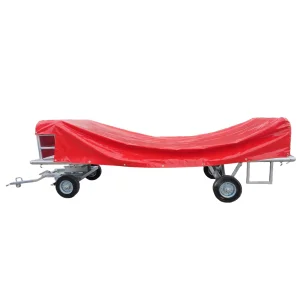
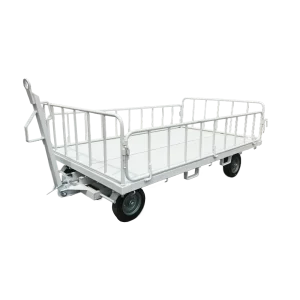
Insights into ground support equipment innovations, global standards, and fleet management technologies.
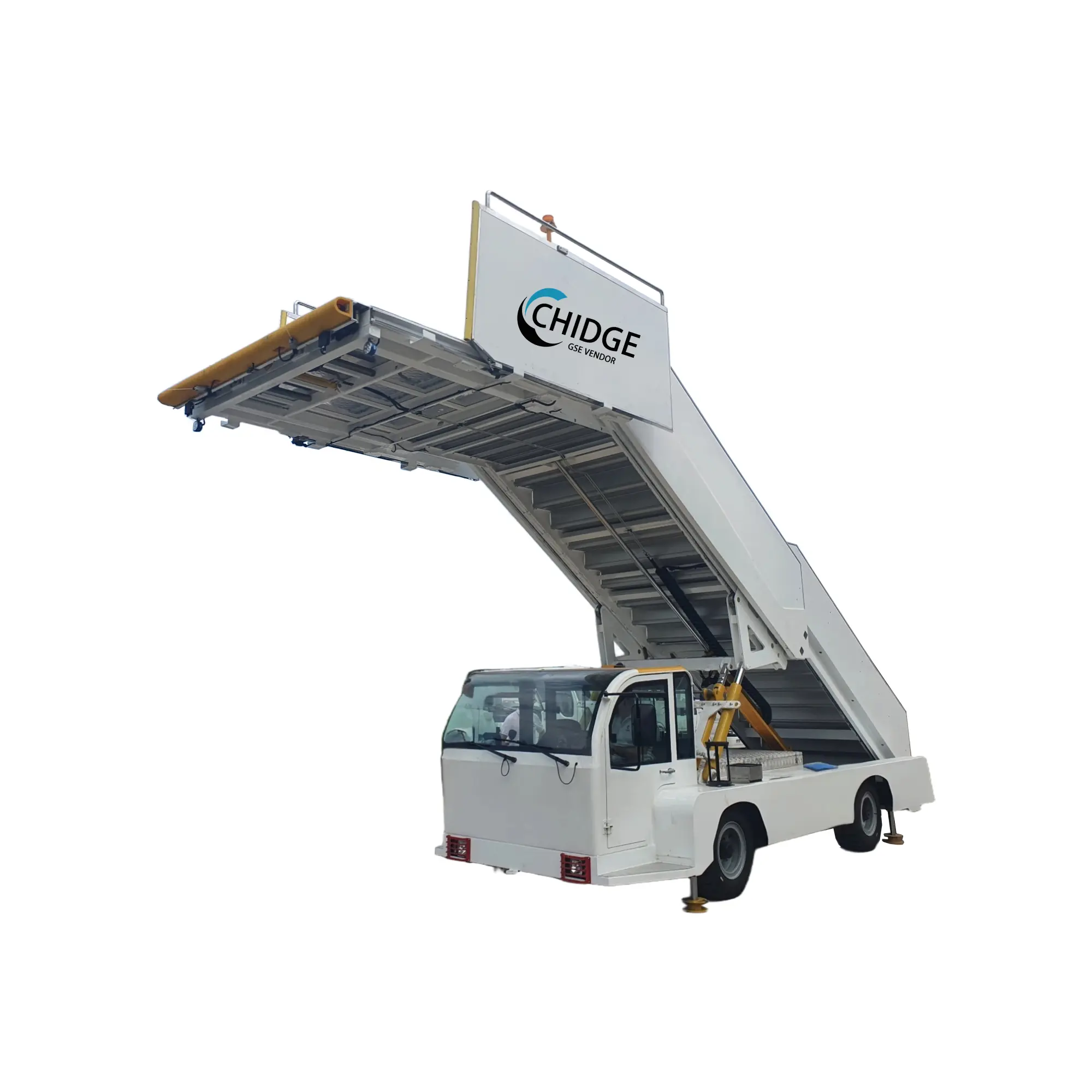
An in-depth look at Passenger Boarding Stairs, examining height accessibility, structural load capacities, and the transition from towable to self-propelled systems.
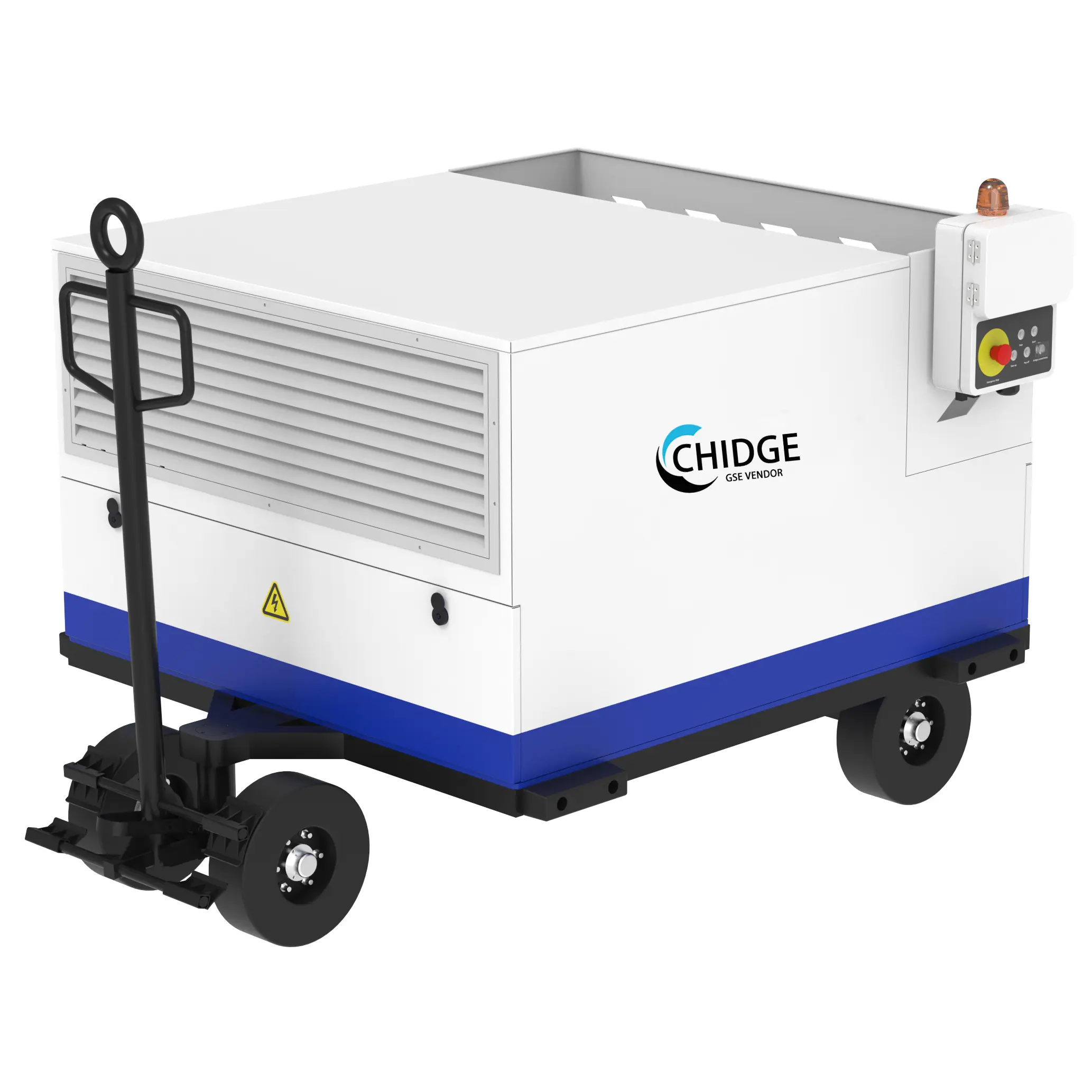
Analyzing the role of battery-hybrid ground power units in reducing fuel consumption and exhaust emissions during passenger boarding and system tests.
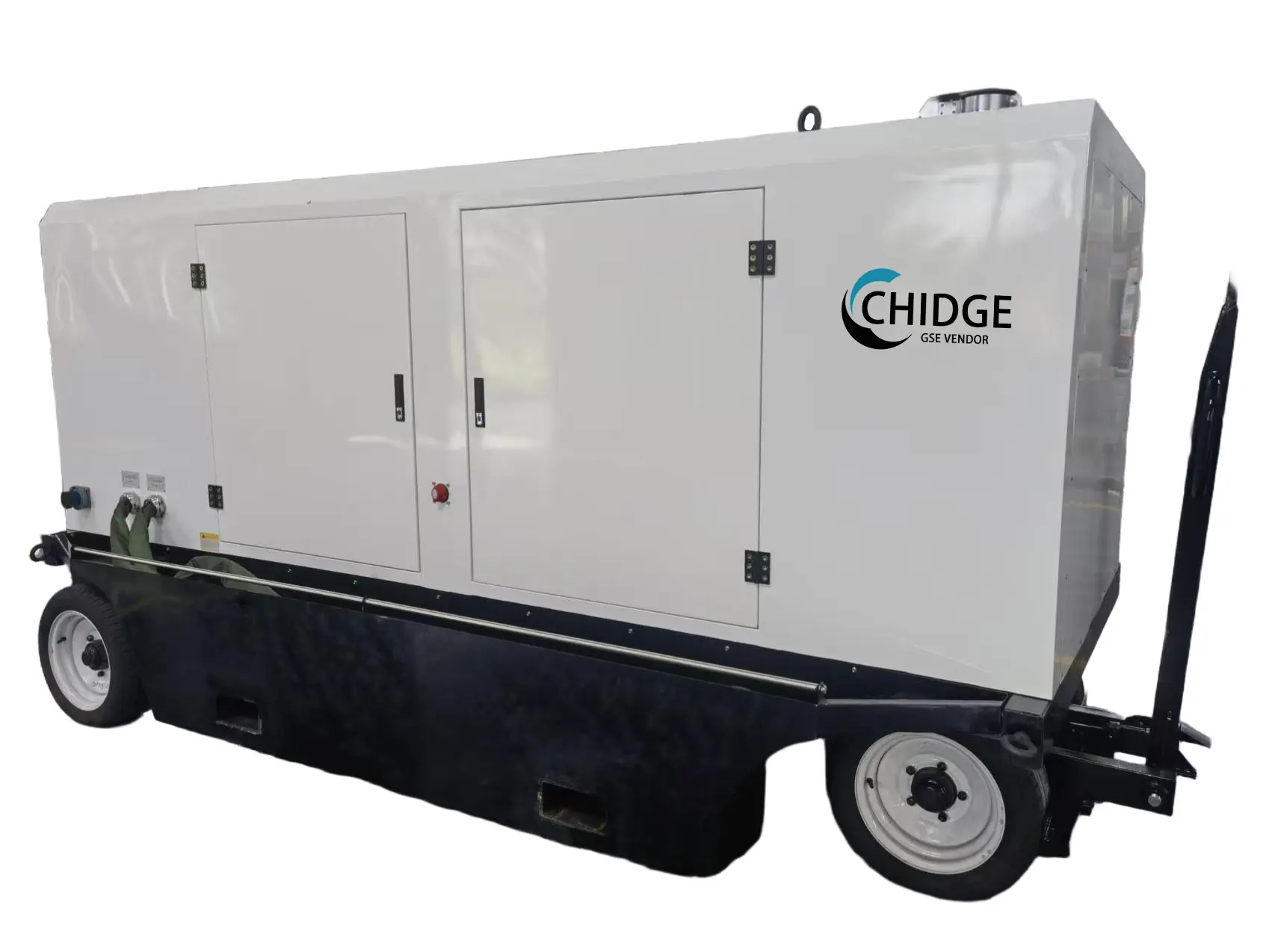
GSE systems supply electrical power to parked aircraft, enabling system checks, pre-flight preparation, and passenger boarding without running the main engines. Truck-mounted options offer versatile mobility for modern airports.
 Chidge Dolly