Analyzing B2B Engineering Paradigms, Decarbonization Requirements, and Structural Standardizations for Next-Generation Aerodrome Handling.
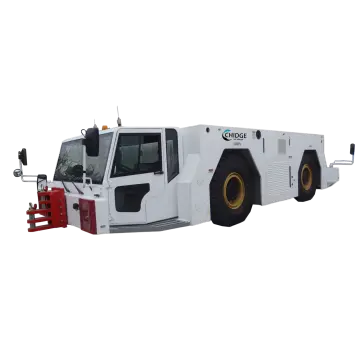
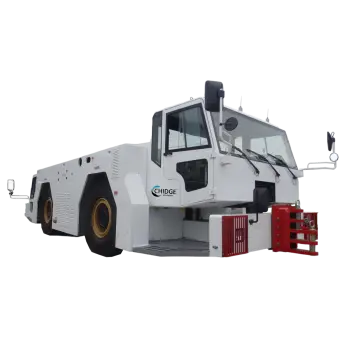
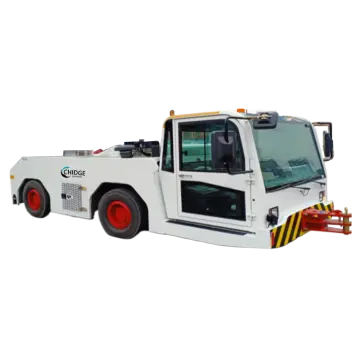
In modern aviation hub logistics, the efficacy of ground support equipment (GSE) is directly tied to turnaround times, fuel conservation, and safety protocols. Among these specialized vehicles, the CD-T150 Aircraft Towing Tractor holds a critical position. Designed to manage commercial transport aircraft within the 150-metric-ton Maximum Ramp Weight (MRW) threshold, this class of tractor bridges regional jets with mid-range widebody passenger and cargo configurations. Selecting an engineered towing tractor involves an evaluation of drawbar pull capacity, transmission mechanics, and steering dynamics.
A premier ground handling operation requires equipment designed for both operational versatility and mechanical longevity. As major international airports undergo digital and green transitions, tractor systems must meet strict requirements for chassis engineering, hydraulic feedback loop automation, and electronic controls compatibility. The production lines of China's leading GSE manufacturers reflect these updates, deploying high-strength steel fabrication, modular electronics, and dual-power options (advanced diesel and Lithium-ion battery packs) that align with global compliance mandates.
Understanding Key Requirements for Fleet Managers, Airport Authorities, and Ground Handlers.
For B2B procurement professionals, sourcing aircraft towing tractors requires balancing initial capital expenditure (CAPEX) with long-term operational expenditure (OPEX). Sourcing directly from Chinese GSE manufacturing centers provides distinct advantages. The integration of domestic supply chains for heavy hydraulic motors, robust structural weldments, and Tier-4/Stage-V compliant power plants delivers high performance at a competitive cost structure. Key factors analyzed by procurement committees include:
From Hydrostatic Drive Systems to Electrification and Semi-Autonomous Airport Taxiing.
Lithium Iron Phosphate (LFP) battery packs operating on 350V–650V architectures are replacing traditional diesel drivetrains. These systems feature integrated liquid cooling, smart battery management (BMS), and support for 150kW DC fast charging, enabling opportunistic charging during ground handling breaks.
Advanced Driver Assistance Systems (ADAS) featuring LiDAR, short-range radar, and 360-degree cameras prevent collisions with ground personnel, catering trucks, and fuselage structures. Full autonomy for hangar positioning and towing path tracking is in active testing.
Electronic torque vectoring adjusts the power delivered to each wheel. This dynamic modulation reduces tire wear and prevents slippage on icy, wet, or grease-stained ramp surfaces, maintaining steady control during nose-gear towing.
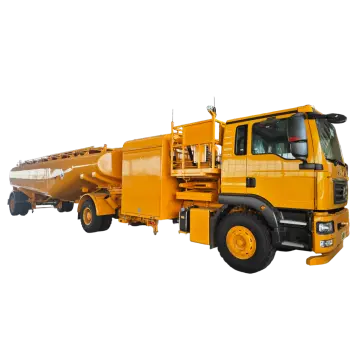
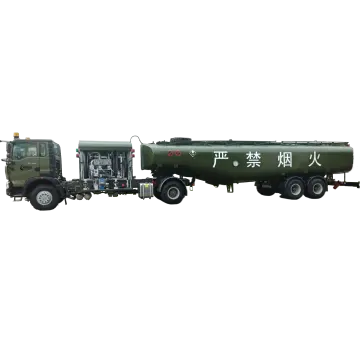
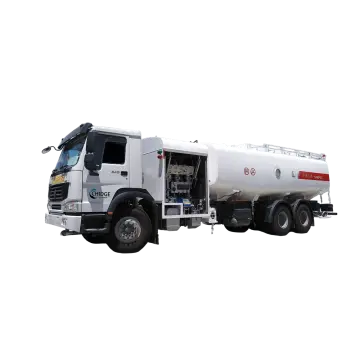
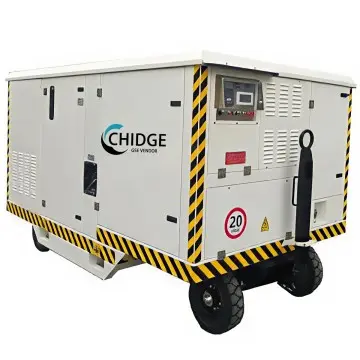
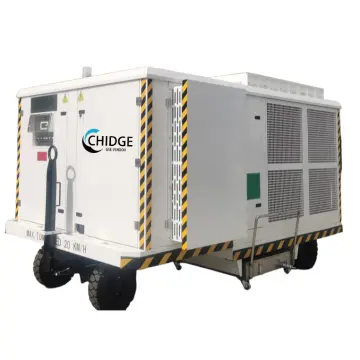
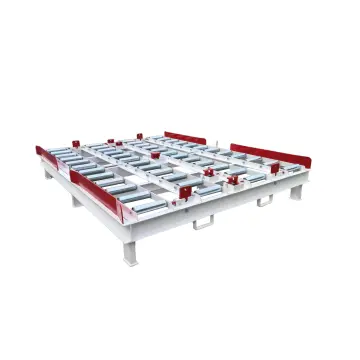
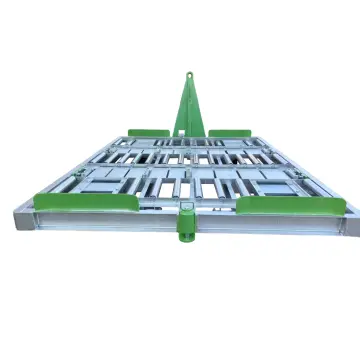
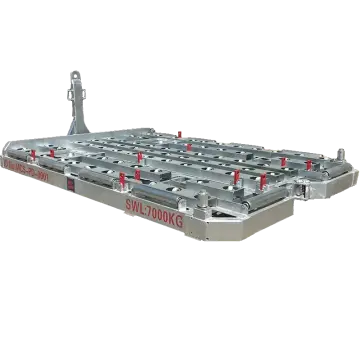
Explore our complete engineering catalog, including fueling systems, transport dollies, cabin climate units, and aircraft pushback tractors.
Optimizing turn times, ground operations safety, and GSE life-cycle management.
Ground handling organizations operate under strict turnaround windows. Fleet delays generate substantial financial penalties, meaning GSE reliability is a core metric. Addressing these pressures requires a comprehensive operational framework rather than simply upgrading isolated vehicles.
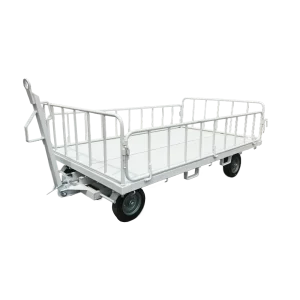
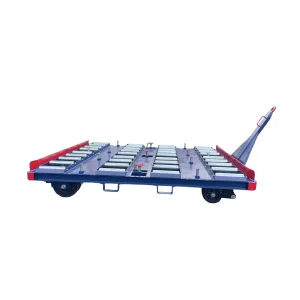
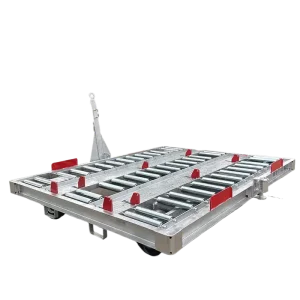
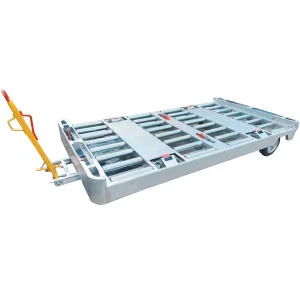
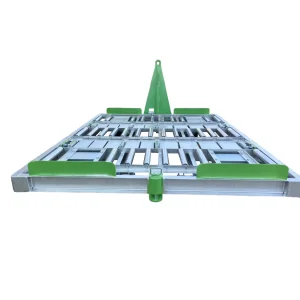
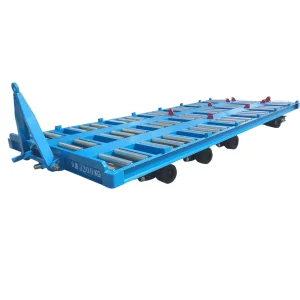
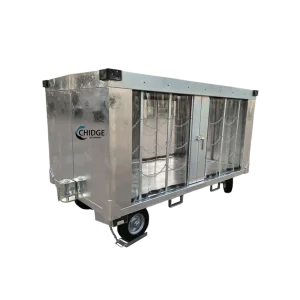
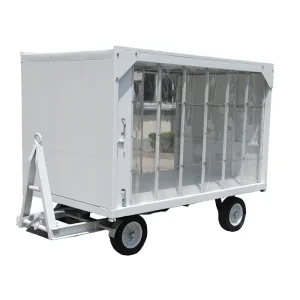
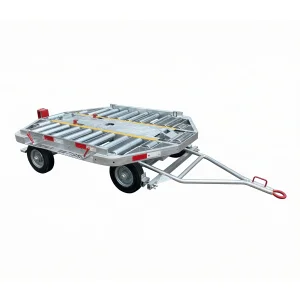
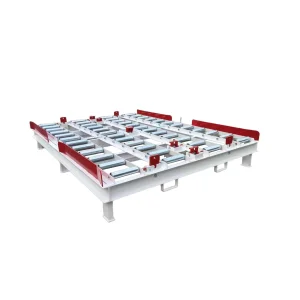
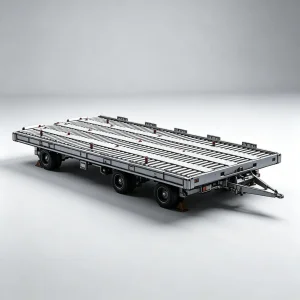
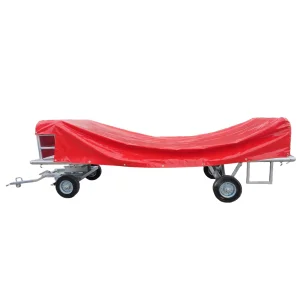
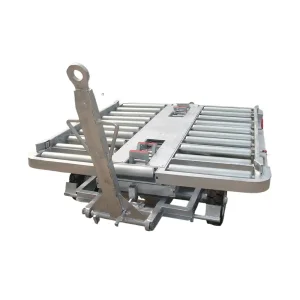
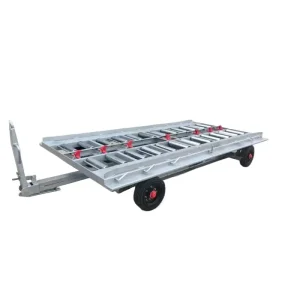
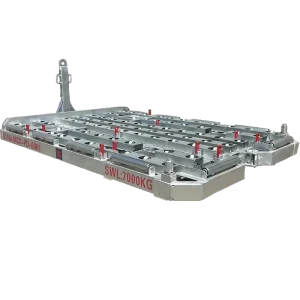
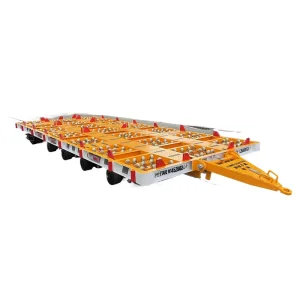
Leading Chinese factories provide structured, system-wide logistics solutions. By combining the CD-T150 Aircraft Towing Tractor with matching slave pallet dollies, enclosed luggage carts, container dollies, and advanced aircraft refueling systems, airports can standardize their equipment fleets. This standardization simplifies training programs, reduces parts storage requirements, and makes maintenance schedules more predictable.
Additionally, modern airports face strict localized environmental regulations. Sourcing electric or hybrid GSE helps airport managers align with decarbonization targets (such as ACA - Airport Carbon Accreditation). This transition is supported by battery charging infrastructures designed to supply power without overloading airport grids.
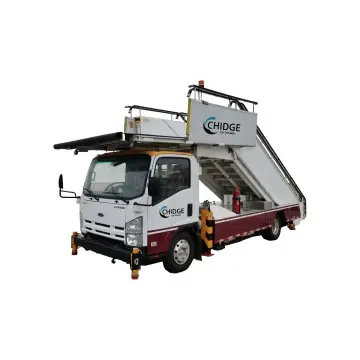
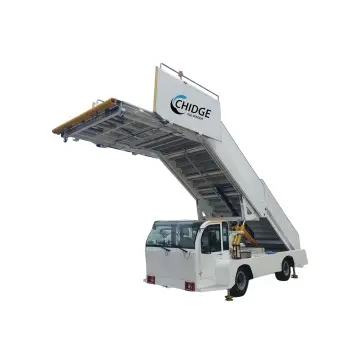
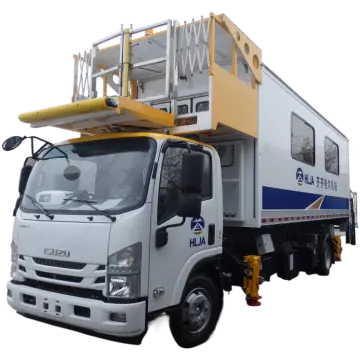
From aircraft pushbacks and heavy loaders to passenger stairs and luggage carts, our portfolio covers the full range of ground support requirements.
We work with international logistics providers and air carriers to deliver custom material-handling equipment that complies with local regulations.
A comprehensive inventory of airport solutions designed to perform reliably in diverse climates, from sub-zero northern runways to tropical cargo yards.
Designing Ground Support Equipment to Meet Local Regulations and Specific Climatic Requirements.
GSE systems must adapt to varying operational environments. A standard tow tractor configuration may require modifications to perform effectively in extreme conditions—such as the high temperatures of the Middle East, high-humidity coastal climates, or the sub-zero winters of Northern Europe. Recognizing this, our manufacturing facilities specialize in tailored OEM and ODM solutions.
Our collaborative design process integrates specialized configurations to meet regional demands:
From initial concept through prototype validation and mass production, we provide end-to-end support to ensure all custom machinery complies with international safety and performance standards.
Continuous R&D integrates the latest CAD simulations, structural stress analysis, and electric drive developments directly into the production line.
Strict QA protocols, magnetic particle testing on welds, and load testing ensure long-term durability on active runways.
Global logistics management, containerized shipping systems, and on-site assembly assistance ensure quick equipment deployment.
Rapid response systems providing replacement parts, remote diagnostic support, and on-site technician training programs.
Follow recent market reports on ground support technology, safety updates, and green airport initiatives.
An evaluation of modern boarding stair engineering, analyzing self-propelled drive systems, height-adjustment mechanics, and safety systems designed to prevent fuselage impact.
A study on the integration of mobile lithium-ion storage units on airport ramps, offering a low-emissions alternative to diesel generator systems.
Examining solid-state 400Hz frequency converters and vehicle-mounted GPUs. Highlighting how quiet, efficient ground power reduces aircraft APU runtimes and conserves jet fuel.
Clear, direct answers to common questions regarding specifications, safety certifications, and customization.
 Chidge Dolly