In modern aviation infrastructure, the efficiency of ground handling operations directly dictates airline profitability and safety. As airports transition toward high-density operations, optimizing the critical minutes between block-on and block-off becomes paramount. At the heart of this turnaround cycle sits the Aircraft Pushback Tractor—a highly engineered vehicle designed to handle massive structural loads while navigating precision corridors.
"For aviation procurers, airline fleet operators, and military logistics hubs, selecting a manufacturing partner in China represents more than a cost-reduction strategy. It is an investment in cutting-edge hydraulic engineering, localized regulatory compliance, and unmatched supply chain flexibility."
China has emerged as the global epicenter for Ground Support Equipment (GSE) manufacturing. Through heavy investment in robotic fabrication, automated welding, and state-of-the-art hydraulic testing facilities, Chinese factories deliver equipment that complies with international standards, including IATA AHM (Airport Handling Manual) guidelines, CE markings, and local CAAC requirements. This whitepaper analyzes the core metrics, supply chain benefits, and engineering milestones that define China's aircraft pushback industry.
The competitiveness of China's GSE factories is built on a foundation of industrial clustering and advanced logistics. Unlike fragmented markets, Chinese manufacturers operate within specialized economic zones where raw steel processing, precision component casting, hydraulic cylinder fabrication, and electrical control systems design happen within a 50-mile radius.
By owning the processes from plate cutting to sandblasting and final paint coating, factories maintain strict quality oversight, minimizing third-party delays.
Key components such as Deutz engines, Dana transmissions, and Rexroth hydraulics are integrated directly to ensure global part availability and local serviceability.
With rapid prototyping capabilities, engineering teams adapt standard models to extreme temperature operations or specific airport docking constraints within weeks.
Explore our comprehensive engineering portfolio, highlighting our design precision in towing tractors, refueling trucks, cargo handling solutions, and passenger boarding stairs.
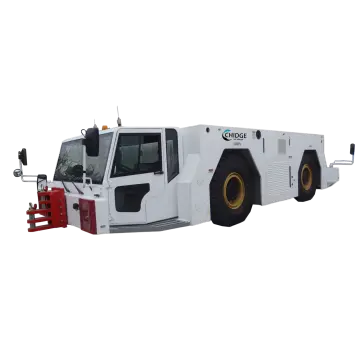
Designed for ultra-widebody aircraft. Engineered to handle large passenger liners safely and reliably under severe operational constraints.
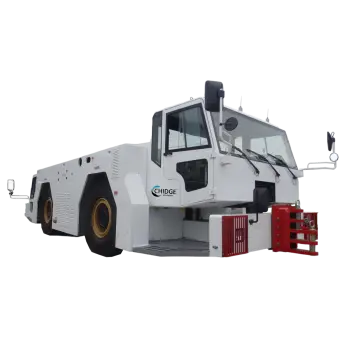
The sweet spot for mid-to-large commercial aircraft pushbacks. Features four-wheel drive and four-wheel steer capabilities.
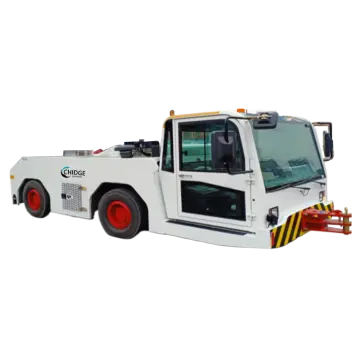
Highly maneuverable and efficient tractor optimized for narrow-body and regional aircraft ground handling requirements.
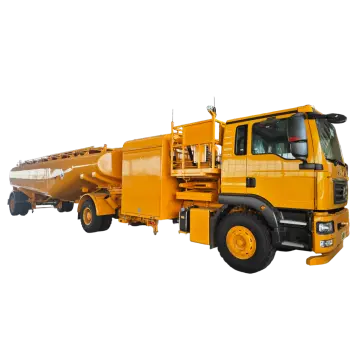
Equipped with high-precision filtration, metering systems, and pressure controllers to prevent surge damage.
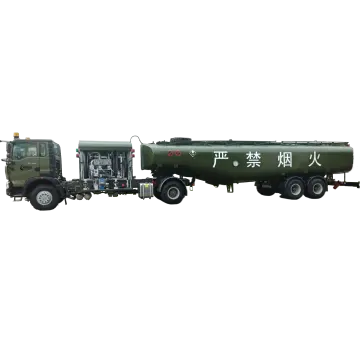
Heavy-capacity fuel transport featuring self-circulation mechanisms and advanced ground safety controls.
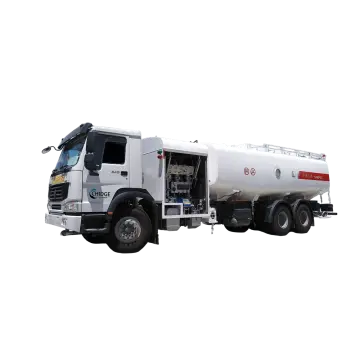
A standard-setting mobile fuel system designed for rapid integration with international airport safety systems.
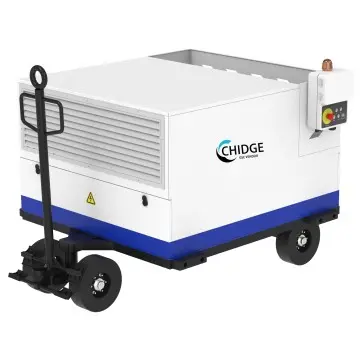
Zero-emission battery electric Ground Power Unit supplying clean 400Hz electricity for parked aircraft.
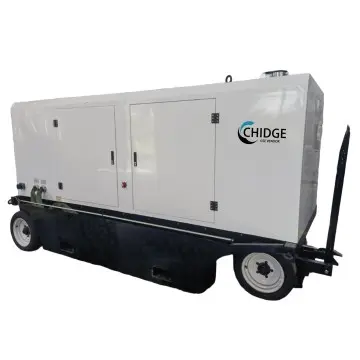
Reliable, solid-state frequency converter designed for harsh ramp operations with stable voltage delivery.
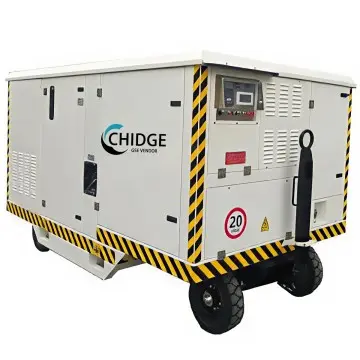
Heavy-duty diesel heating system keeping aircraft cabins at regulated temperatures during ground cycles in extreme subzero regions.
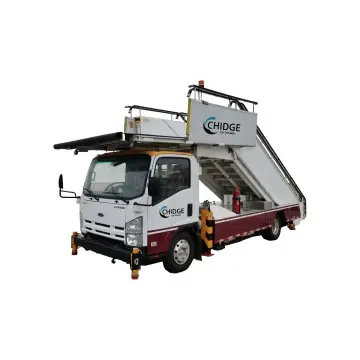
Fully electric drive configuration featuring a telescoping ladder structure to align smoothly with varying door sills.
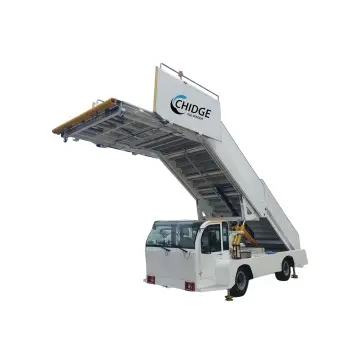
Heavy diesel platform featuring mechanical stabilizer jacks and non-slip step illumination for all-weather boarding safety.
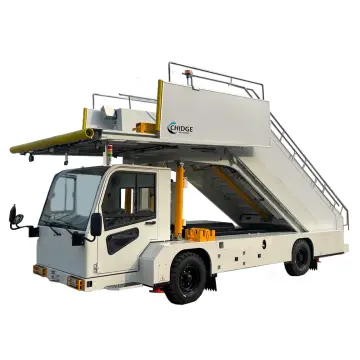
Engineered for high-capacity regional terminals with responsive steering geometries to access tight aircraft gates.
Procuring aviation equipment requires absolute adherence to strict regional and global safety standards. A failure in reliability at the gate can lead to operational delays, severe structural damage to the aircraft skin, or personnel injury. Chinese manufacturers prioritize international benchmarks during the conceptual phase.
All heavy machinery complies with the IATA AHM 910 (General Requirements for Ground Support Equipment), AHM 913 (Safety Standards for GSE Design), and AHM 955 (Functional Specifications for Aircraft Towing Tractors). For European operations, systems carry complete CE conformity marks (EN 12312 standards covering specific ground equipment safety).
To ensure zero downtime, leading exporters form strategic partnerships with local ground service agents and distributors in North America, Europe, the Middle East, and Southeast Asia. These programs include rapid air shipping of crucial hydraulic filters, diagnostic components, and electronic modules, paired with virtual training sessions for maintenance crews.
The Ground Support Equipment sector is undergoing its most significant transition in half a century. Driving this change is the push toward net-zero aviation operations and the integration of automated guidance systems to lower the risk of human error during aircraft positioning.
Lithium-Iron Phosphate (LiFePO4) battery technology has matured to match internal combustion engines in continuous high-torque drawbar pull. Electric tow tractors reduce terminal emissions and offer lower maintenance overhead.
Integrated cellular and GPS modules stream real-time data to terminal dispatch centers. Fleet managers can monitor hydraulic pressures, battery state of charge (SoC), and diagnostic trouble codes immediately.
Advanced LiDAR, ultrasonic sensors, and camera arrays are increasingly standard. These systems alert operators when close to aircraft landing gear struts, preventing costly ground damage.
Ground situations vary drastically by terminal design, fleet mix, and regional climate. Our factories specialize in custom build-to-order projects to meet client specifications.
Using solid 3D modeling and Finite Element Analysis (FEA), design engineers simulate stresses on tow points and chassis frames to guarantee structural safety factors under max loads.
Automatic welding robots perform consistent, high-penetration joints on carbon steel frames, ensuring long-term fatigue resistance during heavy-duty towing operations.
Every vehicle undergoes dynamic drawbar load tests, hydraulic pressure testing, and multi-hour operation runs before shipment to match global performance parameters.
Advanced 3D modeling, simulation tooling, and smart control system design keep our product lineup at the forefront of the GSE industry.
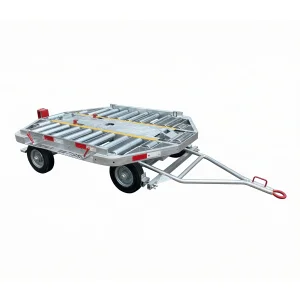
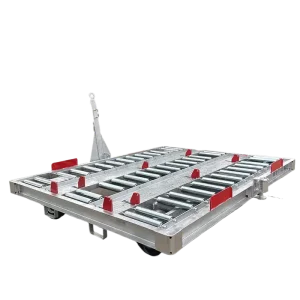
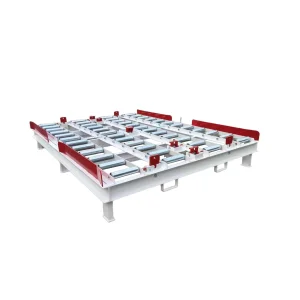
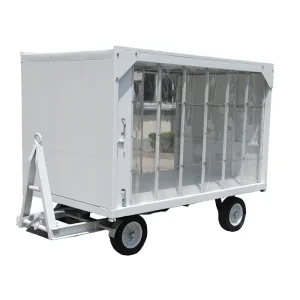
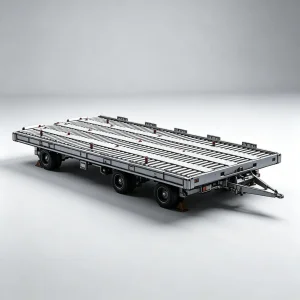
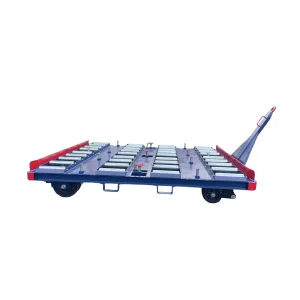
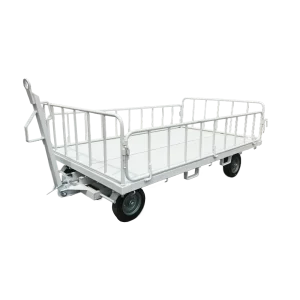
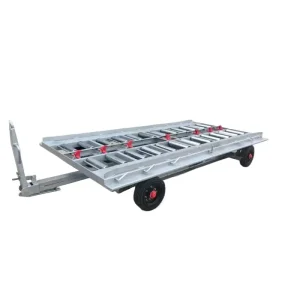
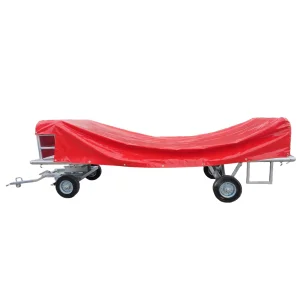
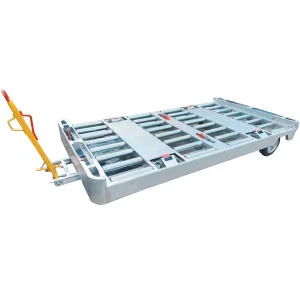
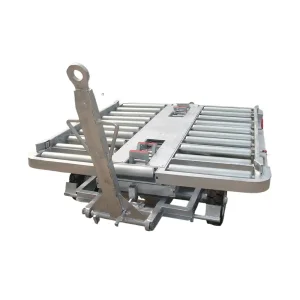
Strict quality inspections guarantee our pushbacks, dollies, and loaders withstand the mechanical stresses of high-density air cargo operations.
Through optimized logistics networks, we offer competitive shipping schedules, ensuring your fleet additions arrive at the ramp on time.
We support operators with long-term replacement parts supply, technical consultations, and localized training to maximize equipment uptime.
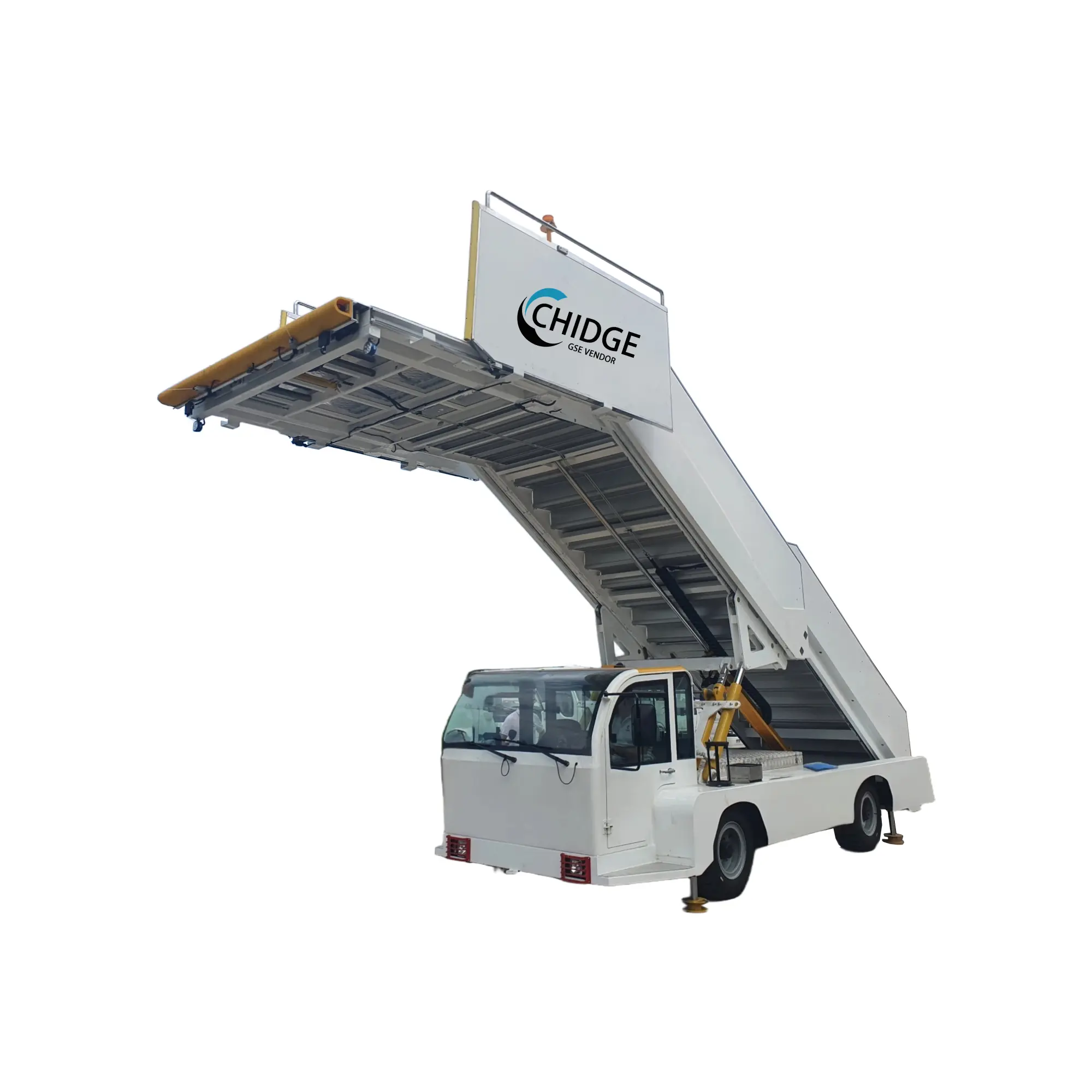
An in-depth look at boarding stair designs, focusing on safety railings, hydraulic leveling, and alignment protocols for high-density airports.
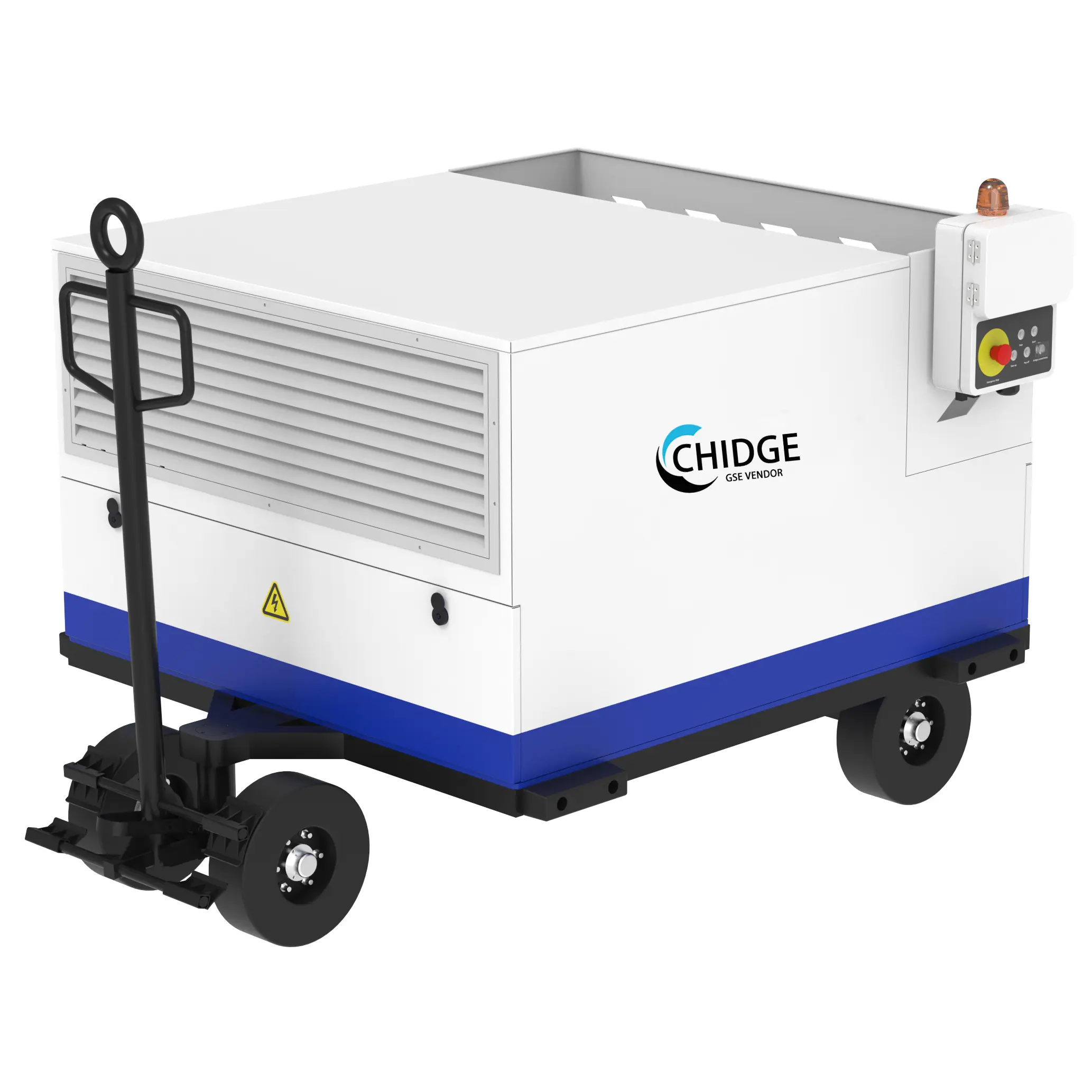
How lithium storage technology is transforming ground operations, allowing airports to reduce auxiliary engine run times and lower noise pollution.
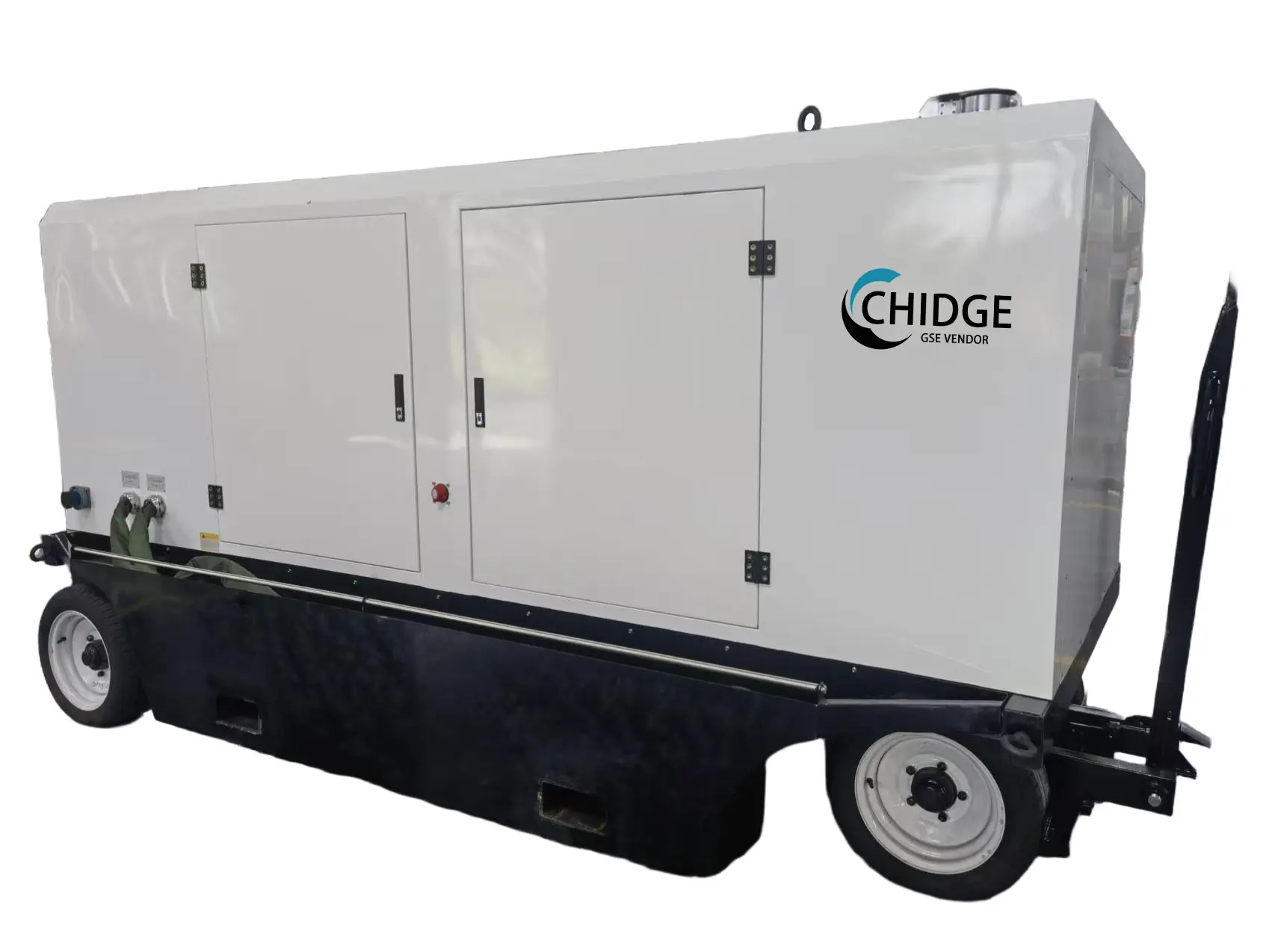
Analyzing solid-state conversion vs. rotary engines. Understanding electrical power needs for systems checks on commercial narrowbodies.
Our mission is to help commercial airlines and cargo providers upgrade their ground operations with durable equipment. By combining manufacturing expertise with flexible delivery, we provide tailored ground handling support globally.
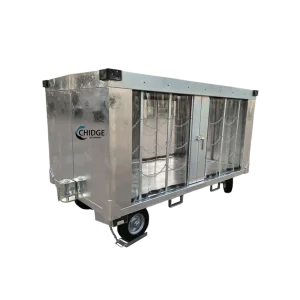
 Chidge Dolly