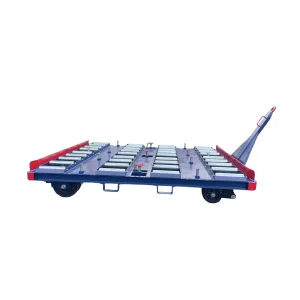
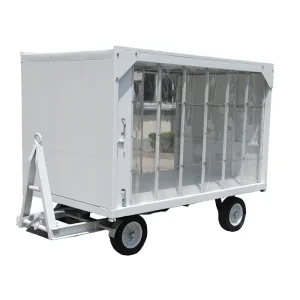
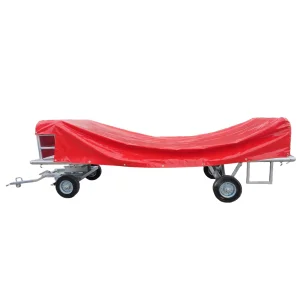
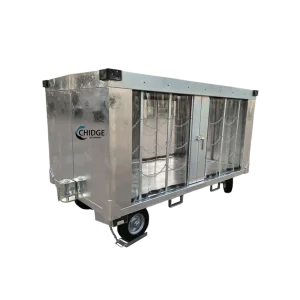
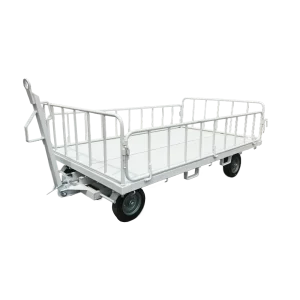
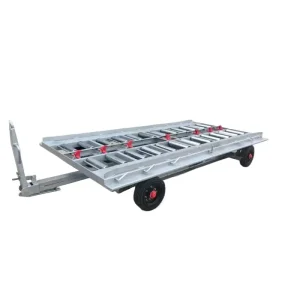
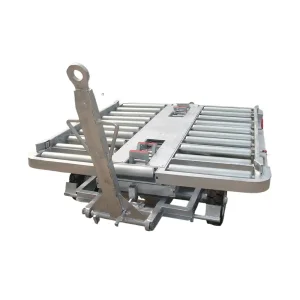
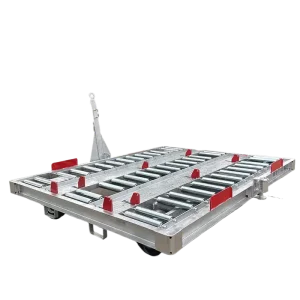
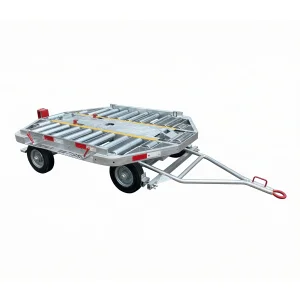
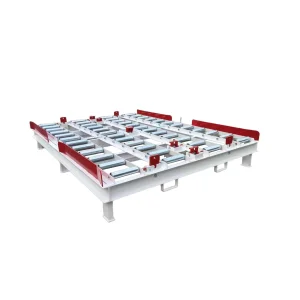
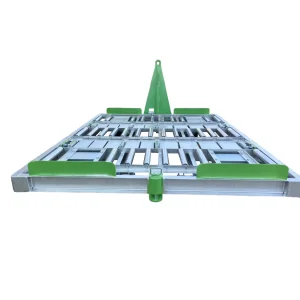
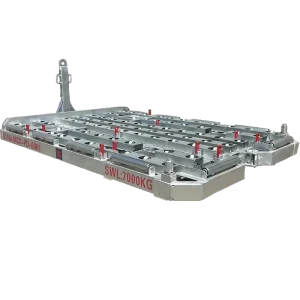
Engineered for extreme dynamic loads, swift cargo transshipment, and seamless compliance with airport ramp safety standards.
In the complex, fast-paced world of airport operations, ramp optimization and fast turnarounds dictate profitability. At the center of this ecosystem are Aircraft Ground Power Units (GPUs) and Ground Support Equipment (GSE). These highly engineered units act as the life support system for commercial, military, and private aircraft while stationary on the ramp. By delivering vital electrical power, conditioned air, and pneumatic starting pressure, ground power equipment allows aircraft engines to remain shut down during pre-flight checks, passenger boarding, and routine maintenance operations. This reduces fuel burn, minimizes greenhouse gas emissions, and extends the operational lifespan of the aircraft's onboard Auxiliary Power Unit (APU).
As a leading developer and manufacturing conglomerate in China, our factories are dedicated to delivering heavy-duty aviation ground equipment that withstands the testing conditions of global transportation hubs. From rugged cargo tow trailers to state-of-the-art solid-state and battery-powered frequency converters, our equipment integrates advanced controls and power architectures tailored for global airports and demanding logistics corridors.
Why leading global carriers and logistics companies source their ground support equipment directly from our advanced Chinese factories.
Our product design and manufacturing utilize advanced materials science, computerized structural analysis, and finite element modeling. This yields lower unladen weights, elevated payload tolerances, and high structural safety factors.
We deploy rigorous quality testing across all production stages. High-precision laser cutting, robotic welding, and specialized surface treatments protect equipment from corrosion, weathering, and severe ramp wear.
Through robust raw material sourcing, tight inventory control, and strategic partnerships with logistics networks, we minimize delivery lead times. We maintain production agility even during high global demand spikes.
Quality after-sales engineering resolves operations queries, speeds up commissioning, and secures high uptime. We provide structural spare parts, components, and direct technical consultations worldwide.
All GSE designs undergo structural certifications matching international safety requirements, complying with CE certifications, ISO 6858, and relevant IATA Airport Handling Manuals (AHM).
We supply extensive OEM and ODM solutions. We adapt layouts, chassis lengths, electrical hookups, and payload specifications to meet specific airframe requirements and municipal policies.
Measurable engineering standards achieved across major international transportation hubs.
A modern commercial aircraft demands extremely stable, high-quality electricity when parked. Unlike conventional building grids operating at 50Hz or 60Hz, aviation avionics are designed for 3-phase 115V AC power vibrating at 400Hz, alongside auxiliary 28V DC systems. Sourcing from experienced manufacturers ensures your Ground Power Units preserve the onboard instrumentation and avionics systems of modern airliners such as the Airbus A350, Boeing 787, and various narrow-body aircraft.
Our factory catalog includes advanced 90KVA Aircraft Ground Power Units, Aircraft Ground Static Power configurations, and next-generation Energy Storage Towable Ground Power Units. These systems feature solid-state frequency converters that achieve up to 95% energy efficiency. Equipped with dual-channel output configurations, these converters maintain voltage drops within ±1% during sudden 100% load variations, which avoids triggering onboard aircraft under-voltage protection systems.
| Parameter | Solid-State Static Converter | Diesel Generator GPU | Energy Storage GPU (Lithium) |
|---|---|---|---|
| Output Frequency | 400Hz ± 0.01% | 400Hz ± 1% | 400Hz ± 0.01% |
| Harmonic Distortion (THD) | < 2% (Linear Load) | < 3% (Linear Load) | < 2% (Linear Load) |
| Acoustic Footprint | < 65 dB(A) at 1m | > 85 dB(A) at 7m | < 55 dB(A) at 1m |
| Maintenance Interval | Over 15,000 Hours | 250 Hours (Engine checks) | Over 20,000 Hours |
| Carbon Emissions | Zero local emissions | High CO2 & NOx emissions | Zero local emissions |
Apart from electrical parameters, parked aircraft depend on external support systems for engine startup and passenger comfort.
Refueling systems require reliable pressure management, filtration, and safety systems. Our heavy-duty refuellers, including the CD5207GJJ, CD5580GJJ, and CD5341GJJ Aircraft Tank Refueling Trucks, feature advanced chassis, high-capacity oil tanks, precision pumping assemblies, and complex control blocks.
These refuellers feature integrated water-separation filtration, optical overfill sensors, and deadman safety control loops. They comply with critical international refueling standards, including Joint Inspection Group (JIG) requirements and EI 1581 filtration parameters. This ensures aviation turbine fuel (Jet A-1) is transferred dry and contaminant-free under controlled pressures to protect wing structures.
Global ground handling agents and procurement directors prioritize reliability and cost-efficiency. Sourcing ground equipment from our Chinese production ecosystem provides critical operational advantages:
Aviation ground equipment must remain functional across diverse climatic conditions. Our systems are engineered to operate reliably in these challenging environments:
The ground handling industry is transitioning toward clean energy and smart fleet connectivity:
Collaborating with global airlines, airport authorities, and defense logistics providers to deliver custom ground handling equipment.
Our mission is to provide reliable, highly engineered ground support systems that help operators maximize ramp efficiency and safety.

We work with fleet buyers to customize dimensions, towing connectors, structural frames, and electrical setups, aligning each delivery with local operational guidelines.
Our logistics teams manage international container loading, heavy-cargo transport, and roll-on/roll-off shipping, ensuring secure, timely delivery to global ports.
Every equipment series undergoes strict factory testing to verify structural load capacity, hydraulic seal integrity, and electrical output quality under simulated peak load conditions.
Explore industry analyses, equipment guides, and technical explanations regarding ground support logistics.
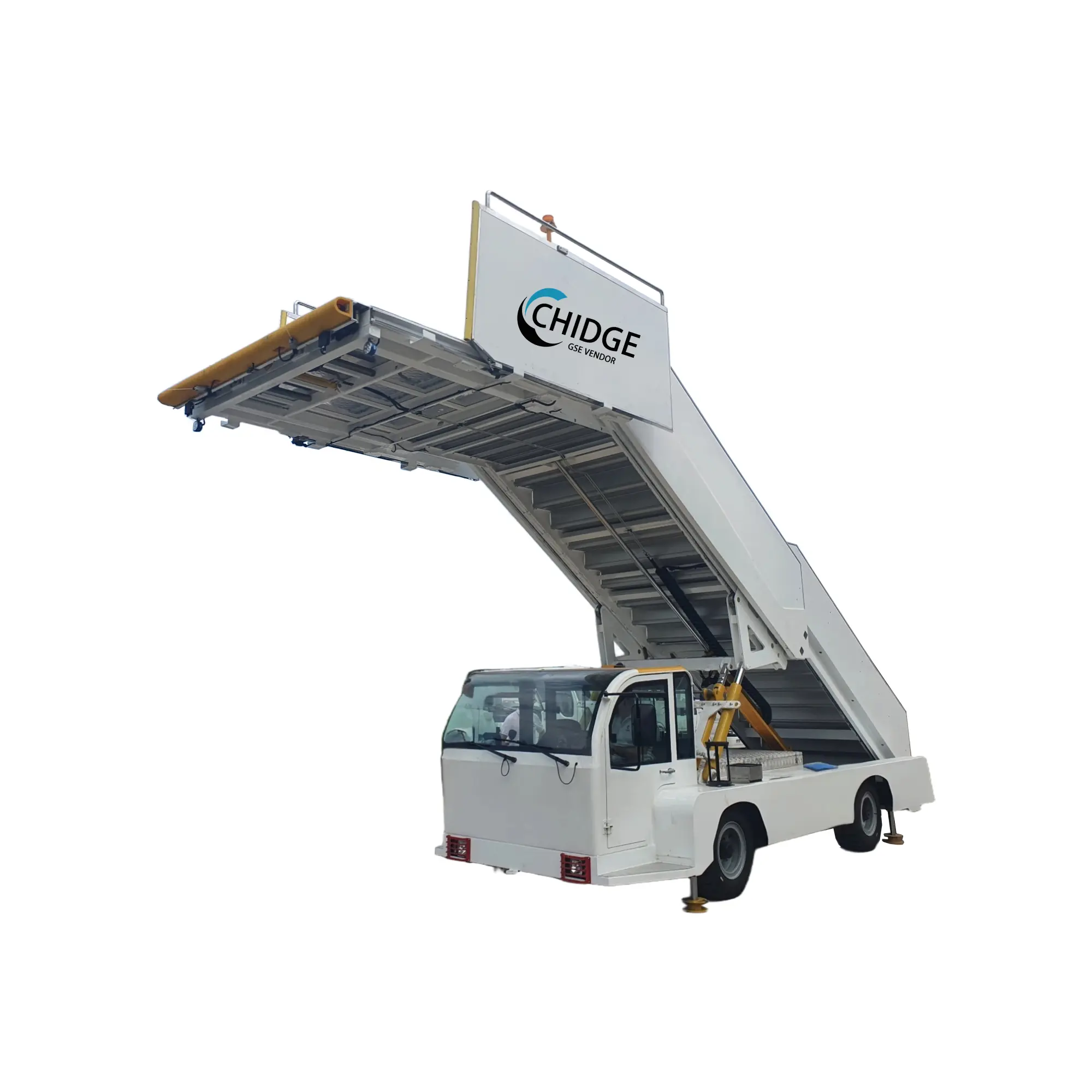
Discover the design features and safety systems of modern boarding stairs, including self-propelled models, adjustable platforms, and built-in slip resistance.
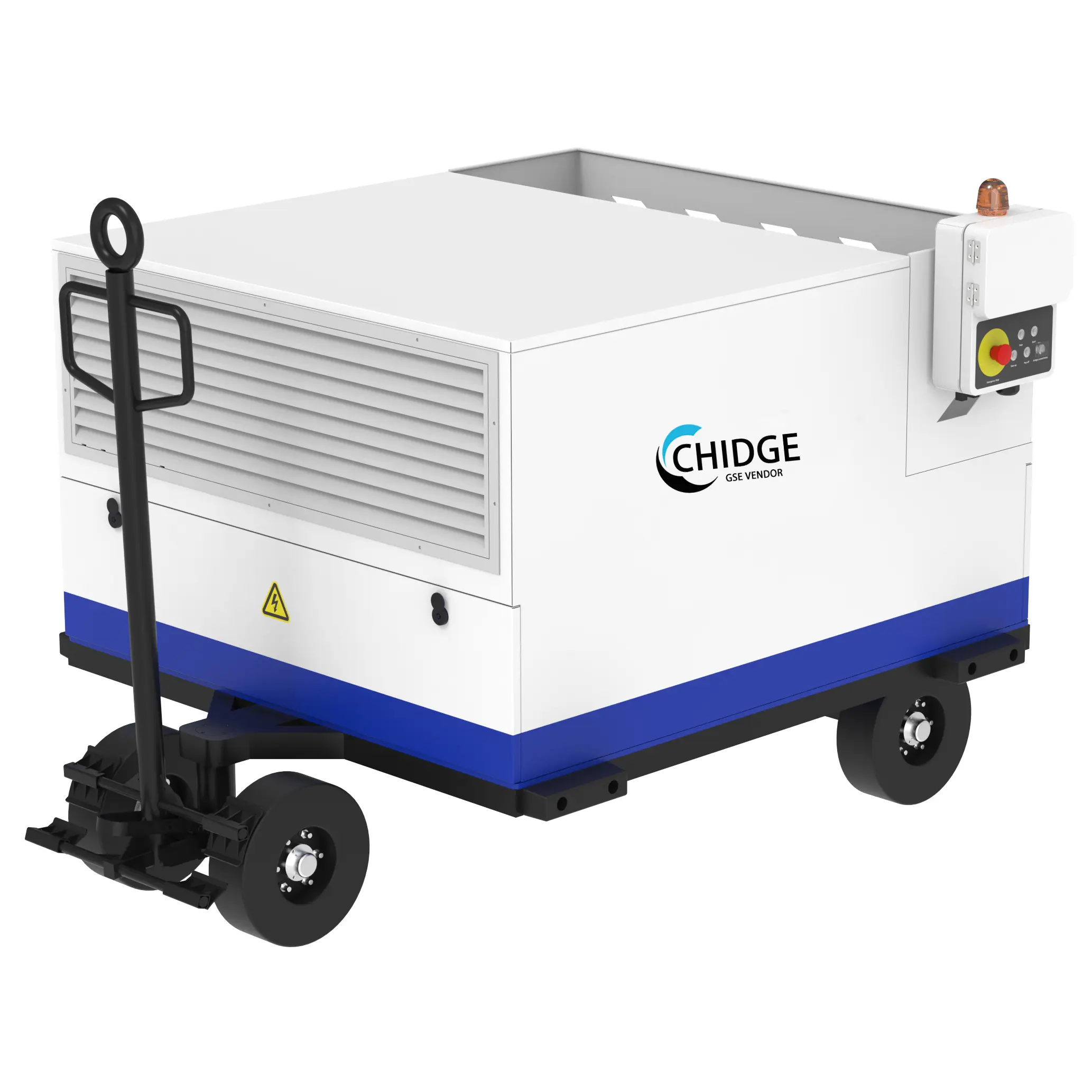
An in-depth look at lithium-battery ground power units, focusing on battery safety systems, zero-emission operation, and how they help airports meet sustainability targets.
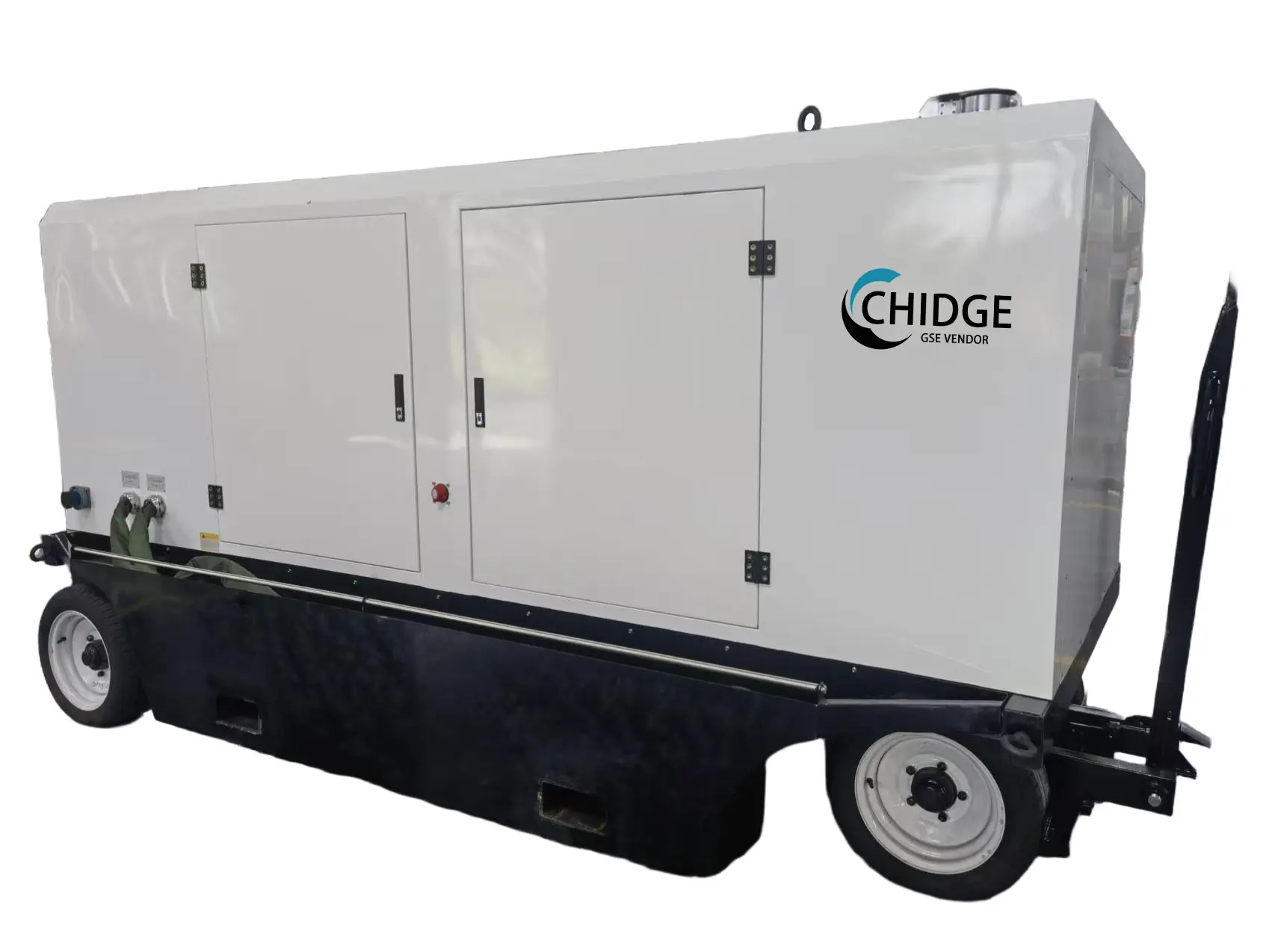
In the complex ecosystem of aviation operations, ensuring an aircraft is flight-ready involves a multitude of support systems. Among the most critical components in this pre-flight preparation is the Aircraft Ground Power Unit (GPU). These units supply the essential electrical power required for aircraft while parked on the ground, facilitating system checks, pre-flight preparations, and passenger boarding without the need to run the aircraft's main engines. While GPUs come in various forms, truck-mounted solutions have emerged as a particularly versatile and efficient choice for modern airports and maintenance facilities.
Technical answers regarding electrical standards, mechanical configurations, custom manufacturing, and global logistics.
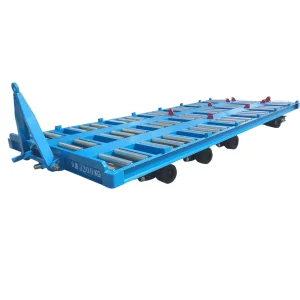
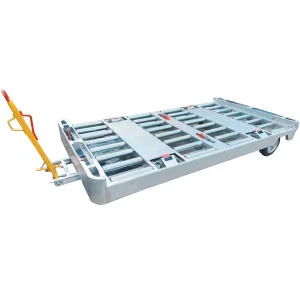
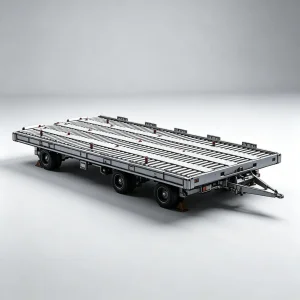
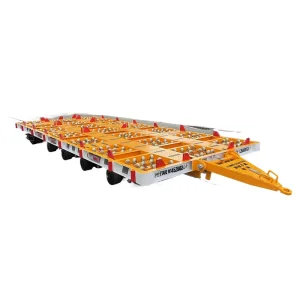
High-capacity structural support systems designed for efficient air cargo and container movements.
 Chidge Dolly