In the highly regulated and capital-intensive ecosystem of global aviation, operational efficiency and environmental compliance at the gate are paramount. Aircraft Ground Power Units (GPUs) represent a foundational component of airport Ground Support Equipment (GSE). While an aircraft is parked on the apron, tarmac, or inside a maintenance hangar, running the onboard Auxiliary Power Unit (APU) is highly inefficient, costly, and environmentally detrimental. A specialized GPU provides the continuous, clean, and regulated electrical energy required to run avionics, environmental control systems, onboard lighting, and hydraulic components during turnaround services.
Chinese manufacturers have established themselves as dominant global leaders in the design, engineering, and manufacturing of GPUs. Through extensive research and development, they supply both solid-state (static frequency converters) and diesel rotary systems that meet the rigorous requirements of civil aviation bodies worldwide. These units convert local commercial utility power (typically 50Hz or 60Hz) to the exact 400Hz AC or 28.5V DC output configurations required by various commercial and military airframes.
The global aviation landscape is undergoing a systemic transition toward zero-emission taxiing and ground operations. As carbon taxing and regulatory standards from bodies like the International Air Transport Association (IATA) tighten, modern airports are mandating electrification of all ground support equipment.
Historically, diesel-driven towable GPUs were the standard due to their mobility. However, modern procurement focuses heavily on solid-state static frequency converters and battery-electric storage GPUs. Solid-state units run silently, contain no moving parts (significantly reducing maintenance cycles), and offer superior transient response times. Battery-electric towable units (e-GPUs) provide the clean, quiet power of static converters combined with the mobile flexibility of traditional diesel units.
Modern aircraft, such as the Boeing 787 Dreamliner and Airbus A350, utilize highly sensitive avionics and sophisticated digital architectures. These aircraft demand exceptionally clean electricity. The power output must adhere to stringent quality standards such as DFS 400 (Specification for 400 Hz Aircraft Ground Power) and MIL-STD-704F. Chinese manufacturers integrate multi-pulse rectifiers (12-pulse or 24-pulse) or advanced Active Front End (AFE) technology to ensure that harmonic distortion (THD) remains below 2%, shielding sensitive airborne electronics from noise and power surges.

Our company excels in product design, utilizing advanced engineering, R&D, and cutting-edge innovations in the production of ground support equipment.

High-quality manufacturing aligns with user needs, allowing our products to stand out in competitive markets and win international trust.

Streamlined supply chains, precision inventory control, and robust logistics infrastructure guarantee timely responses and prompt global deliveries.

Our professional team delivers comprehensive technical support and maintenance, ensuring trust, brand loyalty, and long asset lifespans.
Enterprise buyers (including airport operators, commercial airlines, military organizations, and GSE leasing firms) face varied operational environments. A GPU operating in the sub-zero winters of Northern Europe requires vastly different thermal conditioning than a unit deployed in the high-humidity, high-temperature aprons of Southeast Asia or the Middle East.
To address these challenges, we offer flexible OEM and ODM partnerships. We engineer tailor-made aircraft ground power units designed to match your specific fleet composition—whether you need dual 90kVA AC outputs for wide-body aircraft or 28V DC configurations for regional turboprops.
We are committed to delivering end-to-end ground equipment integration to maximize airport efficiency and equipment uptime:
 Global Ground Support Equipment Distribution: We supply a wide range of rugged aviation ground equipment to meet domestic and international demand.
 Services for Commercial Airlines and Cargo Providers: Customized solutions designed specifically for regional air carriers, cargo logistics networks, and aircraft maintenance organizations.
 Extensive Product Portfolio: Covering GPUs, refuelers, boarding stairs, towable baggage dollies, cargo loaders, and catering trucks.
 Uncompromising Quality Assurance & On-Time Delivery: Comprehensive manufacturing validation guarantees that equipment arrives certified and ready for immediate deployment.
Explore our complete lineup of airport ground handling machinery, designed to optimize ground operations, maintain passenger safety, and support reliable aircraft turnaround times.
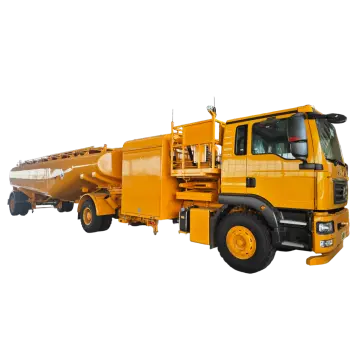
Engineered with precision pumping, pressure regulation, filtration, and self-circulation systems for safe flight refueling.
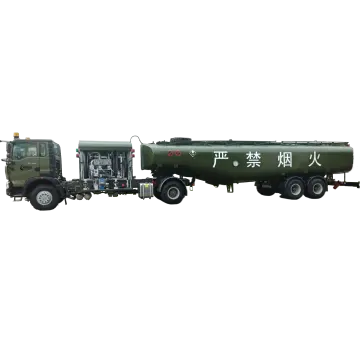
High-capacity refueling solution with automated pressure control systems and heavy-duty chassis integration.
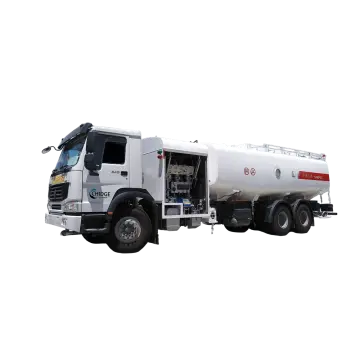
Heavy duty utility vehicle providing reliable fueling services, integrating micro-filtration and advanced metering equipment.
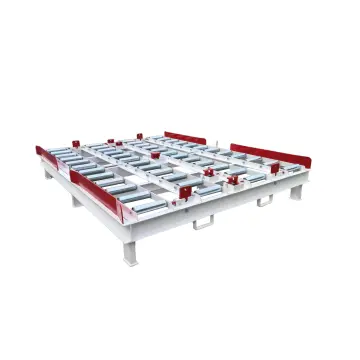
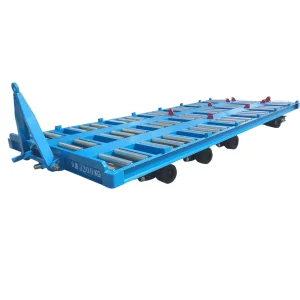
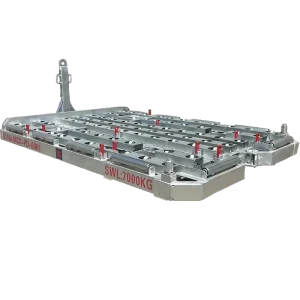
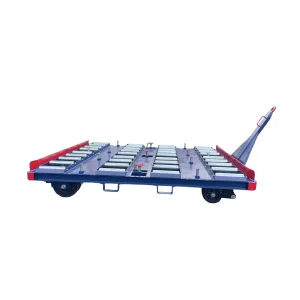
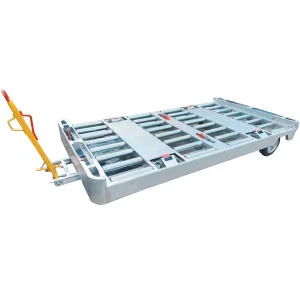
Rugged steel construction designed for versatile container handling and smooth intermodal transit on the tarmac.
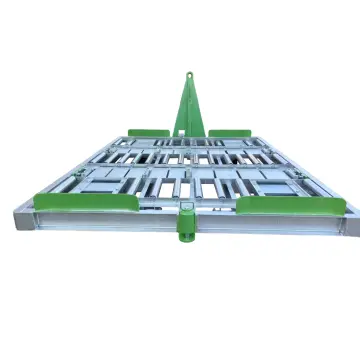
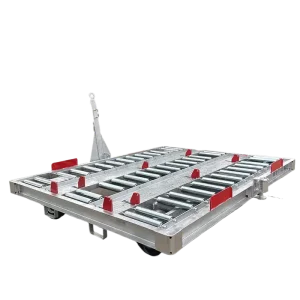
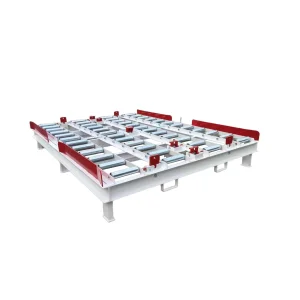
Durable, heavy-duty build with multi-directional rollers ensuring optimized cargo loading logistics.
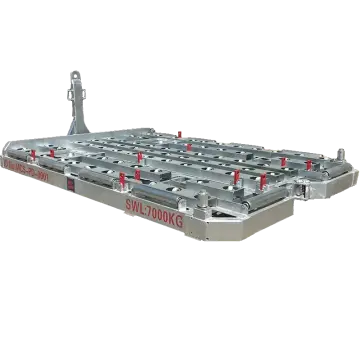
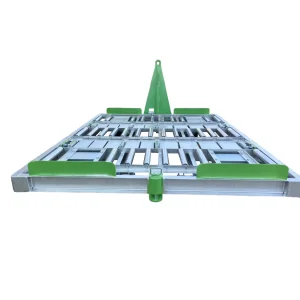
Equipped with reliable safety stops and optimized load-bearing structures for high-demand cargo terminals.
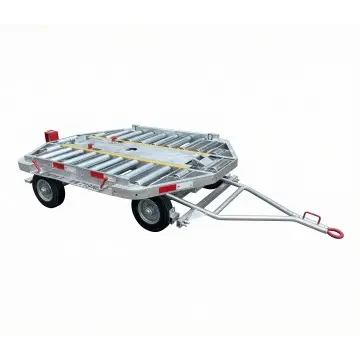
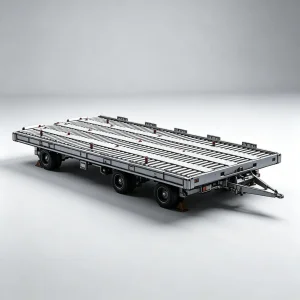
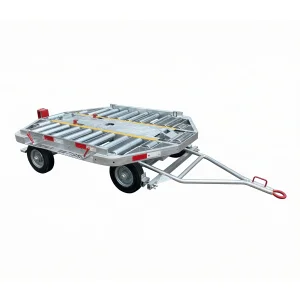
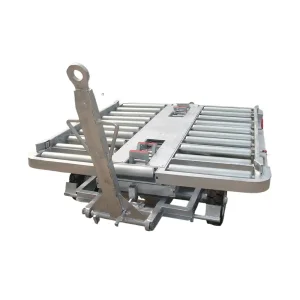
Specifically tailored for fast-paced LD3 unit load device transport with high maneuverability tow-bars.
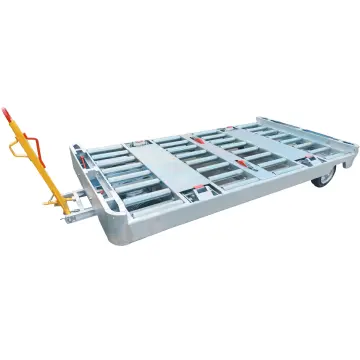
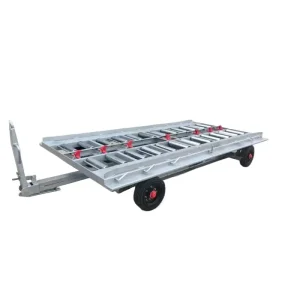
Constructed to endure tough weather conditions while maintaining stable transportation for oversized cargo.
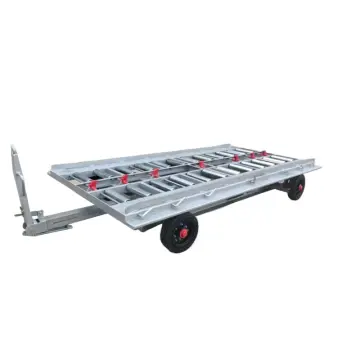
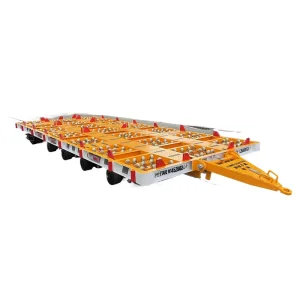
High-strength structural frame configuration optimizing turnaround operations for wide-body cargo configurations.
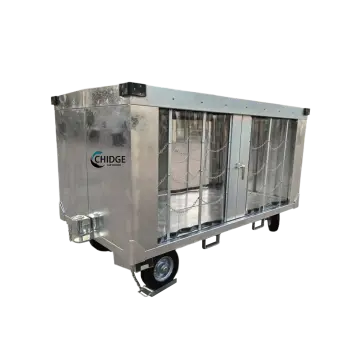
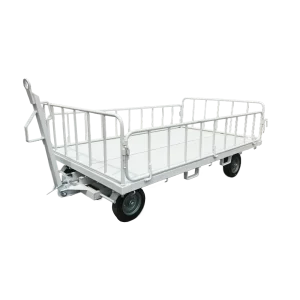
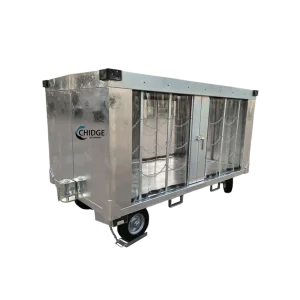
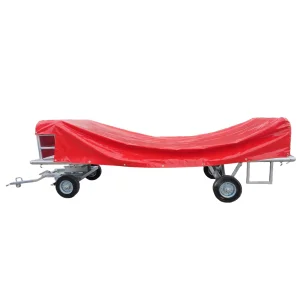
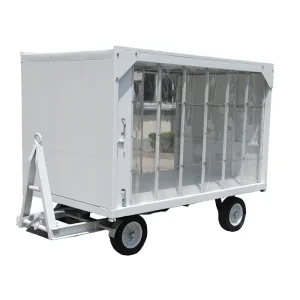
Fitted with robust enclosures to shield checked baggage from rain, wind, and ambient moisture damage.
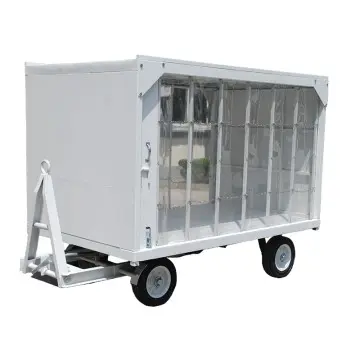
Secure cargo design protecting luggage against environmental hazards and tarmac wear-and-tear.
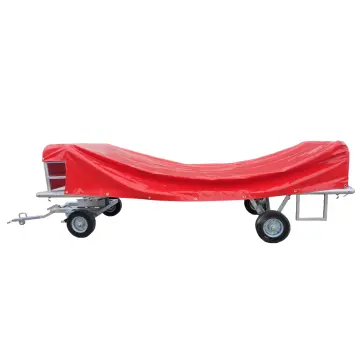
Ergonomic design with tracking brakes, providing smooth and controlled towing across airports.
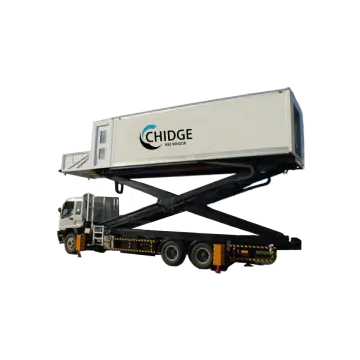
Equipped with reliable hydraulic scissor lifts to service wide-body aircraft catering doors.
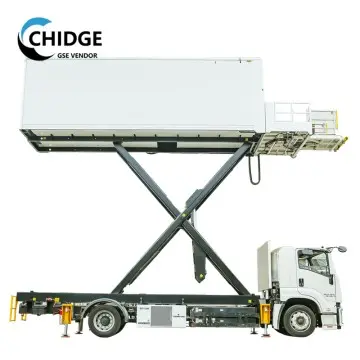
A sustainable, zero-emission catering solution offering quiet operations at airport gates.
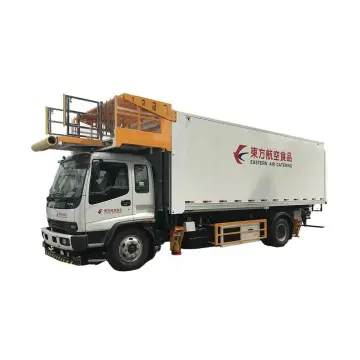
Engineered for durability and temperature management, maintaining clean food storage safety.
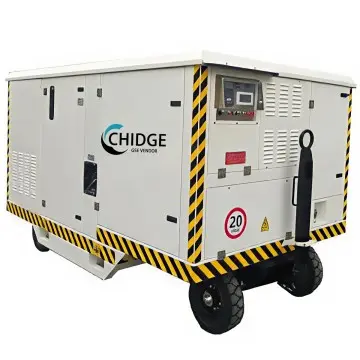
High-output cabin air heater delivering comfortable environment controls during cold winter stops.
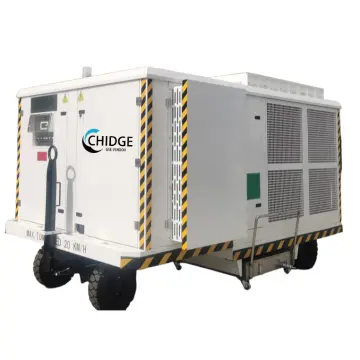
Pre-Conditioned Air unit designed to regulate temperature and maintain fresh cabin air flow.
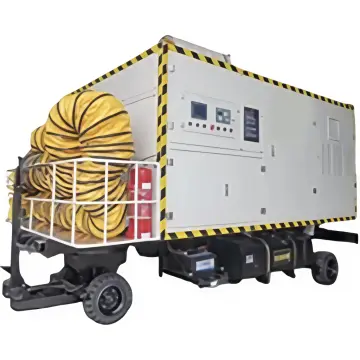
Compact and high-performance portable heater built for quick cabin temperature maintenance.
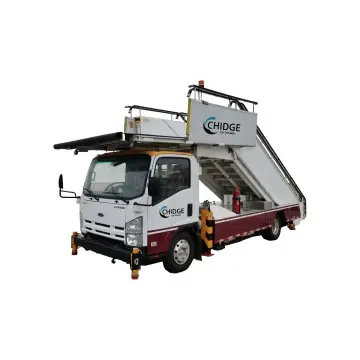
Pure electric drive configuration offering safety sensors and comfortable boarding access.
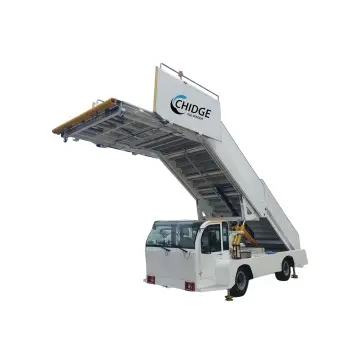
Heavy-duty diesel passenger stairs engineered with wind stability structures and slip-resistant steps.
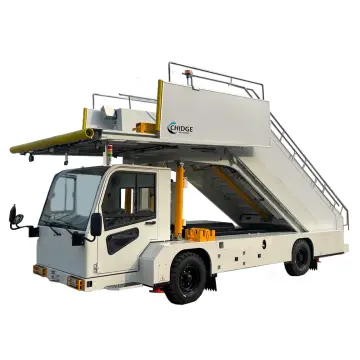
Adjustable height range for servicing commercial airliner categories with safe alignment features.
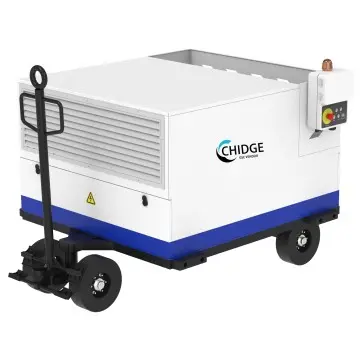
Zero-emission battery storage unit supplying standard 400Hz and DC outputs without combustion noise.
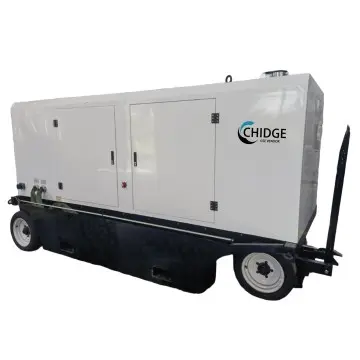
Industrial-grade static frequency converter providing reliable 400Hz electrical outputs.
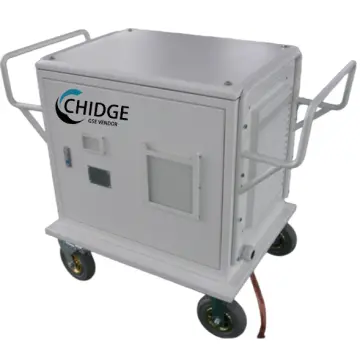
Compact design optimized for installation under passenger boarding bridges or inside hangars.
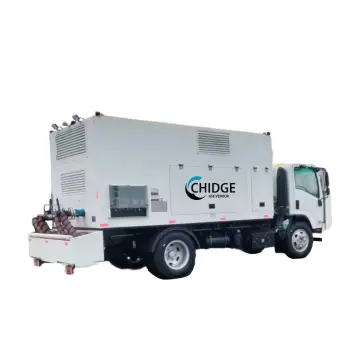
Supplies high-pressure compressed air required to initiate jet engine turbine rotation.
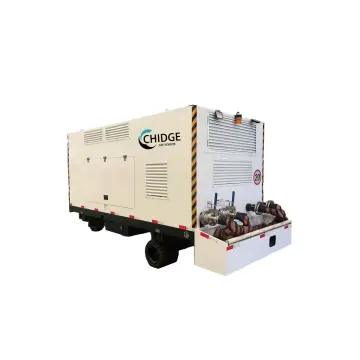
Compact and heavy-duty starting solution designed for regional jet support.
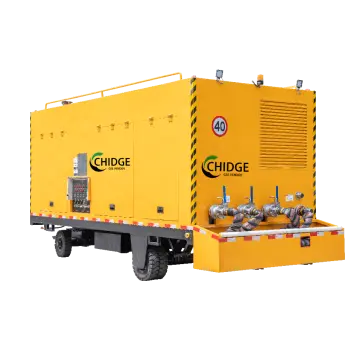
High-output jet starter engineered to process heavy commercial airframes efficiently.
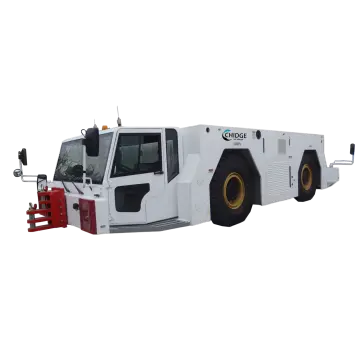
Heavy pull-back tractor engineered to push commercial aircraft with safety and control.
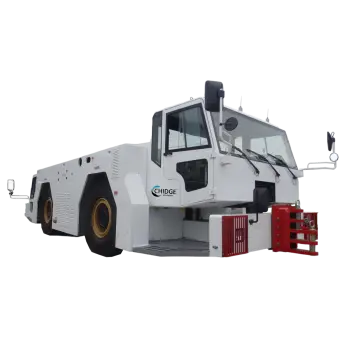
Highly maneuvrable towbarless tractor designed for medium-haul aircraft gate configurations.
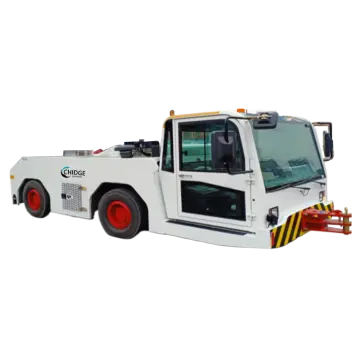
Rugged tow vehicle built to deliver reliable hangar positioning and ramp operations.
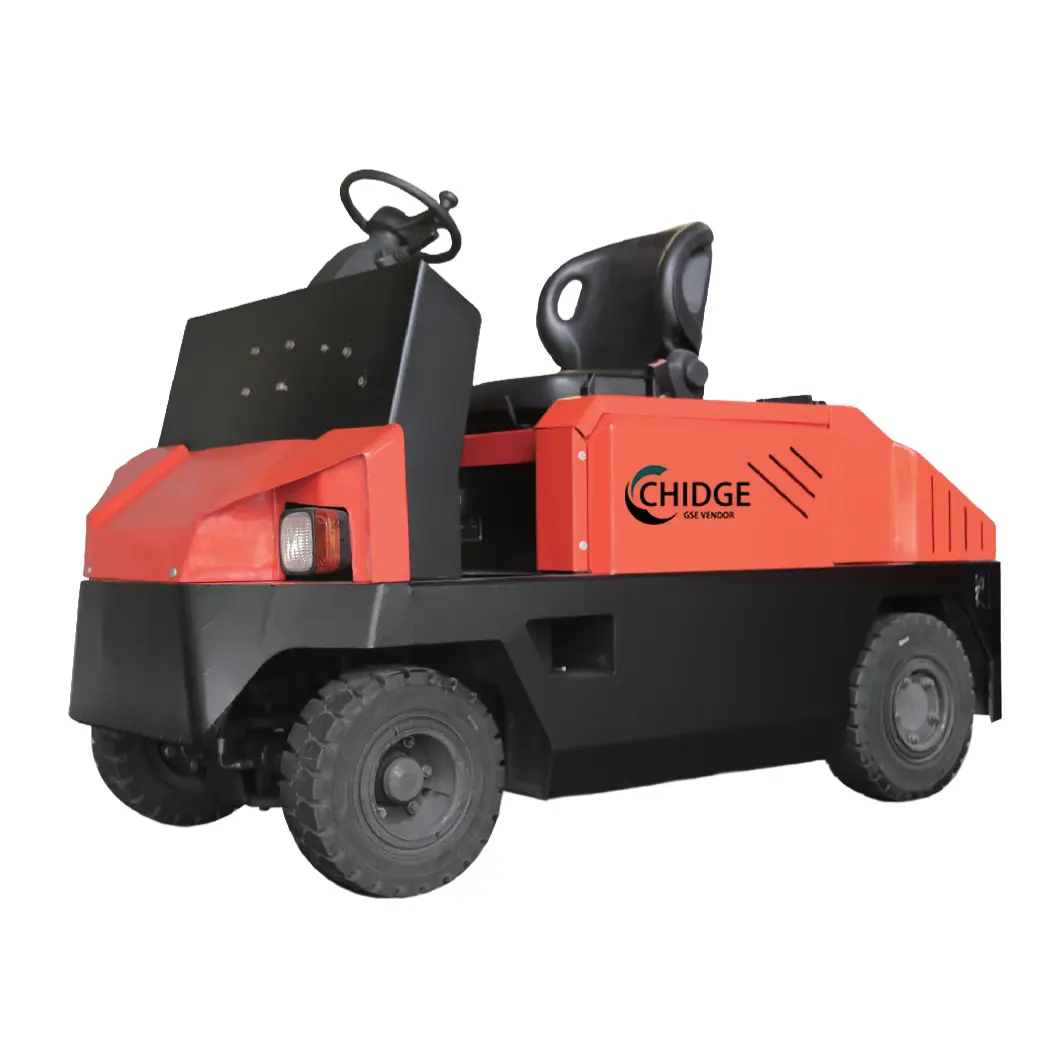
High-efficiency electric drivetrain designed for heavy baggage-train transport across airport grids.
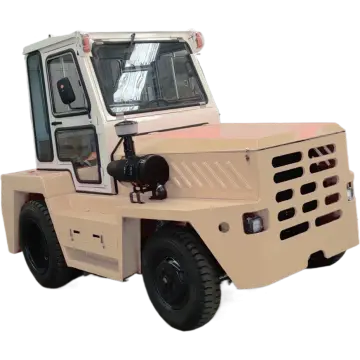
High torque drive configuration built for moving massive cargo and baggage networks.
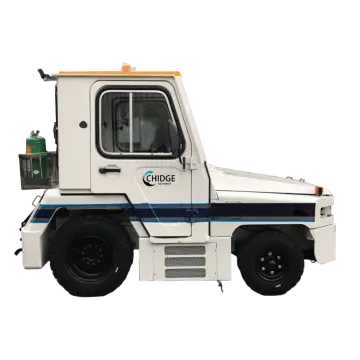
Industrial battery system with zero-emissions, designed for high duty-cycle towing operations.
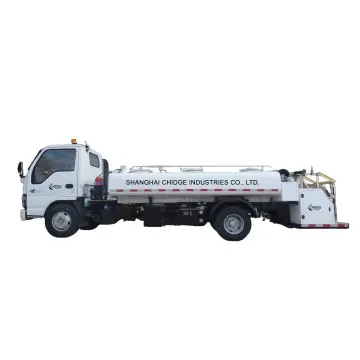
Equipped with non-corrosive vacuum systems to facilitate hygienic waste disposal.
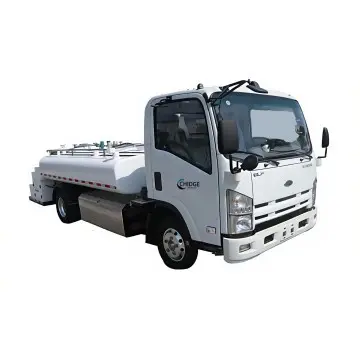
Eco-friendly electric waste servicing truck with advanced overflow prevention valves.
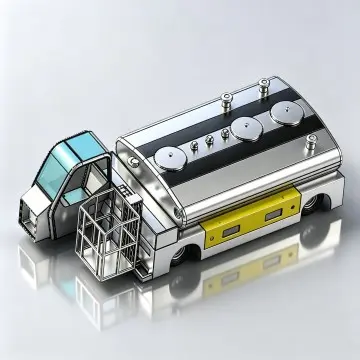
High-capacity sanitation vehicle providing silent servicing operations at the gate.
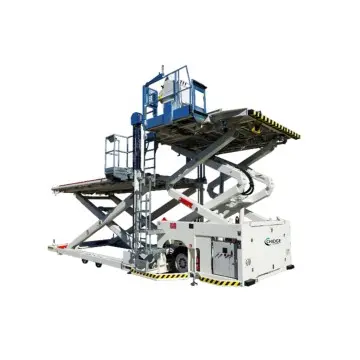
Heavy lift platform with intelligent sensor arrays for precise deck-to-cargo door alignment.
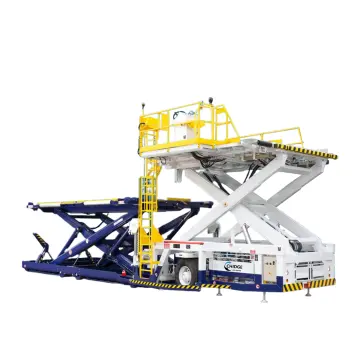
High-capacity main deck cargo loader engineered for rapid container processing.
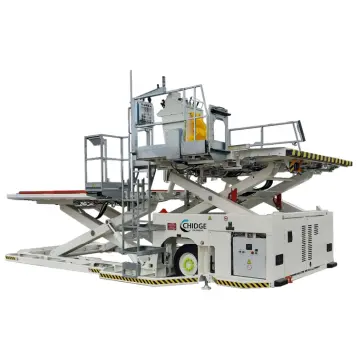
Reliable lower deck container loader designed to process standard cargo holds efficiently.
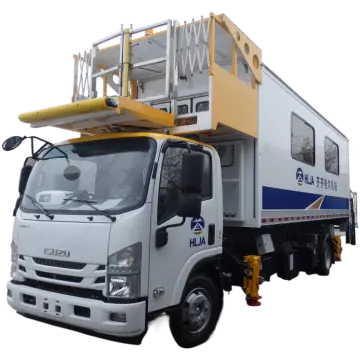
Specialized scissor lift cabin providing safe and dignified cabin boarding for passengers with limited mobility.
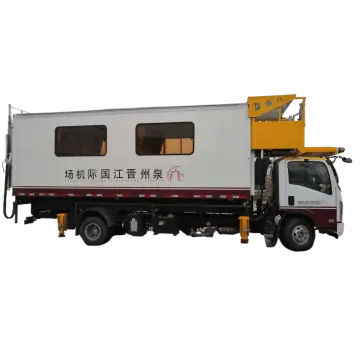
Versatile medical lift vehicle designed to interface with various door configurations to support safe passenger operations.
Modern airport master planning demands integrated layouts where utilities, safety, and equipment footprints are optimized. When installing GPUs, airport designers evaluate two primary deployment architectures:
For major hub airports featuring Passenger Boarding Bridges (PBB), mounting a solid-state static converter directly under the bridge structure is the preferred configuration. This system frees up valuable apron space, minimizes the risk of ground service vehicle collisions, and places the power cable system exactly where it needs to connect with the aircraft.
Large-scale terminals utilize a centralized electrical substation. High-voltage utility power is stepped down and converted at a central plant, then distributed via high-frequency cables directly to pit systems in each gate berth. While the initial capital expenditure is high, this layout offers minimal maintenance and optimal electrical efficiency.
Deploying Ground Support Equipment across international borders requires absolute alignment with complex electrical, environmental, and mechanical regulations. To ensure reliable operations, all units are designed and tested to comply with critical international benchmarks:
The future of ground support equipment is defined by digitalization, telemetry, and alternative power storage. The industry is actively shifting towards:
Integrating IoT sensors allows airport fleet managers to monitor GPU performance metrics in real-time. Cloud-based software tracks power consumption, detects harmonic anomalies, and executes predictive maintenance algorithms. This connectivity reduces unexpected downtime and increases the operational lifespan of the equipment.
As hydrogen refueling infrastructure matures at global airports, H2 fuel cells will serve as a viable power source for mobile GPUs. Offering zero emissions, high energy density, and rapid refueling times, hydrogen-fueled GPUs represent the ultimate clean-energy milestone for remote parking bays where grid access is limited.
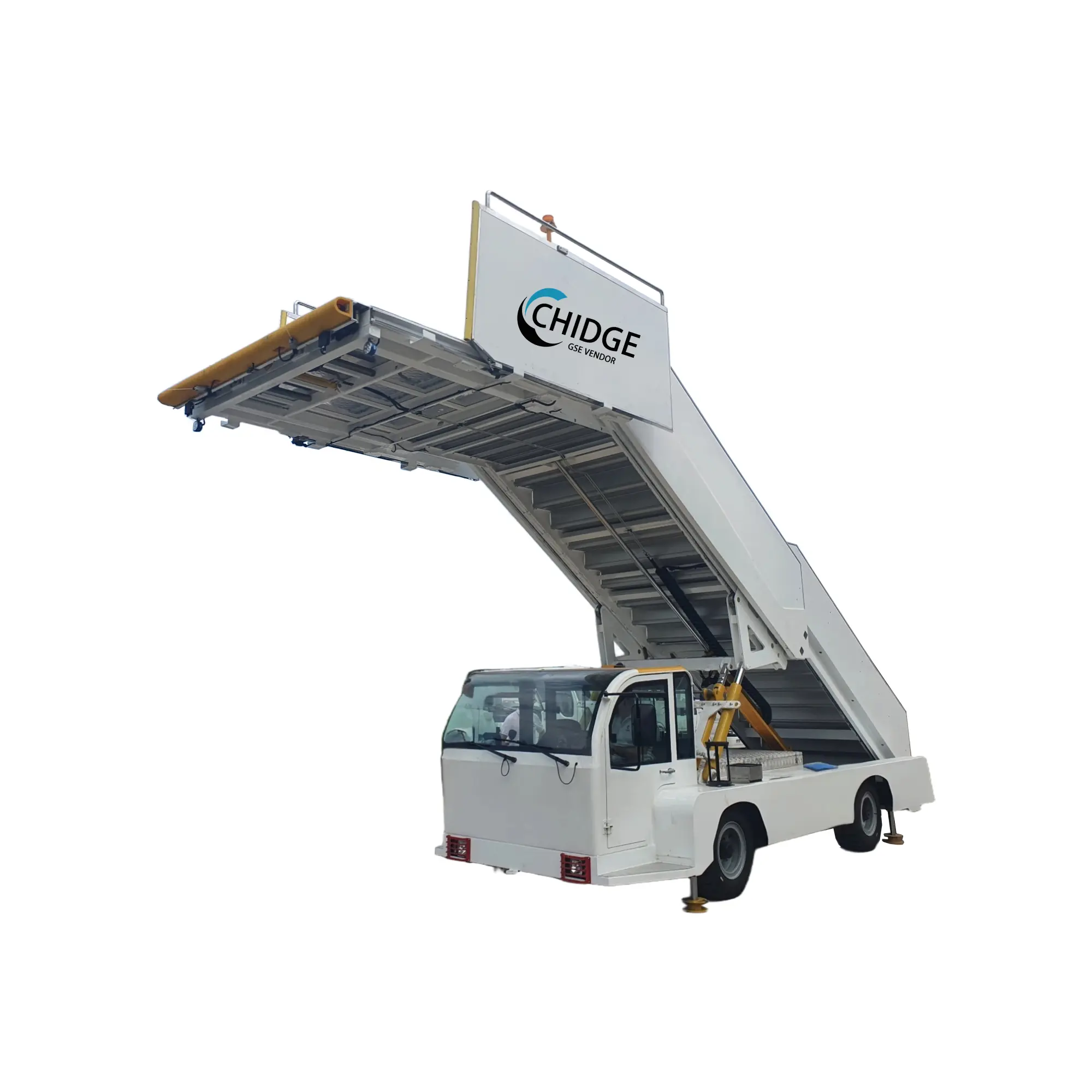
Discover how modern design, ergonomic handrails, and non-slip stairs ensure maximum safety during passenger embarkation and disembarkation.
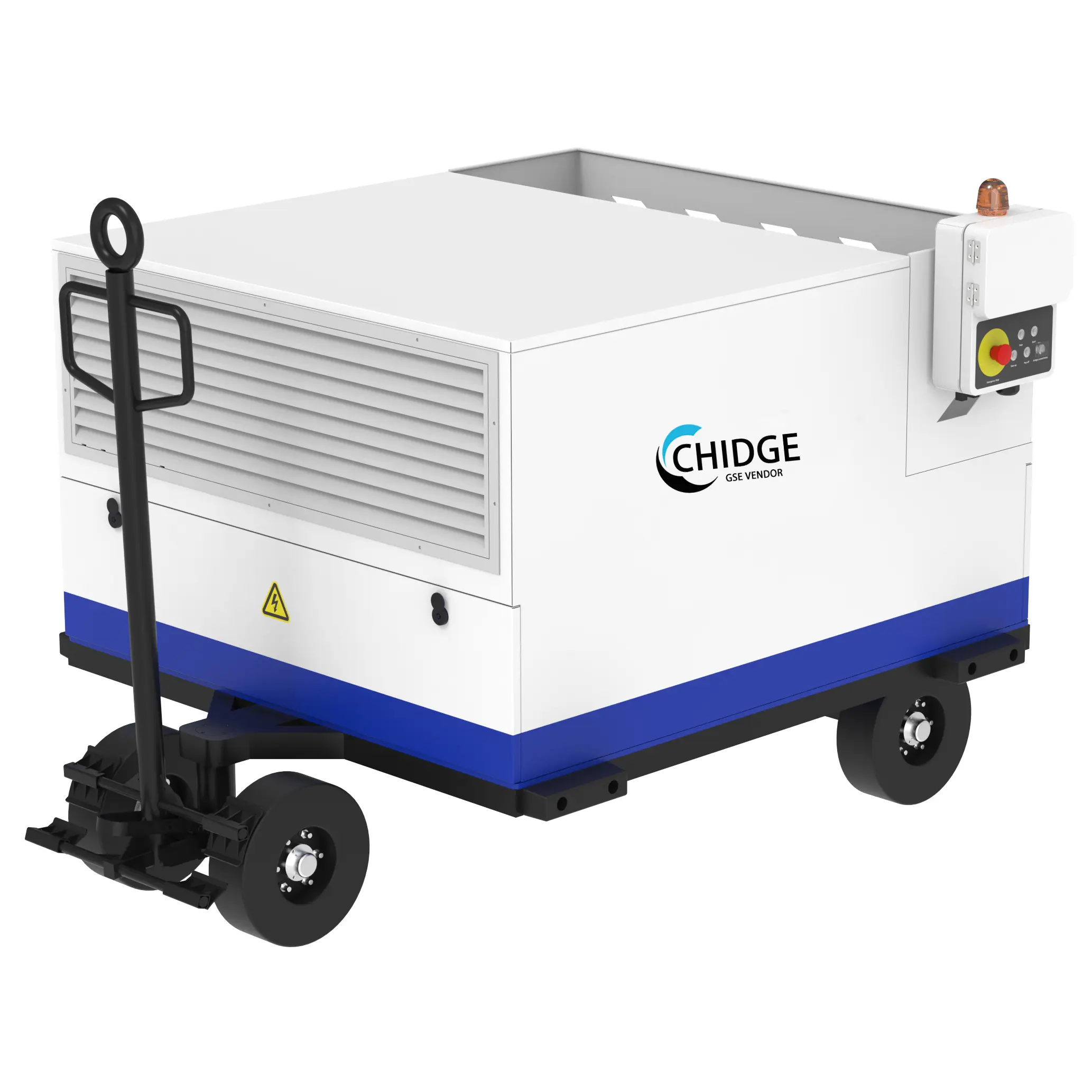
Integrating lithium-ion battery banks into standard towable frames allows airports to supply clean 400Hz/28V DC power with zero emissions.
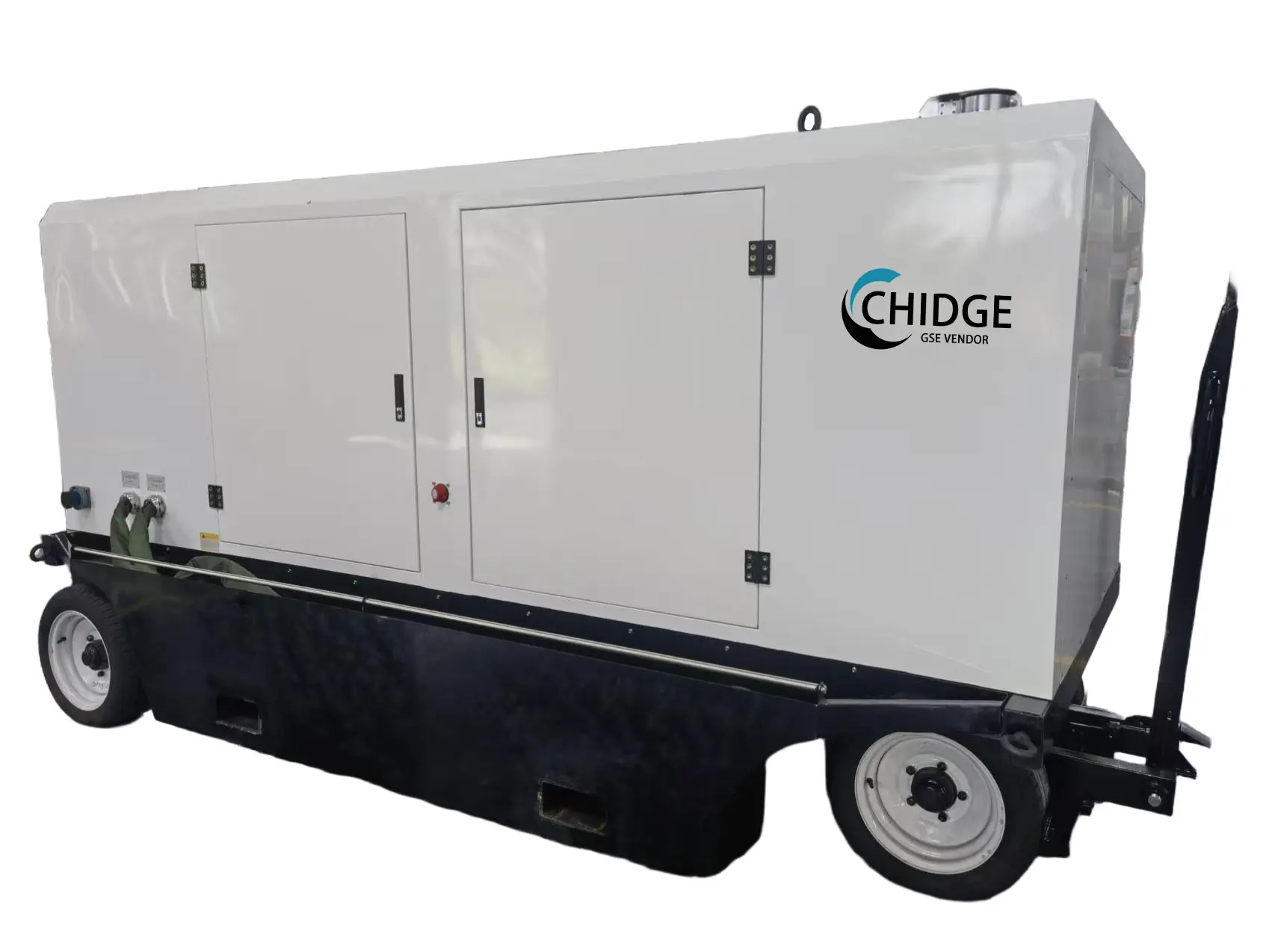
An overview of how truck-mounted and static solid-state units supply essential electrical power for aircraft systems checks, pre-flight preparations, and boarding operations.
Commercial aircraft utilize 400Hz AC power because higher frequencies permit much smaller, lighter transformers and electrical motors onboard. In aviation, weight reduction is critical for fuel efficiency and payload capacity. Elevating the frequency to 400Hz allows components to be up to 70% lighter compared to equivalent 50Hz/60Hz ground electrical hardware.
Solid-state converters convert commercial grid power using power electronics (such as IGBTs) and have no moving parts. They are silent, highly efficient, and require minimal maintenance. Diesel-driven rotary units use an internal combustion engine to turn an alternator. They are highly mobile and ideal for remote areas without grid access, but require regular diesel fuel, engine maintenance, and generate exhaust and noise.
An Active Front End utilizes controlled switches (IGBTs) instead of passive diodes on the input side. This active rectification minimizes harmonic distortion feedback into the airport's main power grid, raises the power factor to near unity (1.0), and supports bi-directional power flow. This configuration is essential for modern airports targeting LEED certification or strict compliance with IEEE 519 grid guidelines.
Yes, many advanced aircraft ground power units are designed as combination units. They feature dual outputs, integrating a 400Hz AC frequency converter alongside a transformer-rectifier unit (TRU) that steps down and rectifies power to 28.5V DC. This configuration allows airports to service both narrow-body commercial jets and regional turboprops with a single piece of equipment.
High-quality GPUs incorporate comprehensive safety shutdowns, including over-voltage/under-voltage protection, overload limits, frequency deviation controls, short-circuit protection, phase loss indicators, and thermal safeguards. Additionally, interlock circuits prevent power transmission until the aircraft connector is fully and securely engaged.
Our mission is to make their choices firm and correct, to create greater value for customers and to realize their own value.

 Chidge Dolly