Engineered for durability, flightline safety, and operational precision. Explore our core fleet components.
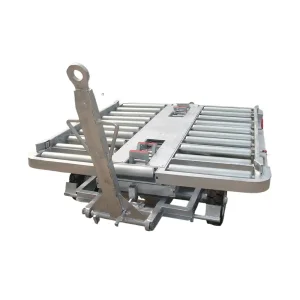
Heavy-duty steel construction with reliable container lock mechanisms, optimized for LD3 unit load devices (ULDs).
Manufacturers & Suppliers Details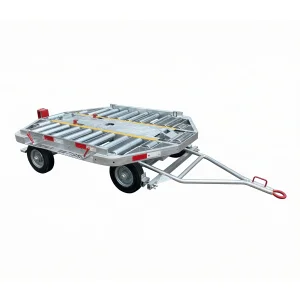
Advanced structural frame with dual-towing capabilities and durable brake system, built to strict IATA safety regulations.
Suppliers & Factory Details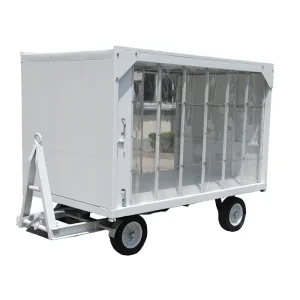
Provides complete weatherproof protection for high-value luggage and cargo, featuring heavy-duty rolling vinyl curtains.
Manufacturer & Supplier Details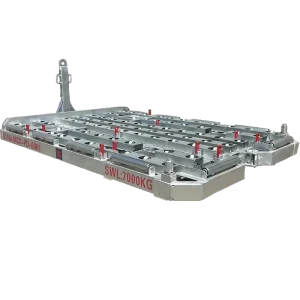
Designed with dynamic castle-roller top configuration, optimized for swift structural pallet maneuvering on runways.
Suppliers & Factories Details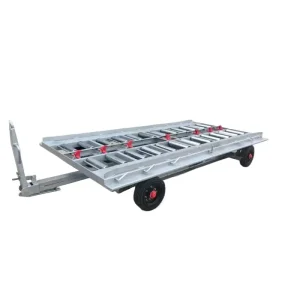
Wide-body compatibility for larger cargo containment, incorporating double-steering wheels for enhanced turn radius control.
Manufacturer & Factories Details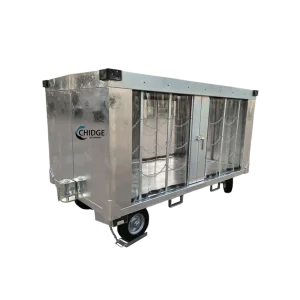
Precision fabricated with anti-corrosion galvanized sheets, featuring watertight sealing structures for tropical climates.
Factory & Custom Design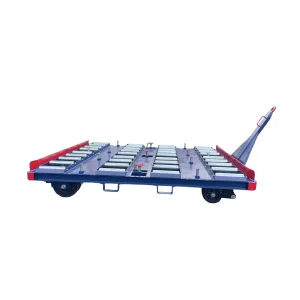
Capable of supporting standard 10-foot aviation pallets, built with reinforced structural profiles and high-grade heavy rollers.
Manufacturer Info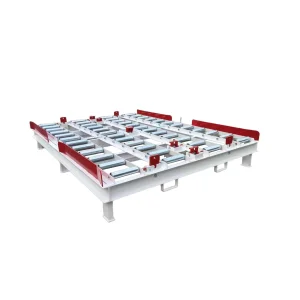
Compact and low-profile design, acting as an auxiliary platform to integrate with standard terminal conveyors.
Supplier DetailsIn the complex, fast-paced environment of modern airports, efficiency and sustainability are no longer optional objectives—they are fundamental operating principles. Central to this paradigm shift is the Aircraft Ground Power Unit (GPU). When an aircraft lands and parks at the terminal gate, keeping its main turbofan engines or onboard Auxiliary Power Unit (APU) running is incredibly inefficient, environmentally detrimental, and noisy. Running an APU consumes hundreds of liters of expensive jet fuel per hour, accelerates turbine wear, and releases significant amounts of CO2, NOx, and particulate matter directly into the ramp area.
To mitigate these issues, modern airports utilize high-performance ground power systems to supply clean, regulated electricity directly to the aircraft's electrical buses. These systems deliver 400Hz AC or 28.5V DC power, which are the standard operating frequencies and voltages required by commercial and military avionics. This allows airlines to complete safety checks, facilitate passenger boarding, load baggage, and perform cabin cleaning with the main propulsion units and APU shut down.
For airline operators and ground handlers, the shift to high-efficiency GPUs is a major driver of operational cost reduction. By relying on solid-state static frequency converters hooked up to the municipal grid, or utilizing high-efficiency diesel-driven trailer units, ground handlers can save thousands of dollars per gate per day. This transition underpins the industry's broader initiative to construct "Green Gate" configurations, where electricity, pre-conditioned air (PCA), and structural ground support equipment operate in a unified, zero-emission ecosystem.
Procuring aircraft ground power equipment for diverse global hubs involves navigating a myriad of technical variables, regulatory standards, and harsh environmental conditions. Ground support fleet managers face critical challenges when choosing between solid-state (static frequency converter) GPUs and mobile diesel-driven GPUs:
Furthermore, logistics companies and ground handlers face the daunting task of maintaining fleet-wide compatibility. By partnering with a vertically integrated manufacturer in China, procurement teams can customize structural chassis lengths, configure dual-output plugs (e.g., 2 x 90kVA outputs for widebody aircraft), and integrate telemetric tracking modules into unified fleet management software.
Converting varying grid power inputs (50Hz/60Hz) into ultra-stable 400Hz AC power with sub-millisecond transient response times under load steps.
Real-time monitoring of over-voltage, under-voltage, phase sequence errors, and leakage current to shield complex aircraft networks.
Corrosion-resistant powder-coated steel frame designed for coastal airport installations subject to severe salt spray and moisture.
International aviation governing bodies, including the International Civil Aviation Organization (ICAO), have established aggressive net-zero emissions targets. Airports are responding by redesigning apron architectures to phase out all carbon-producing combustion support engines. Achieving this requires a holistic macro-level ground solution where power, climate control, and structural cargo-handling equipment work in tandem.
By pairing zero-emission solid-state GPUs with Pre-Conditioned Air (PCA) units, airports can keep aircraft cabins at comfortable temperatures while supplying power, without burning any jet fuel. To ensure a seamless operation, these systems must be integrated with advanced ground support vehicle fleets, including pallet dollies, towing tractors, and baggage carts.
Additionally, modern gate design leverages centralized pits or bridge-mounted cable systems to keep aprons clear of mobile vehicles, significantly reducing runway accident risks. When retrofitting older gates, towable, battery-backed energy storage ground power units offer the ultimate bridge solution, allowing airports to enjoy electric ground operations without undergoing expensive grid infrastructure upgrades.
The next decade of aviation ground support will be dominated by electrification, digital integration, and autonomous operations. Our engineering R&D division has laid down a comprehensive technical roadmap designed to keep global fleets ahead of regulatory curves and technological obsolescence:
Integrating wide-bandgap semiconductors (Silicon Carbide - SiC) within our frequency inverter bridges, pushing converting efficiencies past 98.8% and reducing cabinet sizes by 30%.
Embedding cloud-connected monitoring nodes in all GPUs. Operational data is continuously analyzed to predict component wear, schedule maintenance, and dynamically load-balance airport grids.
Deploying heavy-duty mobile energy storage GPUs that feature rapid liquid-cooled LFP battery packs. Ideal for remote military aprons and airports with limited gate power infrastructure.
Browse our wide-ranging aviation support equipment, categorized by operational function.
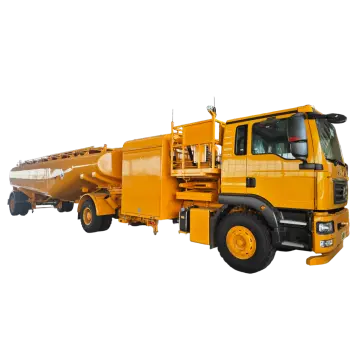
Equipped with specialized filtration, volumetric metering, pumping systems, self-circulation, and automatic pressure controls.
Detailed Technical Sheet ➔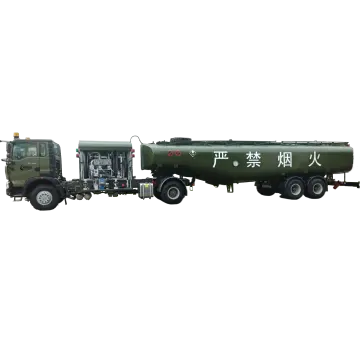
Heavy-chassis configuration for long-haul fueling requirements, featuring integrated safety shut-off systems.
Detailed Technical Sheet ➔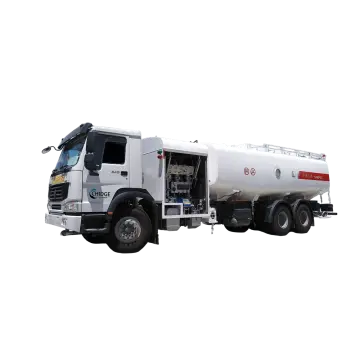
Advanced airport fueling chassis with optimized cabin controls for single-operator operations on busy aprons.
Detailed Technical Sheet ➔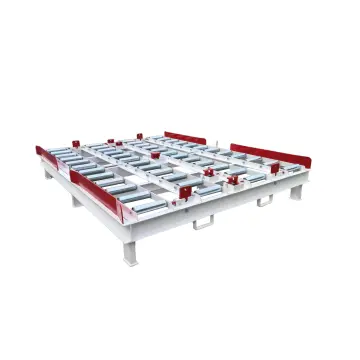
Premium auxiliary ground support dolly designed to facilitate terminal warehouse transfer tasks.
Explore Specifications ➔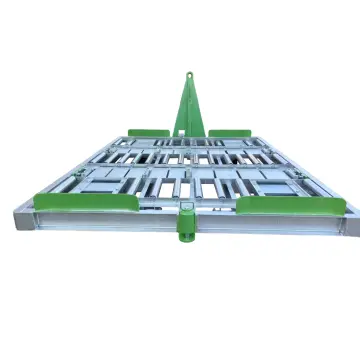
Tough-welded high-tensile steel frame with multidirectional roller configurations for logistics centers.
Explore Specifications ➔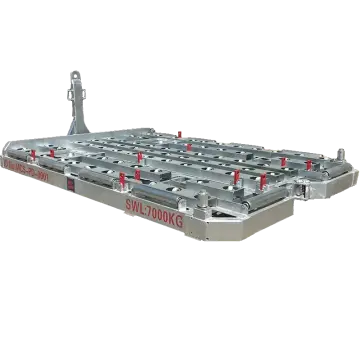
Durable layout containing elevated castle-topped rollers, supporting heavy air cargo operations.
Explore Specifications ➔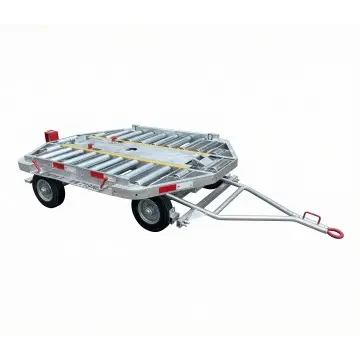
Refined suspension and heavy-duty swivel lock pins prevent shifting during rapid tarmac turns.
View Details ➔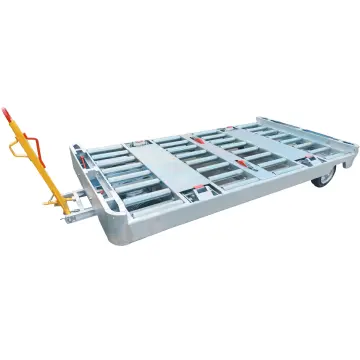
Engineered for high-frequency transport operations, featuring a low-maintenance braking system.
View Details ➔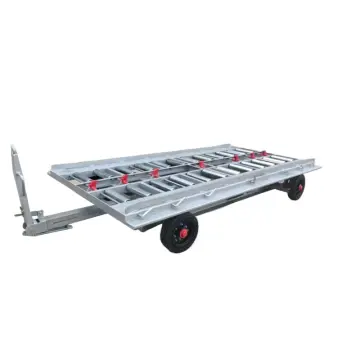
Specialized chassis design matching the structural requirements of wide-body cargo operations.
View Details ➔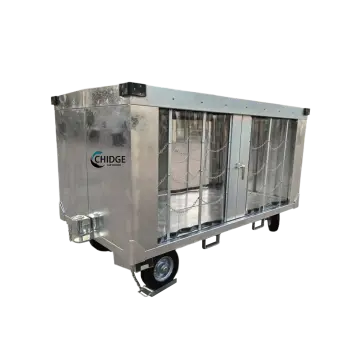
Durable dome styling protects client luggage from downpours, reducing claims and structural losses.
Read More ➔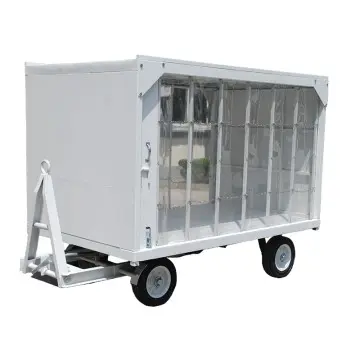
Fully enclosed cargo chassis with secure side sliding curtains for fast turnaround loading.
Read More ➔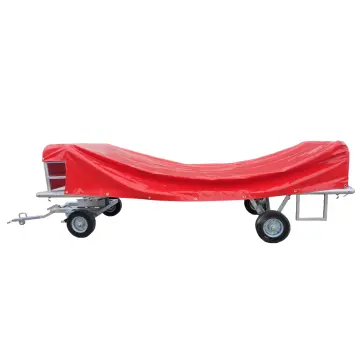
Flexible linked-towbar design with premium wheels to ensure smooth towing over runway seams.
Read More ➔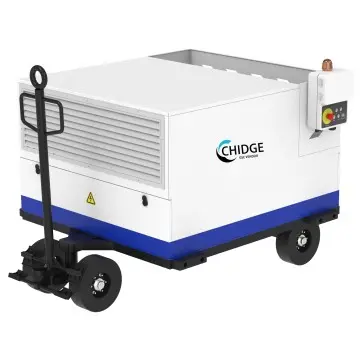
Zero-emission mobile power pack that stores green energy for electric flightline operations.
Request Quote ➔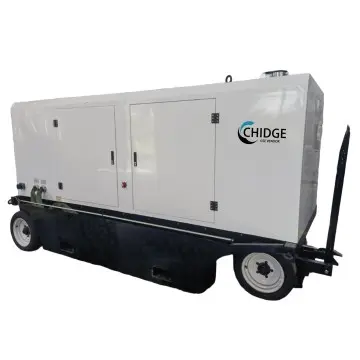
Solid-state frequency converter delivering continuous 400Hz electricity for narrowbody jets.
Request Quote ➔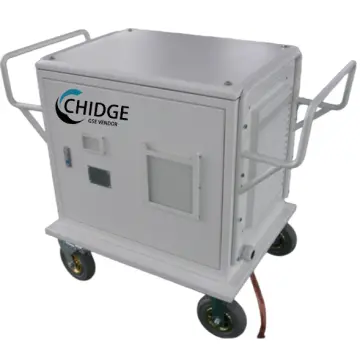
Bridge-mounted or floor-mounted design, providing seamless electrical coupling to avionics.
Request Quote ➔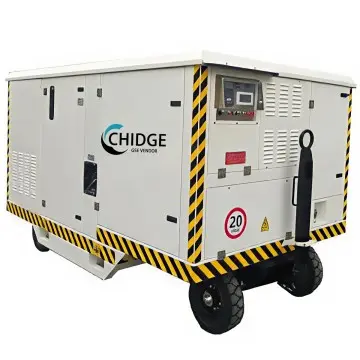
High-efficiency heat output for immediate cabin warming in severe sub-zero environments.
View System Specs ➔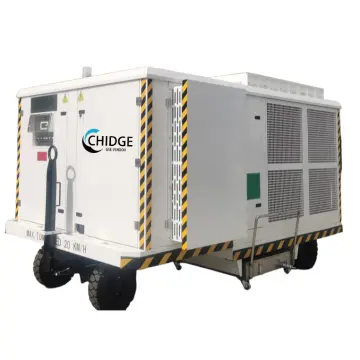
Pre-Conditioned Air system providing customized heating or cooling directly to parked jets.
View System Specs ➔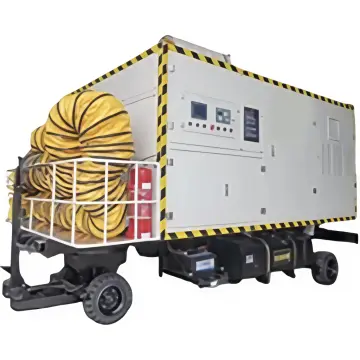
Compact towable heater unit designed to ensure passenger comfort during pre-flight boarding.
View System Specs ➔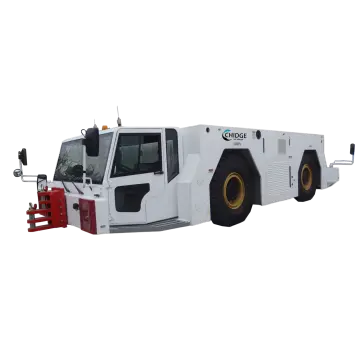
Heavy-class towing tractor engineered to safely push back widebody commercial jet liners.
Towing Specs ➔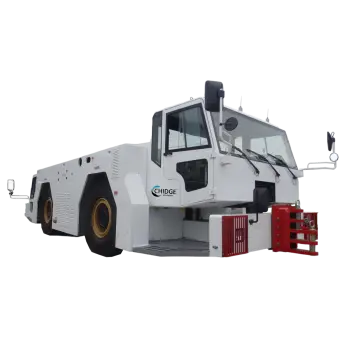
Mid-range towing configuration designed for narrowbody and regional jet operations.
Towing Specs ➔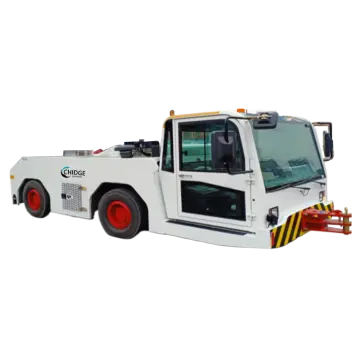
Compact, highly maneuverable towing solution optimized for regional airports and hangars.
Towing Specs ➔We offer comprehensive OEM (Original Equipment Manufacturer) and ODM (Original Design Manufacturer) services for all our clients worldwide. Understanding that every airline hubs' layout, fleet mix, electrical systems, and climate characteristics are unique, we do not believe in a one-size-fits-all approach. We partner with airport operators, military logistics teams, and ground support businesses to deliver custom GSE machinery.
Whether you need a custom-built GPU with dual output cables for Boeing 787 fleets, a localized rainproof baggage cart to handle monsoonal conditions, or a heavy-duty container dolly built to customized dimensional constraints, our engineers work alongside your operations team to design and build it.
 Advanced Engineering & Design
 Rigorous QA & Component Testing
 Global Tarmac-Ready Logistics
 24/7 Fleet Maintenance Support
Our manufacturing facility utilizes advanced laser cutters, automated structural welding robots, and computer-controlled test bays. This ensures every piece of ground support equipment leaving our floor displays consistent welds, precise bolt alignment, and durable coatings. Every GPU is load-bank tested under simulated aircraft profiles for 24 continuous hours to guarantee stable performance before shipment.
Operating in the international aviation market requires strict adherence to localized health, safety, and equipment standards. To provide absolute reliability and trust (E-E-A-T), all our aircraft ground power units and related ground support fleets carry official certification plaques matching the target market's requirements.
From CE marking for European terminals and UL certification for North American grids, to compliance with localized airport authorities, we handle all approval documentation. We establish strategic partnerships with local ground equipment repair companies across Europe, North America, the Middle East, and Asia-Pacific. This ensures our clients receive prompt technical support, replacement parts, and maintenance without experiencing long downtime.
Keep up with technological advancements, safety guidelines, and updates in ground operations.
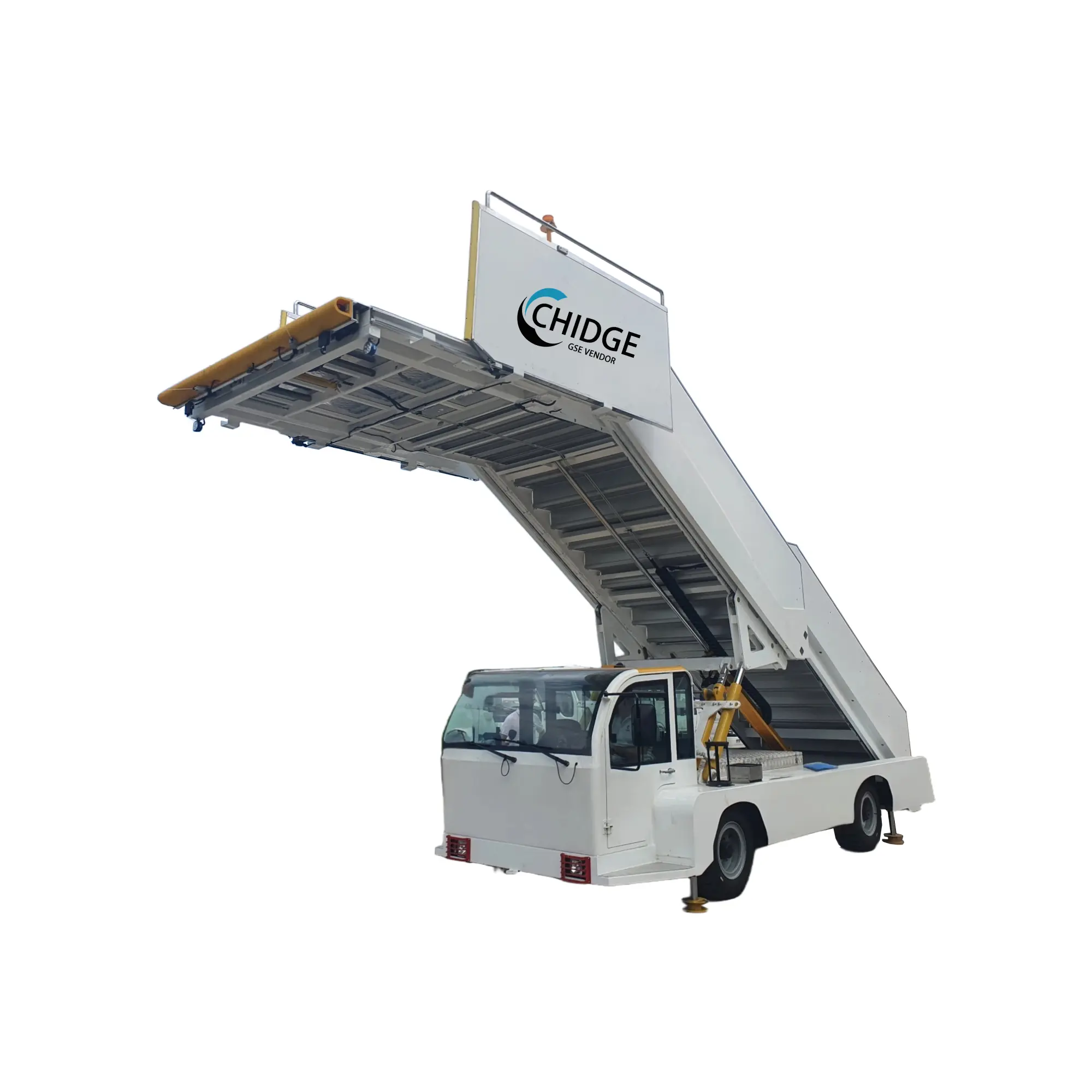
An in-depth look at mechanical passenger stairs. Explore self-propelled, towable, and electric configurations that guarantee safe operations under harsh weather conditions.
Read Full Article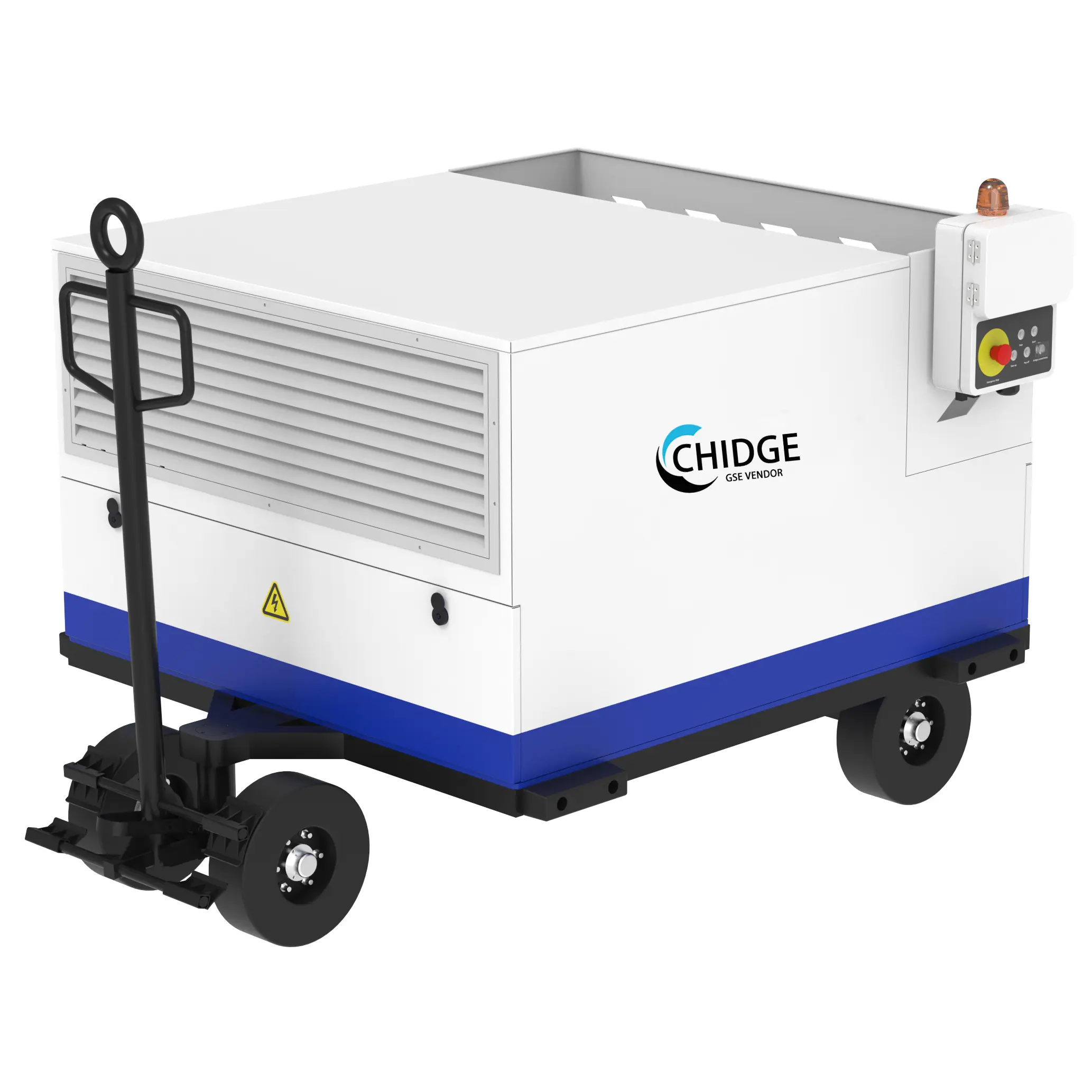
An analysis of battery-buffered ground power systems, discussing cost reduction, grid demand optimization, and zero-emission operations.
Read Full Article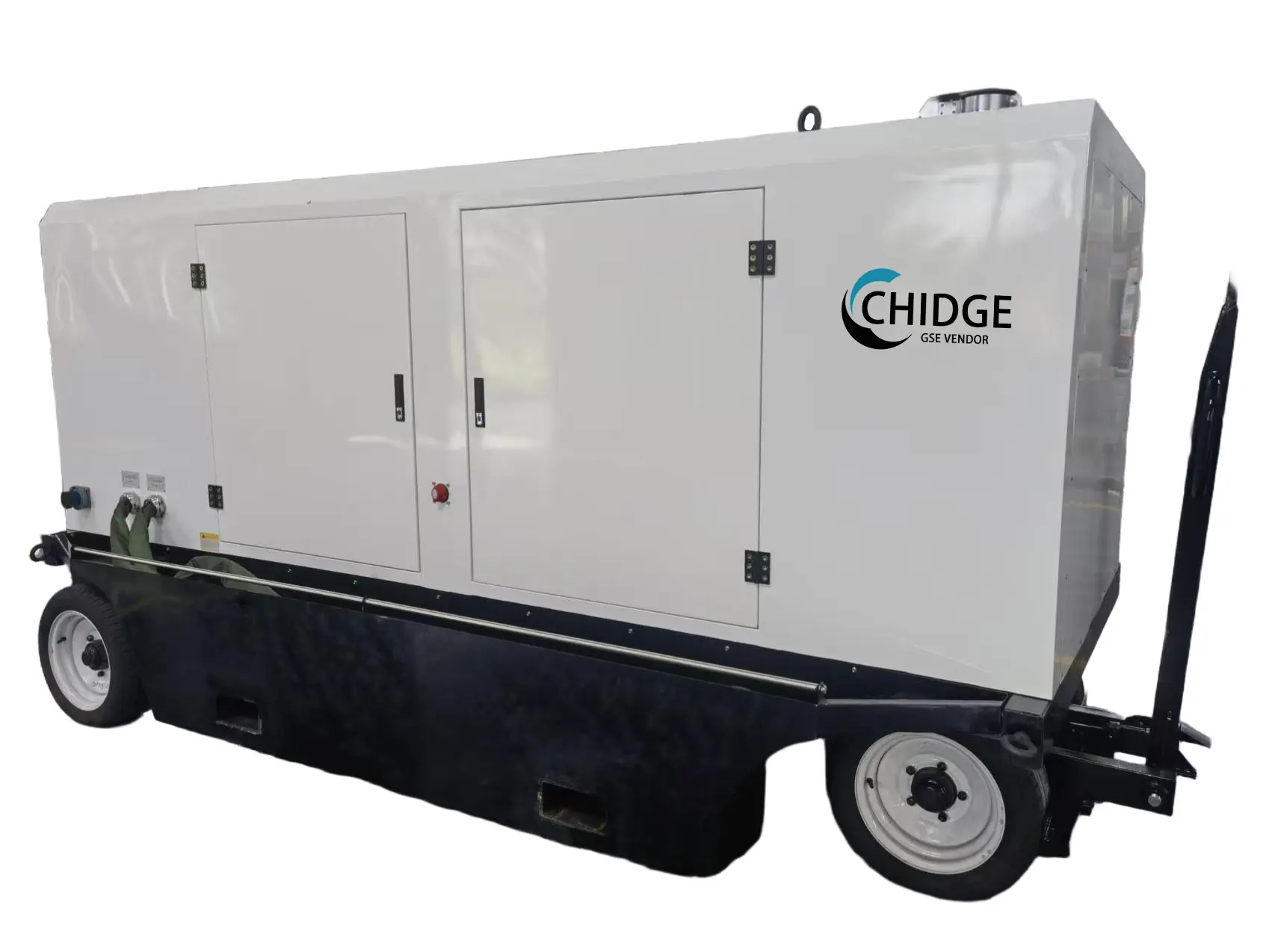
A comprehensive study of solid-state 400Hz frequency converters, comparing efficiency, electrical safety parameters, and grid connections against traditional APU usage.
Read Full ArticleClear, technical answers to common queries regarding aircraft ground power units and related fleet components.
Aviation systems utilize 400Hz electrical networks to minimize structural weight. Higher frequency AC power allows generators, transformers, and electric motors to be designed much smaller and lighter than their 50Hz or 60Hz terrestrial counterparts. By reducing electrical component weight, aircraft significantly lower fuel consumption during flight.
Solid-state GPUs use power electronics (such as IGBT modules) to convert incoming utility grid frequency to 400Hz. They have no moving parts, generate minimal noise, and boast conversion efficiencies up to 98%. Rotary GPUs, on the other hand, consist of an electric motor driving an alternator. While rotary units are highly robust, they have lower efficiency, require higher maintenance, and produce more noise.
Yes, all our dollies, including the LD3 dolly, 7T pallet dolly, and LD6 container dolly, are engineered and manufactured to fully comply with IATA Airport Handling Manual (AHM) standards 910, 913, and 967. This guarantees safe structural coupling, reliable braking, and hitch compatibility on any international runway.
We assign a dedicated project engineering lead to collaborate with your team. We gather site requirements (e.g., input voltage, cable length, climate limitations), create 3D CAD blueprints for approval, build the units, and conduct intensive physical load-bank testing before executing localized delivery.
Heavy-duty options for high-throughput cargo facilities and fleet management.
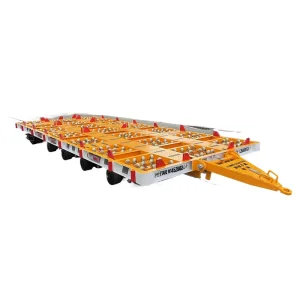
Designed for heavy cargo pallets, utilizing reinforced frame structures and multi-row roller guides.
Manufacturer & Factory Info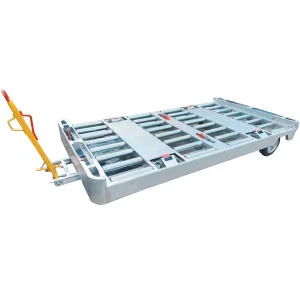
Capable of supporting high-frequency container transports across wide distribution centers.
Supplier & Factory Details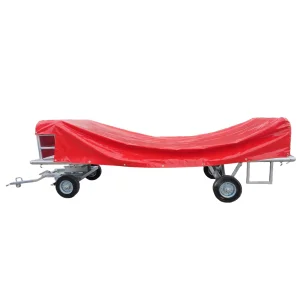
Ensures smooth towing and cargo stability. Built with non-slip surfaces and reliable hand brakes.
Manufacturer Info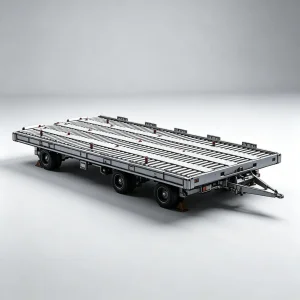
Engineered for outsized air cargo pallets. Heavy-duty suspension avoids structural sag under max loads.
Manufacturer & Factory Info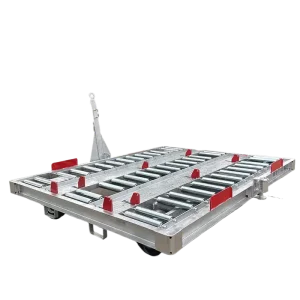
Designed for intermediate cargo transport operations, featuring a lightweight yet robust chassis.
Manufacturer & Factory Info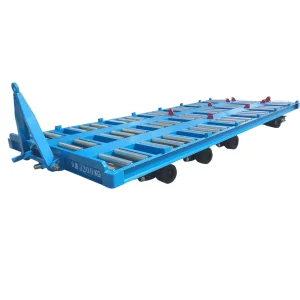
Fully customizable configuration designed to bridge heavy freight conveyors and parked cargo planes.
Manufacturer & Supplier Details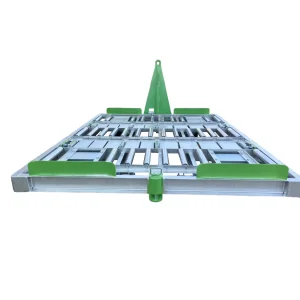
High-efficiency runway cargo transport. Features heavy-duty towbar hooks and reliable parking brakes.
Manufacturer & Suppliers Info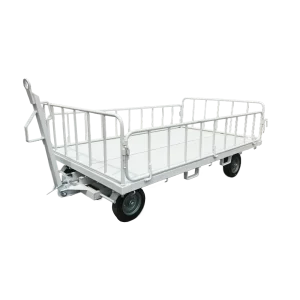
Durable open steel frame with structural mesh panels for secure transport of airline bags.
Supplier & Factory Details Chidge Dolly