Explore our robust ground mobility systems engineered for high tonnage capacity and airport ground environment compliance.
An analytical breakdown of 400Hz AC and 28.5V DC power topologies, solid-state conversion, and green energy GSE infrastructure.
In modern aviation logistics, parked aircraft represent significant operational overhead if support systems are inefficient. The Aircraft Ground Power Unit (GPU) acts as the central vascular system during gate turnaround and maintenance cycles. Running an aircraft’s Auxiliary Power Unit (APU) consumes expensive jet fuel, accelerates mechanical wear, and generates substantial local carbon emissions and noise pollution. Standardizing on external ground power carts represents a critical strategic lever for global airlines looking to optimize ground operations and satisfy strict airport environmental compliance standards.
As a leading Chinese manufacturer, we specialize in high-efficiency, military-grade, and commercial-certified ground power systems. By using advanced solid-state frequency converter designs, multi-pulse rectification (up to 24-pulse systems), and cutting-edge energy storage integrations, our systems achieve stable voltage outputs, minimal harmonic distortion, and outstanding thermal endurance under extreme climatic loads.
Utilizing high-power IGBT modules to convert standard grid power into low-noise, highly stable 400Hz AC or 28.5V DC output, providing clean power to protect sensitive aircraft avionics.
Equipped with advanced lithium iron phosphate (LiFePO4) battery architectures, offering silent operations, zero emissions, and exceptional energy storage capabilities for remote aprons.
Achieves up to 95% electrical efficiency and less than 2% Total Harmonic Distortion (THD), meeting compliance parameters of ISO 6858 and MIL-STD-704F.
The shift toward digitalized energy systems, automated diagnostics, and green ground support operations.
Replacing analog controls with high-speed Digital Signal Processor (DSP) units to enable microsecond-level voltage response loops, dynamic load compensation, and real-time CAN bus telemetry monitoring.
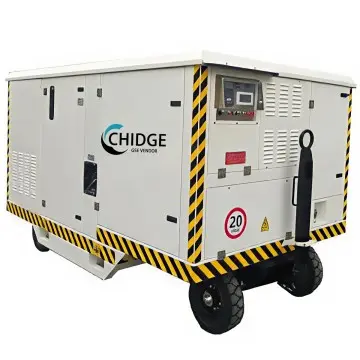
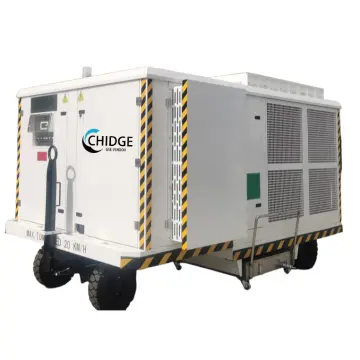
Deployment of hybrid battery-diesel and pure battery storage units (Towable GPUs). This minimizes dependency on terminal grid systems, allowing flexible operations on newly constructed or remote aprons.
Establishing secure cloud connectivity for remote diagnostics. Incorporating predictive diagnostic models into our systems ensures ground crews receive alerts regarding component degradation before failures happen.
Aviation ground support equipment must operate reliably under highly diverse global weather patterns and varying grid conditions. Our aircraft ground power carts have been engineered with localized climatic compensation kits to ensure continuous duty in all geographical sectors:
Strict quality assurance protocols govern our assembly lines, from individual IGBT thermal paste analysis to complete 4-hour dynamic load testing in dedicated test chambers.
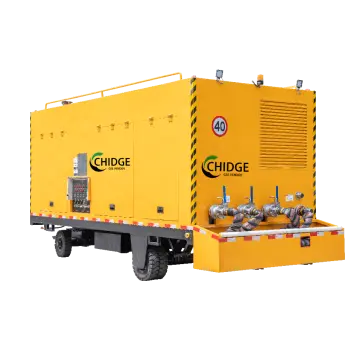
Customizing chassis formats (towable, truck-mounted, or static bridge-mounted configurations) to align with specific regional aircraft types, tow-bar requirements, and local safety rules.
Full alignment with military standard MIL-STD-704F, international standard ISO 6858, and aviation standards DFS 400 and IATA AHM 913.
In the globalized ground support equipment sector, consistency in delivery timelines and parts availability is essential. Our production facility in China leverages a highly robust, vertically integrated manufacturing ecosystem that guarantees steady delivery timelines and exceptional quality control:
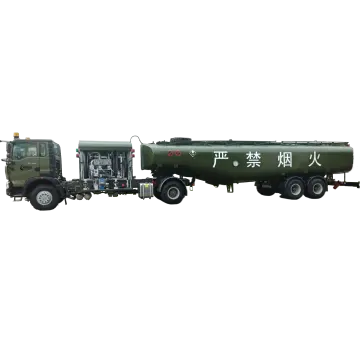
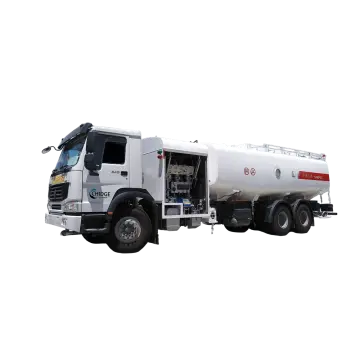
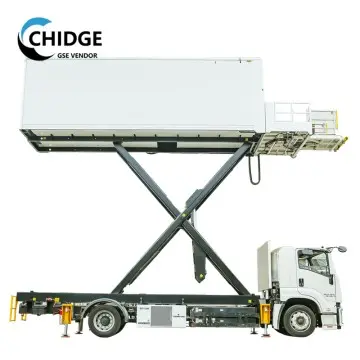
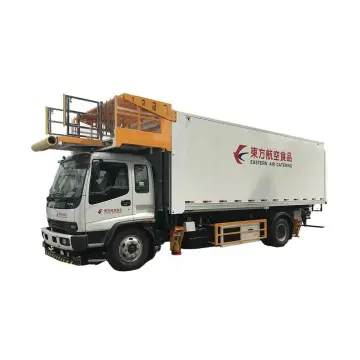
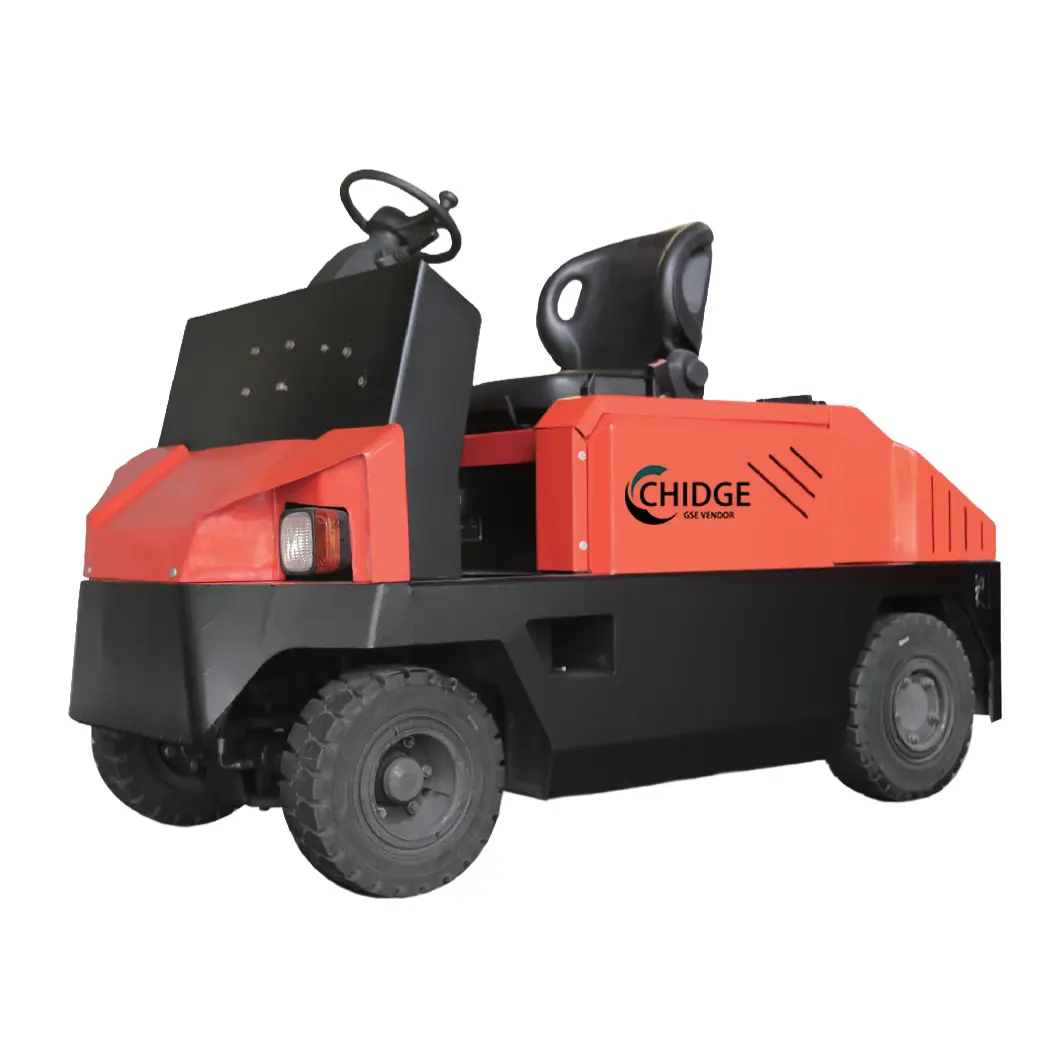
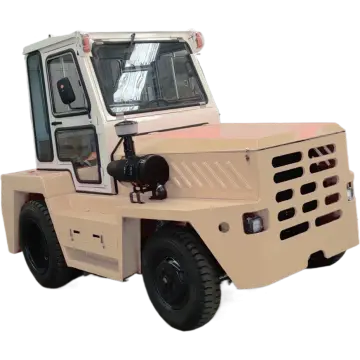
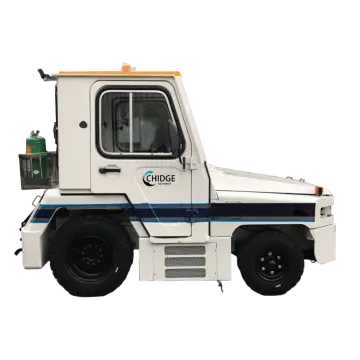
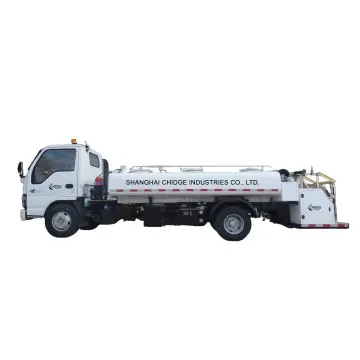
Discover our broad range of ground support solutions, including cargo handlers, catering trucks, fueling equipment, and tow tractors.

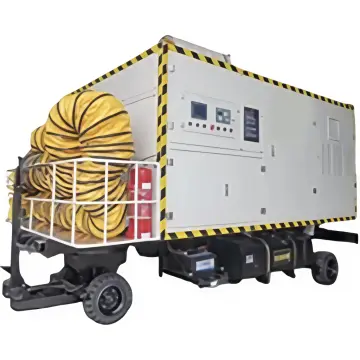
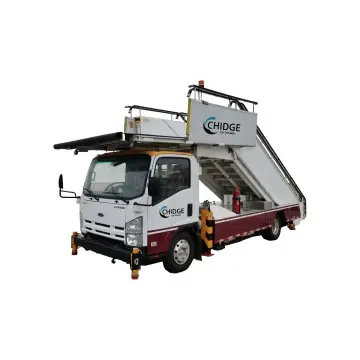

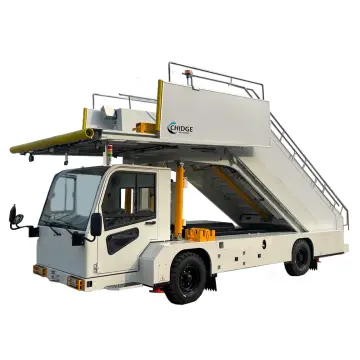
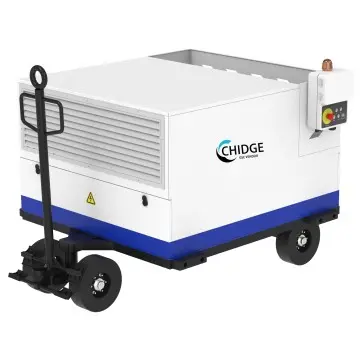
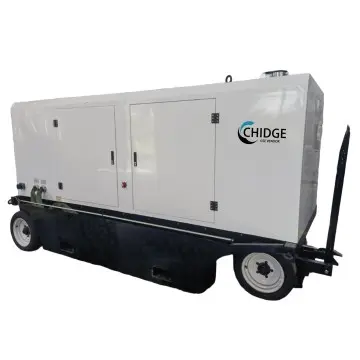
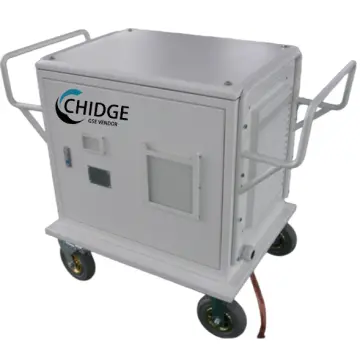
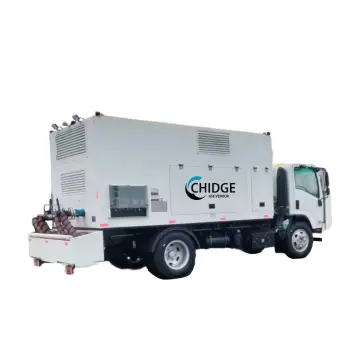
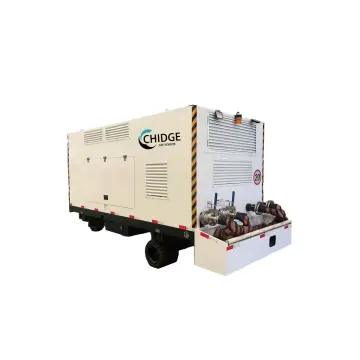
Ground support equipment must align with strict international aviation standards. To ensure safety, reliability, and authorization for airport ramp use, our aircraft ground power carts comply with the following regulatory frameworks:
Specifies the electrical power requirements for aircraft ground support, establishing parameters for output voltage transient limits, frequency stability, phase balances, and general testing procedures.
Governs the design and interface requirements for 400Hz airport ground power distribution, ensuring safety for ground operators and protection against electrical overloads.
Aligns with military aircraft power specifications, including voltage limits, frequency variation, and transient characteristics for both 115V AC and 28.5V DC configurations.
Technical briefings and operational guides directly from our GSE engineering and service teams.
 Industry News
An in-depth look at structural design, anti-slip tread engineering, auto-leveling systems, and safety wind-load compliance for passenger boarding stairs.
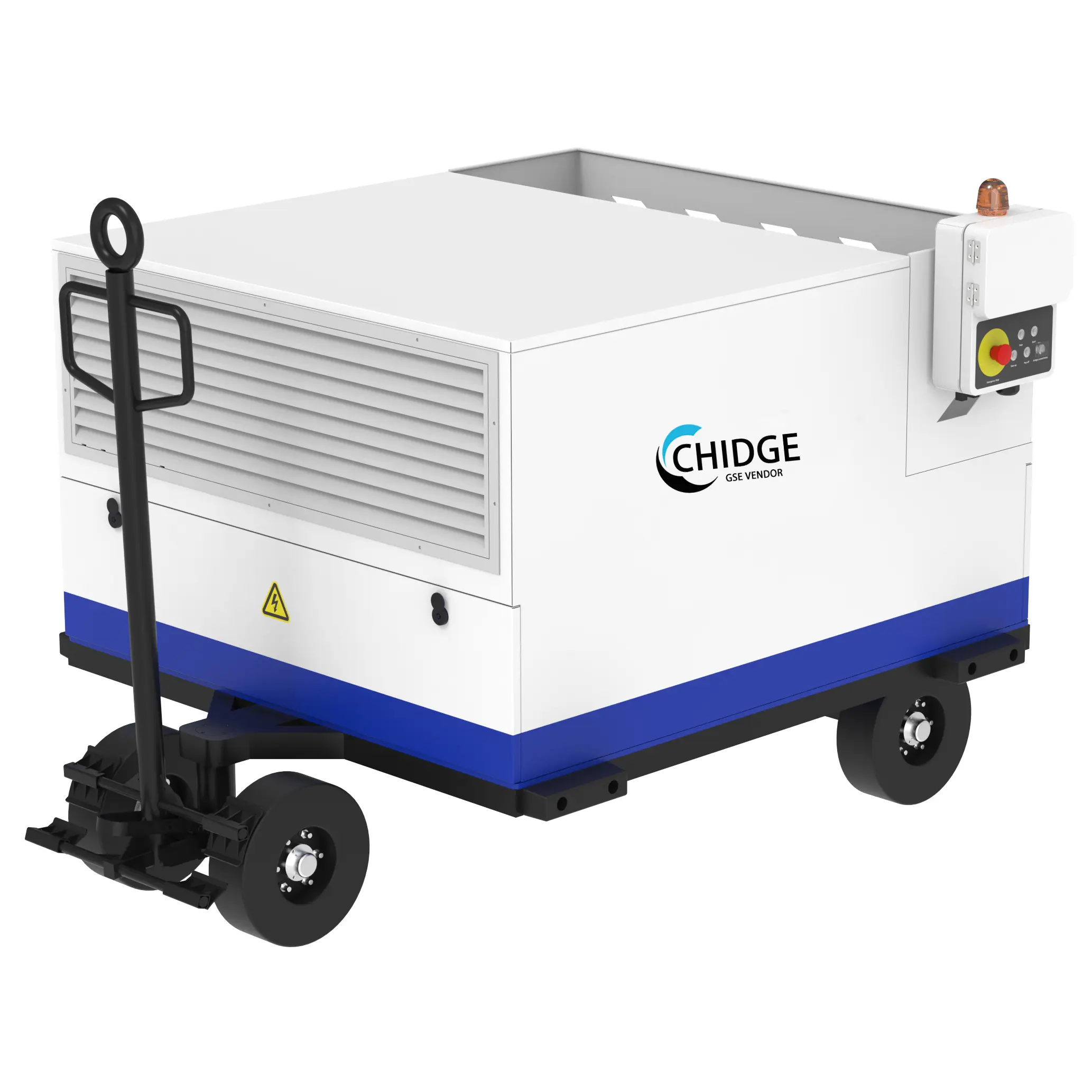 Industry News
Analyzing the performance of lithium battery packs in towable ground power units, focusing on charging cycle lifespans and zero-emission operations.
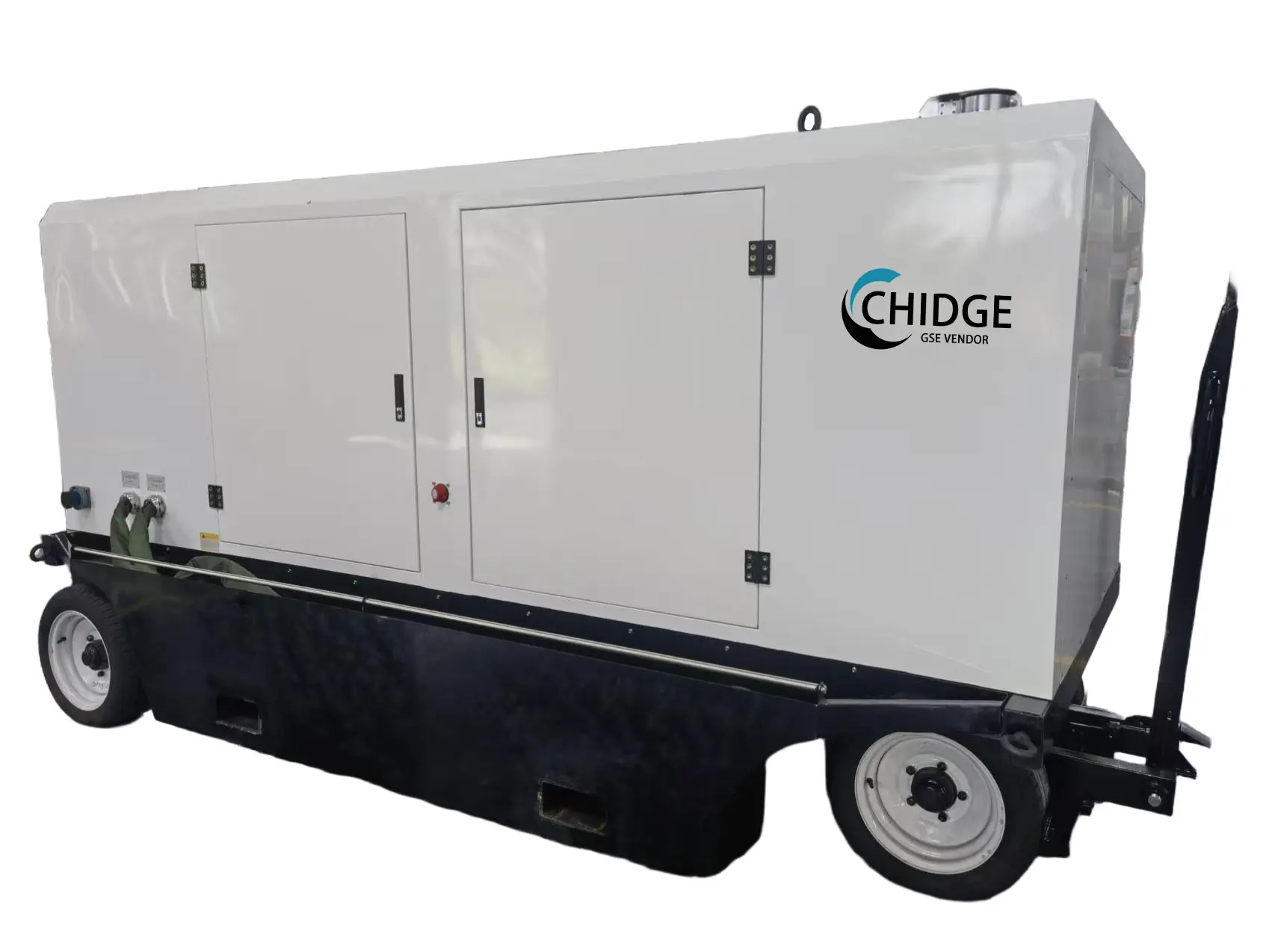 Industry News
A comprehensive study on solid-state frequency conversion versus diesel engine generation on the flight line, detailing operational costs, efficiency, and maintenance requirements.
Technical answers to key questions about 400Hz frequency conversion, power quality, and unit operation.
We work closely with global airlines, ground handlers, and logistics providers to deliver reliable power solutions.

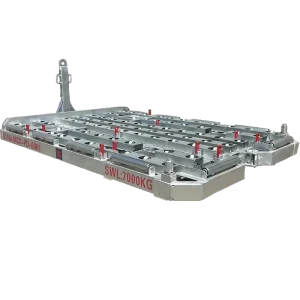
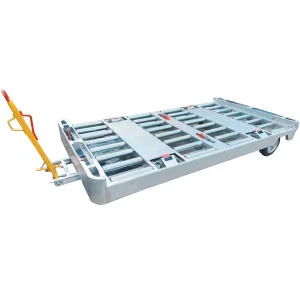
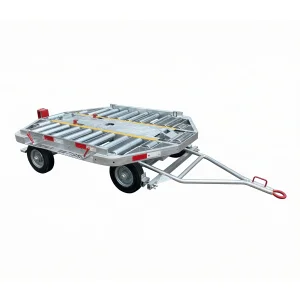
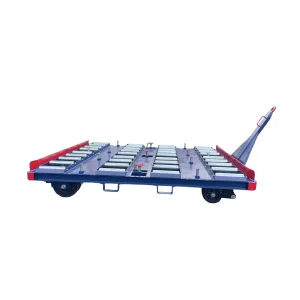
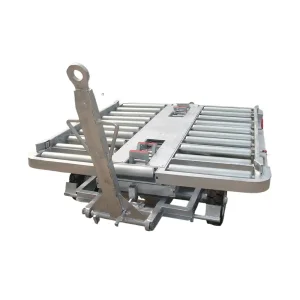
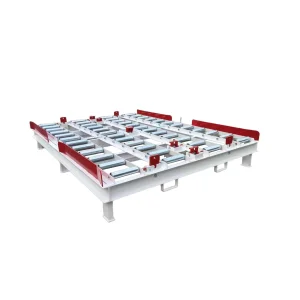
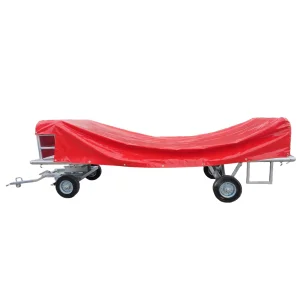
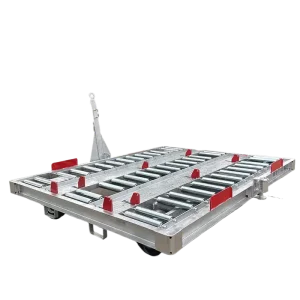
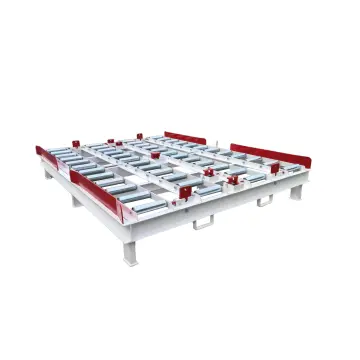
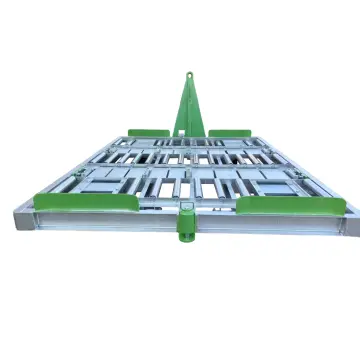
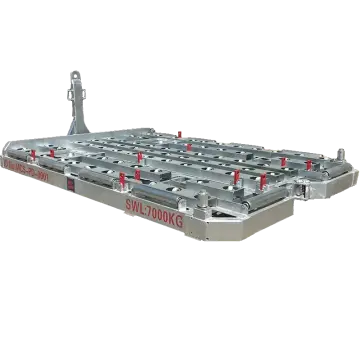
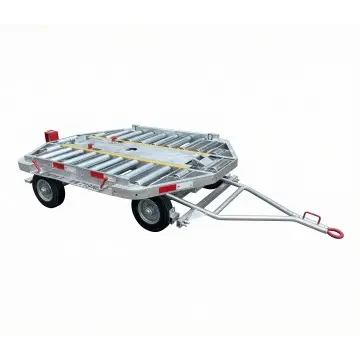
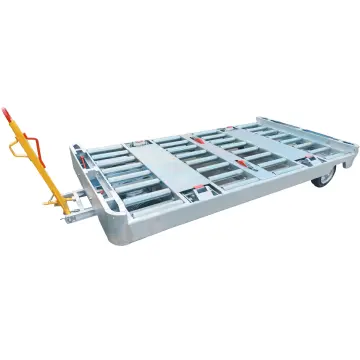
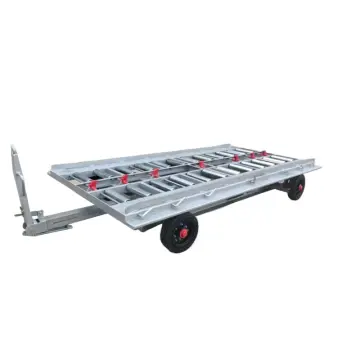
Heavy-duty pallet and container dollies designed to streamline cargo movement on airport ramps.
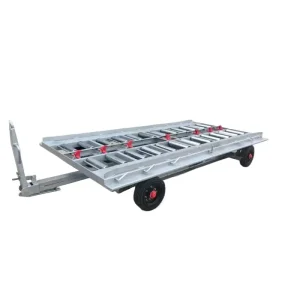
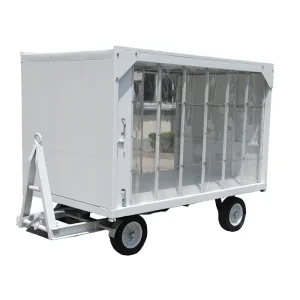
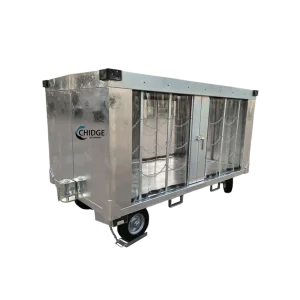
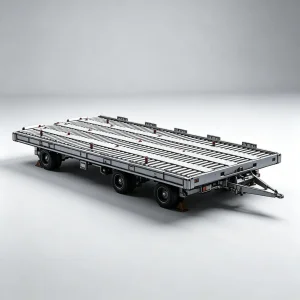
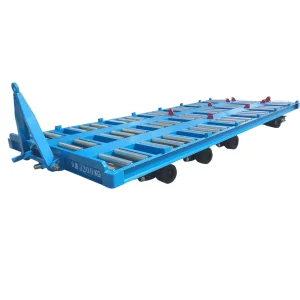
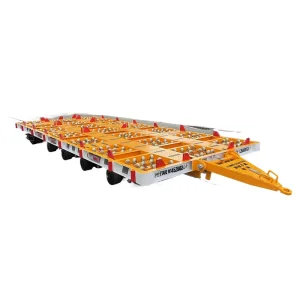
 Chidge Dolly