High-performance dollies and transport systems designed to interface seamlessly with ground power logistics.
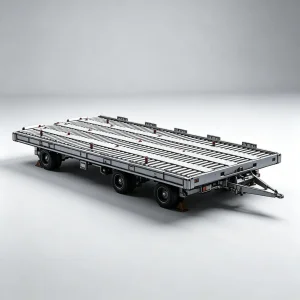
Heavy-duty dual-steerable transport dolly built to withstand intense military and commercial cargo operations.
View Details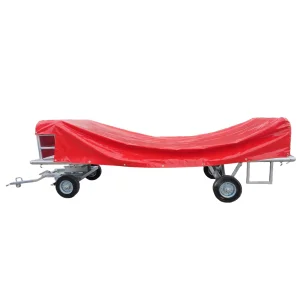
Ergonomic and wear-resistant airport baggage trolleys equipped with automatic brake systems.
View Details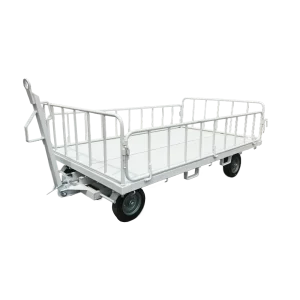
Industrial grade structure with side gates and rain shelters for efficient ramp transportation.
View Details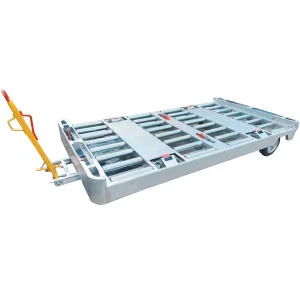
Heavy-duty logistics solution custom built for container handling and automated terminal guidance.
View Details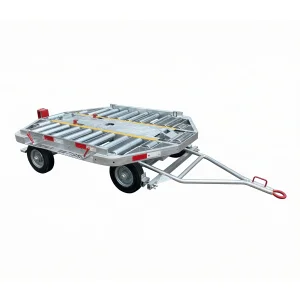
Optimized design for unit load devices (ULD) with low maintenance requirements and premium raw materials.
View Details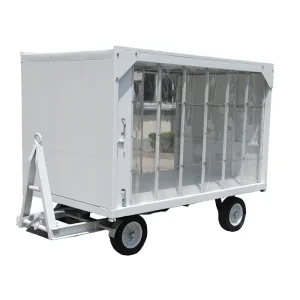
Weatherproof construction offering maximum security and damage protection for transit cargo.
View Details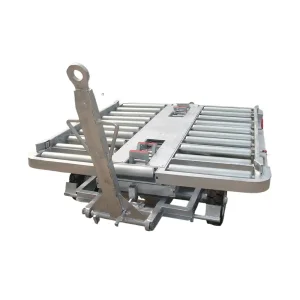
Engineered for seamless alignment with airport cargo decks and aircraft loading docks.
View Details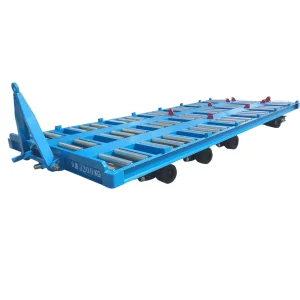
High-capacity platform utilizing specialized suspension for smooth cargo handling over irregular terrain.
View DetailsAnalyzing market drivers, technical requisites, and the transition toward airport electrification and decarb initiatives.
Modern commercial and military aviation structures require clean, highly stable electrical inputs during terminal boarding and routine hangar maintenance. Conventionally, onboard turbine-powered Auxiliary Power Units (APUs) provided this electricity, consuming expensive jet fuel and releasing substantial CO2 and NOx emissions. Under current global net-zero strategies (such as the EU's Clean Sky Initiative and the FAA's Voluntary Airport Low Emission Program), airports are rapidly enforcing regulations to minimize APU usage on the tarmac.
Consequently, 400Hz Ground Power Supplies (GPUs) have transitioned from optional ground support equipment (GSE) to mandatory infrastructure. By converting utility grid power (50Hz/60Hz) to the standard aviation frequency of 400Hz (115V/200V AC), ground power systems offer massive savings in fuel costs and emit zero local emissions.
China has emerged as a premier hub for designing and manufacturing solid-state and diesel-driven 400Hz power systems. Leveraging advanced semiconductor supply chains and extensive metal-alloy manufacturing capacities, Chinese manufacturers produce systems that meet strict international aviation standards including ISO 6858, MIL-STD-704F, DFS400, and EN2282.
By integrating advanced Silicon Carbide (SiC) and Insulated Gate Bipolar Transistor (IGBT) technologies, China-based manufacturers are successfully delivering high-reliability systems to MROs, civil aviation hubs, and military aerospace bases worldwide.
Statistical parameters demonstrating efficiency gains, environmental impact reduction, and design requirements.
Decoupling the dynamics of traditional diesel/motor rotary conversion from modern solid-state electronics.
Selecting the appropriate system architecture is dependent on the target installation scenario. Rotary (motor-generator) units utilize a physical rotating shaft to drive a 400Hz alternator, while Solid-State Frequency Converters leverage power semiconductors (IGBT/MOSFET) with digital signal processing to Synthesize 400Hz dynamically.
| Feature / Metric | Solid-State Frequency Converter (SFC) | Rotary Ground Power Unit (M-G Set) |
|---|---|---|
| Primary Mechanism | Dynamic Double-Conversion (AC-DC-AC) Semiconductor Switches | Electro-mechanical Motor coupled with 400Hz Alternator |
| Mechanical Wear | Zero moving parts (except low-speed cooling fans) | High wear (bearings, alternator slip rings, carbon brushes) |
| Acoustic Footprint | Extremely low (< 65 dBA at 1 meter) | High noise (> 85 dBA, requiring thick acoustic barriers) |
| Dynamic Response Time | < 2 milliseconds (instantaneous load step recovery) | 50 to 100 milliseconds (inertia recovery limitations) |
| Maintenance Cycle | Routine filter replacement and annual diagnostics | Frequent lubrication, bearing overhaul, combustion engine service |
| Total Harmonic Distortion (THD) | Typically < 2% (due to advanced PWM filters) | 3% to 5% (subject to load unbalance & rotor asymmetry) |
Providing technical excellence, deliverability, and after-sales support to international airport authorities and logistics operators.

Our company in the product design, research and development, the use of advanced science and technology and innovation capabilities in the production...

High quality products meet the expected needs of users, and can stand out in similar competitive products, win market recognition and reputation...

Our company's supply chain management, inventory control, logistics and transportation systems, as well as the ability to respond to emergencies...

The quality after-sales service solves the problems encountered by customers in the process of use, enhances the trust and loyalty of customers, extends the...
Explore our diverse lines of airport ramp equipment, fluid management tankers, heaters, and towing systems.
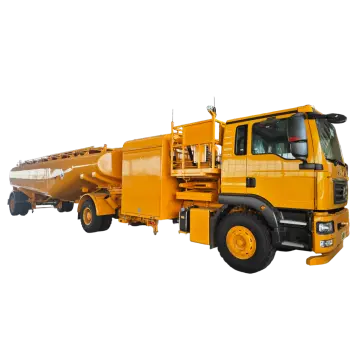
Consists of a chassis, oil tanks, a pumping system, a control system, and functions like filtration, metering, and pressure control.
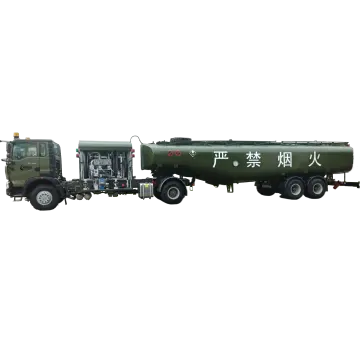
Highly integrated aviation chassis with custom-built high-flow pump components for wide-body commercial aircraft.
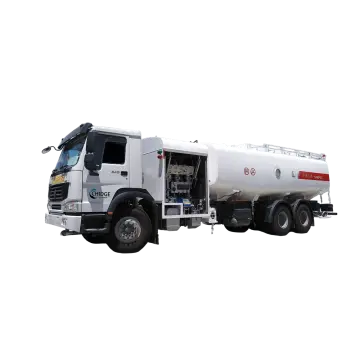
Advanced fuel delivery unit designed to interface with underwing nozzles, complete with water separation filtration units.
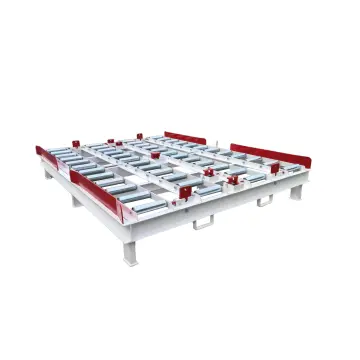
Precision-guided accessory dolly optimized for warehouse staging and airport tarmac cargo relocation.
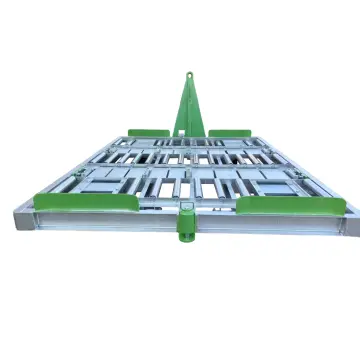
Standard airport cargo trailer with anti-skid surface rollers and multi-directional rotation capability.
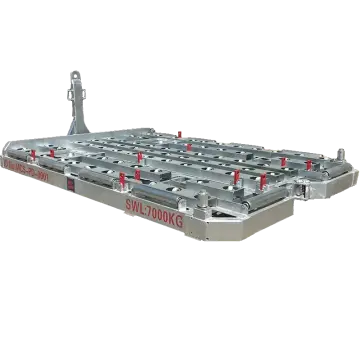
Features perimeter safety barriers (castle pins) to secure standard air containers in high-wind conditions.
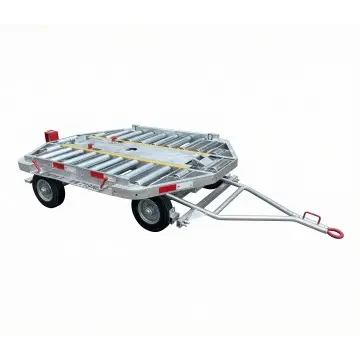
Lightweight yet rugged chassis constructed for handling standard airline baggage LD3 containers.
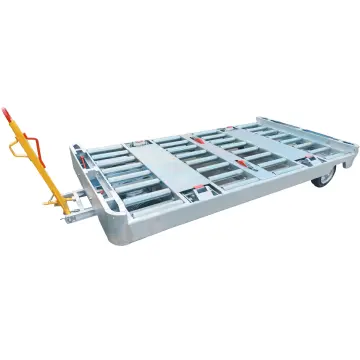
Ramp-proven container transporter with reinforced towbar and leaf-spring steering control.
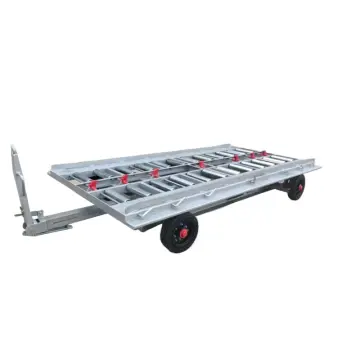
Wider frame base configuration explicitly designed to host and secure larger LD6 cargo containers.
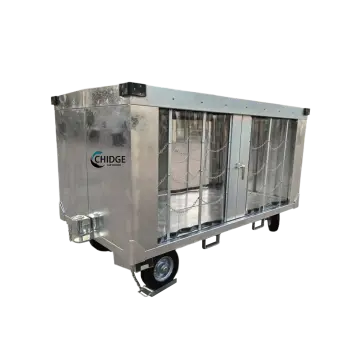
Features heavy-duty vinyl covers or rigid fiberglass panels to keep baggage dry during outdoor transits.
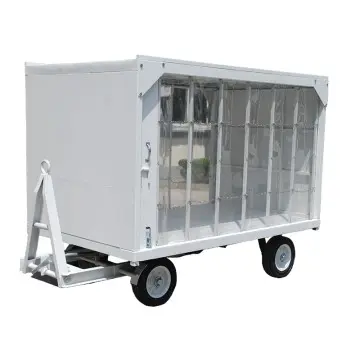
Rigid metal box design with sliding side curtain doors to provide security and weather protection.
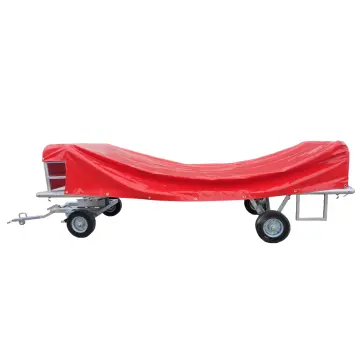
Corrosion-resistant steel frame with dual brakes for heavy airport terminal passenger luggage operations.
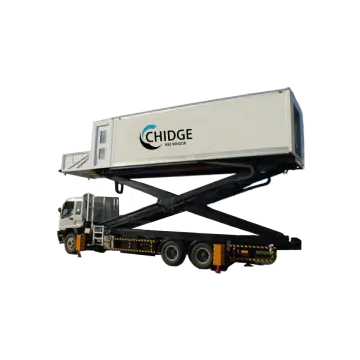
Hydraulic scissor-lift body catering truck designed for servicing wide range aircraft cabins.
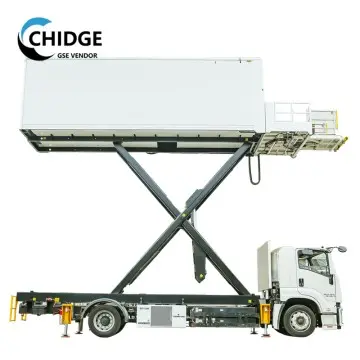
Powered by high-capacity lithium iron phosphate (LFP) batteries, reducing airport carbon footprint.
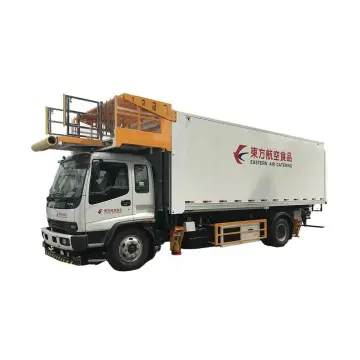
Equipped with reliable hydraulic systems and insulated cargo compartment for food safety.
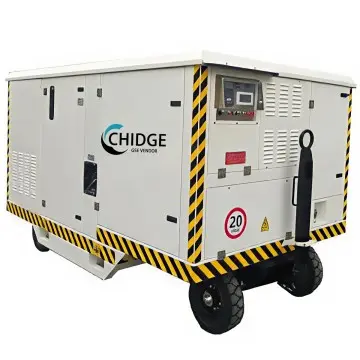
High capacity cabin forced air heater designed to maintain temperatures in extreme climates.
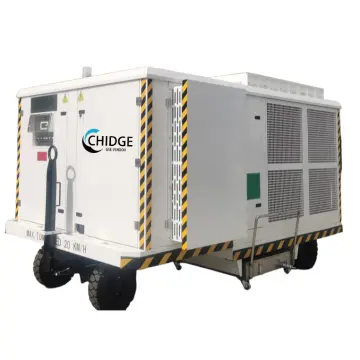
Supplies conditioned fresh air to passenger cabins, optimizing ground thermal environments.
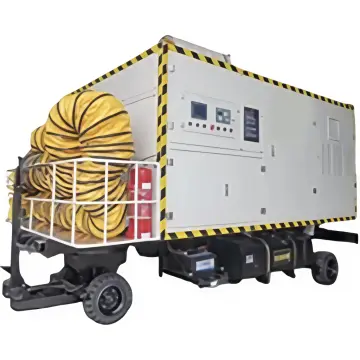
Compact towable heating element offering quick duct attachment to airframe cabin access ports.
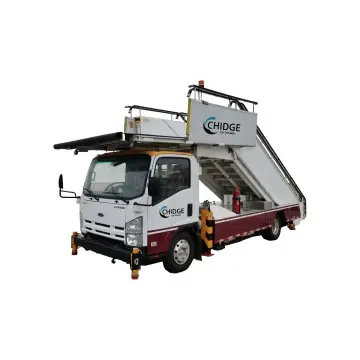
Full electric drive passenger stairs featuring automatic adjustment and safety microswitches.
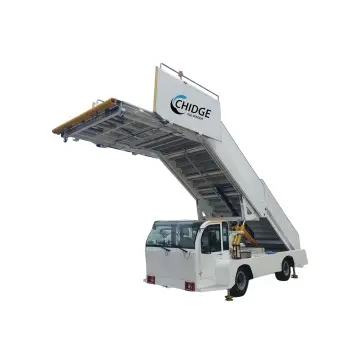
Reliable diesel engine drive steps featuring variable cabin sill heights for regional and mainliners.
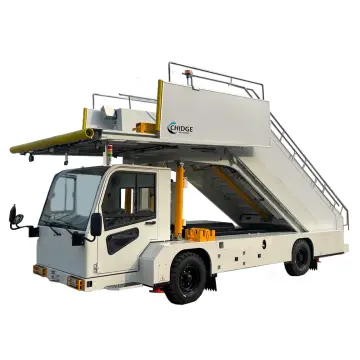
Ergonomic side handrails, slip resistant steps, and bright LED path lighting for nighttime safety.
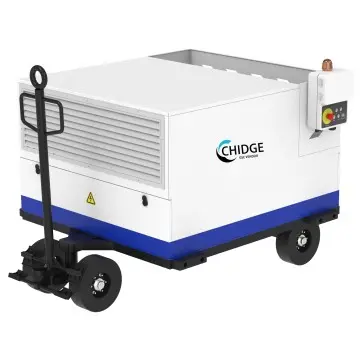
Employs battery cells to deliver clean 400Hz frequency converter output without running a diesel motor.
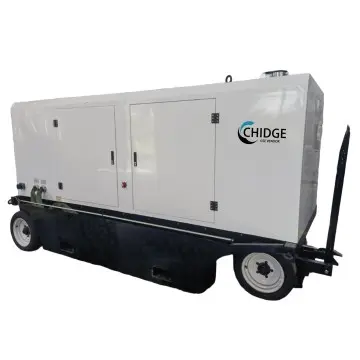
Ideal for narrow-body aircraft, supplying stabilized 115V/200V AC power with low harmonic distortion.
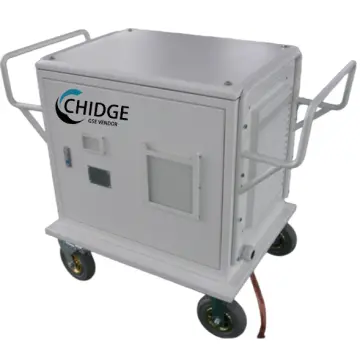
Point-of-use (bridge-mounted) or towable hangar frequency converter designed for strict compliance with aviation standards.
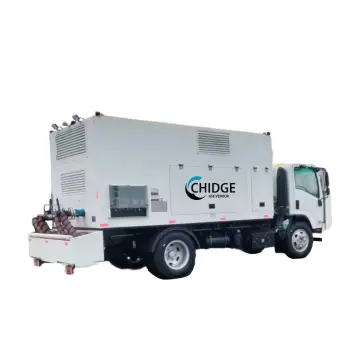
High-pressure compressor vehicle designed to crank main aircraft turbine engines using clean compressed air.
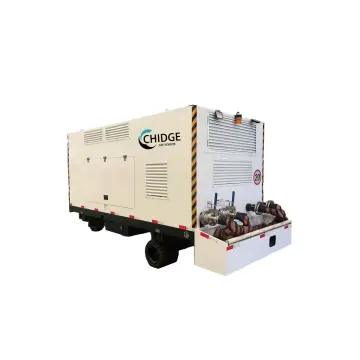
Delivers up to 300 ppm (pounds per minute) airflow to initiate combustion in large jet engines.
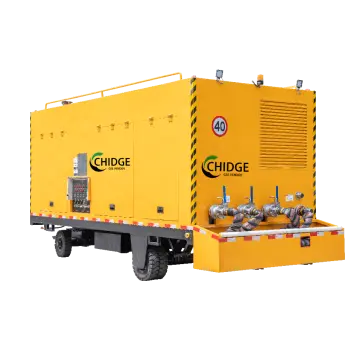
Designed for wide-body applications, generating continuous high pressure under diverse ambient environments.
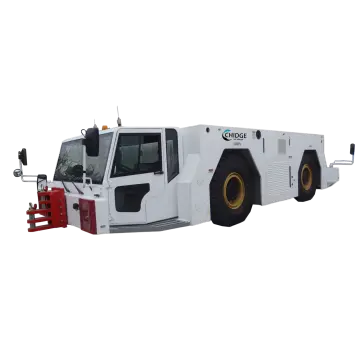
High-tractive force pushback tractor capable of moving the largest commercial airliners (A380 class).
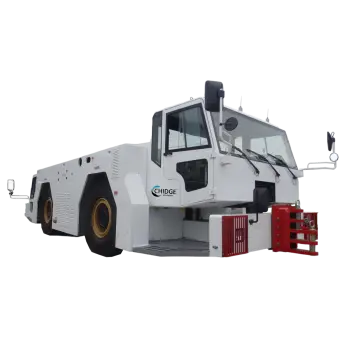
Features four-wheel steering and crab mode for precise gate parking maneuvers.
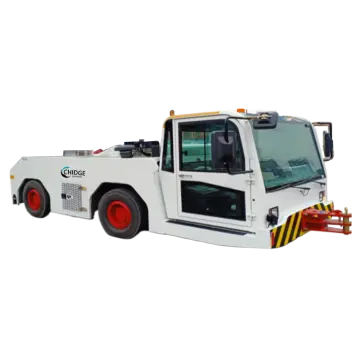
Compact design, heavy steel ballast, and high-visibility cabin for safe ramp operations.
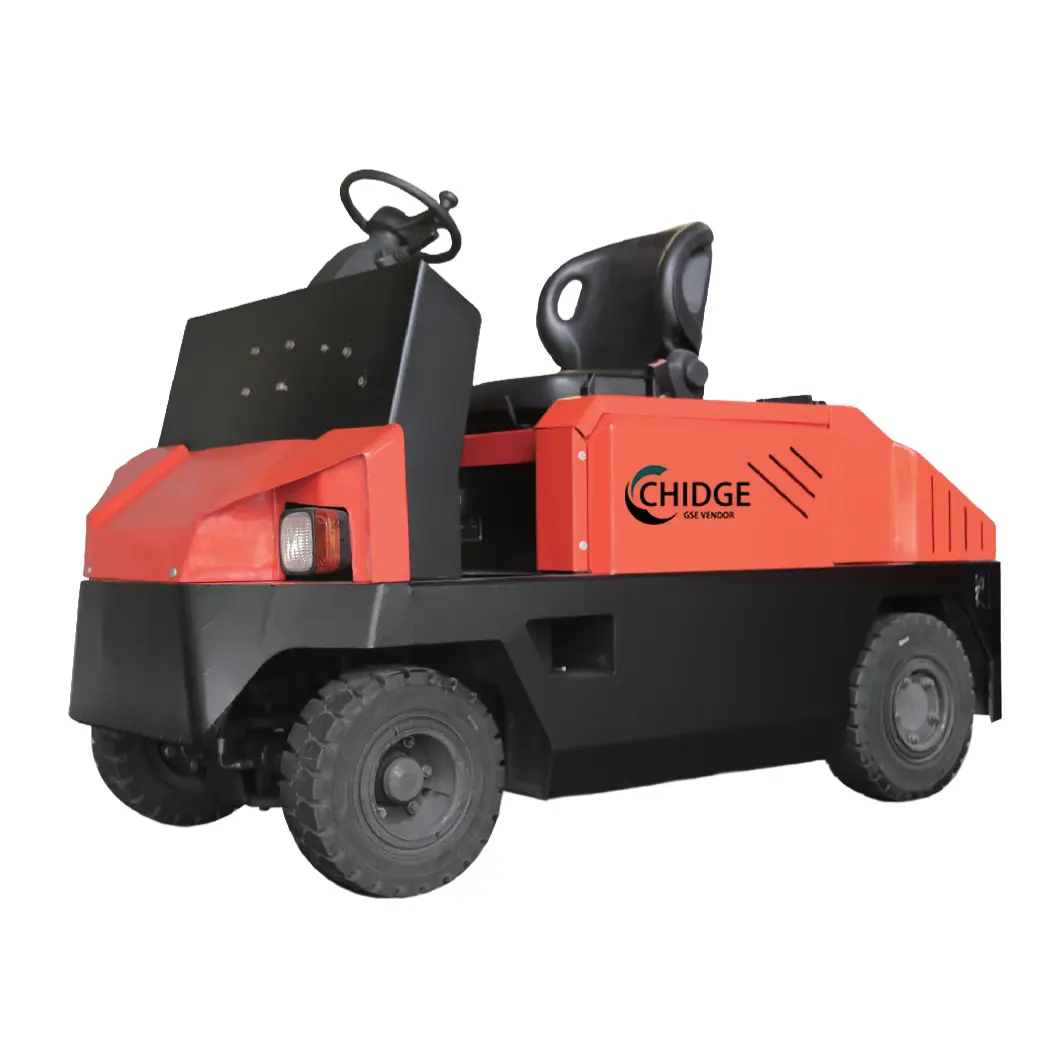
Highly maneuverable electric tug for moving trains of baggage carts or dollies.
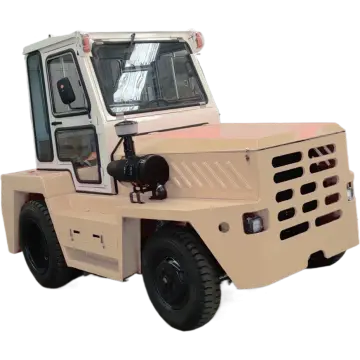
High torque diesel drivetrain engineered for long shifts in cargo logistics hubs.
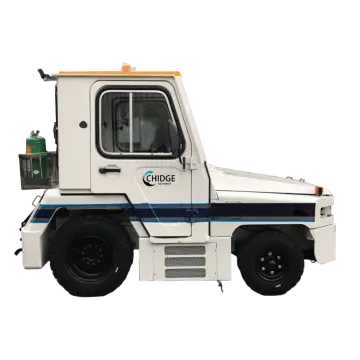
Offers superior battery life and regenerative braking to handle extreme heavy cargo lines.
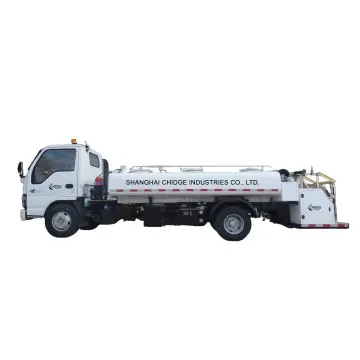
Equipped with chemical disposal tanks, rinse pumps, and vacuum evacuation hoses.
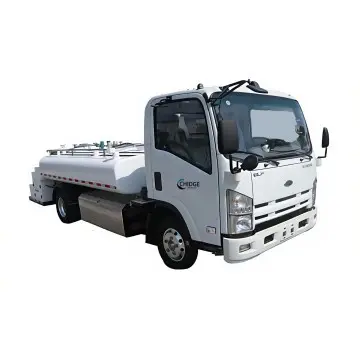
Supplies fresh potable water to commercial cabins using food-grade stainless steel tanks.
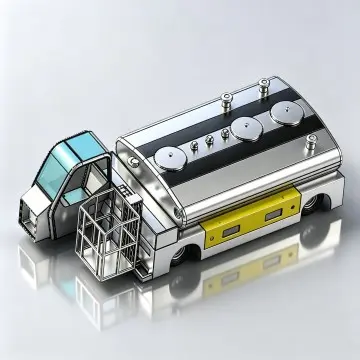
Clean electric motor system prevents emissions near boarding terminals during lavatory handling.
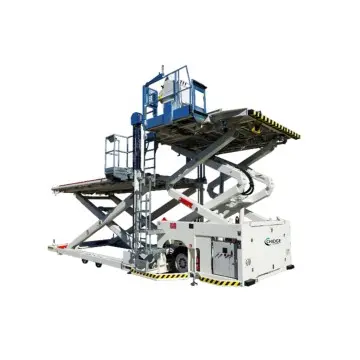
Hydraulic scissors transfer platform built for heavy ULD distribution directly to main aircraft decks.
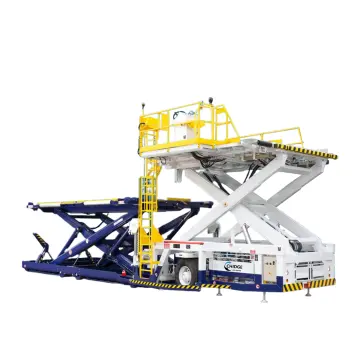
Heavy-duty main deck loader capable of lifting up to 35 tons of cargo containers.
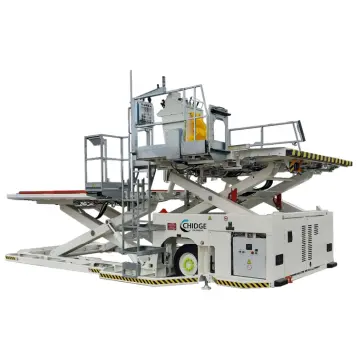
Highly agile loader optimized for narrow-body lower lobe cargo operations.
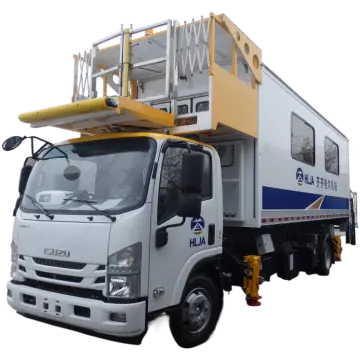
Hydraulic lift cabin to transport passengers with reduced mobility safely onto commercial flights.
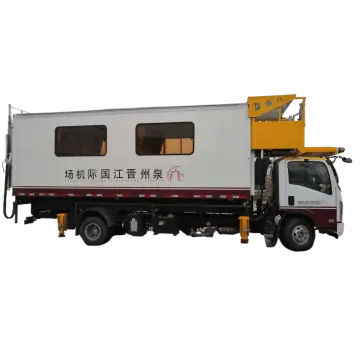
Padded interior cabin and variable height floor plate tailored for disabled passenger transport.
Understanding how 400Hz frequency converters must adapt to geographical and infrastructure challenges globally.
MROs call for multiple independent power drops to service different parts of an airframe concurrently. Inside hangars, centralized 400Hz systems utilize overhead cable gantries or pit systems. Solid-state converters deployed in these settings require Automatic Line Drop Compensation (ALDC). Because 400Hz electricity experiences a much higher voltage drop over long cable runs than standard 50Hz/60Hz lines (due to higher inductive reactance), ALDC dynamically monitors terminal voltage and boosts the output at the source to ensure 115V AC reaches the aircraft connector receptacle.
For outdoor ramp deployment in regions like the Middle East (extreme heat and fine sand) or South-East Asia (high humidity and saline air), GPUs require heavy-duty enclosures (minimum rating IP55, up to IP65). Chinese manufacturers specialize in integrating liquid-cooled heat sinks or dual-compartment enclosures. By isolating sensitive control electronics (DSP, fiber optic controllers) from the air-flow channel that cools the transformer coils, sand ingress and salt-induced dielectric breakdown are prevented.
Tactical air bases demand trailer-mounted, highly mobile GPUs. These units must withstand shock, vibration, and extreme temperature shifts. In addition, electromagnetic compatibility (EMC) is critical. Under MIL-STD-461G, the 400Hz GPU must emit zero conducted or radiated interference that could disrupt sensitive military communications or onboard radar components during pre-flight diagnostics.
Exploring the integration of wide-bandgap semiconductors, hybrid energy storage, and smart GSE fleet telematics.
Traditional IGBT switches in frequency converters operate at switching frequencies between 8kHz and 15kHz, resulting in thermal losses and large output filters. The adoption of SiC MOSFETs pushes switching frequencies beyond 50kHz. This drastically reduces the size of the output magnetic filters (transformers and inductors), increases conversion efficiency to over 97%, and shrinks the total physical footprint of static bridge-mounted units.
In remote parking stands without grid access, towable diesel GPUs were traditionally the only choice. The latest trend combines battery storage (Lithium Iron Phosphate - LFP) with solid-state inverter modules. The battery pack supplies peak current during initial aircraft system startup (which draws heavy inrush currents), while a smaller, efficient diesel generator or fuel cell runs continuously at its optimal load point to recharge the batteries. Pure battery-electric GPUs are also becoming standard at green airports, charging from solar microgrids during downtime.
Our mission is to make their choices firm and correct, to create greater value for customers and to realize their own value.
Providing technical advisory and lifecycle equipment logistics.

Selling various high-performance aviation ground support equipment globally.

Providing customized fleet services to airlines, airports, and cargo logistics companies.

Comprehensive catalog matching wide-body passenger liners and cargo freighters.

Rigorous factory testing, compliance verification, and punctual delivery timelines.
We welcome bespoke engineering requests and custom configurations.
Whether seeking custom chassis integration, multi-tap voltage configurations, or distinct environmental housing modifications, our engineering team handles product planning, design, component sourcing, safety testing, and global logistics support.
 Management
 Quality
 Delivery
 R & D
R & D
Frequently asked questions concerning standards, voltage configurations, safety interlocks, and design mechanics.
To achieve global airworthiness and interface safely with commercial or military aircraft, a 400Hz GPU must comply with several critical standards:
At 400Hz, inductive reactance is eight times higher than at 50Hz, causing significant voltage drops across typical ground cables (e.g., 20-30 meters). If not adjusted, a 115V AC output at the source could drop to 105V AC at the aircraft plug, triggering the aircraft's undervoltage protection.
ALDC uses current and voltage feedback loops to dynamically raise the source voltage up to 125V AC to ensure that a steady 115V AC (+/- 1-2%) is delivered directly to the aircraft receptacle, preventing onboard computer faults.
While most commercial jetliners and large transports utilize 115V/200V 400Hz AC power, regional aircraft, turboprops, helicopters, and business jets typically require 28.5V DC. Dual-system ground power units provide both outputs, converting the utility AC feed to both high-frequency 400Hz AC and regulated low-voltage DC via separate output channels.
SFCs employ independent three-phase control circuits with dedicated digital signal processors (DSPs). This architecture allows the converter to handle up to 100% load unbalance (where one phase carries full load and the others carry zero) while maintaining a balanced phase relationship (120 degrees apart) and keeping voltage regulation within 1%, protecting the aircraft's internal electronics.
Safety is maintained through the standard 6-pin aviation connector. The plug incorporates two shorter pins (E and F) called the **interlock loop**. The GPU will not energize the output cables unless it detects a closed loop between these pins, which only occurs when the plug is fully inserted into the aircraft receptacle. This prevents accidental arcing, cable damage, or risk of electric shock to ground crew.
Stay updated with regional technical updates, product announcements, and aviation guidelines.
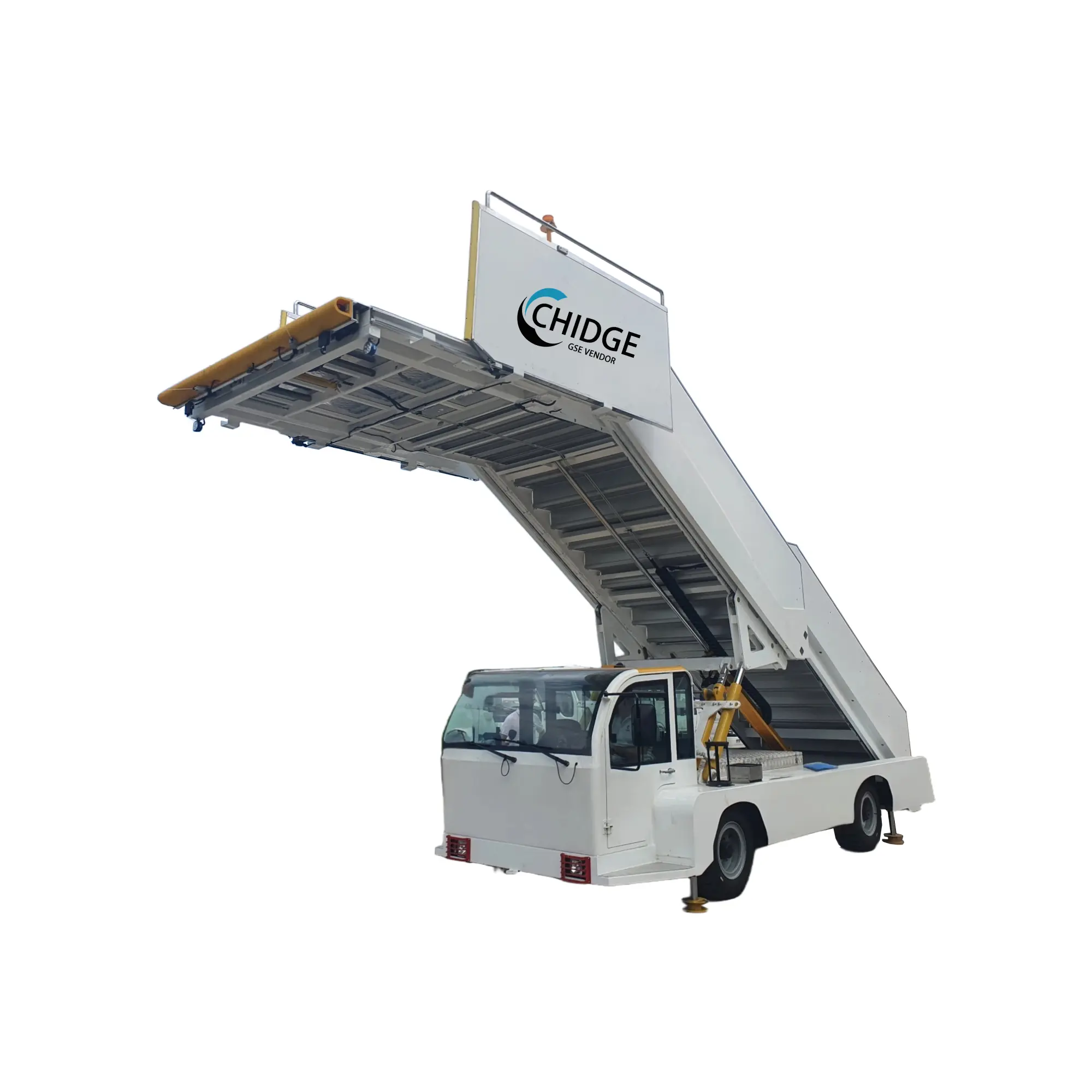
An overview of manual, self-propelled, and electric boarding stairs, detailing safety requirements, wind tolerances, and structural frameworks.
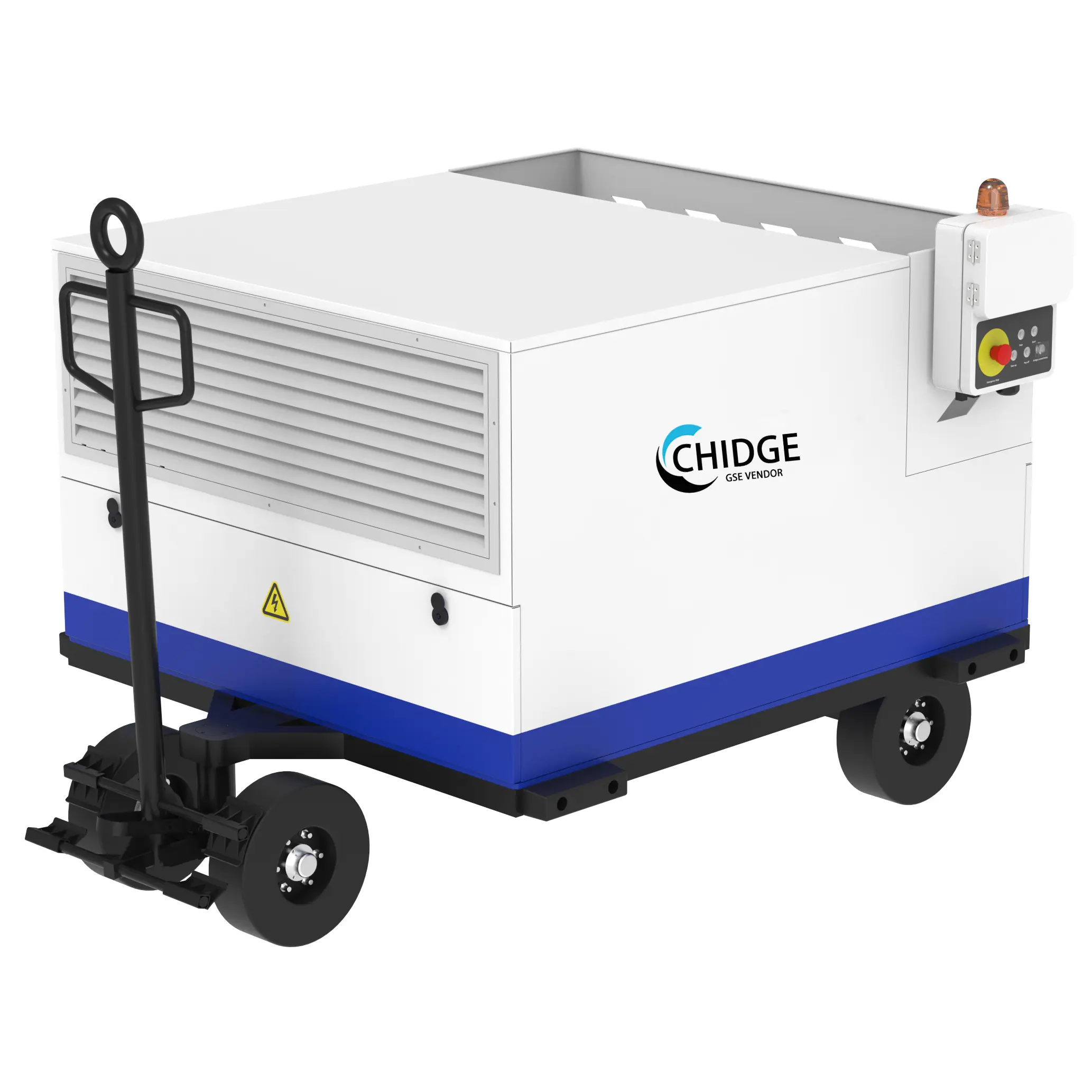
Details on our newest generation towable battery-assisted ground power systems that eliminate emission and noise levels on remote stands.
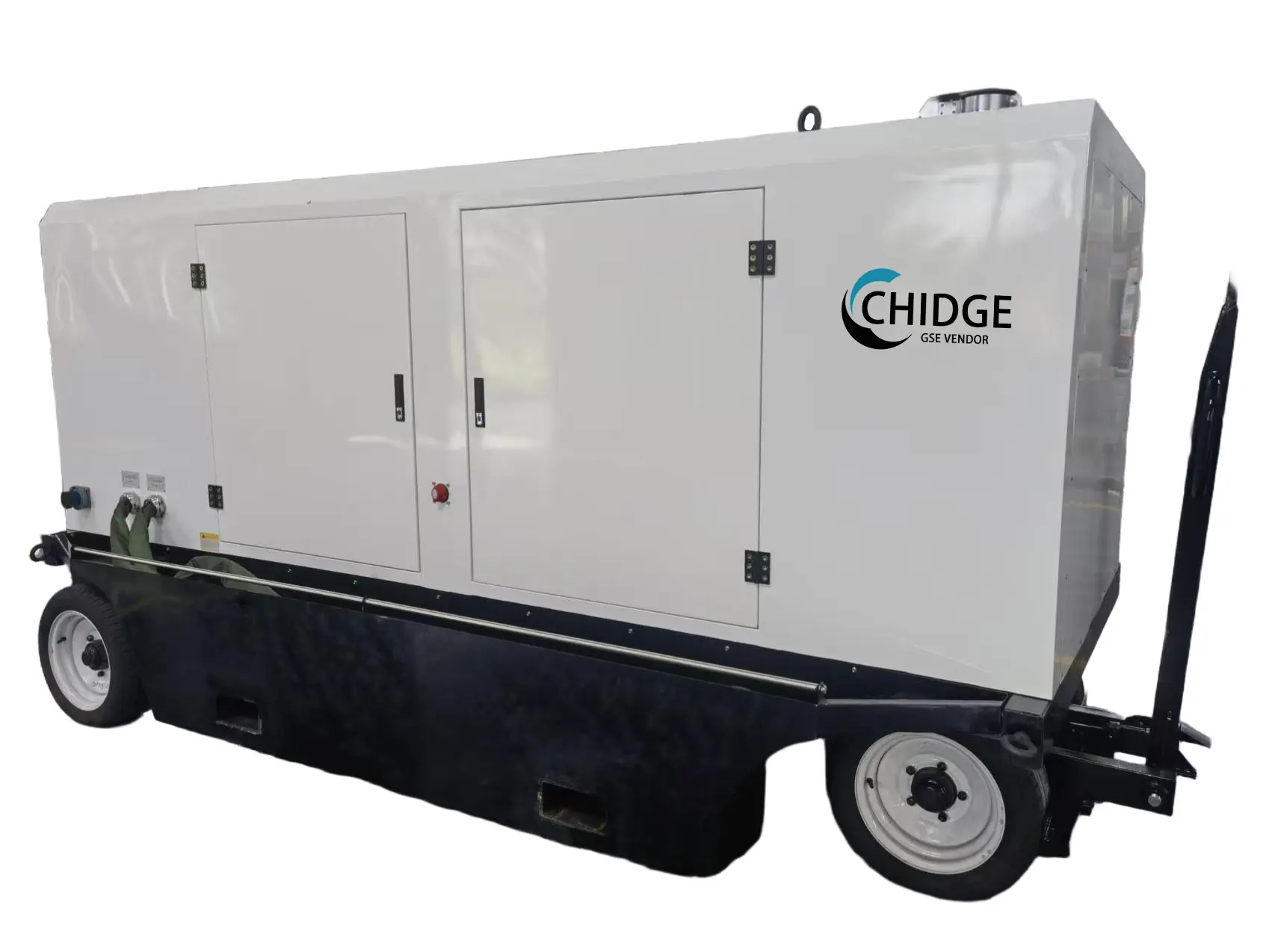
A deep-dive technical article exploring how static frequency converters support aircraft pre-flight checks and passenger boarding without APU engine runs.
Durable heavy-duty airport dollies, trailers, and cargo platforms designed for high-density logistics.
Premium frame cargo dolly with zinc-galvanized roller paths and custom dimensions.
View Details
Engineered for integration with forklift trucks and automated airport cargo warehouse decks.
View Details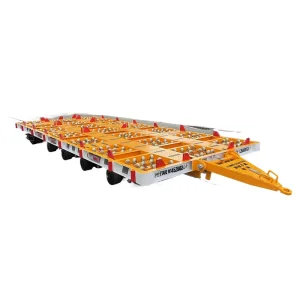
Equipped with reliable heavy wheels and hydraulic locks to secure heavy military aircraft pallets.
View Details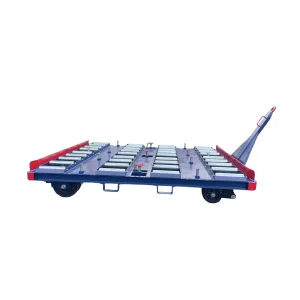
Mid-size cargo dolly suitable for standard commercial containers (e.g. LD3, LD7, LD9).
View Details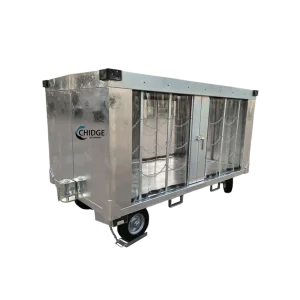
Constructed with high-strength anti-impact panels to prevent package water leakage.
View Details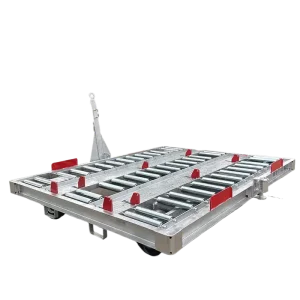
Robust flatbed layout equipped with parking brakes and safety pins for secure transport.
View Details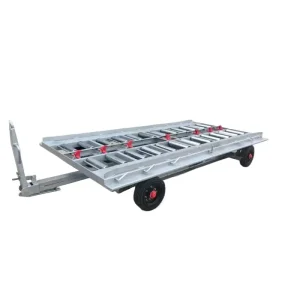
Designed for heavy duty loading operations with multi-directional roller paths.
View Details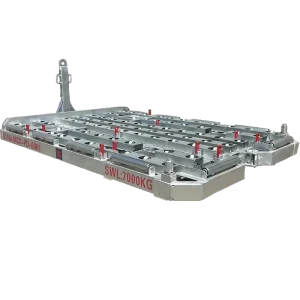
Equipped with reliable safety stops and side protection boards to prevent cargo slippage.
View Details Chidge Dolly