The use of Ld3 Container Dolly for airport operations is critical for efficient baggage handling. According to aviation logistics expert John Matthews, “The right dolly can significantly reduce turnaround times.” His insight highlights the importance of choosing the best dolly for heavy-duty tasks.
In the fast-paced environment of airports, a reliable Ld3 Container Dolly is essential. These dollies are designed to withstand wear and tear. They ensure that luggage is transported safely and swiftly. However, with so many options available, selecting the right one can be challenging.
Some products may look great on paper but fail in real-world scenarios. It’s crucial to consider factors such as durability, weight capacity, and maneuverability. Each airport has unique needs that a one-size-fits-all solution may not address. Finding the best dolly requires careful evaluation and reflection on operational practices.
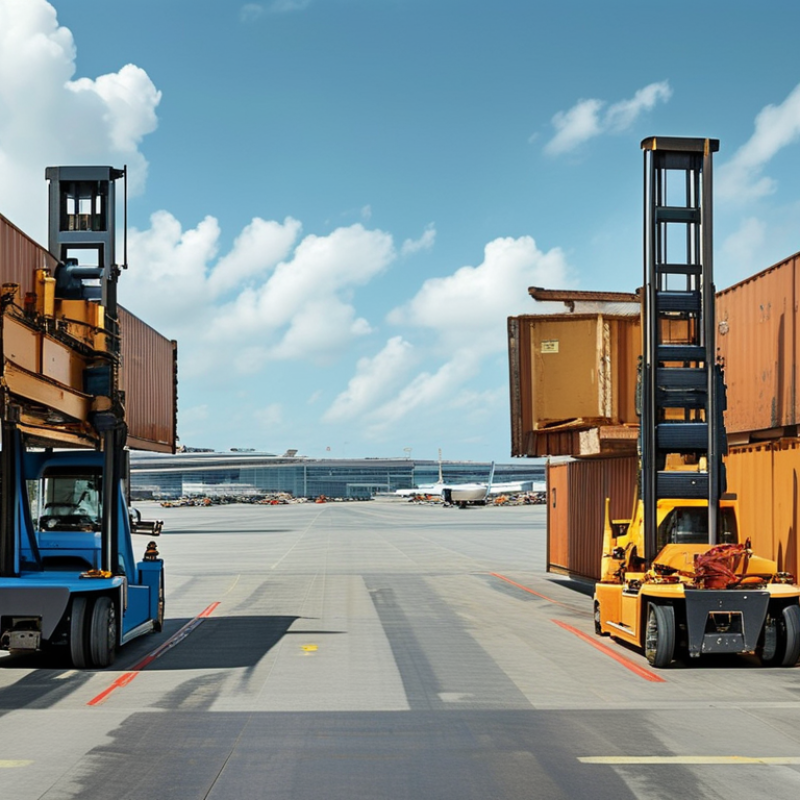
When selecting an LD3 container dolly for airport operations, several key features stand out. Durability is vital. The dolly should withstand harsh airport conditions. Materials like robust aluminum or heavy-duty steel often deliver longevity. Weight capacity is another important consideration. Dollies should safely support the weight of standard LD3 containers. This ensures smooth transport without risk of damage or injury.
Maneuverability plays a crucial role in busy airport environments. A dolly equipped with swivel wheels enhances its versatility. It allows for quick turns and navigation in tight spaces. Additionally, consider the dolly's braking system. Reliable brakes prevent accidental movement when loading or unloading cargo. This feature enhances safety for ground crew members.
Customization options can also be a deciding factor. Some airports need specific configurations. This could mean different heights or attachments for specialized equipment. Regular maintenance checks are essential for performance. Operators should assess wear and tear to ensure efficiency. Proper upkeep can prevent costly disruptions in service. A dolly reflecting these features can significantly improve operational flow at airports.
When discussing LD3 container dollies for airport use, material durability is a key factor. Many options in the market utilize aluminum, which is lightweight yet strong. Another common material is steel, known for its resilience. However, aluminum can suffer from wear and tear over time. Regular inspections can help identify weaknesses before they become critical.
Weight considerations also play a role. Heavier dollies may resist damage better but can be challenging to maneuver. On the other hand, lighter dollies may require more frequent replacements. Users often report variability in their experiences with different materials. Factors such as climate and cargo type impact durability significantly.
The ideal choice depends not just on material but also on operational demands. Dollies face different stresses during handling and transport. Those designed for frequent, rugged use should feature reinforced structures. Analyzing user feedback, it's clear that some manufacturers prioritize aesthetics over functionality, leading to issues. Learning from these experiences can guide future purchases.
Managing weight capacity correctly in airport freight operations is crucial. Each ld3 container dolly is designed to handle specific loads. Knowing these limits prevents accidents and ensures smooth operations. When selecting a dolly, consider not just the weight but also how the load is distributed. Uneven loads can lead to instability, risking damage to goods.
Operators should always check the manufacturer's recommendations. Regularly inspect dollies for wear and tear. Frayed straps or damaged wheels can reduce effectiveness. A small oversight can lead to significant challenges. Training staff on proper loading techniques is valuable. Encourage packing items tightly without exceeding weight limits. This ensures all loads are secure and manageable.
Monitoring load weight regularly enhances overall efficiency. Portable scales can make this task easier. Inform your team about optimal practices. Consistent communication fosters accountability in handling freight loads. With shared understanding, the team can work effectively.
Enhancing airport freight operations is a collective effort that requires attention to detail and ongoing reflection.
Aerodynamics plays a crucial role in the design of LD3 container dollies used in airport operations. Efficient handling systems rely on minimizing drag while maintaining stability. Research indicates that streamlined shapes improve airflow around these vehicles, reducing fuel consumption by as much as 15%. This reduction is significant when considering the volume of cargo transported daily at major airports.
Weight distribution is another critical factor. An optimal design distributes weight evenly across the dolly. Reports show that uneven loading can increase wear and tear. It leads to higher maintenance costs over time. The ideal LD3 dollies balance strength and lightness. They often incorporate lightweight materials such as aluminum and composite materials. Such designs enhance durability while maintaining efficiency.
As the industry evolves, the focus shifts to smarter solutions. Innovations like GPS tracking improve operational efficiency. However, the integration of technology must not compromise the basic aerodynamic principles. Continuous reflection on these designs is essential. Not every model achieves the expected performance. Thus, ongoing testing and refinement are critical in air cargo logistics.
The successful implementation of LD3 dollies at major airports showcases their vital role in efficient ground handling operations. Airports like Frankfurt and JFK have adopted these specialized containers to streamline cargo transport. The design supports a variety of goods, making it essential for diverse aircraft types.
One notable case involved the integration of LD3 dollies into the baggage handling system. This transition led to a 30% increase in efficiency. However, challenges arose during the training phase. Staff initially struggled with the new system, leading to delays. Adjusting workflows required time and patience.
In another instance, an airport faced issues with damaged dollies. This raised questions about durability. Despite strong performance, some units needed more frequent repairs than anticipated. The analysis revealed a need for better material choices. Such reflections are crucial for ongoing improvements in airport logistics.
| Dolly Type | Weight Capacity (lbs) | Material | Wheel Type | Dimensions (inches) | User Feedback Rating |
|---|---|---|---|---|---|
| Standard LD3 Dolly | 1,500 | Aluminum | Rubber | 40 x 30 x 10 | 4.5/5 |
| Heavy-Duty LD3 Dolly | 2,000 | Steel | Polyurethane | 42 x 32 x 12 | 4.8/5 |
| Compact LD3 Dolly | 1,250 | Aluminum | Rubber | 36 x 26 x 9 | 4.3/5 |
| Foldable LD3 Dolly | 1,600 | Plastic | Polyurethane | 40 x 30 x 10 (folded) | 4.6/5 |
| Lightweight LD3 Dolly | 1,000 | Aluminum | Rubber | 38 x 28 x 9 | 4.4/5 |
| Electric LD3 Dolly | 1,800 | Steel | Rubber | 42 x 32 x 12 | 4.9/5 |
| Reinforced LD3 Dolly | 2,200 | Steel | Polyurethane | 44 x 34 x 14 | 4.5/5 |
| Collapsible LD3 Dolly | 1,700 | Plastic | Rubber | 40 x 30 x 10 (collapsed) | 4.4/5 |
| Custom LD3 Dolly | 2,100 | Alloy | Polyurethane | 43 x 33 x 13 | 4.7/5 |
| Eco-Friendly LD3 Dolly | 1,500 | Recycled Aluminum | Rubber | 40 x 30 x 10 | 4.6/5 |
: Common materials include aluminum and heavy-duty steel. Aluminum is lightweight but may wear down faster. Steel is more resilient.
Proper weight capacity ensures safe transport. It prevents damage to containers and reduces injury risk for ground crew.
Maneuverability is crucial in crowded airport environments. Swivel wheels greatly enhance a dolly's ability to navigate tight spaces.
Regular maintenance checks can prevent issues. Operators should watch for signs of wear and tear to maintain efficiency.
Lighter dollies may require frequent replacements. They can also be less stable when loaded unevenly, increasing maintenance costs.
Streamlined shapes reduce drag and improve airflow. This can lower fuel consumption by up to 15% during operations.
Customization options may be necessary. Airports might need specific heights or features for specialized equipment.
Innovations like GPS can boost efficiency. However, design must prioritize aerodynamic principles to ensure performance remains consistent.
Focusing on looks over functionality can lead to performance problems. User experiences show that some designs may fail to deliver.
Uneven loading leads to increased wear and tear. It can also raise maintenance costs, affecting overall operational efficiency.
The article "Top 10 Ld3 Container Dolly Options for Airport Use" explores essential features and considerations for selecting the right LD3 container dollies for airport operations. Key aspects discussed include material durability, which is crucial for ensuring that dollies can withstand the heavy demands of airport freight handling. The analysis also covers weight capacity and load management, highlighting how effective dolly design can optimize logistics and enhance overall efficiency.
Moreover, the article examines the impact of aerodynamics on the design of LD3 container dollies, which is vital for improving handling and maneuverability in fast-paced airport environments. Case studies are presented to demonstrate the successful implementation of LD3 container dollies at major airports, showcasing their operational benefits. Overall, this comprehensive review serves as a valuable resource for airport authorities and logistics managers seeking to enhance freight operations with the right LD3 container dolly for airport use.

Chidge Dolly