Choosing the right container dolly for airports can seem daunting. A container dolly for airports is essential for efficient ground handling. It enhances logistics and maintains safety. However, certain key factors must be considered.
The primary aspect is load capacity. Each dolly should handle specific container sizes and weights securely. Quality materials play a critical role. Strong, durable components ensure long-lasting performance. Additionally, ease of maneuverability is vital. A dolly that turns easily can save time and reduce injuries.
Maintenance and serviceability are also important. Ensure the dolly you select has a clear maintenance plan. Consider the manufacturer's reputation. Trustworthy brands usually provide reliable products. In conclusion, the right container dolly for airports can significantly impact operations. However, thorough research and careful evaluation are key to making an informed choice.
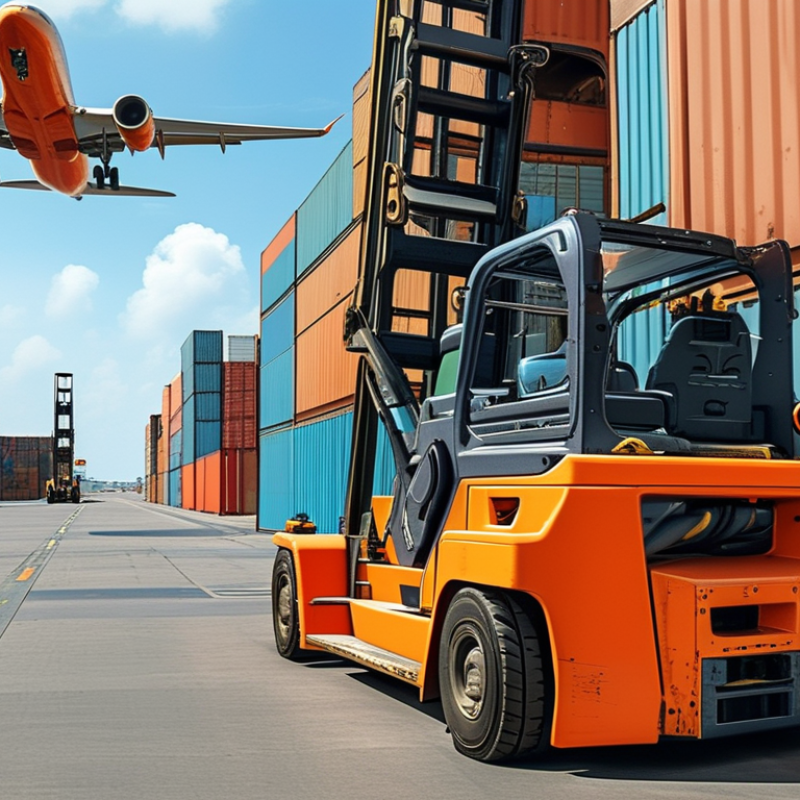
Container dollies play a crucial role in airport operations. These wheeled platforms facilitate the movement of various cargo containers across tarmacs and between terminals. Efficient transport of cargo is vital for airports, and container dollies significantly contribute to this process. According to a 2023 industry report, improper handling of cargo can lead to delays, costing airports an average of $10,000 per hour.
The design of a dolly impacts its performance. A standard unit can carry loads exceeding 5,000 pounds. However, not all dollies are created equal. Some models may lack adequate braking systems, which could lead to safety concerns. Maintenance practices can vary widely among airports. A report indicated that nearly 30% of dollies used showed signs of wear, suggesting a need for regular inspections.
Training personnel on the proper use of dollies is vital. Improper usage can lead to accidents and equipment damage. A survey revealed that roughly 15% of airport workers felt inadequately trained when handling dollies. Each airport must evaluate its specific needs to select the best dollies. Prioritizing quality and safety can enhance operational efficiency while ensuring compliance with safety standards.
| Model | Weight Capacity (lbs) | Dimensions (L x W x H) | Material | Features | Price Range (USD) |
|---|---|---|---|---|---|
| Dolly A | 4000 | 60 x 40 x 15 in | Aluminum | Lightweight, Foldable | $800 - $1200 |
| Dolly B | 5000 | 65 x 45 x 17 in | Steel | Heavy-Duty, Rust-Resistant | $900 - $1500 |
| Dolly C | 4500 | 58 x 38 x 15 in | Composite | Weatherproof, High Stability | $700 - $1100 |
| Dolly D | 6000 | 70 x 50 x 18 in | Aluminum Alloy | Retractable Handles, Dual Braking System | $1000 - $1600 |
Selecting the right container dolly for airports requires careful consideration of several key features. A reliable dolly enhances efficiency in ground handling operations. According to industry reports, approximately 30% of delays occur due to inefficient equipment. Thus, having a reliable dolly can significantly improve turnaround times.
Load capacity is a critical feature to evaluate. Most container dollies are designed to carry loads ranging from 1,500 to 3,000 pounds. An inadequate load capacity can lead to operational inefficiencies. Additionally, durability is essential since dollies face harsh conditions, including extreme weather and heavy wear. Materials that resist corrosion and wear help extend a dolly’s lifespan, as indicated by usage data showing that high-quality materials can last up to 20% longer.
Maneuverability cannot be ignored. Dollies equipped with swivel wheels allow for better navigation in tight spaces. A turning radius of under 90 degrees is preferable for busy terminals. Inadequate maneuverability often results in accidents or delays. While technology advancements promise enhanced features, careful assessment is needed, as not all innovations translate into practical improvements. Knowing how to balance these features can greatly affect airport operations.
Choosing the right material for a container dolly is essential for airports. Common materials include aluminum, steel, and plastic. Each has its unique benefits. Aluminum is lightweight and resistant to corrosion. It is ideal for reducing overall weight on the tarmac.
Steel, on the other hand, offers unmatched strength. This durability makes it suitable for heavy loads, but it can rust if not properly treated.
Plastic is often overlooked. It’s light and won’t corrode. However, it may not withstand extreme temperatures or heavy objects. Assessing your specific needs is crucial. Consider the environment where the dolly will be used. Is it wet, dry, or subject to extreme temperatures? Reflect on the weight of the loads to ensure your choice of material is appropriate.
Durability is vital, but it shouldn’t overshadow your operational needs. Some materials might promise longevity but lack the flexibility needed for changing airport demands. Prioritizing material choice can enhance efficiency and reduce maintenance costs. Selecting the right build is not just about strength; it's about knowing the airport’s specific challenges. Understanding these nuances can lead to more informed, effective decisions.
When selecting a container dolly for airports, understanding its weight capacity and size is crucial. The average cargo weight per flight can reach up to 100,000 pounds. This makes it essential for dollies to handle significant loads without compromising safety. According to a 2022 report by the International Air Transport Association, inefficient cargo handling can lead to delays costing airlines approximately $5 billion annually. Therefore, choosing the right dolly can directly influence operational efficiency.
Weight capacity should align with typical airport logistics. Many container dollies can support varying weights, from 1,000 to over 6,000 pounds. However, a dolly that is too light might not withstand everyday use. It could lead to mechanical failures, creating potentially hazardous situations. Size also matters; dollies should fit standard cargo containers. Misalignment can cause delays while maneuvering through tight airport spaces.
Real-world usage data reveals that almost 30% of airport equipment fails to meet weight specifications during peak operations. This reality encourages a thorough assessment of both capacity and size. Understanding your airport's specific requirements can prevent costly mistakes. Prioritizing durability along with the right dimensions can enhance workflow and safety in a busy airport environment.
When selecting a container dolly for airport use, understanding the balance between cost and value is crucial. A lower-priced dolly may seem attractive, but it could compromise quality. If the dolly frequently breaks down, maintenance costs will increase. Thus, you must evaluate its durability and design. An inexpensive option may also lack features that enhance efficiency, such as maneuverability or weight capacity.
Investing more initially might lead to savings in the long run. Assess the materials used and the manufacturer’s reputation. Research helps you identify which products provide good support. Consider user reviews and expert recommendations, as they often highlight real-world performance. A high-quality dolly can enhance productivity significantly, reducing downtime. However, the importance of compatibility with your airport's existing equipment shouldn’t be overlooked.
Ultimately, weighing the total cost of ownership against the potential value delivered is vital. Reflect on your airport’s specific needs before making a decision. Investing in the right dolly means balancing quality and practicality, ensuring you choose an option that meets current and future demands.
: Container dollies help move cargo containers across tarmacs and between terminals efficiently.
A standard dolly can carry loads exceeding 5,000 pounds.
The design affects performance. Poorly designed dollies may lack safety features like effective brakes.
Nearly 30% of dollies used show signs of wear, indicating a need for regular inspections.
Materials like aluminum, steel, and plastic influence weight, durability, and maintenance needs.
Understanding the weight capacity and size for safe, efficient transportation is vital.
Proper training prevents accidents and equipment damage, which is a concern for about 15% of workers.
Consider whether the environment is wet, dry, or extreme; it affects material choice and performance.
Misaligned dollies can delay operations, especially in crowded airport spaces.
It improves efficiency and reduces maintenance costs by ensuring safety and compliance.
When selecting a Container Dolly for Airports, it's essential to understand its pivotal role in streamlining airport operations. These specialized dollies are designed to efficiently transport cargo containers, thus enhancing logistical processes. Key features to consider include the material and durability of the dolly, which ensure longevity and reliability. Opting for the right build is crucial, especially in a demanding airport environment.
Additionally, assessing weight capacity and size is vital for ensuring efficient transportation without compromising safety. It’s important to evaluate the cost versus value to make an informed investment decision that aligns with operational needs. By carefully considering these factors, facilities can improve their workflows while optimizing resource management, ultimately leading to enhanced productivity in airport logistics.

Chidge Dolly